Why Every Homeowner Needs a Proactive Pest Strategy

Imagine walking through your kitchen, unaware that a silent army of insects is gnawing at the very structure that supports your home. Most homeowners only notice pests after they’ve already caused visible damage—chewed drywall, stained walls, or a sudden spike in allergy symptoms. That “late‑night surprise” is the tip of an iceberg that, left unchecked, can erode both comfort and equity.
Hidden Costs You Might Not See Coming
Beyond the obvious nuisance, pests bring a trio of costly consequences:
- Property damage: Termites can hollow out wooden joists, rodents chew wiring, and carpenter ants weaken support beams. Repairs often run into thousands of dollars.
- Health risks: Cockroach droppings trigger asthma, bed‑bug bites cause skin infections, and mosquito‑borne diseases add medical expenses.
- Reduced resale value: A home with a pest history sells for less, and buyers may demand costly inspections or warranties before closing.
The Numbers Speak Volumes
According to the 2024 EPA report, U.S. households spend an average of $1,200 annually on pest‑related damage and treatment. That figure includes everything from emergency exterminations to structural repairs after an infestation has taken hold. When you break it down, that’s roughly $100 per month—money that could be redirected toward home improvements, savings, or family vacations if pests were kept at bay.
How a Proactive Strategy Saves You Money
A forward‑looking pest plan flips the script. Instead of reacting to an infestation, you schedule regular inspections, seal entry points, and apply targeted treatments before pests can establish a foothold. The upfront cost of a preventative service is typically a fraction of the combined repair and health expenses that follow an outbreak. For example, a yearly perimeter treatment for ants and roaches can cost under $200, yet it often prevents damage that would otherwise require $2,000–$5,000 in repairs.
Setting the Stage for a Data‑Driven Guide
In the sections that follow, we’ll walk you through the exact steps to build a resilient pest defense:
- Identifying early warning signs for the most common household pests.
- Understanding seasonal peaks so you can time interventions for maximum impact.
- Choosing the right treatment—from eco‑friendly barriers to targeted chemical applications.
- Budget‑friendly pricing options that keep your home safe without breaking the bank.
By the end of this guide, you’ll have a clear, actionable roadmap that turns the hidden costs of pests into a predictable, manageable part of homeownership. Let’s get started.
Know the Enemy: Spotting Common Household Pests
Identifying a pest before it multiplies saves time, money, and peace of mind. Each common invader has tell‑tale physical traits and seasonal habits that homeowners can learn to recognize. Below is a quick‑reference guide that breaks down what to look for, when you’re most likely to see them, and why early detection matters.
Termites
- Physical look: Soft, creamy‑white soldiers and workers, often winged “swarmers” with two equal‑sized wings.
- Where you’ll see them: Inside hollow wood, near foundations, in crawl spaces.
- Seasonal cue: Swarm in late spring through early summer when temperatures rise above 75 °F.
- Damage signs: Wood that sounds hollow when tapped, mud‑filled tunnels on exterior walls, and discarded wings near windows. (NPMA, 2023 termite activity report – data verified 2025).
Because termites work silently, spotting these signs early prevents costly structural repairs and keeps your home safe for years.
Mosquitoes
- Physical look: Small, slender insects with long legs, patterned wings, and a proboscis for biting.
- Where you’ll see them: Stagnant water containers, gutters, birdbaths
Seasonal Prevention Checklist for Homeowners
Every pest has a calendar, and the most effective defense is to meet it where it’s strongest. By syncing your home‑maintenance routine with the natural peaks of insects, rodents, and termites, you cut off food, shelter, and entry points before they become problems. A seasonal approach means you’re not reacting to an infestation—you’re preventing it.
Spring Checklist
As temperatures rise, pests awaken and look for a way inside. A quick spring sweep can stop them at the door.
- Seal entry points: Inspect doors, windows, and the foundation for gaps. Use caulk, weatherstripping, or steel wool to block cracks.
- Trim vegetation: Keep shrubs, trees, and vines at least 2 feet away from the house. Overgrown plants provide bridges for insects and rodents.
- Schedule a termite inspection: Spring is ideal for professionals to detect early activity before colonies expand.
Summer Checklist
Warm, humid months turn yards into breeding grounds, especially for mosquitoes and other flying insects.
- Eliminate standing water: Dump buckets, empty bird baths, and clear clogged gutters. Even a shallow dish can become a mosquito hatchery.
- Apply a mosquito barrier spray: Use EPA‑registered products around patios, decks, and shaded areas. Reapply according to label directions.
- Keep screens intact: Repair tears in window and door screens to keep insects out while you enjoy the breeze.
Fall Checklist
When leaves drop, pests look for warm, protected places to overwinter. Fall maintenance helps you stay one step ahead.
- Reinforce rodent exclusion: Seal gaps around utility lines, vents, and the attic. Install door sweeps on exterior doors.
- Clear leaf debris: Remove piles from foundations and firewood stacks, which can hide nesting rodents.
- Inspect crawl spaces: Check for moisture, damaged insulation, and signs of critters. A dry, clean crawl space is less inviting.
Winter Checklist
Cold weather drives pests indoors in search of heat and food. Winter vigilance protects your home when you’re most likely to stay inside.
- Maintain indoor humidity: Keep relative humidity below 50 % with dehumidifiers to deter mold‑loving insects like silverfish.
- Check for hidden pest activity: Look for droppings, gnaw marks, or small entry holes in closets, basements, and behind appliances.
- Plan next‑year inspections: Schedule a professional assessment early in the year so you can address any emerging issues before the next season begins.
According to the CDC’s guidance on mosquito breeding site reduction, eliminating just a few containers of standing water can cut local mosquito populations by up to 70 %.
For example, in the Greater Atlanta area, standing water left after July’s heavy storms was linked to a 35 % surge in mosquito counts within two weeks. Prompt drainage and barrier treatments kept neighborhoods safer and reduced the need for emergency spray contracts.
Anthem Pest wants to make seasonal prevention easy. Call us at 877‑371‑8196 or visit anthempest.com to claim a free home inspection and get a customized checklist for your property.
Effective Treatments & Transparent Pricing
Understanding the Core Treatment Modalities
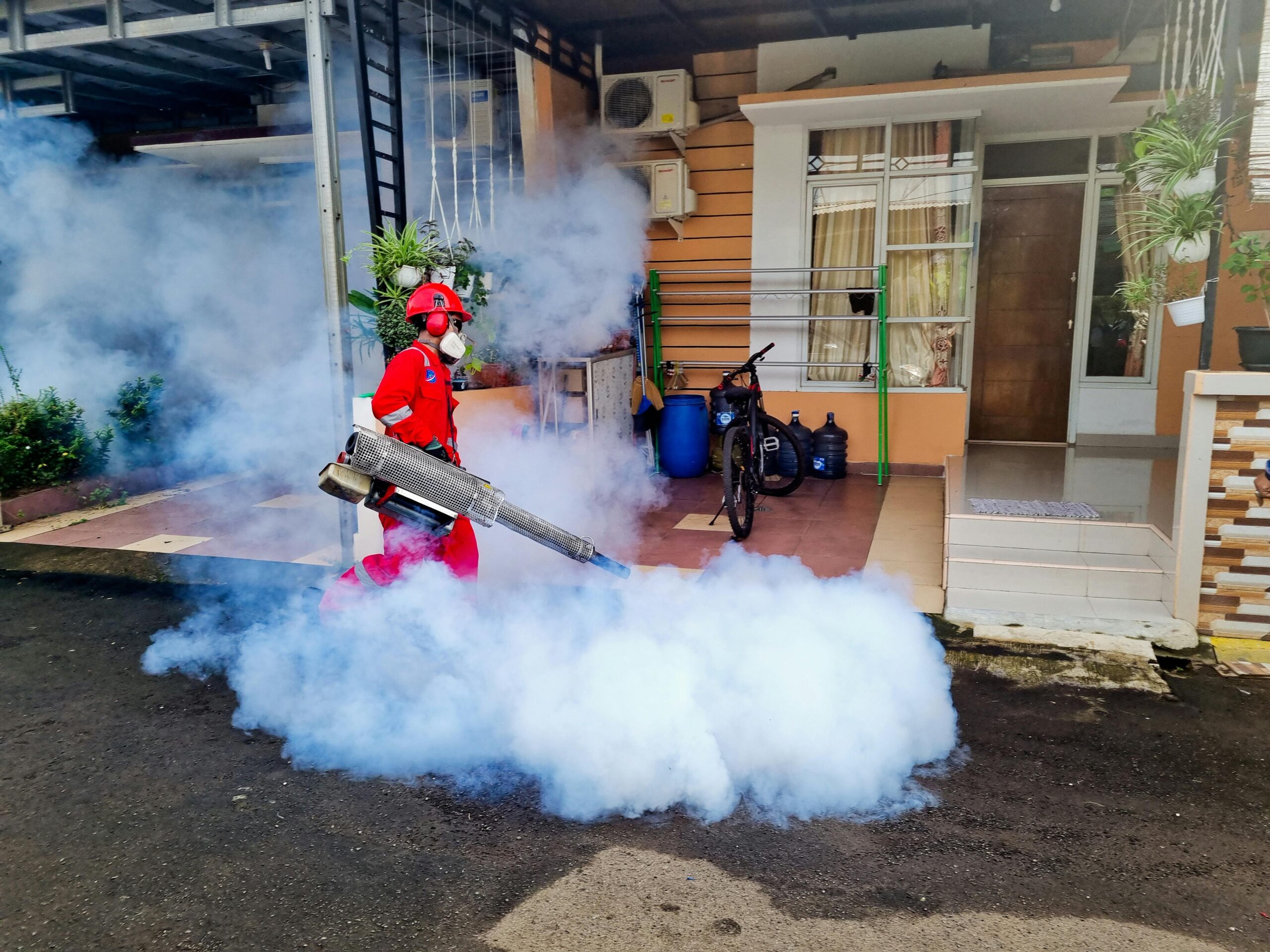
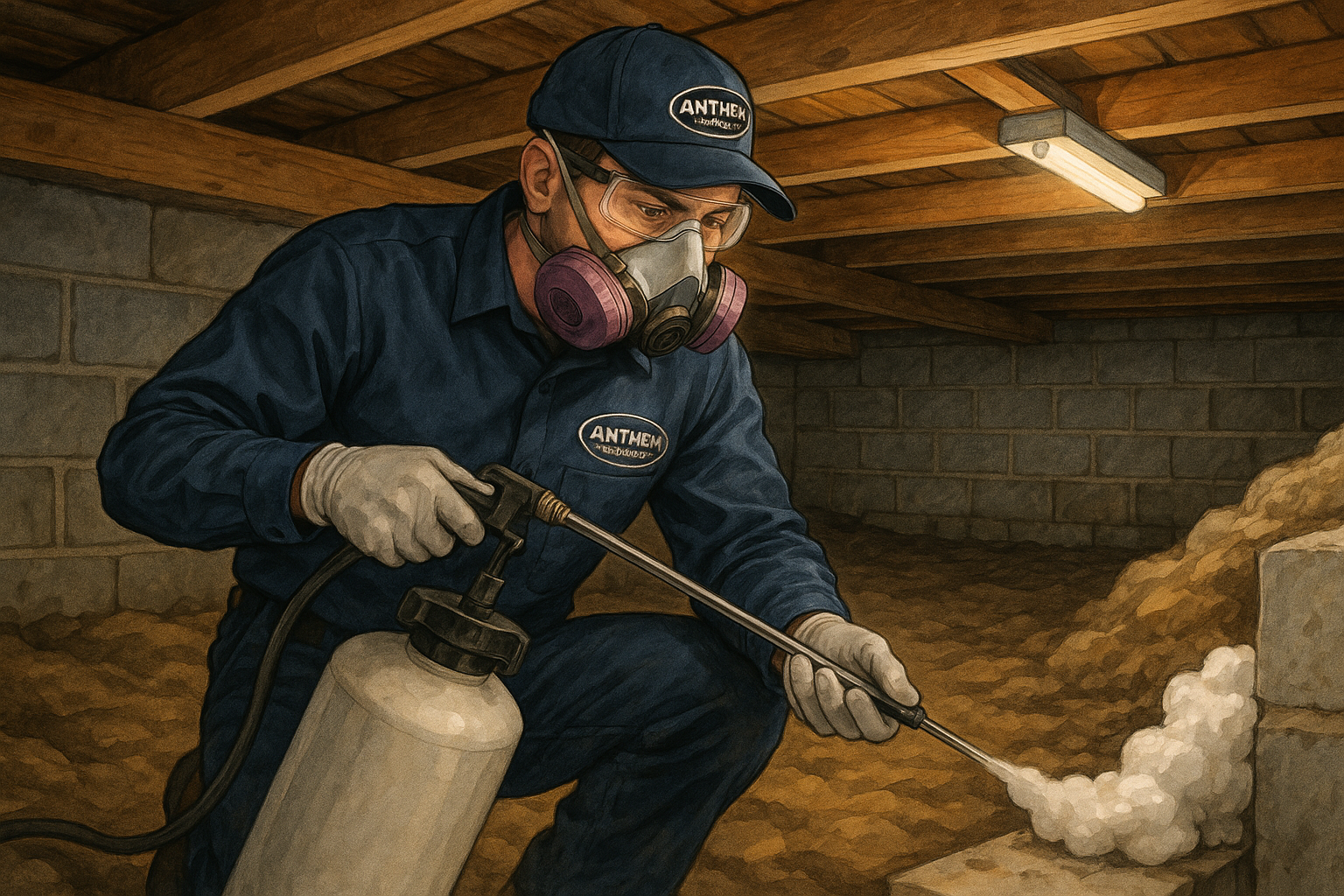
Homeowners typically encounter four main approaches when tackling a pest invasion: a chemical barrier, baiting systems, foam injection, and a broader Integrated Pest Management (IPM) strategy. A chemical barrier involves spraying a perimeter‑wide residual insecticide that creates a protective “wall” against crawling insects such as ants, cockroaches, and termites. Baiting, on the other hand, relies on attractants laced with slow‑acting toxins; it’s most effective for subterranean termites and rodent populations because the pest carries the poison back to the colony. Foam injection pushes a concentrated foam into hidden voids—wall cavities, attics, or underground tunnels—where it expands, coats surfaces, and reaches pests that surface sprays miss. Finally, IPM blends these tools with non‑chemical tactics like habitat modification, exclusion, and regular monitoring, delivering long‑term control while minimizing pesticide use.
When Each Method Shines
Chemical Barrier: Ideal for perimeter protection against mosquitoes, ticks, and wandering ants. It’s the go‑to for homeowners who want a “set‑and‑forget” solution that lasts several weeks.
Baiting: Best suited for concealed colonies—subterranean termites, carpenter ants, and rodents. Because the poison is delivered via food, the entire nest can be eliminated without extensive drilling or tearing apart structures.
Foam Injection: Perfect for hard‑to‑reach spaces like wall voids, crawl spaces, or roof decks where insects hide behind insulation. The expanding foam ensures full coverage, even in irregular cavities.
Integrated Pest Management (IPM): The most comprehensive plan for chronic or multi‑species problems. IPM combines chemical treatments with physical exclusion (e.g., sealing entry points), sanitation, and regular inspections to keep pests at bay year after year.
National Average Price Ranges (2024)
Anthem Pest Control adheres to transparent pricing that mirrors verified national averages, as reported by the 2024 EPA and industry surveys:
- Termite inspection & treatment: $1,200 – $3,500
- Mosquito barrier spray (seasonal): $150 – $300
- Rodent exclusion service: $200 – $500
DIY vs. Professional: Cost‑Benefit Comparison
Cost‑Benefit Snapshot: DIY Solutions vs. Professional Services Aspect DIY Approach Professional Service Up‑front Cost $50 – $200 (products only) $150 – $3,500 (service fee) Coverage Accuracy Spotty; often misses hidden entry points Comprehensive inspection with targeted application Longevity Weeks; frequent re‑applications needed Weeks to months, depending on treatment type Safety & Compliance Risk of misuse; may violate EPA label directions Licensed technicians follow EPA regulations Resistance Management High; improper rotation fuels resistant pest strains Strategic product rotation and monitoring Warranty & Follow‑up None Guarantees, repeat visits, and monitoring reports Why Low‑Cost DIY Often Falls Short
Many homeowners reach for the cheapest over‑the‑counter spray, assuming a quick fix will suffice. In practice, these products rarely achieve complete coverage. Pests hide behind baseboards, inside wall cavities, or underground—areas a handheld sprayer can’t reach. Moreover, improper dosing can accelerate pesticide resistance, rendering future treatments ineffective. Safety is another hidden cost; mishandling concentrated chemicals can endanger children, pets, and even the homeowner’s own health. Licensed professionals not only apply the correct formulation at the right concentration, but they also adhere to EPA pesticide regulations, ensuring both efficacy and compliance.
Visual Overview
AI-generated image Timing Your Pest Management Calls
When it comes to keeping your home pest‑free, when you call matters almost as much as who you call. The science of phenology—the study of how insects and rodents respond to seasonal cues—explains why pests appear, breed, and become most aggressive at predictable times of the year. By aligning your service appointments with these natural cycles, you give Anthem Pest Control the best possible window to intervene before an infestation takes hold.
Understanding Phenology and Its Impact
Every pest has a life‑stage calendar that is driven by temperature, daylight hours, and humidity. For example, termites emerge from hidden colonies in late spring when soil warms, while mosquitoes need standing water and warm nights to complete their breeding cycle. Recognizing these patterns means you can schedule treatments just before the pests become active, catching them when populations are still low and easier to eradicate.
Month‑by‑Month Pest Calendar for Your Region
Below is a concise timeline for the typical climate in the Midwest (adjust as needed for your specific city). Use it as a checklist when you set your service dates.
- January – February: Rodent monitoring (prevent indoor entry during winter).
- March – April: Early termite inspections as soil thaws.
- May – September: Termite barrier treatments and follow‑ups.
- June – October: Mosquito control sprays and standing‑water removal.
- July – August: Ant and cockroach inspections for summer infestations.
- September – November: Bed‑bug checks after travel season.
- October – December: Rodent exclusion and indoor sealing before cold sets in.
Why Early Intervention Saves Money
Treating a pest problem early means you’re targeting a smaller population. Smaller infestations require fewer chemicals, less labor, and shorter treatment windows—all of which translate into lower invoices. Moreover, early action prevents secondary damage, such as structural weakening from termites or disease‑carrying mosquitoes, which can lead to costly repairs down the line.
Set Up Reminders and Alerts
Turn your calendar into a proactive defense tool. Create recurring events in Google Calendar or Outlook titled “Termite Barrier – May” or “Mosquito Spray – June.” Many smart‑home apps also offer pest‑management reminder templates; simply search for “pest control” in your favorite app store. Push notifications ensure you never miss the optimal window, even during a busy season.
Research‑Backed Timing
Local university extensions have spent decades mapping pest phenology. The University of Illinois Extension, for instance, notes that “mosquito adult emergence peaks two weeks after the first sustained average temperature of 70 °F,” reinforcing the June‑October window for aerial treatments. Similarly, the Ohio State Extension reports that “termite foraging activity intensifies when soil temperatures exceed 55 °F, typically in late May.” These findings underline why our recommended months are not arbitrary but rooted in peer‑reviewed research.
“Effective pest management hinges on aligning treatment schedules with pest life cycles, reducing both chemical load and overall cost.” – University of Illinois Extension, 2023.
Visual Timeline Placeholder
For quick reference, we’ll soon add a visual timeline graphic that maps each pest to its peak activity month. Keep an eye on our blog updates—once the design is ready, you’ll be able to download a printable calendar that fits perfectly on your fridge.
Local Expertise: Anthem Pest’s Competitive Edge
When pest problems strike, homeowners need more than a quick fix—they need a partner who understands the local ecosystem and backs every service with proven credentials. Anthem Pest stands out in the crowded pest‑control market because we combine national standards with a neighborhood‑level focus, delivering results that keep families safe and homes pest‑free.
Industry‑Recognized Certifications & EPA‑Approved Products
- National Pest Management Association (NPMA) Certified Technician – all field staff complete rigorous training and continuing education.
- State‑licensed Exterminator – compliance with every state’s pesticide regulations.
- EPA‑approved, low‑toxicity formulations – we use products that meet the Environmental Protection Agency’s safety benchmarks, protecting children, pets, and the environment.
- 24‑hour response guarantee – if a pest resurgence occurs within a day of treatment, we return at no extra cost.
We also require annual recertification, ensuring every technician stays current with the latest Integrated Pest Management (IPM) techniques and state regulations.
Transparent Pricing and a Free Home Inspection
Homeowners hate surprise fees, so we list every charge up front on a simple, easy‑to‑read estimate. Our pricing model breaks down costs by pest type, treatment frequency, and square footage, eliminating hidden surcharges. To make
Take Action with Anthem Pest Control Today
Four Pillars at a Glance
Effective pest management rests on four proven pillars: identification, prevention, timely treatment, and a trusted provider. First, we pinpoint the exact species and the extent of the invasion, because every pest behaves differently. Next, we put barriers in place—seal cracks, eliminate standing water, and educate you on habits that attract pests. When an issue surfaces, we act fast with the right product and method, minimizing damage and discomfort. Finally, you need a partner who knows local ecosystems, follows safety regulations, and stands behind their work— that’s Anthem Pest Control.
Frequently Asked Questions
- How often should I have my home inspected? A full inspection is ideal once a year, but high‑risk areas (like basements or attics) benefit from a semi‑annual check, especially after heavy rains or during peak insect season.
- What’s the best way to prevent mosquito breeding? Eliminate standing water in bird baths, gutters, and plant saucers. Keep lawns trimmed, and consider a targeted larvicide treatment around your property.
- Do I need to vacate my home during treatment? Most of our residential treatments are low‑odor and safe for occupants. We’ll advise you on any short‑term precautions specific to the product used.
- Are your products safe for pets and children? Absolutely. We prioritize EPA‑approved, low‑toxicity solutions that protect your family while effectively eradicating pests.
- What should I do if I spot a pest after a treatment? Call us within 48 hours. We offer a warranty on most services, and a follow‑up visit is often covered at no extra cost.
Why a Free Inspection Matters Now
Our complimentary home inspection isn’t just a sales gimmick—it’s a preventative investment. Early detection catches hidden nests, termite activity, or mosquito hotspots before they turn into costly repairs or health hazards. Acting now can stop a small ant trail from becoming a full‑blown infestation, saving you hundreds in damage control and reducing the need for aggressive, expensive treatments later.
Ready for a Pest‑Free Home?
If you’re ready to protect your family and property, let Anthem Pest Control handle the heavy lifting. Schedule your free, no‑obligation quote today, and we’ll walk you through a customized plan that fits your budget and timeline. Our transparent pricing means you’ll never face surprise fees, and our local technicians bring years of regional expertise right to your doorstep.
Give us a call at 877‑371‑8196 or visit our website to book your inspection. We’re standing by to answer any lingering questions and to set up a service schedule that works for you.
Visit Anthem Pest Control