Why Silverfish Matter to Decatur Homeowners
Silverfish Inspection Decatur GA services are essential for homeowners who notice signs of moisture-loving pests inside their homes. Silverfish (Lepisma saccharina) may seem harmless at first glance, but they’re one of the most common indoor pests in Decatur, Georgia. These tiny, fish-shaped insects are covered in silvery scales that give them a metallic sheen, and they move in a rapid, wriggling motion that can surprise anyone who spots them. Adults typically measure ½ to ¾ inch long, have three long bristles at the rear, and thrive in dark, damp places where food sources are abundant.

Where Silverfish Set Up Shop
In Decatur homes, silverfish gravitate toward rooms that retain moisture and offer hidden crevices. Typical indoor habitats include:
- Bathrooms – under sinks, around showers, and behind tiles where humidity is highest.
- Kitchens – pantry shelves, under appliances, and near leaky pipes.
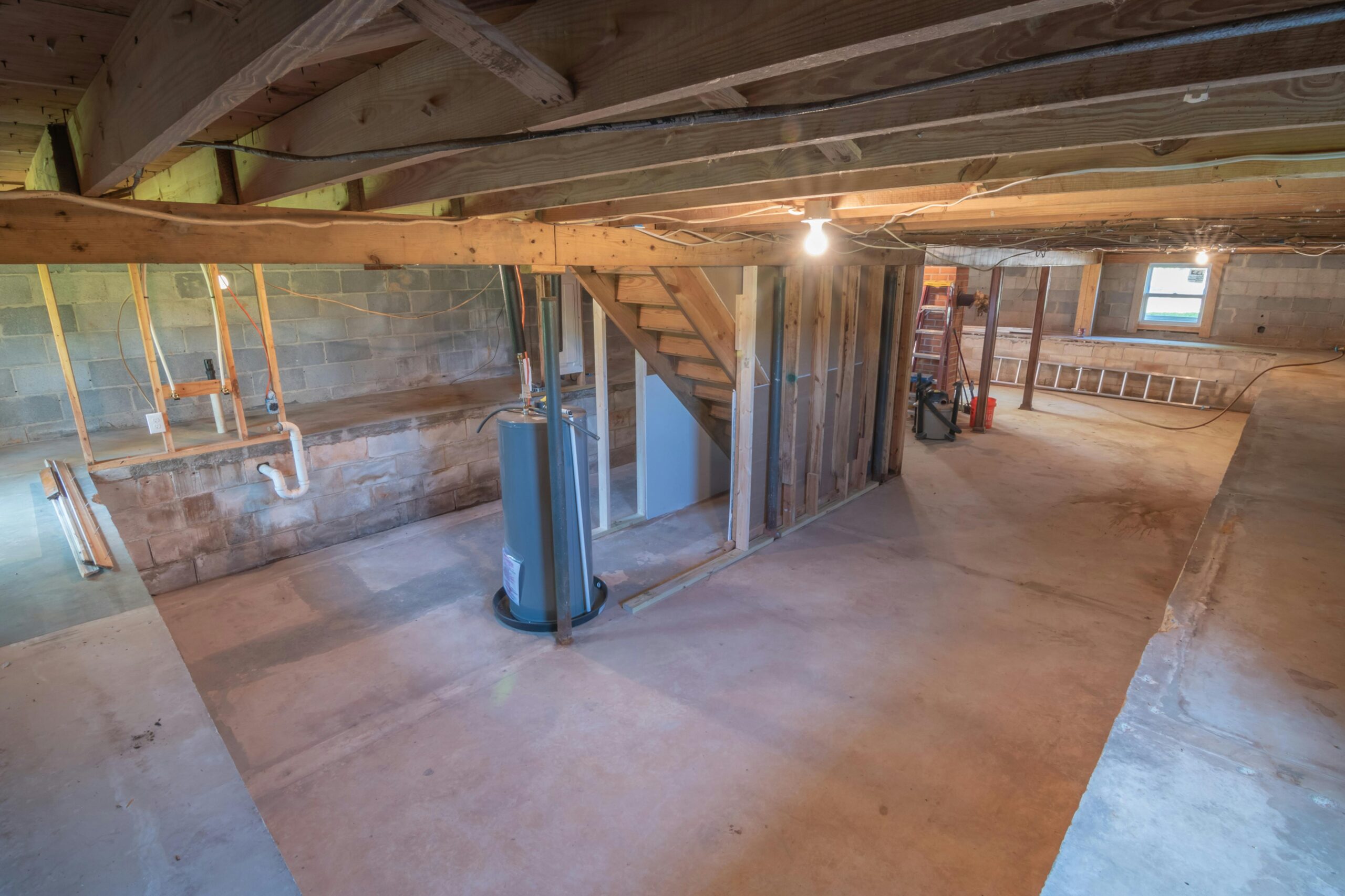
- Basements and crawl spaces – especially where water seepage creates a damp environment.
- Closets and laundry rooms – inside drawers, shoe boxes, and fabric piles that provide shelter and food.
Signs That Silverfish Have Invaded
Detecting a silverfish problem early can save you from costly damage. Look for these tell‑tale clues:
- Paper damage: Tiny, irregular holes in books, magazines, or important documents.
- Shed skins: Transparent, fish‑scale‑like exoskeletons left behind as they molt.
- Yellowish stains: Small, greasy marks on walls, floors, or pantry shelves where silverfish have crawled.
- Live sightings: A quick, darting movement in low‑light areas, often near food sources.
Why the Damage Matters
Silverfish feed on carbohydrates and proteins found in paper, glue, starches, and even certain fabrics. Over time, their feeding can:
- Ruin cherished books, family photo albums, and important paperwork.
- Cause holes and discoloration in clothing, especially natural fibers like cotton and silk.
- Leave unsightly marks on wallpaper, baseboards, and painted surfaces.
- Contaminate stored food items, especially grains, cereals, and dried fruit, leading to spoilage or off‑flavors.
While silverfish don’t bite or spread disease, the aesthetic and financial impact of their damage can be significant for any homeowner.
Decatur’s Climate: A Silverfish Magnet
Decatur’s humid subtropical climate creates the perfect backdrop for silverfish activity. Summer humidity often hovers above 70 %, and even winter nights can retain enough moisture to keep basements and crawl spaces damp. These conditions accelerate the insects’ life cycle, allowing them to reproduce quickly and establish colonies within months. Moreover, older homes with historic plaster, woodwork, and built‑in closets provide the nooks and crannies silverfish love.
Setting the Stage for Accurate Identification
Understanding where silverfish live, what they look like, and the damage they cause equips you to spot them before they become a nuisance. However, a Silverfish Inspection Decatur GA homeowners rely on goes a step further by confirming hidden activity behind walls, inside crawl spaces, and in moisture-prone areas. The next step is learning how to confirm an infestation with confidence. In the following section, we’ll walk through key identification techniques—what to look for under a magnifying glass, how to differentiate silverfish from harmless household insects, and when it’s time to call a professional.
Spotting Silverfish – Identification Tips for Homeowners
What Silverfish Look Like
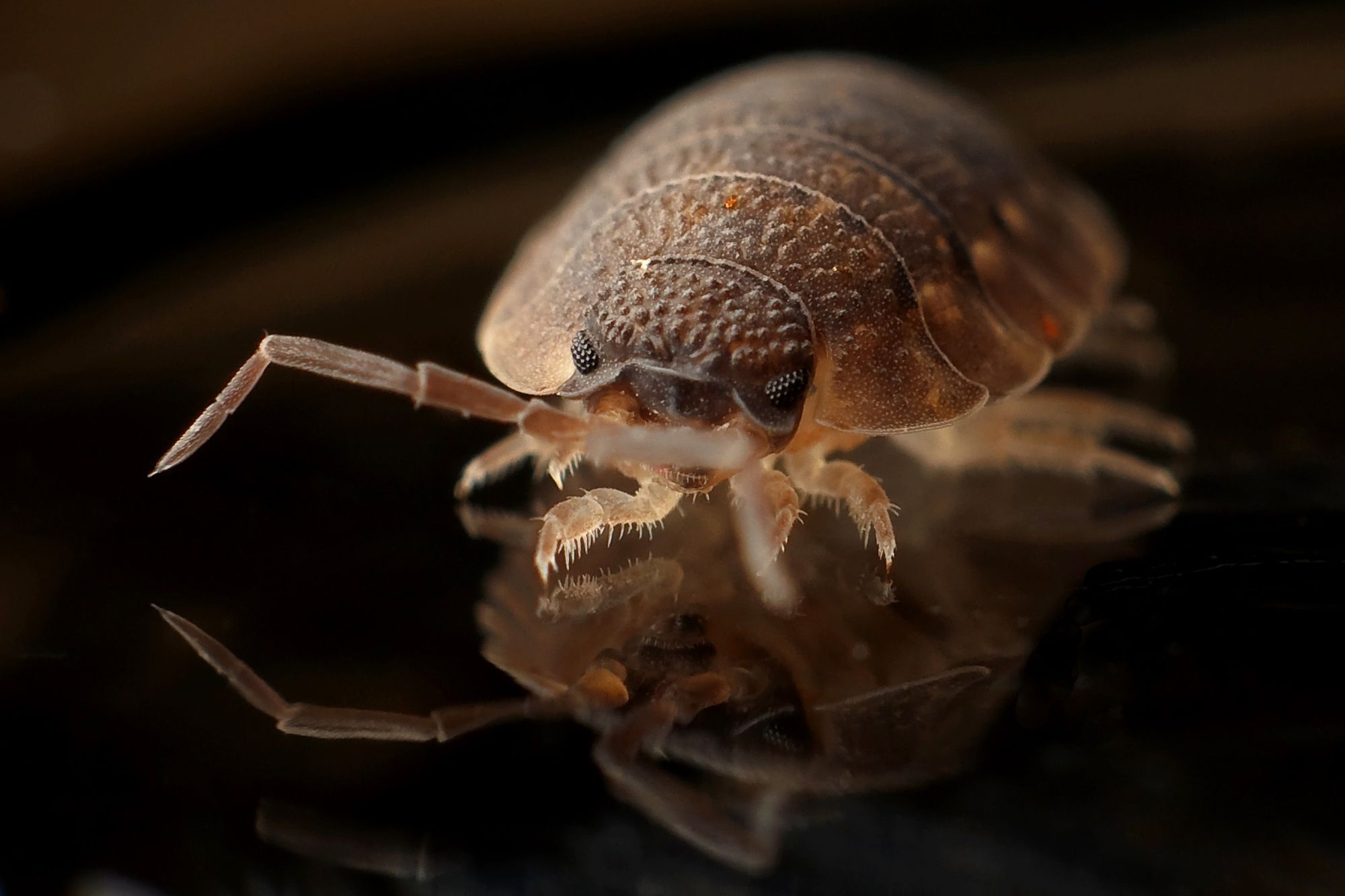
Silverfish are small, slender insects that typically measure ½ to ¾ inch (12‑19 mm) in length. Their bodies are covered in silvery‑gray or light brown scales that give them a metallic sheen, which is why they’re often called “fish‑moths.” The most distinctive feature is their fish‑like, wavy movement—when they walk, they undulate their bodies side‑to‑side, creating a rippling motion. At the rear, you’ll notice three long, tail‑like appendages: two cerci and a central filament, each about the same length as the body itself.
How to Tell Them Apart from Look‑Alikes
It’s easy to mistake silverfish for other household insects, especially carpet beetles and earwigs. During a professional Silverfish Inspection Decatur GA homeowners often request, technicians carefully distinguish between these pests to ensure accurate treatment. Carpet beetles are generally rounder, with a hard, dome-shaped back and a mottled pattern of black, white, or brown spots. They do not have the characteristic three-tail fringe and move in a straight, brisk manner rather than the sinuous glide of a silverfish.
Earwigs, on the other hand, have a flattened, elongated body and a pair of forceps‑like pincers at the end of their abdomen. Their coloration ranges from dark brown to black, and they lack the silvery scales that give silverfish their signature shine. If you spot the three slender tails and the gentle, fish‑like undulation, you’re looking at a silverfish.
Where Silverfish Hide in Your Home
Silverfish thrive in environments that stay cool and damp. The most common hotspots include:
- Under kitchen and bathroom sinks where water may pool.
- Behind appliances such as refrigerators, dishwashers, and washing machines.
- In basements, crawl spaces, or laundry rooms with poor ventilation.
- Inside stored boxes, cardboard, or paper products that have absorbed moisture.
- Along the edges of bathtubs, showers, and tile grout lines.
Checking these areas regularly can help you catch an infestation before it spreads to pantry items or clothing.
Quick DIY Traps to Confirm a Presence
If you suspect silverfish but need proof, a few simple traps can give you the answer without calling a professional right away.
- Sticky tape trap: Cut a piece of clear packing tape, sticky side up, and place it in a suspected zone (e.g., behind the toilet tank). The silverfish will glide onto the tape and become stuck.
- Flour trap: Spread a thin layer of all‑purpose flour on a piece of cardboard and set it near a damp corner. Silverfish will wander onto the flour, leaving a clear trail of tiny footprints that are easy to spot.
- DIY paper roll trap: Roll a piece of newspaper tightly, secure both ends with rubber bands, and tuck it into a closet or pantry corner. Silverfish love the dark, tight space; after a few days, open the roll and look for live insects.
Check the traps after 24‑48 hours. If you find silverfish, you’ve confirmed the problem and can move on to targeted treatment.
For a deeper dive into silverfish biology, habits, and long‑term control strategies, visit Silverfish facts.
How Much Does Silverfish Control Cost in Decatur?
Service Tiers Overview
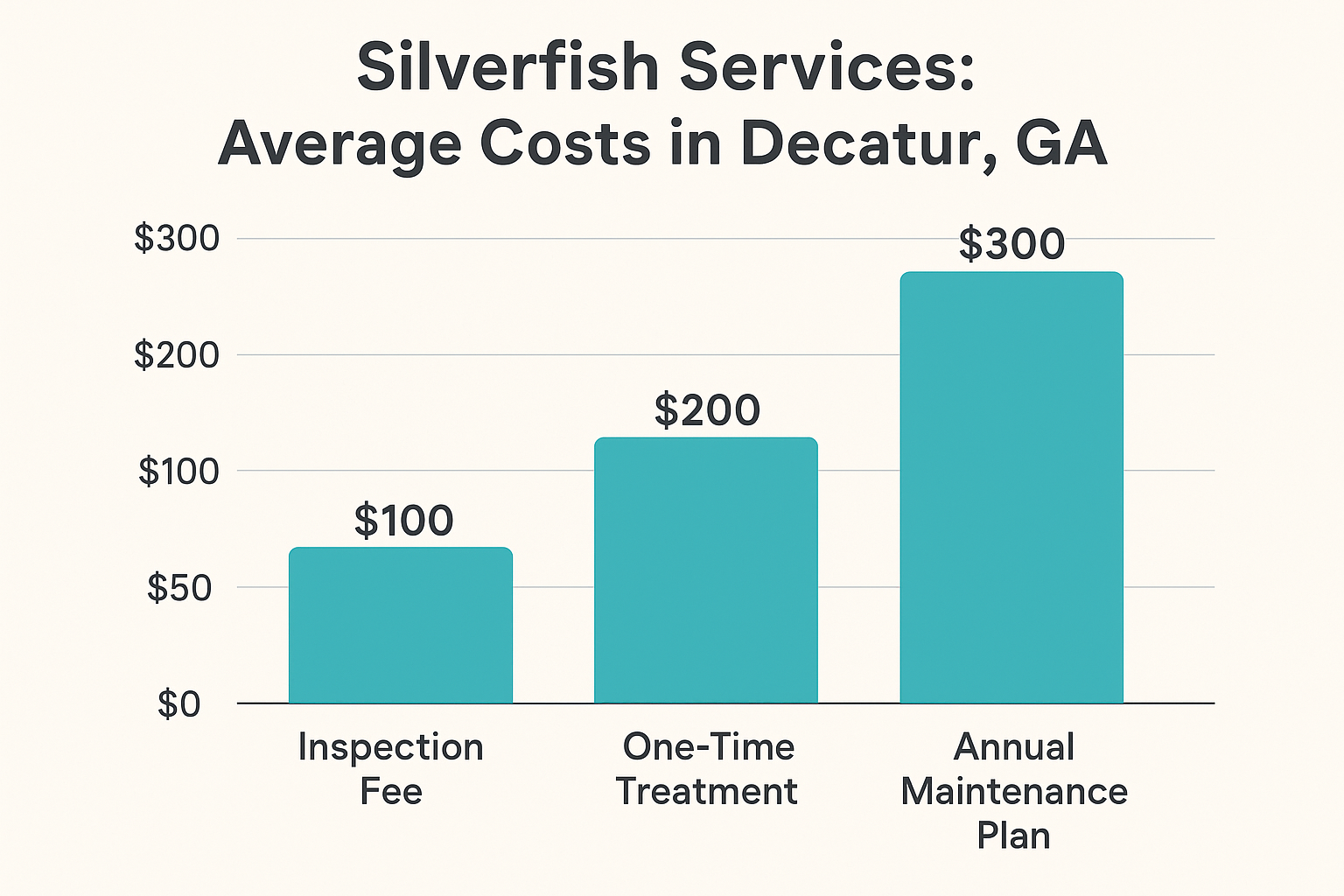
Anthem Pest Control structures its silverfish services into three clear tiers so homeowners can choose the level of protection that fits their budget and lifestyle. The first tier is a free or low‑cost inspection, designed to confirm the presence of silverfish and identify the conditions that attract them. The second tier is a single‑treatment package, which delivers a one‑time eradication using professional‑grade insecticides and targeted dusts. The third tier is an annual maintenance plan, offering ongoing monitoring, seasonal treatments, and preventive recommendations to keep silverfish out year after year.
Typical Price Ranges in Decatur
Based on recent service calls across Decatur, the following price bands represent the average cost you can expect:
- Inspection: $0 – $75. Many homeowners qualify for a complimentary walk‑through, while a detailed, report‑driven inspection usually falls around $75.
- One‑time treatment: $200 – $350. This range covers the application of residual sprays, dusts, and, when needed, localized heat or steam treatments.
- Annual maintenance plan: $150 per year (often billed quarterly at $40 – $45). The plan includes two scheduled visits, a follow‑up inspection, and a supply of preventative bait stations.
These figures are averages; actual costs may shift slightly based on the size of your home, the severity of the infestation, and any special access considerations.
What’s Included at Each Tier
- Inspection checklist: Visual search of kitchens, bathrooms, and dark corners; moisture assessment; identification of entry points; and a written report with photo evidence.
- Single‑treatment package: Application of EPA‑approved residual spray to baseboards and cracks; dusting of voids where silverfish hide; optional steam treatment for heavily infested closets or storage areas; plus a 30‑day guarantee on the work performed.
- Annual maintenance plan: Two comprehensive visits per year (spring and fall); re‑application of residuals as needed; seasonal moisture‑control advice; and a priority‑service hotline for any surprise sightings.
Professional Treatment vs. DIY Alternatives
Do‑it‑yourself methods—such as pantry traps, boric acid powders, or over‑the‑counter sprays—can provide temporary relief, but they rarely address the root causes of a silverfish problem. DIY solutions often miss hidden moisture sources, fail to treat voids behind walls, and lack the residual protection that a professional formulation offers. By contrast, a licensed technician brings calibrated equipment, industry‑tested chemicals, and a systematic approach that reduces re‑infestation risk. In the long run, the modest investment in a professional service typically saves money by preventing repeated DIY purchases and protecting your home’s structural integrity.
All prices are estimates; contact us for a personalized quote.
Seasonal Silverfish Activity and Prevention Strategies

The line‑graph above paints a clear picture of silverfish behavior in Decatur: activity climbs steadily through July, peaks sharply from late August into early October, then tapers off as winter approaches. Those high‑point months line up with the region’s warmest temperatures and the most sustained periods of indoor humidity. In short, when the air feels sticky and the thermostat nudges above 80 °F, silverfish are out in full force, seeking the cool, damp nooks they love.
Decatur’s climate is a classic Southern mix—hot, humid summers followed by a relatively mild fall. Humidity often spikes after summer thunderstorms, pushing indoor moisture levels above the 60 % threshold that silverfish consider ideal. Temperature spikes amplify their metabolic rate, so they move faster, reproduce more quickly, and spread to new hiding spots. This correlation means that the same weather pattern that makes your air conditioner work overtime also creates a welcoming environment for these nocturnal insects.
Seasonal Prevention Checklist
- De‑clutter storage areas – Reduce cardboard, paper stacks, and fabric piles that provide food and shelter.
- Fix all leaks – Inspect under sinks, behind appliances, and around windows for drips; even a slow leak can raise local humidity.
- Improve ventilation – Run exhaust fans in kitchens and bathrooms, and consider a dehumidifier in basements during summer months.
- Use silica‑based desiccants – Place small packets of silica gel or diatomaceous earth in closets, attics, and crawl spaces to absorb moisture and dry out any wandering silverfish.
When to Call a Professional
Anthem Pest recommends scheduling a thorough inspection in early spring—ideally March or early April—before the humidity curve begins its upward climb. A professional can locate hidden entry points, apply targeted treatments, and set up monitoring stations that give you an early warning before the August‑October surge. If you notice a sudden increase in silverfish sightings during summer, a mid‑season check‑up can keep the infestation from spilling over into the fall peak.
How the Graph Guides Your Calendar
The graph’s clear peak from late summer to early fall tells you exactly when to tighten your defenses. Think of the graph as a weather forecast for pests: the rising line signals “prepare now,” while the descending tail after October signals “maintenance mode.” By aligning your DIY tasks and professional visits with these trends, you stay one step ahead—preventing silverfish from establishing a foothold during their most active period.
DIY Deterrent Quick Tips
- Scatter a thin line of ground cinnamon in pantry corners; silverfish dislike its strong scent.
- Place cedar blocks or sachets in closets and drawers; the natural oils act as a mild repellent.
- Set up simple traps using a shallow dish of sugar‑water topped with a piece of masking tape—silverfish will climb the tape, slip into the liquid, and drown.
- Rotate trap locations every two weeks during peak months to cover new hotspots.
Protect Your Home Today with Expert Silverfish Control
Quick recap: what you’ve learned
- Silverfish thrive in damp, dark spots and can chew through paper, clothing, and even delicate wiring.
- Typical signs include tiny fish‑shaped insects, silvery scales, and small holes in books or fabric.
- Professional inspections are transparent—most homeowners see a clear, upfront cost before any work begins.
Cost transparency is a cornerstone of our service. Before any treatment, we provide a line‑item estimate, explain the materials you’ll receive, and outline the expected timeline. This way you know exactly what you’re paying for and can budget with confidence.
When left unchecked, silverfish don’t just become a nuisance; they can undermine the structural integrity of your home. Moisture‑absorbing damage to insulation, drywall, and stored items escalates quickly, especially in Decatur’s humid climate. Prompt treatment stops the infestation before it reaches a point where repairs become costly and time‑consuming.
Why choose Anthem Pest Control?
Anthem brings a deep understanding of Decatur’s unique pest pressures. Our technicians are trained to identify silverfish hotspots—kitchens, bathrooms, basements, and attic spaces—using a combination of visual inspection and moisture assessment tools. We employ low‑impact, EPA‑approved treatments that target the insects while keeping your family and pets safe. Because we value transparency, you’ll receive a detailed quote that outlines every step, so there are no surprise fees.
Our pricing model is built for homeowners: competitive rates, flexible service plans, and a free initial inspection to determine the exact scope of work. Whether you need a one‑time eradication or ongoing prevention, Anthem tailors the solution to fit your budget and schedule.
Take the next step
Don’t let silverfish silently damage your home. A quick call or click can set the wheels in motion for a pest‑free environment.
Schedule your free silverfish inspection today or request a personalized quote by visiting Anthem Pest Control or dialing 877‑371‑8196. Our friendly team is ready to answer your questions and book a convenient appointment.