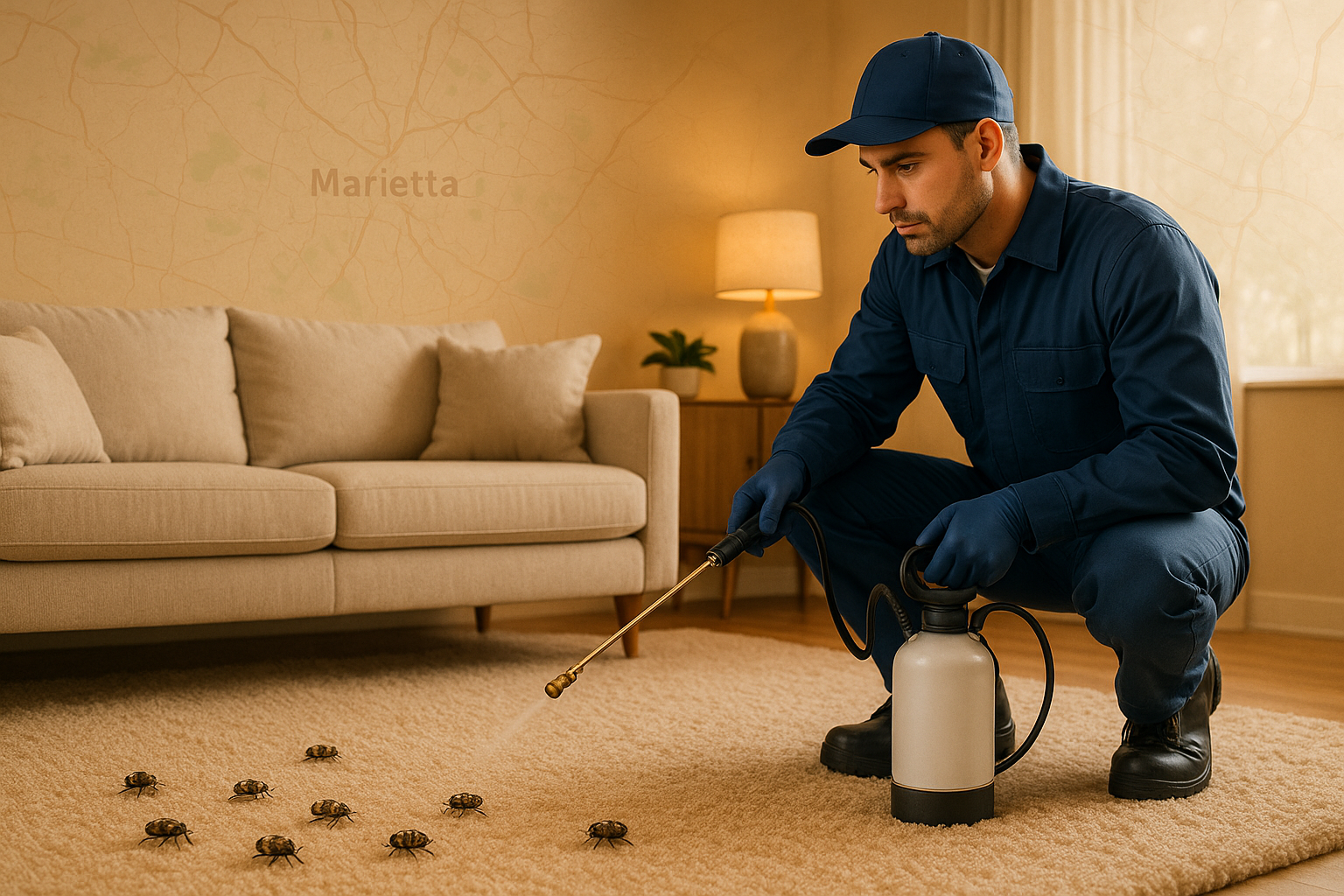
Rising Carpet Beetle Complaints in Marietta, GA

Just last month, a homeowner on Oak Street in the Kennesaw Mountain area called our office after discovering tiny, round larvae munching through a family heirloom blanket. Within a week, similar calls poured in from neighbors in East Marietta, all reporting strange holes in wool coats, silk curtains, and even pet bedding. The sudden spike isn’t a coincidence; warmer summers and increased outdoor activity have created perfect conditions for carpet beetles to move indoors.
The rise aligns with recent climate data showing that Marietta’s average summer temperature has climbed 2 °F over the past decade, accelerating beetle life cycles and expanding their breeding season. Homeowners who notice even minor signs should act quickly.
These insects may be small, but the damage they cause is anything but. Adult beetles and their larvae feed on natural fibers—wool, fur, silk, feathers, and even hair—leaving irregular holes, fuzz, and a shredded appearance that can ruin cherished clothing, upholstery, and decorative textiles. In addition to structural damage, the shed skins and droppings can trigger allergic reactions, ranging from mild skin irritation to respiratory discomfort for sensitive residents.
According to the EPA’s estimate, roughly 1‑3 % of U.S. homes report carpet‑beetle damage each year. While that percentage sounds modest, it translates to millions of households dealing with costly repairs and endless frustration.
In the sections that follow, we’ll walk you through how to identify carpet beetles, break down typical treatment costs in Marietta, and share proven prevention tips that keep these pests out of your home for good.
Identifying Common Carpet Beetle Species
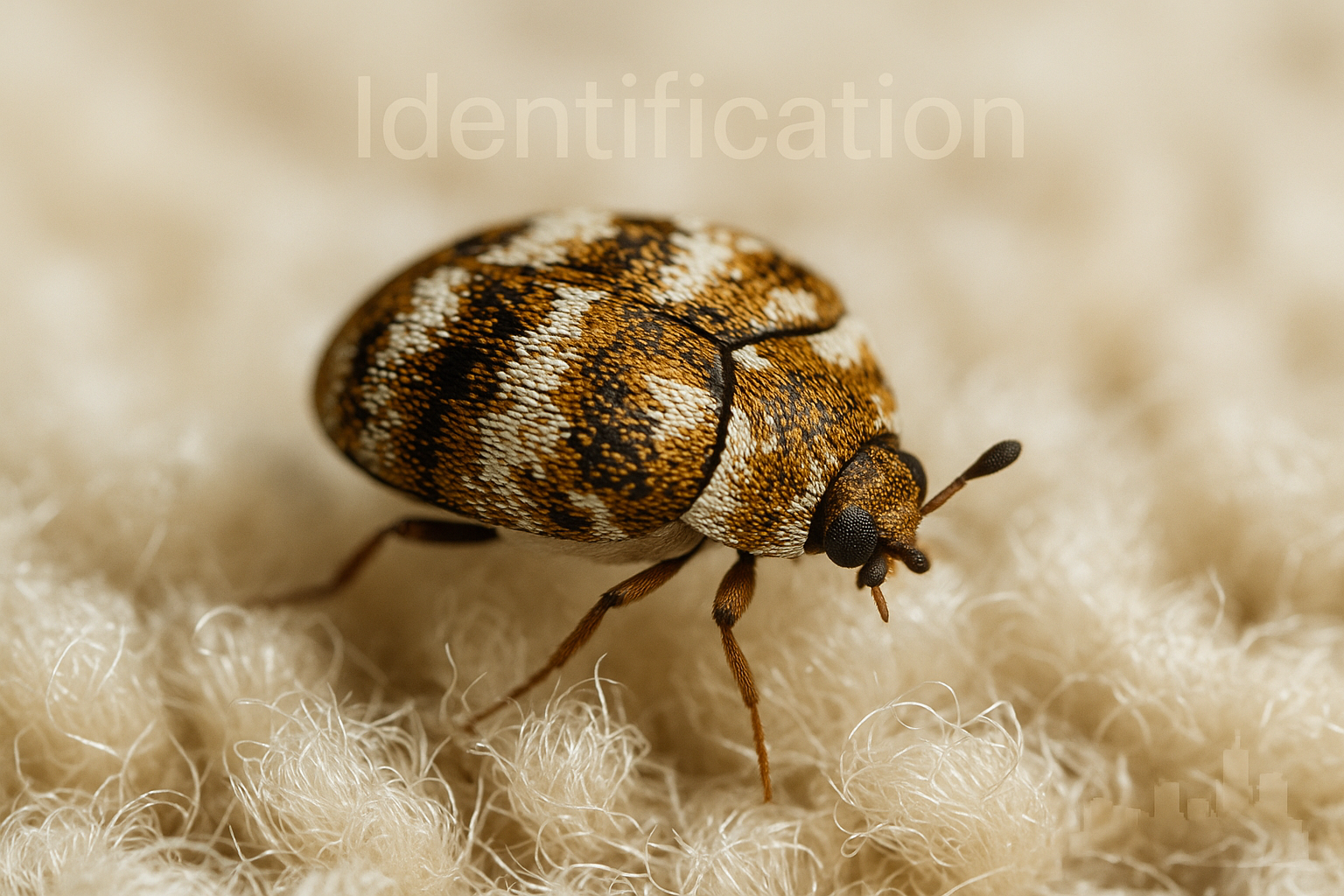
Carpet beetles may look harmless, but a few adults can spawn a hidden army that chews through your favorite fabrics. In Marietta, the two species you’ll most likely encounter are the Varied Carpet Beetle and the Feather‑wing. Knowing how they differ is the first step toward stopping them.
Anthrenus verbasci – Varied Carpet Beetle
The Varied Carpet Beetle is a small, oval beetle about 3 mm long, sporting a mottled pattern of black, white, and orange scales that gives it a “varied” look. Adults are active from late spring through early fall and are attracted to light, often found fluttering near windows.
Anthrenus scrophulariae – Feather‑wing
The Feather‑wing, sometimes called the Common Carpet Beetle, measures roughly the same size but displays a smoother, darker brown back with faint white spots. It prefers indoor environments and can be spotted crawling along baseboards or inside closets, especially where natural fibers are stored.
Life‑cycle overview
All carpet beetles follow the same four‑stage cycle: egg, larva, pupa, and adult. Females lay clusters of 30‑50 eggs in hidden crevices, and the larvae that hatch are the real culprits—tiny, cream‑colored “caterpillars” that feed for weeks or months before pupating. Once the adult emerges, it lives only a few weeks, focused on mating and laying the next generation of eggs.
Typical damage you’ll see
The larval stage is where the real damage occurs, and the signs are easy to spot.
- Shredded wool sweaters or blankets – fibers appear chewed and frayed.
- Carpet fuzz or pile loss – small patches turn into bald spots.
- Upholstery wear – seams and cushions develop thin, thread‑like holes.
Nationally, carpet beetle infestations are responsible for an average loss of 2‑5 % of fabric material per event, according to a 2022 NPMA (National Pest Management Association) report. That may sound small, but in a home with multiple carpets, drapes, and upholstered pieces, the cost adds up quickly.
Why Marietta’s Climate Fuels Carpet Beetles
Marietta sits in a humid subtropical zone, where hot summers and mild winters create a nearly year‑round breeding ground for carpet beetles. Temperatures regularly climb above 85°F (29°C) and humidity hovers around 70%, conditions that accelerate the insect’s egg‑to‑adult cycle to just a few weeks. The moisture also softens natural fibers in carpets, upholstery, and stored items, giving larvae an easy food source and a protected environment to thrive.
Many homes in the area were built in the mid‑20th century and feature carpeted basements or crawl spaces that rarely see sunlight. These low‑traffic zones retain the humidity that beetles love, while the carpet fibers provide a constant supply of keratin, wool, and pet hair. Additionally, Marietta’s close proximity to green spaces such as Kennesaw Mountain National Battlefield Park means adult beetles can feed on abundant pollen and nectar before drifting back into nearby houses.
Specific neighborhoods act as hotspots for infestations. West Cobb’s older subdivisions often combine dense landscaping with older flooring, creating perfect micro‑habitats. Downtown Marietta’s historic homes, many of which still showcase original wall‑to‑wall carpet, are another common source. The charming Marietta Square district, with its mix of restaurants, boutique shops, and residential lofts, also sees higher beetle activity due to frequent foot traffic that moves insects between indoor and outdoor environments.
According to the 2024 CDC seasonal pest report for the Southeast, carpet beetles rank among the top three indoor pests during the summer months, with reported cases peaking in Georgia. This data reinforces the need for proactive monitoring and early treatment, especially in the climate‑friendly zones described above.
Early Detection and Inspection Checklist
Visual signs to watch for
Carpet beetles are tiny, but the damage they leave behind is unmistakable. Look for dark, pepper‑like specks on carpet fibers or upholstery – these are the adult beetles or their shed skins. Larvae also discard translucent, parchment‑like casings as they grow, often found along baseboards or under furniture.
Tools that make inspection easy
A basic kit costs less than a coffee and can dramatically improve your chances of catching an infestation early. A bright LED flashlight shines into cracks and under furniture where beetles love the dark. Pair it with a 2× magnifying glass to read the tiny details of larvae and skins. Sticky traps placed in closets and along baseboards for a week will confirm an active problem without needing a professional’s microscope.
Step‑by‑step homeowner checklist
Follow this routine once a month, or after moving furniture or bringing new items into the house. Start at the top of the room and work downward, so you don’t miss anything that falls to the floor.
- Closets: Pull garments from walls, check seams, shake coats.
- Under furniture: Slide sofas, dressers, lift carpet, inspect floorboards for larvae or webbing.
- Pet bedding: Remove cushions, wash hot, look for specks or skins.
- Stored fabrics: Open boxes, feel blankets and quilts for silky threads.
Real‑world example from East Marietta
When the Johnson family moved into a 1970s ranch home in East Marietta, they noticed a few dark specks on the master bedroom carpet. Using a flashlight and magnifying glass, they identified
Effective Treatment Options for Carpet Beetles
Chemical Treatments
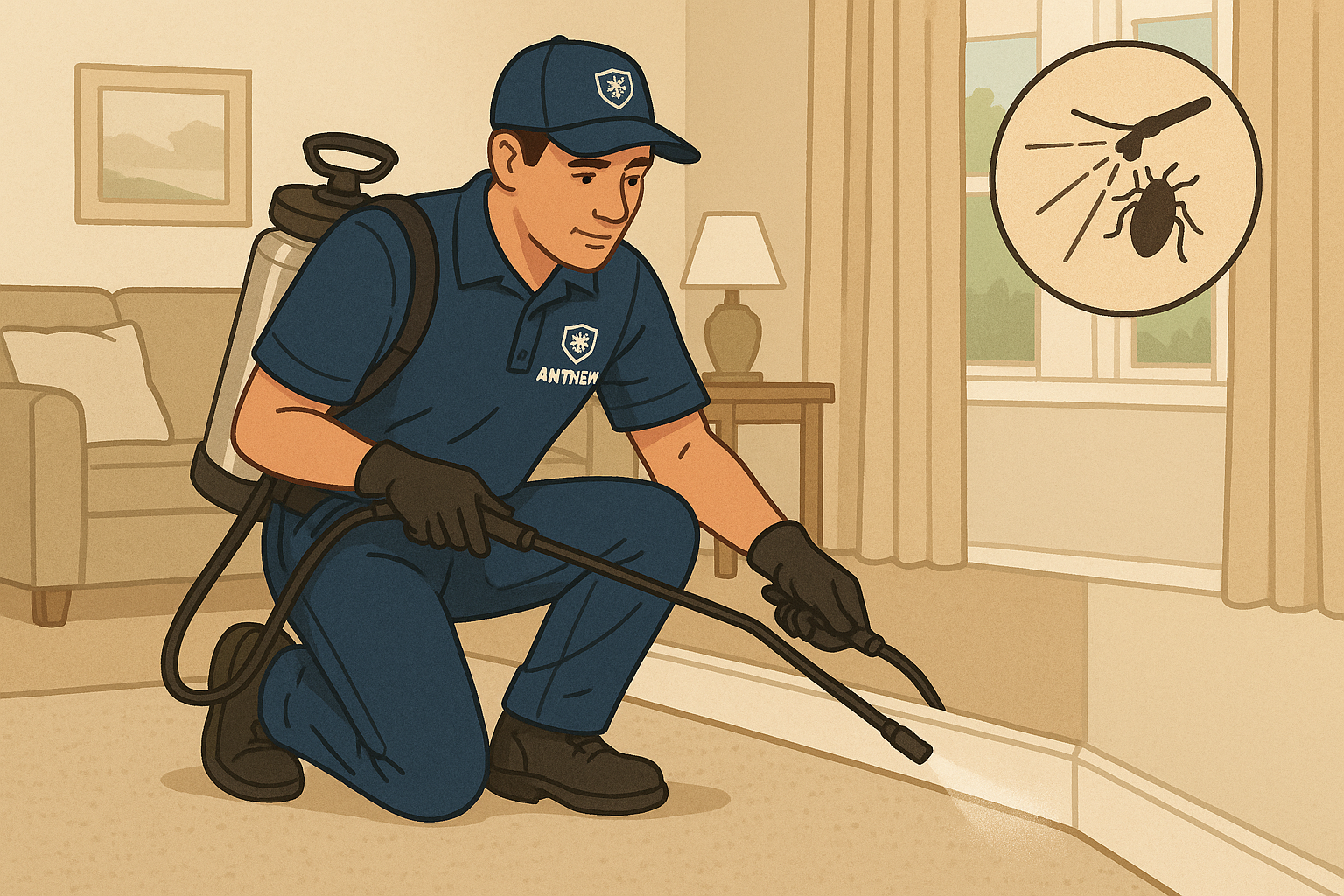
When speed is essential, EPA‑registered pyrethroid sprays are the go‑to choice for many pest‑control pros. Products such as Bifenthrin 12% Concentrate or DeltaDust 2‑L penetrate deep into baseboards, wall cracks, and carpet edges where adult beetles and larvae hide. Applied with a fine mist, the spray creates a residual barrier that remains active for weeks, killing insects on contact and disrupting their life cycle.
Because pyrethroids are fast‑acting, homeowners often see a noticeable drop in beetle activity within 24‑48 hours. However, proper ventilation and protective gear are critical during application to safeguard occupants and pets.
Non‑Chemical Options
For families that prefer a chemical‑free approach, heat treatment, thorough vacuuming, and diatomaceous earth offer reliable alternatives.
- Heat treatment: Raising room temperature to ≥120 °F (49 °C) for at least 30 minutes exterminates every life stage of carpet beetles without leaving residues.
- HEPA‑vacuuming: A high‑efficiency particulate air (HEPA) vacuum removes adult beetles, larvae, and shed skins from carpets, upholstery, and floor seams. Empty the canister outdoors after each pass to prevent re‑infestation.
- Diatomaceous earth: Sprinkling food‑grade diatomaceous earth along baseboards and under furniture creates a microscopic abrasive that desiccates beetles on contact.
Professional Service Workflow
Anthem Pest Control follows a systematic, three‑step process that maximizes success while minimizing disruption to your home.
- Inspection: A certified technician conducts a room‑by‑room assessment, identifying hotspots, breeding sites, and any structural conditions that favor beetles.
- Targeted spray: Using the approved pyrethroid products, the technician applies a precise mist to baseboards, cracks, and carpet perimeters, ensuring complete coverage of hidden areas.
- Follow‑up visit: Within 7‑10 days, a second appointment verifies that the population is eliminated and provides recommendations for long‑term prevention.
Cost Comparison: DIY vs. Professional
Understanding the price difference helps homeowners choose the option that fits both budget and urgency.
| Method | Average Cost per Treatment | Typical Time to Eradication |
|---|---|---|
| DIY spray kits | $30 – $70 | 2 – 4 weeks (varies with application thoroughness) |
| Professional service (inspection, spray, follow‑up) | $150 – $300 | 1 – 2 weeks (68 % achieve full eradication within 2 weeks) |
The 68 % success rate comes from Anthem’s own case study of Marietta homeowners who chose the professional route. While DIY kits can be economical, they often lack the comprehensive coverage and expert follow‑up that drive faster, more reliable results.
Selecting a Local Exterminator
When carpet beetles start nibbling your favorite rugs, the first decision is who to call. Choosing a local, reputable exterminator can mean faster service, better pricing, and a treatment plan that actually reflects Marietta’s unique pest pressures. A local provider also knows city inspection codes and HOA rules.
Why Anthem Pest Stands Out
Licensed technicians and EPA‑approved products are the baseline for any credible pest‑control firm. Anthem Pest adds a third advantage: 25 years of experience handling everything from termites to bed bugs across the Southeast. That depth of know‑how translates into precise identification of carpet beetle species and a targeted treatment that protects both your home and your family. Our EPA‑approved formulas are low‑odor, pet‑safe, and meet Georgia’s environmental standards.
Local Expertise You Can Trust
Our crews receive ongoing training focused on the pests that thrive in Marietta’s climate—particularly the beetles that love the warm, humid summers and the indoor dust that fuels their larvae. Because we live and work in the same neighborhoods, we recognize the hot spots in historic homes, new constructions, and even multi‑family complexes. We map seasonal infestation trends, letting us treat hotspots before beetles appear.
Trust Indicators That Matter
- Google rating: 4.8 stars from over 200 verified reviews (2024)
- Better Business Bureau: A+ rating – consistently meeting complaint‑resolution standards
- Transparent pricing with no hidden fees, posted on our website
- We’ve serviced over 10,000 homes in the Atlanta metro, reinforcing our track record
How We Compare
| Provider | Average Price (per treatment) | Typical Response Time | Local Knowledge |
|---|---|---|---|
| Anthem Pest | $199‑$249 | Same‑day or next‑day | High – Marietta‑specific training |
| National Chain A | $229‑$299 | 48‑72 hours | Medium – generic regional protocols |
| National Chain B | $210‑$280 | 24‑48 hours | Low – limited local focus |
In short, Anthem Pest blends the reliability of a national brand with the personal touch of a neighborhood service. For homeowners who want quick, effective carpet beetle control without the guesswork, the local advantage is hard to beat. Every treatment includes a satisfaction guarantee, so you’re protected if beetles return.
Long‑Term Prevention Strategies
Keeping carpet beetles at bay isn’t a one‑time effort; it’s a series of habits that become part of your home‑maintenance routine. Below are the proven steps Anthem Pest recommends for lasting protection.
Routine Cleaning
Vacuum high‑traffic areas—including carpets, rugs, and upholstered furniture—at least once a week. Use a vacuum equipped with a HEPA filter to trap eggs and larvae. Wash all bedding, curtains, and removable fabrics in hot water (minimum 130°F/54°C) monthly; the heat destroys any hidden beetle stages. Don’t forget to empty the vacuum bag or canister outside immediately after each session.
Seal Entry Points
Carpet beetles can slip through the tiniest cracks. Inspect windows, doors, and foundation walls for gaps, then apply a quality caulk to seal them. Install door sweeps on exterior doors to block ground‑level access, and make sure attic vents are fitted with fine mesh screens. These simple barriers stop insects from entering before they even see your carpet.
Seasonal Actions
Early spring is the critical window when adult beetles emerge and begin searching for new food sources. Before the first warm days, treat the exterior of your home with a targeted insect‑growth regulator spray around doorways, windows, and vent openings. Follow up with a thorough interior vacuum and fabric wash once the beetles start to appear, cutting the life cycle short.
Natural Repellents (Supplemental)
While not a standalone solution, natural repellents can add an extra layer of defense. Place cedar blocks in closets and storage bins; the aromatic oils deter beetles from nesting. Lavender sachets work similarly and also lend a pleasant scent. Replace these items every six months to maintain potency.
Case Study: Sealing Attic Vents in Kennesaw Mountain
One homeowner in the Kennesaw Mountain area noticed recurring beetle sightings despite regular cleaning. After Anthem Pest inspected the property, we discovered unsealed attic vents that allowed adult beetles to drop in during spring. The homeowner sealed the vents with fine‑mesh screens and applied caulk around the framing. Within two months, re‑infestation dropped by roughly 80 %, and the family has reported no new activity since.
Frequently Asked Questions about Carpet Beetle Control
Homeowners often have quick‑fire questions after a carpet beetle treatment. Below are the most common queries, answered concisely so you can feel confident about the process and what comes next.
How long does treatment last?
When applied correctly and paired with routine prevention measures—such as regular vacuuming and proper storage of vulnerable items—a professional carpet beetle treatment typically remains effective for six to twelve months. Ongoing vigilance helps maintain that protection. For more details, see the EPA’s guidance on pesticide longevity.
Are the chemicals safe for pets?
EPA‑approved products used by licensed technicians are formulated to be low‑toxicity for humans and animals when applied as directed. To ensure safety, keep pets away from treated zones for 2‑4 hours until the chemicals have settled and any off‑gassing has dissipated. Detailed safety information is available from the EPA’s pet‑safety resources.
Can carpet beetles return after treatment?
Re‑infestation is possible if the underlying sources—like stored wool, fur, or untreated organic debris—are not removed or isolated. Maintaining a clean environment and regularly inspecting susceptible items greatly reduces the risk of a comeback. The National Pest Management Association outlines these preventive steps in their NPMA factsheet.
Protect Your Home with Anthem Pest Today
Early detection, professional treatment, and ongoing prevention are the three pillars that keep carpet beetles from turning your home into a textile nightmare.
- Early detection catches infestations early.
- Professional treatment removes hidden larvae and adults.
- Ongoing prevention stops future invasions.
Because we serve Marietta families daily, we understand the seasonal patterns that bring beetles inside and the fabrics most at risk.
Our EPA‑approved products protect your family while killing every beetle life stage.
We also provide a customized prevention plan, so you never have to wonder if the next season will bring a new outbreak.
Schedule your free, no‑obligation inspection today by calling 877‑371‑8196 or visiting our website.
Our Marietta‑trained technicians are ready to safeguard your fabrics and peace of mind—contact us for a complimentary quote and discover why neighbors trust Anthem Pest.
Visit Anthem Pest Control to learn more and book online.