Identifying Carpet Beetles
Carpet beetles are among the most common household pests in Suwanee, Georgia, and they often go unnoticed until damage appears. Unlike larger insects, they’re tiny enough to slip through everyday cleaning, yet they can wreak havoc on natural fibers, clothing, and upholstery. Recognizing these beetles early gives you a head start on stopping an infestation before it spreads.
What the adult looks like
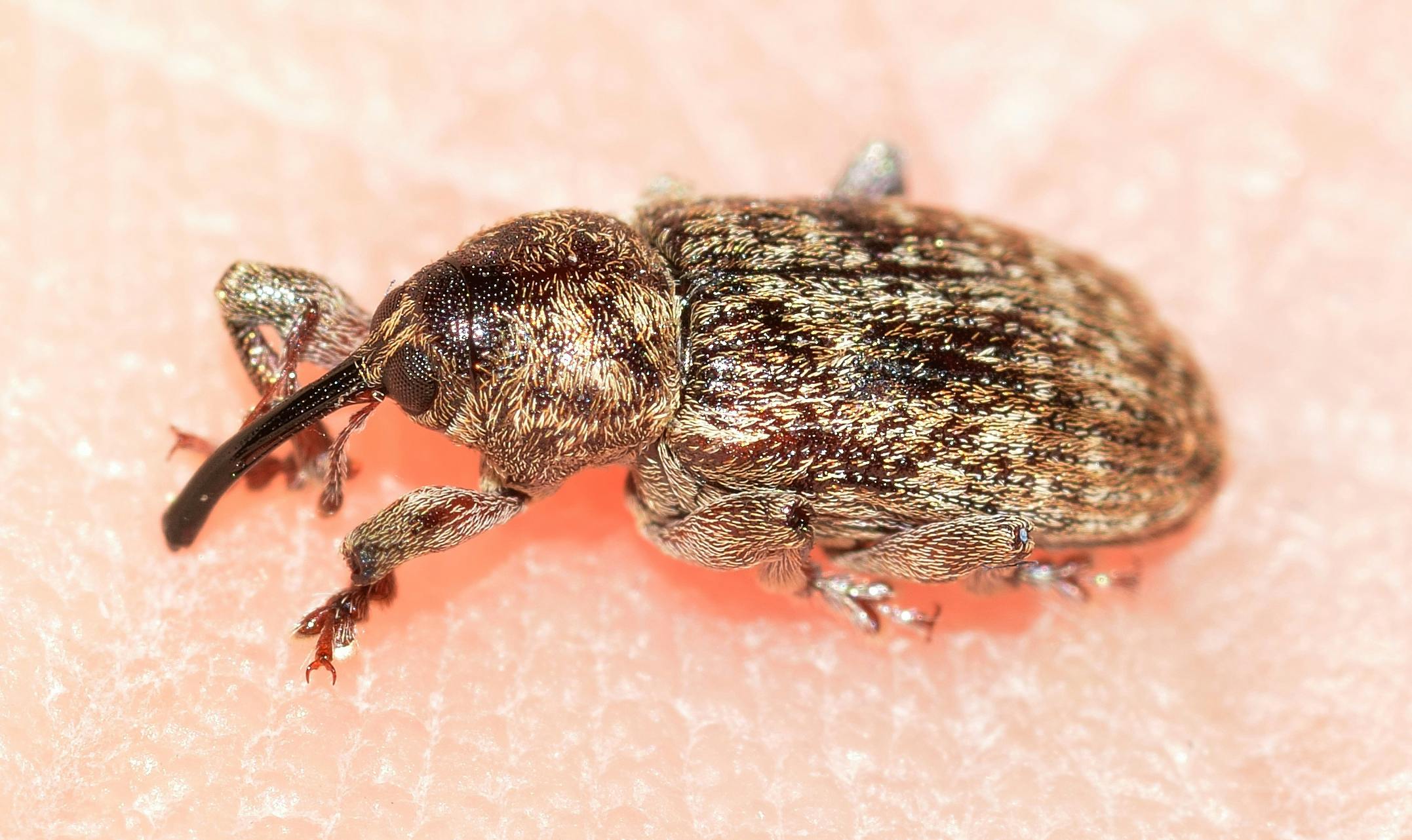
Adult carpet beetles are small—typically 3 to 5 mm long—and sport a rounded, oval shape. Their coloration is a mottled mix of black, brown, and white scales that create a “dusty” appearance, especially on light fabrics. The most distinctive feature is the pattern of white or cream-colored patches on the wing covers (elytra), which can look like tiny speckles when the beetle is at rest. Because they’re active flyers, you might see them fluttering near windows or light fixtures during the warmer months.
Meet the larvae: the real culprits
The larval stage is where the damage truly begins. Carpet beetle larvae are hairy, elongated, and somewhat caterpillar‑like. They range from 2 to 7 mm in length and are covered in bristly hairs that can irritate skin on contact. Their color varies from creamy white to brown, often with darker heads and a banded appearance. These larvae feed on keratin‑rich materials—think wool, silk, fur, and even dried pet food—so they’re the primary agents behind the holes you discover in sweaters or the thinning of carpet fibers.
Where they like to hide
Inside a home, carpet beetles gravitate toward areas where natural fibers accumulate. Common hotspots include:
- Carpets and area rugs, especially those with a high pile.
- Upholstered furniture and cushions.
- Stored clothing, blankets, and linens tucked away in closets or under beds.
- Pet bedding and dried pet food.
- Attic insulation and insulation in wall cavities.
Because they prefer dark, undisturbed spaces, you’ll often find larvae tucked into the seams of a couch or nestled in the folds of a winter coat that’s been stored for months.
Quick visual cue
When you’re scanning a light‑colored fabric, keep an eye out for small, mottled beetles that appear as moving specks. A simple macro photograph can make the difference between “just a speck” and “a potential infestation.”
Spotting these signs early allows Anthem Pest Control to intervene with targeted treatment—preventing costly damage to your home’s furnishings and giving you peace of mind. If you suspect carpet beetles, give us a call at 877‑371‑8196 or visit our website for a free inspection.
Signs of Infestation and Damage
Common signs to watch for
Carpet beetles are tiny, but they leave unmistakable clues. Look for shed skins (the larvae molt several times), small dark fecal pellets that resemble pepper, and delicate webbing in corners of closets or under furniture. You may also notice tiny, irregular holes in wool, silk, or blended fabrics—often no larger than a pinhead. These indicators appear early, giving you a chance to act before the problem spreads.
Areas you should inspect
Carpet beetles love hidden, undisturbed spots where they can feed and develop. Systematically check:
- Under and behind sofas, chairs, and heavy furniture.
- Inside closets, especially on wool sweaters, blankets, and stored linens.
- Window treatments, drapes, and curtains that receive little sunlight.
- Pet bedding and any fabric-covered pet accessories.
- Carpets and area rugs, paying close attention to the backing.
Types of damage you might see
When carpet beetles feed, they target natural fibers. The damage can manifest as:
- Fabric thinning—areas that feel paper‑thin or develop a sheer appearance.
- Carpet discoloration—small, faded spots where the fibers have been chewed away.
- Stained upholstery—dark specks or patches where larvae have excreted.
- Loss of stored wool or silk items—missing threads, holes, or entire pieces that have been reduced to ragged remnants.
How to differentiate carpet beetle damage from moths or other pests
While clothes moths also target wool, their tell‑tale signs differ. Moth larvae create silky tunnels and leave behind larger, more uniform holes, often accompanied by a distinct “cobweb” lining. In contrast, carpet beetle damage is irregular, with a mix of tiny holes, webbing, and scattered fecal pellets. Flea or bed‑bug infestations rarely affect fabrics; they focus on skin and blood meals, so any fabric damage points more strongly toward beetles or moths.
When to suspect a growing infestation and call a professional
If you find multiple signs across several rooms—especially in high‑traffic areas like living rooms and bedrooms—treat it as a red flag. A single shed skin might be an isolated incident, but a combination of skins, pellets, webbing, and fabric loss suggests the population is reproducing. At this stage, DIY measures often fall short. Contact a local expert, such as Anthem Pest Control, for a thorough inspection and a targeted treatment plan. Early professional intervention can protect your home’s textiles and prevent costly replacements down the line.
Prevention Tips for Homeowners
Carpet beetles thrive in the tiny crumbs of organic material that most of us overlook. By establishing a few simple habits, you can cut off their food supply and make your home an unattractive place for these pests.
1. Adopt a Consistent Cleaning Routine
Vacuuming isn’t just for visible dust—it’s the first line of defense against carpet beetle larvae. Focus on:
- Carpet seams, under furniture edges, and the backs of sofas where eggs often hide.
- Rugs and runner mats, especially those with fringe or fringe‑like fibers.
- Upholstered chairs and cushions; detach removable covers and vacuum the inner cushions.
After each vacuum pass, immediately empty the canister or bag into a sealed trash can. This prevents any captured insects from escaping back into the room.
2. Store Natural Fibers the Right Way
Wool, silk, and fur are prime meals for carpet beetles. When you’re not using these items, keep them out of reach:
- Place garments in airtight plastic containers or heavy‑duty zip‑lock bags.
- For long‑term storage, consider adding a cedar block or a few mothballs (used in a well‑ventilated closet) to deter adult beetles.
- Avoid cardboard boxes; beetles can chew through them and lay eggs directly on the fabric.
3. Eliminate Food Sources
Even a few stray hairs or crumbs can sustain a beetle population:
- Pick up pet hair daily and wash pet bedding in hot water.
- Clear lint traps from dryers and lint rollers after each use.
- Inspect pantry shelves for spilled grains, flour, or dried fruit; wipe them clean immediately.
- Dispose of dead insects promptly—what looks like a harmless speck can become a feast for beetle larvae.
4. Seasonal Deep‑Cleaning Checklist
Changing the climate each season can stir up dormant beetles. Use this checklist to stay ahead of them:
| Season | Key Actions |
|---|---|
| Spring | Vacuum all floor coverings twice; wash curtains and drapes in hot water; rotate and vacuum stored winter blankets. |
| Summer | Inspect outdoor furniture for beetle activity; store garden cushions in sealed containers; clean attic insulation if accessible. |
| Fall | Deep‑clean carpets before storing holiday décor; seal any open storage bins; replace worn carpet padding. |
| Winter | Run a HEPA vacuum on upholstery weekly; check for beetle activity around heating vents; keep pantry doors closed. |
5. When DIY Isn’t Enough, Call a Pro
Even the most diligent homeowner can miss hidden infestations behind wall voids or in ceiling insulation. A professional inspection pinpoints these blind spots, offers targeted treatments, and provides a long‑term prevention plan tailored to Suwanee’s climate.

Professional Treatment Options and What to Expect
What’s Available
When carpet beetles infiltrate a Suwanee home, a one‑size‑fits‑all approach rarely works. Professional technicians bring a toolbox of proven methods:
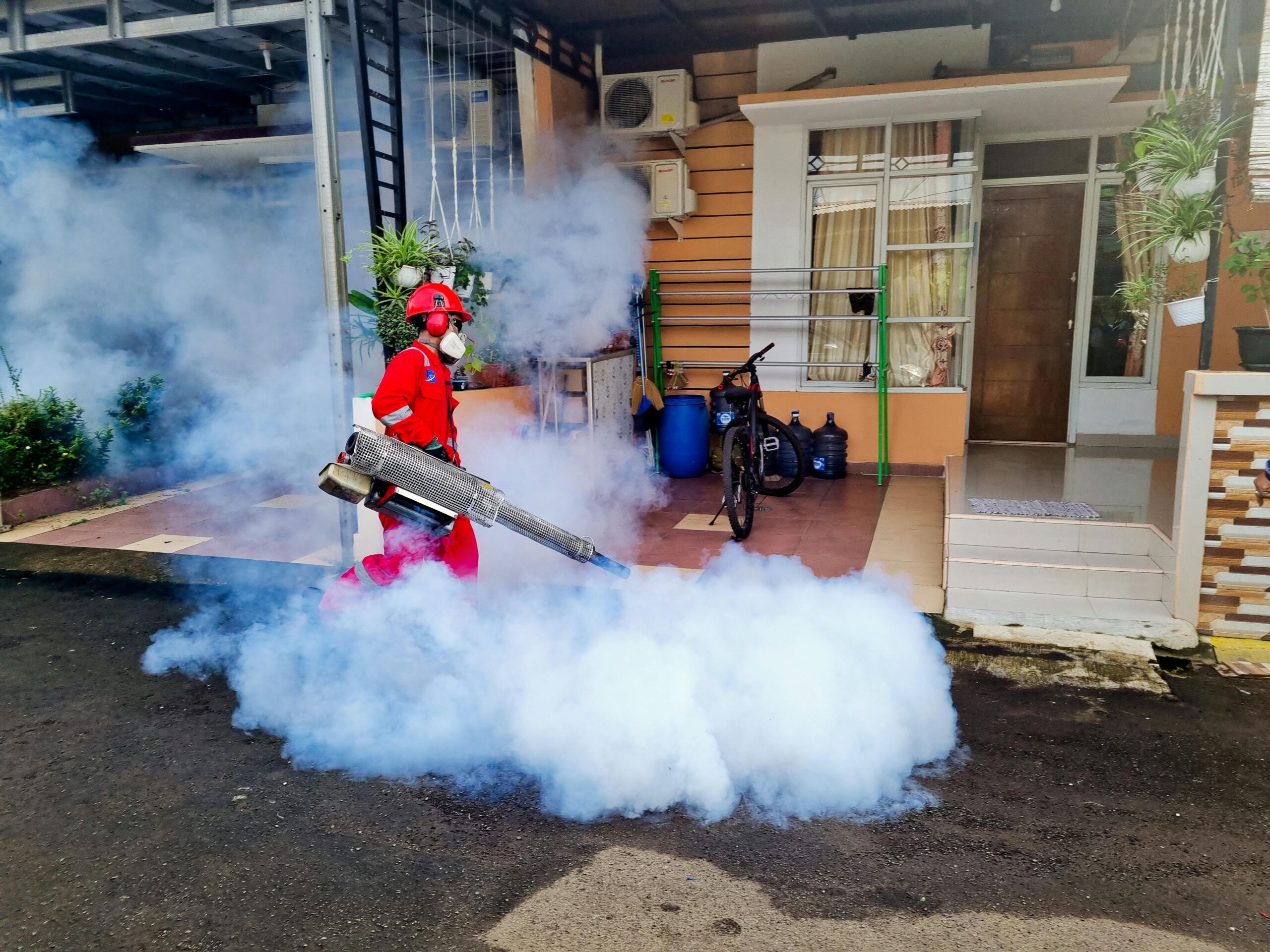
- Targeted sprays: Low‑toxicity insecticides are applied directly to cracks, baseboards, and the underside of furniture where adults lay eggs.
- Heat treatment: Portable heaters raise room temperatures to 120‑130°F for a short period, killing every life stage without chemicals.
- Vacuum‑assisted removal: High‑efficiency vacuums extract larvae and pupae from carpets, upholstery, and stored fabrics, reducing reinfestation risk.
- Follow‑up inspections: After the initial action, technicians return to verify that the beetle population is gone and to advise on preventative steps.
How Technicians Locate Hidden Larvae
Carpet beetle larvae love to hide in dark, undisturbed spots. Professionals use a combination of visual inspection and specialized tools—such as fiber‑optic scopes and moisture meters—to spot infestations behind baseboards, under radiators, and inside closets. Door and entry checks are also routine; technicians examine exterior seals, window frames, and ventilation openings to identify how insects may be gaining access, then seal any gaps.
Safety Considerations
Homeowners worry about chemicals around kids and pets. Anthem Pest Control prioritizes low‑toxicity formulations that are EPA‑registered and specifically designed for indoor use. Technicians wear protective gear, apply products only where needed, and advise a short “vacate‑and‑ventilate” period—usually 30 minutes—to ensure the home is safe before everyone returns.
Typical Timeline
- Initial visit (30–45 minutes): The technician conducts a thorough inspection, identifies hotspots, and discusses the best treatment mix for your situation.
- Treatment application (15–30 minutes per area): Depending on the chosen method—spray, heat, or vacuum—the process is completed on the same day.
- Post‑treatment monitoring (1–2 weeks): A follow‑up inspection confirms that all life stages are eradicated and provides recommendations for ongoing prevention.
Why Choose Anthem Pest Control
Anthem isn’t just another pest‑control brand; it’s a local partner that understands Suwanee’s climate and building styles. Our technicians bring years of experience with carpet beetles, backed by a guaranteed results program that gives homeowners peace of mind. Because we’re rooted in the community, we know the most effective entry‑point sealing techniques and can tailor a prevention plan that fits your schedule and budget.
Carpet Beetle Treatment Packages and Pricing
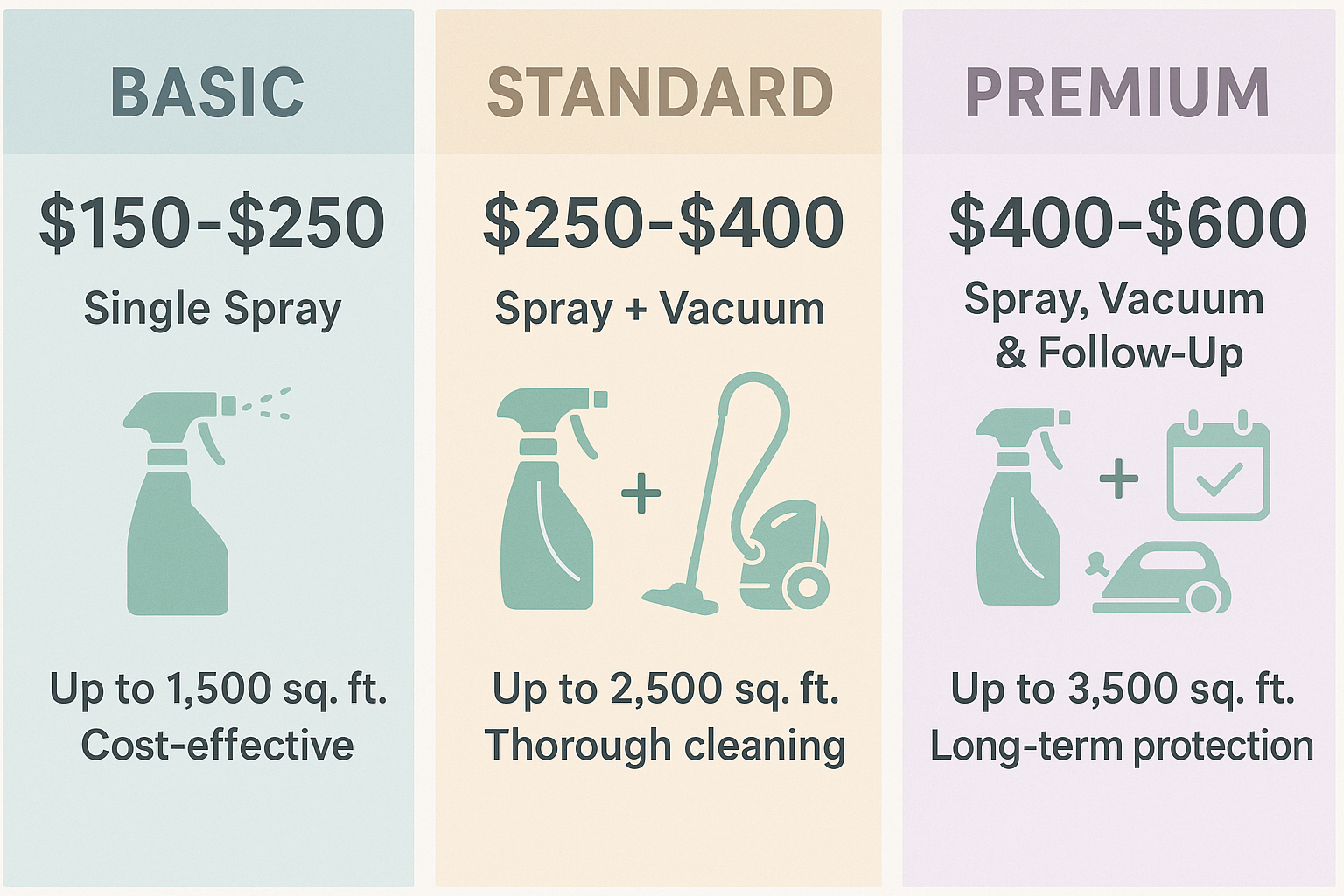
When carpet beetles infiltrate your home, the right treatment plan can make the difference between a quick fix and a lingering problem. Anthem Pest Control offers three tiered packages—Basic, Standard, and Premium—each designed to match a specific level of infestation and budget. Below is a side‑by‑side look at what you get with each option, so you can pick the plan that fits your situation without any guesswork.
| Package | What’s Included | Price Range | Coverage Area | Key Benefits |
|---|---|---|---|---|
| Basic | Single, professional spray covering primary infested zones | $149 – $219 | Up to 1,500 sq ft | Fast, cost‑effective solution for early‑stage sightings |
| Standard | Spray + thorough vacuuming of carpets, upholstery, and closets | $229 – $299 | Up to 2,500 sq ft | Removes larvae and eggs, reduces re‑infestation risk |
| Premium | Spray, vacuum, plus a follow‑up visit (re‑treatment & inspection) | $339 – $429 | Up to 3,500 sq ft | Comprehensive protection, ideal for moderate‑to‑severe infestations |
How to Choose the Right Tier
If you’ve just spotted a few adult beetles or notice occasional damage, the Basic package often suffices—its single‑spray approach targets the insects before they multiply. For homes where you see larvae in carpet fibers, pet bedding, or stored clothing, the Standard plan adds vacuuming, which physically removes hidden stages and improves the efficacy of the chemical treatment.
When infestations are widespread—multiple rooms, heavy damage, or a history of recurring carpet beetles—the Premium package is the safest bet. The follow‑up visit ensures any missed spots are treated and gives a professional inspection to confirm the problem is truly gone. In all cases, Anthem’s technicians assess the severity during the initial walk‑through and can recommend the most appropriate tier on the spot.
Peace of Mind with Every Plan
All three packages come with Anthem’s satisfaction guarantee and transparent pricing—no hidden fees, no surprise add‑ons. If you’re not completely satisfied with the results, we’ll re‑treat the affected area at no extra cost. This guarantee, combined with clear cost brackets, lets you invest confidently, knowing you’re protected against carpet beetles without any guesswork.
Seasonal Activity and Timing for Inspections
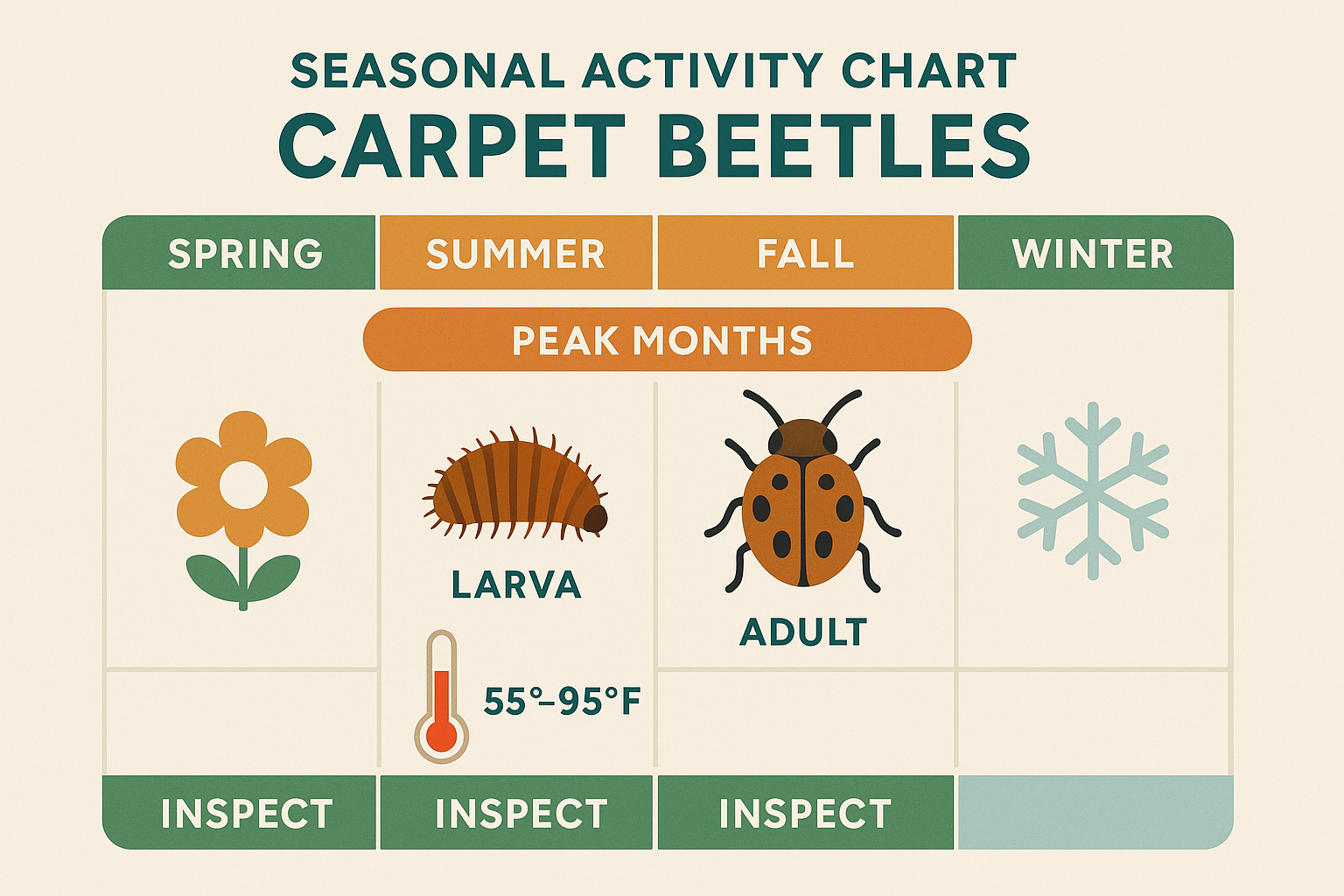
Carpet beetles (Anthrenus spp.) follow a predictable life cycle that aligns closely with the climate in Suwanee, Georgia. Adults emerge in the warm months, lay eggs on natural fibers, and the larvae—responsible for the dreaded damage—develop inside your home’s carpeting, upholstery, and stored fabrics. Understanding when each stage peaks helps you schedule inspections before the beetles become a visible problem.
Life‑Cycle Overview & Peak Activity
In the South, the beetle’s annual cycle typically looks like this:
- Spring (March–May): Adults become active, seeking outdoor light sources to mate. Egg‑laying begins as temperatures consistently rise above 65 °F (18 °C).
- Summer (June–August): Larvae hatch and feed vigorously. Warm, humid conditions (70–85 °F, 50–70 % RH) accelerate growth, making this the period of highest indoor activity.
- Fall (September–October): Larvae continue feeding but slow as temperatures dip. Many will seek a dormant stage, preparing for winter.
Temperature & Humidity Triggers
Carpet beetles thrive when indoor temperatures stay between 70 °F and 85 °F. Humidity above 55 % supports larval development and can draw adults indoors seeking shelter. Conversely, cooler, drier air (below 60 °F, under 40 % RH) slows breeding, which is why early spring and late fall are ideal windows for preventive action.
Recommended Inspection Schedule
| Season | Typical Activity | Inspection Focus |
|---|---|---|
| Early Spring (late March) | Pre‑infestation – adults just emerging | Check vulnerable entry points, stored fabrics, and HVAC filters. |
| Mid‑Summer (July) | Active larval feeding | Thorough carpet and upholstery inspection; treat hotspots. |
| Early Fall (late September) | Post‑season check – larvae preparing for dormancy | Confirm eradication, apply barrier treatments before winter. |
Humidity Shifts & Beetle Attraction
Seasonal changes in humidity directly influence beetle behavior. Summer rains raise indoor moisture levels, especially in basements and crawl spaces, creating a welcoming environment for larvae. Using a dehumidifier or improving ventilation during these months reduces the moisture that beetles crave, making your home less attractive to a burgeoning population.
Integrating with Anthem’s Service Calendar
Anthem Pest Control aligns its service calendar with this seasonal pattern. By booking an early‑spring inspection, you catch beetles before they lay eggs. A mid‑summer follow‑up targets any larvae that slipped through, and an early‑fall check ensures the last remnants are eliminated before winter dormancy. Our technicians use the same temperature and humidity thresholds outlined above, guaranteeing that treatment timing is scientifically optimized for Suwanee’s climate.
Protect Your Home with Anthem Pest Control
By now you should be comfortable spotting carpet beetles, recognizing the damage they cause, and knowing the steps you can take to keep them at bay. Let’s quickly recap the essentials so you can stay one step ahead of these hidden invaders.
- Identification: Adult beetles are small, oval‑shaped, and often found near windows or light sources. Their larvae look like tiny, bristly worms that love natural fibers.
- Warning signs: Look for tiny holes in clothing, upholstery, or carpets, plus shed skins and fuzzy “cocoons” in closets and storage areas.
- Prevention: Regular vacuuming, proper storage of fabrics, and sealing cracks reduce the beetles’ entry points and food sources.
- Treatment options: Targeted insecticide sprays, thorough vacuuming, and professional heat or fumigation treatments can eradicate an active infestation.
- Timing: Early spring and late summer are prime seasons for beetle activity; catching them early prevents widespread damage.
While DIY steps are valuable, a licensed, experienced provider like Anthem Pest Control brings a level of assurance that home remedies simply can’t match. Our technicians are trained to locate hidden infestations, apply EPA‑approved products safely, and tailor a prevention plan that fits your home’s unique layout. That expertise translates into fewer surprises, lower long‑term costs, and the peace of mind that comes from knowing a true professional has your back.
If you’d like a second opinion or a personalized plan, we’re happy to help—no pressure, no obligation. Contact Anthem Pest Control for a complimentary inspection and a custom quote that outlines exactly what’s needed to protect your family and belongings.
Call us today at 877‑371‑8196 or visit Anthem Pest Control for your free, no‑obligation quote.