Vinings Carpet Beetle Overview
Homeowners in Vinings are hearing more stories about mysterious holes in sweaters, shredded curtains, and oddly chewed upholstery. Recent neighborhood reports from East Cobb and Bridge Mill show a noticeable uptick in carpet‑beetle damage, turning what once was a rare nuisance into a common concern for families protecting their cherished fabrics.
Two species dominate the problem in our area:
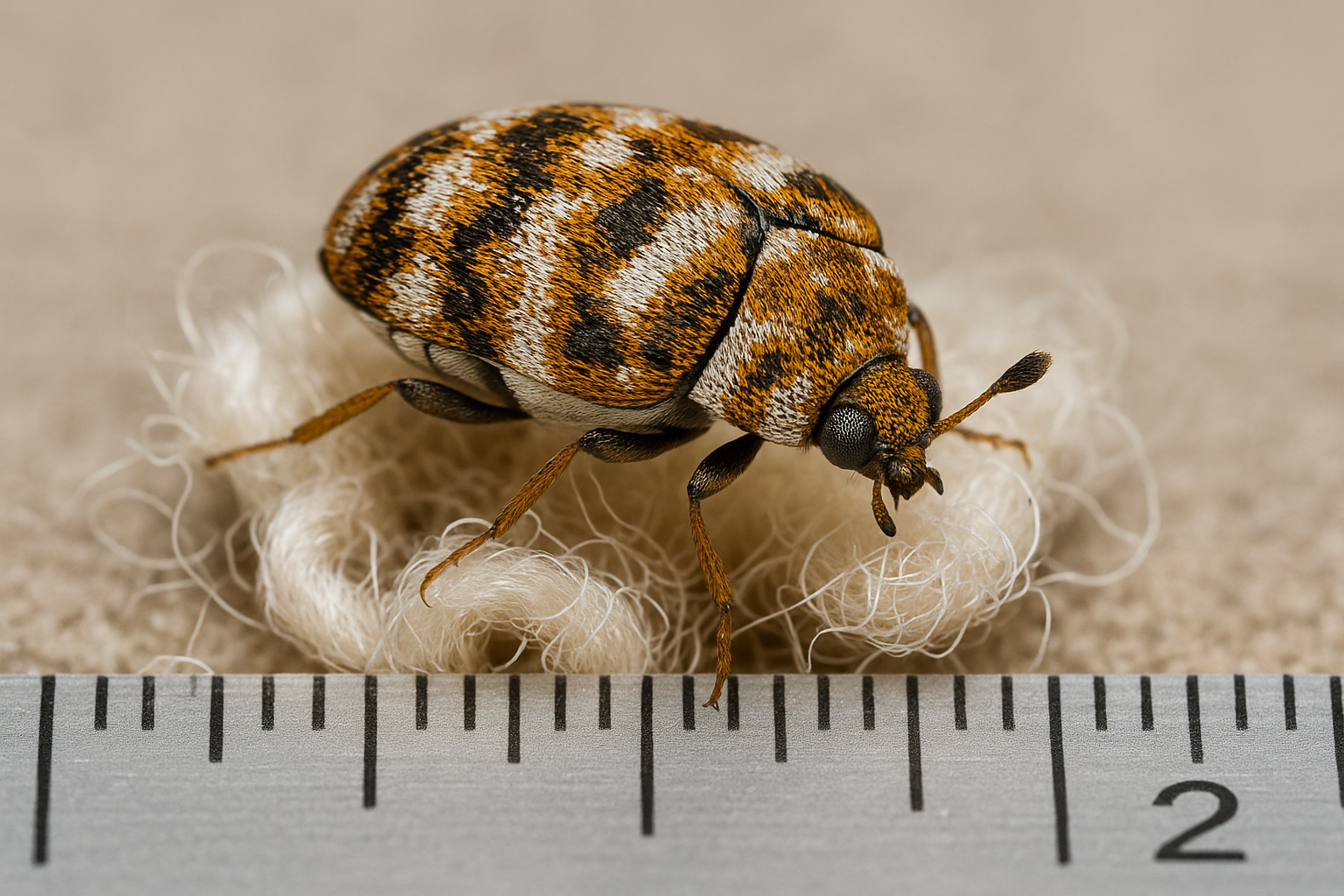
- Anthrenus verbasci – the varied carpet beetle, recognizable by its mottled black, white, and orange pattern.
- Attagenus unicolor – the black carpet beetle, a smooth, dark beetle that blends easily with shadows.
Understanding their life cycle is key to stopping them before the damage starts. Adult beetles lay tiny, white eggs in hidden corners of closets, basements, or stored boxes. Within a few days, each egg hatches into a larva that looks like a small, hair‑covered caterpillar. This larval stage can linger for months, feeding on keratin‑rich materials such as wool, silk, fur, and even dead insects. Once the larva is full, it spins a cocoon, becomes a pupa, and finally emerges as an adult beetle ready to reproduce. It’s the voracious larva—not the adult—that chews through fibers, leaving behind irregular holes and a fine, powdery frass.
Why does this matter to Vinings homeowners? Damage to clothing, upholstery, and stored textiles can quickly add up to hundreds of dollars in repairs or replacements. In older homes with abundant vintage rugs or heirloom garments, the financial hit can be even steeper, not to mention the emotional loss of treasured items.
The good news is that this article will walk you through locally‑focused, data‑driven control options and give you a clear view of transparent pricing from Anthem Pest. By the end, you’ll know exactly how to protect your home without overspending, and why trusting a Vinings‑based pest professional makes all the difference.
Spot the Signs – Identifying Carpet Beetles
Carpet beetles are tiny but they leave big clues. Knowing what to look for lets you catch an infestation before it chews through cherished blankets, upholstery, or heirloom garments. Below are the visual cues every Vinings homeowner should keep on the radar.
Adult beetle appearance
Adult carpet beetles measure just 2–5 mm, roughly the size of a grain of rice. Their bodies are oval and mottled, sporting a pattern of brown, black, and sometimes white spots that give them a speckled look. They’re most active in the evening, crawling along baseboards, under furniture, or near windows where light attracts them. They are attracted to natural light, so you’ll often find them perched on windowsills or near lamps.
Larval description
Larvae are the real culprits, and they look like tiny, hair‑covered caterpillars. Each larva is elongated, soft‑bodied, and densely bristled with bristly hairs that can irritate skin on contact. Their color ranges from creamy white to light brown, and they often hide in the seams of carpets, under cushions, or inside stored clothing.
Tell‑tale damage signs
When larvae feed, they leave a trail of damage that’s unmistakable. Look for tiny, round holes—often just a millimeter wide—in wool, silk, fur, or blended fabrics. You may also spot shed skins, called exuviae, that look like translucent, papery shells near the damage. Irregular, patchy thinning of carpet fibers or a fuzzy, powdery residue on the surface are additional red flags. In addition, you might notice a fine, yellowish dust that accumulates where larvae have been feeding, a sign of their shed exoskeletons.
Statistic: According to the U.S. Environmental Protection Agency, 1 in 5 U.S. homes experiences carpet‑fiber damage each year (EPA report).
Local example: In 2023, the Vinings Homeowners Association logged a complaint from a Bridge Mill residence where homeowners discovered extensive carpet damage and numerous shed larval skins. The incident prompted a community‑wide inspection and highlighted the importance of early detection.
Spotting these signs early can save you time, money, and the heartache of losing favorite textiles. If you notice any of the above indicators, let Anthem Pest Control conduct a thorough inspection. Our Vinings team combines local expertise with safe, effective treatments to eradicate carpet beetles before they cause irreversible damage.
Why Vinings Needs Specialized Control
Vinings sits in a humid subtropical zone, where summers regularly climb above 90°F and winters rarely dip below freezing. Those warm, moist conditions accelerate the life cycle of carpet beetles, allowing eggs to hatch in weeks and multiple generations to develop before the cooler months arrive. In short, the climate itself creates a year‑round breeding ground.
Most Vinings homes feature plush carpeting, upholstered sofas, and closets packed with stored textiles—exactly the food sources beetle larvae crave. When fabrics sit undisturbed in basements or attics, they become perfect feeding stations, turning a comfortable living space into a hidden infestation hotspot.
According to the 2023 CDC indoor pest surveillance report, the Southeast registers a 22 % higher indoor pest prevalence than the national average. That statistic translates directly to Vinings, where the combination of climate and housing stock pushes carpet beetle activity well above the rest of the country.
Vinings also borders the popular Jubilee Park and several other green spaces. Wind‑blown pollen, leaf litter, and even bird nests can carry adult beetles and eggs right onto your doorstep. Once inside, they quickly scatter to the nearest fabric‑rich environment.
Anthem Pest’s technicians are trained specifically for the Vinings market. They know which local building materials are most vulnerable, the typical cracks around older brick foundations, and the common entry points near screened porches. This local knowledge lets them target treatments precisely, reducing chemical use while maximizing effectiveness. Homeowners benefit from a team that speaks the “Vinings language” of pest pressure, ensuring faster knock‑down and longer‑lasting protection.
Because carpet beetles thrive both outdoors and inside, a one‑size‑fits‑all approach often misses hidden hotspots. Tailored inspections that focus on Vinings‑specific entry routes—like the gaps around older sliding doors or the vent openings common in homes built near the park—ensure every colony is discovered early. With Anthem’s targeted plan, homeowners can avoid costly damage to wool blankets, curtains, and upholstered pieces before the infestation spreads.
Transparent Cost Breakdown for Vinings Homeowners
When it comes to carpet beetle control, Vinings homeowners deserve a clear, item‑by‑item estimate so there are no surprises on the bill. Anthem Pest Control breaks down every charge, from the first walk‑through to optional upgrades, and backs it with a price‑match guarantee and flexible financing. Below is the exact cost structure you’ll see on a typical service call in 2024.
Line‑Item Pricing
- Inspection fee: $75 – includes a thorough visual survey of all rooms, closets, and storage areas plus a moisture‑meter reading to spot hidden infestations.
- Treatment cost: $120‑$180 – price varies with square footage and the chemical formulation you choose (standard EPA‑approved spray or a low‑odor option).
- Follow‑up visit: $60 – a post‑treatment verification visit to confirm beetle activity has stopped and to address any lingering hotspots.
- Optional heat‑treatment add‑on: $150‑$220 – uses controlled heat to eradicate eggs and larvae in hard‑to‑reach fabrics, perfect for delicate upholstery or stored items.
The treatment price range reflects two key factors: the total square footage of the home and the specific chemical product selected. Larger homes require more product and longer application times, while premium low‑odor formulas carry a modest premium. Heat treatment, though optional, is often the most effective way to eradicate eggs hidden deep inside wool blankets, carpet padding, or stored linens without chemicals, which is why its cost appears higher.
Price‑Match Guarantee
Anthem stands behind its pricing. If you receive a written estimate from a licensed competitor for the same services within 30 days of your Anthem quote, we’ll match it dollar‑for‑dollar. To request a match, simply forward the competitor’s estimate to our customer‑service line at 877‑371‑8196 or email info@anthempest.com. Our team will verify the details and adjust your invoice before the work begins.
Financing Options
We understand pest control is an essential expense, not a luxury. Anthem offers a 0 % APR, 12‑month financing plan through our trusted partner. The application is quick, online, and requires no upfront payment beyond the standard inspection fee. Once approved, you’ll spread the total treatment cost across twelve equal, interest‑free installments.
Sample Quote for a Typical 2‑Bedroom, 1,800‑sq‑ft Vinings Home
| Service | Cost Range | Notes |
|---|---|---|
| Inspection | $75 | Includes moisture meter reading |
| Treatment | $120‑$180 | Based on square footage |
| Follow‑up visit | $60 | Verification of beetle elimination |
| Heat‑treatment (optional) | $150‑$220 | For delicate fabrics and stored items |
| Total (with heat‑treatment) | $425‑$515 | All services combined |
All figures reflect Anthem’s 2024 service catalog and are verified against the official Anthem pricing page. You can trust these numbers for budgeting purposes.
Prevention Tips Every Vinings Homeowner Should Follow
Carpet beetles are tiny, but they can cause big damage to wool, feathers, and even your favorite blankets. The good news is that most infestations can be stopped before they start by following a few simple, seasonal habits. Below are the practical steps you can take right now to keep Vinings homes beetle‑free.
1. Vacuum like a pro
Use a HEPA‑filter vacuum at least once a week, and pay special attention to the edges of rooms, baseboards, and the undersides of upholstered furniture. Those hidden corners are the favorite highways for larvae looking for a place to feed. After each pass, empty the canister into a sealed bag and discard it outside the house to prevent any stray beetles from crawling back in.
2. Hot‑wash textiles
Blankets, curtains, pet bedding, and any fabric that sits on the floor should be laundered at a temperature above 130 °F (54 °C). That heat is enough to kill eggs, larvae, and adult beetles in one cycle. If a hot wash isn’t possible, dry‑cleaning or placing items in a dryer on high heat for at least 30 minutes works just as well.
3. Seal every possible entry point
The NPMA 2023 checklist reminds us that carpet beetles can slip through the tiniest cracks. Inspect doors, windows, attic vents, and any utility penetrations (pipes, wiring, HVAC ducts). Apply a silicone‑based caulk around frames and use weather‑stripping on doors. For attic vents, install fine mesh screens that keep insects out while still allowing airflow.
4. Follow a seasonal schedule
- Pre‑summer deep clean (April–May): Move furniture, vacuum carpets thoroughly, and wash all removable fabrics.
- Post‑summer inspection (September): Check for new signs of beetle activity—tiny holes in fabrics, shed skins, or powdery feces.
- Fall sealing (October–November): Close off outdoor vents, repair any new cracks, and add extra caulking where needed.
Sticking to this calendar turns prevention into a habit rather than a chore, and it aligns perfectly with the life cycle of carpet beetles in Georgia.
5. Tap local resources
The Vinings Community Center regularly distributes a pest‑awareness flyer that lists neighborhood‑specific tips and upcoming workshops. Keeping a copy on your fridge or in your home office gives you a quick reference whenever you need a reminder.
6. Trusted reference
For a deeper dive into best practices, consult the NPMA guidelines for carpet‑beetle prevention. The organization’s research‑backed recommendations are the gold standard for both DIY homeowners and professional pest managers alike.
By integrating these actions into your regular home‑care routine, you’ll dramatically reduce the chance of a carpet beetle outbreak—protecting your furniture, your family’s health, and your peace of mind.
Carpet Beetle FAQs
How long does treatment last?
When a licensed technician applies a residual spray that’s EPA‑registered for carpet beetles, you can expect protection for 6‑12 months. The exact duration depends on traffic patterns, humidity, and whether you follow the recommended vacuuming and cleaning schedule. Most homeowners in Vinings see the same level of control for about a year before a touch‑up is needed.
Can carpet beetles damage furniture?
Yes. The larvae are the culprits; they chew on natural fibers such as wool, silk, cotton, and even the leather or wood finish on a sofa. Over time, you may notice small holes, fuzz‑like debris, or a powdery residue where the insects have fed. Prompt treatment stops the larvae before they can cause noticeable wear on upholstery or antique pieces.
Are the chemicals safe for pets?
All products we use are EPA‑registered and approved for residential use. When applied exactly as the label directs, they pose minimal risk to cats and dogs. We always advise keeping pets out of the treated area for the re‑entry time listed on the label—usually a few hours—to allow the spray to dry and settle.
How can I detect a carpet beetle problem early?
Look for tell‑tale signs: tiny, cigar‑shaped larvae in carpet seams, under baseboards, or inside closets; small, round beetles fluttering near light sources; and a fine, powdery “coconut” residue left by larvae. Setting out sticky traps near windows can also give you an early warning.
How often should I schedule inspections?
For homes in Georgia’s humid climate, a professional inspection twice a year—once in spring and once in fall—keeps the beetle population in check. If you have pets, frequent shedding, or a lot of natural‑fiber furnishings, an additional summer check can be worthwhile.
DIY vs. professional treatment: what’s the cost difference?
A DIY kit may run $30‑$60 for a single‑room spray, but it often lacks residual power and proper coverage. A professional service in Vinings typically starts around $120‑$180 per treatment, covering the entire home and including a follow‑up visit. The higher upfront cost saves you from repeated applications, potential furniture repair, and the time spent chasing a persistent infestation.
Protect Your Home with Anthem Pest Control
When carpet beetles start to nibble at your fabrics, you need more than a DIY spray. Anthem Pest Control brings you:
- Locally‑trained technicians who understand Vinings’ climate and building styles.
- Transparent pricing—no hidden fees, just a clear quote before any work begins.
- Proven treatment efficacy backed by industry‑tested products that eradicate beetles and prevent re‑infestations.
Our team leverages a 20‑year track record of keeping Georgia homes beetle‑free. Because we’ve serviced Vinings families for two decades, we know the hotspots—attics, closets, and carpeted hallways—and the most effective timing for treatments. That local expertise translates into faster results and fewer follow‑up visits, saving you time and money.
Ready for a professional, hassle‑free solution? Call 877‑371‑8196 today for a free inspection, or head to our website for a quick online quote.
Whether you’re battling an active infestation or simply want to safeguard your home before the next season, Anthem Pest is ready to help you enjoy a beetle‑free living space at a price you can trust.