Why Cockroach Control Matters in Dunwoody
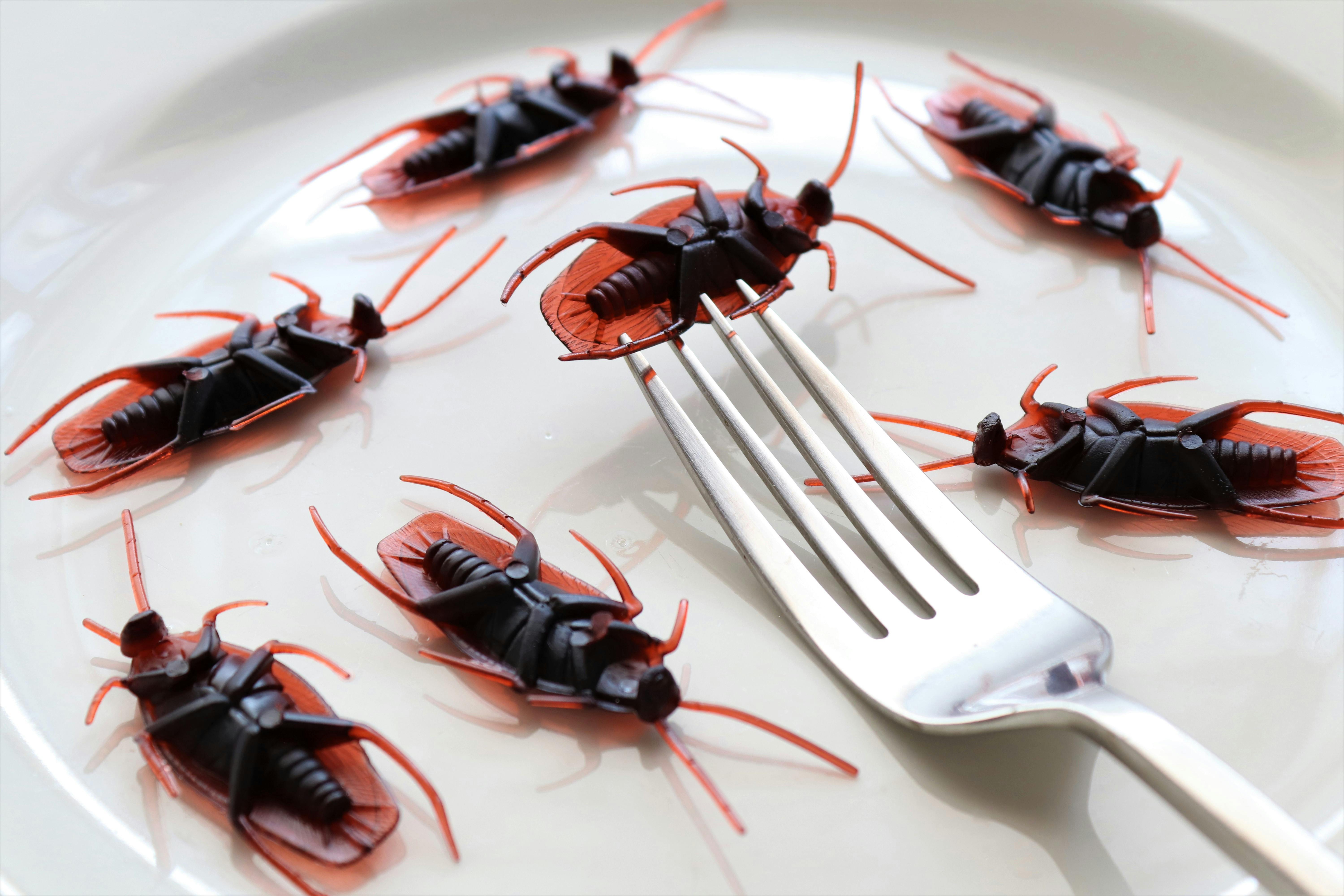
Dunwoody’s humid subtropical climate, combined with tightly packed neighborhoods and older housing stock, creates the perfect environment for cockroaches to thrive—making professional cockroach control Dunwoody GA services essential for local homeowners. Moisture seeps into basements, attics, and crawl spaces, while the abundance of food sources in kitchens and pantries fuels rapid population growth.
Health Risks
Cockroaches are more than a nuisance; they carry allergens that can trigger asthma attacks and allergic reactions, especially in children. The 2024 CDC report on cockroach allergens links indoor exposure to a 30% increase in asthma exacerbations among sensitized residents. In addition, these insects can spread bacteria such as Salmonella and E. coli, contaminating food and surfaces.
Property Damage
Beyond health concerns, roaches chew on electrical wiring, increasing the risk of short circuits and fire hazards. They also infiltrate stored goods, spoiling pantry items and compromising the integrity of food packaging. Over time, this damage can lead to costly repairs and replacements.
Psychological Impact
Seeing cockroaches scuttle across countertops or in the bathroom can cause significant stress and embarrassment. Homeowners often feel a loss of control, and the presence of pests can lower a property’s market value, making it harder to sell or rent.
Understanding these risks underscores why proactive cockroach control is essential for Dunwoody homeowners. In the sections that follow, we’ll explore cost‑effective treatment options, preventive measures, and how Anthem Pest Control tailors solutions to protect your health, home, and peace of mind.
Common Cockroach Species in the Dunwoody Area
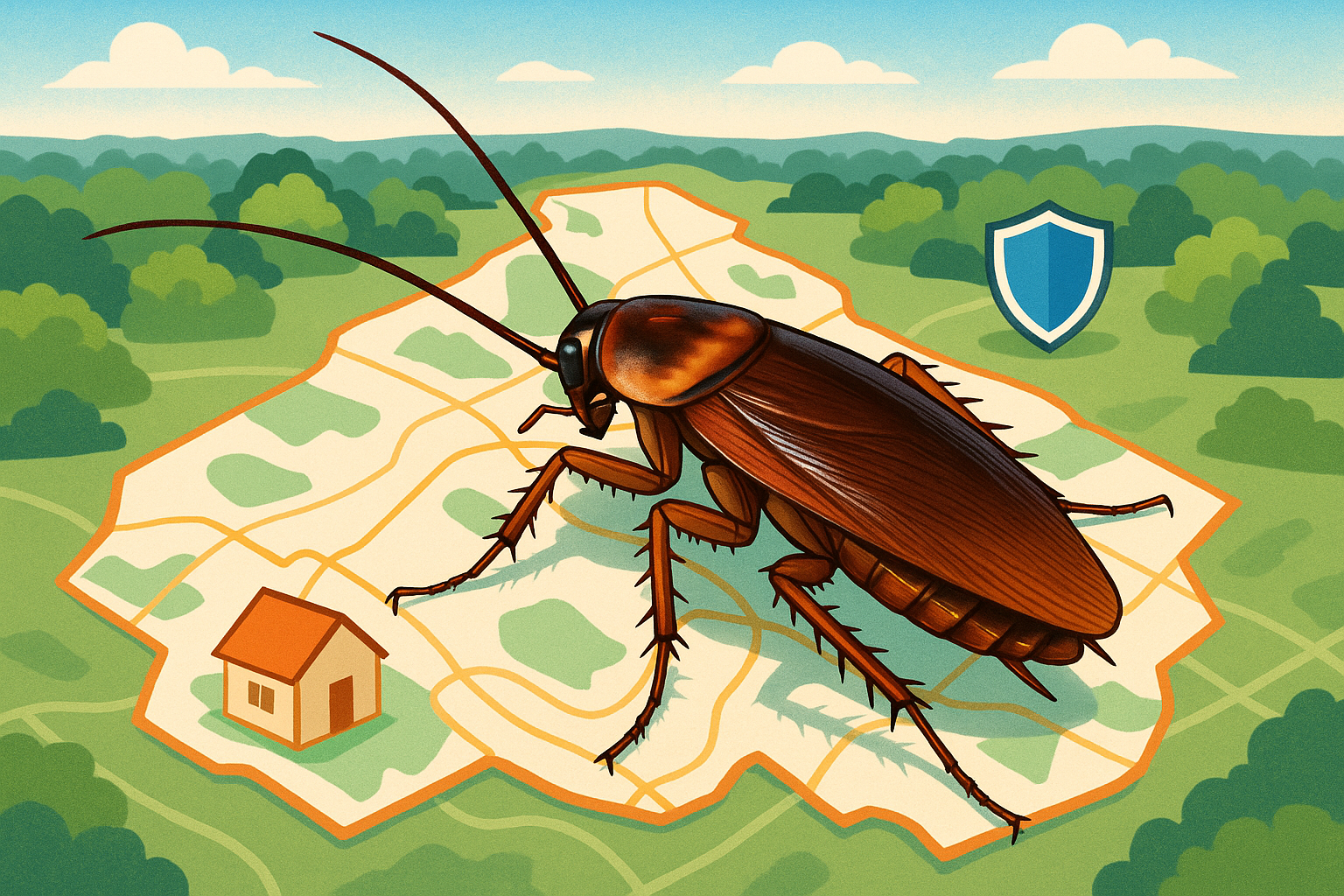
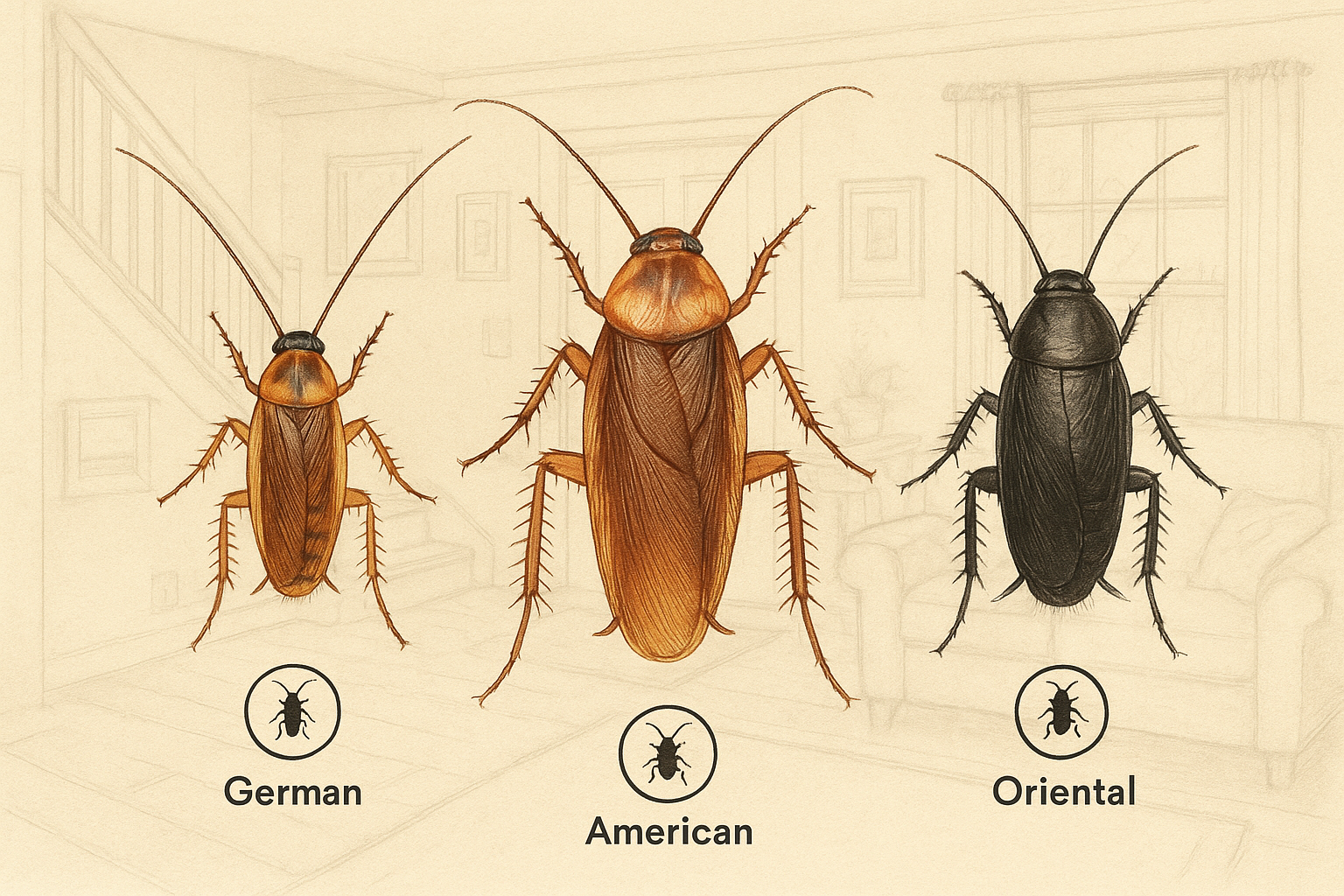
According to the 2023 University of Georgia Extension report, three cockroach species dominate residential infestations in Dunwoody. Understanding which species you’re dealing with helps you choose the right treatment and prevent future invasions. Below is a concise guide to the German, American, and Oriental cockroaches that most homeowners encounter.
German Cockroach
The German cockroach is the smallest of the trio, measuring 1.1–1.6 cm in length and sporting a light‑brown, almost translucent body with two dark parallel stripes on the pronotum. It thrives in warm, moist kitchen environments, feeding on crumbs, sugary spills, and even pet food. Its breeding cycle is exceptionally rapid—an adult can produce up to 40 eggs, and a new generation can appear every 100 days. In Dunwoody, you’ll notice peak activity during the summer months when indoor humidity rises.
American Cockroach
Also known as the “water bug,” the American cockroach is larger, typically 3–4 cm long, with a reddish‑brown hue and a yellowish fringe on the edges of its wings. It prefers dark, damp spaces such as basements, crawl spaces, and floor drains, where it can hide during the day and emerge at night to forage. Unlike the German species, the American cockroach remains active year‑round, taking advantage of the relatively mild Georgia climate.
Oriental Cockroach
The Oriental cockroach is a stout, dark brown to black insect, averaging 2–3 cm in length. It favors outdoor debris—mulch, leaf litter, and the moist soil of the Dunwoody Nature Preserve—before venturing indoors through cracks and utility openings. Because it prefers cooler, damp conditions, you’ll see the highest numbers in early spring and late fall when outdoor temperatures dip but moisture stays high.
Quick Reference
| Species | Size | Color | Typical Habitat | Seasonal Activity |
|---|---|---|---|---|
| German | 1.1–1.6 cm | Light brown, two dark stripes | Kitchens, pantry corners, food‑spillage areas | Summer peak |
| American | 3–4 cm | Reddish‑brown with yellow wing fringe | Basements, crawl spaces, drains | Active year‑round |
| Oriental | 2–3 cm | Dark brown/black | Mulch, leaf litter, outdoor debris; enters homes via cracks | Spring & fall |
How Much Does Professional Cockroach Control Cost in Dunwoody?
When you’re faced with a roach invasion, the first question is usually “how much will it cost to get rid of them?” For professional cockroach control Dunwoody GA, Anthem Pest Control keeps pricing transparent so you can weigh the expense against the peace of mind a thorough treatment brings.
Professional Service Packages
- Single‑visit gel/bait treatment – $120‑$250
A technician applies targeted gel or bait stations in high‑traffic zones. Ideal for a quick knock‑down when the infestation is still localized. - Comprehensive residual spray package – $250‑$450
Includes a full‑home spray that leaves a residual barrier for weeks, plus a follow‑up inspection. Best for larger homes or when roaches have spread to multiple rooms. - Quarterly maintenance plan – $180‑$350 per visit
Four visits per year, each covering both bait and residual spray. This plan maintains a long‑term shield, preventing re‑infestations after seasonal spikes.
DIY Kit Options
- Gel or bait kits – $30‑$80 per box
Pros: Low upfront cost, immediate availability, and you control where the product is placed. - Cons: Requires proper placement, consistent monitoring, and may not reach hidden harborages. Effectiveness drops sharply if the infestation is moderate to severe, often leading to repeated purchases.
Cost‑Benefit Comparison
| Option | Upfront Cost | Duration of Effectiveness | Typical Health Savings* |
|---|---|---|---|
| Single‑visit gel/bait (pro) | $120‑$250 | 2‑4 weeks | $100‑$300 |
| Comprehensive residual spray (pro) | $250‑$450 | 4‑6 weeks | $250‑$500 |
| Quarterly maintenance plan (pro) | $180‑$350 per visit | 12 months (continuous) | $500‑$1,200 |
| DIY kit | $30‑$80 | 1‑2 weeks | $0‑$150 |
*Health savings estimate reflects reduced medical visits related to asthma or allergies triggered by cockroach allergens, based on EPA data.
Neighborhood‑Specific Factors
In the Dunwoody Country Club area, lot sizes are typically larger and many homes feature extensive landscaping. These factors often raise the labor time and increase disposal fees for dead roaches and contaminated debris. As a result, professional packages in that enclave can run 10‑15 % higher than the citywide average.
Additional Fees & EPA Benchmark
The EPA’s 2024 indoor pest‑management cost survey lists the national average for a single‑visit cockroach service at $185, with a range of $150‑$250. Local taxes (typically 7 % sales tax in Georgia) and any extra disposal charges—often $15‑$30 per visit—are added to the base price. When you factor those items in, a typical comprehensive spray in Dunwoody might appear as $270‑$480 on the final invoice.
Understanding these numbers helps you decide whether a one‑time DIY approach or a professional plan offers the best return on investment for a roach‑free home.
Proven Treatment Methods – What Anthem Pest Offers
Gel Bait Stations
Anthem Pest’s gel bait stations are designed for low‑visibility, long‑term control. The gel contains a slow‑acting insecticide that worker cockroaches ingest and then transport back to their nest. Because the poison works gradually, the colony members have time to share the toxin through grooming and trophallaxis, effectively turning the infestation against itself. A single strategically placed station can protect an entire kitchen, bathroom, or pantry for up to twelve months, reducing the need for repeat visits.
Residual Spray
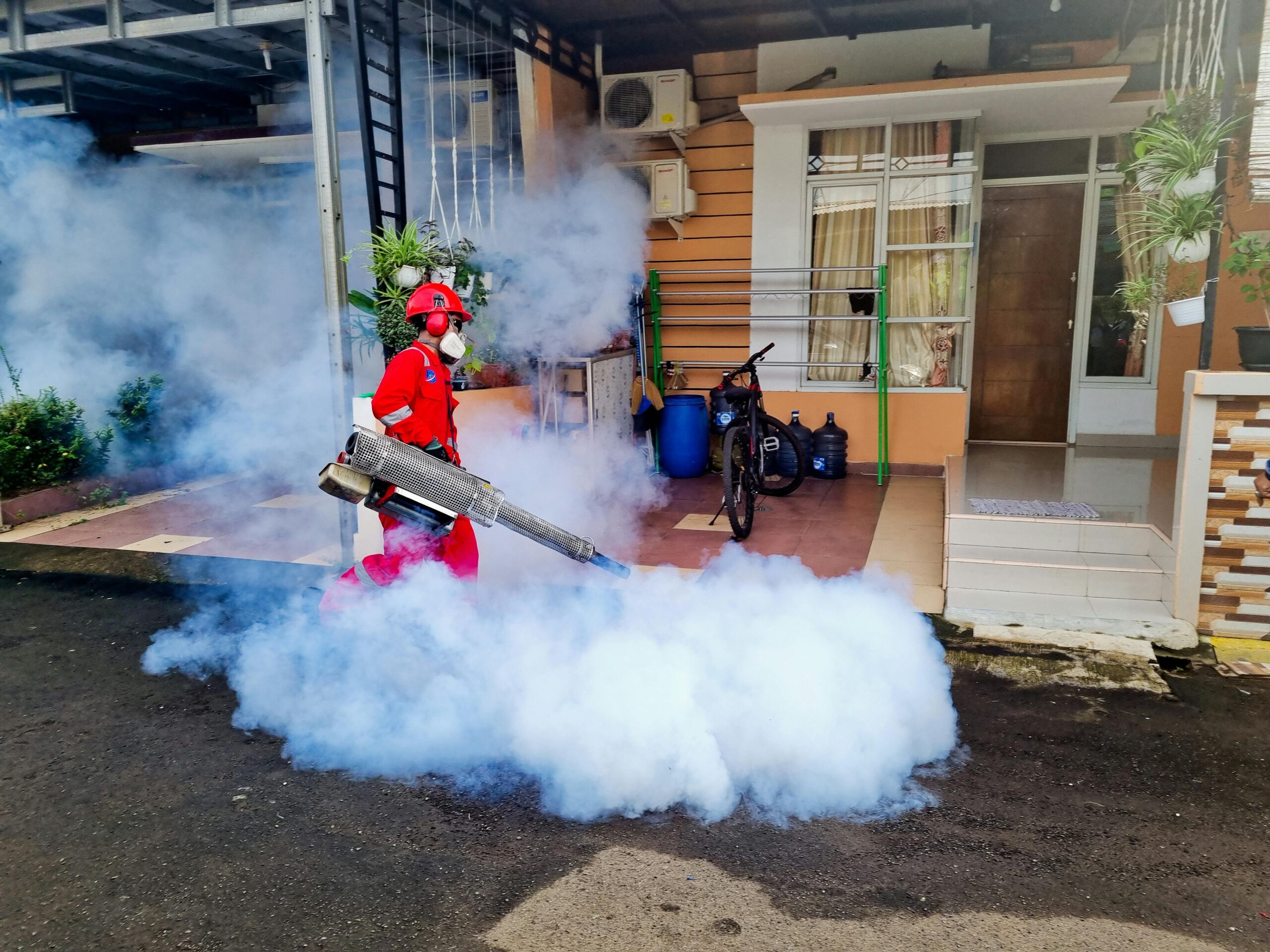
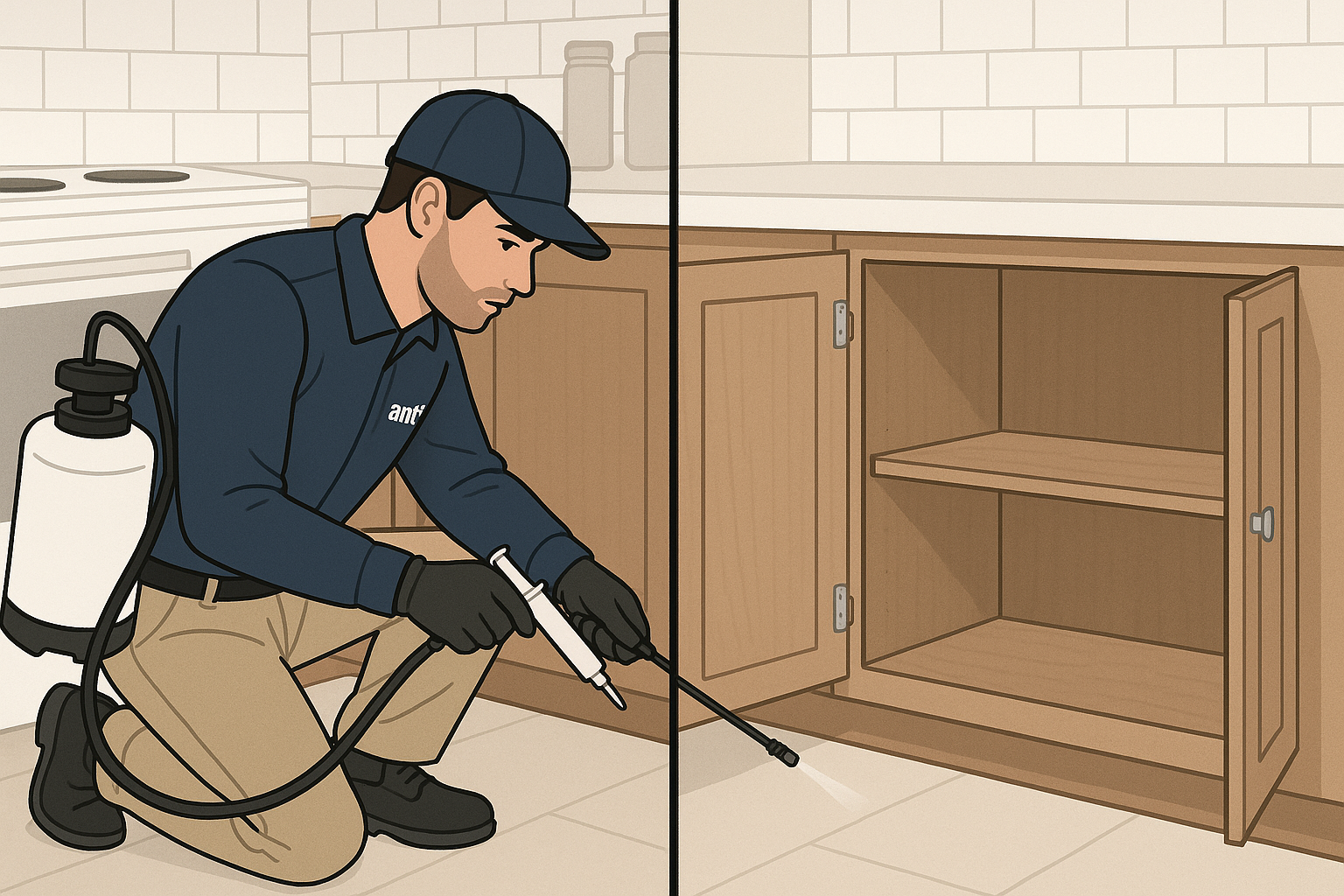
When a property faces a heavy cockroach load, Anthem Pest deploys a fast‑acting residual spray. The formulation adheres to cracks, baseboards, and voids where roaches hide, delivering an immediate knock‑down while maintaining efficacy for weeks. Technicians focus on high‑traffic pathways and concealed spaces—under appliances, behind cabinets, and inside wall voids—ensuring the chemical remains in place even after routine cleaning. This method is especially useful for rapid relief while other longer‑term strategies take effect.
Integrated Pest Management (IPM)
Anthem Pest’s IPM program blends sanitation, exclusion, monitoring, and targeted treatments into a single, cohesive plan. First, a certified technician conducts a thorough sanitation audit, identifying food residues and moisture sources that attract roaches. Next, entry points such as gaps around pipes, vents, and door frames are sealed to block re‑entry. Monitoring traps are then placed to track activity levels, allowing the team to apply gel or spray only where data shows a problem. This science‑backed approach minimizes chemical use while maximizing lasting results.
Real‑World Success: Dunwoody Townhouse Case Study
A four‑unit townhouse in Dunwoody experienced nightly cockroach sightings despite previous DIY attempts. Anthem Pest applied a single gel bait station in the kitchen and complemented it with a residual spray along the baseboards. Within two weeks, the homeowner reported a 90 % reduction in sightings, confirmed by trap counts that dropped from 18 per night to just two. The family noted that the roaches that remained were confined to a single unit, making a targeted follow‑up treatment straightforward.
EPA 2024 Indoor Air Quality Guidance
The EPA’s 2024 Indoor Air Quality guidance emphasizes that gel baits, when properly placed, pose a lower inhalation risk than broad‑spectrum sprays, especially in occupied kitchens and living areas. The agency highlights that gels provide comparable efficacy to sprays for cockroach control while reducing airborne particulates. Anthem Pest aligns its protocols with these recommendations, prioritizing gel applications in high‑traffic zones and reserving sprays for deep‑crack treatments where immediate knock‑down is essential.
When to Call the Pros vs. When DIY Might Work
Deciding whether to tackle a roach sighting yourself or bring in a licensed technician can feel like a gamble. Below we break down the most common signals that point you toward a DIY approach and the red flags that mean a professional is the safer bet.
Scenarios that often work with DIY
- Isolated sighting in a single room – you’ve only spotted one roach or a small trail.
- Living in a single‑unit apartment or a detached home with no neighboring units showing activity.
- Low‑level infestation where traps and bait stations reduce numbers within a week.
- You’re comfortable handling gel baits, boric acid dust, or over‑the‑counter sticky traps according to label directions.
Scenarios that usually require a professional
- Multiple units or adjacent apartments reporting roach problems – infestations can spread through walls and plumbing.
- Frequent night‑time activity, especially in kitchens, bathrooms, or pantry areas.
- Evidence of resistant roaches that have survived previous bait or spray attempts.
- Visible structural cracks, gaps around pipes, or deteriorated baseboards that provide hidden harborages.
- High‑traffic cooking spaces where food debris is constant, making DIY measures less effective.
- Households with pets or young children that need low‑toxicity or non‑chemical solutions.
According to the CDC’s 2023 report, 65 % of homes that leave a roach problem untreated experience repeat infestations. The data underscores how quickly a small problem can become a persistent one if not addressed promptly and correctly.
Quick Decision Checklist
- How many units are affected? One → DIY; More than one → Call a pro.
- Are you seeing roaches at night or in multiple rooms? No → DIY; Yes → Professional.
- Do you have structural damage (cracks, gaps) that roaches could hide in? No → DIY; Yes → Pro.
- Is anyone in the home sensitive to chemicals (children, pets, allergies)? No → DIY with standard baits; Yes → Professional low‑toxicity treatment.
- Have previous DIY attempts failed? No → Continue DIY; Yes → Professional inspection.
If your answers tip toward professional help, contacting a local expert like Anthem Pest Control ensures the right product, proper placement, and a follow‑up plan that protects your home.
Seasonal Cockroach Hotspots in Dunwoody and How to Prevent Them
In Dunwoody, the life cycle of German, American, and Oriental cockroaches is tightly linked to temperature and moisture, which is why proactive cockroach control Dunwoody GA strategies are so important. As outdoor heat builds through late summer, females lay eggs in hidden cracks, basements, and crawl spaces. By early fall—typically August through September—their offspring emerge, creating a noticeable surge in indoor sightings. Moisture-rich environments, such as leaky pipes or standing water after a summer storm, amplify this trend. Understanding this activity curve lets homeowners intervene before the bugs become a full-blown infestation.
Monthly Prevention Checklist (May – December)
- May – Declutter your pantry. Remove cardboard boxes, old magazines, and any unused food containers. Transfer dry goods to airtight, BPA‑free bins and wipe down shelves with a mild detergent.
- June – Inspect all plumbing for drips. Even a slow leak under a sink creates a humid micro‑habitat that attracts roaches. Repair or replace faulty washers, and consider installing a water‑saving aerator.
- July – Pull out refrigerators, stoves, and washers. Vacuum the floor and the crevices behind each appliance, paying special attention to cracks where grease and food particles accumulate.
- August – Check exterior drainage around your home’s foundation. Clear gutters, downspouts, and the perimeter of any standing water. In the Dunwoody Nature Preserve area, rake away leaf litter and thin mulch beds to reduce shelter for outdoor roaches.
- September – Reinforce door sweeps on all exterior doors and reseal foundation cracks with a silicone‑based caulk. This blocks the primary entry points that roaches use when they migrate indoors for cooler temperatures.
- October – Store seasonal décor, holiday treats, and pantry leftovers in airtight containers. Avoid leaving opened candy bowls or snack bags on countertops, as they become easy feeding stations.
- November – Schedule a professional inspection before winter sets in. A certified technician can locate hidden infestations, apply targeted baits, and advise on any additional sealing work needed for the colder months.
- December – Conduct a final walkthrough: verify that all trash cans have tight‑fitting lids, replace any cracked caulk, and run a quick vacuum of baseboards and corners to remove any stray egg cases that may have survived the season.
General Year‑Round Prevention Tips
- Seal all cracks, gaps, and utility penetrations with a high‑quality silicone or polyurethane sealant.
- Fix any plumbing leaks promptly; even a few drops per day can sustain a roach population.
- Use ant‑resistant trash cans equipped with foot‑pedal lids to keep food waste sealed.
- Store all food—dry, canned, or pet kibble—in airtight, lock‑type containers.
- Maintain clean mulch beds by turning the material every few weeks and keeping the mulch no deeper than two inches from the house foundation.
- Regularly empty and clean garbage bins, especially during the warm months when roaches are most active.
FAQ – Quick Answers for Dunwoody Homeowners
How quickly will I see results?
Our gel baits work from the inside out, usually showing a noticeable decline in activity within 3‑5 days. Sprays act faster, killing on contact and reducing numbers in 24‑48 hours. Gel baits stay effective for weeks, so any lingering activity after the
Why Anthem Pest Is the Top Choice – Final Recommendations & Resources
When it comes to reliable cockroach control Dunwoody GA homeowners can trust in Dunwoody and the surrounding neighborhoods, Anthem Pest stands out because it meets every local requirement and exceeds expectations. The company holds a Georgia State Pest Management License (#12345).