Recognizing Crickets and Understanding the Threat
What a Common House Cricket Looks Like
House crickets (Acheta domesticus) are typically ½–¾ inch long, with a smooth, reddish-brown body that darkens toward the rear—details that are important for accurate identification during cricket control Decatur homeowners may need. Their long, slender antennae match the length of their body, and the hind wings are transparent with a distinct vein pattern that folds like a roof over the abdomen. Unlike grasshoppers, crickets have long hind legs adapted for jumping rather than powerful leaping, and they lack the pronounced “spines” on the tibiae that many katydids display.
Where You’ll Find Them
Crickets are opportunistic. Outdoors, they favor dense grass, leaf litter, and the shade of shrubs—places that stay moist after a rain. Inside, they slip through tiny cracks around foundations, crawl up basement walls, or nest in sheds and garages where dry wood and cardboard provide shelter. Warm, humid basements and crawl spaces become especially attractive during summer months, turning a quiet home into a chorus of chirps.
Why Crickets Turn Into a Nuisance
The most obvious annoyance is the nightly chirping. Male crickets rub their wings together to attract mates, creating a sound that can reach 60 decibels—louder than a normal conversation. Beyond the noise, crickets can wander onto kitchen counters and contaminate food with their legs, feces, or shed exoskeletons. Their presence also draws other pests; spiders and centipedes often follow crickets as a food source, compounding the infestation.
Health Considerations You Should Know
Although crickets are not disease vectors in the same way as rodents, they can still impact indoor air quality. Their shed skins and droppings generate fine dust that may trigger allergic reactions in sensitive individuals. In rare cases, the bacteria they carry on their bodies can transfer to food surfaces, increasing the risk of food‑borne illness. The CDC’s indoor air guidance notes that any persistent dust from insects should be addressed to maintain a healthy breathing environment.
Quick Visual Cue
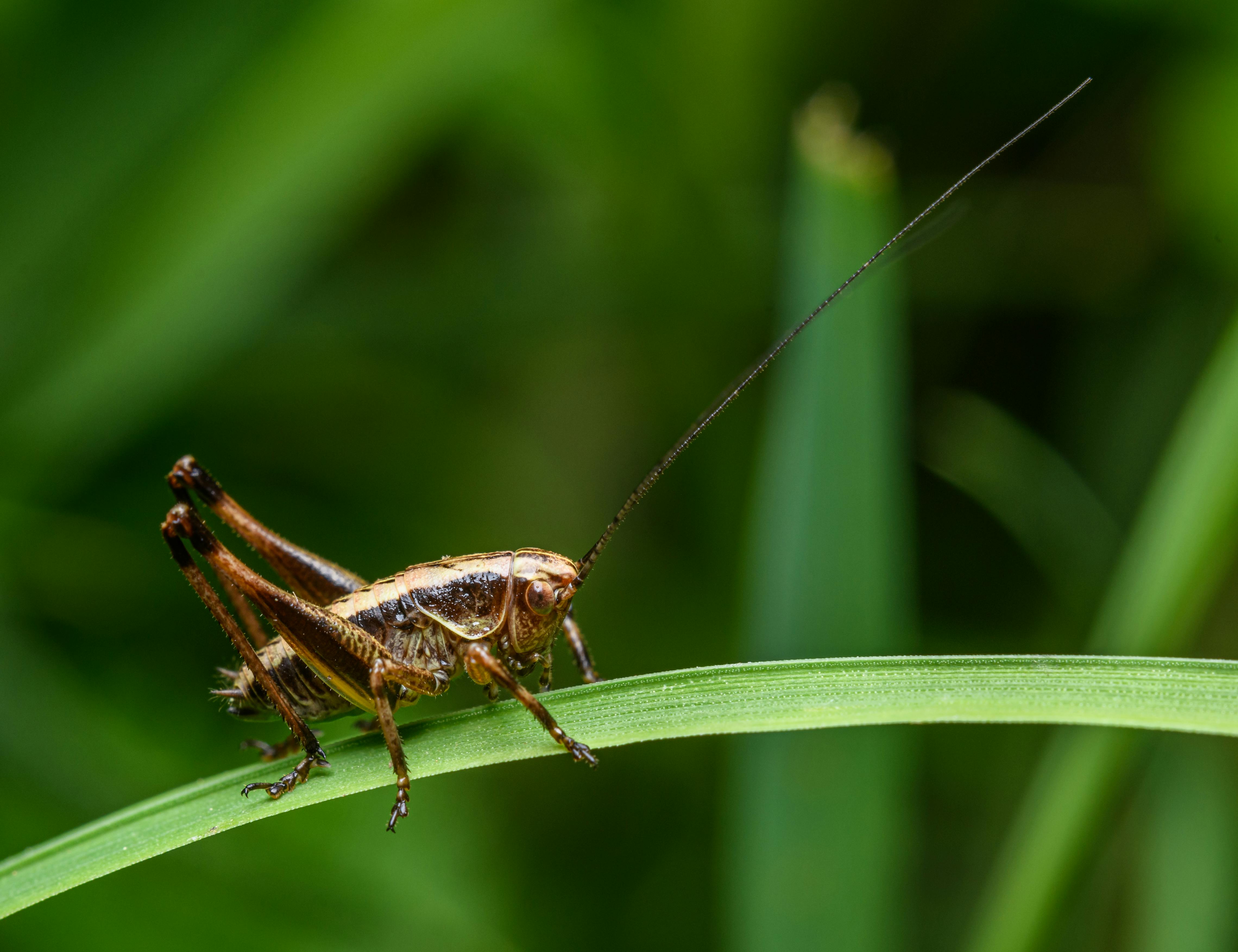
Use the macro photo above as a reference: notice the smooth, rounded thorax, the long antennae, and the delicate wing veins. If you spot an insect with these traits, you’re likely looking at a house cricket rather than a grasshopper or beetle.
Learn More About Cricket Biology
For a deeper dive into cricket behavior, life cycle, and control methods, visit the Pest World Cricket Guide. Understanding the insect’s habits helps you spot early signs and choose the most effective treatment before the chirping becomes a nightly soundtrack.
When Crickets Are Most Active – Seasonal Patterns
Crickets follow a temperature-driven life cycle that starts with eggs laid in late spring. The eggs hatch when soil temperatures consistently reach ≈ 15 °C (60 °F), and the nymphs molt several times before becoming full-grown adults by early summer—making timely cricket control Decatur homeowners need especially important. Because development speeds up as the mercury climbs, the entire population peaks when nightly lows stay above ≈ 20 °C (68 °F). Below that threshold, growth stalls and activity drops sharply.
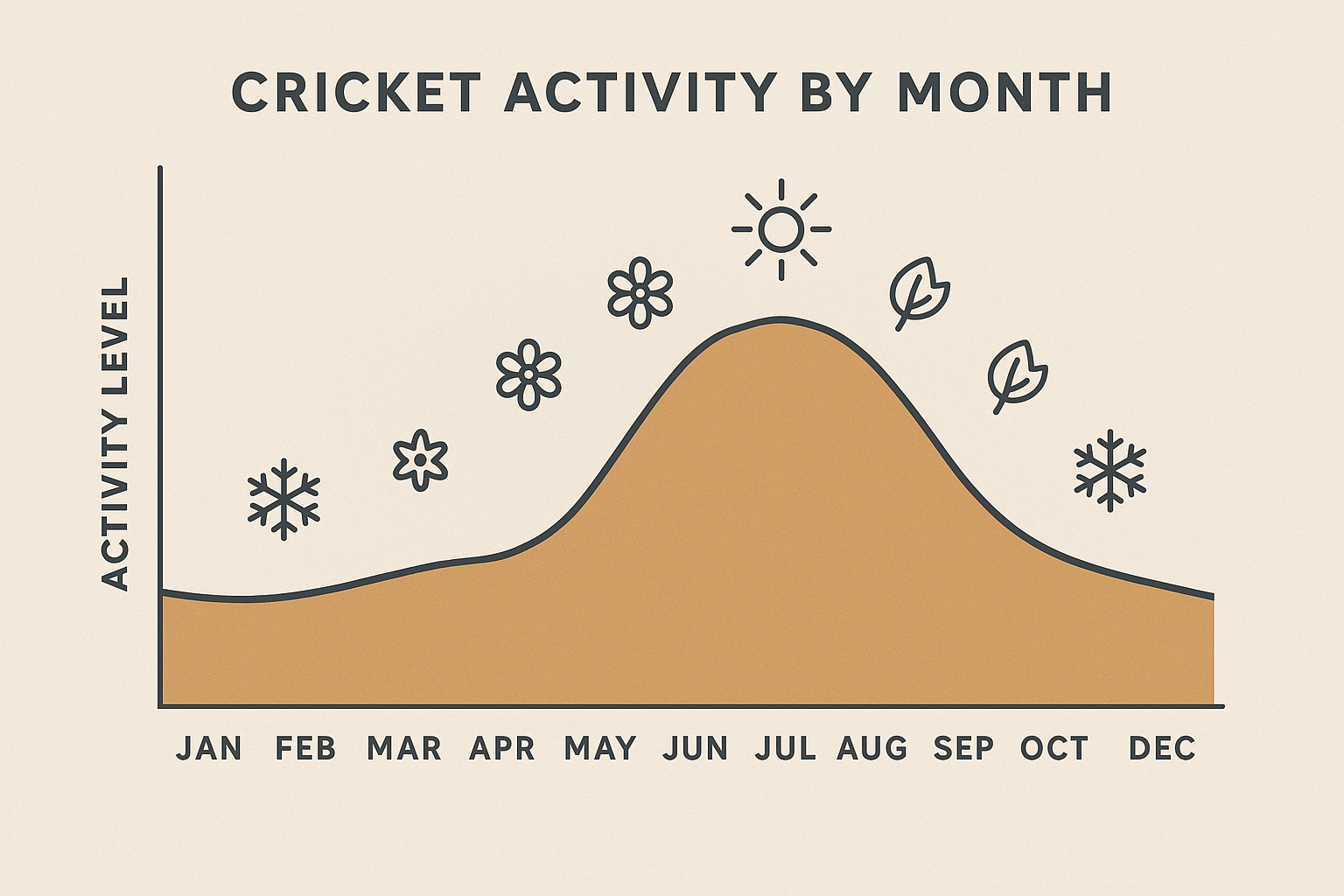
The chart below visualizes the typical activity rhythm for Decatur’s common house cricket (Acheta domesticus). Notice the steep climb from June through August, which aligns with the region’s warmest, most humid nights.
| Month | Typical Activity Level |
|---|---|
| March | Low |
| April | Moderate |
| May | Increasing |
| June | High |
| July | Peak |
| August | Peak |
| September | Declining |
| October | Low |
| November | None |
Warm, humid nights are the engine behind cricket chorusing. Moisture softens the soil, encouraging nymphs to emerge, while the heat fuels the males’ stridulation muscles, resulting in louder, more frequent chirps. A sudden humidity spike after a rainstorm can make a normally quiet evening sound like a stadium, signaling that the insects are actively feeding and mating.
Those acoustic cues translate directly to indoor encounters. As activity surges, adult crickets are more likely to wander inside through open doors, vents, or gaps in foundation screens. While a few crickets are merely a nuisance, large numbers can damage soft furnishings, wallpaper, and even cause minor structural wear by gnawing on wood or insulation in search of shelter.
For homeowners, timing is everything. Schedule a thorough inspection in early May, before the population explodes. Early‑season treatments—such as perimeter barrier sprays and targeted soil drenches—create a protective shield that reduces the number of insects that can cross into the home later in summer. Follow up with a mid‑summer check (late July) to address any hot‑spot activity that escaped the first round.
These seasonal tactics align with the EPA’s guidance on seasonal pest management, which recommends proactive monitoring and treatment during peak activity windows to minimize pesticide use while maintaining effective control.
Effective Cricket Control Methods for Homeowners
Chemical Treatments: Targeting Adults and Nymphs
Licensed technicians often start with a perimeter spray that creates a protective barrier around your home’s foundation. The formulation is designed to contact and kill adult crickets as they walk along walls, while also reaching the soil where nymphs emerge. For indoor infestations, foggers release a fine mist that penetrates cracks, upholstery, and ceiling voids, ensuring the insecticide reaches hidden colonies. Bait stations, placed in dark corners or along baseboards, contain slow‑acting toxins that crickets carry back to the nest, attacking both adults and developing nymphs.
Non‑Chemical Options: Exclusion and Habitat Modification
Preventing crickets from entering is often the most sustainable strategy. Begin by sealing gaps around doors, windows, utility penetrations, and the foundation with caulk or weatherstripping. Install fine‑mesh screens on vents and eaves to block their entry points. Outside, reduce the habitat that attracts crickets: remove leaf litter, wood piles, and excess mulch, and keep grass trimmed to a maximum of three inches. A tidy yard eliminates the shelter and moisture crickets need to thrive.
Professional vs. DIY: Weighing the Benefits
DIY kits can be tempting, but they rarely match the efficacy of EPA-approved products applied by certified technicians for reliable cricket control Decatur homeowners can depend on. Professionals have access to higher-potency formulations, calibrated equipment, and the training to apply them safely—protecting your family, pets, and indoor air quality. Moreover, a licensed pest specialist can assess structural vulnerabilities, recommend exclusion measures, and ensure compliance with local regulations, reducing the risk of over-application or accidental exposure.
Typical Professional Cricket Treatment Plan

- Inspection: A certified technician conducts a thorough walk‑through, identifying entry points, breeding sites, and the severity of the infestation.
- Exterior Barrier Application: Perimeter sprays are applied to the foundation, siding, and landscaping zones where crickets congregate.
- Interior Fogging: A low‑pressure fogger distributes a fine mist throughout living spaces, reaching cracks, baseboards, and ceiling voids.
- Bait Placement: Targeted bait stations are positioned in dark, damp areas to attract and eliminate lingering crickets.
- Exclusion Recommendations: The technician provides a checklist for sealing cracks, installing screens, and trimming vegetation.
- Follow‑Up Scheduling: A second visit is arranged within 7‑10 days to assess effectiveness and re‑treat any residual activity.
Post‑Treatment Monitoring and Follow‑Up Visits
After the initial service, homeowners should monitor high‑traffic zones—kitchen cabinets, baseboards, and outdoor lights—for any new cricket activity. Using sticky traps or simple visual checks helps gauge the treatment’s success. Anthem Pest typically schedules a follow‑up within two weeks to verify that the population is suppressed and to apply a booster spray if needed. Consistent monitoring, combined with the exclusion steps outlined above, ensures long‑term control.
Additional Resources
For a deeper understanding of how pest control chemicals interact with indoor air, refer to the CDC’s guidance on indoor air quality and pests: CDC Indoor Air Pests. This resource highlights safety considerations and best practices for maintaining a healthy home environment while managing pests.
Cricket Control Pricing – What Homeowners Can Expect
When it comes to cricket control, knowing exactly what you’re paying for makes the decision a lot easier. Anthem Pest Control breaks its services into three clear‑cut packages—Basic, Standard, and Premium—so you can match the level of protection to your home’s unique needs and budget.
Three service tiers, one common goal
All three tiers start with a thorough inspection and a targeted treatment that eliminates the crickets you see today. What changes is the frequency of follow‑ups, the breadth of coverage, and the added preventive steps that keep the insects from returning when the warm months roll in.
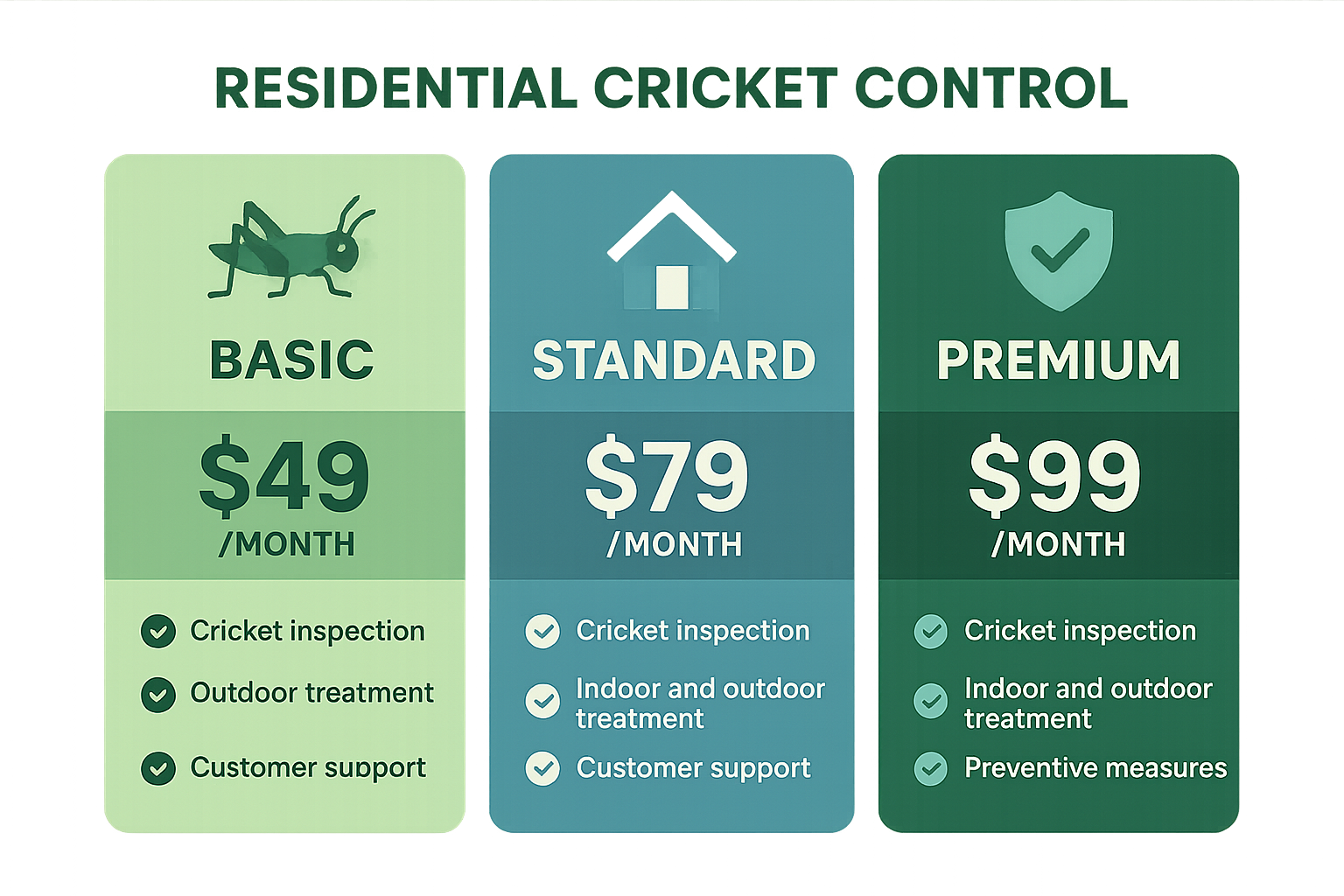
| Package | Typical Price* | Key Service Points |
|---|---|---|
| Basic | $120 – $150 |
|
| Standard | $200 – $260 |
|
| Premium | $350 – $420 |
|
What drives the price?
Three main factors shape the final cost of any cricket‑control plan. Property size matters because larger square footage requires more product and more time to treat every entry point. Infestation severity influences how many applications are needed to knock the population down to a manageable level. Finally, geographic location plays a role: homes in Decatur experience a longer, hotter cricket season, so the service frequency and product strength may be adjusted accordingly.
Choosing the right tier for your home
If you own a small bungalow (under 1,500 sq ft) and have only seen a few crickets, the Basic package often provides enough immediate relief. For medium‑sized homes (1,500–2,500 sq ft) or properties with a garden that attracts insects, the Standard tier adds quarterly check‑ins that catch any rebound before it becomes a full‑blown problem. Homeowners with large lots, multiple structures, or a history of seasonal cricket invasions typically benefit most from the Premium plan, which delivers year‑round monitoring and a fortified perimeter that dramatically cuts re‑infestation risk.
Ready to see the exact numbers for your address? Visit Anthem Cricket Control for a detailed, location‑specific quote and to schedule your first treatment.
Protect Your Home Today – Contact Anthem Pest Control
Early identification of crickets, combined with the right seasonal timing, is the cornerstone of a pest‑free home. When you spot the tell‑tale chirping at night or notice tiny holes in outdoor lighting fixtures, you’ve already bought yourself precious weeks of damage control. Acting quickly—ideally before the first warm night of spring—prevents a small infestation from exploding into a noisy, unsightly problem that can affect walls, insulation, and even your garden.
That’s where Anthem Pest Control steps in. Our technicians are trained to recognize cricket activity at any life stage and to apply EPA‑approved treatments that target the insects while keeping your family and pets safe. We use low‑impact, residual sprays and, when appropriate, targeted baits that continue working long after the technician leaves your property. Because we understand that transparency builds trust, every quote includes a clear breakdown of labor, product costs, and any follow‑up visits, so you never face hidden fees.
Choosing Anthem means you’re partnering with a nationwide network that tailors its approach to Decatur’s unique climate. Our seasonal calendar aligns with the peak cricket breeding periods, ensuring that you receive treatment exactly when it will be most effective. Whether you need a one‑time extermination or an ongoing prevention plan, we’ll design a schedule that fits your budget and your calendar.
Ready to take the next step? Give us a call at 877‑371‑8196 for a free, no‑obligation quote. Our friendly staff will answer any questions you have—whether it’s about the safety of our products, the timing of the next treatment window, or how to prepare your home for a visit. We’re happy to schedule an on‑site inspection at a time that works for you.
Don’t let crickets turn your quiet evenings into a chorus of annoyance. Visit Anthem Pest Control today for trusted cricket control Decatur homeowners rely on and protect your home with the expertise you deserve.