Why Crickets Become a Homeowner’s Concern in Suwanee, GA
Suwanee’s Climate – A Cricket‑Friendly Zone
Located in the heart of the Atlanta metropolitan area, Suwanee experiences warm, humid summers and mild winters. Average July temperatures hover around 88°F (31°C) with nightly humidity often exceeding 70 %. Those conditions are a perfect breeding ground for the common house cricket (Acheta domesticus). The insects thrive in moisture‑rich environments, and the region’s frequent rainstorms keep lawns, gardens, and basements damp enough for crickets to lay dozens of eggs each season.
How You’ll Know Crickets Have Moved In
Crickets are more than just noisy visitors; they leave a trail of clues that can quickly turn a pleasant home into a source of frustration. Look out for the following signs:
- Loud chirping at night – Males rub their wings together to attract mates, creating a steady, high‑pitched trill that can be heard from inside bedrooms.
- Droppings – Small, black specks resembling pepper grains appear on countertops, shelves, or around indoor plants.
- Damage to fabrics and plants – Crickets chew on cotton, linen, and even delicate upholstery. Outdoor shrubs and garden vegetables may show ragged edges where crickets have fed.
- Visible sightings – Spotting the insects near lights, in basements, crawl spaces, or under kitchen cabinets is a clear red flag.
Beyond the Nuisance: Real Risks to Your Home
While the chirping can keep you up at night, the real danger lies in what crickets can do to your household:
- Food contamination – Crickets wander across countertops, pantry shelves, and even open food containers, leaving behind droppings and potential bacteria.
- Structural concerns – In damp basements and crawl spaces, crickets may accelerate wood decay by feeding on soft, moisture‑laden timber, creating pathways for more destructive pests like termites.
- Indoor comfort – A steady chorus of chirps can raise stress levels, disrupt sleep, and make indoor spaces feel less welcoming.
Why a Professional Inspection Is the Smart First Step
Identifying a cricket problem early can save you time, money, and peace of mind. Certified technicians from Anthem Pest Control know exactly where crickets hide—often in hidden pockets such as basements, crawl spaces, and under floorboards. During a thorough inspection, they will:
- Pinpoint entry points and breeding sites.
- Assess moisture levels that may be encouraging cricket activity.
- Recommend targeted treatments that are safe for families and pets.
By entrusting the job to professionals, you avoid DIY guesswork and ensure that the infestation is eliminated at its source, not just the visible symptoms.
Recognizing Cricket Activity and Damage
What Georgia Crickets Look Like
In the Suwanee area you’ll most often encounter two species: the House Cricket (Acheta domesticus) and the Field Cricket (Gryllus assimilis). Both are about ½‑¾ inch long, but the House Cricket tends toward a light brown or tan body with a glossy sheen, while the Field Cricket shows a darker, mottled brown‑gray pattern. Their wings are a key identifier: the House Cricket’s fore‑wings are short and leathery, barely covering the abdomen, whereas the Field Cricket sports longer, more transparent wings that can produce the familiar chirping sound when rubbed together. Spotting these size, color, and wing differences can quickly confirm you’re dealing with crickets rather than ants or beetles.
Common Entry Points
Crickets are opportunistic hitch‑hikers. They slip through any opening larger than a quarter‑inch, so typical ingress sites include:
- Cracks in the foundation or mortar joints.
- Gaps around windows, doors, and sliding glass tracks.
- Open vents, especially in basements and crawl spaces.
- Utility penetrations – where wires, pipes, or HVAC ducts enter the home.
Even a tiny gap around a weather‑stripping seal can become a highway for a swarm, especially during the warm months when crickets seek shelter from the heat.
Visual Cues That Crickets Have Been Inside
Once crickets make it inside, they leave a trail of tell‑tale signs:
- Droppings: Small, black specks that look like pepper grains, often found near baseboards or under appliances.
- Shredded fabric: Crickets love the fibers in curtains, upholstery, and clothing. Look for tiny holes or frayed edges, especially in closets.
- Chewed plant leaves: Outdoor patio plants or indoor potted greens may show ragged edges or bite marks.
- Odor: A faint, musty “cricket” smell can linger in confined spaces where they congregate.
Quick Self‑Inspection Checklist
Spend 10‑15 minutes walking through your home with this simple checklist. Grab a flashlight and a notepad – it makes spotting the clues easier.
- Entry Survey: Examine the exterior foundation, windows, and vent covers for gaps larger than ¼ in.
- Room‑by‑Room Scan: In kitchens, check behind appliances, pantry shelves, and trash bins for droppings or shredded packaging.
- Basement & Crawl Space: Look at joist spaces, pipe penetrations, and insulation for cricket activity.
- Patio & Outdoor Living Areas: Inspect plant pots, outdoor cushions, and the perimeter of decks for chewed foliage or tiny holes in fabric.
- Sound Test: In the evening, sit quietly near a wall or under a cabinet. If you hear a rhythmic chirp, you’ve likely pinpointed a hot spot.
When to Call a Professional
Most homeowners can manage a few stray crickets, but certain damage thresholds signal it’s time for expert help:
- Extensive fabric destruction – torn curtains, shredded bedding, or damaged clothing that compromises comfort or hygiene.
- Food contamination – droppings or cricket fragments found in pantry items, pet food, or kitchen prep areas.
- Persistent odor or audible chirping that continues despite DIY sealing efforts.
- Large infestations evident in multiple rooms or a rapid increase in sightings over a few days.
If any of these conditions apply, contacting Anthem Pest Control ensures a safe, thorough treatment that eliminates the current problem and blocks future entry points. Our technicians use targeted, low‑impact solutions designed for Georgia homes, so you can restore peace of mind without compromising family health.
Seasonal Patterns of Crickets in Georgia
Cricket Life‑Cycle Overview
Crickets start their year as eggs tucked into moist soil, leaf litter, or the base of garden plants. Within a week to ten days, each egg hatches into a nymph—essentially a tiny, wing‑less version of the adult. The nymph molts five to six times, growing larger with each shed. By late summer, the final molt produces a fully winged adult ready to mate, lay eggs, and begin the cycle anew. Knowing where the population sits in this cycle lets you time inspections and treatments for maximum impact.
Monthly Activity Chart
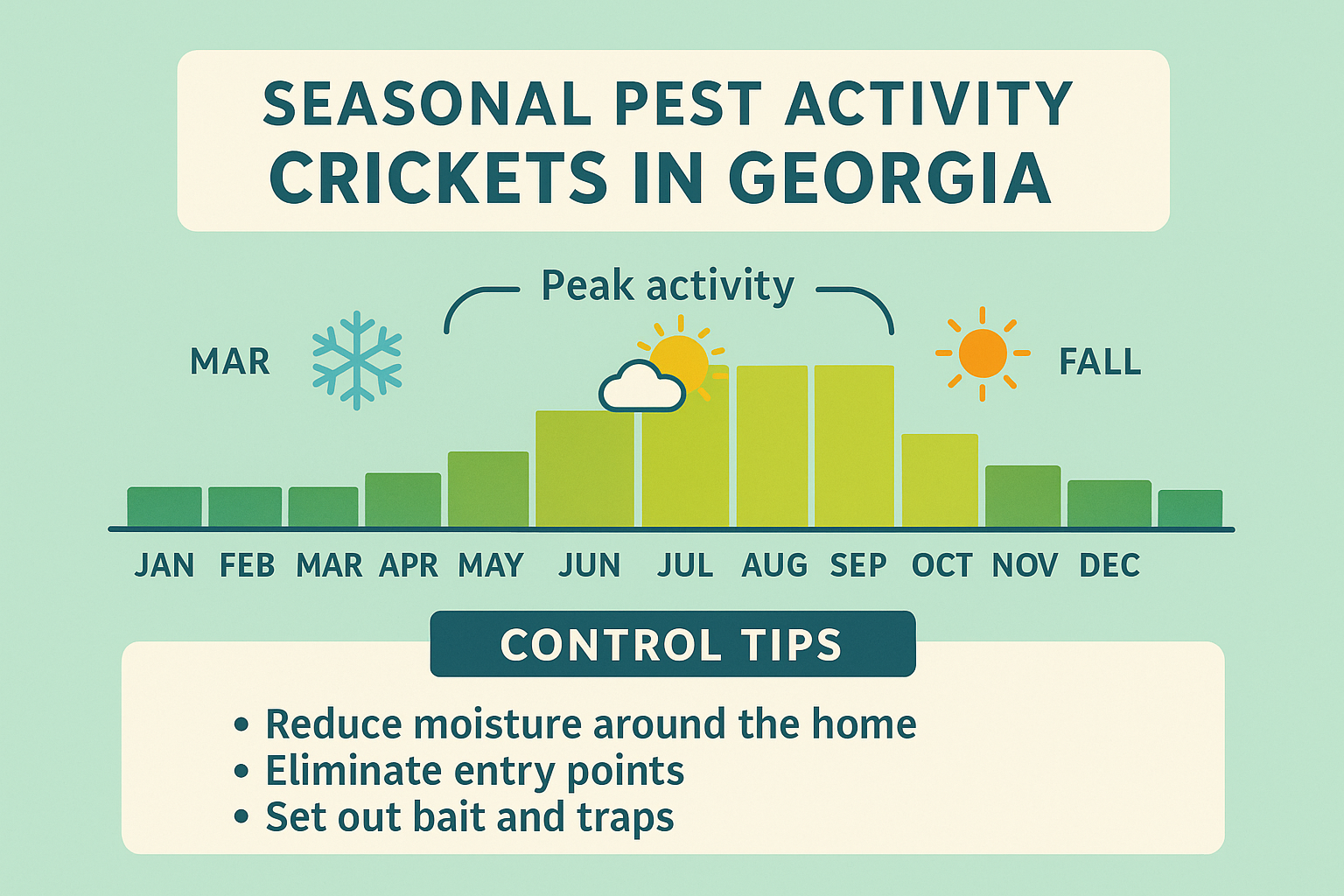
Georgia’s warm climate creates a long cricket season, but activity still peaks during specific months. The chart below summarizes average high temperatures and typical activity levels from March through October. For a quick visual reference, see the seasonal chart linked at the bottom of this section.
| Month | Avg. High (°F) | Activity Level |
|---|---|---|
| March | 58 | Low – eggs just beginning to hatch |
| April | 68 | Moderate – early nymphs emerging |
| May | 77 | High – nymphs rapidly maturing |
| June | 84 | Peak – many adults appear |
| July | 89 | Peak – breeding season in full swing |
| August | 88 | High – adults laying eggs |
| September | 80 | Moderate – adults start to die off |
| October | 71 | Low – only eggs remain |
How Weather Shifts Influence Populations
Rainfall and temperature spikes act like accelerators or brakes on cricket numbers. A series of warm, dry days in June can speed up nymph development, leading to an earlier and more intense adult surge. Conversely, heavy rain in late spring can drown eggs and wash nymphs from their hiding spots, temporarily suppressing the population. Heat waves above 90 °F may cause adults to seek cooler, more sheltered micro‑habitats, making them harder to spot but not eliminating the threat.
Recommended Seasonal Actions
- Early‑spring monitoring (March–April): Inspect foundation cracks, mulch beds, and garden debris for egg clusters or emerging nymphs. A simple sweep with a flashlight can reveal the first signs of activity.
- Mid‑summer barrier treatment (June–July): Apply a perimeter insecticide around the home’s exterior, focusing on entry points and shaded zones where adults congregate. This creates a chemical shield that stops new adults from crossing into the house.
- Fall clean‑up (September–October): Remove leaf piles, prune overgrown vegetation, and vacuum porch screens. Reducing shelter removes the last refuge for overwintering eggs, lowering next year’s starting population.
How Much Does Cricket Control Cost in Suwanee?
Our pricing philosophy
At Anthem Pest Control we believe you shouldn’t have to guess how much a cricket‑control job will cost. Our pricing is transparent, tiered, and tuned to the specific conditions of Suwanee, Georgia. Whether you need a quick knock‑down or a full‑service protection plan, the price you see is the price you pay—no hidden fees, no surprise add‑ons.
Service tiers
Basic
The Basic tier covers a single‑visit inspection, a targeted spot‑treatment using a low‑impact spray, and a written follow‑up report. It’s ideal for homeowners who have spotted a few crickets and want immediate relief without a long‑term commitment. We also include a one‑year service contract that can be renewed at the same rate.
Standard
The Standard tier adds a comprehensive perimeter treatment, a second follow‑up visit to address any rebound activity, and a preventative barrier that lasts up to three months. This tier balances cost and coverage, making it the most popular choice for average‑size homes. The treatment also targets other common summer pests, giving you broader protection.
Premium
The Premium tier is our all‑inclusive package. It includes an in‑depth inspection of interior and exterior spaces, a full‑house treatment with a combination of sprays and dusts, quarterly follow‑up visits, and a year‑long warranty on cricket activity. Homeowners with larger properties or a history of recurring infestations typically opt for this level. Included is an annual re‑inspection to adjust the barrier as your landscape changes.
Average monthly cost ranges in Suwanee
Based on recent local data, the typical monthly outlay for each tier in Suwanee looks like this:
- Basic: $45 – $65 per month
- Standard: $80 – $110 per month
- Premium: $150 – $200 per month
These figures include the cost of the initial treatment and any scheduled follow‑up visits. Most homeowners find the Standard tier offers the best value for a seasonal cricket problem, while the Premium tier provides peace of mind for year‑round protection.
What influences the final price?
Several variables can shift the quoted amount up or down:
- Property size: Larger square footage or multi‑story homes require more product and labor.
- Infestation severity: A light sighting may be handled with a single spray, whereas a heavy infestation often needs multiple applications.
- Seasonal timing: Early‑summer treatments are usually less expensive because crickets are just beginning to breed; late‑summer or fall interventions can cost more due to higher population levels.
- Access points: Homes with many cracks, gaps, or landscaping features may need extra sealing work, which adds to the price.
Anthem Pest offers flexible payment options, including monthly billing, a single‑payment discount, and financing through a trusted partner. Homeowners can choose the method that fits their budget, and all plans come with a 100 % satisfaction guarantee.
Every treatment is backed by a 30‑day re‑treatment promise. If crickets return within that window, we’ll return at no extra cost, ensuring you get lasting relief without hidden expenses.
Quick visual comparison

For a detailed breakdown of the numbers we used, see the source study from Anthem Pest Control: Anthem Pest Control Cricket Control Cost in Suwanee, GA. Our pricing aligns with this independent analysis, ensuring you receive fair, market‑based rates.
Effective Treatment Methods for Crickets
Crickets can infiltrate both the yard and the home, especially during Suwanee’s warm evenings. Understanding how professional treatments work helps you choose a solution that’s both fast‑acting and safe for family and pets.

Exterior Barrier Sprays
Barrier sprays form a chemical “wall” around the property, preventing crickets from crossing into the yard or slipping through foundation cracks. Most professionals use synthetic pyrethroids such as bifenthrin or permethrin, which disrupt the insects’ nervous system on contact. The spray is applied in a continuous perimeter—typically 3–5 feet from the foundation, around doors, windows, and any outdoor lighting that attracts crickets.
Re‑application is usually required every 30 days during peak cricket season (late spring through early fall) because rain, irrigation, and UV exposure break down the active ingredients. A licensed technician will record the exact coverage area, ensuring you receive consistent protection without over‑treating.
Interior Fogging and Spot Treatments
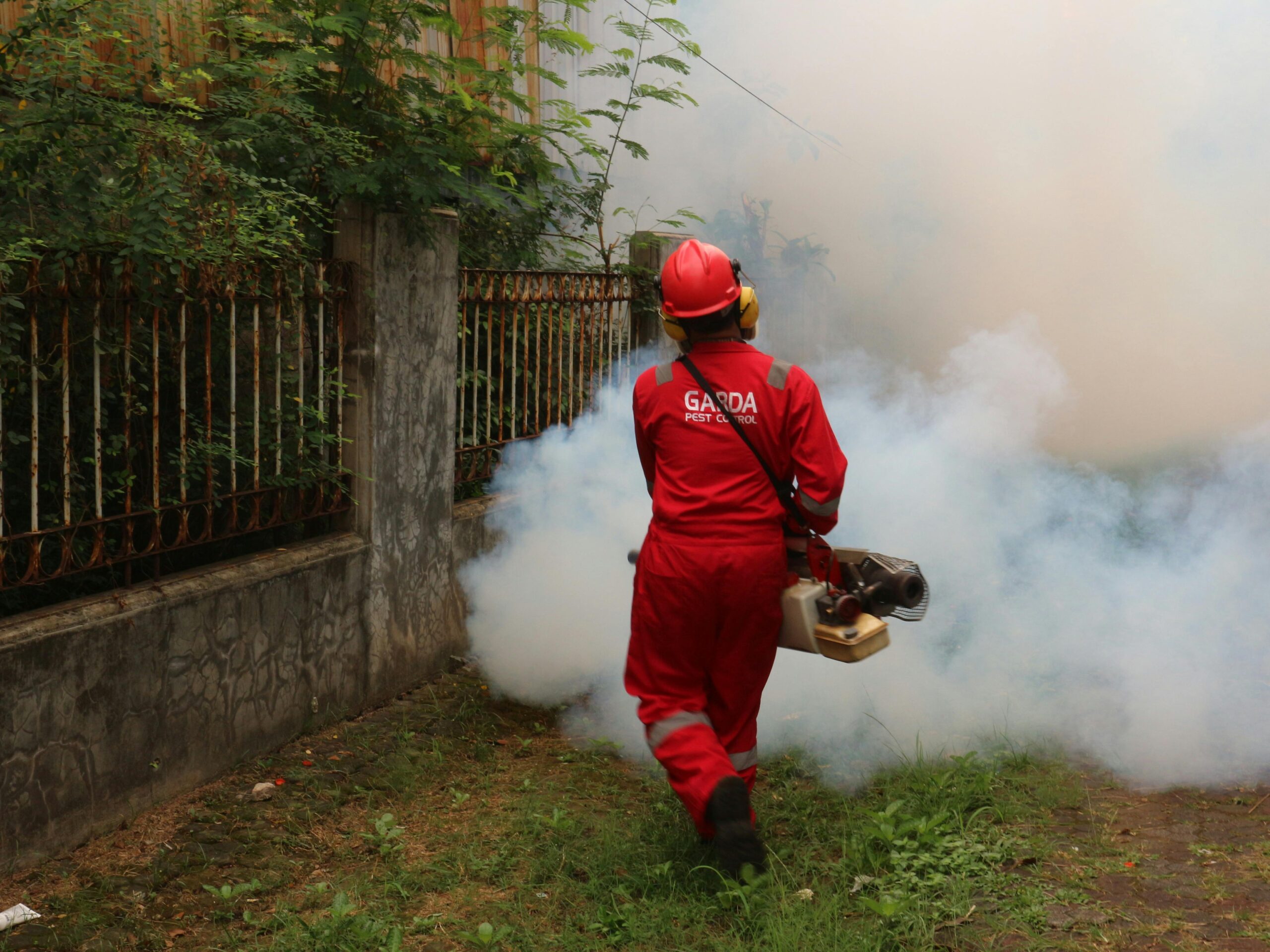
When crickets have already taken up residence inside—hiding in wall voids, under appliances, or in attic insulation—foggers and spot sprays become essential. Fogging disperses a fine aerosol that reaches cracks and crevices where adult crickets hide, while spot treatments target specific hot spots like baseboard gaps and door frames.
Safety protocols are strict: technicians wear respirators, use low‑odor formulations, and ventilate the space after application. Children and pets are asked to stay out of treated rooms for at least two hours, and the products used meet EPA standards for indoor use.
Bait Stations and Growth Regulators
Cricket bait stations contain a slow‑acting toxin combined with an attractant, allowing insects to carry the poison back to the colony. When paired with insect growth regulators (IGRs) such as hydroprene, the treatment interrupts molting, preventing nymphs from maturing into reproducing adults.
This dual approach delivers long‑term control—baits reduce the current population, while IGRs suppress future generations for up to six months. Placement is strategic: near baseboards, behind appliances, and in dark corners where crickets congregate.
Integrated Pest Management (IPM) Approach
IPM blends cultural, mechanical, and chemical tactics to keep crickets at bay with minimal pesticide reliance. First, homeowners should eliminate food sources by sealing food containers and promptly cleaning crumbs. Next, exclusion measures—weather‑stripping doors, repairing screen mesh, and sealing foundation cracks—deny entry points.
Finally, targeted chemical controls (barrier sprays, foggers, baits) are applied only where monitoring indicates activity. This layered strategy not only reduces the chance of resistance but also aligns with environmentally responsible pest management.
Why a Licensed Technician Matters
Anthem’s service vans are staffed by EPA‑certified technicians who understand Suwanee’s local regulations and the unique behavior of regional cricket species. A licensed professional knows the correct dilution rates, optimal timing, and placement techniques that DIY products often miss.
Beyond compliance, a trained technician can assess underlying conditions—such as excess moisture or outdoor lighting—that attract crickets, and recommend corrective actions. Trusting a qualified expert ensures the treatment is both effective and legally sound, protecting your home and the surrounding ecosystem.
DIY vs Professional Cricket Control: What’s Best for You?
Common DIY Solutions
Many homeowners reach for the nearest hardware store when crickets start chirping louder than a summer night. The most popular do‑it‑yourself (DIY) tools include:
- Aerosol sprays: Quick‑kill formulas that you spray directly onto the insects.
- Home‑made traps: Simple containers filled with sugar‑water, beer, or light‑attracted devices.
- Over‑the‑counter insecticides: Granules or liquid concentrates meant for general yard use.
Why DIY Often Falls Short
While these options can provide a temporary reprieve, they rarely solve the problem at its source. Key limitations are:
- Incomplete coverage: Sprays and granules only treat the area you see, leaving hidden nests in soil, mulch, or building cracks untouched.
- Resistance buildup: Repeated use of the same chemicals can make crickets less susceptible, requiring higher doses that are less safe.
- Safety hazards: Aerosols and concentrates can irritate skin, eyes, and pets if not applied correctly.
- No follow‑up: DIY treatments lack systematic monitoring, so a resurgence often goes unnoticed until the infestation spikes again.
What a Professional Service Brings
Hiring a licensed pest‑control partner such as Anthem Pest Control adds layers of protection that DIY simply cannot match:
- Comprehensive inspection: Technicians locate breeding sites, entry points, and underlying conditions that attract crickets.
- Customized treatment plan: Formulations are chosen based on species, season, and property layout, ensuring maximum efficacy.
- Warranty and guarantee: Most pros back their work with a service guarantee, giving you recourse if crickets return.
- Ongoing monitoring: Scheduled check‑ins track progress and adjust treatments before an outbreak becomes visible.
Cost‑Benefit Snapshot
A quick side‑by‑side view helps clarify the financial trade‑offs between a one‑time DIY effort and a professional program.
| Option | Up‑Front Cost | Expected Longevity | Typical Coverage | Hidden Risks |
|---|---|---|---|---|
| DIY (sprays, traps, OTC) | $30‑$80 | 1‑2 weeks | Surface‑only, spot‑treated | Resistance, safety exposure, repeat purchases |
| Professional service | $150‑$300 (one‑time) or $40‑$60/month | 4‑8 weeks+ | Whole‑property, soil & structure | Minimal – covered by warranty and monitoring |
Decision‑Making Checklist
Use the following quick checklist to decide which route fits your situation best:
- Property size: Large yards or multi‑level homes often need professional coverage.
- Infestation level: Light chirping may be managed DIY; dense populations usually require expert intervention.
- Health considerations: If you have children, pets, or respiratory sensitivities, professional low‑toxicity options are safer.
- Budget constraints: Weigh short‑term savings against potential repeat purchases and missed treatments.
- Long‑term peace of mind: Professionals provide warranties and follow‑up visits that keep crickets out season after season.
Take the Next Step with Anthem Pest Control
Crickets may seem harmless, but in Suwanee they become a noisy, unsightly nuisance every late summer and early fall. Their chirping can disrupt outdoor evenings, and a heavy infestation often signals that doors, windows, or foundation cracks are inviting other pests inside. Because crickets breed quickly, waiting until the problem is visible can lead to larger, harder‑to‑control infestations. A timely, professional treatment stops the cycle early, protects your home’s exterior, and keeps your family’s outdoor space enjoyable all season long.
Anthem Pest Control stands out with a transparent, tiered‑pricing model that lets you choose the level of service that fits your budget and needs. Our technicians are locally trained, certified, and experienced in Suwanee’s unique climate challenges. They use EPA‑approved, low‑toxicity products that target crickets without compromising the safety of children, pets, or the environment. Every visit includes a thorough inspection, a clear explanation of the treatment plan, and a written estimate—no hidden fees, no surprises.
Ready to see how easy it can be to protect your home? We invite you to schedule a free, no‑obligation inspection. During this visit, a specialist will assess your property, identify any entry points, and provide a personalized quote tailored to your situation. Whether you need a one‑time treatment or an ongoing prevention program, our goal is to give you confidence that your home is defended against crickets and the other pests that often follow.
Give us a call today at 877‑371‑8196 or visit our website at https://anthempest.com to book your inspection. Our friendly support team is available to answer questions, discuss pricing tiers, and help you choose the right plan for your home.
Take the first step toward a quieter, cricket‑free summer. Contact Anthem Pest Control now for your free inspection and a customized quote—no pressure, just professional expertise you can trust. Schedule your inspection today and experience the peace of mind that comes with a well‑protected home.