Cricket Surge in Vinings – Why It Matters

This summer’s relentless downpours have turned Vinings lawns into a breeding ground for crickets, and homeowners are hearing the chorus louder than ever. Since early June, neighborhood forums and service calls have reported a sharp rise in nighttime chirping that’s keeping families awake.
Beyond the annoyance, crickets pose real concerns for your home’s hygiene and health. Their nightly serenade often masks the presence of food debris they scatter while foraging, creating a subtle contamination risk. Moreover, the protein‑rich exoskeleton can trigger allergic reactions in sensitive individuals, especially children and the elderly.
We understand that you want a clear picture of what it will cost to silence the chorus, and Anthem Pest is here to deliver exactly that. In the sections that follow you’ll find transparent pricing for each treatment option, from targeted spot‑sprays to whole‑yard barriers. Our goal is to empower you with the information you need to choose a solution that fits both your budget and your peace of mind.
This guide will walk you through every step you need to tame the cricket invasion: how to identify the species common to Vinings, the seasonal patterns that drive their activity, and the inspection checklist you can run before calling a professional. We’ll break down the most effective treatment choices, explain the science behind each method, and lay out the exact pricing you can expect from Anthem Pest. Finally, a concise FAQ will answer the lingering questions about safety, repeat visits, and long‑term prevention.
Stay with us, and you’ll soon have the tools to quiet the night, protect your pantry, and keep your family comfortable—all without surprise fees.
Common Cricket Species and Life Cycle in Vinings
House Cricket (Acheta domesticus)
The house cricket is the most frequent visitor inside Vinings homes. It prefers warm, dry corners—kitchens, basements, and closets—where it can hide in cracks or behind stored items. Adults are about ½ inch long, light brown to tan, and emit a steady chirp by rubbing their wings together. Their diet includes crumbs, paper, and even pet food, which helps them thrive in a typical household environment.
Field Cricket (Gryllus spp.)
Field crickets are larger, usually ¾ inch, with a darker, mottled exoskeleton that blends into grass and mulch. Unlike the house cricket, they are primarily outdoor dwellers, nesting in leaf litter, garden beds, or the edges of lawns. When they wander indoors, it’s usually because temperatures dip or moisture rises, prompting them to seek shelter. Their chirps are deeper and more rhythmic, often heard at dusk from the yard.
Life Cycle Overview
Both species follow the same three‑stage development: egg → nymph → adult. Females lay clusters of 200–300 eggs in soil or organic debris during the spring. Under Georgia’s mild climate, eggs hatch in about two weeks, releasing nymphs that look like tiny, wingless versions of the adult. Nymphs molt six to seven times over 2–3 months, gradually gaining size, color, and the ability to produce sound. By late summer, fully mature adults emerge, ready to mate and repeat the cycle.
According to the 2023 Georgia Extension report, 68 % of suburban homeowners reported cricket chirping in July. This spike aligns perfectly with local temperature patterns: average highs of 88–92 °F (31–33 °C) accelerate nymph growth, while nighttime cooling triggers the characteristic evening chorus. Understanding this timing helps homeowners anticipate when crickets are most active and plan preventative treatments before the population explodes.
Seasonal Activity and Homeowner Risks
In Vinings, Georgia, crickets don’t just appear out of nowhere—they follow a predictable seasonal pattern that’s tied to temperature. From late May through September, daytime highs consistently climb above 70 °F, and that’s the signal crickets use to start singing, mating, and spreading across yards and patios.
Peak Activity Months
- Late May – Low activity; the first warm days trigger the initial chorus.
- June – Medium activity; populations expand as humidity rises.
- July – High activity; night‑time chirping reaches its loudest point.
- August – High activity; adults continue breeding while juveniles emerge.
- September – Medium activity; temperatures begin to dip, but crickets remain vocal.
Risks to Vinings Homeowners
When crickets become abundant, they create three practical problems for local families:
- Outdoor kitchen contamination – Crickets are attracted to food scraps, spilled drinks, and sweet sauces left on grills or picnic tables. Their presence can quickly turn a clean patio into a breeding ground for bacteria.
- Minor landscaping damage – While crickets don’t chew plants like some insects, large numbers can stress delicate groundcovers and create unsightly holes in mulch.
- Amplified indoor noise – Evening chirping can seep through open windows and doors, making it harder to enjoy a quiet dinner or watch a movie on the porch.
Real‑World Example
Last summer, a Vinings homeowner reported losing about $150 in spoiled patio meals after a sudden cricket surge overwhelmed their outdoor dining area. The insects swarmed the grill, contaminating prepared foods and forcing the family to discard everything. The incident was covered by the Vinings Gazette, highlighting how even “harmless” insects can have a tangible financial impact.
Monthly Activity Chart
| Month | Activity Level |
|---|---|
| May | Low |
| June | Medium |
| July | High |
| August | High |
| September | Medium |
Knowing when crickets are most active helps you plan preventive treatments with Anthem Pest Control before the noise and mess become a summer nuisance.
DIY Inspection and Identification Checklist
Before you pick up the phone, a quick self‑inspection can tell you whether you’re dealing with a few noisy visitors or a full‑blown cricket invasion. Follow this step‑by‑step routine, and you’ll have the facts you need to decide if a professional treatment is worth the investment.
Night‑time Listening
Crickets are most vocal after sunset, so choose a quiet evening when interior lights are dimmed. Stand in the center of your home, pause any music or TV, and listen for the characteristic “chirp‑chirp‑chirp” that rises in tempo as the temperature climbs. Move slowly from room to room, noting the loudest spots. Pinpointing the source helps you focus the visual sweep later.
Visual Sweep
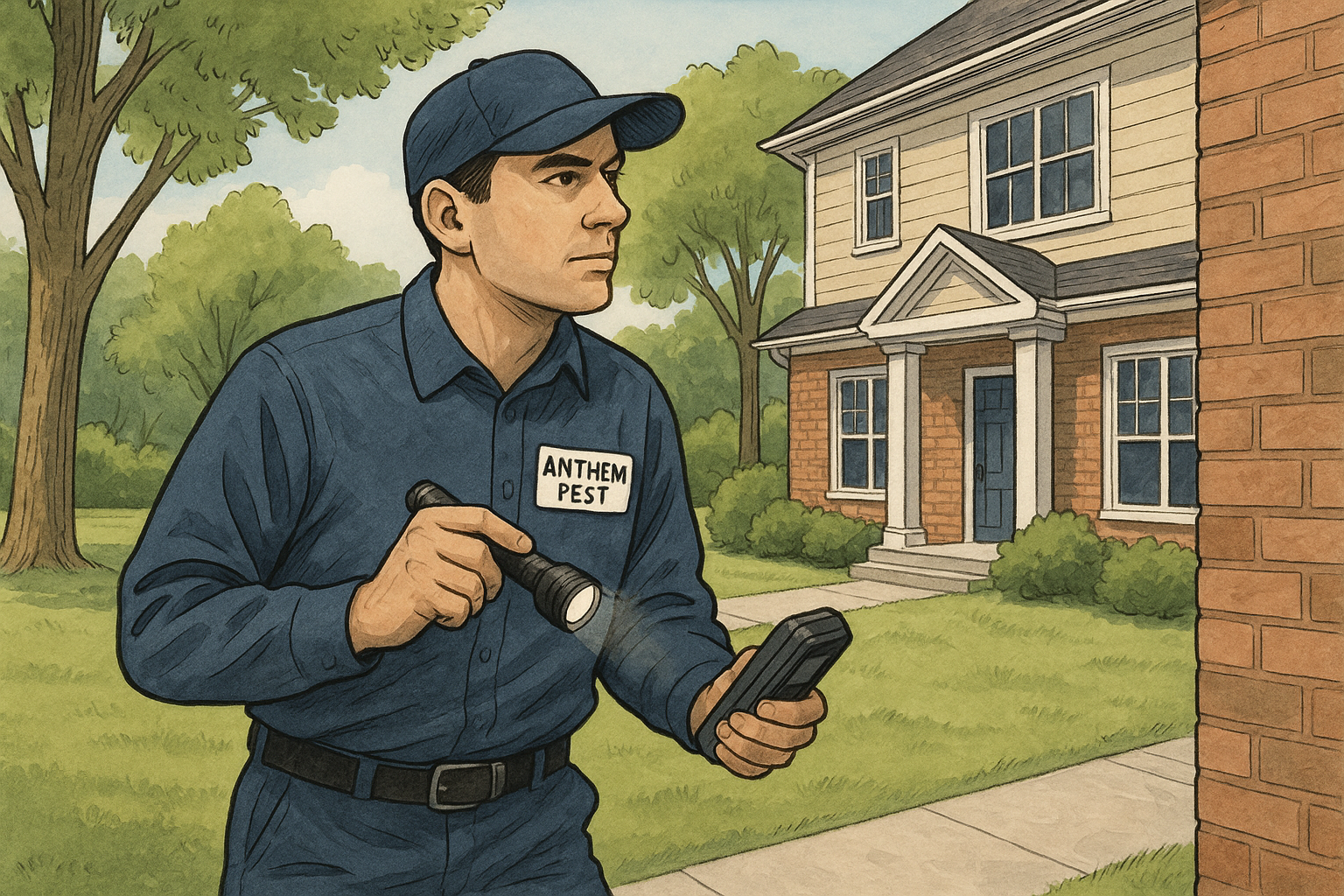
After you’ve located the loudest chirping zones, conduct a thorough visual check. Start at the foundation—crickets hide in cracks, mulch, and leaf litter. Inspect the attic and garage for adult insects near light fixtures, as they are attracted to illumination. Examine exterior walls for egg cases, which appear as tiny, oval, whitish capsules glued to wood or siding. Use a flashlight to spot hidden individuals in dark corners.
How to Tell Crickets Apart
Crickets can be confused with katydids or cicadas, especially when you only have a glimpse. The table below highlights the most reliable differences.
| Feature | Crickets | Katydids | Cicadas |
|---|---|---|---|
| Wing shape | Short, flat forewings; hind wings hidden | Long, leaf‑like wings that fold like a roof | Transparent, veined wings that emerge after molting |
| Song pattern | Rapid, rhythmic chirps; tempo rises with heat | Soft, rustling “leaf‑shaking” sound | Loud, repetitive “buzz‑buzz‑buzz” lasting seconds |
| Active time | Mostly dusk to early night | Nighttime, often near lights | Mid‑day to evening, especially in summer |
When to Call a Pro
If you count more than 50 crickets inside your home, hear continuous night‑time chirping despite your best sealing efforts, or discover visible damage to food packages, it’s time to involve a pest professional. Large numbers indicate a breeding population that can quickly outgrow DIY measures.
Document Your Findings
Before you dial a pest‑control service, jot down the locations where you heard or saw crickets, take photos of egg cases, and note the time of day you observed activity. This documentation helps the technician diagnose the infestation level, recommend the most effective treatment, and provide a precise estimate.
Treatment Options and Cost Comparison
When crickets start chirping in your yard or finding their way indoors, the first question most homeowners ask is, “How do I get rid of them, and how much will it cost?” The good news is that you have a range of effective strategies—from proven chemical barriers to eco‑friendly alternatives and an integrated pest management (IPM) approach that blends the best of both worlds. Below, we break down each option, cite the latest research, and give you a clear side‑by‑side cost comparison.
Chemical Barriers
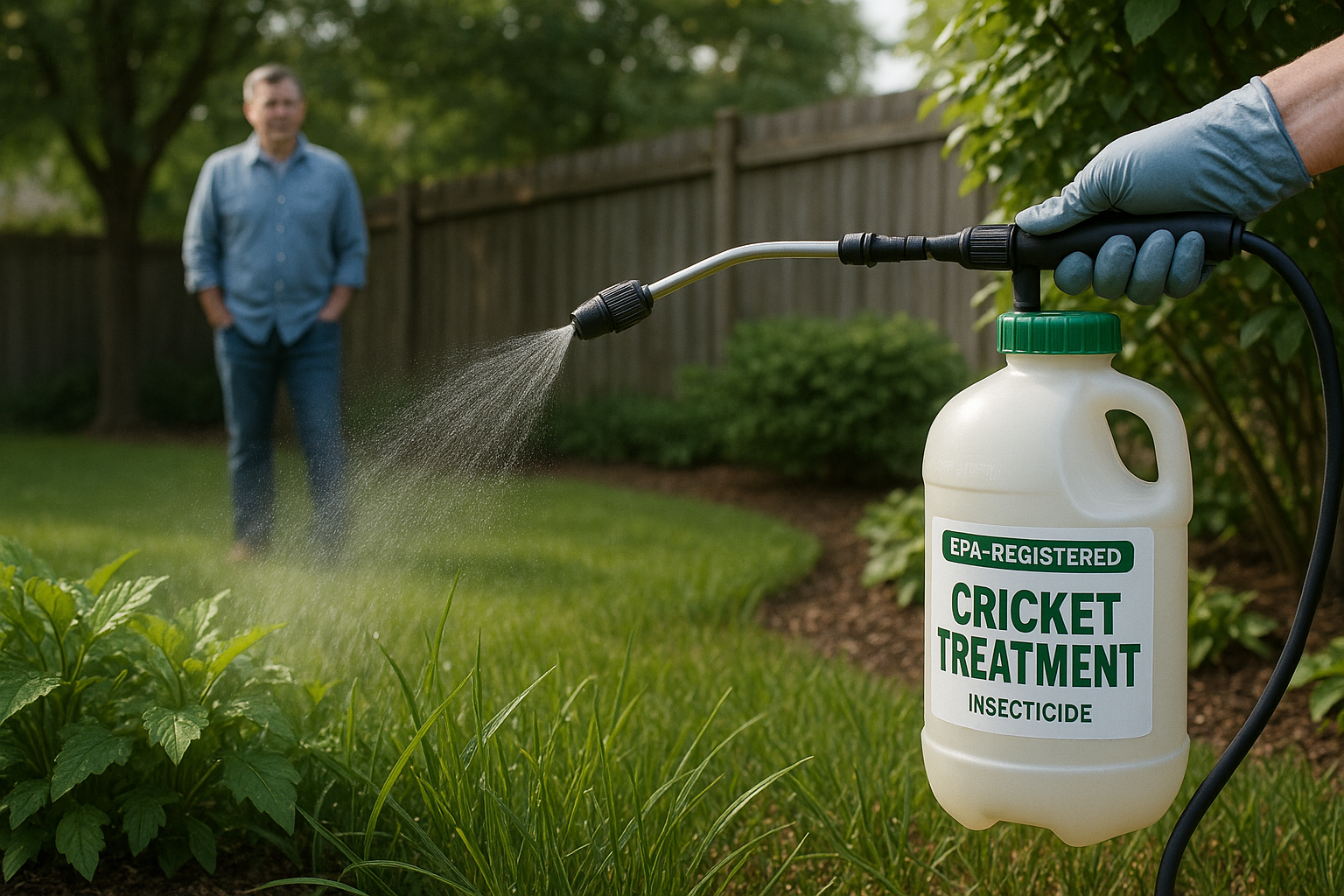
For fast, reliable knock‑down, many professionals turn to an EPA‑registered perimeter spray such as Bifenthrin. This synthetic pyrethroid creates a thin, invisible shield around the home’s exterior, targeting crickets as they attempt to cross the treated zone. A 2022 EPA field trial demonstrated a 90 % reduction in cricket activity within 48 hours after a single application, making it one of the most effective short‑term solutions available.
While chemical barriers work quickly, they do require careful handling. Protective gear is a must for anyone applying the product, and re‑application is typically needed every 30‑45 days during peak cricket season (late summer through early fall). This ensures the barrier remains potent as weather and UV exposure break down the residual activity.
Eco‑Friendly Treatments
If you prefer a non‑chemical route, several options have earned solid backing from industry research. Diatomaceous earth (DE) is a fine, abrasive powder that damages the exoskeletons of crickets, causing them to dehydrate. Neem‑based sprays disrupt feeding and reproduction, while ultrasonic repellents emit high‑frequency sound waves that many insects find uncomfortable.
The National Pest Management Association (NPMA) released a 2023 study showing that 70 % of homeowners reported satisfaction with non‑chemical methods for cricket control. These eco‑friendly tactics are especially appealing for families with children or pets, as they eliminate the risk of toxic residues.
Integrated Pest Management (IPM)
IPM takes a holistic view: it combines habitat modification, exclusion tactics, and, when needed, targeted chemical applications. Start by trimming grass and weeds that provide shelter, seal cracks around doors and windows, and eliminate standing water that attracts insects. Once the environment is less inviting, a low‑impact chemical or eco‑friendly spray can be applied precisely where crickets are most active.
This layered approach not only reduces the amount of pesticide needed but also extends the effectiveness of each treatment. By addressing the root causes—moisture, food sources, and entry points—IPM delivers sustainable control that can keep crickets at bay year after year.
DIY vs. Professional: Cost Comparison
Choosing between a do‑it‑yourself kit and hiring a licensed pest‑control professional often hinges on budget, comfort with chemicals, and the severity of the infestation. The table below pulls pricing data from the 2025 EPA pesticide cost index and local contractor quotes in Vinings, GA.
| Option | Typical Price Range | Includes | Re‑application Interval |
|---|---|---|---|
| DIY Kit (chemical) | $30 – $50 | EPA‑registered spray (e.g., Bifenthrin), applicator, safety gloves | Every 30‑45 days |
| DIY Kit (eco‑friendly) | $25 – $45 | Diatomaceous earth, neem spray, ultrasonic device | Every 60‑90 days (depends on product) |
| Professional Service | $150 – $250 per treatment | Licensed technician, EPA‑registered perimeter spray, follow‑up inspection, warranty | Every 30 days during season; annual maintenance optional |
Safety Considerations & Re‑application
Regardless of the method you choose, safety should always come first. When using chemical sprays, wear long sleeves, gloves, and eye protection, and keep pets and children away from treated areas until the product dries (usually 2‑4 hours). Eco‑friendly products like DE are low‑toxicity, but they can irritate the lungs if inhaled, so a dust mask is advisable during application.
Re‑application timing is crucial for maintaining control. Chemical barriers lose potency as sunlight and rain break down the active ingredients, while DE can be washed away by heavy rain. For IPM, schedule habitat checks every two weeks during the cricket peak to catch new breeding sites before they become a problem.
By weighing the upfront cost against long‑term efficacy and safety, you can select the treatment plan that best fits your home’s needs and your peace of mind. Whether you opt for a DIY kit, an eco‑friendly approach, or a professional service from Anthem Pest Control, the key is consistent monitoring and timely re‑application.
Cost Breakdown for Vinings Homeowners
Understanding how much cricket control will cost you is the first step toward a pest‑free home. In Vinings, Anthem Pest offers a transparent, tiered pricing structure that lets homeowners see exactly where their dollars go, whether you choose a one‑time treatment or a year‑long protection plan.
Anthem Pest Cricket Package
Anthem’s standard cricket package begins with a thorough on‑site inspection priced at $75. Once the technician confirms the infestation, the treatment fee ranges from $149 to $199 depending on the size of the property and the formulation selected. The package is completed with an annual follow‑up visit, scheduled at $99, to ensure any residual activity is eliminated and to re‑apply preventative measures if needed.
What Drives the Price?
Three key factors drive these numbers:
- Property square footage: Larger homes require more product and longer application times, raising labor and material costs.
- Infestation severity: A light, isolated presence can be handled with a single spray, while a heavy outbreak may need multiple applications and stronger chemicals.
- Treatment method: Conventional chemical sprays sit at the lower end of the $149‑$199 range; eco‑friendly or low‑toxicity options, which many Vinings homeowners prefer, can push the price toward the higher end.
DIY Kits vs. Professional Recurring Plans
If you prefer a hands‑on approach, DIY cricket kits are widely available at home‑improvement stores for $30‑$80 per kit. These kits typically include a spray bottle and a limited amount of pesticide, enough for a single treatment of an average‑sized yard. Eco‑friendly kits often use botanical oils, which some families prefer despite the slightly higher price tag.
By contrast, Anthem’s recurring protection plans bundle inspection, treatment, and the annual follow‑up into a single annual fee that runs between $250 and $350. The recurring model spreads the cost over twelve months and adds the convenience of scheduled visits, including a seasonal check‑in during the hottest months when crickets are most active—valuable during the peak cricket season from late summer through early fall.
How the Costs Compare Nationwide
The figures above align with the 2024 EPA Pest‑Control Cost Guide, which lists average residential treatment costs ranging from $70 for basic DIY applications to $350 for comprehensive professional programs. Choosing a plan that matches your home’s footprint and your comfort level with chemicals can prevent surprise expenses later in the season. By comparing Anthem’s transparent pricing with the national benchmarks, Vinings homeowners can make an informed decision that balances budget constraints with the desire for safe, effective, and long‑lasting cricket control.
Prevention Tips for Homeowners
Keeping crickets out of your Vinings home starts long before you hear the first chirp. By combining smart landscaping, tight building envelopes, and timely seasonal tasks, you can cut off the insects’ entry points and make your property an uninviting habitat.
Landscape Management
Crickets love cool, moist refuges near the ground. Regular lawn care removes that shelter:
- Mow the grass to a maximum height of 3 inches and trim the edges weekly during the growing season.
- Rake away leaf litter, pine needles, and fallen branches that accumulate in the spring and fall.
- Store firewood at least three feet off the ground and away from the house foundation; stack it on a pallet or in a shed.
- Trim back shrubs and ornamental grasses so they do not touch the exterior walls, creating a clear buffer zone.
Exterior Sealing
A sealed envelope denies crickets the cracks and gaps they use to slip inside:
- Inspect the foundation, siding, and window frames for any cracks wider than ¼ inch and fill them with a high‑quality, paint‑compatible caulk.
- Install door sweeps on all exterior doors, especially those that see frequent traffic, to block the tiny gaps at the threshold.
- Fit fine‑mesh screens over vents, attic hatches, and utility openings; replace torn screens promptly.
- Check the garage door weatherstripping and replace it if it’s brittle or missing.
Seasonal Actions
Crickets become active as soon as soil temperatures rise above 65 °F, typically in early spring. Timing your preventative steps to this window maximizes their effectiveness:
- Apply a perimeter barrier spray—preferably a low‑toxicity, EPA‑registered product—around the home’s exterior in March or early April.
- After any heavy rain, walk the property’s perimeter and wipe away puddles, mulch clumps, or debris that could retain moisture.
- Clear standing water from gutters, downspouts, and low‑lying areas; even a shallow dish can become a breeding spot.
- Schedule a brief visual inspection after the first two weeks of rain to catch any new cracks or gaps before they enlarge.
Real‑World Success Story
“Our Vinings HOA implemented quarterly perimeter treatments and reinforced all exterior seals in 2023. Within one season, cricket complaints dropped by 45 %, and residents reported far fewer nighttime chirps.” – Vinings Community Newsletter, July 2023
The HOA’s approach combined the three pillars outlined above: diligent landscaping, systematic sealing, and a scheduled spray program. Homeowners who followed the same routine saw similar reductions without needing emergency exterminations.
By treating your yard and home as a single, integrated system, you create multiple layers of defense that keep crickets—and the annoyance they bring—well outside your living space.
Why Choose Anthem Pest for Cricket Control
Local expertise you can trust
When you call a pest‑control professional in Vinings, you want someone who knows the local cricket species inside and out. Anthem Pest’s technicians undergo Georgia‑specific training that covers the life cycles of field crickets, house crickets, and the emerging mole cricket populations that appear each summer. That knowledge lets them pinpoint where crickets hide, when they are most active, and which treatment timing will knock them out before they invade your home. They also monitor local cricket trends, advising on lawn height and moisture control to keep crickets from establishing nests.
Transparent pricing and a satisfaction guarantee
Anthem Pest believes you shouldn’t have to guess how much a service will cost. Their pricing model is flat‑rate, posted up front, and includes a full inspection, treatment, and a follow‑up visit if crickets return within the guarantee period. If you’re not completely satisfied, the company will re‑treat at no extra charge, ensuring you pay only for results, not for endless callbacks. The quoted price covers all chemicals and labor, so you’ll never see surprise fees on your final bill.
Safety first, for people and pets
Safety isn’t an afterthought at Anthem Pest; it’s built into every step. All products are EPA‑approved and selected for effectiveness against crickets while posing minimal risk to humans and pets. For families with dogs or cats, pet‑friendly formulations are available, and technicians apply treatments in a way that limits indoor exposure—often using perimeter sprays or low‑drift foggers that stay outside where crickets gather. For homes with allergy‑prone residents, they can apply a low‑residue granule barrier that targets crickets without lingering odors.
What our neighbors are saying
“Anthem Pest showed up on schedule, explained every step, and my yard has been silent for weeks. Their guarantee gave me peace of mind.” – J. Martinez, Vinings
Ready to silence the summer chorus? Visit Anthem Pest’s dedicated cricket‑control page to schedule a free assessment and see the exact price you’ll pay—no hidden fees.
Frequently Asked Questions
How long does a professional treatment last?
A standard cricket treatment applied by a licensed technician remains effective for about four to six weeks. The residual insecticide continues to suppress activity while the crickets are in the treated area. Homeowners typically notice a sharp decline within the first few days, and the protection lasts until the product’s activity fades, often after heavy rain or extreme humidity. For optimal results, we recommend a follow‑up visit or a re‑treatment before the six‑week mark, especially if you notice a resurgence of chirping.
Are the chemicals safe for children and pets?
Yes. The products we use are EPA‑registered for residential use and are classified as low‑toxicity when applied exactly as the label directs. The CDC’s guidance on indoor insect allergens notes that properly applied insecticides pose minimal risk to humans and animals. Our technicians follow strict safety protocols, wear personal protective equipment, and ensure that treated areas are dry before allowing family members or pets back inside. Once the label‑specified drying time has passed, the residues are considered safe for everyday contact.
Can crickets re‑enter after treatment?
Crickets can find their way back if entry points remain open. Gaps around doors, windows, utility penetrations, and cracks in foundation act like invitation cards. To prevent re‑infestation, we combine chemical treatment with exclusion measures: sealing cracks, installing door sweeps, and trimming vegetation that touches the house. Regular monitoring—using sticky traps or visual inspections—helps catch any new arrivals early. The EPA recommends periodic checks, especially after heavy rains, to maintain a cricket‑free home.
Take Action with Anthem Pest Today
Let’s quickly recap what you’ve learned so far:
- Identify the common field cricket and house cricket.
- Understand the seasonal surge in late summer.
- Perform a simple DIY inspection around baseboards, vents, and outdoor lighting.
- Choose the right treatment—targeted spray or perimeter barrier.
- Adopt preventative habits like trimming grass and sealing cracks.
While DIY steps can reduce the numbers, a seasoned local provider like Anthem Pest streamlines the process, applies professional‑grade products safely, and safeguards your family’s health by eliminating hidden nests and preventing re‑infestations. Our Vinings technicians know the neighborhood micro‑climates, so treatments are timed perfectly for the Georgia heat.
Ready for a hassle‑free solution? Call Anthem Pest at 877‑371‑8196 for a complimentary inspection and a personalized cost estimate. Our technicians will assess your home, recommend the most effective plan, and answer any questions you have—no pressure, just expertise.
Bookmark this guide as a seasonal reference; when crickets start chirping louder each night, you’ll know exactly what steps to take. Save the page or print it for quick access during the peak cricket months of July through September.
For more details, visit Anthem Pest Control.