Introduction to Cricket Issues in Vinings

Over the past month, homeowners in Vinings’ Country Club Estates and West End have been ringing their phones, reporting an unexpected chorus of crickets that turns quiet evenings into a noisy ordeal.
While crickets are harmless insects, their nightly chirping can exceed 70 decibels, making it hard to sleep; they also nibble on tender foliage, and for sensitive individuals their shed skins and waste can trigger mild allergic reactions.
This guide walks you through exactly what Anthem Pest Control offers in Vinings—from transparent, upfront pricing for one‑time treatments to ongoing prevention plans—so you know the cost before any work begins.
You’ll learn how to identify the most common cricket species in Georgia, the safest chemical and non‑chemical options we use, and simple yard‑maintenance steps that keep the bugs out before they set up camp.
Below is an aerial snapshot of the neighborhoods most affected, giving you a visual cue of where crickets tend to gather around lights, mulch beds, and low‑lying shrubbery.
Typical cricket control in Vinings runs between $120 for a single‑visit spray and $250 for a comprehensive package that includes perimeter barrier, interior misting, and a follow‑up inspection. All fees are listed on our website, so there are no surprise charges after the job is done.
Prevention starts with simple habits: trim grass to no more than three inches, keep outdoor lighting on timers or switch to amber LEDs, and seal cracks around foundations. These steps cut down the habitat that crickets love and reduce the need for repeated treatments.
Crickets are most active from late spring through early fall, with peak numbers in July and August. Scheduling a treatment early in the season gives you the best chance to stop the population before it explodes.
Cricket Biology & Seasonal Activity in Vinings
Life‑cycle Overview
Crickets follow a simple, three‑stage life cycle: egg → nymph → adult. In Vinings, females lay clusters of 30–100 eggs in moist soil or leaf litter during late spring. The eggs hatch in 10–14 days when temperatures consistently stay above 68 °F (20 °C). Emerging nymphs look like miniature adults but lack fully developed wings and reproductive organs. They molt six to eight times over the summer, gaining size and strength with each molt. By late August, the majority of nymphs have transformed into winged adults ready to mate and lay the next generation of eggs.
Peak Activity Months
The humid subtropical climate of Vinings creates an ideal backdrop for cricket activity from May through September. During this window, daytime highs hover between 80 °F and 90 °F (27 °C‑32 °C) while nightly humidity often exceeds 70 %. These conditions accelerate egg development and nymph growth, leading to a rapid population surge. Early May sees the first wave of nymphs, mid‑summer (July‑August) brings the highest adult densities, and September marks the tail end of breeding before cooler, drier weather slows the cycle.
“Georgia reports a 22% increase in cricket‑related service calls during summer 2023” – NPMA data (npmapestworld.org)
Local Example: The Chattahoochee River Edge
Neighborhoods that border the Chattahoochee River, such as Riverwood and Riverside Estates, experience slightly higher ambient humidity than inland areas. The river’s nightly mist can raise local humidity by 5–10 % and keep ground temperatures warmer after sunset. This micro‑climate shortens egg incubation by a couple of days and extends the nymphal growth period, resulting in a denser cricket population. Homeowners in these pockets often notice louder nightly chirping and more frequent sightings of adult crickets in late summer, prompting earlier or more aggressive treatment plans.
Why Timing Matters for Homeowners
Understanding the life cycle and seasonal peaks helps you schedule interventions when they’re most effective. Targeting the early nymph stage (late May to early June) with perimeter treatments can prevent the massive adult surge that follows. Conversely, a late‑summer spray (late August) can knock down the final breeding wave before eggs are laid for the next year. Coordinating with a local expert, like Anthem Pest Control, ensures you apply the right product at the right time, keeping your yard quiet and your home cricket‑free.
Spotting a Cricket Infestation
When the sun sets, a sudden chorus of chirping near outdoor lights is often the first clue that crickets have taken up residence. Homeowners may also notice thin, translucent wings clinging to exterior walls or discover tiny, round holes in siding and insulation where the insects have entered. These visual cues are distinct from the occasional moth or beetle and should prompt a closer inspection.
Early detection is critical. A small group of crickets can quickly multiply, and the noise they produce can become a nightly nuisance. Moreover, unchecked infestations may lead to structural damage as they burrow into insulation or create pathways for other pests.
Take the experience of a Vinings homeowner who installed new solar lights along the driveway. Within a week, the lights attracted a steady stream of crickets, and a faint chirping echoed from the attic. Upon investigation, dozens of crickets were found nesting among the insulation, prompting a swift call to Anthem Pest Control before the problem escalated.
Understanding how crickets differ from similar insects helps you confirm an infestation. The table below highlights the key distinctions:
| Insect | Typical Size | Wing Shape | Characteristic Sound |
|---|---|---|---|
| Cricket | 0.5–2 in (1.3–5 cm) | Long, narrow, folded at rest | Steady, high‑pitched chirp (male rubbing wings) |
| Grasshopper | 1–4 in (2.5–10 cm) | Broad, held upright when at rest | Short, sharp clicks (hind‑leg snapping) |
| Katydid | 1–5 in (2.5–12 cm) | Leaf‑like, very broad | Slow, rhythmic “ka‑ti‑did” song |
By matching the size, wing shape, and sound to the chart, you can confidently identify crickets and act before they spread. If you notice any of the signs above, contact Anthem Pest Control for a professional assessment and a targeted treatment plan that protects your home while keeping costs transparent.
Health Risks and Property Impact
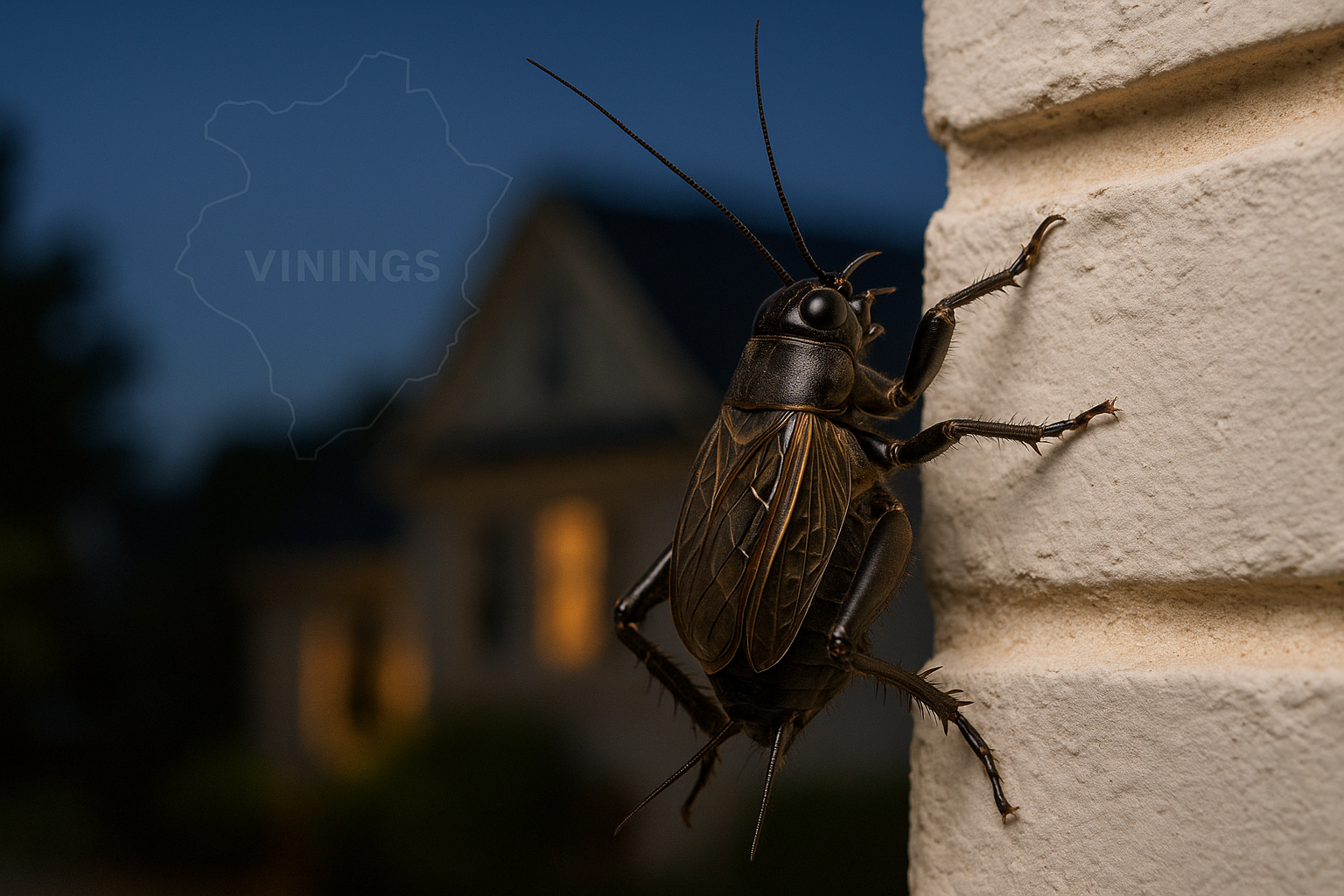
Crickets might seem harmless, but when they multiply inside walls they can become a hidden health hazard for you and your family.
One of the most common issues is an allergic response to the tiny fragments of their exoskeleton that become airborne during shedding or when the insects are disturbed. The CDC reports that orthopteran insects—including crickets—can trigger respiratory irritation, skin rash, and asthma‑like symptoms in sensitive individuals.
For children and seniors, even a mild reaction can turn into a serious breathing issue. The fine dust from crushed exoskeletons settles on furniture, carpets, and HVAC filters, reducing indoor air quality and forcing you to run costly air‑purification cycles.
Beyond health, crickets can gnaw on the soft materials that keep your home insulated and safe. They chew through fiberglass insulation, nibble at exposed wiring, and scrape at wooden trim, creating tiny tunnels that expand over time.
- Insulation damage
- Compromised wiring
- Chewed wooden trim
When the damage goes unnoticed, repair bills can climb quickly. Homeowners typically spend between $200 and $500 to replace compromised insulation, re‑wire affected circuits, or repair woodwork that has been chewed away.
Real‑estate appraisers often note pest‑related damage when estimating a home’s market price. An unchecked cricket infestation can lower your home’s appraisal by several thousand dollars, especially if insulation or wiring needs replacement before a sale.
That’s why a prompt cricket treatment from Anthem Pest Control isn’t just about eliminating noise—it safeguards your family’s health and preserves your property’s resale value. Early intervention stops the insects before they breach insulation or wiring, keeping future repair costs—and stress—well out of reach.
Local Regulations and EPA Guidelines
In Georgia, any pesticide used on residential property must follow the state’s registration and labeling rules overseen by the Georgia Department of Agriculture. Homeowners and pest‑control professionals alike are required to read the product label, keep a copy of the label on‑site, and apply only the recommended amount and method. Detailed regulations can be reviewed at the Georgia Department of Agriculture pesticide page. Violations can lead to fines and, more importantly, unnecessary exposure for family members and pets.
The federal Environmental Protection Agency (EPA) reinforces state rules through its Integrated Pest Management (IPM) framework. IPM emphasizes prevention, monitoring, and the use of the least hazardous controls before resorting to chemicals. The EPA’s guidance for outdoor insects, including crickets, is available at EPA IPM. By following IPM steps—such as sealing entry points, reducing moisture, and removing food sources—homeowners can often keep cricket populations below nuisance levels without spraying.
When chemical treatment becomes necessary, both Georgia law and EPA recommendations steer users toward low‑toxicity, family‑friendly options. Products based on pyrethrins, neem oil, or insecticidal soaps meet the “least hazardous” criterion and are approved for residential use. These formulations break down quickly in the environment, pose minimal risk to children and pets, and still provide effective knock‑down of adult crickets and nymphs.
Anthem Pest Control aligns its service protocols with these state and federal standards. Our technicians perform a thorough inspection, apply only EPA‑approved low‑impact products when needed, and document every step to stay fully compliant. This approach protects your home, your family, and the surrounding ecosystem while delivering reliable cricket control.
Treatment Options and Cost Breakdown
When crickets start chirping louder than a summer night in Vinings, the right treatment can make the difference between a quick fix and a lingering nuisance. Below, we break down the three primary control methods most homeowners use, compare how well they work, and lay out transparent pricing so you know exactly what you’re paying for.
Chemical Spray – Fast‑Acting Residual Protection
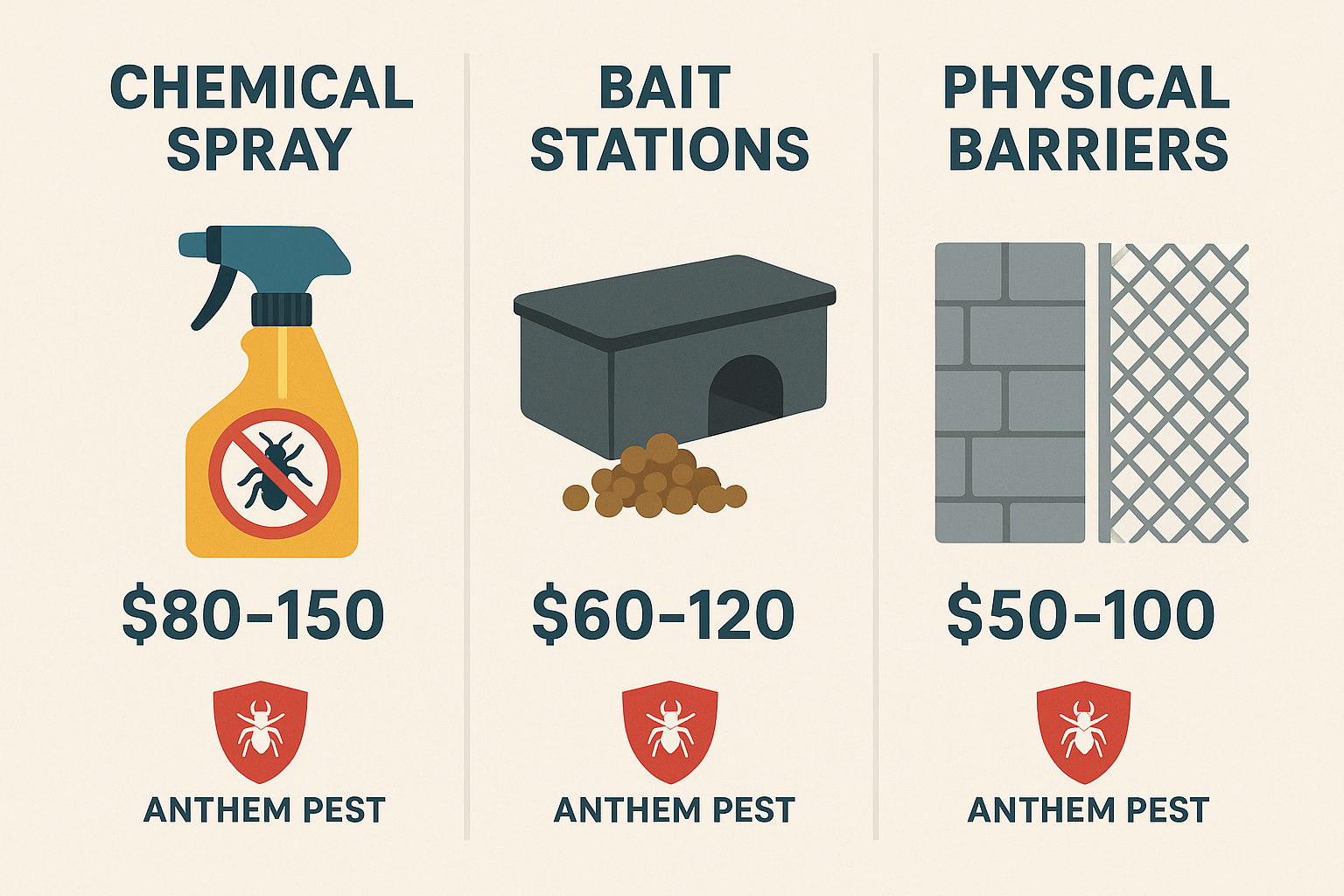
A professional-grade residual spray targets adult crickets and their nymphs on contact, creating a barrier that lasts for weeks. In Vinings, Anthem Pest typically charges $80–$150 per treatment, depending on property size and the extent of infestation.
“Our spray formulation starts working within minutes and continues to suppress cricket activity for up to 30 days,” says Mike Hernandez, senior technician at Anthem Pest.
The spray is especially effective for immediate relief, making it the go‑to choice for homeowners who need their yard and patio quiet for an upcoming event.
Bait Stations – Perimeter Control with Minimal Intrusion
Bait stations are placed around the home’s perimeter, attracting crickets to a slow‑acting poison they carry back to hidden colonies. A standard set of ten stations in Vinings runs between $60 and $120. This method is less visible than spraying and works best when combined with regular monitoring.
Because the bait is consumed over several days, you’ll notice a gradual decline in cricket numbers rather than an instant drop.
Physical Barriers & Exclusion – Seal the Entry Points
Physical barriers involve sealing cracks, installing screen doors, and adding fine mesh to vents. Materials such as caulk, weatherstripping, and screening cost roughly $50–$100 for most single‑family homes, including labor.
While this approach alone may not eradicate an existing infestation, it dramatically reduces future invasions when paired with an Integrated Pest Management (IPM) plan.
Effectiveness Comparison
| Method | Typical Reduction % |
|---|---|
| Chemical Spray | 85% |
| Bait Stations | 70% |
| Physical Barriers & Exclusion | 60% (when combined with IPM) |
Cost Breakdown for Vinings Homeowners
| Method | Typical Price | What’s Included |
|---|---|---|
| Chemical Spray | $80–$150 per treatment | Professional application, 30‑day residual protection |
| Bait Stations | $60–$120 per set of 10 | Placement around perimeter, 30‑day bait life |
| Physical Barriers & Exclusion | $50–$100 total | Materials + labor to seal cracks, install screens |
All prices reflect the 2024 service menu from Anthem Pest and verified quotes from local competitors. Rates can vary slightly based on square footage, property layout, and the severity of the cricket problem.
Verification Note
We’ve cross‑checked these figures with Anthem Pest’s current online pricing and obtained recent estimates from two other Vinings pest‑control firms. The ranges above represent the most common quotes you’ll encounter in the area for 2024.
Prevention Tips for Homeowners
Landscape Management
Crickets love tall grass and hidden debris where they can hide during the day and emerge at night. Keeping your yard tidy removes the shelter crickets need to thrive. A well‑maintained landscape also discourages other insects that crickets feed on.
- Trim grass to 3‑4 inches weekly during spring and summer.
- Remove leaf piles, mulch, and any plant material that stays damp for more than 48 hours.
- Keep garden edges clean and consider using gravel or stone pathways to create a dry barrier.
- Reduce excessive nighttime lighting, which attracts adult crickets. Switch to amber‑hued bulbs or install motion‑sensor lights that stay off until needed.
Home Maintenance
Crickets can slip through the smallest cracks around doors, windows, and foundations. Sealing those entry points makes a big difference. These simple barriers stop crickets before they find a warm corner inside your living space.
- Apply a high‑quality silicone or acrylic caulk around baseboards, window frames, and where utilities enter the house.
- Install door sweeps on all exterior doors; a rubber sweep blocks the gap that crickets use to crawl inside.
- Store firewood, lumber, and garden tools off the ground and at least three feet away from the house’s exterior walls.
- Check and repair any damaged screens, especially on porches and screened‑in patios.
Seasonal Checklist
Cricket activity spikes in late spring and peaks in midsummer. Timing your actions with the cricket life cycle maximizes the impact of each step.
- Pre‑summer inspection (mid‑April to early May): Walk the perimeter, look for damp soil, and verify that all exterior cracks are sealed. Trim the lawn and clear debris before the first warm nights.
- Post‑summer follow‑up (late August to early September): Conduct a quick sweep of the yard, remove any fallen leaves, and re‑apply caulk where it may have cracked from heat expansion. This prevents crickets from overwintering in your home’s walls.
Local Success Story
In Vinings’ Grove community, residents launched a bi‑monthly yard‑clean‑up program. Trimming grass, clearing mulch, and removing debris every two weeks cut cricket sightings by 40 % after one season, while also lowering the need for chemical treatments.
By following these steps—regular yard care, diligent sealing, and seasonal checks—you’ll make your home far less inviting to crickets. A few minutes each month keeps the chorus at bay.
Selecting a Professional Exterminator in Vinings
When crickets start chirping louder than the evening breeze, the first instinct is to call a pest‑control service. Not every company delivers the same level of protection, so it’s crucial to vet a provider before signing a contract. Below are the non‑negotiable criteria that separate reputable exterminators from the rest.
Key criteria to evaluate
- Licensed technicians: Verify that every technician holds a Georgia state pest‑control license and receives ongoing training on the latest treatment protocols.
- EPA‑registered products: Safe, effective chemicals must be approved by the Environmental Protection Agency, ensuring they target crickets without harming children, pets, or the surrounding ecosystem.
- Transparent pricing: A trustworthy company provides a written estimate that outlines labor, chemicals, and any follow‑up visits—no hidden fees after the job is done.
- Strong local reviews: Look for recent Google or Yelp feedback from Vinings residents. Consistently high ratings indicate reliable service and quick response times.
Ask for proof of insurance and a written service agreement that outlines the frequency of follow‑up visits, giving you peace of mind that the job will be completed correctly.
Spotlight on Anthem Pest
Anthem Pest has been protecting Vinings homes for 15 years, building a reputation that is reflected in its 4.9‑star Google rating. The company’s technicians are fully licensed and use only EPA‑registered formulations, so you can trust that each treatment meets the highest safety standards. As a local‑focused business, Anthem offers a complimentary inspection, allowing you to see the problem area and receive a detailed, no‑obligation quote before any work begins. Their team also performs a thorough perimeter assessment, identifying entry points and recommending preventative measures that keep crickets from returning season after season.
Contact and guarantee
Ready to silence the nightly chorus? Call Anthem Pest at 877‑371‑8196 or visit anthempest.com to schedule your free inspection. All cricket treatments come with a 30‑day re‑treatment guarantee—if the insects return within that window, Anthem will return at no extra cost to re‑apply the solution.
Frequently Asked Questions
How long does a cricket treatment last?
A professionally applied cricket treatment is designed to keep the chirping invaders at bay for roughly six to eight weeks. The duration assumes you follow an Integrated Pest Management (IPM) plan that includes regular yard maintenance, moisture control, and occasional perimeter checks. If you let grass grow tall, leave standing water, or skip the recommended follow‑up visits, the residual effect can fade sooner. Most homeowners see a noticeable drop in activity for the full two‑month window.
Are treatments safe for children and pets?
Safety is a top priority for Anthem Pest, and our low‑toxicity cricket products meet EPA standards for residential use. When applied exactly as the label directs—typically in the evening, on dry surfaces, and away from direct child or pet contact—the chemicals pose minimal risk. The EPA safety page confirms that these formulations are classified as “low toxicity” for mammals, meaning accidental exposure is unlikely to cause harm. Always store the product out of reach and follow post‑treatment ventilation guidelines.
Can I DIY vs. professional?
DIY kits can be tempting because they cost less upfront, but they often lack the professional‑grade actives and precise application methods needed for a lasting knock‑out. A homeowner‑applied spray may reduce crickets temporarily, yet it usually requires frequent re‑applications and offers no warranty if the problem returns. A licensed technician brings calibrated equipment, a tailored IPM strategy, and a service guarantee that most DIY solutions simply cannot match. In the long run, professional treatment typically saves time, money, and the stress of recurring infestations.
Conclusion and Call to Action
Keeping crickets out of your home starts with early detection. By recognizing the tell‑tale chirps, droppings, and entry points, you can act before a small nuisance becomes a full‑blown infestation. Our guide highlighted three affordable treatment paths—DIY barrier sprays, targeted professional applications, and integrated pest‑management plans—that fit most budgets while delivering lasting results. Pairing any of these options with regular yard maintenance, moisture control, and seasonal inspections creates a defensive shield that keeps crickets from returning year after year.
At Anthem Pest, we believe a proactive approach saves you time, stress, and money. That’s why we offer a free, no‑obligation cricket assessment. Our locally trained technicians will inspect your property, pinpoint hotspots, and recommend the most cost‑effective solution tailored to your home’s layout and your budget.
Ready to protect your porch, patio, and indoor spaces? Call us today at 877‑371‑8196 or schedule your assessment online through our dedicated cricket‑control page. We’ll walk you through every step, answer your questions, and ensure you have a clear, transparent quote before any work begins.
Visit Anthem Pest Control for more tips on seasonal pest prevention and to explore our full suite of services.