What Are Earwigs and Why They Matter
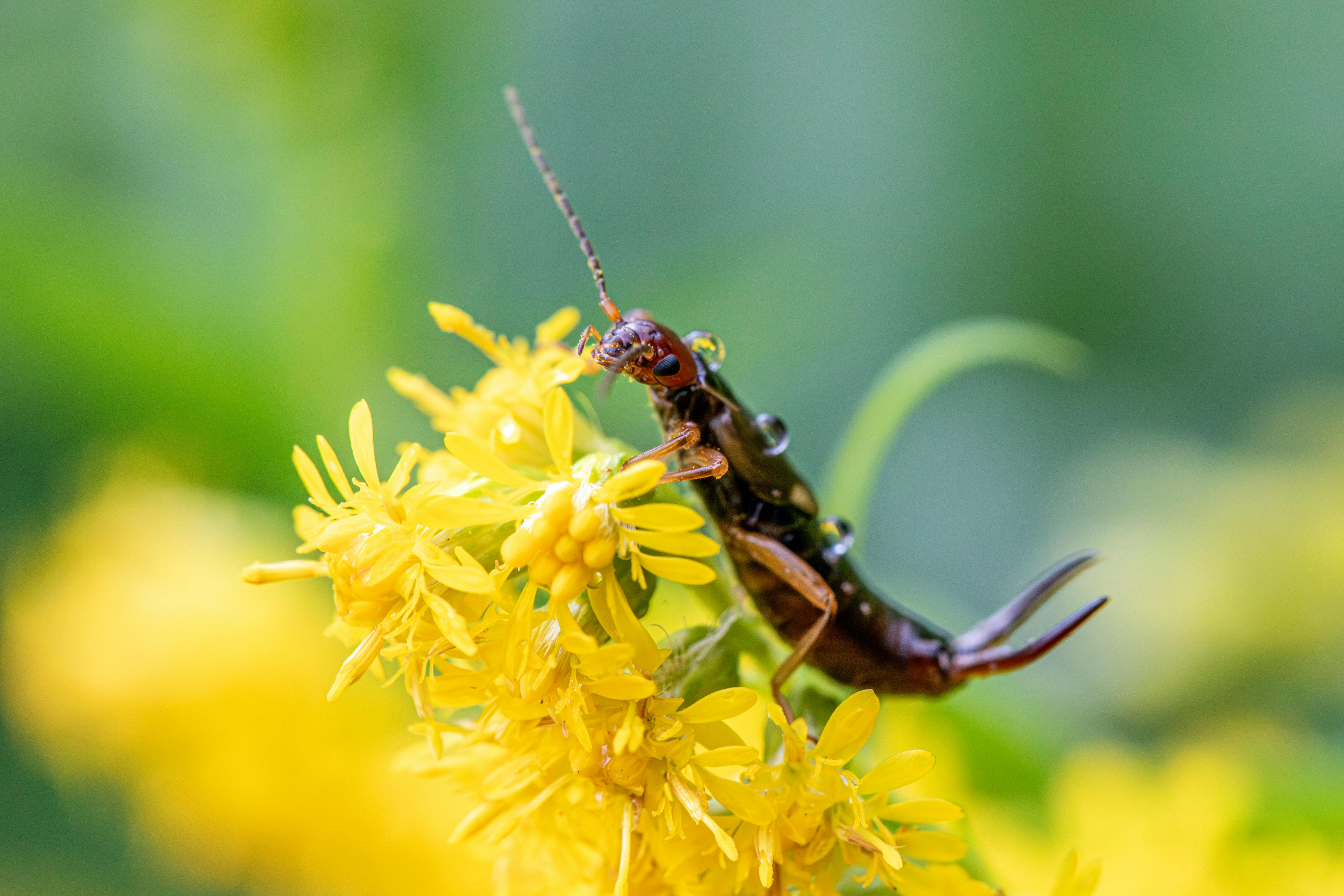
Earwigs are often overlooked until they start causing problems in the yard or kitchen, leading many homeowners to seek earwig control Druid Hills GA solutions. The most common species in Georgia is the European earwig, Forficula auricularia. Belonging to the order Dermaptera, this insect is also known by several colloquial names—“pincher bugs,” “garden earwigs,” or simply “earwig.” Understanding its taxonomy helps homeowners differentiate it from harmless insects like crickets or beetles.
Physical Description and Behavior
European earwigs have an elongated, flattened body that ranges from 10 to 25 mm in length. Their most distinctive feature is a pair of curved cerci (pincers) at the rear, which they use for defense, mating rituals, and navigating tight spaces. Their antennae are long and segmented, and their wings, when present, are short and hidden beneath short forewings. Earwigs are primarily nocturnal; they emerge after dusk to forage, which is why you might spot them on porch lights or near garden beds in the evening.
Typical Home‑Area Habitats
In Druid Hills, earwigs gravitate toward moist, sheltered environments. Common hotspots include:
- Mulched flower beds and vegetable gardens where organic matter retains humidity.
- Wood piles, firewood stacks, and compost heaps that provide both shelter and a steady food source.
- Cracks in foundations, under siding, and inside crawl spaces that stay cool and damp.
Why Earwigs Become a Nuisance
While earwigs are mostly harmless to humans, they can create several issues for homeowners:
- Plant damage: Adults and nymphs chew on tender seedlings, ornamental foliage, and fruit, often leaving ragged edges that stunt growth.
- Food contamination: In kitchens, earwigs may wander onto countertops, pantry shelves, or uncovered food, potentially contaminating meals.
- Allergic reactions: The pincers can deliver a mild pinch that, for sensitive individuals, may cause localized skin irritation or a brief allergic response.
Early Warning Signs of an Infestation
Spotting earwigs before they multiply can save you a lot of hassle. Look for these indicators around your property:
- Frequent sightings of the insects at night, especially near lights or garden beds.
- Irregular chewing damage on seedlings, roses, or low‑lying shrubs.
- Shedding of exoskeletons (the translucent skins that nymphs leave behind as they molt).
- Small, dark droppings near mulch or compost piles.
When these signs appear, it’s a cue to act quickly—either with targeted cultural controls (like reducing moisture and removing debris) or professional treatment.
For a comprehensive, EPA‑approved approach to earwig management, consult the EPA earwig control guide. The guide outlines safe pesticide options, non‑chemical strategies, and best‑practice timing that aligns with the local climate of Druid Hills.
When Are Earwigs Most Active in the Atlanta Metro Area
Atlanta’s humid subtropical climate creates a perfect backdrop for earwig development, making earwig control Druid Hills GA especially important for local homeowners. Warm, moist springs kick-start breeding, while hot, humid summers fuel rapid foraging. Cool, dry winters, on the other hand, push earwigs into their sheltering phase beneath mulch, leaf litter, and foundation cracks. Understanding how temperature and rainfall swing through the year helps homeowners time interventions for maximum impact.
Climate Influence on Earwig Life Cycle
Earwigs thrive when nightly lows stay above 55 °F (13 °C) and daytime highs hover between 70–85 °F (21–29 °C). These conditions accelerate egg hatching and nymph growth. When temperatures dip below 50 °F (10 °C) for extended periods, development stalls and adults seek deeper refuges, making them less visible but still present.
Monthly Activity Calendar
From March through November, earwig activity follows a predictable rise and fall. Early spring (March‑April) sees the first wave of newly emerged nymphs. Activity climbs steadily through May and peaks in June and July, when warm nights and abundant moisture create ideal foraging conditions. August remains high, then gradually tapers in September, with a modest resurgence in October as cooler evenings encourage night‑time feeding. By November, activity drops sharply, and the insects retreat into permanent hideouts for winter.
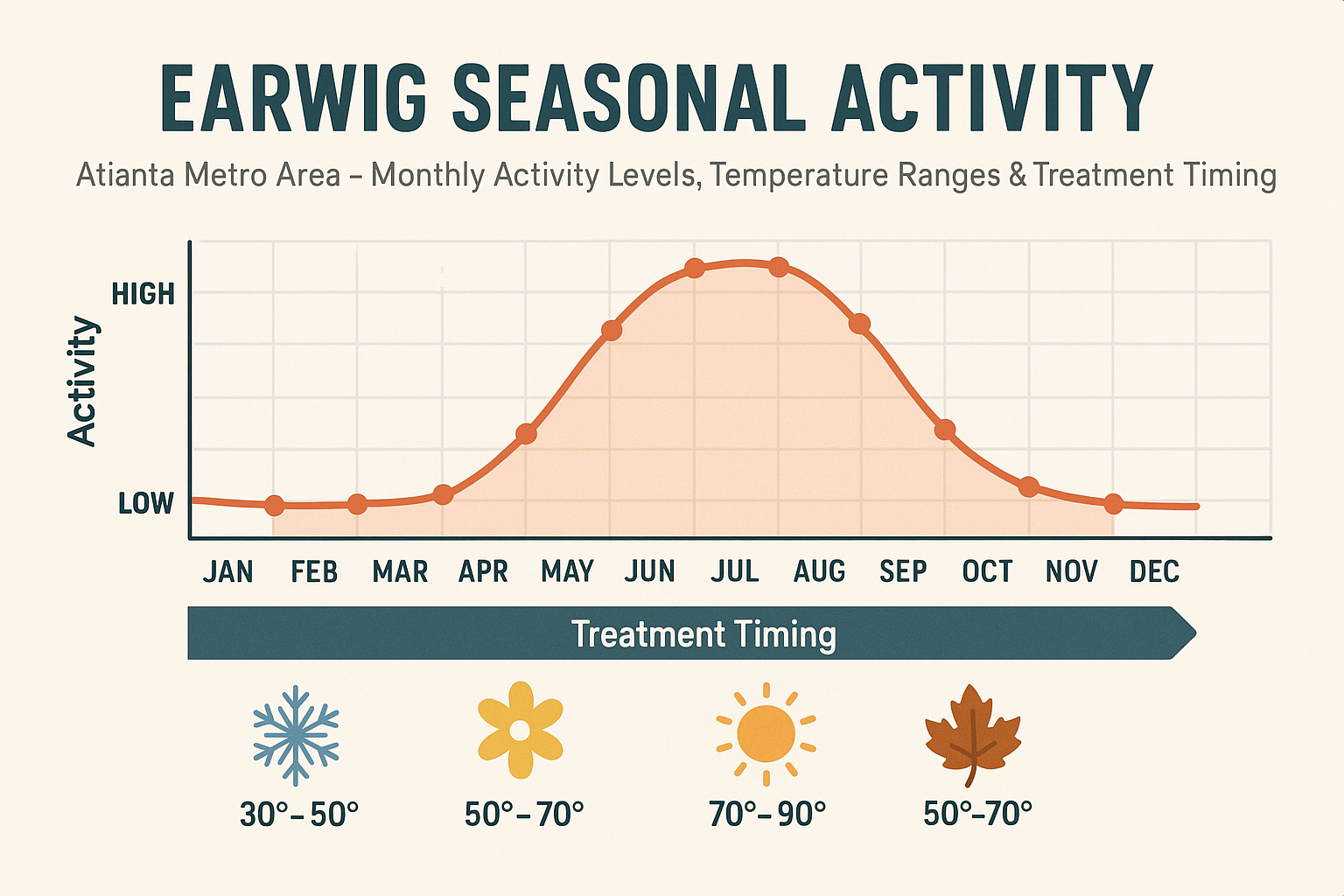
| Month | Activity Level | Action Step |
|---|---|---|
| March | Low‑moderate | Inspect mulch and seal cracks |
| April | Increasing | Apply pre‑emptive barrier treatment |
| May | Moderate | Spot‑treat high‑traffic zones |
| June – July | High (peak) | Full‑property treatment; repeat in 4‑6 weeks |
| August | High | Monitor and retreat if needed |
| September | Moderate | Maintain barrier; clean debris |
| October | Low‑moderate | Final sweep before winter |
| November – February | Low | Inspect annually; no treatment required |
Temperature Triggers for Breeding and Foraging
Earwig eggs hatch when soil temperatures reach 60–65 °F (15–18 °C). From that point, each subsequent rise of 5 °F (≈3 °C) shortens the nymph development cycle by about a week. Consistent nighttime lows above 55 °F encourage adults to leave their shelters and hunt for food, increasing the likelihood of indoor sightings.
Best Treatment Windows
To stay ahead of the summer surge, schedule a professional barrier treatment in late April or early May. This pre‑emptive step targets the first generation of nymphs before they mature and reproduce. A follow‑up application in late June ensures coverage of the peak population. Homeowners who act early often avoid the frantic, repeat‑treatment cycles that become necessary when earwigs explode in July and August.
Remember, the key to long‑term earwig control is timing. By aligning your pest‑management plan with Atlanta’s seasonal rhythm, you’ll keep these nocturnal nuisances out of your home and garden before they have a chance to multiply.
Inspecting Your Property for Early Earwig Signs
Spotting earwigs before they start chewing on plants or invading your home can save you time, money, and frustration. A quick, systematic walk‑through each evening—when earwigs are most active—lets you catch the problem at the source. Below is a step‑by‑step guide that any homeowner can follow with just a few basic tools.
Essential Tools and Timing
- Flashlight or headlamp: Earwigs hide in dark crevices; a focused beam reveals their silvery bodies.
- Sturdy gloves: Protect your hands from scratches and from any accidental contact with chemicals you might be using.
- Timing: Conduct the inspection in the early evening (dusk to 9 p.m.) when earwigs emerge to forage.
- Camera or smartphone: Capture photos of any findings for later reference or to share with a pest‑control professional.
Key Inspection Zones
Earwigs gravitate toward moist, sheltered spots. Walk your property methodically, focusing on these hotspots:
- Garden beds and flower borders: Check the soil surface and the base of stems.
- Mulch layers: Lift a few inches of mulch; earwigs love the cool, damp environment.
- Foundation cracks: Shine your light into any gaps where soil meets the house.
- Outdoor lighting fixtures: The heat and moisture around porch lights attract nocturnal insects.
- Basements and crawl spaces: Inside, look for damp corners, wood piles, or stored boxes.
Identifying Earwig Shelters
Earwigs create hidden retreats that are easy to miss unless you know what to look for. Typical shelters include:
- Rolled or folded leaves—often tucked under shrubs.
- Loose wood debris, bark, or firewood stacks.
- Damp, decaying organic matter such as compost or rotting garden mulch.
- Cracks in paving stones or brickwork that retain moisture.
What to Look For
When you shine your flashlight into these zones, keep an eye out for the following indicators of an earwig presence:
- Live earwigs: Small, elongated insects with pincer‑like cerci at the rear.
- Egg sacs: Silky, oval clusters usually tucked into leaf litter or under stones.
- Shed exoskeletons: Empty shells that resemble a flattened version of the adult.
- Chewed foliage: Irregular holes or ragged leaf edges, especially on tender seedlings.
Documenting Your Findings
Take clear, close‑up photos of any live earwigs, egg sacs, or damage you discover. Save the images in a dedicated folder labeled “Earwig Inspection – [Date]”. When you contact a professional, these photos help the technician assess the severity of the infestation and recommend the most effective treatment plan.
DIY Follow‑Up vs. Calling a Professional
If you only find a few isolated individuals or a single egg sac, a DIY approach—such as removing debris, reducing moisture, and setting out simple traps—may be sufficient. However, call Anthem Pest Control when you encounter any of the following:
- Multiple egg sacs or a large number of live earwigs.
- Evidence of extensive foliage damage across several garden beds.
- Earwig activity inside the home, particularly in basements or crawl spaces.
- Uncertainty about proper identification or safe treatment options.
Our locally trained technicians can perform a thorough inspection, pinpoint hidden colonies, and apply targeted, low‑impact treatments that keep your family and pets safe.

Treatment Options: DIY, One‑Time Professional, and Ongoing Service
DIY Methods
Homeowners who prefer a hands‑on approach can start with three inexpensive tools: bait stations, diatomaceous earth, and neem‑oil sprays. Bait stations—usually a shallow dish filled with a sweet, protein‑rich attractant—draw earwigs out of hiding, allowing you to collect and discard them. Diatomaceous earth, a fine silica powder, works mechanically; when earwigs crawl over it, the abrasive particles damage their exoskeletons, causing dehydration. Neem oil, diluted in water, acts as a repellent and mild insecticide, disrupting feeding and breeding cycles.
- Pros: Low cost, immediate availability, minimal chemical exposure.
- Cons: Requires frequent re‑application, limited reach in deep cracks, effectiveness varies with humidity.
- Safety tip: Wear gloves when handling diatomaceous earth, and keep neem sprays away from open food containers.
One‑Time Professional Treatment
A single visit from Anthem Pest Control typically includes targeted fogging of interior voids, a perimeter barrier around the foundation, and a thorough follow‑up inspection. Technicians map high‑traffic zones, apply a low‑odor EPA‑registered fogger that penetrates cracks, and spray a residual barrier that remains active for 30‑45 days. On service day, you’ll see technicians set up protective coverings, briefly vacate the home, and return after the fog dissipates.
- Pros: Deep penetration, fast knock‑down of populations, warranty on the treated area.
- Cons: Higher upfront cost, requires temporary relocation, effectiveness tapers after the residual period.
- What to expect: Technicians will advise on pet and child safety, typically recommending that pets stay outside for 2‑4 hours.
Monthly or Quarterly Service Plans
For homeowners seeking long‑term peace of mind, Anthem offers scheduled monitoring and treatment cycles. A technician visits every month or quarter, inspects for new earwig activity, adjusts chemical choices based on seasonal weather, and re‑applies perimeter barriers as needed. Plans often include a written warranty that covers re‑treatment if earwigs reappear within the service window.
- Pros: Continuous protection, reduced re‑infestation risk, bundled pricing can be cheaper than repeat one‑time jobs.
- Cons: Ongoing expense, commitment to a schedule, may feel unnecessary if earwig pressure is low.
- Warranty note: Most plans guarantee a 100% satisfaction guarantee, meaning a free revisit if activity persists.
Effectiveness Ratings
| Method | EPA Rating (Safety) | Field Success Rate |
|---|---|---|
| DIY Bait & Diatomaceous Earth | Low (non‑chemical) | 45‑60% |
| DIY Neem Oil Spray | Low‑Moderate | 55‑70% |
| One‑Time Professional Fogging | Moderate (EPA‑registered) | 80‑90% |
| Ongoing Service Plan | Moderate‑High (controlled applications) | 92‑98% |
Safety for Pets, Children, and the Environment
DIY diatomaceous earth is inert and poses no toxicity risk, but inhalation of fine particles should be avoided—use a mask. Neem oil is botanical and breaks down quickly, yet it can cause mild skin irritation on sensitive pets. Professional foggers use EPA‑approved chemicals formulated to minimize residue; technicians seal entry points and advise a short “vacation” period for pets and children. Ongoing plans rotate actives to prevent resistance and reduce cumulative exposure, aligning with Anthem’s commitment to eco‑friendly practices.
Decision‑Making Checklist
- Do I have a small, isolated earwig problem that I can monitor daily?
- Am I comfortable applying powders or sprays in tight spaces?
- Is my budget flexible enough for a one‑time professional visit?
- Do I have pets or children who need extra protection from chemicals?
- Would a seasonal service plan fit my long‑term pest‑prevention strategy?
- Do I prefer a guaranteed result with a warranty, or am I okay with trial‑and‑error?
Cost Comparison of Earwig Control Solutions in Druid Hills
DIY Kit Expenses
Homeowners who prefer a hands-on approach typically spend between $20 and $45 per kit when attempting earwig control Druid Hills GA on their own. A single kit usually contains a handful of bait stations or a spray bottle, enough to treat a 2,000-square-foot home. Because earwigs are nocturnal, you’ll often need two to three kits to maintain coverage throughout the season, pushing the total DIY outlay to roughly $40-$135.
One‑Time Professional Treatment
Anthem Pest’s standard one‑time earwig service—including a thorough inspection, targeted application, and a follow‑up visit—runs from $150 to $250 in Druid Hills. The price reflects licensed technicians, EPA‑approved products, and a guarantee that the treatment will hold for at least 30 days. Most homeowners find the peace of mind worth the extra cost compared to trial‑and‑error DIY attempts.
Monthly Service Plans
For continuous protection, Anthem offers a monthly plan at $45 per visit, typically scheduled every 30 days during peak earwig activity (April‑September). Signing a 12‑month contract reduces the per‑visit rate to $40**,** effectively capping annual spending at around $480. The plan includes quarterly inspections, re‑applications as needed, and a written guarantee extending up to 90 days after each service.
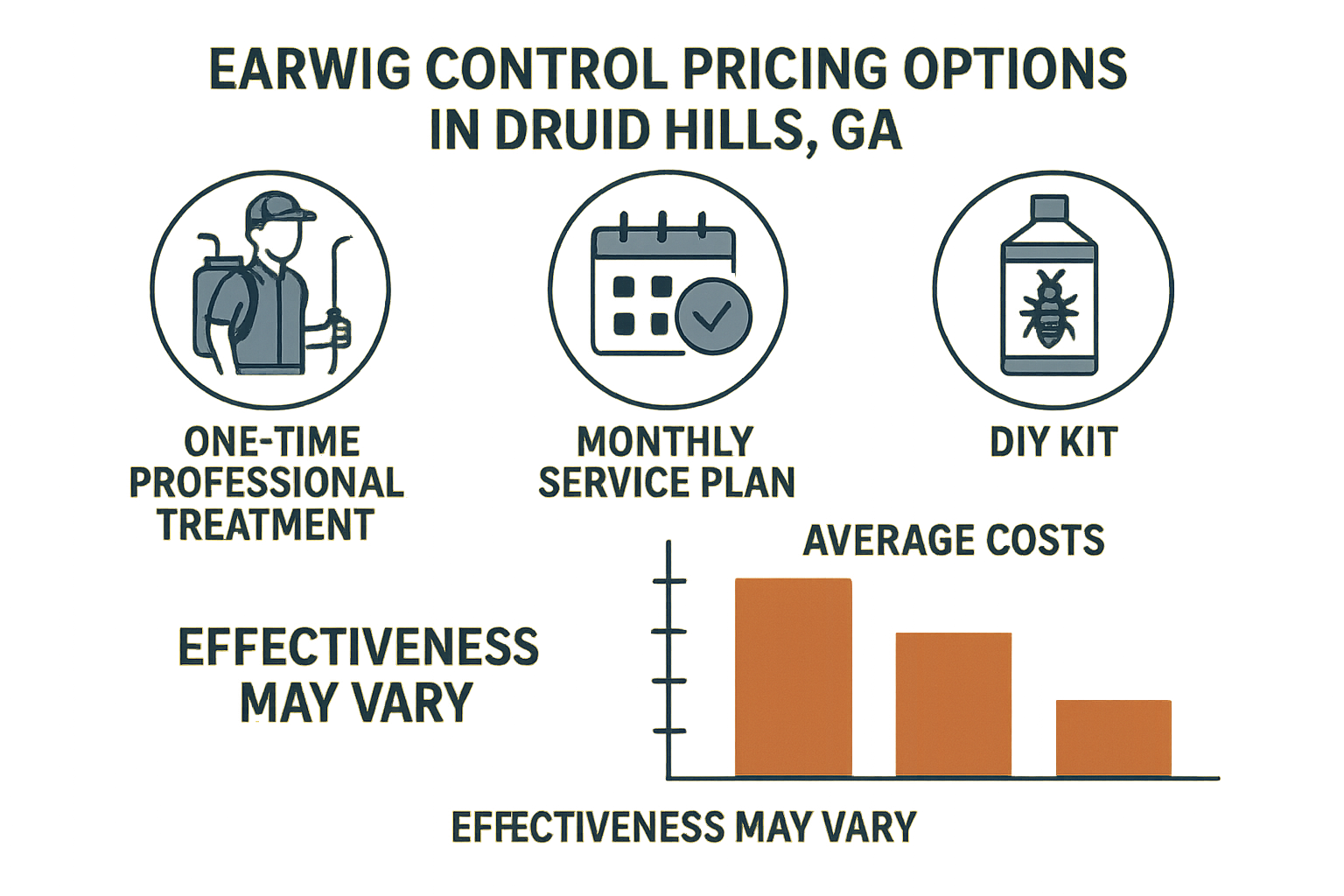
Cost Bar Chart
The bar chart below visualizes the three options side‑by‑side, highlighting the steepest upfront investment versus the steadier, lower‑per‑visit expense of a service plan.
DIY | Pro One-Time | Monthly Plan — $0–$300+
Long‑Term Effectiveness & Savings
While DIY kits may appear cheaper, they often miss hidden nests and can lead to recurring plant damage. A professional approach not only reduces earwig populations faster but also protects ornamental shrubs and vegetable gardens, potentially saving homeowners hundreds of dollars in plant replacement and lost harvest.
Tips for Evaluating Quotes
- Hidden fees: Confirm whether the quoted price includes travel, disposal, or extra visits for stubborn infestations.
- Guarantee periods: Look for a clear warranty—30‑day for one‑time treatments, up to 90‑day for service contracts.
- Licensing: Verify that the technician holds a Georgia pest‑control license; this ensures compliance with state regulations and proper product use.
Protect Your Home Today with Anthem Pest Control
Earwigs may seem harmless, but an unchecked population can damage plants, invade cracks, and create an uncomfortable indoor environment. Let’s quickly recap what you’ve learned so you can act with confidence.
Key points to remember
- Identification: Light‑brown, slender insects with pincers at the rear, most active at night.
- Seasonal timing: Populations peak in late summer and early fall, when moisture and warm nights encourage breeding.
- Inspection: Look for tell‑tale signs such as shredded foliage, small piles of debris in basements, and the distinctive “pincer” tracks near windows or doorways.
- Treatment options: DIY traps, barrier sprays, and professional applications of EPA‑approved baits or residual insecticides.
While DIY methods can provide temporary relief, early professional intervention usually delivers the most reliable, long‑lasting results. A licensed technician can pinpoint hidden harborage sites, apply treatments safely around children and pets, and set up a preventive plan that keeps earwigs from returning season after season.
Why choose Anthem Pest Control?
Anthem has been serving the Atlanta metro area—including Druid Hills—for years, earning a reputation for transparent pricing and environmentally responsible solutions. Our technicians are trained to assess your property, recommend the most effective treatment, and explain exactly what will be applied and why.
We use only EPA‑approved products that target earwigs without harming beneficial insects, pets, or indoor air quality. Plus, our pricing is straightforward: no hidden fees, just a clear estimate that matches the scope of work.
Take the next step
Ready to eliminate earwigs and safeguard your garden and home? Call Anthem Pest Control today at 877‑371‑8196 for a free, no‑obligation quote. Our licensed technicians will design a personalized treatment plan that fits your schedule and budget.
Visit Anthem Pest Control to learn more about our services, read customer testimonials, and schedule your appointment online for earwig control Druid Hills GA. Let us handle the pests so you can enjoy a peaceful, earwig-free home.