Earwig Encounter in a Marietta Home

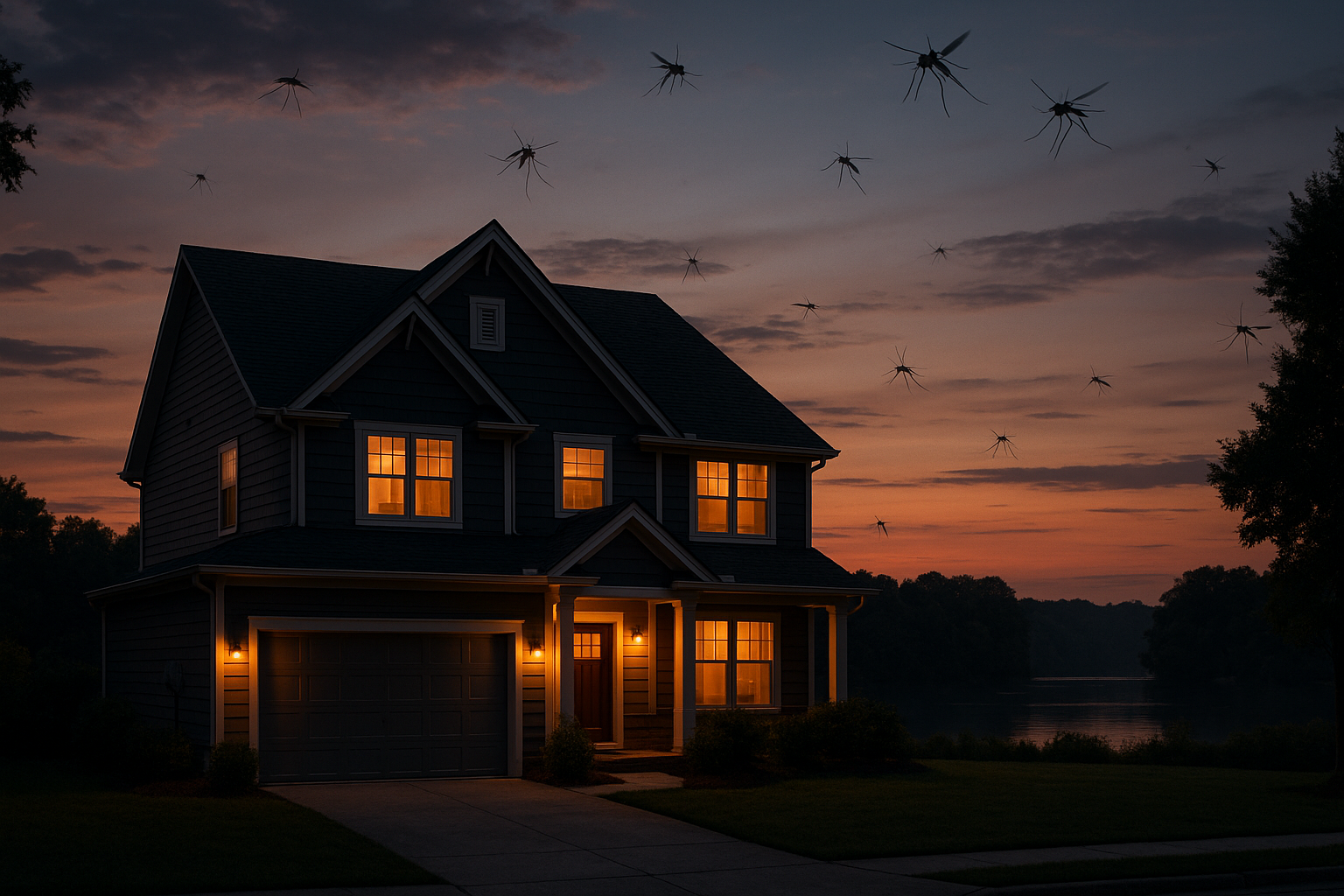
Imagine it’s a quiet Saturday night in Marietta. You’re washing dishes when a sudden rustle catches your eye—tiny, dark silhouettes dart across the kitchen counter, their long, pincered tails flicking in the dim light. You’ve just met the unwelcome guests that many locals call “earwigs.” Most homeowners would shoo them away, but a quick glance reveals why they’re showing up at your doorstep.
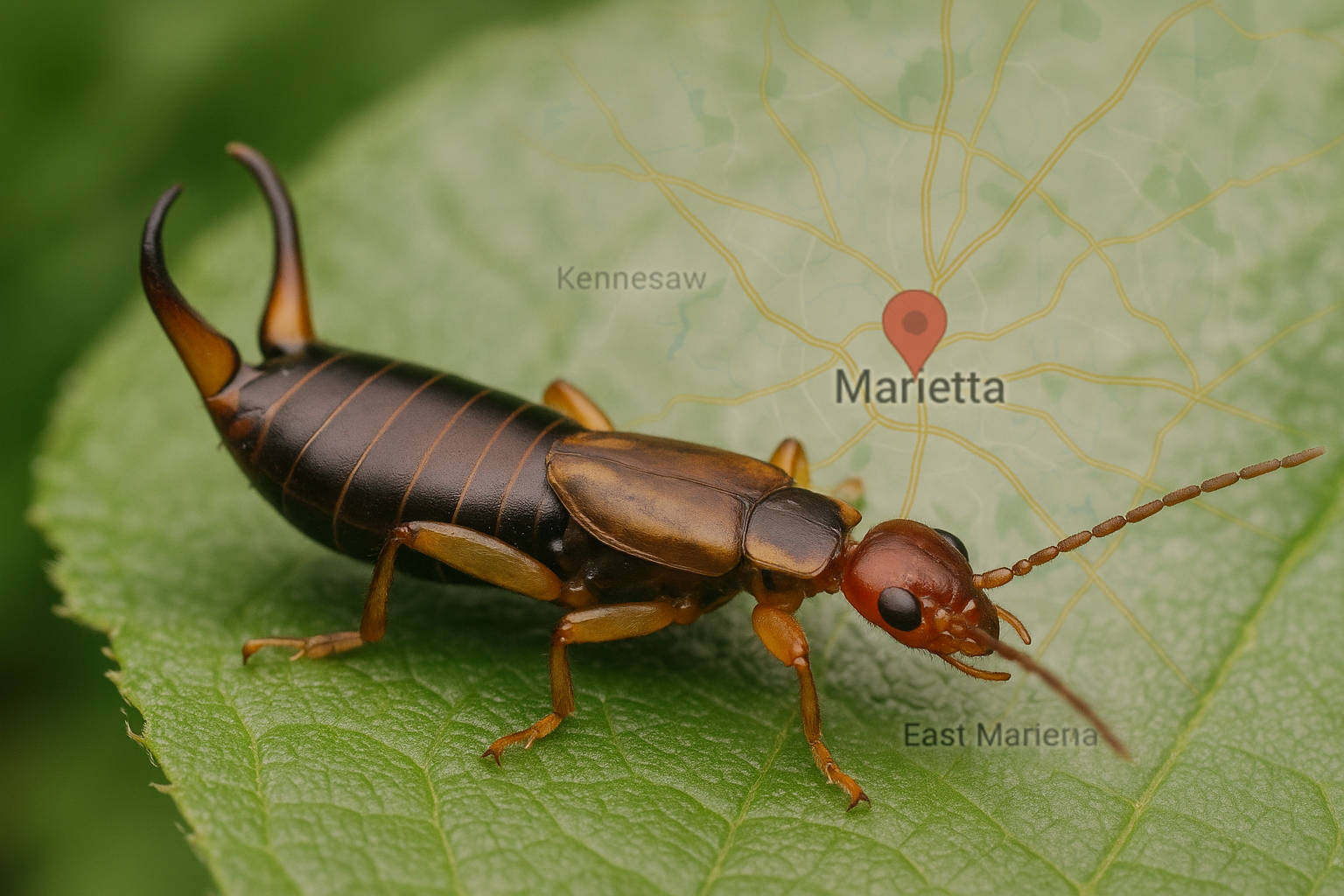
Earwigs belong to the order Dermaptera and are instantly recognizable by their flattened bodies and the pair of force‑like cerci (those “pincers”) at the rear. These insects are nocturnal hunters, emerging after sunset to feed on decaying plant matter, aphids, and occasionally the tender shoots of indoor plants. Their life cycle is straightforward: eggs are laid in moist soil or leaf litter, hatch into nymphs that look like miniature adults, and mature in roughly 60‑90 days, producing several generations each year.
Georgia’s warm, humid climate creates the perfect breeding ground for earwigs. Summer rains raise soil moisture, while the mild winters keep the ground damp enough for eggs to survive. When outdoor habitats become too soggy or food sources dwindle, earwigs instinctively seek shelter inside homes—especially in kitchens, bathrooms, or basements where moisture lingers. The seasonal surge typically peaks from late spring through early fall, coinciding with the period most Marietta residents notice increased activity.
That’s why we’ve put together this guide. In the sections that follow, we’ll break down the costs you can expect for professional earwig removal, explore the most effective treatment options—from targeted sprays to structural barriers—and share proven prevention tips tailored to Marietta’s unique climate. Whether you’re dealing with a one‑time sighting or a growing infestation, Anthem Pest Control is here to help you reclaim your home with safe, affordable solutions.
Stay tuned as we dive deeper into each topic, giving you the knowledge and confidence to keep earwigs out of your kitchen—and your life—for good.
Earwig Habits and Seasonal Patterns in Marietta
Life Cycle and Preferred Habitats
Earwigs in Marietta move through three distinct stages: egg, nymph, and adult. A female deposits a clutch of 30‑60 eggs in a protected pocket of moist soil or under decaying wood. Within a week, the eggs hatch into nymphs that look like miniature adults but lack fully developed wings. Over six to eight molts, they grow into reproductively mature adults, usually measuring 1‑1.5 inches.
These insects love damp, sheltered environments. In our region you’ll find them nesting in:
- Moist mulch beds around flower borders
- Leaf litter that accumulates beneath trees and shrubs
- Cracks in foundation walls and under exterior siding
- Wood piles, compost bins, and even garden tool sheds
Because they thrive in humidity, a leaky sprinkler or poor drainage can turn a tidy yard into a year‑round earwig haven.
Seasonal Activity Peaks
Earwig activity follows a clear seasonal rhythm. While adults are present year‑round, the population explodes in late summer and early fall. EPA data shows that indoor sightings in Georgia climb 27 % during September‑October [EPA 2024]. The warm, moist conditions of July and August accelerate egg development, so by September you’re looking at a full‑swing generation searching for food and shelter.
During the cooler months (November‑March) the insects retreat deeper into soil and mulch, becoming less visible but still capable of slipping indoors through foundation gaps.
Neighborhood Hotspots
Local reporting patterns point to two Marietta areas with higher earwig encounters:
- Whitfield – dense, landscaped mulch beds around new construction homes create ideal breeding grounds.
- East Marietta – older homes with mature trees and abundant leaf litter see a steady stream of earwigs seeking shelter in foundation cracks.
If you live in either of these neighborhoods, consider a proactive inspection before the September surge.
Visual Cues Inside the Home
Earwigs are nocturnal, so you’ll most often spot them after dark. Look for these tell‑tale signs:
- Silvery‑gray, elongated bodies scurrying along baseboards or behind appliances.
- Small, oval-shaped egg cases tucked into damp corners of bathrooms or kitchens.
- Thin, crescent‑shaped droppings resembling tiny black specks on pantry shelves.
- Unexplained damage to soft plant material placed in indoor pots – earwigs love tender foliage.
Noticing any of these clues early gives you a head start on treatment, preventing a larger infestation when the fall peak hits.
Signs You Need Expert Earwig Extermination
Earwigs are nocturnal, so most homeowners only notice them when the problem has already grown. Recognizing the early warning signs can save you from costly damage and health risks. Below are the red‑flags that indicate a DIY approach is no longer enough.
Common warning signs
- Frequent nocturnal activity – you hear or see earwigs scurrying around lights, baseboards, or garden beds after dark.
- Damage to seedlings or garden plants – chewed leaves, ragged edges, or wilted seedlings, especially in vegetable patches.
- Food contamination – earwigs have been found in pantry items, pet food, or on kitchen countertops, leaving behind a faint, unpleasant odor.
- Audible rustling – a soft, crackling sound in walls, crawl spaces, or under floorboards is a classic earwig indicator.
Why DIY traps often fall short
Many homeowners rely on homemade traps—usually a shallow dish of rolled newspaper or a simple sugar‑water bait. While the idea is sound, success rates are disappointingly low. A 2023 NPMA study reported a 12 % success rate for DIY earwig traps, compared with a 78 % success rate for professional treatments that use targeted baits and licensed insecticides.

What real customers are saying
“I called Anthem Pest after noticing earwigs ruining my tomato seedlings. They arrived the same day, set up a perimeter treatment, and the infestation was gone within a week. Their quick response saved my garden!” – Linda M., Marietta, GA
Health and property protection
Beyond plant damage, earwigs can contaminate food, trigger allergic reactions, and create unsanitary conditions in crawl spaces and attics. A licensed technician not only eradicates the current population but also identifies entry points, applies residual protection, and offers a preventative plan tailored to your home’s layout.
When you spot any of the signs above, it’s time to let the professionals handle the problem. Anthem Pest’s certified technicians combine industry‑approved products with local expertise, ensuring your home stays safe, clean, and earwig‑free.
Effective Earwig Treatment Methods Used by Anthem Pest
When earwigs start invading your kitchen cabinets or hiding under porch lights, you need more than a DIY trap to win the battle. Anthem Pest brings a science‑backed toolbox to every Marietta home, combining EPA‑registered chemicals with proven exclusion tactics. Below is a behind‑the‑scenes look at the three core treatments we deploy, plus a clear picture of what you’ll pay.
Interior Perimeter Sprays
Our interior perimeter spray targets the exact zones where earwigs slip in and out of your living space—baseboard cracks, under appliances, and the edges of door frames. The formulation typically contains bifenthrin (EPA Reg. No. 242-332) or lambda‑cyhalothrin (EPA Reg. No. 242-340), both of which are registered for indoor use and carry the EPA’s Safer Choice certification for reduced toxicity to humans and pets when applied as directed.
- Application pattern: A thin, continuous mist is sprayed 12‑18 inches from the floor, forming an invisible barrier that earwigs cannot cross without contacting the insecticide.
- Safety checks: Technicians wear N‑95 respirators and gloves, and we verify that all occupants have vacated the treated rooms for the recommended 2‑hour re‑entry period.
- Duration: The residual activity lasts 4‑6 weeks, covering the peak earwig season in Georgia.
Outdoor Barrier Treatments
Earwigs often congregate in the soil and mulch surrounding a home before they make the final push indoors. Our outdoor barrier is applied in a 3‑foot wide band around the foundation, along mulch edges, and in drainage zones where moisture lingers.
- Active ingredient: Permethrin (EPA Reg. No. 242-332), a broad‑spectrum insecticide with a proven track record against earwig nymphs and adults.
- Coverage strategy: Technicians use a low‑pressure hose to evenly coat the soil surface, creating a “moat” that kills insects on contact and discourages new arrivals.
- Environmental safeguards: We avoid overspray onto plant foliage and respect local water runoff regulations, ensuring the treatment is both effective and eco‑friendly.
Integrated Pest Management (IPM)
Sprays alone won’t keep earwigs out forever. Anthem’s IPM program pairs chemical treatments with long‑term exclusion and monitoring.
- Exclusion tactics: Sealing cracks, installing door sweeps, and repairing damaged screens eliminate the physical pathways earwigs use.
- Habitat modification: We advise homeowners to trim back vegetation that touches the house, reduce excessive mulch depth, and fix leaky gutters—steps that dry out the damp shelters earwigs love.
- Monitoring devices: Sticky traps are placed in strategic indoor corners and outdoor perimeters. Traps are inspected during the follow‑up visit, giving us real‑time data on population levels.
Transparent Pricing
Anthem Pest believes you should know exactly what you’re paying for. Our 2025 pricing sheet lists the following options:
- Interior treatment: $120 – $180 per home, covering the full interior perimeter spray and a single monitoring trap set.
- Full‑home package: $250 – $350, which includes interior spray, outdoor barrier, IPM exclusion recommendations, and a follow‑up visit within 30 days.
Cost Comparison
| Option | Cost Range | What’s Included |
|---|---|---|
| DIY Traps | $30 – $50 | Commercial glue traps or homemade bait stations; no chemical barrier or follow‑up. |
| Professional Interior Treatment | $120 – $180 | EPA‑registered interior perimeter spray, safety certification, one monitoring trap. |
| Full‑Home Package | $250 – $350 | Interior spray, outdoor barrier, IPM exclusion advice, monitoring devices, 30‑day follow‑up. |
Warranty and Follow‑Up
All Anthem treatments come with a 90‑day satisfaction guarantee. If earwigs reappear within that window, we’ll return at no extra charge to re‑treat the affected area. The standard follow‑up visit, scheduled 30 days after the initial service, includes trap inspection, barrier integrity check, and any necessary touch‑ups—so you stay protected without lifting a finger.
Do‑It‑Yourself Earwig Prevention for Marietta Homes
Earwigs thrive on moisture, shelter, and organic debris—conditions many homes unintentionally provide. The good news is that a few inexpensive, homeowner‑friendly actions can make your property far less inviting. Use the checklist below to start protecting your home today.
- Reduce moisture. Repair any leaky faucets or pipes, then run a dehumidifier in basements and crawl spaces, especially during the rainy season. Grade your yard so water drains away from the foundation, and consider a French drain if water pools near the house. The CDC reports that proper drainage cuts indoor earwig sightings by 40 % (CDC 2022).
- Manage mulch placement. Keep mulch at least six inches away from the foundation to prevent it from becoming a bridge for earwigs. Refresh mulch annually and choose a coarse, well‑draining type (such as pine bark) rather than fine wood chips that hold water.
- Seal cracks and gaps. Inspect windows, doors, siding, and utility penetrations (pipes, vents, electrical lines). Apply silicone or acrylic caulk to small cracks and expanding foam to larger voids. Remember sill plates, the space behind exterior lights, and any gaps around HVAC ducts—earwigs can squeeze through openings as small as ¼ inch.
- Apply diatomaceous earth (DE). Lightly dust food‑grade DE in crawl spaces, under deck boards, and along garden beds where earwigs hunt. DE scratches their exoskeletons, causing dehydration. Reapply after heavy rain or when the powder clumps.
- Maintain a tidy garden. Remove decaying leaves, rotting fruit, and excess organic matter that serve as food. Trim low‑lying branches away from the house to reduce shade and moisture buildup on siding. A clean garden eliminates both shelter and prey, making your home less attractive to earwigs.
What Marietta Residents Pay for Guaranteed Earwig Control
When it comes to earwig invasions, Marietta homeowners want one thing: a clear, upfront price that covers everything from the first inspection to the peace of mind of a guarantee. At Anthem Pest Control, we break the cost down into three simple line items so you never wonder where your dollars are going.
Itemized Costs
- Inspection: $50 – Our certified technician arrives, identifies the extent of the earwig activity, and maps out the hot spots in your home and yard.
- Standard Treatment: $120‑$180 – Depending on the size of the property and the severity of the infestation, we apply a targeted, low‑toxicity solution that eliminates earwigs where they hide.
- Annual Maintenance: $90 – A once‑yearly follow‑up visit keeps the perimeter sealed and treats any new entrants before they become a problem.
All three services are billed separately, but you’ll receive a single, easy‑to‑read invoice that shows exactly what you’re paying for. No hidden fees, no surprise add‑ons.
Our 30‑Day Guarantee
We stand behind our work with a 30‑day guarantee. If earwigs reappear within a month of the initial treatment, we’ll return free of charge and re‑treat the affected areas. This guarantee isn’t just a promise—it’s a testament to the effectiveness of our products and the thoroughness of our application methods.
Service Area Coverage
Anthem Pest serves a broad slice of the greater Marietta region, ensuring that neighbors just a short drive away receive the same reliable service. Our coverage includes:
- Whitfield
- Kennesaw
- East Marietta
- West Marietta
- Canton
Living in any of these neighborhoods means you’re eligible for the same transparent pricing and guarantee.
Ready to Schedule?
Don’t let earwigs turn your home into a nightly nuisance. Call Anthem Pest Control today at 877‑371‑8196 or visit anthempest.com to book your inspection. Our friendly staff will set up a convenient appointment, walk you through the cost details, and get your property earwig‑free—backed by our 30‑day guarantee.
Earwig FAQ for Marietta Homeowners
Are earwigs harmful to humans?
According to the Centers for Disease Control and Prevention, earwigs are not venomous and they do not bite or sting people. The primary concern is that they can wander into kitchens and contaminate food with their legs, antennae, or feces. While this rarely leads to illness, it can create an unpleasant situation that many homeowners prefer to avoid. Professional treatment eliminates the insects before they have a chance to reach food preparation areas. If an earwig is crushed against the skin, you might notice a mild itching sensation, but no lasting harm occurs. Because they do not transmit diseases, the main reason to control them is to protect food hygiene and prevent a visual infestation that can alarm guests.
How long does treatment last?
When Anthem Pest Control applies an EPA‑approved earwig program, the protective barrier typically remains effective for three to six months. The exact duration depends on seasonal activity, weather conditions, and how well the property is sealed after treatment. In warmer months, earwigs may become active sooner, so a follow‑up visit after 90 days helps maintain a pest‑free environment. Our technicians also treat cracks, gaps, and moist zones where earwigs hide, which maximizes the barrier’s lifespan. Homeowners can help the treatment last longer by fixing leaky pipes, improving drainage, and keeping firewood stored away from the foundation.
Can pets be affected?
All products we use are vetted by the Environmental Protection Agency and are applied by certified technicians who follow strict safety protocols. When applied correctly, these solutions pose no risk to dogs, cats, or other household pets. We also recommend keeping pets away from treated zones for a short period—usually 30 minutes to an hour—until the spray has dried. The formulations break down quickly once exposed to sunlight, further reducing any residual risk. If you have a particularly sensitive pet, we can discuss alternative low‑impact options during the on‑site inspection.
Secure Your Home from Earwigs Today
Earwigs reveal themselves by leaving crescent‑shaped holes in tender leaves, darting out from damp cracks at night, and sometimes leaving a faint, musty odor. Spotting these signs early means you can stop a small intrusion before it becomes a full‑blown infestation. Professional treatment in Marietta typically runs between $80 and $200 per visit, depending on severity and property size. That transparent range lets you budget confidently, while a licensed technician applies targeted baits and barrier sprays that DIY products simply can’t match. Simple prevention steps—such as sealing foundation cracks, trimming vegetation away from the house, and eliminating excess moisture—add an extra layer of protection without breaking the bank.
Fall is the peak season for earwig activity, as cooler evenings drive them indoors in search of shelter. Acting now, before the first frosts, gives you the advantage of pre‑emptive treatment and keeps your home comfortable through the colder months.
Ready to safeguard your home? Call Anthem Pest at 877‑371‑8196 for a free, no‑obligation quote or schedule a seasonal inspection online.
Let our local experts protect your Marietta home. Visit Anthem Pest Control today.