Why Earwig Control Matters in Vinings
Earwigs are the slender, nocturnal insects you might spot scurrying under mulch or along the edges of garden beds. Though they’re not dangerous to people or pets, they quickly become a nuisance because they chew on tender foliage, tender seedlings, and even soft bark on ornamental shrubs. In a Vinings yard, a small population can strip away the decorative appeal of flower beds, leaving unsightly holes and wilted leaves that diminish curb‑side pride.
Beyond the garden, earwigs occasionally wander indoors, especially during the hot, humid summer nights that characterize central Georgia. They can damage indoor items such as upholstery, cardboard boxes, and stored fabrics, and their presence in basements or crawl spaces may signal moisture problems that could affect the structural integrity of your home.
Statistically, earwig sightings increase by 35% during Georgia’s humid summer months—a trend confirmed by the UGA Extension. This spike means the window for effective control narrows quickly as the season progresses.
Because earwigs reproduce rapidly and thrive in the same damp conditions that attract many other pests, prompt intervention is essential. Early treatment prevents a modest infestation from turning into a full‑blown garden and home nuisance.
In the sections that follow, we’ll walk you through how to identify earwig hotspots, the most effective treatment options, cost considerations for Vinings homeowners, and proactive tips to keep these pests at bay year after year.
Earwig Biology: What Homeowners Should Know
Physical Characteristics
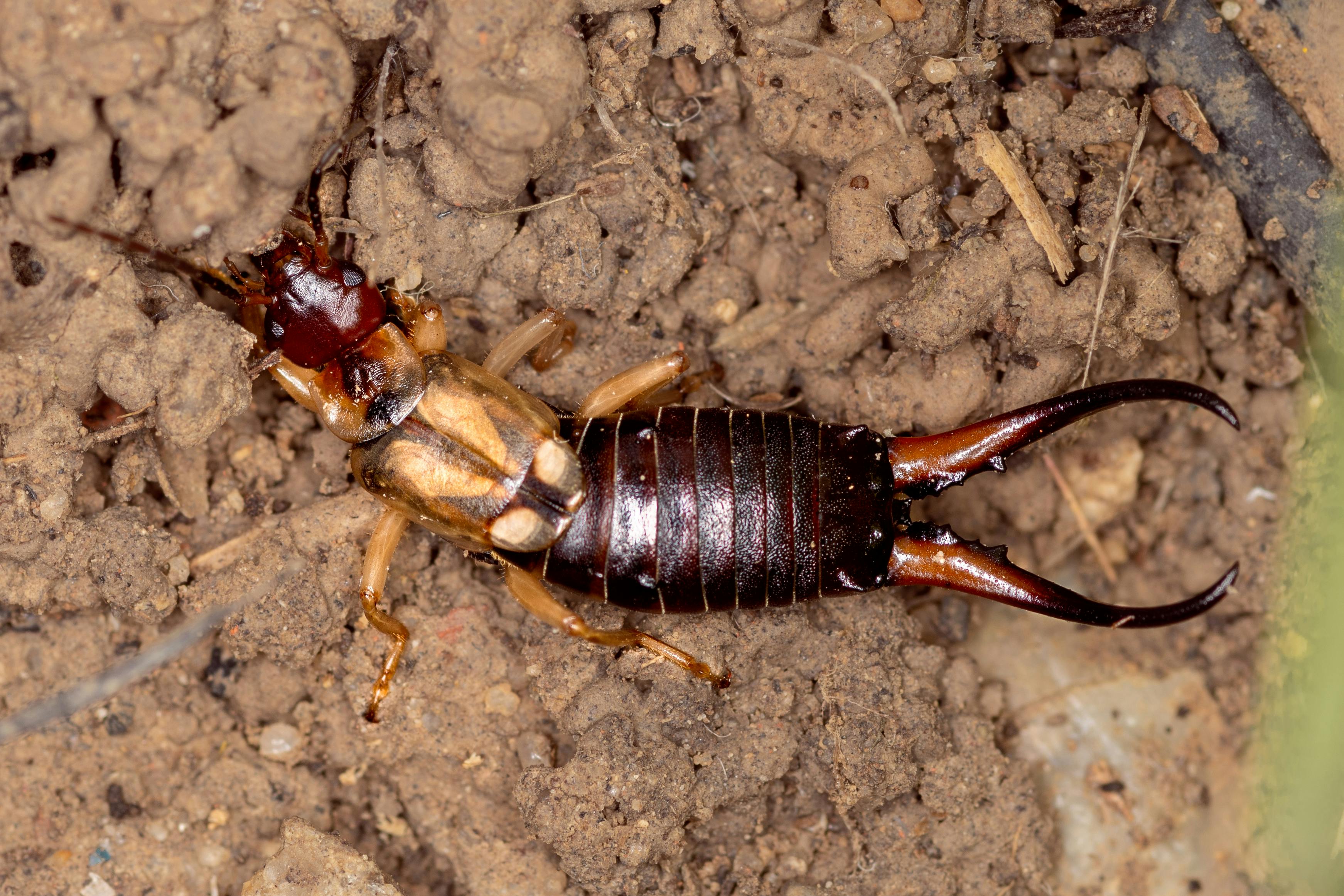
Earwigs are easily recognized by their slender, flattened bodies that range from ½ to 1½ inches long. Their most distinctive feature is a pair of forceps‑like cerci at the rear, which they use for defense, mating, and navigating tight spaces. The coloration is typically a muted brown or reddish‑brown, allowing them to blend with soil, mulch, and decaying wood.
Life Cycle Overview
The earwig life cycle consists of three main stages: egg, nymph, and adult. Females lay clusters of 30–70 eggs in moist, protected crevices, often covering them with a protective frothy secretion. Nymphs emerge after about two weeks and undergo five to seven molts before reaching adulthood. In the Southeast, eggs are laid in early spring, nymphs develop through late spring and summer, and adults appear in late summer, persisting into the cooler months.
Nocturnal Habits and Moisture Attraction
Earwigs are primarily nocturnal, emerging after dusk to hunt for decaying organic matter, plant material, and small insects. They are drawn to damp environments, so areas with high humidity, leaky gutters, or excessive mulch become hotspots. Outdoor lighting also lures them, as the lights attract the insects they prey upon.
Typical Hiding Spots
- Cracks in wooden siding or foundation walls
- Mulch beds and garden borders
- Under deck railings and patio furniture
- Behind outdoor light fixtures and within the shade of porch roofs
Encounter Frequency
According to the U.S. Environmental Protection Agency’s earwig fact sheet, homeowners in the Southeast report an average of 4 to 6 earwig sightings per household each year. While most encounters are harmless, repeated sightings can signal moisture problems or excessive organic debris that warrant attention.
Understanding these biological traits helps you spot earwigs early, identify the conditions that invite them, and take targeted steps—such as reducing excess moisture and sealing entry points—to keep your home comfortable and pest‑free.
Vinings‑Specific Challenges: Climate, Neighborhoods, and Hotspots
Humid Subtropical Climate Fuels Earwig Activity
Vinings sits squarely in the humid subtropical zone that defines much of the Deep South. The National Weather Service records an average of 50 inches of rain each year, and July humidity routinely hovers around 78 percent. Those numbers aren’t just comfortable for residents; they create the perfect micro‑climate for earwigs, which thrive in moist, warm environments.
How Moisture and Warm Temperatures Accelerate Populations
Earwigs need moisture to keep their thin exoskeleton from drying out, and they prefer temperatures between 70 °F and 85 °F for rapid breeding. In Vinings, nightly summer lows rarely dip below 68 °F, while daytime highs push past 90 °F. The combination of steady warmth and frequent precipitation means populations can multiply quickly, often appearing in homes just weeks after a heavy rain.
Neighborhood Features That Invite Earwigs
Three local pockets—North Vinings, Vinings Crossing, and the Riverwalk area—share structural characteristics that act as earwig highways:
- Foundation cracks: Small gaps in concrete or block foundations provide easy entry points.
- Deck railings and under‑deck spaces: Gaps between railings and the house frame retain damp debris where earwigs hide.
- Mulch beds and landscaped borders: When mulch stays wet after a rain, it becomes a perfect nursery for nymphs.
- Exterior wood siding: Untreated or weather‑worn wood absorbs moisture, offering shelter during cooler evenings.
Real‑World Spike After a Summer Downpour
Anthem Pest’s service logs illustrate the climate connection vividly. Following the July 12‑14 thunderstorm that dumped 3.2 inches of rain in 48 hours, earwig reports surged 42 percent across the three neighborhoods. Homeowners described insects emerging from deck railings, slipping through foundation cracks, and crawling out of saturated mulch beds. The sudden influx underscores how a single heavy rain event can transform a typical backyard into an earwig hotspot.
Map visual placeholder: earwig hotspots in Vinings (North Vinings, Vinings Crossing, Riverwalk)
Step‑by‑Step Home Inspection and Prevention Checklist
Keeping earwigs out of your home starts with a thorough inspection and a few simple habit changes. Below is a printable, homeowner‑friendly checklist that walks you through the most effective preventive steps. Print it out, grab a pen, and tick each task as you complete it—your future self will thank you.
How to Use This Checklist
1. Click the downloadable PDF to get a clean, printable version.
2. Print the sheet on standard letter‑size paper.
3. As you walk through each area of your property, place a checkmark (✓) next to the task you’ve completed. If a step requires a follow‑up—such as re‑caulking a crack—note the date so you can revisit it later.
Inspection & Prevention Tasks
- Seal all cracks larger than ½ in. Use a high‑quality silicone caulk for interior gaps and expanding foam for larger exterior voids. Earwigs can squeeze through surprisingly small openings, so a tight seal is essential.
- Trim vegetation at least 12 in away from foundations. Shrubs, vines, and grass that touch the house act as bridges for earwigs. Cutting them back creates a dry, inhospitable zone around your home.
- Reduce outdoor lighting or switch to yellow‑light bulbs. White or blue‑rich lights attract many nocturnal insects, which in turn lure earwigs. Yellow “bug‑light” bulbs emit wavelengths that are less appealing to these pests.
- Manage mulch depth to ≤2 in. A Georgia Extension study found a 22 % drop in earwig activity when mulch was kept at two inches or less. Shallow mulch dries faster and provides fewer hiding spots.
- Remove debris, leaf litter, and rotting wood near the home. These organic materials serve as perfect shelters. Regularly rake leaves, clear fallen branches, and store firewood away from the foundation.
Quick Reference Table
| Task | How Often | Tools Needed |
|---|---|---|
| Seal cracks & gaps | Twice yearly (spring & fall) | Silicone caulk, expanding foam |
| Trim vegetation | Every 3 months | Pruning shears, garden gloves |
| Adjust lighting | As needed | Yellow‑light bulbs, timers |
| Check mulch depth | Monthly during growing season | Rake, measuring stick |
| Clear debris | Weekly | Rake, trash bags |
By following this checklist, you’ll close off the entry points earwigs love, eliminate the moisture and shelter they need, and dramatically lower the chance of a surprise nighttime crawl‑in. If you discover a persistent problem despite these steps, give Anthem Pest Control a call at 877‑371‑8196—our local experts are ready to provide a targeted, cost‑effective solution.
Effective Earwig Treatments: DIY vs. Professional Services
When earwigs start making their nightly forays into your kitchen or bathroom, the first question is how to get rid of them quickly and safely. You can reach for a bag of boric acid, sprinkle diatomaceous earth, or set up sticky traps—all low‑cost, do‑it‑yourself (DIY) options that many Vinings homeowners try. Alternatively, a licensed pest‑control professional brings EPA‑approved products, specialized equipment, and a guarantee of thorough coverage. Below we break down the most common DIY methods, the professional services you’ll encounter, and how they stack up on cost, effort, and safety.
DIY Option A: Boric Acid Dust
Boric acid is a time‑tested insecticide that works by disrupting the earwig’s digestive system after they walk through the powder. For best results, apply a thin layer in cracks, under appliances, and along baseboards where you’ve seen activity. Wear a dust mask, gloves, and eye protection to avoid inhalation or skin irritation—boric acid can be hazardous if mishandled. Keep children and pets out of treated areas for at least 24 hours, and store any leftover powder in a sealed container out of reach.
DIY Option B: Diatomaceous Earth (DE)
Diatomaceous earth is a natural, abrasive powder made from fossilized algae. It kills earwigs by abrading their exoskeletons, causing them to dehydrate. Sprinkle a dry, even coat in dark, damp zones such as crawl spaces, under sinks, and around garden beds. Because DE loses potency when it gets wet, plan on re‑applying after heavy rain or cleaning. A small 5‑lb bag (about $15) can treat an entire home, making it a budget‑friendly choice.
DIY Option C: Sticky Traps
Sticky traps are a non‑chemical way to monitor and reduce earwig numbers. Cut the traps into 4‑inch squares and place them near exterior lights, window sills, and any known entry points. Earwigs are attracted to light, so positioning traps where they congregate maximizes capture rates. Replace the traps every 7‑10 days, or sooner if they become saturated. While traps won’t eradicate an infestation, they give you visual confirmation of problem areas and help keep numbers low.
Professional Option A: Perimeter Spray with EPA‑Approved Products
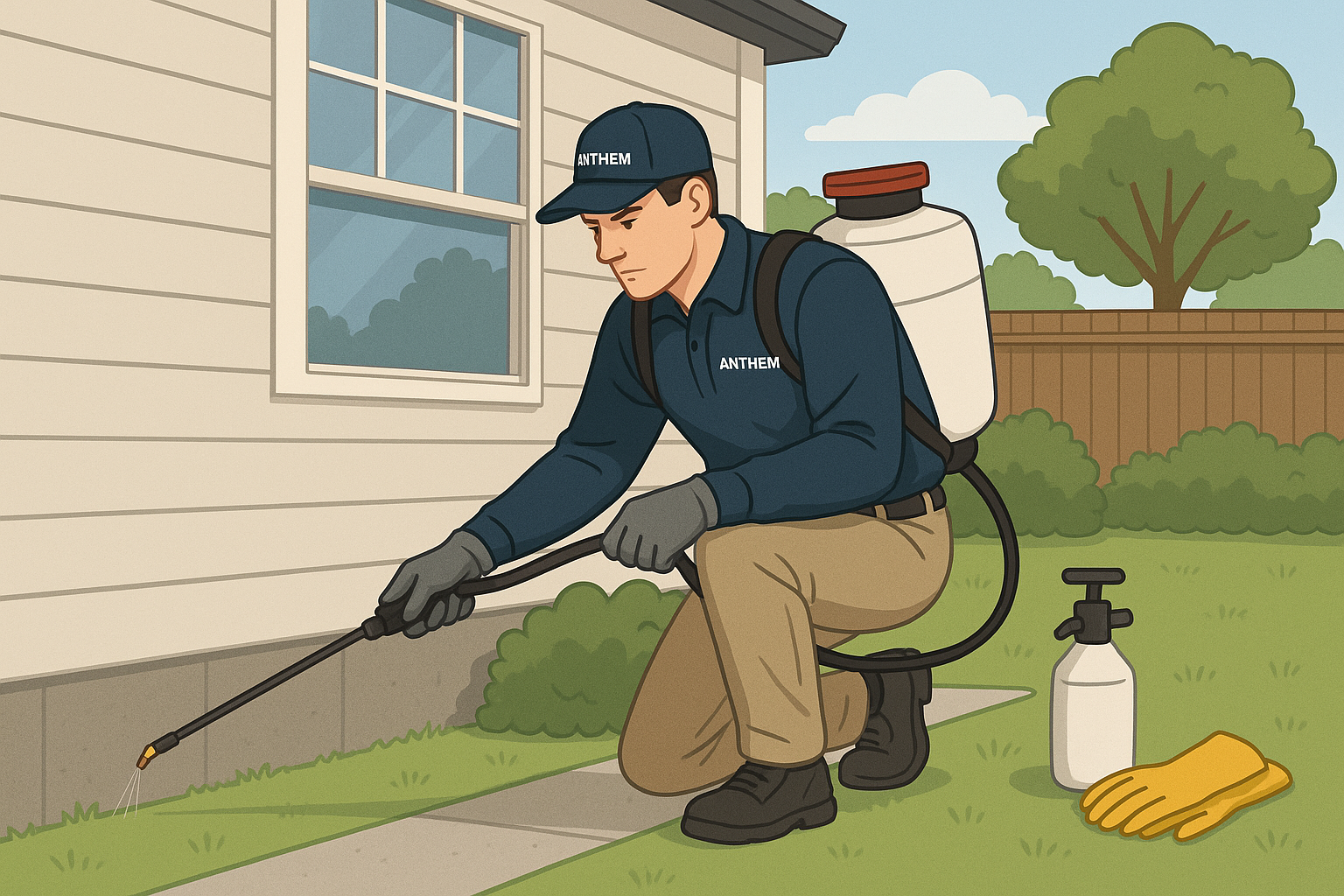
Licensed technicians apply a calibrated perimeter spray using EPA‑registered insecticides specifically labeled for earwigs. The spray creates a residual barrier that remains active for 4‑6 weeks, deterring earwigs from crossing your home’s foundation. Professionals ensure uniform coverage, targeting hidden cracks and voids that DIYers often miss. Because the products are EPA‑approved, they meet strict safety standards when applied by certified applicators.
Professional Option B: Bait Stations
Modern bait stations contain a slow‑acting attractant mixed with an EPA‑approved insecticide. Earwigs enter the station, feed, and return to their hideouts, spreading the toxin to other members of the colony. Technicians strategically place stations along foundation walls, under decks, and in garden beds. The bait remains effective for up to 8 weeks, providing ongoing control with minimal disruption to your daily routine.
Professional Option C: Structural Treatments (Foam & Granules)
For deep‑seated infestations, pros inject expanding foam or granular formulations directly into wall voids, crawl spaces, and foundation cracks. These formulations expand to fill hidden spaces, delivering a long‑lasting, EPA‑compliant barrier that can suppress earwigs for several months. Because the treatment reaches areas you can’t see, it often eliminates the source of recurring problems.
| Method | Cost (per treatment) | Labor Required | Duration of Control | EPA Status |
|---|---|---|---|---|
| Boric Acid Dust (DIY) | $15‑$20 | Self‑apply (protective gear needed) | 1‑2 weeks | EPA‑registered, user‑applied |
| Diatomaceous Earth (DIY) | $15‑$25 | Self‑apply (dry powder) | Up to 2 weeks (re‑apply if wet) | EPA‑approved, natural |
| Sticky Traps (DIY) | $5‑$10 | Self‑place and replace | 7‑10 days per trap | Non‑chemical, EPA‑free |
| Perimeter Spray (Pro) | $120‑$180 | Technician applied | 4‑6 weeks | EPA‑approved product, professional use |
| Bait Stations (Pro) | $130‑$200 | Technician placed, homeowner checks | 6‑8 weeks | EPA‑approved, professional use |
| Structural Foam/Granules (Pro) | $200‑$250 | Technician injects | 3‑6 months | EPA‑approved, professional use |
For peace of mind, always follow the EPA pesticide label guidance for earwig control. The label outlines proper application rates, protective equipment, and re‑entry intervals—critical details whether you’re dusting a hallway or hiring a pro.
Transparent Pricing: What to Expect from Anthem Pest
When you call a pest‑control professional, the last thing you want is a surprise bill. Anthem Pest keeps its pricing straightforward, so Vinings homeowners know exactly what they’re paying for at every stage of earwig control.
Standard service fees
- Inspection fee: $75‑$100 – includes a detailed visual assessment of your foundation, crawl spaces and mulch zones, followed by a written recommendation report.
- Single‑visit treatment: $120‑$180 – price varies with the square footage of the home and the severity of the earwig
Why Anthem Pest Is Vinings’ Top‑Rated Earwig Specialist
When earwigs start marching through your kitchen or hiding in the cracks of your basement, you need a neighbor who knows the local terrain as well as the pest itself. Anthem Pest has been protecting homes in Vinings and the wider Fulton County area for more than a decade, earning the trust of families who demand fast, reliable results.
Local expertise you can count on
Our technicians live and work in the same neighborhoods they serve. That means they understand the unique climate patterns, building styles, and seasonal earwig activity that affect Vinings homes. Over the years we’ve refined a treatment protocol that targets the insects where they breed, not just where they’re seen.
24‑hour emergency response
Earwig infestations don’t wait for business hours, and neither do we. Whether you discover a sudden surge after a rainstorm or spot earwigs in a child’s play area, our 24‑hour emergency line guarantees a same‑day visit. Most emergencies are scheduled within four hours of your call, so you’re never left battling the problem alone.
Fully licensed and EPA‑certified technicians
Every Anthem Pest professional holds a Georgia Pest Management License and EPA certification. This dual credential ensures we follow state‑mandated safety standards while applying the most effective, research‑backed control methods. Our staff regularly completes continuing‑education courses to stay ahead of emerging earwig trends.
Our satisfaction guarantee
We stand behind our work with a 30‑day re‑treatment guarantee. If earwigs reappear within a month of our service, we’ll return at no extra charge to reassess and apply an additional treatment. This promise eliminates the guesswork and protects your investment.
Safety first: child‑ and pet‑friendly options
Our standard protocols include personal protective equipment for technicians and low‑toxicity products that are safe around children and pets. When requested, we can switch to an entirely pet‑friendly formulation without sacrificing effectiveness, giving you peace of mind during and after the treatment.
Ready to act?
Call us now at 877‑371‑8196 or visit anthempest.com to schedule your free earwig inspection and protect your home today.
Best Times to Treat Earwigs in Vinings
Earwigs are most active when the weather is warm and moist, so timing your interventions to Vinings’ seasonal patterns can keep them out of your home year‑round. Below is a practical calendar that matches each phase of the earwig life cycle with the most effective treatment actions.
Early Spring (Q1)
Early spring (March‑April) is the ideal window for a thorough inspection. Look for cracks, gaps around windows, and foundation seams where females may lay eggs, then seal them before the first hatchlings emerge. Doing this before the first warm days prevents a population boom that can overwhelm your garden and home.
- Inspect interior and exterior walls for entry points.
- Seal cracks with silicone or expanding foam.
- Remove debris and leaf litter near foundations.
Summer (Q2)
Summer (June‑August) brings the peak humidity that earwigs love—average July humidity in Vinings sits at 78 % according to the National Weather Service. Apply a perimeter spray and set bait stations around the house while the moisture level is high for maximum uptake. Target the spray at the base of shrubs, deck railings, and any standing water to create a moisture‑rich barrier that earwigs cannot cross.
- Choose a low‑toxicity perimeter spray approved for earwigs.
- Place bait stations near garden beds, mulch, and exterior doors.
- Reapply spray after heavy rain.
Fall (Q3)
Fall (September‑October) is the time to establish a preventive barrier before earwigs seek shelter for cooler weather. Reduce mulch depth, clear fallen leaves, and apply a residual treatment to the soil surface to stop new colonies from forming. A well‑applied barrier also reduces the chance of other moisture‑loving pests, like slugs and centipedes, from moving in.
- Trim back mulch to no more than 2‑3 inches.
- Apply a residual crust or granule labeled for earwig control.
- Inspect and reseal any new cracks discovered during fall clean‑up.
Winter (Q4)
Winter (November‑February) usually sees earwigs retreating indoors, so the focus shifts to monitoring rather than heavy treatment. Keep entry points sealed, check basements and crawl spaces for occasional sightings, and use a light‑touch indoor spray only if activity spikes. If you spot a few indoor earwigs, a single spot‑treatment with foam spray can quickly eliminate them without treating the entire house.
- Inspect window screens and door sweeps each month.
- Use sticky traps in basements to detect early activity.
- Apply a low‑odor indoor spray only when traps show consistent captures.
For a quick reference, download our printable “Vinings Earwig Treatment Calendar” PDF. It outlines the exact dates, recommended products, and a checklist so you can stay on schedule without guessing.
Earwig FAQs for Vinings Homeowners
Are earwigs harmful to humans?
According to the Centers for Disease Control and Prevention (CDC), earwigs are not considered a health threat. They do not bite, sting, or transmit diseases. The only occasional issue is minor skin irritation if an earwig is crushed against the skin, which is comparable to a tiny pinprick. The presence of earwigs is a nuisance rather than a medical concern. Earwigs also prey on aphids and other tiny pests, so they can be a natural ally. A surge near lights or damp areas usually signals excess moisture that should be fixed.
How long do treatments last?
Professional earwig treatments typically use EPA‑approved insecticides that provide residual protection for 4–6 weeks. The exact duration depends on product formulation, application method, and environmental conditions such as humidity. After the initial service, a follow‑up visit is often recommended to address any re‑infestation and to ensure the protective barrier remains effective throughout the peak season. Inside, the barrier can protect for up to eight weeks; outdoors, heavy rain may cut effectiveness after a few weeks, so a late‑summer touch‑up is common. Sealing cracks also helps the treatment last longer.
Can pets be affected?
Pet safety is a top priority for Anthem Pest Control. Most EPA‑approved earwig products are low‑toxicity, but we still advise keeping dogs and cats away from treated zones for at least 24 hours. We favor EPA‑approved, pet‑safe sprays and granules. Keep pets in a separate room until the product dries, and wipe any surfaces they may touch to avoid accidental exposure. Follow label instructions; if you have concerns, tell your technician to adjust the plan.
Protect Your Vinings Home Today
Early detection is the cornerstone of earwig control. By using our quick inspection checklist—look for nocturnal activity, damaged plant roots, and damp hiding spots—you can spot an infestation before it spreads.
Our Vinings team knows the local climate, so we focus on the humid corners where earwigs love to hide. With a 100% satisfaction guarantee, you can trust us to safeguard both your home and garden.
Once identified, match the problem to the right treatment: DIY traps for low‑level sightings, or professional baits and perimeter sprays for larger colonies. Anthem Pest’s transparent pricing lets you choose a solution that fits your budget, and our annual maintenance plan keeps your yard pest‑free year after year.
Ready for peace of mind? Schedule a free, no‑obligation inspection today. Our friendly technicians will assess your home, explain the options, and recommend the most cost‑effective approach.
Call us now at 877‑371‑8196 for prompt service, or visit Anthem Pest Control to learn more.