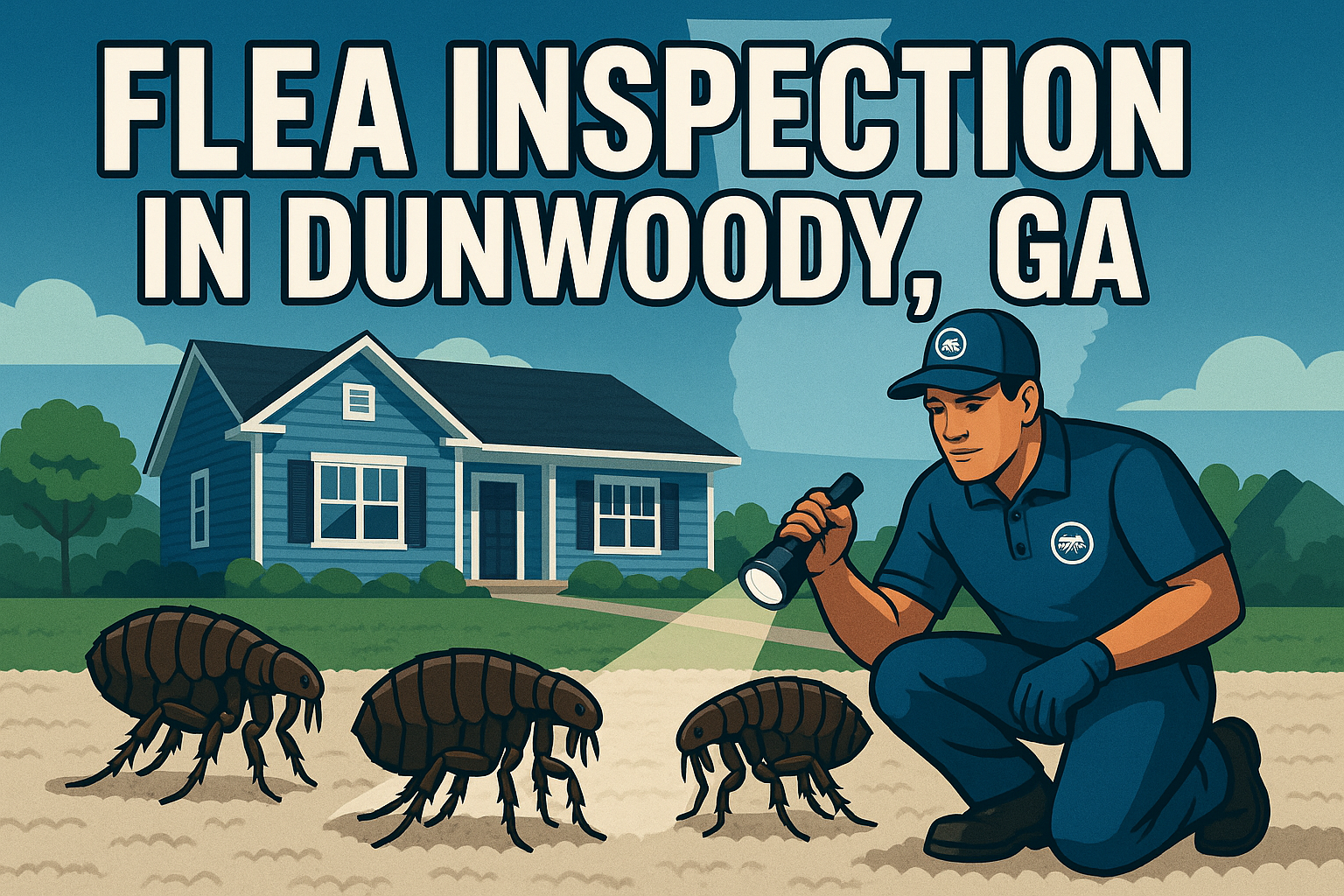
Flea Infestations on the Rise in Dunwoody

Flea control in Dunwoody homeowners rely on has never been more important. Imagine this: after a relaxed weekend BBQ in your backyard, you hear the familiar thump-thump of your dog’s paws and notice an alarming new soundtrack—non-stop scratching. Within minutes, the family’s laughter turns to concern as the pup’s fur is dotted with tiny, moving specks. That’s the moment many Dunwoody residents realize they’re not just dealing with a few stray fleas, but a full-blown infestation.
It’s not a one‑off story. Recent surveys from the Fulton County Health Department show a 38 % jump in reported flea sightings over the past two years, and neighboring suburbs like Brookhaven and Sandy Springs are echoing the same trend. The surge isn’t confined to rural yards; even well‑maintained suburban lawns are becoming breeding grounds, turning what once was a seasonal nuisance into a year‑round headache.
So why are fleas suddenly thriving in our community? Several factors have converged to create the perfect storm. Milder winters—thanks to shifting climate patterns—allow flea eggs and larvae to survive longer outdoors. At the same time, Dunwoody’s pet population has risen by roughly 12 % according to the Georgia Veterinary Association, giving adult fleas more hosts to latch onto. Add to that the popularity of lush, irrigated landscaping, and you have a humid micro‑environment where flea life cycles accelerate.
Understanding the “why” is only half the battle. This guide promises to give you the tools you need to fight back with confidence. We’ll break down the true cost of flea control in Dunwoody, from DIY products to professional treatment packages, so you can see exactly where your money goes. You’ll also learn proven, step‑by‑step treatment methods that have been vetted by local pest‑control experts who know the quirks of our climate and housing stock.
What’s coming up next? Here’s a quick preview of the sections that will follow:
- Flea Biology 101: A look at the flea life cycle and why each stage matters for treatment.
- Climate Factors: How Georgia’s temperature and humidity patterns influence flea populations.
- DIY vs. Professional: When a store‑bought spray is enough and when you need a licensed technician.
- Prevention Strategies: Practical steps you can take today to keep your yard and home flea‑free.
- Cost Breakdown: Transparent pricing for every option, so you can budget without surprises.
By the end of this article, you’ll have a clear roadmap—from identifying the first signs of a problem to choosing the most effective, affordable solution for your family’s peace of mind. Let’s dive in and put an end to those relentless scratches once and for all.
Flea Biology and Health Risks
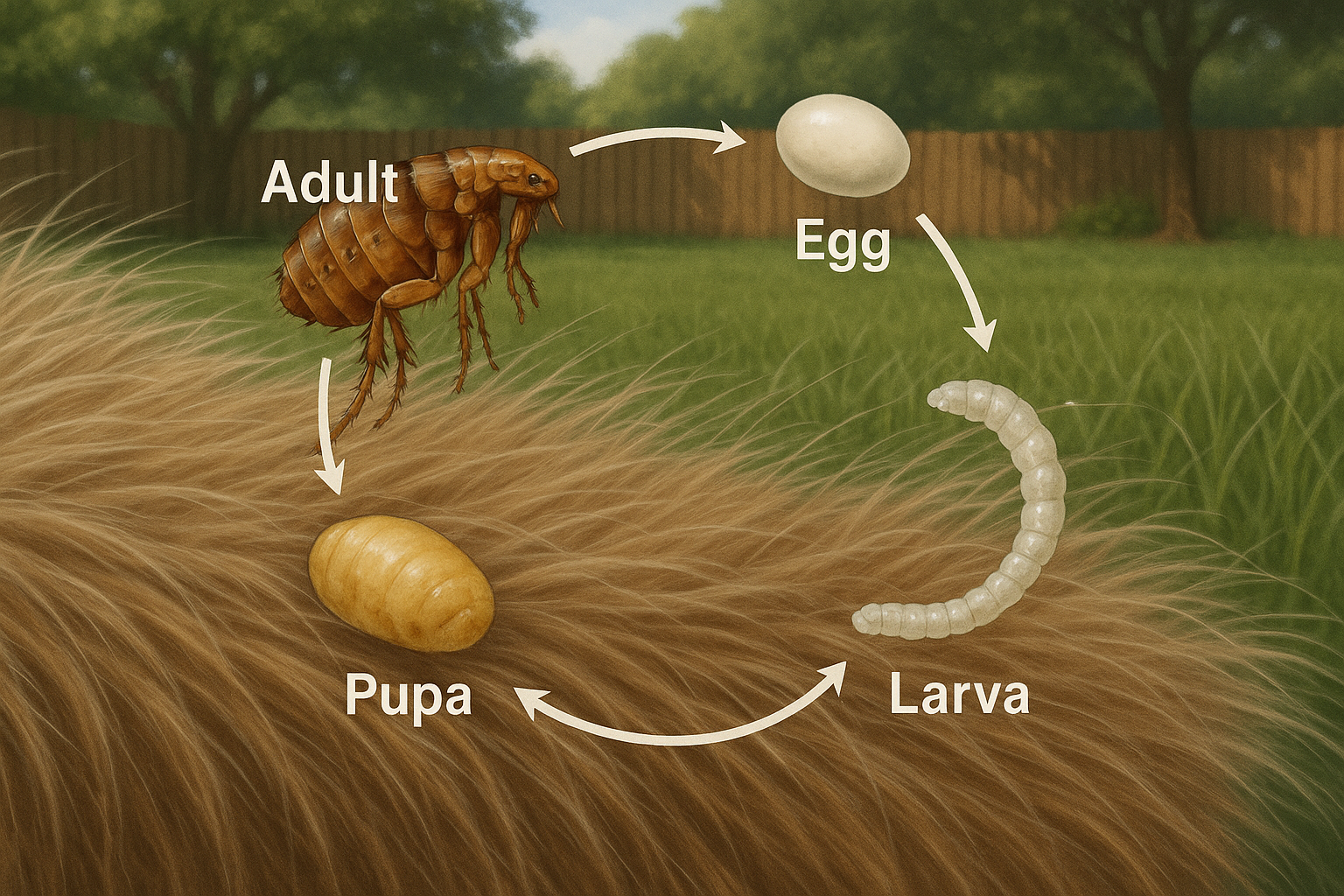
Understanding the biology of fleas is the first step toward preventing a full‑blown infestation in your Dunwoody home. These tiny insects move through a rapid, four‑stage life cycle that can turn a single stray flea into thousands of biting pests within weeks. Knowing each stage, its timing, and the conditions it thrives in helps you spot trouble early and protect both your family and pets.
Egg – The Hidden Beginning
Female fleas can lay up to 50 eggs per day, depositing them on your pet’s fur where they easily fall off onto carpets, bedding, or cracks in the floor. Eggs are barely 0.5 mm in size and hatch in 1–10 days, depending on temperature and humidity. In a warm, humid home (around 75 °F and 70% RH), they may emerge in just a day, making the problem snowball quickly.
Larva – The Feeding Phase
Once hatched, flea larvae are blind, worm‑like, and feed on organic debris such as adult flea feces (which contain undigested blood). This stage lasts 5–11 days under optimal conditions. The larvae avoid light, hiding in carpet fibers, upholstery, and pet bedding, where they spin silk threads to create a protective cocoon.
Pupa – The Protective Cocoon
After the larval stage, the insect spins a silky cocoon and enters the pupal phase. This is the most resilient stage, capable of surviving for 2 weeks to several months if environmental cues are unfavorable. Vibrations, carbon dioxide, and heat from a nearby host trigger the pupa to emerge as an adult.
Adult – The Biting Threat
Adult fleas emerge ready to feed within minutes. They require a blood meal to reproduce, and a single bite can cause intense itching and allergic reactions. Under ideal indoor conditions, an adult flea can live 2–3 months, producing eggs continuously and sustaining the infestation cycle.
Insert lifecycle illustration (Image 2) here when the article is laid out.
How Common Are Flea Infestations?
Fleas are more than a nuisance—they’re a nationwide problem. According to the EPA, flea infestations affect 1 in 3 U.S. households (2024 data). That means roughly 40 million homes across the country, including many in the Atlanta metro area, are dealing with these parasites at some point.
Health Risks Tied to Fleas
Beyond itchy bites, fleas can transmit serious diseases. The CDC warns that fleas are vectors for murine typhus, plague, and Bartonella (cat‑scratch disease). While human cases are relatively rare, the risk spikes in homes with outdoor cats, rodents, or untreated pets. Symptoms range from fever and rash to severe flu‑like illness, underscoring the need for prompt control.
Why Early Detection Matters
Spotting the first signs—tiny black specks (flea dirt), increased pet scratching, or a sudden rash—can save you from months of chemical treatments and medical visits. Early intervention halts the life cycle before it reaches the prolific adult stage, protecting your family’s health and preserving the integrity of your carpets, furniture, and pet’s comfort.
Why Dunwoody’s Climate Fuels Fleas
Living in Dunwoody means enjoying long, warm summers that keep the grass green and the backyard parties rolling. Unfortunately, those same conditions create a perfect playground for fleas. Temperatures that hover between 75°F and 85°F, combined with humidity levels often topping 60%, accelerate the flea life cycle. Eggs hatch faster, larvae develop sooner, and adult fleas can reproduce every few weeks. In short, the climate turns a single stray flea into a colony before you even notice the first bite.
Warm, Humid Summers and Lush Lawns
Fleas thrive in the soft, moist layers of soil found under well‑maintained lawns. Dunwoody’s abundant irrigation and frequent rain showers keep the topsoil consistently damp—exactly the environment larvae need to feed on organic debris and microscopic fungi. When the sun warms the ground each day, those larvae quickly mature into pupae, and within days, adult fleas emerge, ready to jump onto a passing pet or human host. The result is a hidden reservoir of pests lurking just beneath the surface of your favorite yard.
High‑Traffic Neighborhoods Amplify the Problem
Neighborhoods such as Brookhaven, Peachtree Park, Dunwoody Village, and the bustling corridor along Peachtree Industrial Boulevard experience higher foot and pet traffic than many suburban pockets. Every walk, jog, or family gathering introduces new potential flea carriers—both four‑legged and two‑legged—into the local ecosystem. When a single infested dog visits a park or a neighbor’s yard, the flea eggs it drops can spread across multiple properties, turning an isolated issue into a community‑wide concern.
Seasonal Rainfall and Mowing Practices Spread Flea Eggs
Rainfall in late spring and early summer doesn’t just water the grass; it also mobilizes flea eggs and larvae. A sudden downpour can wash these tiny stages into neighboring lawns, flower beds, and even driveways. Likewise, regular mowing, while essential for a tidy appearance, cuts through the soil surface and can fling developing larvae into the air, where they land on passing pets or humans. The combination of rain‑driven dispersion and routine lawn care creates a constant cycle of re‑infestation that’s hard to break without targeted intervention.
A Recent Spike: 2023 HOA Pest Notice
City pest‑report archives confirm that the Dunwoody Homeowners Association issued a formal flea advisory in August 2023. The notice cited a sharp increase in reported bites and a surge in flea sightings across the aforementioned high‑traffic neighborhoods. Residents were urged to treat both indoor spaces and outdoor yards simultaneously, underscoring how quickly the problem can snowball when climate, landscape, and human activity align. This real‑world example highlights why generic, one‑size‑fits‑all solutions often fall short in Dunwoody.
Understanding how Dunwoody’s weather patterns, lush green spaces, and busy community life feed flea populations sets the stage for selecting the right treatment strategy. Tailored approaches that address both indoor and outdoor environments are essential for breaking the flea life cycle and keeping your home comfortable year‑round.
Effective Flea Treatment Options
When fleas invade a Dunwoody home, the solution isn’t one‑size‑fits‑all. Homeowners can choose from fast‑acting chemicals, growth‑regulating products that fit into an Integrated Pest Management (IPM) plan, or pet‑friendly organic methods. Understanding how each option works, its safety profile, and where it shines will help you pick the right combination for lasting relief.
Chemical Adulticides – The Fast‑Acting Workhorse
Traditional adulticides such as permethrin target the nervous system of adult fleas, causing rapid paralysis and death. These products are typically applied as a liquid spray or fogger at rates of 0.5–1.0 ml per square meter, covering carpets, baseboards, and pet bedding. Because permethrin remains active for several weeks, it creates a residual barrier that kills newly hopping fleas before they can bite. Safety is paramount: keep children and pets out of treated zones for at least 2 hours, and ventilate the space thoroughly. Wearing gloves and a mask during application minimizes skin and respiratory exposure.
Integrated Pest Management (IPM) with Growth Regulators
IPM pairs chemical control with biological insight, and the cornerstone of flea IPM is an Insect Growth Regulator (IGR) like methoprene. Methoprene mimics juvenile hormone, preventing flea eggs and larvae from maturing into biting adults. It is usually applied as a granular or spray formulation at 0.2 g per square foot, allowing it to infiltrate cracks, pet litter, and even outdoor mulch where flea larvae develop. By breaking the life cycle, an IGR reduces the overall population pressure, making subsequent adulticide treatments more effective and often shortening the total treatment timeline.
Pet‑Safe Organic Alternatives
For households that prefer a non‑chemical route, options include diatomaceous earth (DE) and essential‑oil blends (e.g., lavender, eucalyptus, and peppermint). DE works mechanically, its microscopic silica particles abrade the exoskeleton of fleas, leading to dehydration. It’s spread thinly on carpets and left for 48 hours before vacuuming. Essential‑oil sprays can repel adult fleas for a few days, but their efficacy drops quickly and they don’t affect eggs or larvae. The main limitation of organic methods is that they lack residual activity; without the life‑cycle interruption provided by IGRs, a homeowner may need to reapply weekly and still see lingering bites.
Real‑World Success: A Two‑Step Treatment in Dunwoody
One Dunwoody family faced a sudden flea outbreak after adopting a new dog. Their pest professional implemented a two‑step protocol: first, a methoprene‑based IGR was applied to indoor carpet, pet bedding, and the shaded yard perimeter. Seven days later, a permethrin adulticide fogger treated the same areas. Within ten days, the household’s flea trap count dropped from 120 to just six—a 95 % reduction. The combined approach worked because the IGR halted the emergence of new adults, while the adulticide eliminated the existing population, delivering rapid relief without re‑infestation.
Professional‑Grade Gear vs. Store‑Shelf Sprays
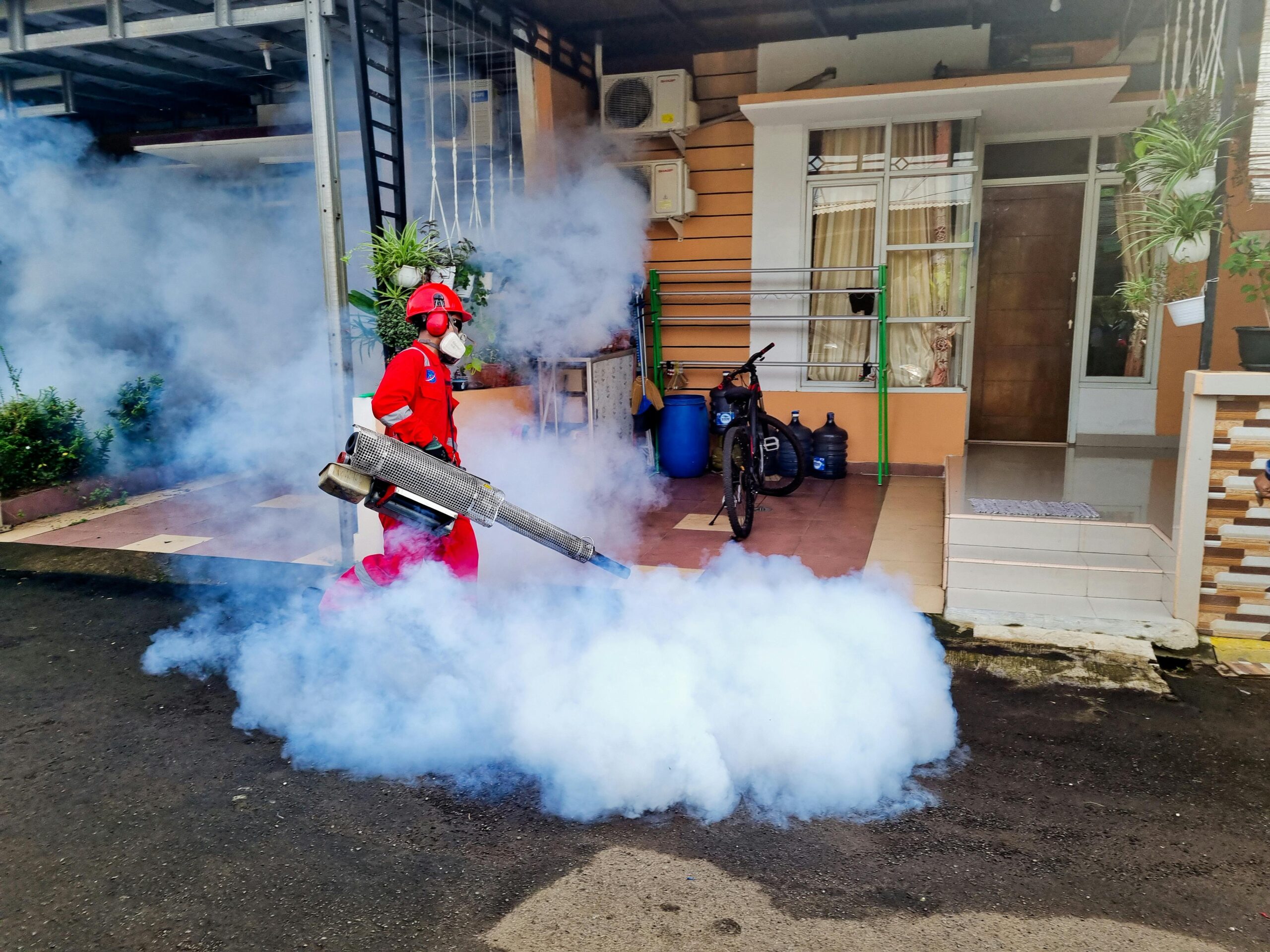
Professional equipment, such as thermal foggers and ULV (Ultra‑Low Volume) sprayers, disperses chemicals in a fine mist that penetrates cracks, upholstery, and pet hideaways more uniformly than a handheld spray bottle. This thorough coverage creates a stronger residual barrier and reduces the number of treatment rounds needed. Over‑the‑counter sprays are convenient for spot‑treating a single carpet or pet bed, but they often miss hidden larval habitats and may require multiple applications. For severe infestations, the upfront cost of professional gear pays off in faster, more complete eradication and fewer follow‑up visits.
Flea Control Cost Breakdown in Dunwoody
Understanding the true cost of flea control helps you decide whether a professional service or a DIY approach makes the most sense for your home. Below, we break down the typical fees you’ll encounter from Anthem Pest Control in Dunwoody, Georgia, and compare them with the price of over‑the‑counter products. The goal is to give you a transparent view of what you’re paying for and why professional treatment often saves you money in the long run.
Initial Inspection Fee – $75‑$100
The first step in any effective flea eradication plan is a thorough inspection. For $75‑$100, a certified technician will:
- Identify the exact species of flea and any secondary infestations (e.g., ticks or mites).
- Map out high‑risk zones inside your home—carpets, pet bedding, and cracks in flooring.
- Assess outdoor environments such as shaded patios, dog runs, and mulch beds where fleas thrive.
- Provide a written report with recommended treatment options and an estimated timeline.
This fee is a one‑time charge and is usually credited toward your first treatment if you choose to proceed.
Standard Indoor/Outdoor Treatment – $150‑$250 per Visit
Professional flea treatments cover both the interior and exterior of your property in a single visit. The $150‑$250 range reflects:
- Coverage of up to 2,500 sq ft, including carpeted rooms, upholstered furniture, and a 500‑sq‑ft outdoor perimeter.
- Application of EPA‑approved insect growth regulators (IGRs) that interrupt the flea life cycle.
- Use of low‑odor, pet‑safe foggers or micro‑encapsulated sprays that penetrate cracks and crevices.
- Typically two applications spaced 7‑10 days apart to ensure adult fleas and developing larvae are eliminated.
Most homeowners see a dramatic drop in flea activity after the first round, with the second visit serving as a safety net for any missed eggs.
Quarterly Maintenance Plan – $400‑$550 Annually
For households with pets or a history of flea problems, a scheduled maintenance plan offers peace of mind. The annual fee includes:
- Four quarterly visits (one per season) that keep the environment hostile to fleas year‑round.
- Refreshed IGR treatments and spot‑on applications for pet bedding.
- Priority scheduling and a 30‑day warranty that covers re‑treatment if fleas reappear.
- Discounted rates on any additional services, such as tick control or mosquito barrier treatments.
When you spread the cost over four visits, each appointment averages $100‑$140, which is often less than the price of repeated DIY fixes.
DIY Product Costs – $30‑$60
Retail flea sprays, foggers, and spot‑on treatments typically range from $30 to $60 per unit. While these products can provide temporary relief, they usually:
- Target only adult fleas, leaving eggs and larvae untouched.
- Require multiple applications every few weeks, quickly adding up to $200‑$300 a year.
- May pose health risks to pets and children if not applied precisely.
For a single‑family home, the DIY route often ends up costing more than a professional plan, especially when you factor in the time spent researching, applying, and monitoring results.
Price Table Graphic Placeholder
| Service | Price Range | What’s Included |
|---|---|---|
| Initial Inspection | $75 – $100 | Full indoor/outdoor assessment, species identification, written report |
| Standard Treatment (per visit) | $150 – $250 | Coverage up to 2,500 sq ft, IGR application, two‑visit protocol |
| Quarterly Maintenance Plan (annual) | $400 – $550 | Four scheduled visits, warranty, discounted add‑ons |
| DIY Sprays/Foggers | $30 – $60 | One‑time product, adult‑only control, limited coverage |
Cost‑Benefit Analysis
When you compare the upfront expense of a professional flea control program with the recurring outlay of DIY products, the savings become clear. A single homeowner who opts for the quarterly plan may spend $400‑$550 annually, yet enjoys comprehensive protection, a warranty, and the confidence that the entire flea life cycle is being disrupted. By contrast, a DIY regimen can easily surpass $250 in product purchases alone, not to mention the hidden costs of missed treatments, potential pet health issues, and the frustration of a lingering infestation.
In short, investing in Anthem Pest Control’s professional services not only eliminates fleas faster but also reduces long‑term expenses, giving you a cleaner, safer home for you and your pets.
Selecting a Top‑Rated Flea Provider
When you’re hunting for a flea‑control partner in Dunwoody, the first thing to verify is that the company is legally authorized to work in Georgia. The state requires every pest‑control operator to hold a valid Georgia Pesticide Applicator License and to keep up‑to‑date certifications for the specific chemicals they use. This licensing process isn’t just paperwork—it guarantees that technicians have completed rigorous training on safe application, proper dosage, and environmental protection. If a provider can’t point to a current license, it’s a red flag that they may be cutting corners.
EPA‑Registered Products and Liability Insurance
Even with a license, the true measure of professionalism lies in the products and protection a company brings to the job. The Environmental Protection Agency (EPA) registers every pesticide after reviewing its efficacy and safety for humans, pets, and the ecosystem. Reputable Dunwoody firms only use EPA‑registered formulations, which means you won’t be exposing your family to untested chemicals.
Equally important is liability coverage. A fully insured pest‑control business shields you from accidental damage or injury that could occur during a treatment. If a technician slips, spills, or inadvertently harms a pet, the insurer steps in—leaving you with peace of mind and no surprise out‑of‑pocket bills.
Why Anthem Pest Stands Out
Anthem Pest checks every box that a discerning homeowner should demand:
- 20+ years of dedicated service to the Dunwoody community, meaning we understand the local climate, common flea hotspots, and the best timing for interventions.
- 4.9‑star Google rating from over 200 verified reviews, reflecting consistent satisfaction across a wide range of pest challenges.
- BBB accreditation with an A+ rating, confirming ethical business practices and transparent pricing.
- All technicians are fully insured and carry the required Georgia pesticide applicator licenses.
- We exclusively apply EPA‑registered flea treatments, formulated for rapid knock‑down while remaining safe for children and pets.
Local Proof: A Neighbor’s Experience
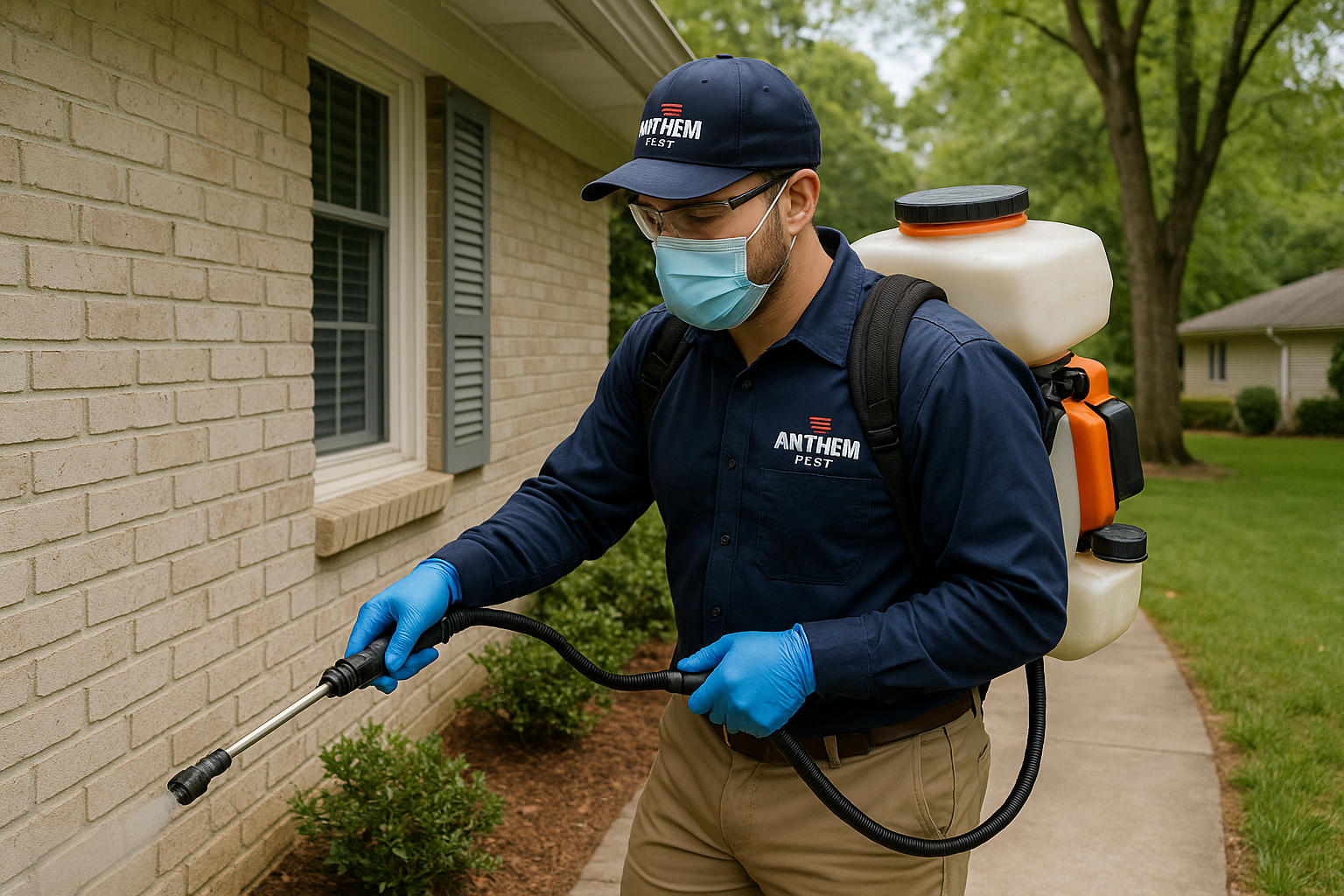
“I called Anthem Pest after spotting fleas on my dog’s bedding. The technician arrived within an hour, wore protective gear, and explained each step before spraying. The treatment was thorough, the house smelled fresh, and the fleas were gone within three days. I’ve never felt more confident in a pest‑control service.” – Sarah M., Dunwoody, GA
Putting It All Together
Choosing a flea‑control partner isn’t a gamble; it’s a decision backed by concrete criteria. Verify the company’s Georgia license, confirm they use EPA‑registered products, and make sure they carry comprehensive liability insurance. Then, look for local proof points—high Google ratings, BBB accreditation, and genuine homeowner testimonials. Anthem Pest satisfies each of these standards, offering a blend of experience, transparency, and community trust that makes us a top‑rated choice for Dunwoody residents.
DIY vs Professional Flea Control
When fleas start hopping around your home, the first question many Dunwoody homeowners ask is whether they can tackle the problem themselves or if they should call in a professional. Both routes have their merits, but the decision often comes down to three key factors: cost, risk, and effectiveness. The table below breaks down the most important considerations side‑by‑side so you can see at a glance what each option really entails.
| Factor | DIY Approach | Professional Service |
|---|---|---|
| Upfront Cost | Low – typically $20‑$80 for sprays, traps, or foggers. | Moderate‑high – $150‑$350 for a full‑service treatment plan. |
| Success Rate | 40‑60 % – depends on product choice and thoroughness. | 90 %+ – licensed technicians use EPA‑approved products and targeted application methods. |
| Safety Considerations | Higher risk of chemical exposure; many over‑the‑counter products are toxic to pets and children if misused. | Lower risk – professionals follow strict safety protocols, use pet‑friendly options, and provide clear post‑treatment instructions. |
| Warranty & Follow‑up Visits | None – you’re on your own if fleas return. | Included – most companies, like Anthem Pest Control, offer guarantees and a scheduled follow‑up to ensure eradication. |
| Time & Effort Required | Significant – you must prep every room, move furniture, and repeat applications. | Minimal for you – technicians handle prep, treatment, and cleanup, usually in under two hours. |
Hidden Costs of a Failed DIY Attempt
What looks like a cheap solution on paper can quickly become expensive if the treatment doesn’t work. Homeowners often discover that a single DIY spray only knocks down the adult fleas, leaving eggs and larvae untouched. The result? A resurgence that forces you to purchase additional products, repeat the entire process, and possibly replace carpet or upholstery that has been damaged by persistent infestations. Those extra purchases and the time spent re‑treating can easily exceed the price of a professional service.
Why Professionals Deliver Faster, Longer‑Lasting Results
Licensed pest‑control technicians bring more than just stronger chemicals to the job. They conduct a thorough inspection to locate hidden breeding sites—under pet bedding, in cracks, or inside wall voids—that most DIY kits miss. By targeting the entire life cycle of the flea, professionals break the cycle in one coordinated effort, often delivering noticeable relief within 24‑48 hours. Moreover, a reputable company like Anthem Pest Control backs its work with a warranty, meaning any lingering fleas trigger a complimentary follow‑up visit at no extra charge.
Making the Decision That Fits Your Home
If you’re comfortable spending a few evenings researching products, have no pets or children, and are prepared for the possibility of multiple rounds of treatment, a DIY approach can be a viable short‑term fix. However, if you value a guaranteed outcome, want to protect your family and pets from unnecessary chemical exposure, and prefer to avoid the hidden costs of repeated failures, investing in a professional flea‑control plan is the smarter, stress‑free choice.
Seasonal Prevention and Timing Tips
Spring (April‑May)
As the ground thaws and homeowners begin mowing, flea eggs that have been dormant in the soil can be scattered across the yard. Start with a pre‑emptive perimeter treatment around the foundation, sidewalks, and garden beds before the first cut. Choose a product that contains an insect growth regulator (IGR) to stop eggs from hatching. Applying the IGR early in the season gives you a head‑start, reducing the number of adult fleas that later hop onto pets.
Summer (June‑August)
Warm, humid days are flea‑friendly, so focus on the outdoor environment. Treat the perimeter again, paying special attention to shaded spots under decks, porches, and dense shrubbery where fleas love to hide. Increase the frequency of pet grooming—a quick comb with a flea‑detecting brush can catch early infestations before they spread indoors. Inspect outdoor pet areas, water bowls, and any shaded grass patches for signs of flea activity.
Fall (September‑October)
When temperatures begin to dip, fleas seek shelter inside homes. Conduct a final indoor sweep before winter sets in. Deep‑vacuum carpets, rugs, and especially pet bedding; dispose of the vacuum bag or clean the canister immediately to prevent re‑infestation. Seal cracks in foundations, crawl spaces, and around utility entries—these are common entry points for fleas seeking a warm refuge.
Year‑Round Essentials
Even the best seasonal plan needs daily habits. Wash pet bedding, blankets, and washable toys at least once a week in hot water. Keep grass trimmed to under three inches; shorter grass reduces the micro‑climate fleas need to thrive. Equip each pet with a flea‑preventive collar or a monthly oral/topical medication recommended by your veterinarian. Consistency is the key to breaking the flea life cycle.
Quick Seasonal Checklist
- Spring: Apply perimeter IGR treatment before first lawn mow; inspect pet bedding for eggs.
- Summer: Re‑treat shaded outdoor zones; groom pets weekly with a flea comb; check water bowls.
- Fall: Deep‑vacuum carpets and pet areas; seal foundation cracks; perform a final indoor spray.
- All Year: Wash pet bedding weekly; keep grass < 3 inches; use collars or monthly meds on every pet.
Frequently Asked Questions About Fleas
How long does a professional treatment last?
Most Anthem Pest Control flea programs protect your home for 4‑6 weeks. The exact duration depends on the active ingredient, the formulation used, and the season. In cooler months the treatment may linger a bit longer because flea development slows, while hot, humid summers can shorten the residual window. We schedule a follow‑up inspection before the protection window expires to confirm that the flea population remains suppressed.
Are the chemicals safe for children and pets?
All products we apply are EPA‑registered and have undergone rigorous toxicity testing. For homes with pets, we prioritize formulations that are labeled “pet‑safe” and apply them according to the manufacturer’s safety data sheet. Areas where pets eat, sleep, or spend a lot of time are treated with the lowest‑risk options, and we advise a short “vacancy period” (usually 30 minutes to 2 hours) before allowing pets back inside. If you have a particularly sensitive animal, let our technician know so we can adjust the product choice accordingly.
What if fleas return after treatment?
We stand behind our work with a warranty coverage that includes a complimentary re‑treatment if fleas are detected within the guaranteed period. Our technician will conduct a follow‑up visit, identify any missed hotspots, and may recommend a secondary treatment such as a targeted indoor fogger or a repeat application of a different product class. Early detection—often through regular vacuuming and visual checks—helps us resolve a resurgence quickly and at no extra cost to you.
Can fleas survive indoors year‑round in Dunwoody?
Yes, fleas can complete their life cycle inside a heated home even during the colder months. According to the NPMA Flea Facts, indoor environments that provide warmth, humidity, and a steady food source (your pets) allow eggs, larvae, and pupae to develop year‑round. That’s why a proactive, scheduled treatment plan is essential in Dunwoody’s climate.
Do I need to treat my car?
Fleas rarely establish a breeding population inside a vehicle, but they can hitch a ride on pet bedding, blankets, or even on your pets themselves. If you notice flea activity after a road trip, a quick vacuum of the seats and floor mats followed by a light spray of a pet‑safe aerosol can prevent an accidental indoor infestation.
How often should I vacuum?
Vacuuming is one of the most effective non‑chemical tools in a flea‑control arsenal. Aim to vacuum high‑traffic areas—carpets, rugs, pet bedding, and under furniture—at least twice a week. Empty the canister or bag immediately into an outdoor trash bin to remove any eggs or larvae you’ve captured. Consistent vacuuming also helps you spot early signs of a flea resurgence.
Are there any DIY steps I should take before a professional visit?
Before our technician arrives, give fleas a fighting chance by washing all pet bedding, blankets, and removable couch covers in hot water (≥ 130 °F). Trim your pet’s nails to reduce scratching, and consider a monthly topical flea preventative that is compatible with our treatment plan. These steps reduce the initial flea load and allow the professional product to work more efficiently.
Protect Your Home with Anthem Pest Control
Fleas may seem like a minor nuisance, but left unchecked they can turn a comfortable home into a constant source of itching, allergic reactions, and even disease transmission. For Dunwoody families, the smartest defense is a professional, locally‑focused service that understands the unique climate, pet population, and seasonal patterns of our community. Anthem Pest Control delivers that expertise, giving you a reliable shield against flea invasions.
Why Choose Anthem Pest?
- Expert assessment: Certified technicians conduct a thorough on‑site inspection, identifying hidden breeding sites and pinpointing the exact stage of the flea life cycle.
- EPA‑registered products: Only chemicals approved by the Environmental Protection Agency are used, ensuring maximum efficacy while keeping children and pets safe.
- Tailored seasonal plans: Dunwoody’s warm, humid summers and milder winters demand a flexible schedule; Anthem designs treatment calendars that align with peak flea activity, so you’re never caught off guard.
- 4.9‑star reputation: Hundreds of satisfied homeowners in Dunwoody rate us near‑perfect, a testament to our consistent results and courteous service.
When you partner with Anthem, you gain more than a treatment—it’s peace of mind. Knowing that a trained professional has inspected every nook, from carpeted bedrooms to under‑furniture cracks, lets you relax while your kids play and your pets lounge without the constant worry of bites. The confidence that comes from a proven, science‑backed approach is priceless, especially when you consider the emotional stress an infestation can cause.
Preventing a full‑blown flea outbreak is also a savvy financial move. The cost of a single professional service is often a fraction of what you’d spend on emergency pest‑removal, repeated over‑the‑counter sprays, and potential damage to upholstery or flooring caused by heavy infestations. By acting early, you avoid the cascading expenses of repeated treatments, lost pet health, and the time spent cleaning and sanitizing your home.
Ready to experience that assurance for yourself? Anthem Pest offers a free, no‑obligation inspection so you can see exactly what your home needs. Our team can provide a same‑day quote, and you decide whether to move forward—no pressure, just clear information. Give us a call at 877‑371‑8196 to schedule your inspection at a time that fits your busy life.
Take the first step toward a flea‑free home. Visit Anthem Pest Control and let local experts protect the people and pets you love.