Recognizing Fleas and Their Early Warning Signs
Flea Control Druid Hills GA services are essential when these tiny, wing-less insects begin invading your home. Fleas can cause big problems for homeowners if left untreated. An adult flea measures about 1.5 to 3 mm long—roughly the size of a sesame seed—and sports a reddish-brown, later-darkening body that glistens when it catches the light. Their most distinctive trait is their incredible jumping ability; a flea can launch up to 150 times its own body length, making it seem like it’s “teleporting” across your carpet or pet’s fur.
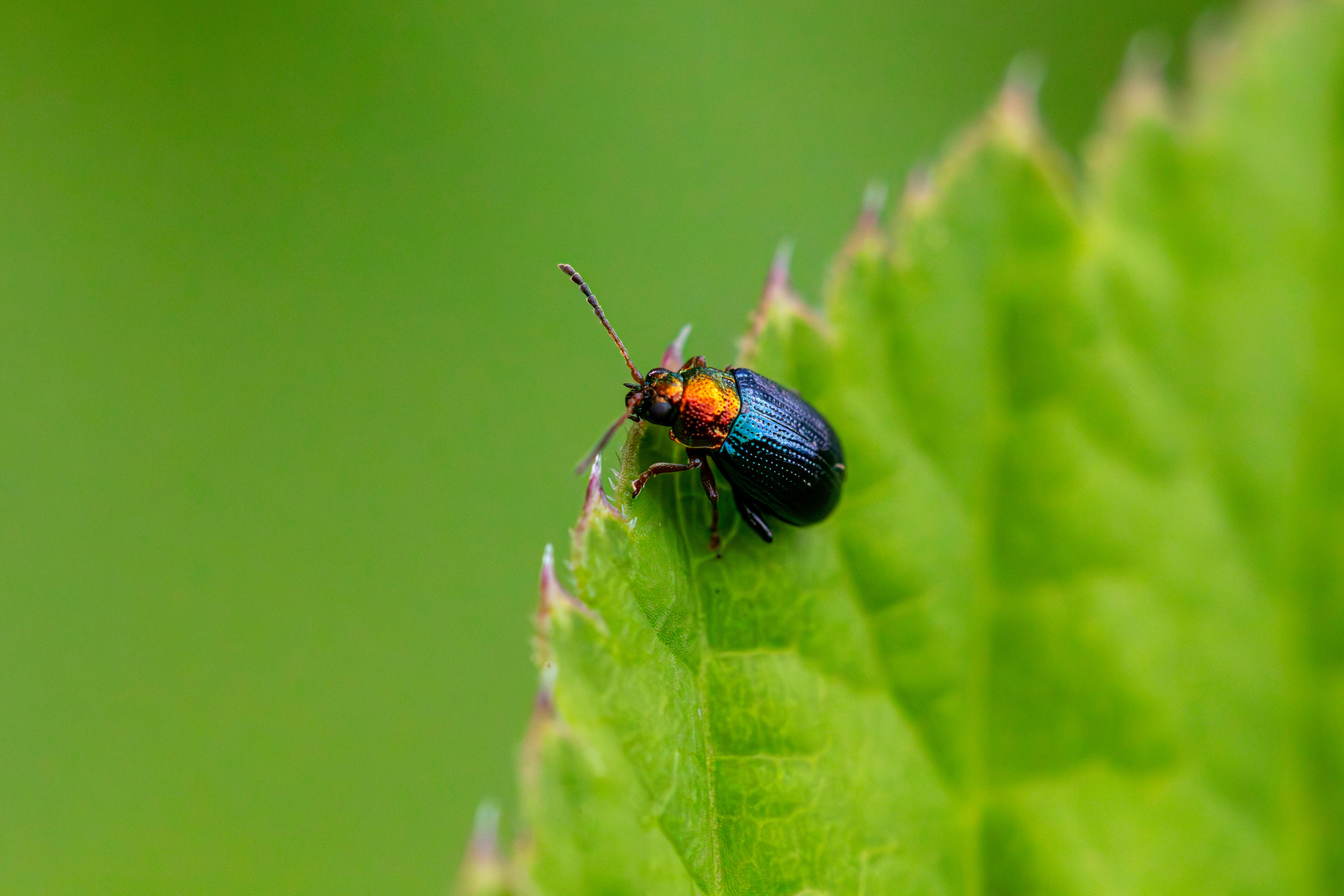
The macro photo above highlights the flea’s key identification features: a flattened, laterally compressed body that allows movement through hair; long hind legs built for powerful jumps; and short antennae tucked close to the head. Recognizing these traits is important for accurate identification before beginning Flea Control Druid Hills GA treatment, as it helps distinguish fleas from other household pests like carpet beetles or dust mites.
Typical signs of a flea problem often appear before you actually see the insects:
- Persistent scratching or restlessness in pets, especially around the tail base and neck.
- Small, dark specks—known as “flea dirt”—that look like pepper on pet bedding or carpet; these are digested blood excretions.
- Red, itchy bite marks on human skin, often in clusters on ankles, calves, or waistline.
- Increased grooming or licking behavior in cats and dogs, sometimes leading to hair loss or skin irritation.
Where fleas like to hide is just as important as recognizing the signs. Adult fleas spend most of their time on a host, but their eggs, larvae, and pupae hide in:
- Carpet fibers and rug pile, especially in high‑traffic areas.
- Pet bedding, blankets, and upholstered furniture where warmth and moisture linger.
- Cracks and crevices in flooring, baseboards, and under furniture.
- Areas where pets frequently rest—under cushions, inside pet crates, or near feeding stations.
Beyond the annoyance, flea bites can pose health risks. In humans, bites may cause localized itching, swelling, and, in rare cases, allergic reactions. Pets are vulnerable to flea‑borne diseases such as tapeworms and, more seriously, flea‑transmitted bacterial infections like Rickettsia. For a comprehensive overview of flea‑related health concerns, consult the CDC’s flea information page.
Early detection is the cornerstone of effective Flea Control Druid Hills GA homeowners can rely on. By familiarizing yourself with the flea’s appearance, recognizing the subtle warning signs, and understanding where they shelter, you’ll be better prepared to act quickly—whether that means scheduling a targeted treatment from Anthem Pest Control or using a proactive DIY approach that stops the infestation before it spreads.
How Professionals Inspect and Assess Flea Infestations
Before a technician begins your Flea Control Druid Hills GA service, the preparation starts with a quick phone consultation. We’ll ask about the number and type of pets you keep, any recent travel history, and whether you’ve used over-the-counter flea products before. This information helps our team anticipate where fleas may be hiding and determine whether resistance from previous treatments needs to be considered.
Step‑by‑step inspection process
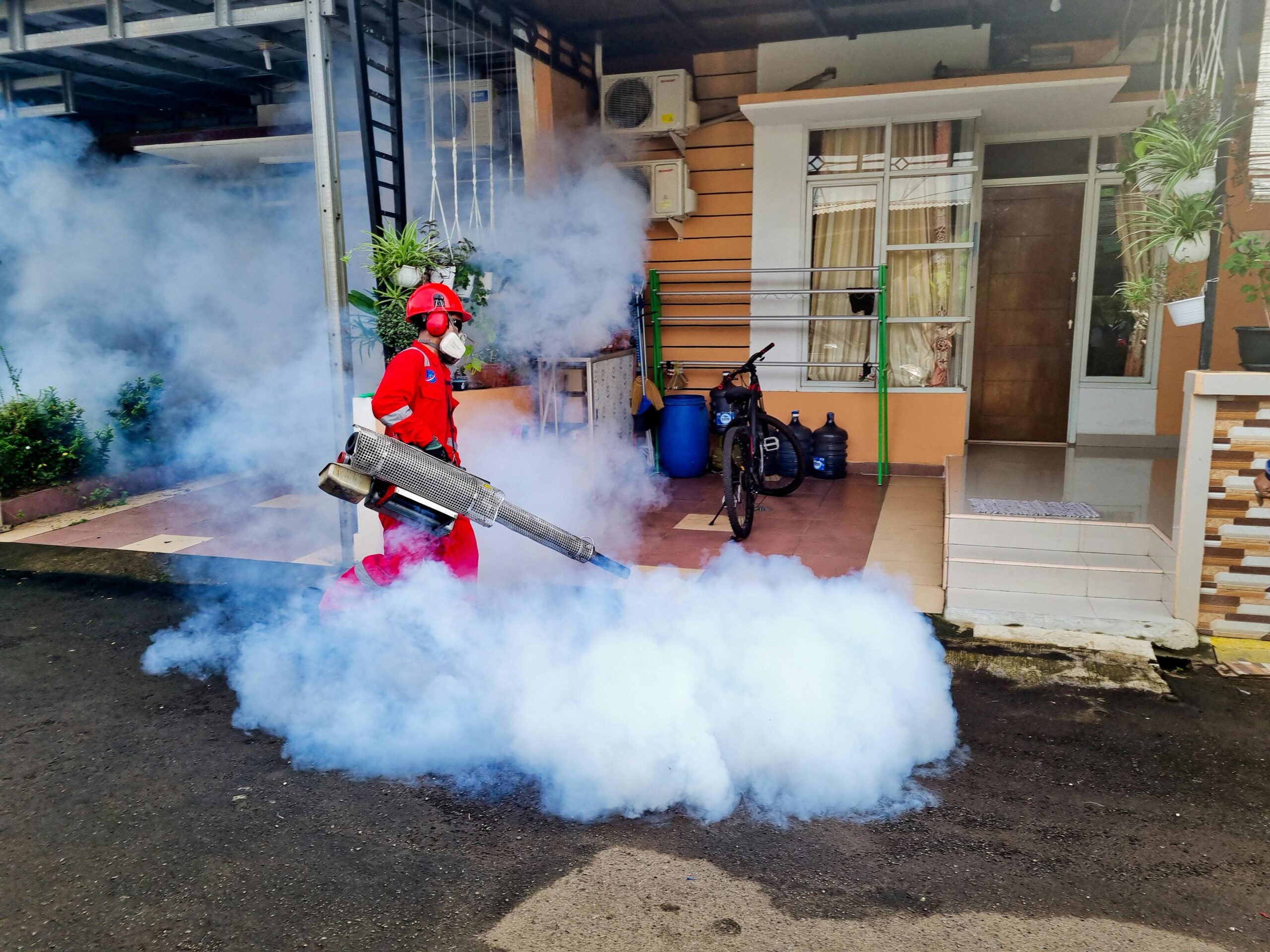
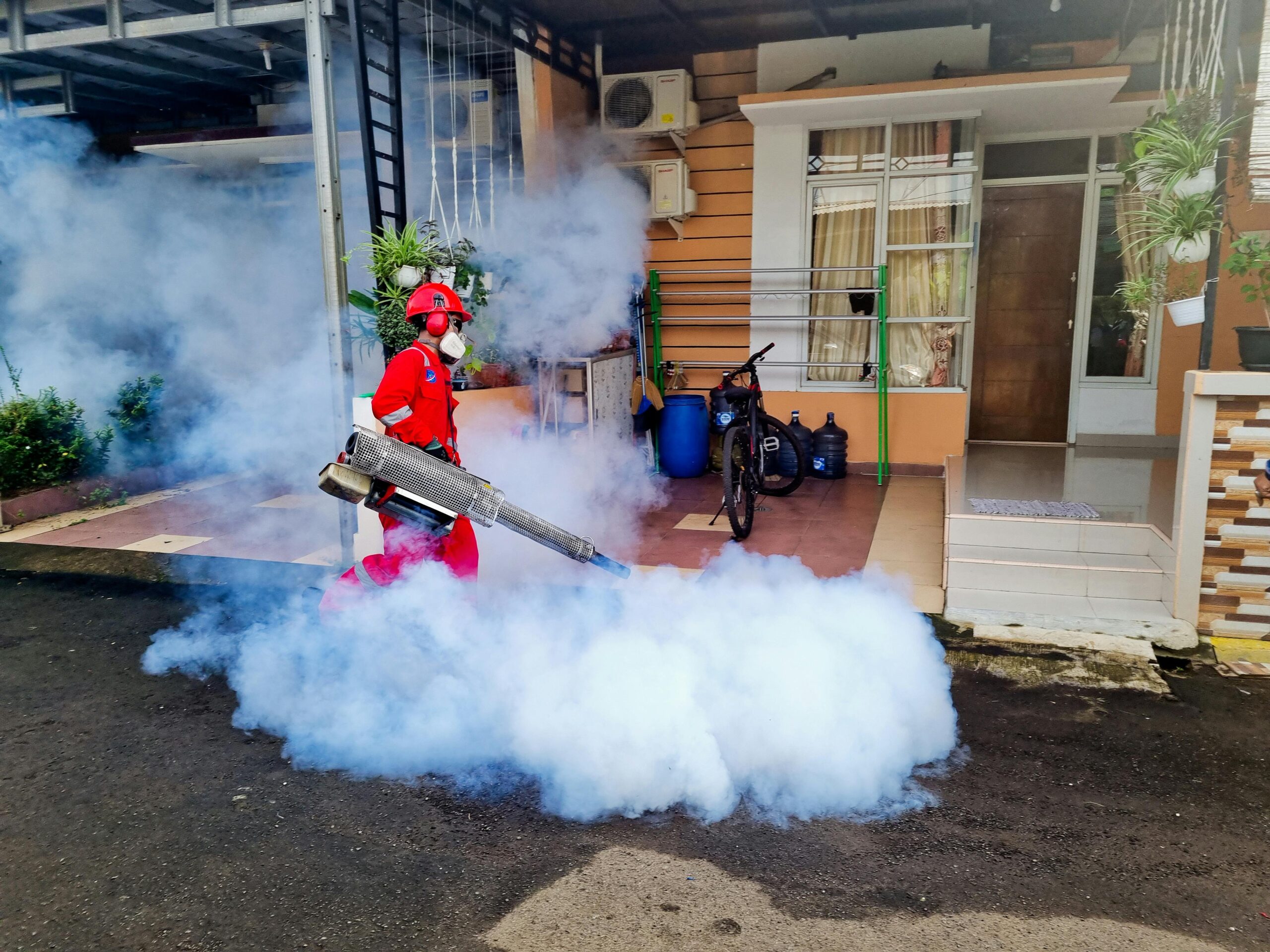
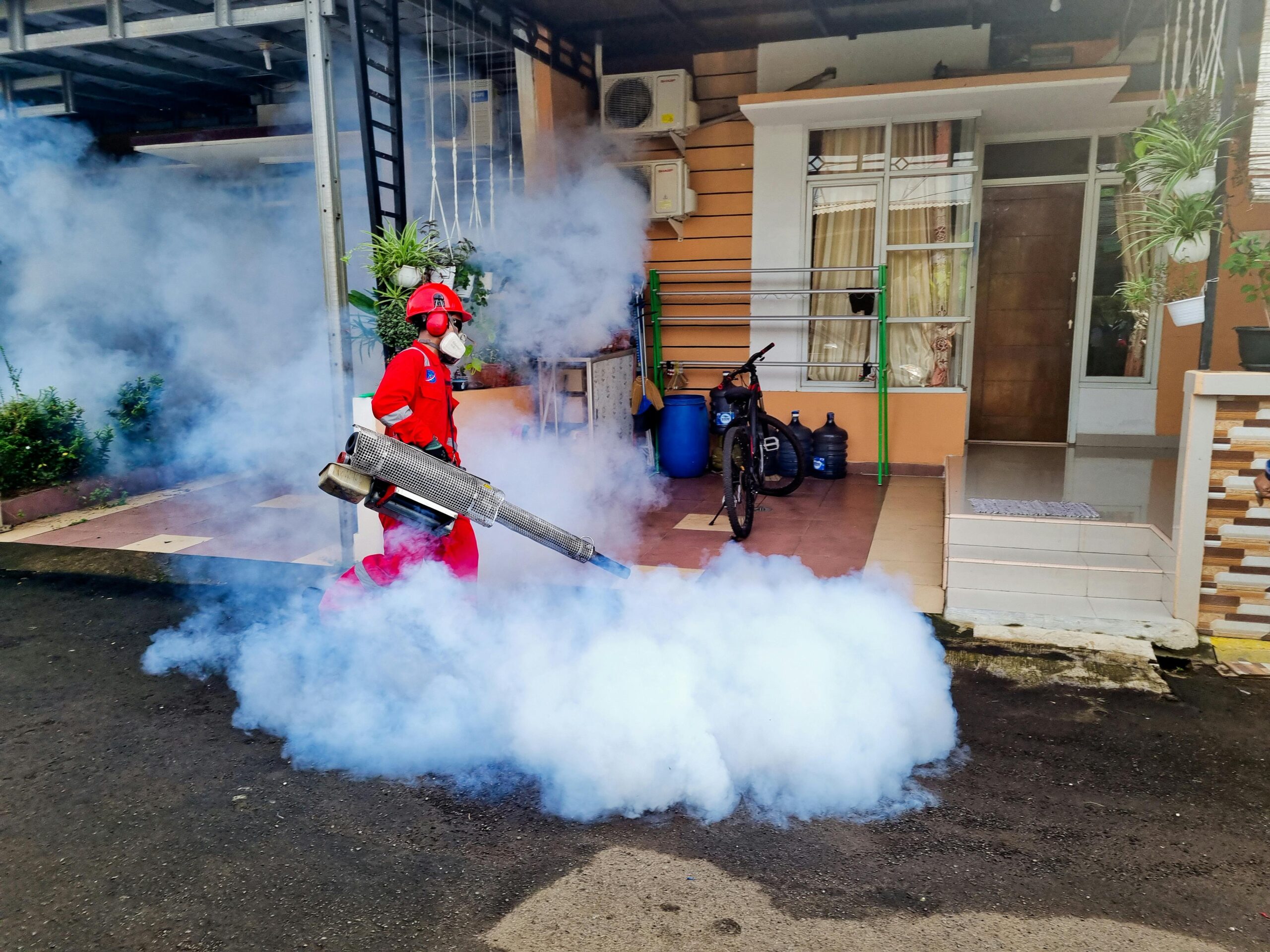
When the technician arrives, you’ll notice a clean, uniform‑ed professional wearing a mask, gloves, and a protective apron – a clear sign of safety and expertise. The

illustrates this standard look.
Inside, the inspection follows a systematic routine:
- Visual checks: We scan carpets, pet bedding, and furniture for adult fleas, eggs, and the tell‑tale “flea dirt” (tiny black specks).
- Flashlight work: A bright beam reveals hidden fleas in cracks, under baseboards, and along wall voids that the naked eye might miss.
- Carpet tapping: Gently tapping rugs and rugs dislodges fleas, allowing us to capture them on a sticky pad or in a vacuum sample.
- Sample collection: Small specimens are placed in labeled vials for laboratory confirmation if needed.
Determining infestation severity
After gathering evidence, we categorize the problem:
| Severity | Indicators | Typical hotspots |
|---|---|---|
| Light | Few adult fleas, occasional flea dirt | Pet bedding, low‑traffic carpet areas |
| Moderate | Visible fleas in multiple rooms, noticeable flea dirt | Carpets, upholstery, under furniture |
| Severe | Heavy flea activity, larvae, and eggs throughout the home | All carpeted surfaces, cracks, and pet zones |
By pinpointing “hotspots,” we know exactly where to focus treatment, saving you time and money.
Written inspection report & treatment plan
Transparency is key. Within 24 hours, you’ll receive a detailed report that outlines:
- Findings from each room
- Severity rating and identified hotspots
- Recommended treatment options (chemical, organic, or integrated approaches)
- Preventive steps you can take between visits
This document becomes the roadmap for the next steps, ensuring you understand why a particular product or method is chosen.
Industry best practices
Our inspection protocol follows the guidelines set forth by the National Pest Management Association (NPMA). Their standards emphasize thorough documentation, safety‑first gear, and evidence‑based treatment decisions, guaranteeing you receive the most effective and responsible flea control available.
Treatment Options, Pricing Models, and What’s Best for Your Home
Three Primary Treatment Approaches
When fleas invade a Druid Hills home, most homeowners encounter one of three proven strategies:
- Chemical sprays or foggers – Professional‑grade insecticides applied to carpets, baseboards, and hidden cracks. The chemicals work quickly, creating a residual barrier that kills adult fleas and disrupts their life cycle.
- Bait stations – Devices that release a low‑dose insect growth regulator (IGR) into the environment. Baits are placed in high‑traffic rooms and work silently, targeting larvae before they mature.
- Pet‑focused products – Topical spot‑ons (e.g., fipronil) or oral chewables (e.g., nitenpyram) that protect the animal directly. Fleas feeding on the pet ingest the toxin and die, breaking the infestation at its source.
Pros and Cons at a Glance
| Method | Speed | Durability | Pet Safety |
|---|---|---|---|
| Chemical sprays/foggers | Immediate knock‑down | 4‑6 weeks residual | Requires pet removal during application |
| Bait stations (IGR) | Gradual (days‑weeks) | Up to 12 weeks | Low toxicity; safe around pets when placed correctly |
| Pet‑focused products | Instant on pet | 1‑2 months (depending on product) | Directly applied to pets; follow label for age/weight limits |
How Pricing Is Structured
Anthem Pest Control offers three flexible pricing models that fit most homeowner budgets:
- One‑time treatment – A single visit that includes a full‑home spray, fogger, or bait placement. Ideal for occasional flare‑ups or after a move‑in.
- Quarterly service – Four visits per year, each reinforcing the previous treatment. This model spreads cost while maintaining a consistent protective barrier.
- Monthly subscription – A low, recurring fee that covers a mix of treatments (often a spray plus a pet product) and includes priority scheduling and annual inspections.
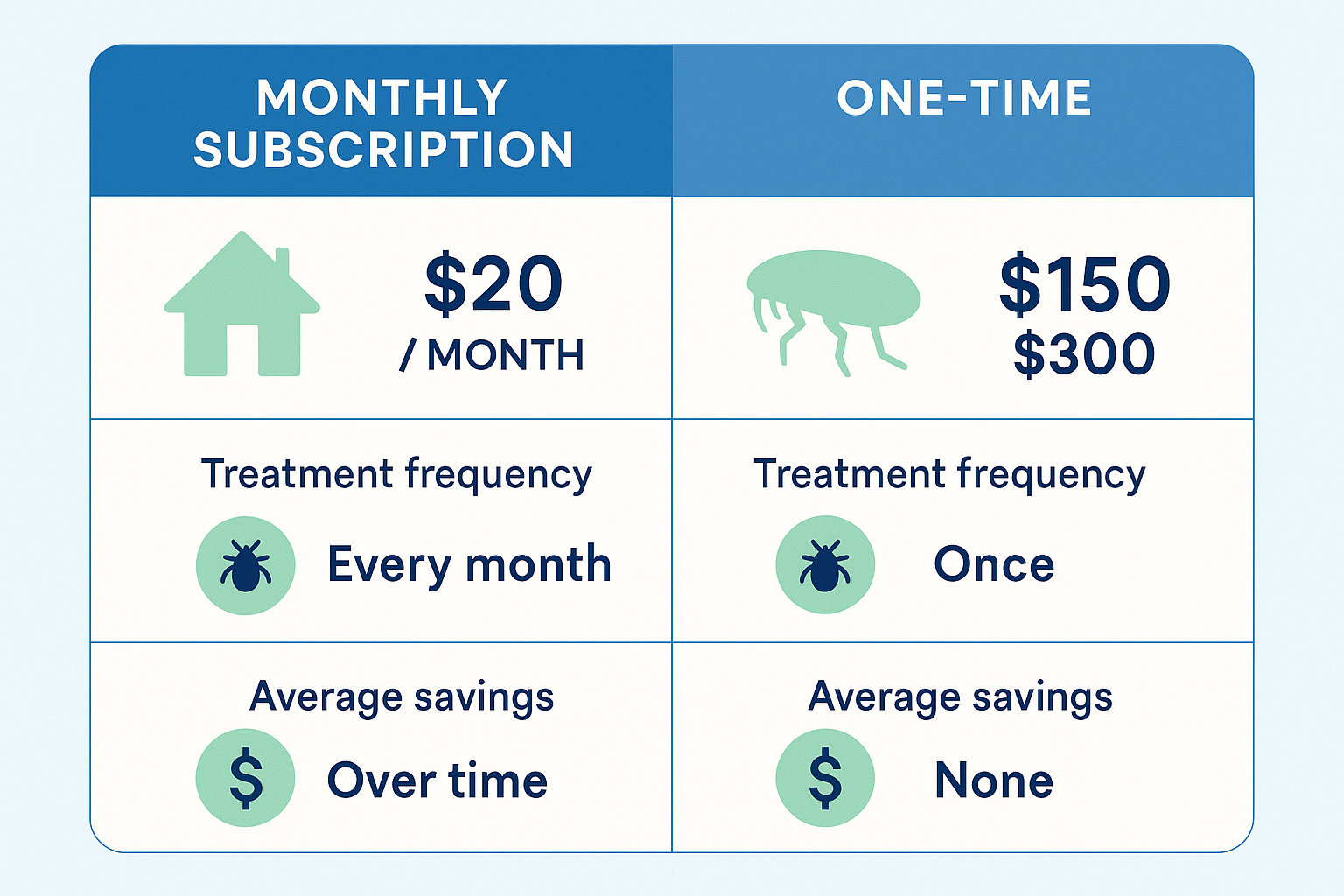
Typical Cost Ranges (EPA Data)
Based on the latest EPA cost survey for residential pest services, Druid Hills homeowners can expect the following average price brackets. All figures are inclusive of labor, materials, and standard warranties; regional variations may shift numbers up or down by 10‑15 %.
| Treatment Type | One‑Time Cost | Quarterly Package (per visit) | Monthly Subscription (per month) |
|---|---|---|---|
| Chemical spray/fogger | $180 – $260 | $140 – $200 | $55 – $70 |
| Bait stations (IGR) | $120 – $180 | $95 – $130 | $38 – $52 |
| Pet‑focused product (per pet) | $30 – $45 | $25 – $35 | $10 – $15 |
When a Subscription Makes Sense
Choosing a recurring plan isn’t just about convenience—it can save money when the risk factors line up:
- High‑risk neighborhoods: Homes near parks, wooded lots, or dense housing often see higher flea pressure from wildlife and neighboring pets.
- Multiple pets: Each additional dog or cat adds a potential host, increasing the chance of re‑infestation after a single treatment.
- Year‑round prevention: If you’ve experienced flea activity in both spring and fall, a quarterly or monthly plan locks in protection before the next surge.
In these scenarios, the cumulative savings from bundled visits and the peace of mind from continuous monitoring usually outweigh the modest monthly fee. For occasional visitors or single‑pet households, a well‑timed one‑time spray combined with a pet‑focused product may be the most cost‑effective route.
Seasonal Flea Activity in Druid Hills, GA and Timing Your Treatment
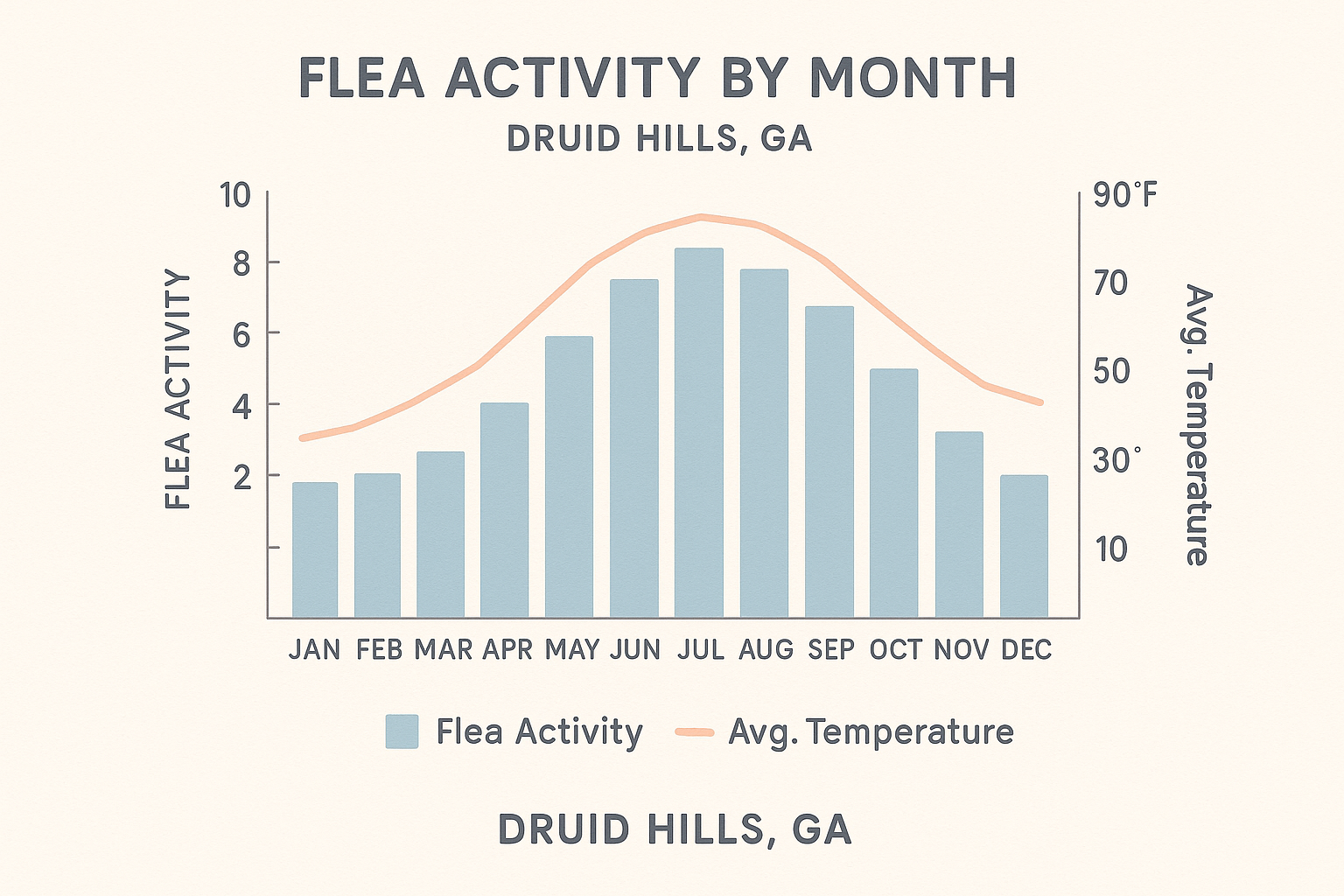
When you look at the chart above, the story is clear: flea numbers rise as the mercury climbs and dip when winter sets in. In Druid Hills, the highest activity spikes from late April through early July, aligning with average highs of 78‑85°F. By December, the bars shrink dramatically, reflecting cooler nights that slow the flea life cycle.
Why Temperature and Humidity Drive Flea Life Cycles
Fleas are temperature‑sensitive parasites. At 70‑85°F with 60‑80% relative humidity, eggs hatch within 2‑5 days, larvae develop in 5‑11 days, and pupae emerge as adults in just a week. Warm, moist conditions accelerate each stage, creating a rapid population boom. Conversely, when temperatures dip below 50°F or humidity drops, development stalls, and many pupae enter a dormant state, waiting for favorable weather.
Smart Treatment Schedule for Druid Hills Homeowners
Knowing the seasonal curve lets you stay one step ahead. Here’s a three‑phase plan that aligns with the local climate:
- Early Spring (mid‑March to early April): Apply a pre‑emptive, EPA‑registered flea treatment to your yard and indoor zones. This creates a barrier before the first wave of eggs appears.
- Mid‑Summer (late June to early July): Conduct a follow‑up treatment to knock down the peak generation of adults that have emerged from dormant pupae.
- Fall Check (late September to early October): Perform a final inspection and spot‑treat any lingering hotspots before cooler weather forces fleas into dormancy.
For long-term success with Flea Control Druid Hills GA, each application should be spaced about 8–10 weeks apart. This timing allows the treatment to disrupt the flea life cycle at multiple stages. Our technicians at Anthem Pest Control use professional-grade products that target eggs, larvae, and adult fleas simultaneously, ensuring a comprehensive knock-down and reducing the risk of reinfestation.
DIY Monitoring Between Professional Visits
Even with a professional schedule, staying vigilant at home helps you catch a resurgence early. Try these simple tricks:
- Place sticky flea traps (available at most hardware stores) along baseboards, under pet beds, and near entry doors. Check them weekly.
- Inspect your pets daily—look for tiny black specks (flea dirt) or excessive scratching.
- Vacuum high‑traffic areas twice a week, then empty the canister outdoors to remove hidden larvae.
Document what you find. A quick photo of a trap or a note about a pet’s scratching can give our team valuable insight when you call for the next service.
Budgeting Your Seasonal Treatments
Understanding the cost of Flea Control Druid Hills GA services helps you plan ahead without unexpected expenses. While the EPA provides guidance on safe pesticide use and selecting licensed professionals, pricing typically depends on factors such as infestation severity, home size, treatment method, and follow-up visits. When you combine those considerations with Anthem Pest Control’s transparent pricing model, you gain a clear picture of the total investment needed to keep fleas under control throughout the year.
Ready to lock in your spring appointment? Give us a call at 877‑371‑8196 or visit our website to schedule a consultation tailored to Druid Hills’ unique climate.
Secure a Flea‑Free Home with Anthem Pest Control
Why early detection matters
Spotting fleas early is one of the most important steps in effective Flea Control Druid Hills GA homeowners can rely on. Early signs—such as itchy bites, tiny black specks in pet bedding, or a sudden increase in scratching—give you a narrow window to act before fleas multiply and spread to carpets, furniture, and even the yard. Prompt action not only protects your family’s comfort but also saves you time and money on more extensive treatments later.
Professional inspection and a tailored plan
Anthem’s certified technicians begin every Flea Control Druid Hills GA service with a thorough, on-site inspection. They identify the flea species, locate breeding hotspots, and assess how your home’s layout and pet habits influence infestation patterns. From that data, they craft a customized treatment plan that may combine indoor sprays, outdoor perimeter treatments, and pet-safe products—ensuring every life stage of the flea is effectively addressed.
Anthem’s edge: expertise, safety, and transparent pricing
With years of experience in flea management, Anthem Pest Control knows which products work best in the unique climate of Druid Hills. All solutions are EPA‑approved and formulated to be safe for children, pets, and indoor air quality. Pricing is presented up front—no hidden fees, no surprise add‑ons—so you can compare options confidently and choose the level of protection that fits your budget.
Local knowledge meets nationwide support
Although Anthem operates across the United States, each Druid Hills technician is specially trained in the seasonal patterns that affect Flea Control Druid Hills GA homeowners depend on. That local expertise, combined with the strength and resources of a national network, ensures you receive cutting-edge treatment methods backed by a company capable of scaling support whenever you need it.
Get your free, no‑obligation quote today
Ready to reclaim a comfortable, bite‑free home? Call us now at 877‑371‑8196 or visit Anthem Pest Control to request a free, no‑obligation quote and schedule an on‑site inspection. Our friendly team will walk you through the process, answer any questions, and set up a treatment schedule that fits your timeline.
Take the first step toward a comfortable, flea‑free home today.