Flea Control Overview for Vinings Homeowners

Vinings homeowners are hearing more buzz about fleas than ever before. The 2024 homeowners‑association (HOA) reports from the area show a 27 % jump in flea complaints compared with 2023, with many residents pointing to the early‑spring bloom of tall grass and the uptick in outdoor pet activities as key drivers. This surge isn’t just a nuisance—it can quickly become a health concern for both pets and people.
Fleas don’t take a vacation. While they thrive in warm, humid months, they can survive indoor climates year‑round, especially in homes with pets, carpeting, and cluttered storage spaces. A single adult female flea can lay up to 50 eggs per day, and those eggs hatch in as little as two days. Within weeks, an unnoticed infestation can spread from the bedroom to the living room, turning a simple itch into a full‑blown allergic reaction or even transmit tapeworms to dogs and cats.
At Anthem Pest Control, we believe you deserve clear, upfront pricing and practical guidance before any treatment begins. Our transparent cost structure lets you see exactly what you’re paying for—whether it’s a one‑time eradication, a seasonal maintenance plan, or a combination of both. Along the way, we’ll share expert tips on how to reduce indoor humidity, keep yards trimmed, and use pet‑friendly products that protect your family without compromising effectiveness.
In the sections that follow, you’ll learn how to identify flea activity, understand the health risks, explore the most effective treatment options, compare typical costs, and discover the best timing for interventions in Vinings. We’ll also walk you through choosing the right provider, answer common FAQs, and show you how Anthem Pest can be your trusted partner in keeping your home flea‑free.
Flea Biology and Identification
Adult Flea Characteristics
Adult fleas are tiny—typically 1.5 to 3 mm long—and sport a reddish‑brown to dark brown exoskeleton that can appear almost black in low light. Their bodies are laterally flattened, allowing them to slip between a pet’s hair or a carpet’s fibers. The most striking feature is their powerful hind legs: a flea can launch up to 150 times its own body length, so a single jump may cover several inches, making them hard to catch with the naked eye.
Spotting Fleas on Pets and Around the Home
When you run your fingers through your dog or cat’s coat, look for tiny, moving specks that dart away quickly. Flea “flea dirt”—tiny black specks that are actually digested blood—often clings to the skin and can be confirmed by a drop of water turning it reddish brown. On indoor surfaces, check upholstery, pet bedding, and the seams of rugs for these dark specks or for live fleas that may be hopping when disturbed.
Four‑Stage Life Cycle
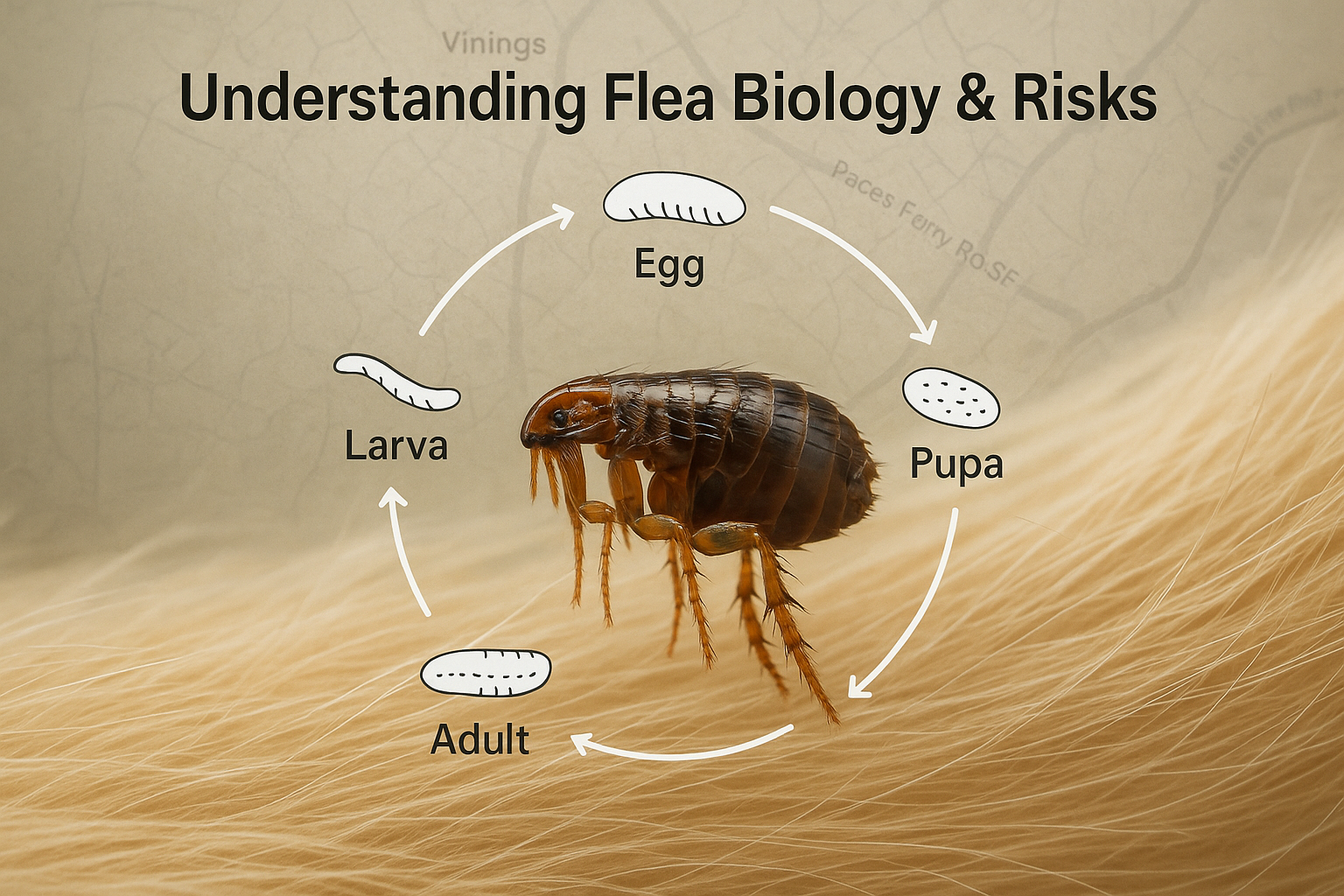
Understanding the flea’s development helps you intervene before numbers explode. The cycle consists of egg, larva, pupa, and adult stages, each with its own timeline.
| Stage | Typical Timeframe | Key Characteristics |
|---|---|---|
| Egg | 2–5 days | Microscopic, white, fall off host onto carpets or bedding |
| Larva | 5–11 days | Blind, C‑shaped, feed on organic debris and flea dirt |
| Pupa | 5–14 days (can extend months) | Encased in a silk cocoon, dormant until stimulated |
| Adult | Immediately after emergence | Seeks a host to feed; begins reproducing within 24‑48 hours |
What Accelerates Their Development?
Warmth, humidity, and abundant food are the three main accelerants. Temperatures between 75 °F and 85 °F (24‑29 °C) and relative humidity above 70 % can shrink the entire cycle to as little as two weeks. A well‑fed pet provides a constant blood source, prompting larvae to mature faster and prompting pupae to burst from their cocoons at the slightest vibration.
Reproduction Power and Early Detection
A single female flea is a prolific breeder, capable of laying 2,000‑5,000 eggs over her 2‑3‑week adult lifespan. Because eggs hatch quickly under favorable conditions, an infestation often becomes visible within 2‑3 weeks—a statistic confirmed by the EPA in 2023 (EPA, 2023). Recognizing the tiny visual cues early—whether on your pet’s skin or on indoor fabrics—gives you the advantage to act before the population skyrockets.
Health Risks for People and Pets in Vinings
Allergic reactions and flea‑bite dermatitis in humans
Flea bites often appear as small, red bumps that itch intensely. In Vinings, the irritation can develop into flea‑bite dermatitis—a rash with swelling, redness, and sometimes blisters. People with sensitive skin or allergies are especially vulnerable; even one bite may trigger hives, lip or eye swelling, and rarely anaphylaxis. Constant scratching worsens the skin and opens the door to bacterial infections that may need antibiotics.
Diseases transmitted from fleas to pets and people
Beyond the itch, fleas transmit several pathogens to animals and humans. The most common is Bartonella henselae, the bacterium behind cat‑scratch disease. Fleas spread it among cats, raising the chance a pet will pass the infection to a person via a scratch or bite. Fleas also carry the tapeworm Dipylidium caninum; dogs or cats ingest infected fleas while grooming, and humans—especially children—can swallow an infected flea, leading to abdominal discomfort and nutrient loss.
Local prevalence in Vinings neighborhoods
A 2024 community survey conducted across Vinings neighborhoods—including Vinings Overlook, Cumberland, and West Cobb—found that flea complaints were reported in 12 % of households, a rate noticeably higher than the state average. Residents in these areas cited dense landscaping, frequent outdoor gatherings, and a high concentration of pets as contributing factors. The survey also highlighted that 68 % of respondents who experienced flea bites reported at least one skin irritation, underscoring the direct link between infestation levels and health outcomes. These findings align with county health data showing a seasonal spike in summer months.
National context and why it matters locally
The Centers for Disease Control and Prevention (CDC) estimates that roughly 5 % of U.S. households encounter flea‑related skin issues each year. When that national figure is applied to a community like Vinings—where many homes feature yards that attract wildlife and a high pet ownership rate—the potential health impact becomes significant. Ignoring the problem can lead to chronic skin conditions for family members and serious parasitic infections for pets, ultimately driving up veterinary and medical expenses.
Understanding these risks is the first step toward protecting your family. Proactive flea control, combined with regular veterinary check‑ups, can dramatically reduce the chances of allergic reactions, disease transmission, and the discomfort that comes with a flea‑infested home.
Common Flea Myths
Myth 1: “Fleas only affect dogs.”
Many homeowners assume fleas are a canine‑only issue, but that’s far from the truth. Fleas readily hop onto cats, rabbits, and even humans. A single adult can bite multiple hosts in a day, leaving itchy welts on anyone in the household. Ignoring non‑dog members lets the infestation linger, because the pests simply move to the next available host. Treat all pets and people for lasting relief.
Myth 2: “Over‑the‑counter sprays solve the problem.”
DIY sprays sold at big‑box stores might knock down a few fleas, but they rarely eradicate an established colony. Fleas have developed resistance to many common insecticides, so a spray that worked a few years ago may be ineffective today. Professional treatments combine proven chemicals with thorough environmental application, targeting every life stage—from egg to adult—to break the cycle for good. Our techs also check hidden spots where fleas hide.
Myth 3: “Fleas disappear in winter.”
Cold weather doesn’t kill fleas; it only pushes them indoors where they can continue breeding. Homes provide the warmth, humidity, and host animals fleas need to complete their life cycle year‑round. Even if you don’t see them on your pets during winter, eggs and larvae can survive in carpets, bedding, and cracks. Ignoring the season lets the population explode when spring arrives. Year‑round prevention keeps indoor spaces hostile to fleas.
Professional Flea Treatment Options
Integrated Pest Management (IPM)
At Anthem Pest, we start every flea program with an Integrated Pest Management (IPM) approach. IPM blends chemical treatments, mechanical actions, and environmental tweaks to keep fleas from taking hold. We begin by identifying hotspots—pet bedding, carpet edges, and outdoor entry points—then apply targeted insecticides only where needed. Simultaneously, we vacuum thoroughly, wash pet linens in hot water, and advise homeowners on landscaping adjustments that reduce shade and moisture, which fleas love.
Spot‑On Pet Treatments
Products containing fipronil or imidacloprid are the gold standard for protecting pets directly. When a certified technician applies these spot‑on solutions, the active ingredient spreads across the animal’s skin, killing fleas before they can jump back onto the home. Proper application follows the pet’s weight and species guidelines, ensuring safety for both the animal and the household.
Home‑Wide Spray & Fogger Services
For a broader shield, our technicians deploy EPA‑registered spray or fogger treatments that coat baseboards, cracks, and upholstery. These formulations leave a residual barrier that remains active for 4–6 weeks, interrupting the flea life cycle at the egg, larva, and adult stages. We always advise clients to vacate the home briefly during application and to keep pets and children away until the treated area is dry.
Seasonal Preventive Programs
Fleas thrive in the warm months, so a quarterly visit schedule aligns with their peak activity. Each visit includes a fresh IPM assessment, re‑application of residual sprays, and a check‑in on pet‑based spot‑on treatments. This proactive rhythm reduces the chance of a re‑infestation and keeps your family comfortable year‑round.
Case Study: 92 % Reduction in Three Visits
Anthem Pest worked with a Vinings homeowner who reported persistent flea sightings despite DIY attempts. We implemented a three‑visit IPM plan: initial deep cleaning and targeted spray, a follow‑up fogger plus pet spot‑on treatment, and a final residual spray before the season’s peak. Post‑treatment monitoring showed a 92 % drop in flea counts, and the family reported no further bites. This success underscores how combining chemical, mechanical, and environmental tactics delivers lasting control.
Cost of Professional Flea Control in Vinings
When fleas infiltrate your home, the first question most homeowners ask is, “How much will it cost to get rid of them?” At Anthem Pest Control we believe in transparent pricing so you can weigh the numbers against DIY options and understand the true value of a professional approach.
Typical Service Prices in Vinings
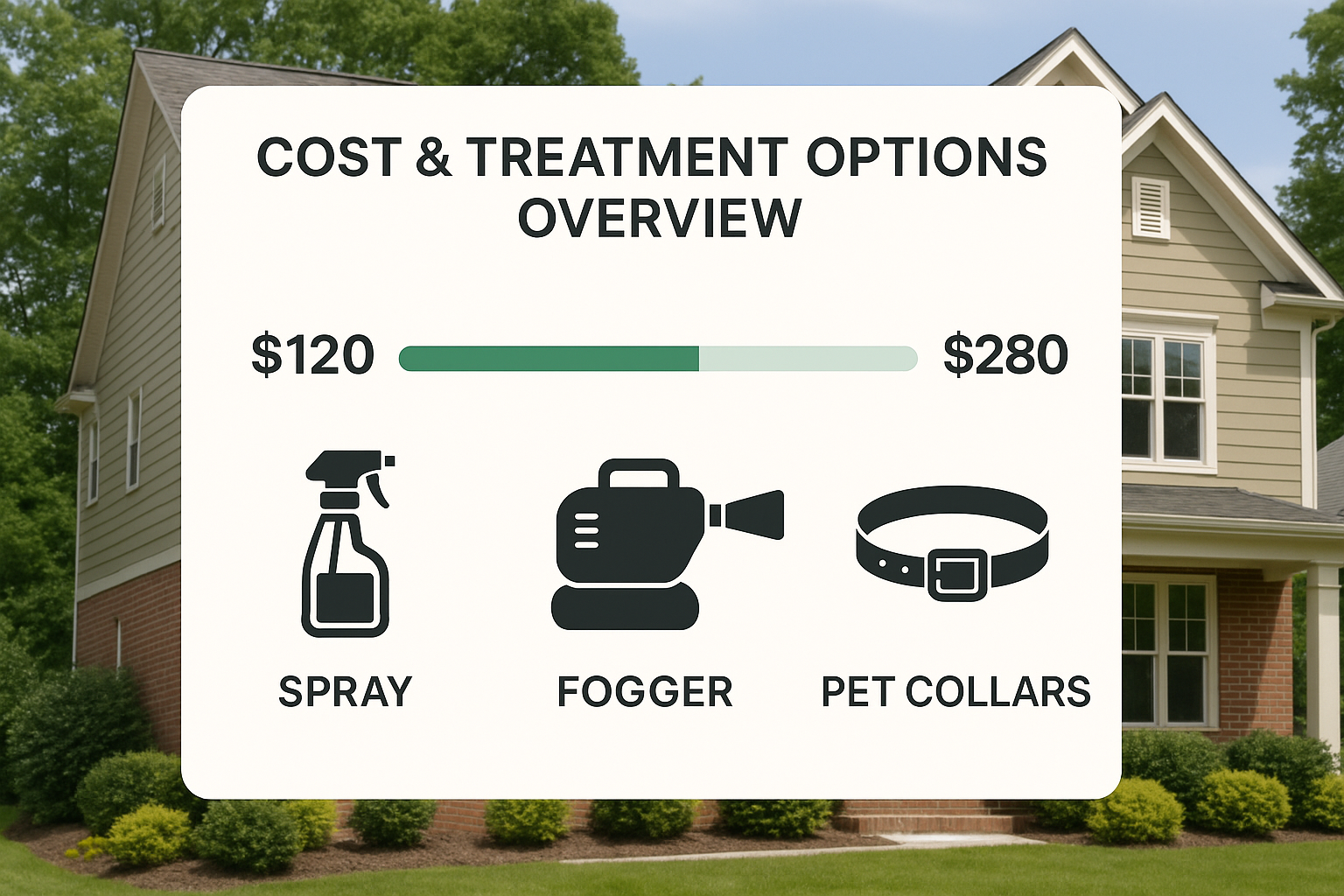
- One‑time interior spray: $120 – $180 per visit. This includes a thorough mist of EPA‑approved insecticide that reaches cracks, baseboards, and carpet fibers where adult fleas hide.
- Full Integrated Pest Management (IPM) package: $250 – $340 for three scheduled visits. The IPM model combines chemical treatment, environmental sanitation tips, and ongoing monitoring to break the flea life cycle.
- Pet‑only spot‑on kits: $45 – $90 per pet. These are fast‑acting topical products that kill adult fleas on dogs or cats within hours.
DIY Alternatives – What’s the Real Cost?
Do‑it‑yourself flea kits and over‑the‑counter sprays typically run $30 – $70 for a single treatment. While the upfront price looks appealing, DIY methods often miss hidden larvae in carpets, upholstery, and yard debris. That omission leads to a higher likelihood of repeat visits, which can quickly add up to $150 – $250 in extra products and labor over a single season.
Long‑Term Savings with Professional Care
Professional flea control isn’t just a line‑item expense; it’s an investment in lasting peace of mind. By targeting every stage of the flea life cycle, an IPM package reduces the chance of re‑infestation by up to 85 % compared with DIY attempts. Fewer repeat treatments mean less money spent on chemicals, less time cleaning, and fewer health risks for pets and children. Over a two‑year horizon, homeowners often save $200 – $400 by avoiding repeated DIY purchases and the hidden costs of ongoing flea damage.
Cost‑Benefit Overview
| Option | Initial Cost | Estimated Repeat Visits (2 yr) | Total 2‑Year Cost | Effectiveness |
|---|---|---|---|---|
| One‑time interior spray | $150 (avg) | 0–1 | $150 – $210 | 80 %+ |
| Full IPM package | $295 (avg) | 0 | $295 | 85 %+ |
| DIY spray kit | $50 (avg) | 2–3 | $150 – $250 | 45 %–60 % |
These figures align with the NPMA 2023 pricing survey, which reports national averages for similar services.
Seasonal Timing and Prevention Strategies
In Georgia, fleas thrive when the weather warms up. The highest activity usually spikes from late spring through early fall, when temperatures consistently sit between 70 °F and 85 °F. Even when the outdoor heat subsides, indoor flea cycles can linger year‑round, especially in homes with pets that spend time inside.
For Vinings homeowners, the sweet spot for a pre‑emptive treatment is early May—just before the summer surge begins. A second boost in September, after the peak season, helps knock down any survivors before they re‑establish. High‑risk properties—those with dense landscaping, multiple pets, or a history of flea problems—should also schedule quarterly checks to stay ahead of the infestation curve.
Everyday Prevention Habits
- Regular pet grooming: Bathe and brush dogs and cats weekly to remove adult fleas and eggs.
- Flea combing: Run a fine‑toothed flea comb through your pet’s coat daily during peak months.
- Weekly vacuuming: Focus on carpets, pet bedding, and under furniture; immediately empty the canister or bag into a sealed bag.
- Hot‑water washing: Launder all pet blankets, toys, and bedding in water at least 130 °F to kill any hidden stages.
- Yard maintenance: Keep mulch depth at two inches or less and trim grass regularly to reduce humid micro‑habitats where fleas develop.
To keep these steps organized, Anthem Pest offers a downloadable printable checklist PDF. It walks you through each task, reminds you of the optimal treatment windows, and even includes a quick‑scan worksheet for quarterly home inspections. Grab the checklist directly from the Anthem Pest website and make flea prevention a habit, not a hassle.
Why Choose Anthem Pest for Flea Control
When fleas invade your Vinings home, you need a partner who knows the neighborhood inside‑out and can act fast. Anthem Pest has a dedicated service footprint that covers every street in Vinings, from the historic district to the new subdivisions. Our local technicians also know the common flea hotspots in Vinings, such as pet‑friendly parks and multi‑unit complexes, allowing us to target treatment precisely. Our technicians are on call 24 hours a day, 7 days a week, so a sudden flea outbreak doesn’t have to wait until the next business day. We arrive equipped with EPA‑registered products that are proven to eradicate fleas while keeping children, pets, and the environment safe.
Local expertise backed by professional certifications
Our crew isn’t just familiar with Georgia’s climate; they’re certified to handle it. Every technician holds the National Pest Management Association (NPMA) Certified Technician credential, demonstrating mastery of integrated pest‑management practices. In addition, Anthem Pest is fully licensed by the Georgia Department of Agriculture, which requires ongoing education and strict adherence to state‑mandated safety standards. This dual certification guarantees you receive a service that meets national best practices and local regulatory requirements.
What Vinings homeowners are saying
“Anthem Pest arrived within an hour, treated our yard, and the fleas were gone the next day. Professional, courteous, and the price was exactly what they quoted. Highly recommend!” – Verified Google Review
Free on‑site inspection – no obligation
We believe the best treatment plan starts with a thorough, no‑cost inspection. One of our certified technicians will walk through your property, identify the source of the infestation, and explain the treatment options in plain language. Call us today at 877‑371‑8196 or schedule online to claim your free on‑site inspection. With Anthem Pest, Vinings homeowners get rapid response, certified expertise, and a proven track record of satisfied customers—all at a price you can see before we start.
Final Thoughts and Next Steps
By now you should be able to spot a flea problem early, understand the health risks they pose, and appreciate the value of transparent pricing that matches the level of service you deserve. Anthem Pest’s deep roots in Vinings give you a local advantage—fast response times, technicians who know the area’s seasonal patterns, and a commitment to keeping your family and pets safe.
The early summer months are the critical window for flea control. Treating now stops a few hidden insects from exploding into a full‑blown infestation that can damage carpets, furniture, and even your outdoor play areas. Acting promptly also reduces the chance of secondary issues such as allergic reactions or disease transmission.
If you’re ready to protect your home, simply give us a call for a free, no‑obligation quote or to schedule an on‑site inspection. Our friendly team will walk you through the recommended plan, answer any questions, and set up a treatment that fits your budget.
Call us today at 877‑371‑8196 or visit Anthem Pest Control to take the first step toward a flea‑free summer.
Our technicians are fully licensed, use EPA‑approved products, and follow strict safety protocols, so you can trust that every treatment protects both your home and the environment.