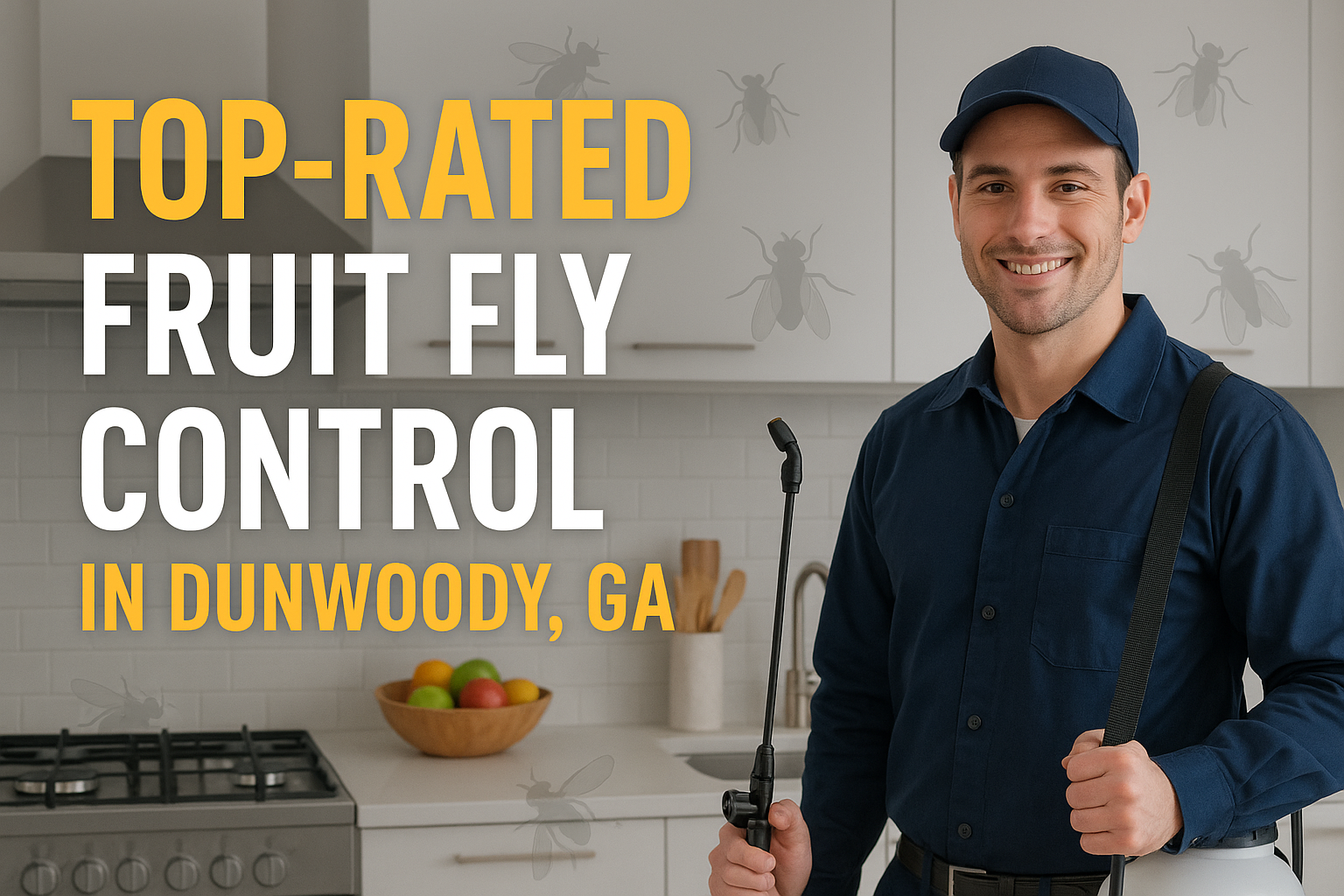
Fruit Fly Overview for Dunwoody Homeowners
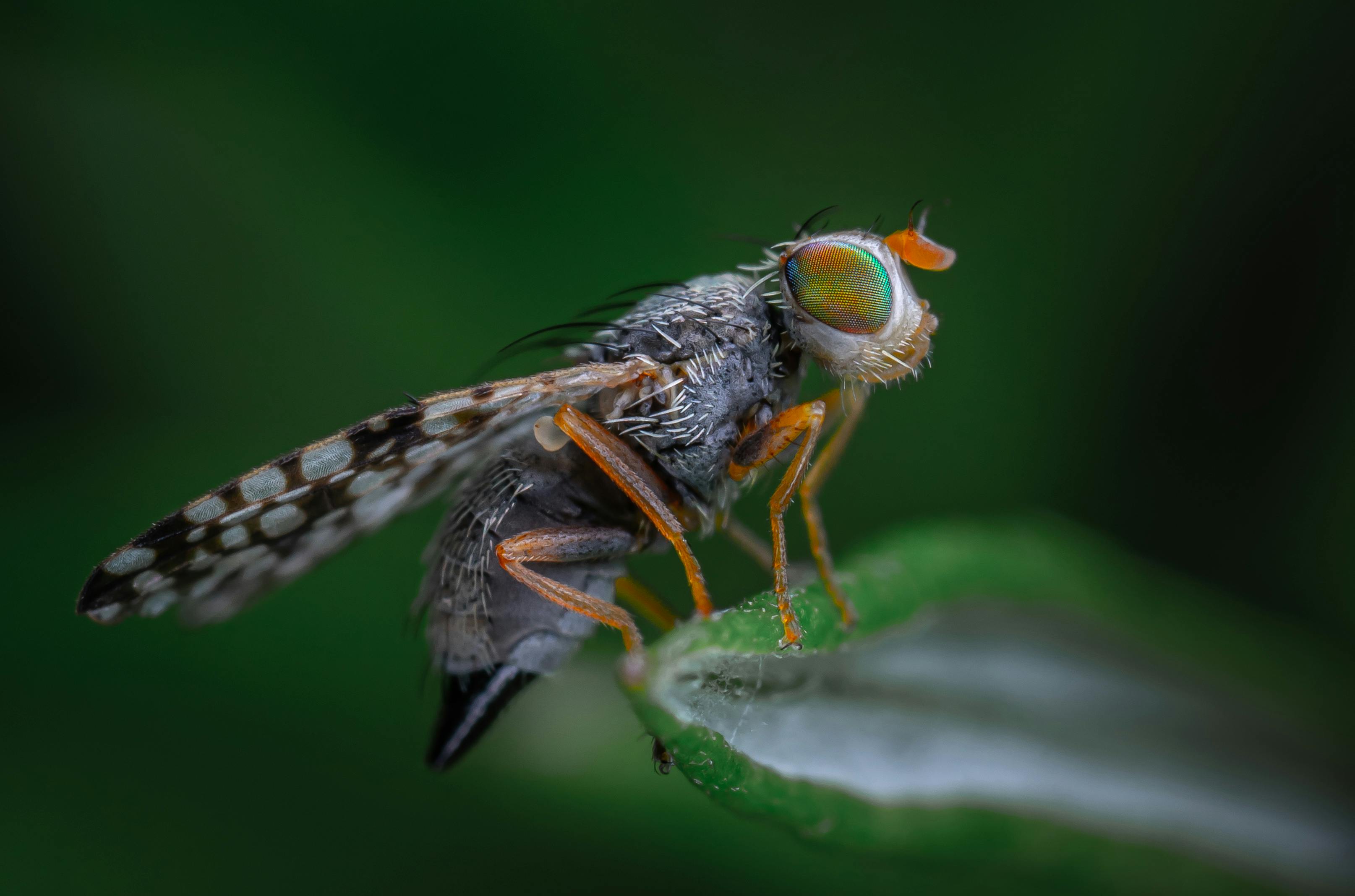
Fruit flies, scientifically known as Drosophila spp., are tiny insects—usually no larger than a grain of rice—that love the warm, moist corners of a kitchen. In Dunwoody, Georgia, where humid summers and abundant fruit trees create the perfect breeding ground, these pests often appear near ripe fruit, fermenting vegetables, and even the damp sponges we use for cleaning.
Beyond being a visual annoyance, fruit flies can compromise food safety. Their larvae develop inside overripe or rotting produce, and adult flies can transfer bacteria from garbage cans or drains onto countertops, utensils, and prepared meals. While they rarely cause serious illness, the contamination can lead to off‑flavors, spoilage, and a general loss of confidence in the cleanliness of your home. For a homeowner who enjoys cooking or entertaining, a swarm of fruit flies can turn a simple dinner into a stressful cleanup.
In this guide you’ll discover everything you need to manage the problem effectively:
- Cost breakdown: realistic pricing for professional treatments and DIY solutions in the Dunwoody area.
- Treatment methods: the pros and cons of traps, baits, and targeted insecticide applications.
- Prevention tips: daily habits and seasonal strategies that keep fruit flies from returning.
- Local insights: how Dunwoody’s climate, housing styles, and community resources influence fruit fly activity.
Our recommendations are rooted in data collected from hundreds of Dunwoody homes, combined with the latest research on Drosophila behavior. By the end of the article, you’ll have a clear, step‑by‑step plan that balances safety, effectiveness, and affordability—exactly the kind of transparent guidance Anthem Pest Control prides itself on delivering.
Understanding why fruit flies show up and what they can do to your kitchen is the first step toward regaining peace of mind. Let’s dive into the specifics so you can protect your food, protect your family, and keep your home free of these persistent kitchen intruders.
Biology and Hotspots of Fruit Flies in Dunwoody
Fruit flies you’ll meet around the kitchen are most often the common vinegar fly, Drosophila melanogaster. Their biology is deceptively simple: a female drops a tiny white egg on the surface of fermenting fruit or any sugary residue, and within 24 hours a tiny, legless larva emerges. The larva feeds, molts a few times, then seeks a dry spot to spin a puparium, where it transforms into a pupa. In just 7‑10 days the adult emerges, ready to mate and repeat the cycle.
Because each female can lay up to 400 eggs in her short two‑week lifespan, a single missed egg can seed an entire infestation. The eggs are invisible to the naked eye, but the larvae leave a tell‑tale slime trail as they crawl through overripe fruit, compost, or even the film that builds up in a garbage disposal. Once the pupa stage is reached, the fly is protected from most household sprays, which is why timing treatments to hit the vulnerable larval stage is crucial.
Dunwoody’s July‑August climate provides the perfect accelerator. Average highs hover around 89 °F (32 °C) with humidity often exceeding 70 %. Warm temperatures shrink the egg‑to‑adult timeline to as little as five days, and the moisture keeps the fermenting substrates—think ripe peaches on a porch or a damp compost bin—alive longer. In practice this means that a batch of fruit left out for a weekend can produce a new generation before you even notice the first adult buzzing around the sink.
The data backs it up: USDA reports indicate that fruit‑fly complaints in Fulton County spike 35 % during the July‑August window, a clear signal that the region’s humidity and fruit‑heavy gardens are feeding the problem.
Common Hotspots Inside Your Home
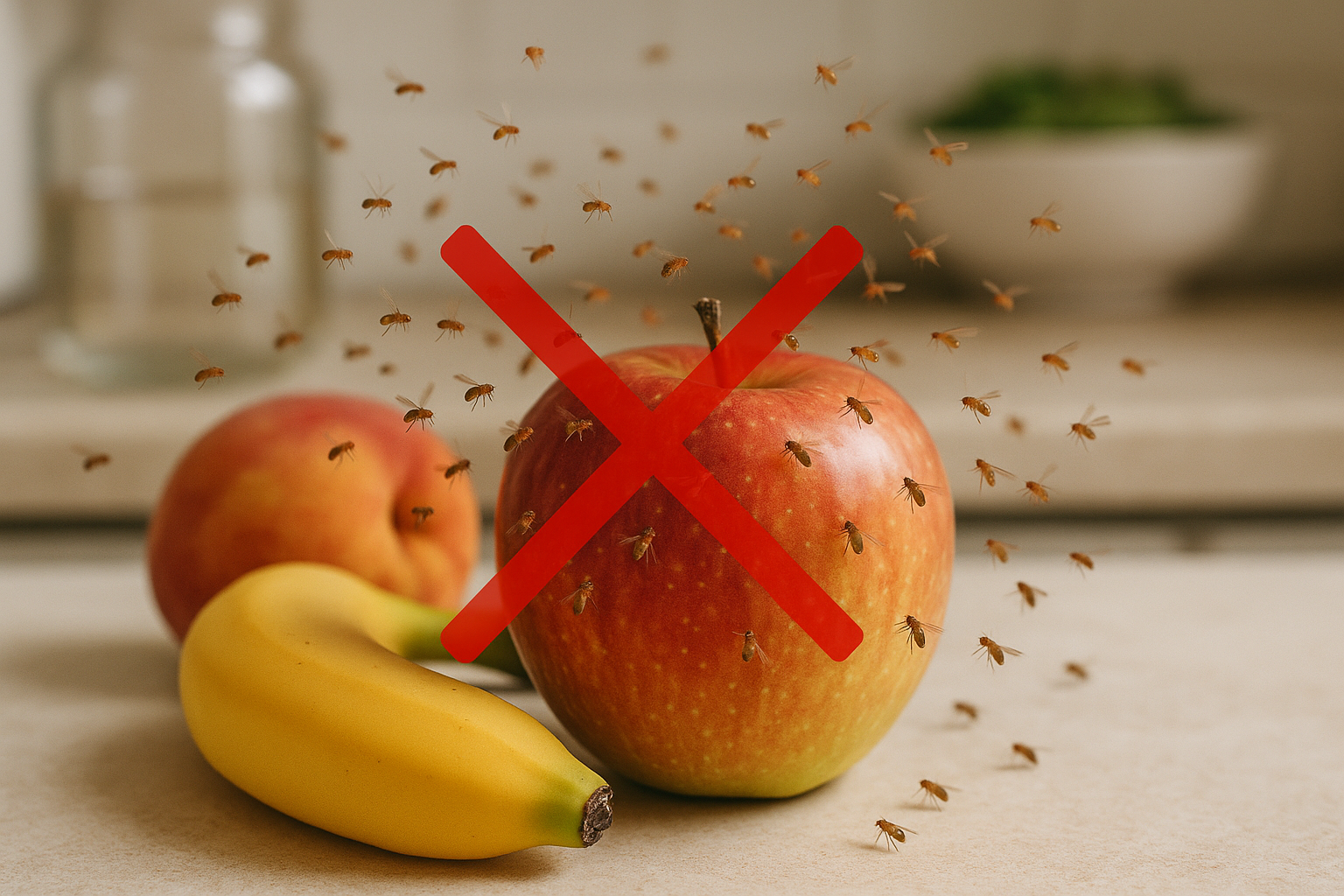
Knowing where fruit flies love to congregate lets you target the source before the numbers explode. In Dunwoody homes the most frequent breeding sites are:
- Kitchen countertops, especially near fruit bowls
- Fruit bowls left out for more than a day
- Compost bins, both indoor and outdoor, that stay moist
- Indoor potted plants with damp soil
- Drains and sink traps where food particles accumulate
- Garbage disposals with lingering food residue
Inspect each of these areas weekly, clean any residue, and consider a preventive spray to break the life cycle before it gains momentum.
Outdoor Hotspots to Watch
Outside the home, fruit flies also thrive in a handful of predictable spots. Overripe fruit left on porches, uncovered trash cans, and mulch beds that stay damp after a summer rain are all magnets. By trimming back vegetation that shades compost piles and by emptying outdoor garbage bins at least twice daily, you cut down the humidity pockets that the flies rely on for egg‑laying.
Benefits of Professional Fruit Fly Control
Higher Success Rates Than DIY
When you set out a homemade trap, you’re hoping the flies will wander in and stay there. In practice, the average DIY approach nets about a 45 % success rate, according to the 2023 NPMA study. Licensed technicians, on the other hand, achieve roughly an 80 % success rate. The gap isn’t just numbers—it’s the difference between a lingering nuisance and a problem that’s truly resolved. Professionals combine proven chemical treatments with strategic placement, ensuring the flies are hit where they breed, not just where they happen to land.
Health Risks Hidden in the Kitchen
Fruit flies are more than an annoyance; they’re tiny transporters of disease. As they feast on rotting fruit, overripe vegetables, or even damp garbage, they pick up bacteria such as Escherichia coli. Those microbes can then be deposited on countertops, cutting boards, and food containers, creating a direct pathway for food‑borne illness. A single unchecked infestation can compromise the safety of every meal you prepare, especially in homes with children or immunocompromised residents.
EPA‑Approved Products Keep Your Family Safe
Professional pest control companies use chemicals that have passed rigorous EPA evaluation. When applied by a trained technician, these products exhibit low toxicity to humans and pets while remaining lethal to fruit flies. Because the application is precise—targeted to breeding sites and calibrated to the correct dosage—exposure risk is minimized. DIY sprays often lack this level of control, leading to over‑application, uneven coverage, and unnecessary contact with household members.
Why a Licensed Technician Makes a Difference
- Accurate Identification: A trained expert can distinguish fruit flies from other small insects, ensuring the right treatment plan.
- Targeted Application: Technicians know the hidden hotspots—drain lines, compost bins, and over‑ripe produce storage—where flies lay eggs, allowing them to treat the source, not just the symptoms.
- Follow‑Up Monitoring: After the initial visit, professionals schedule inspections to verify that the population stays below the threshold, adjusting tactics if needed.
- Regulatory Compliance: Licensed firms adhere to state and local pesticide regulations, guaranteeing that every step meets legal safety standards.
Choosing a professional service like Anthem Pest Control means you’re investing in a solution that protects both your home’s health and your peace of mind. With higher eradication rates, EPA‑approved chemistry, and the expertise of certified technicians, you eliminate fruit flies faster and keep them from returning.
Treatment Options and How They Work
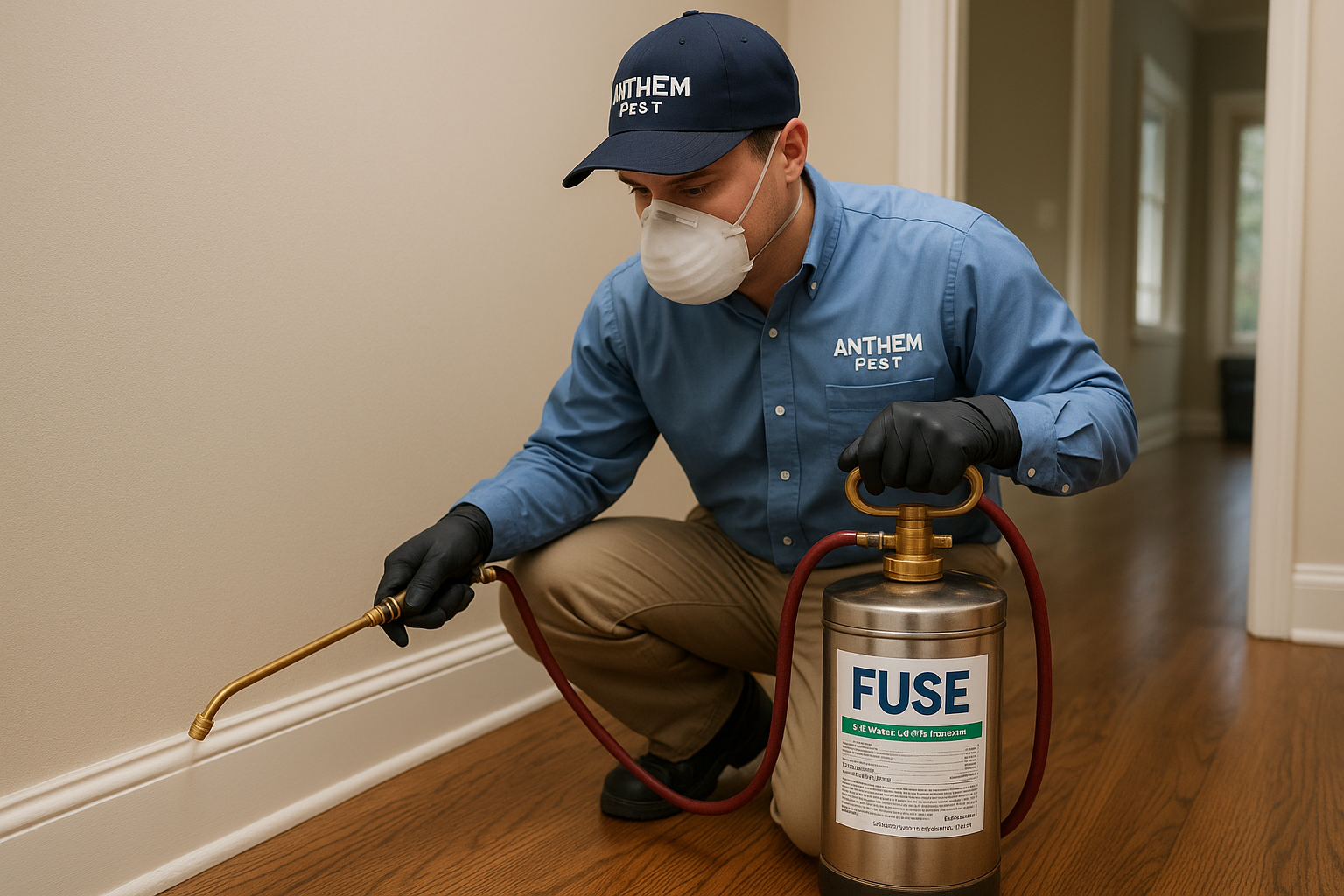
Chemical Treatments
Anthem Pest relies on EPA‑registered products that are proven against fruit flies while keeping your family and pets safe. The most common choice is a pyrethrin‑based aerosol spray, which knocks down adult flies on contact and breaks their breeding cycle within minutes. For deeper penetration, technicians may deploy a residual indoor fogger that settles on surfaces for up to 30 days, providing a protective layer that kills flies that land after the initial visit.
Because fruit flies reproduce quickly, a single application is rarely enough. Most homeowners see the best results after 1‑2 visits spaced a week apart, allowing the residual fogger to maintain its efficacy while the technician monitors any new activity.
Non‑Chemical Approaches
Sanitation is the cornerstone of any fruit‑fly program. Anthem Pest starts by coaching you to eliminate standing water, over‑ripe fruit, and food debris that serve as breeding hotspots. Drains are screened, compost bins are sealed, and garbage cans receive tight‑fitting lids to cut off access points.
In addition to cleaning, the company installs vinegar‑apple cider traps that attract flies with a sweet scent and capture them in a liquid barrier. These traps are low‑cost, chemical‑free, and give you a visual gauge of how many flies are still present.
Integrated Pest Management (IPM)
IPM blends the strengths of both chemical and non‑chemical tactics into a long‑term strategy. First, a technician conducts a thorough inspection to locate hidden breeding sites. Next, they implement sanitation recommendations and set up traps to reduce the population without chemicals.
When monitoring shows that flies persist, a targeted pyrethrin spray or fogger is applied only to the affected areas, minimizing overall pesticide use. This cycle of observation, cleanup, and precise treatment keeps fruit‑fly numbers low month after month while preserving a healthy indoor environment.
What a Typical Service Visit Looks Like
A homeowner can expect a clear, step‑by‑step process during each appointment. Anthem Pest’s technicians follow a consistent routine designed to maximize results and keep you informed.
- Inspection: The technician walks through kitchens, bathrooms, and waste areas, looking for adult flies, larvae, and potential breeding sites such
Pricing Guide for Dunwoody Residents
What You’ll Pay for a Fruit‑Fly Service
At Anthem Pest Control we keep our fees simple and upfront. Below is the typical price range you’ll see on a standard fruit‑fly job in Dunwoody:
- Initial inspection: $79 – $99 – a thorough walk‑through and identification of breeding sites.
- Standard fruit‑fly package: $149 – $199 per treatment – includes a targeted spray, bait stations, and a follow‑up visit if needed.
- Annual maintenance plan: $299 – $349 – four scheduled treatments, ongoing monitoring, and a discount on any extra visits.
The inspection fee isn’t just a charge—it’s the foundation of an effective plan. Our certified technicians map out breeding hotspots, note any structural gaps, and recommend preventive steps that can save you money down the line.
What Drives the Final Cost?
Those numbers are a baseline. Your exact quote can shift based on three key variables:
- Home square footage: Larger homes require more product and extra labor, nudging the price upward.
- Infestation severity: A light sighting may be handled in a single pass, while a heavy outbreak often calls for multiple treatments and additional bait placement. Our technicians use a calibrated severity scale from 1 (isolated sighting) to 5 (full‑blown infestation). The higher the score, the more intensive the treatment schedule, which is reflected in the final estimate.
- Seasonal demand spikes: Summer and early fall are peak fruit‑fly seasons in Georgia. Higher demand can add a modest surcharge, though we strive to keep rates competitive year‑round. During the July‑August window, fruit‑fly populations explode around ripening produce, so we often see a surge in service calls. Planning ahead with a quarterly or annual plan can lock in the lower off‑season rates.
Because we tailor each plan to your situation, the final amount will always be presented in a clear, itemized estimate before any work begins.
Sample Quote Comparison
To illustrate how the options stack up, see the table below. All figures are illustrative and reflect the ranges above.
Typical cost comparison for fruit‑fly services in Dunwoody Plan Type Number of Treatments Average Total Cost What’s Included One‑time 1 $179 Inspection, single treatment, post‑treatment report Quarterly 4 $649 Inspection, four scheduled treatments, bait stations, priority support Annual Maintenance 4 (plus monitoring) $324 All quarterly benefits, plus year‑round monitoring and a 10 % discount on extra visits Why These Prices Align with EPA Guidelines
The Environmental Protection Agency’s 2023 residential pest‑service pricing guidelines set a national benchmark for fair, transparent rates. Anthem Pest’s pricing falls well within the EPA‑recommended range for comparable services, ensuring you receive both value and compliance with industry best practices. The EPA also advises homeowners to request a written breakdown of all fees, a practice we follow for every job.
When you call us at 877‑371‑8196 or visit anthempest.com, we’ll walk you through a personalized quote that reflects your home’s unique needs while staying within the transparent price bands outlined here.
Seasonal Timing and Prevention Checklist
In Dunwoody, fruit flies make their grand entrance as temperatures rise, typically from late spring through early fall. During this window, the combination of warm weather and the abundance of ripe fruit creates a perfect breeding ground. The first few weeks of May often see the first noticeable activity, and the population peaks in August when humidity is highest. Knowing this calendar helps you stay one step ahead of the infestation.
Why Early Intervention Saves Money
Addressing fruit flies before they establish a full‑blown colony can dramatically cut treatment costs. A single early visit from Anthem Pest Control usually requires less chemical exposure and fewer follow‑up appointments. The sooner you disrupt the life cycle—by eliminating breeding sites and reducing adult numbers—the less likely you are to face repeated service calls, which quickly add up. Early action also protects your kitchen and pantry from contamination, preserving food quality and preventing waste.
Printable Prevention Checklist
Use the checklist below to turn prevention into a habit. It’s organized by frequency so you can easily add it to your daily routine, weekly chores, or monthly home‑maintenance schedule. Print it, tape it to your fridge, and check items off as you go.
- Daily Tasks
- Store all fresh produce in the refrigerator or in sealed containers.
- Wipe down kitchen counters and sink areas to remove fruit residues.
- Empty and rinse any fruit bowls or decorative displays before bedtime.
- Weekly Tasks
- Clean drains and garbage disposals with a mixture of boiling water and vinegar.
- Inspect and seal compost bins; keep them outdoors and covered.
- Vacuum pantry shelves and discard any over‑ripe or moldy items.
- Monthly Tasks
- Check indoor humidity levels; run a dehumidifier or improve ventilation to stay below 50 %.
- Inspect window screens and door seals for gaps that let flies enter.
- Schedule a professional inspection with Anthem Pest Control to catch early signs.
Consistency is the key to keeping fruit flies at bay. By following this simple, printable routine you reduce the need for costly chemical treatments and protect your home’s food supply. Keep the list visible, involve the whole household, and you’ll notice fewer flies buzzing around your kitchen as the season progresses.
Local Success Stories
Case Study 1: Brookhaven family saved $150 by early IPM intervention
When the Martinez family first noticed a few fruit flies buzzing around their kitchen countertops, they called Anthem Pest Control before the problem spiraled. Our certified technician performed a quick Integrated Pest Management (IPM) inspection, identified a single over‑ripe fruit bowl and a cracked window screen as the primary entry points, and recommended an immediate, low‑impact treatment.
Within 48 hours the family saw the fly count drop from an estimated 120 insects to fewer than five. Because the infestation was caught early, the homeowner avoided a full‑scale chemical fogging that would have cost roughly $250. Instead, Anthem provided a targeted bait‑and‑trap solution and a simple home‑maintenance checklist.
- Initial inspection fee: $75
- Targeted IPM treatment: $125
- Potential full‑scale service (avoided): $250
- Total saved: $150
Beyond the dollars, the Martinez family reported peace of mind knowing the flies were gone without harsh chemicals lingering in their home.
Case Study 2: Peachtree Corners condo complex reduced fruit‑fly sightings by 90 % after a quarterly service plan
The Riverstone Condominiums, a 120‑unit complex in Peachtree Corners, struggled with recurring fruit‑fly complaints that strained resident satisfaction scores. Anthem introduced a quarterly service plan that combined routine inspections, exterior perimeter treatments, and resident education on proper waste disposal.
After the first three months, management logged a dramatic decline: fruit‑fly sightings dropped from an average of 45 per week to just four. Resident complaints fell from 22 in the previous quarter to only two, representing a 90 % reduction.
- Quarterly service cost per unit: $30
- Total annual investment for the complex: $4,320
- Estimated loss from resident turnover (avoided): $7,500
- ROI within the first year: >70 %
The complex’s property manager praised the program, noting that the consistent, proactive approach eliminated the “react‑and‑pray” cycle that had previously drained the budget.
“I was skeptical about spending on a quarterly plan, but after seeing the flies disappear and the monthly pest‑free guarantee, I feel I got more than my money’s worth. Anthem gave us back our kitchen’s comfort.” – Linda G., Brookhaven homeowner
“Our residents finally stopped posting about fruit flies on the community board. The professional, discreet service from Anthem has become a selling point for new renters.” – Mark T., Riverstone Condominiums property manager
Why Choose Anthem Pest for Fruit Fly Control
When fruit flies invade your kitchen in Dunwoody, you need a partner who understands the neighborhood’s unique climate, housing styles, and seasonal patterns. Anthem Pest’s technicians are trained right here in the Atlanta‑Dunwoody area, so they recognize the common breeding hotspots—from overripe produce in suburban homes to humid basements in older apartments. This local focus means they can pinpoint the source faster and apply a treatment plan that works for your specific environment.
Certified expertise you can trust
Our team isn’t just experienced; they’re fully certified. Every technician holds a Certified Pest Control Operator (CPCO) credential and is an EPA‑registered applicator. These qualifications require rigorous training, continuing education, and a proven track record of safe pesticide use. In practice, that translates to precise applications, minimal disruption to your family, and compliance with Georgia’s strict environmental regulations.
Round‑the‑clock support and a free inspection
Fruit flies don’t wait for business hours, and neither do we. Our 24/7 support line—877‑371‑8196—connects you instantly to a knowledgeable representative who can schedule service, answer questions, or dispatch an emergency visit if the infestation spikes. As part of our commitment to transparency, we also offer a complimentary on‑site inspection. During this visit, we’ll identify the exact attractants, discuss preventive steps, and provide a written estimate before any work begins.
Our satisfaction guarantee
We stand behind every treatment with a 100 % satisfaction guarantee. If fruit flies return within the first 30 days after our service, we’ll re‑treat the property at no extra charge. The guarantee is simple: you call, we return, and we resolve the problem—no hassle, no hidden fees. This promise reflects our confidence in the efficacy of our integrated pest‑management approach.
Easy scheduling, no guesswork
Booking an appointment is a matter of minutes. You can call our hotline, use the online calendar on our website, or simply click the link below to choose a time that fits your busy schedule. All appointments are confirmed instantly, and our technicians arrive on time, fully equipped, and ready to get to work.
Schedule your free fruit‑fly inspection today and discover why Dunwoody homeowners trust Anthem Pest for fast, reliable, and guaranteed results.
Frequently Asked Questions
How long does a fruit‑fly treatment last?
Most professional fruit‑fly programs remain effective for 4–6 weeks, assuming you maintain a clean environment. The residual action of EPA‑approved insecticides protects against new adults that emerge from any remaining eggs or larvae. Once the chemical barrier begins to break down, or if food residues accumulate, the flies can return, so regular sanitation is key to extending the treatment’s life.
Are the chemicals safe for pets and children?
Yes—when applied by licensed technicians, the products we use are low‑toxicity and meet strict EPA standards. They are formulated to target insects while posing minimal risk to mammals. However, we always advise keeping pets and children away from treated areas for the short period indicated on the label, typically 30 minutes to an hour, to avoid any accidental contact. Source: CDC indoor pest safety guidance [CDC 2023]
Can fruit flies re‑infest after treatment?
Unfortunately, they can. Fruit flies are opportunistic breeders; if you don’t eliminate the underlying food sources—rotting fruit, damp garbage, or standing water—they’ll find new sites to lay eggs. Even after a successful spray, a single overlooked breeding spot can restart an infestation within days. Ongoing prevention, such as promptly discarding overripe produce and wiping down countertops, is essential to keep the flies away.
Do I need multiple visits?
Most homeowners see lasting results after a single, thorough application, especially when they follow our post‑treatment recommendations. In cases where a severe infestation is discovered, or when a property has multiple problem areas, we may schedule a follow‑up visit to ensure complete eradication. The decision is always based on the initial inspection findings and your willingness to maintain a clean environment.
What if I live in a multi‑unit building?
Fruit flies can travel easily between apartments through shared vents, stairwells, or trash chutes. Treating just one unit often isn’t enough; a coordinated approach with the property manager or homeowners’ association is ideal. We can provide a building‑wide treatment plan that addresses common breeding zones and educates all residents on proper food storage and waste disposal, dramatically reducing the chance of re‑infestation.
Take Action with Anthem Pest Today
When fruit flies invade your kitchen, the problem can feel small but the impact is anything but. A swift, professional response not only protects your food safety by eliminating breeding sites, it also removes the daily stress of seeing tiny insects buzzing around countertops. More importantly, early intervention prevents a minor nuisance from turning into a costly infestation that could damage pantry goods and require extensive treatment later on. In short, acting quickly saves you money, time, and peace of mind.
Why Anthem Pest is the Smart, Cost‑Effective Choice
- Transparent pricing – No hidden fees. You receive a clear, itemized quote before any work begins, so you know exactly what you’re paying for.
- Local expertise – Our technicians understand the unique climate and seasonal patterns of Dunwoody, GA, allowing them to target fruit‑fly hotspots more efficiently than a generic, out‑of‑area service.
- EPA‑approved methods – We use products that meet strict environmental standards, ensuring effective control while keeping your family and pets safe.
- Integrated prevention – Beyond elimination, we’ll advise on sanitation practices and structural fixes that keep fruit flies from returning, extending the value of each treatment.
All of these factors combine to make Anthem Pest not just a pest‑control provider, but a partner in protecting your home’s health and your budget. Our focus on affordable, reliable solutions means you get professional results without the premium price tag often associated with “elite” services.
Ready for a Free, No‑Obligation Inspection?
We understand that inviting a technician into your home is a decision you don’t take lightly. That’s why we offer a complimentary inspection—no strings attached—to assess the extent of the fruit‑fly activity and provide a personalized quote tailored to your situation.
Call us today at 877‑371‑8196 to schedule your free inspection. Our friendly team will answer any questions you have and walk you through the next steps.
Prefer to reach out online? Visit Anthem Pest Control and fill out the quick contact form. Let us take the hassle out of fruit‑fly control so you can enjoy a clean, stress‑free kitchen once again.