What Are Fruit Flies and Why They Matter
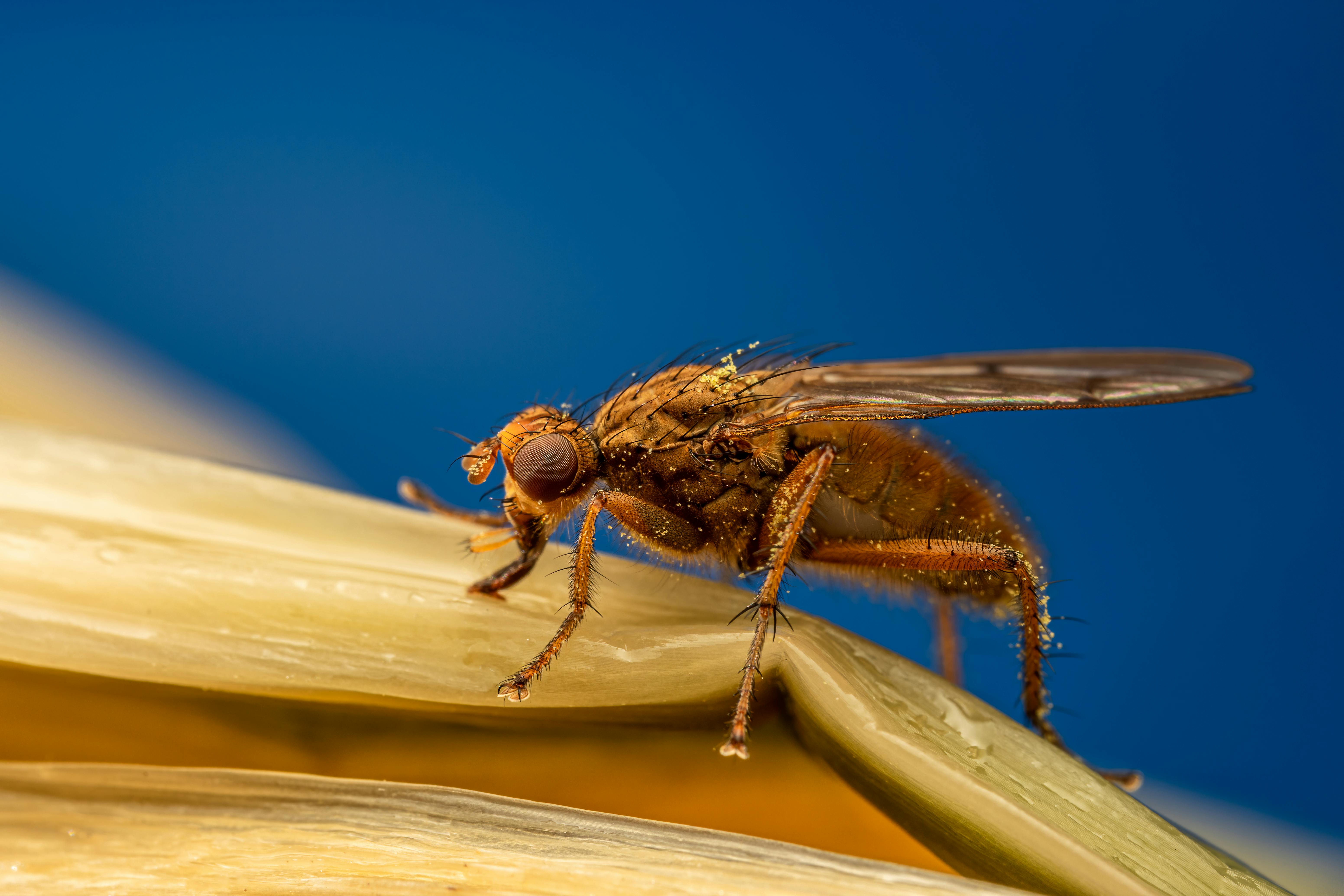
Fruit flies may look harmless, but in a Druid Hills home they can quickly become a nuisance—and a health concern, making effective fruit fly control Druid Hills homeowners rely on essential. The most common culprit in Georgia is Drosophila melanogaster, a tiny, tan-gray fly that thrives wherever fermenting organic material exists.
Life Cycle: Speedy Reproduction
Fruit flies complete their life cycle in as little as seven to ten days. The stages are:
- Egg: A female can lay up to 500 eggs on the surface of rotting fruit or sugary residue.
- Larva: Within 24 hours the eggs hatch, and the maggots feed voraciously on the fermenting material.
- Pupa: After 4‑5 days the larvae spin a puparium and transform into adults.
- Adult: Newly emerged flies are ready to mate within 12 hours, starting the cycle anew.
This rapid turnover means a few unnoticed flies can explode into a full‑blown infestation in less than two weeks.
Typical Habitats in Your Home
Fruit flies are opportunists. In Druid Hills households they’re most often found near:
- Overripe or bruised fruit left on countertops or in fruit bowls.
- Fermenting waste such as spilled soda, wine, or beer.
- Indoor drains, especially kitchen sink or garbage disposal traps where organic matter accumulates.
- Compost bins and outdoor garbage cans that aren’t sealed tightly.
Because they can enter through the tiniest cracks, even well‑sealed homes aren’t immune if a food source is present.
Health Concerns You Shouldn’t Ignore
While fruit flies don’t bite, they can act as mechanical vectors for bacteria and fungi. As they move from decaying matter to your food preparation areas, they can transfer:
- Salmonella and E. coli from contaminated waste to fresh produce.
- Allergen‑triggering mold spores that exacerbate respiratory issues.
- Attraction of larger pests (like ants or cockroaches) that follow the same food sources.
For detailed health guidance, see the CDC’s food safety page and the EPA’s fruit fly control resources.
Did You Know?
Fruit flies share about 60% of their DNA with humans, which is why they’re a favorite model organism in scientific research. The same rapid life cycle that makes them a pest also makes them invaluable for studying genetics, aging, and disease.
Understanding what these tiny invaders are, how fast they multiply, and where they love to hide gives you the upper hand. In Druid Hills, early detection and prompt, professional treatment from Anthem Pest Control can stop a small problem from becoming a summer‑long headache.
Seasonal Peaks and Hotspots for Fruit Flies in Georgia
Georgia’s climate drives fruit‑fly activity
Georgia’s subtropical climate means warm temperatures and high humidity for most of the year, which is why proactive fruit fly control Druid Hills homeowners depend on is so important. Fruit flies thrive when daily highs stay above 68 °F (20 °C) and relative humidity hovers around 60–80%. These conditions accelerate the life cycle of common fruit-fly species, allowing eggs to hatch in as little as three days and producing a new generation every week during the summer months. In contrast, cooler winter evenings slow development, but indoor environments can still sustain populations if food sources remain available.
What the seasonal activity chart tells us

The line chart below (refer to the figure) highlights two clear patterns:
- Outdoor peaks: Mid‑June through early September, with the highest counts in July.
- Indoor peaks: A slightly later surge from late July into October, reflecting the time it takes flies to migrate inside as outdoor fruit ripens and decays.
These trends line up with Georgia’s growing season for peaches, grapes, and berries—fruits that provide the sugary bait fruit flies love.
Why summer and early fall are hot spots
During summer, fruit trees and garden crops produce abundant ripe fruit, while warm, moist air speeds up larval development. The combination creates a perfect breeding ground in orchards, compost piles, and even kitchen trash cans. As the season shifts to early fall, many of those outdoor sources start to dry out, prompting adult flies to seek shelter indoors where fruit, fermenting vegetables, and sugary drinks remain available. The indoor spike often lags the outdoor peak by three to four weeks, which is why you may notice a sudden increase in kitchen traps after the first frost.
Monitoring tips for proactive homeowners
Catch the problem before it explodes with these simple monitoring steps:
- Place a small, commercially‑available fruit‑fly trap (or a DIY vinegar‑water trap) on each kitchen counter, near fruit bowls, and in the pantry. Check them weekly.
- Conduct a visual sweep of fruit‑bearing plants, compost bins, and garbage cans every 5‑7 days during the peak months. Look for tiny specks of larvae on the surface of overripe fruit.
- Keep a log of trap catches. A sudden rise of five or more flies in a 24‑hour period signals that a treatment window is approaching.
- Seal cracks around windows, doors, and utility openings to limit the insects’ entry points, especially after the first major outdoor spike.
Seasonal guidance from the EPA
The EPA’s Indoor Pest Management Guide recommends aligning control measures with the pest’s life cycle. For fruit flies, the agency advises initiating preventive measures—such as proper food storage and regular trap placement—by early June, then escalating to targeted insecticide treatments if trap counts exceed the threshold identified in your monitoring log. Following these seasonal cues helps you stay one step ahead of the infestation while minimizing chemical use.
Spotting a Fruit Fly Infestation Early
Fruit flies are tiny, but they multiply faster than you can say “kitchen cleanup.” Effective fruit fly control Druid Hills homeowners act on early can prevent these pests from turning a pantry into a buzzing mess, saving time, money, and the occasional swat. Below are the visual clues, entry points, and a quick-look inspection checklist that every Druid Hills homeowner should know.
Visual cues that scream “fruit fly activity”
- Hovering near fruit bowls: You’ll notice a few specks of black darting around ripe bananas, melons, or any open produce. They often gather over the surface, especially in warm, humid rooms.
- Black specks in drains: Fruit fly larvae leave behind tiny, pepper‑like residues in kitchen sinks, bathroom drains, or even the garbage disposal. If you see a faint black film after a rinse, it’s a warning sign.
- Larvae in fermenting waste: Overripe fruit, soggy vegetables, or a forgotten compost bin can become a breeding ground. Look for tiny, white‑to‑cream larvae wriggling in the mush.
Common entry points you might overlook
Fruit flies are opportunistic hitchhikers. They slip through the smallest cracks and love moist environments:
- Kitchen countertops where crumbs linger.
- Garbage disposals that haven’t been cleaned in weeks.
- Indoor potted plants with damp soil.
- Pet food bowls left out overnight.
Step‑by‑step inspection checklist
- Clear the countertop: Remove all dishes, fruit, and pet bowls. Wipe the surface with a mild disinfectant.
- Check drains: Pour a cup of boiling water down each sink. Look for black specks or a foul odor afterward.
- Inspect trash areas: Open the garbage can, remove the bag, and examine the interior for larvae or adult flies.
- Examine potted plants: Feel the top inch of soil. If it feels overly damp or you see a web of tiny flies, the plant may be a hidden nursery.
- Survey fruit bowls: Slice open any fruit that’s been sitting longer than two days. Look for soft spots, mold, or tiny larvae on the surface.
- Observe pet feeding stations: Ensure bowls are emptied and rinsed nightly; leftover crumbs attract flies.
- Record findings: Jot down where you spotted flies or larvae. This will help you or a technician pinpoint the most active zones.
When DIY detection isn’t enough
Even the most diligent homeowner can miss a concealed breeding site—think under appliances, behind cabinets, or within wall voids. If you’ve followed the checklist and still see swarms, it’s time to call in a professional. A certified technician brings specialized tools, such as UV‑light traps and moisture meters, to uncover hidden hotspots that are invisible to the naked eye.
The value of a professional assessment
Our Anthem Pest Control technicians don’t just spray; they locate. Using a systematic approach, they trace the life cycle back to its source, treat the exact breeding site, and set up preventive barriers to keep fruit flies from returning. This targeted strategy reduces chemical use, protects your family, and eliminates the need for repeated DIY attempts.
Treatment Options – DIY Methods vs. Professional Services
DIY Tactics You Can Try Today
Most homeowners start with simple, low‑cost solutions. The classic vinegar trap—mixing apple cider vinegar with a few drops of dish soap—creates an irresistible scent that lures adult fruit flies into a liquid death trap. Wine or ripe fruit bait works the same way, especially in kitchens where fermenting aromas linger. Beyond traps, diligent sanitation is crucial: wipe down countertops, empty compost bins, and seal garbage cans to eliminate breeding sites. Some people swear by natural repellents like peppermint, lemongrass, or eucalyptus essential oils, spraying a diluted solution around windows and trash areas to deter flies.
Why DIY Often Falls Short
While homemade traps can reduce the visible adult population, they rarely address the root of the problem. Fruit fly larvae develop inside decaying organic matter—think over‑ripe fruit, damp mop heads, or hidden drains. A trap that only catches adults leaves those hidden larvae untouched, allowing a new generation to emerge within days. Moreover, DIY methods demand constant monitoring, frequent trap replacement, and relentless cleaning. The effort can quickly become a repetitive chore, and results are inconsistent, especially in larger homes or multi‑unit buildings.
What a Professional Service Brings
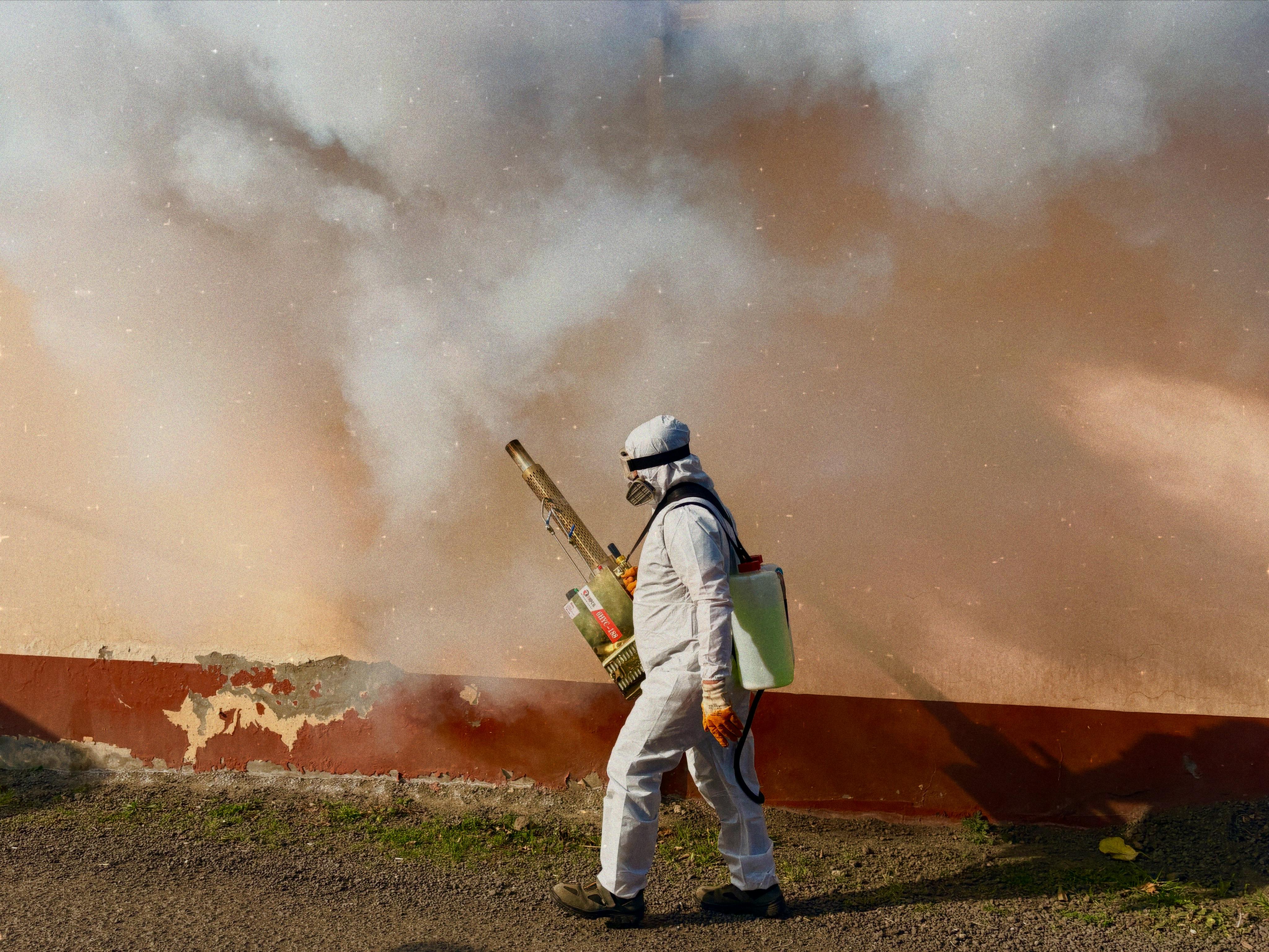
When you call a licensed pest control provider like Anthem Pest Control, the first step is a thorough inspection. Trained technicians locate breeding hotspots—often hidden in garbage chutes, sink drains, or behind appliances—using specialized tools and knowledge of fruit fly behavior. They then apply EPA‑approved insecticides precisely where needed, targeting both adults and larvae. Many professionals also offer structural treatments, such as residual sprays on window screens and door frames, and schedule follow‑up visits to ensure the infestation stays suppressed.
Safety First: Products and Practices
Professional pest control companies are obligated to use products that meet strict EPA standards for human health and the environment. Anthem Pest Control, for example, offers child‑ and pet‑friendly formulations that minimize exposure risk while maintaining high efficacy. DIY solutions, on the other hand, can inadvertently introduce hazards: essential oils may cause skin irritation, and homemade sprays might contain chemicals that are unsafe around children or pets if not mixed correctly. Always read labels and follow safety instructions, whether you’re mixing a trap or applying a spray.
Cost‑Benefit Analysis
At first glance, DIY appears cheaper—most traps cost under $10, and a bottle of essential oil may be $5‑$10. However, the hidden costs add up: time spent setting and maintaining traps, repeated purchases of consumables, and the lingering risk of a reinfestation that could damage fruit, beverages, or even your reputation if you host guests. Professional treatment typically ranges from $150 to $300 per service, but it includes a comprehensive inspection, targeted applications, and a guarantee of long‑term control. For many homeowners, that upfront expense translates into peace of mind and fewer recurring costs.
| Option | Typical Cost (per treatment) | Effectiveness | Long‑Term Coverage |
|---|---|---|---|
| DIY (traps, sanitation, oils) | $10‑$30 | Moderate – targets adults only | Days to weeks; requires frequent upkeep |
| Professional service | $150‑$300 | High – eliminates adults and larvae | Weeks to months; includes follow‑up visits |
Integrated Pest Management (IPM) Guidance
For homeowners who want a balanced approach, the National Pest Management Association (NPMA) offers comprehensive IPM guidelines that blend preventive sanitation, monitoring, and judicious use of chemicals. Following these best practices can help you keep fruit flies at bay while minimizing reliance on pesticides. Learn more by reviewing the NPMA guidelines on integrated pest management for fruit flies.
Pricing Guide and What to Expect from a Service Call
How Pest‑Control Companies Price Fruit‑Fly Treatments
When you call a professional exterminator in Druid Hills, you’ll usually encounter one of three pricing structures:
- Flat‑fee service: A single, all‑inclusive charge that covers inspection, treatment, and a guaranteed follow‑up. Ideal for homeowners who want a predictable bill.
- Per‑treatment rate: You pay a set amount each time a technician visits. This model works well if you need a one‑off emergency knock‑down.
- Subscription plan: Monthly or quarterly payments that bundle routine inspections, preventive sprays, and unlimited follow‑ups. Subscriptions often lock in a lower per‑visit cost.
Regional Pricing Snapshot

The chart above shows that Druid Hills rates hover around the median for the Atlanta metro area. Neighboring communities such as Decatur and Brookhaven tend to be slightly higher, while more suburban zones like Tucker sit a bit lower. Knowing where you fall on this spectrum helps you gauge whether a quote is fair.
What’s Included in a Standard Service Package?
A reputable provider—Anthem Pest Control, for example—bundles the following items into its standard fruit‑fly package:
- Comprehensive inspection: Technicians locate breeding sites, identify attractants, and assess the severity of the infestation.
- Targeted treatment: Professional‑grade sprays or baits are applied to problem areas, focusing on drains, garbage zones, and indoor fruit storage.
- Follow‑up visit: Within 7‑10 days, a second appointment confirms that the flies are gone and addresses any lingering hotspots.
- Guarantee period: Most companies offer a 30‑day satisfaction guarantee; if flies return, a free re‑treatment is scheduled.
Extra Fees to Keep an Eye On
Transparent pricing means you know exactly what could add to the base cost:
- Additional visits beyond the standard follow‑up (often charged per hour).
- Specialized equipment such as UV traps or high‑pressure foggers.
- Access fees for hard‑to‑reach areas like crawl spaces or multi‑unit buildings.
- Emergency or after‑hours service surcharges.
Why Anthem Pest Control’s Pricing Stands Out
Anthem aligns its rates with the local market while keeping the fee structure simple. Their flat‑fee option includes every step listed above, so you won’t see surprise line items on the final invoice. If you opt for a subscription, the monthly amount is disclosed up front, and any extra services are clearly marked as “optional.” This openness builds trust, especially for Druid Hills homeowners who compare multiple quotes.
Tips for Getting an Accurate Quote and Avoiding Hidden Costs
- Ask for a detailed breakdown: Request a written estimate that lists inspection, treatment, follow‑up, and guarantee.
- Confirm the scope of work: Make sure the provider knows the size of your home, the number of potential breeding sites, and any special circumstances (e.g., pet‑friendly products).
- Inquire about extra fees before signing: Ask whether additional visits, equipment, or travel charges apply.
- Get a written guarantee: A clear, time‑bound guarantee protects you from paying twice for the same problem.
- Compare at least three quotes: Use the bar‑chart as a reference point to spot outliers—both high and unusually low offers.
By understanding the pricing models, what’s included, and the potential add‑ons, you can confidently choose a fruit‑fly control service that fits your budget and eliminates those pesky flies for good.
Protect Your Home Today with Anthem Pest Control
Fruit flies may seem harmless, but their rapid breeding cycles can turn a kitchen into a buzzing nuisance within days. The peak season in Druid Hills runs from late spring through early fall, when warm temperatures and abundant fruit provide the perfect incubator. Acting early—before the population explodes—gives you the biggest advantage, and that’s where a professional service shines.
Anthem Pest Control brings more than just chemicals to the table. Our technicians are trained specifically for the fruit‑fly challenges of the Atlanta metro area, using low‑toxicity treatments that target larvae hidden in drains, compost bins, and over‑ripe produce. Because we understand the local climate, we time applications to hit the insects at their most vulnerable stage, delivering results that DIY sprays simply can’t match.
Transparency is built into every job. You’ll receive a clear, itemized estimate before any work begins, so there are no surprise fees. Our pricing model is designed for homeowners who want effective protection without breaking the bank, and we stand behind every service with a satisfaction guarantee.
Why Choose Anthem?
- Locally‑focused expertise on fruit‑fly biology and behavior.
- Safe, EPA‑approved products that protect families and pets.
- Affordable, upfront pricing with no hidden costs.
- Fast, courteous response—most appointments are scheduled within 24 hours.
Ready to reclaim a fly-free home? Contact Anthem Pest Control today for professional fruit fly control Druid Hills homeowners trust. Our team can be on your doorstep quickly, assess the situation, and outline a customized plan that fits your budget. Call us now at 877-371-8196 or visit our website to schedule your service.