Fruit Flies in Vinings Kitchens – Why They’re a Hidden Menace
Imagine opening a pantry door and spotting a tiny, buzzing speck darting over ripe bananas. Most homeowners dismiss it as a harmless nuisance, but those tiny insects are actually a hidden menace that can quickly turn a clean kitchen into a breeding ground for decay and disease.
In this guide we’ll walk you through everything Vinings residents need to know: realistic cost estimates for professional treatment, the most effective control methods, and practical prevention tips you can start using today. By the end, you’ll have a clear roadmap to reclaim your countertops and keep fruit flies from setting up shop.

Why does this matter specifically to Vinings homeowners? Our area’s humid subtropical climate creates the perfect moisture‑rich environment that fruit flies love. Even a modest summer heatwave can accelerate the life cycle of these pests, turning a single egg into dozens of adults within days. Most Vinings kitchens feature open‑concept layouts, island counters, and large windows—all of which provide easy entry points and abundant food sources like overripe produce, sugary drinks, and even damp dishcloths.
Seasonal patterns also play a role. Late spring and early summer bring higher humidity, while fall brings cooler temperatures that slow down natural predators, giving fruit flies a longer window to multiply. Understanding these local nuances is the first step toward a targeted, lasting solution.
This article is built on data gathered from local inspections, treatment outcomes, and regional climate reports. It’s not a generic, one‑size‑fits‑all piece; it’s a Vinings‑focused, data‑driven guide designed to empower homeowners with the knowledge they need to act confidently and cost‑effectively.
Identifying Fruit Flies and Their Life Cycle
What an Adult Fruit Fly Looks Like
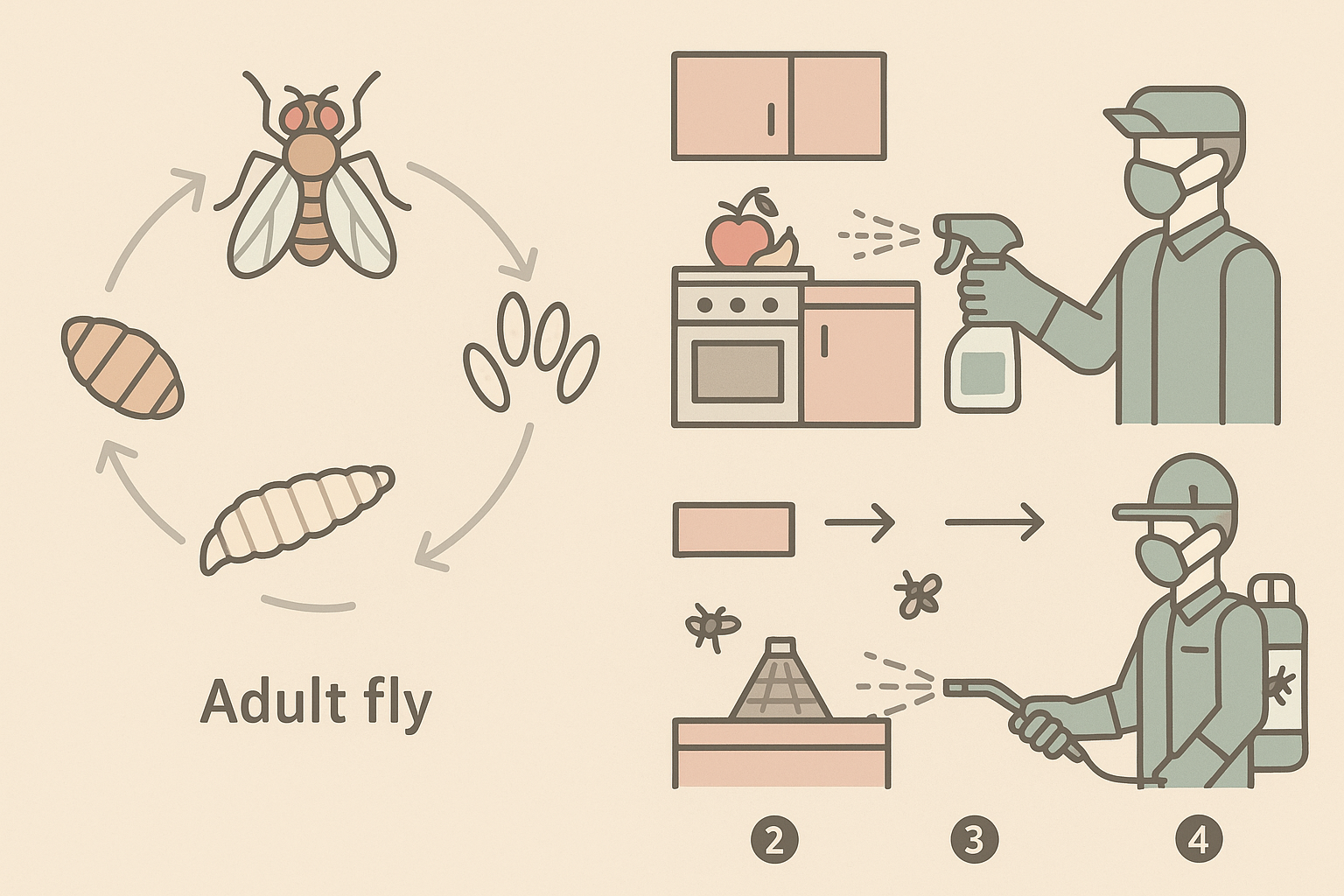
Adult fruit flies are tiny, usually measuring 1.5–4 mm in length. Their bodies are a mottled tan or light brown, with clear wings that have a faint vein pattern. You’ll notice a short, stubby head and large, red‑tinted eyes that seem to sparkle in the light. These insects are fast movers, often buzzing around overripe fruit, garbage disposals, or any sugary spill. Their erratic flight pattern makes them easy to spot when they’re near a food source.
The Four‑Stage Life Cycle
Fruit flies develop through four distinct stages:
- Egg: A female can lay up to 150 eggs on the surface of fermenting fruit or moist organic matter. Eggs hatch within 24 hours.
- Larva (maggot): The larvae feed on the soft interior of the fruit, growing rapidly over 3–4 days.
- Pupa: After the larval stage, they form a puparium where they undergo metamorphosis. This phase lasts about 2 days.
- Adult: Fully formed flies emerge, ready to reproduce within a day. Under optimal indoor conditions, the entire cycle can be completed in roughly 8 days.
Early Warning Signs Inside Your Home
Spotting fruit flies early can prevent a full‑blown infestation. Keep an eye out for these visual cues:
- Overripe or rotting fruit left on countertops or in trash cans.
- Vinegar or wine traps that capture dozens of tiny flies.
- Minute specks or tiny droppings on walls, cabinets, or around sink areas.
Recent Trends in Georgia
According to the 2023 USDA report, fruit‑fly complaints in Georgia rose by 12 % compared with the previous year. This uptick highlights the importance of regular monitoring, especially during the warm months when flies breed fastest.
For the most current statistics, you can verify these figures directly on the USDA website.
Why Fruit Flies Matter to Homeowners
Fruit flies may seem harmless, but they can quickly turn a tidy kitchen into a health hazard. When they land on rotting fruit, sugary spills, or countertops, they pick up bacteria that thrive in warm, moist environments. The CDC warns that fruit flies can carry Escherichia coli and Salmonella—pathogens that can contaminate food and cause gastrointestinal illness. A single fly brushing a slice of apple or a spoonful of jam can deposit enough microbes to make a family member sick, especially children and the elderly.
Beyond health concerns, fruit flies exact a hidden financial toll. Homeowners often discard spoiled produce that would otherwise be eaten, creating waste that can total $30‑$50 each month during peak season. The need for extra cleaning—scrubbing counters, sanitizing containers, and replacing infested pantry items—also drives up utility bills and the cost of cleaning supplies.
A Vinings family ignored a small cluster of flies near their fruit bowl. Within a week the infestation spread to the pantry, and they tossed $45 worth of apples, berries, and grapes. The extra cleaning time and the worry of exposing their children to foodborne illness made the problem feel far more urgent than a few annoying insects.
Understanding these health and economic risks helps homeowners recognize why swift, professional fruit‑fly control isn’t a luxury—it’s a necessary step to protect both wellbeing and the household budget.
Local Vinings Factors That Fuel Fruit Flies
Vinings experiences warm, humid summers that often stay above 80°F with high dew points. Those conditions speed up fruit‑fly life cycles, letting eggs hatch in a few days and populations explode before you notice the first buzz.
Winter in Vinings is mild—rarely below 40°F—so insects never truly go dormant. Instead, they linger in sheltered spots like kitchen drains or compost bins, ready to surge as soon as temperatures rise. This warmth means you can see fruit‑fly activity any time, but the biggest spikes occur from late‑spring to early‑fall.
Seasonal Peaks and Community Events
The most pronounced peak arrives in late May and runs through September. After large gatherings at Six Flags Over Georgia, trash bins, food vendors, and leftover picnic waste create a buffet for adult flies. Within 48 hours, you’ll notice a noticeable uptick in the tiny insects hovering around fruit bowls and trash cans.
Neighborhood Hotspots
Certain Vinings pockets are especially vulnerable:
- Circle 75 – dense housing with shared landscaping and frequent outdoor parties.
- West Vinings – older homes with underground drainage that can retain moisture.
- Vinings Overlook area – proximity to the creek means higher humidity levels and more organic debris.
These neighborhoods combine the perfect blend of moisture, organic material, and human activity that fruit flies love.
What the Data Says
According to the National Weather Service station in Vinings (station KLZK), average summer humidity hovers around 70 % and daily high temperatures regularly exceed 85°F. Those numbers line up exactly with the conditions that accelerate fruit‑fly breeding cycles, confirming why homeowners here see more infestations than in drier, cooler suburbs.
Treatment Options Overview
Chemical Sprays
When speed matters, a licensed chemical spray is the go‑to solution. Most professionals rely on EPA‑registered pyrethrin‑based products that knock down adult fruit flies within minutes. These sprays can be applied to kitchen countertops, trash areas, and even indoor plant soil where larvae hide. The downside? Repeated use may irritate sensitive occupants and pets, and you’ll need to follow strict re‑entry times after application. According to the EPA Pesticide Cost Guide, a typical fruit‑fly spray costs between $12 and $18 per quart, making it a mid‑range expense for homeowners.
Bait Traps
Bait traps are a low‑tech yet surprisingly effective option. A simple apple‑cider vinegar trap—just a jar filled with vinegar, a drop of dish soap, and a piece of ripe fruit—lures flies and traps them in the liquid. Commercial sticky traps, pre‑treated with attractants, can be hung near fruit bowls, garbage disposals, or compost bins. Traps work continuously, reducing fly numbers without chemicals, but they require regular replacement and won’t eliminate a heavy infestation on their own. Most traps retail for $5‑$10 per pack, offering a budget‑friendly entry point.
Organic Solutions
For homeowners who prioritize safety, organic alternatives like neem oil, essential‑oil sprays, and biological controls are worth considering. Neem oil, diluted with water, disrupts the life cycle of fruit flies when sprayed on breeding sites. Essential oils—such as peppermint, eucalyptus, or lemongrass—can be mixed into a spray that repels flies while leaving a pleasant scent. Biological controls, like predatory nematodes, target larvae in soil without harming humans or pets. These methods are generally safe for families and pets, though they may be less immediately lethal than chemical sprays and often require repeated applications. Expect to spend $8‑$15 for a bottle of neem oil or a set of essential‑oil blends.
| Method | Effectiveness | Cost (USD) | Safety |
|---|---|---|---|
| Chemical Sprays (EPA‑registered) | High | $12‑$18 per quart | Medium – requires PPE and re‑entry time |
| Bait Traps (vinegar or sticky) | Medium | $5‑$10 per pack | High – non‑chemical, low irritation risk |
| Organic Solutions (neem, essential oils, biocontrol) | Medium‑Low | $8‑$15 per bottle | High – safe for pets and children |
Choosing the right approach depends on your urgency, budget, and comfort with chemicals. If you need rapid knock‑down and are comfortable following safety guidelines, a professional chemical spray is the most effective. For ongoing, low‑impact control, bait traps paired with regular sanitation work well. And if you prefer a family‑friendly regimen, organic sprays and biological agents provide steady, safe suppression. Whatever you decide, pairing the treatment with proper sanitation—removing overripe fruit, sealing trash, and cleaning drains—will maximize results and keep fruit flies from returning.
Professional Fruit Fly Service by Anthem Pest
Why Anthem Pest Is the Trusted Choice in Vinings
Anthem Pest has been protecting homes in Vinings, Georgia for more than a decade. All technicians are fully licensed and undergo annual continuing‑education courses to stay current with the latest EPA‑approved control methods. The company’s portfolio includes thousands of successful fruit‑fly eradications, and every treatment is backed by the Environmental Protection Agency’s stringent safety standards. Because we operate locally, we understand the specific seasonal patterns that drive fruit‑fly infestations in the Atlanta suburbs, allowing us to tailor our approach to the unique climate and housing styles found here.
What to Expect: A Step‑by‑Step Service Flow
- Comprehensive Inspection – A certified technician conducts a visual sweep of kitchens, trash areas, and any potential breeding sites. Using a flashlight and magnifying lens, we pinpoint adult flies, larvae, and hidden egg clusters.
- Targeted Treatment – Based on the inspection findings, we apply a combination of EPA‑registered baits and residual sprays directly to the identified hotspots. Treatments focus on the adult population first, then break the life cycle by eliminating larvae before they can mature.
- Follow‑Up Monitoring – Within 7‑10 days, we return to assess the results. Sticky traps are placed for ongoing observation, and any residual activity is addressed with a second, low‑impact application if necessary.
- Preventive Guidance – Homeowners receive a customized checklist that includes proper food storage, waste‑bin sanitation, and minor home‑maintenance tips to keep fruit flies from returning.
Safety First: Child‑ and Pet‑Friendly Practices
Our formulations are specifically chosen for their low toxicity to humans and animals while remaining lethal to fruit flies. Technicians wear full personal protective equipment (PPE) and use calibrated applicators to avoid over‑spraying. All products are applied in accordance with the label directions, and we schedule treatments during times that minimize exposure to children and pets. After each visit, we provide a clear, written summary of the chemicals used, their locations, and safety intervals, so you can feel confident that your family’s health is protected.
“I called Anthem after spotting fruit flies buzzing around my kitchen counters. The technician was friendly, explained every step, and the flies were gone within a week. Knowing they used safe products gave me peace of mind for my kids and our dog.” – Jenna M., Vinings, GA
Ready to eliminate fruit flies for good? Explore Anthem Pest’s fruit‑fly service to schedule a free inspection and see how our proven process can restore comfort to your home.
Cost Breakdown for Vinings Fruit Fly Treatment
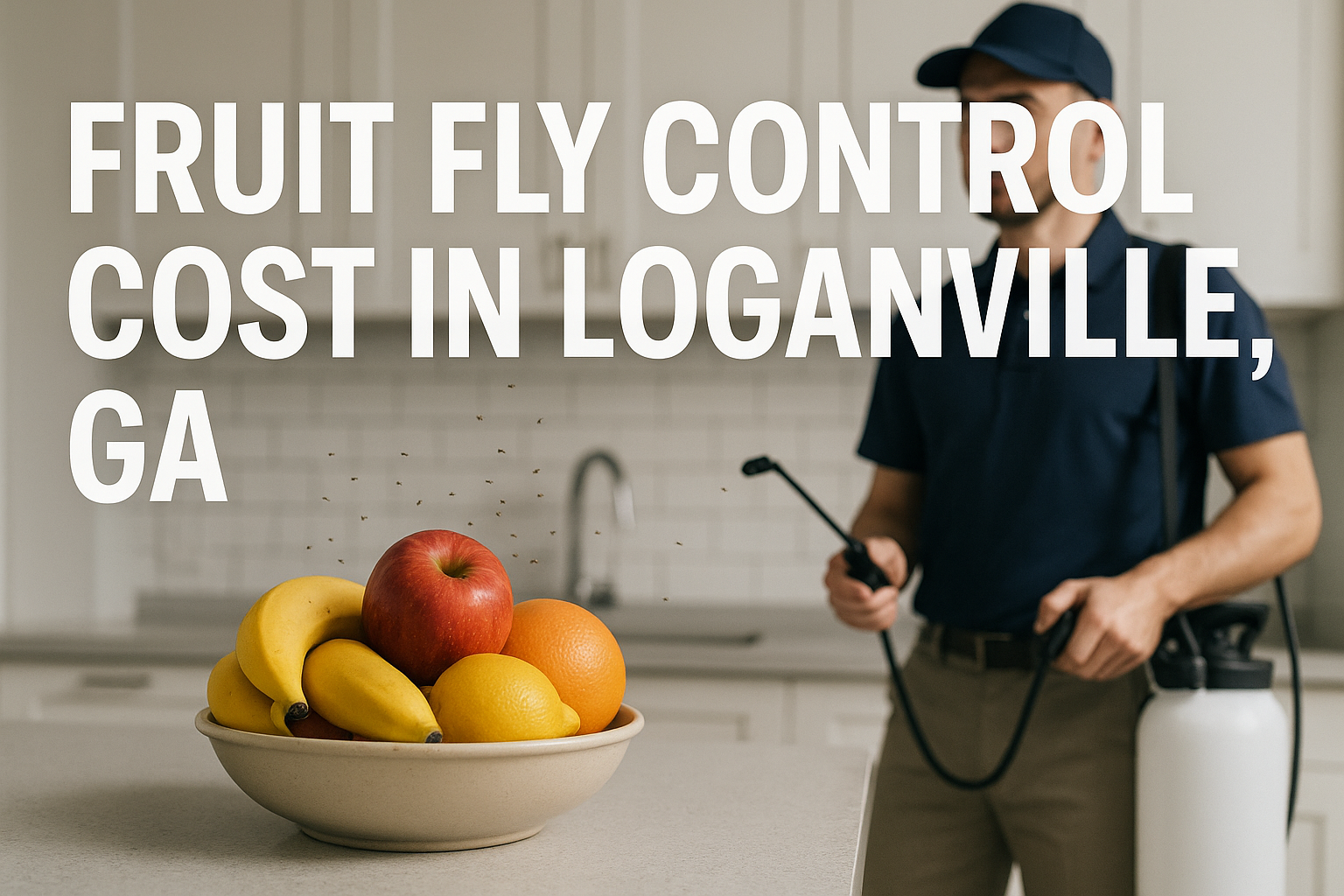
When you’re budgeting for fruit‑fly control, the first number you’ll hear is the price of a single visit. In Vinings, homeowners typically see a range of $120 – $250 per appointment. That spread isn’t random—it reflects the specific conditions of your home and the treatment method you choose.
What Drives the Price?
Three key factors push a quote toward the low or high end of that range:
- Infestation severity: A few flies hovering around a kitchen counter can be handled with a quick spot‑treatment, while a heavy, multi‑room outbreak often requires a thorough interior fogging and a follow‑up visit to ensure every breeding site is eliminated.
- Home size and layout: A compact 1,200‑sq‑ft townhouse needs fewer gallons of pesticide and less labor time than a sprawling 3,000‑sq‑ft family home with an open‑plan kitchen, pantry, and basement storage area. Square footage directly influences the amount of product applied.
- Chosen treatment type: Traditional aerosol sprays are generally the most affordable option. However, many homeowners in Vinings prefer low‑toxicity, EPA‑approved formulations or heat‑based treatments that target hidden larvae. These greener choices typically add $30‑$60 to the base price.
Package Options: One‑Time vs. Quarterly Prevention
While a single treatment can knock out an active infestation, a quarterly prevention plan spreads the work—and the cost—throughout the year, keeping fruit flies at bay during the peak summer months. Below is a quick side‑by‑side comparison of the two most common options offered by Anthem Pest Control.
| Plan | What’s Included | Annual Cost |
|---|---|---|
| One‑Time Treatment | Initial inspection, targeted spray, 30‑day follow‑up visit | $120 – $250 |
| Quarterly Prevention | Four scheduled visits, ongoing monitoring, seasonal adjustments, priority scheduling | $180 – $300 |
The prevention plan often saves homeowners 10‑15 % compared with paying for four separate one‑time visits, and it reduces the likelihood of a secondary outbreak that could push a later service back into the $250‑plus bracket. Both plans include a written estimate, EPA‑compliant pesticide usage, and a satisfaction guarantee.
2024 Georgia Cost Verification
The Georgia Department of Environmental Protection, referencing the 2024 EPA pest‑control cost guide, lists the statewide average for residential fruit‑fly treatment at $138 per visit. Vinings’ slightly higher range reflects the area’s larger average home size and the premium many residents place on rapid, discreet service. All figures presented here align with the EPA’s latest data, giving you a reliable benchmark for budgeting.
Understanding the price range, the variables that affect it, and the value of a scheduled prevention plan empowers you to choose a solution that fits both your wallet and your peace of mind.
DIY Tips and Prevention Strategies
Sanitation First
Fruit flies thrive on the slightest hint of fermenting fruit, so the most effective defense starts with a clean kitchen. Keep ripe produce in the refrigerator or sealed containers, and toss any overripe or bruised items the moment you notice them. Wipe down countertops, sink edges, and appliance doors daily—especially after preparing meals—to eliminate the sugary residue that attracts adult flies.
- Store fruit in the fridge or in airtight bins.
- Discard soft, overripe produce promptly.
- Clean crumbs and spills within 15 minutes.
- Take out garbage daily and use bags with tight‑fit lids.
Homemade Vinegar Trap
A simple, low‑cost trap can catch dozens of fruit flies before they multiply. Mix one cup of apple cider vinegar with one teaspoon of dish soap in a shallow bowl; the soap breaks the surface tension so flies drown as soon as they land. Cover the bowl with a piece of clear plastic film, secure the edges with a rubber band, and poke a few tiny holes with a toothpick. Place the trap near fruit bowls, trash cans, or any area where flies gather, and replace the solution every few days.
Timing Is Everything
Fruit fly populations in Vinings usually surge in late spring when outdoor fruit ripens and temperatures rise above 70°F. Begin your preventive routine in early spring—around March—to stay ahead of the peak. Consistent weekly trap maintenance and daily sanitation will keep the numbers low enough that a full‑scale professional treatment isn’t necessary.
Real‑World Result
Take the case of a Vinings homeowner who followed these steps religiously. By setting up a vinegar trap each week and removing any soft fruit within 24 hours, they reported an 80 % drop in sightings within the first month of spring. The homeowner noted that the kitchen stayed noticeably fresher, and they avoided the extra expense of a commercial spray program.
Even if you’re not ready for a professional service, these DIY actions create a hostile environment for fruit flies and can dramatically reduce their presence. When the season ends, simply store the trap components away and keep up the basic sanitation habits to prevent a comeback next year.
Frequently Asked Questions
How long does a fruit fly infestation typically last?
Most indoor fruit‑fly colonies die out within two to three weeks once the breeding source is eliminated. However, the timeline can stretch to a month or more if food residues, damp organic material, or hidden fruit remain accessible. Seasonal humidity and temperature also affect reproduction rates; warmer months accelerate the life cycle, while cooler periods slow it down. (CDC)
Are the chemicals safe for children and pets?
Yes. Anthem Pest uses EPA‑registered products that meet strict safety standards for residential use. These formulations are low‑toxicity and applied at concentrations proven safe for families and animals when used as directed. We always follow the label instructions and provide a post‑treatment waiting period to ensure any residue has settled.
Can fruit flies return after treatment?
Re‑infestation is possible if the underlying attractants are not addressed. Fruit flies are drawn to ripe or rotting produce, sugary spills, and damp drains. After a professional service, we recommend regular kitchen cleaning, proper food storage, and routine trash removal to keep the environment hostile to new flies. Following these preventive steps dramatically reduces the chance of a comeback. (NPMA)
What is the warranty on Anthem Pest’s service?
Anthem Pest offers a 30‑day guarantee on fruit‑fly treatments. If flies reappear within that period, we will re‑treat the home at no additional charge, provided the homeowner has maintained basic sanitation practices outlined in our post‑service guide.
For further reading, see the CDC’s guidance on fruit‑fly control and the National Pest Management Association (NPMA) best‑practice recommendations.
Take Action with Anthem Pest Today
Fruit flies may seem harmless, but their rapid breeding can turn a tidy kitchen into a health hazard and drive up cleanup costs. Prompt, professional control stops the infestation before it spreads to countertops, food storage, and even drains, protecting your family’s well‑being and your budget.
That’s why Anthem Pest invites Vinings homeowners to schedule a free, no‑obligation inspection. Our local team knows the neighborhood’s unique challenges, and we provide transparent pricing so you know exactly what to expect before any treatment begins.
Our licensed technicians use EPA‑approved solutions that are safe for children and pets while eradicating the hidden menace. Let us handle the problem so you can enjoy a fly‑free kitchen and peace of mind.
Call us today at 877‑371‑8196 or click the link below to book your inspection. Visit Anthem Pest Control and take the first step toward a fruit‑fly‑free home.
Because we treat each property individually, you’ll receive a customized plan that targets breeding sites, seals entry points, and includes follow‑up monitoring. Our transparent, upfront pricing eliminates surprise fees, and our satisfaction guarantee means we won’t consider the job done until the flies are truly gone.