Why Fruit Flies Matter in Vinings

Neighborhoods Most Affected
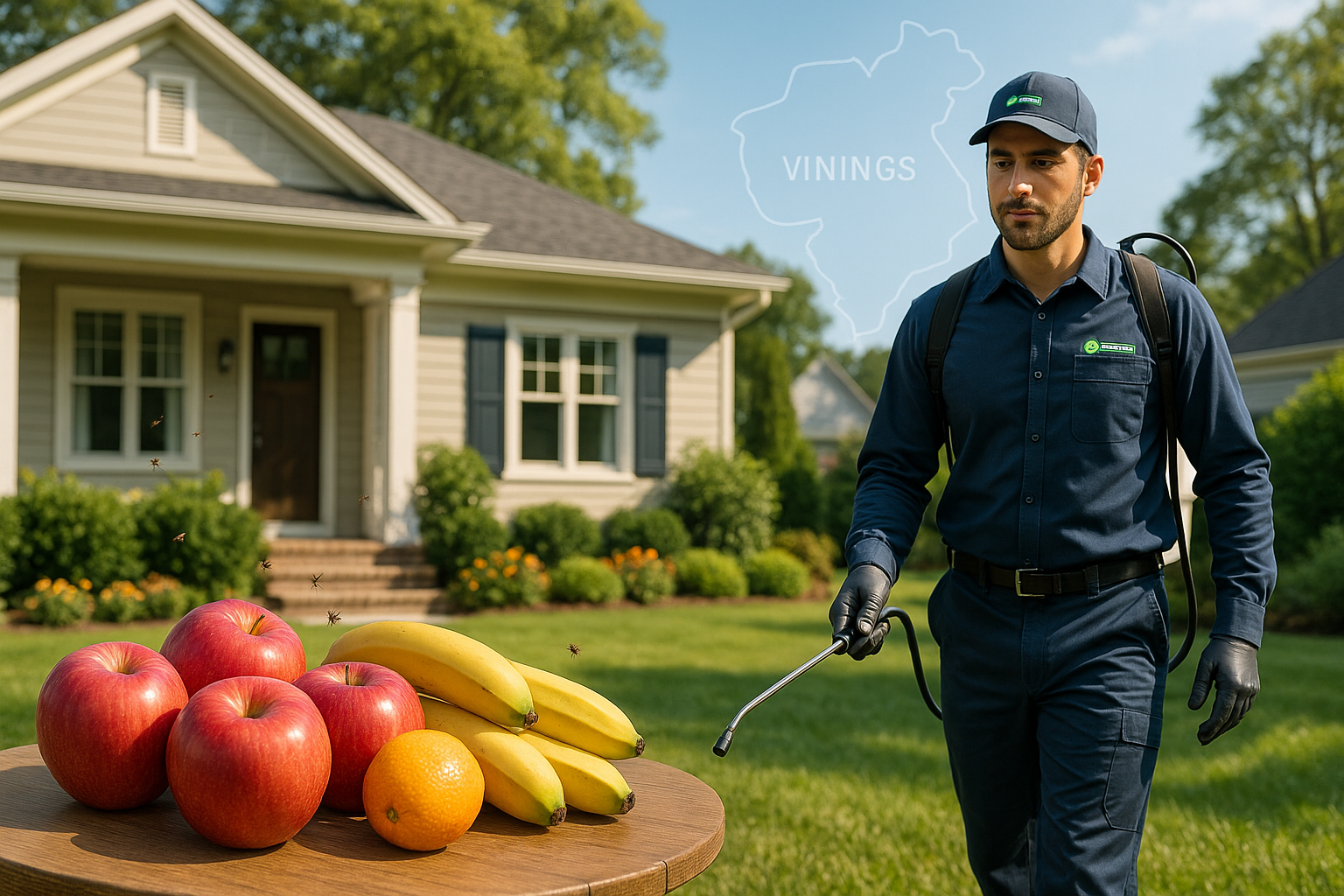
In Vinings, the fruit‑fly problem isn’t spread evenly. Homeowners on Barrett Parkway and those in The Pointe report the highest sighting rates, largely because dense landscaping and frequent community barbecues generate abundant organic waste. Vinings Village and the West End area also see spikes, especially in homes with open‑air kitchens or uncovered trash cans. These pockets share a common factor: easy access to fermenting fruit and moisture, which accelerates the fly life cycle.
The EPA estimates that 30‑40% of Georgia households report fruit‑fly sightings each summer. Translating that statewide figure to Vinings means roughly one in three homes experiences at least one nuisance episode during the peak months of June through August.
Quick Fact Box
- Average lifespan: 30‑45 days
- Reproduction rate: up to 500 eggs per week per female
Impact on Homeowners
Beyond the obvious annoyance of buzzing insects, fruit flies can compromise food safety. Their larvae feed on the surface of fruit, softening it and accelerating spoilage. A single infestation can turn a basket of peaches into a mushy mess within days, forcing homeowners to discard perfectly good produce. Moreover, the presence of flies often signals inadequate sanitation, which can invite other pests such as ants or cockroaches.
For Vinings residents, the cost isn’t just the lost fruit; it’s the time spent cleaning, the stress of a persistent nuisance, and the potential health concerns tied to bacterial contamination. Understanding why fruit flies flourish here is the first step toward a targeted, effective control plan—something Anthem Pest Control specializes in, delivering safe, affordable solutions that keep your home fly‑free throughout the summer.
Spotting Fruit Flies and Their Hotspots
Physical description you can trust
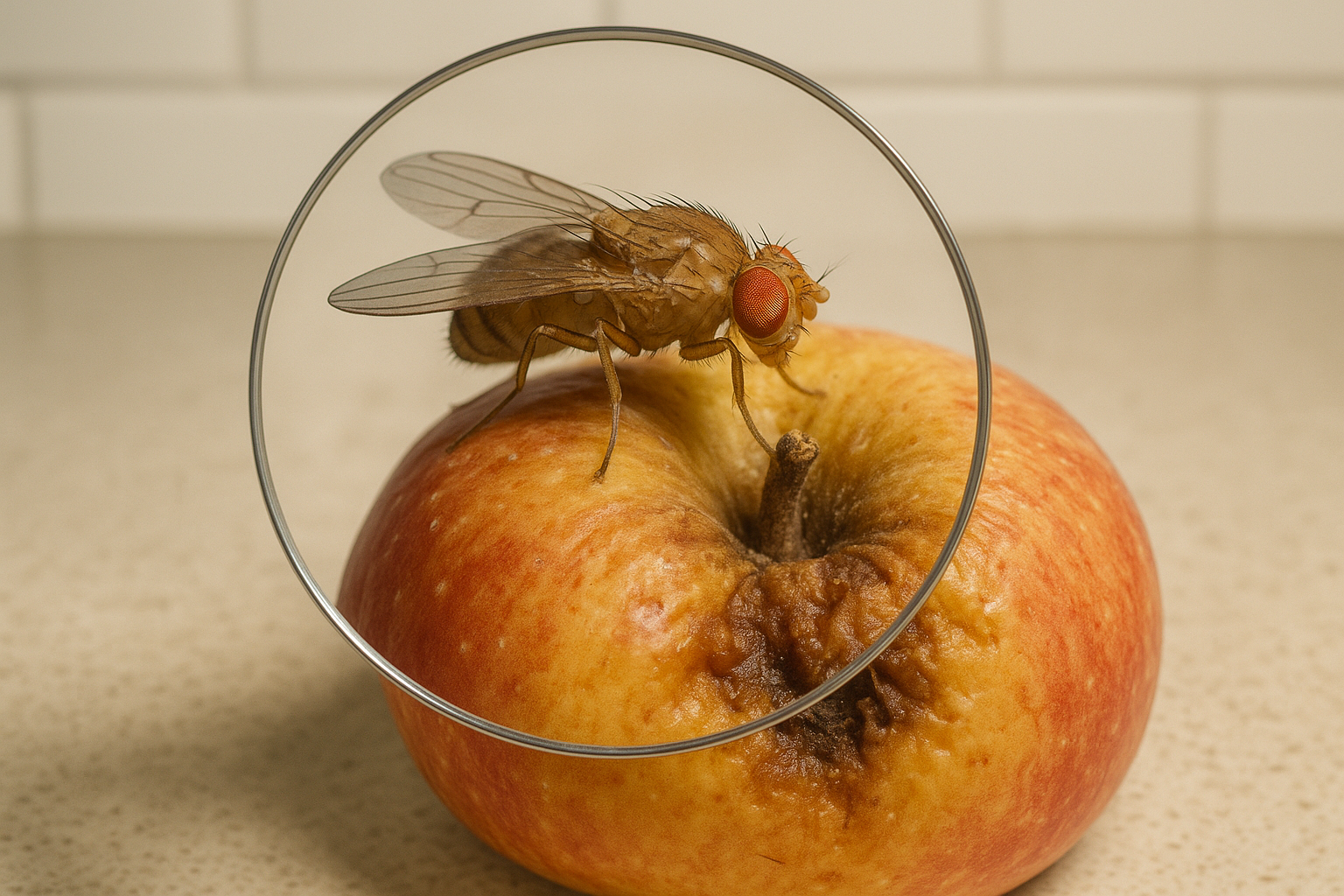
Fruit flies are tiny—about 1/8 inch long—with a tan‑brown body that blends easily into kitchen surfaces. Their most striking feature is a pair of vivid red eyes that seem to follow you as they hover near sugary or fermenting foods. Unlike larger house flies, fruit flies have a delicate, spindly wing beat that creates a faint, buzzing “hover” sound, especially around ripe fruit or damp trash.
Where they love to set up shop
These pests are opportunists. In a typical Vinings home, they gravitate toward five indoor hotspots:
- Overripe or bruised fruit left on countertops or in fruit bowls.
- Garbage disposals and sink drains that retain organic residue.
- Houseplants, especially those with moist soil or decaying leaves.
- Compost bins and indoor recycling containers that hold food scraps.
- Open containers of sugary drinks, jam, or wine.
Homeowner checklist – stay one step ahead
Use this quick weekly audit to keep fruit flies at bay:
- Inspect fruit bowls; discard any fruit that feels soft or smells fermented.
- Run hot water and a brush through garbage disposals; follow with a vinegar‑baking soda flush.
- Check potted herbs weekly; remove dead leaves and let soil dry between waterings.
- Empty indoor compost bins every 24 hours; rinse containers to eliminate residue.
- Seal all sugary food containers tightly; wipe down spills immediately.
Real‑world vignette from Vinings
“I noticed a steady stream of tiny flies buzzing around my basil plant in the West End. After a quick check, I realized the plant’s saucer was collecting water and a piece of overripe tomato from the kitchen had fallen in. Once I emptied the saucer and moved the tomato to the trash, the flies vanished within two days.” – A local homeowner
This story underscores a common mistake: assuming fruit flies only come from fruit. In reality, any moist, organic material can become a breeding ground.
Why the kitchen is the epicenter
The Centers for Disease Control and Prevention reports that 65 % of fruit fly infestations originate from kitchen waste. That statistic isn’t just a number—it’s a reminder that the kitchen’s constant flow of food scraps, liquids, and organic debris creates an ideal nursery for these insects.
By learning to spot the tiny tell‑tale signs—size, tan‑brown body, red eyes—and by routinely checking the five hotspots listed above, you’ll dramatically reduce the chance of a full‑blown infestation. Remember, early detection is the most affordable and effective control strategy, and Anthem Pest Control is always ready to step in if the flies become unmanageable.
Why DIY Solutions Often Fall Short
When fruit flies start buzzing around your kitchen, it’s tempting to reach for a quick fix you’ve seen online. The market is flooded with easy‑to‑make traps, over‑the‑counter sprays, and “home‑brew” recipes that promise instant results. While these methods can knock down a few flies, they rarely address the underlying infestation, leaving you vulnerable to repeat attacks.
Common DIY Tactics
- Vinegar traps: A bowl of apple cider vinegar topped with a few drops of dish soap.
- Store‑bought aerosol sprays: Generic insecticides marketed for “kitchen pests.”
- Homemade solutions: Mixtures of essential oils, bleach, or sugar water aimed at luring and killing flies.
These approaches share a critical flaw: they focus on short‑term kill rather than residual control. A spray may eradicate the adult flies you see, but it does nothing to break the breeding cycle or treat the hidden sources—like fermenting fruit, damp drains, or over‑ripe garbage—that continuously hatch new adults.
Risks to Food Surfaces
Many DIY products are applied directly to countertops, cutting boards, or near food storage areas. Aerosol sprays can leave residues that contaminate surfaces, and vinegar traps, while non‑toxic, often sit in open containers that can spill onto nearby dishes. This not only compromises food safety but also violates the best practices recommended by health agencies for kitchen hygiene.
What the Research Says
A recent 2024 study by the National Pest Management Association (NPMA) examined 1,200 homeowner attempts to control fruit flies using DIY methods. The findings were stark: 78% of those attempts resulted in re‑infestation within two weeks. The study linked the high failure rate to the lack of residual activity and the tendency of DIY solutions to miss breeding sites hidden in drains, garbage disposals, and fruit bowls.
Why Professionals Deliver Longer‑Lasting Protection
Professional pest control services, like those offered by Anthem Pest Control, go beyond a surface‑level spray. Trained technicians conduct a thorough inspection to locate breeding hotspots, apply targeted treatments that remain effective for weeks, and often incorporate preventive measures such as sealant applications and habitat modification. This comprehensive approach not only eliminates the current adult population but also disrupts the life cycle, giving homeowners lasting peace of mind without the risk of contaminating food surfaces.
Professional Treatment Options and Pricing
Single‑Visit Spot Treatment – $150‑$250
This entry‑level option targets the hotspots you’ve already identified. A certified technician applies a focused mist to the infested area, installs a drain‑gel barrier to block larvae in plumbing, and places bait stations where adult flies congregate. The treatment is completed in one visit, making it ideal for small kitchens, home‑based businesses, or anyone who needs fast relief without a full‑home program.
Comprehensive Home Treatment – $300‑$450
Our most popular package covers every angle of a fruit‑fly outbreak. First, we mist the interior spaces—counters, cabinets, and even ceiling fans—using an EPA‑registered, low‑odor insecticide that meets 2024 safety standards. Next, we spray the exterior perimeter to create a protective barrier against re‑entry, followed by a scheduled follow‑up visit to assess residual activity and re‑treat if needed. Homeowners who choose this tier report a 92% satisfaction rate, citing fewer repeat sightings and a noticeable drop in nuisance.
Annual Prevention Plan – $500‑$650 per year
For families that want “set it and forget it,” the annual plan delivers quarterly inspections, bait replacement, and a brief education session on how to keep fruit flies out of the kitchen long term. The plan spreads the cost over four visits, effectively reducing the per‑visit price while maintaining a constant shield against new infestations. It also includes a priority‑service line, so you can call us any time a new problem pops up.
| Service Tier | What’s Included | Price Range | Typical DIY Spend (monthly) |
|---|---|---|---|
| Single‑Visit Spot Treatment | Mist, drain gel, bait stations (one‑time) | $150‑$250 | $50‑$100 |
| Comprehensive Home Treatment | Interior mist, exterior perimeter spray, follow‑up | $300‑$450 | $50‑$100 |
| Annual Prevention Plan | Quarterly inspections, bait replacement, homeowner education | $500‑$650 / year | $50‑$100 / month |
While a DIY enthusiast might spend $50‑$100 each month on traps, sprays, and homemade solutions, those costs add up quickly and often miss the hidden breeding sites that keep fruit flies coming back. Our professional tiers bundle the labor, expertise, and EPA‑approved products into a single, predictable price.
All of Anthem Pest’s fruit‑fly treatments use an EPA‑registered, low‑odor insecticide that complies with the latest 2024 safety data. The formulation is designed to act quickly on adult flies while remaining safe for pets, children, and food preparation areas when applied by our trained technicians.
Step‑by‑Step Treatment Process
1. Inspection
Our certified technician starts with a thorough walkthrough of your home. In the kitchen, we check countertops, trash cans, and especially the sink drains where fruit‑fly larvae love to hide. The pantry is examined for forgotten fruit, cracked packaging, and any moisture‑prone corners. Outside, we take a quick look at any fruit‑bearing trees—like the historic Vinings Orchard on Old Milton Road—to see if they are contributing adult flies back into the house. This comprehensive inspection lets us pinpoint the exact sources of the infestation before any chemicals are used.
2. Sanitation Guidance
After the inspection, we walk you through a short, actionable sanitation plan. You’ll be asked to remove any overripe bananas, berries, or melons and store fresh produce in airtight containers. Drains are a hidden hotspot, so we recommend a simple enzymatic cleaner—just pour it down the sink, let it sit, and flush with hot water. We also show you how to keep countertops dry and wipe up spills immediately. These steps dramatically reduce the food and breeding sites that fruit flies need to survive.
3. Application
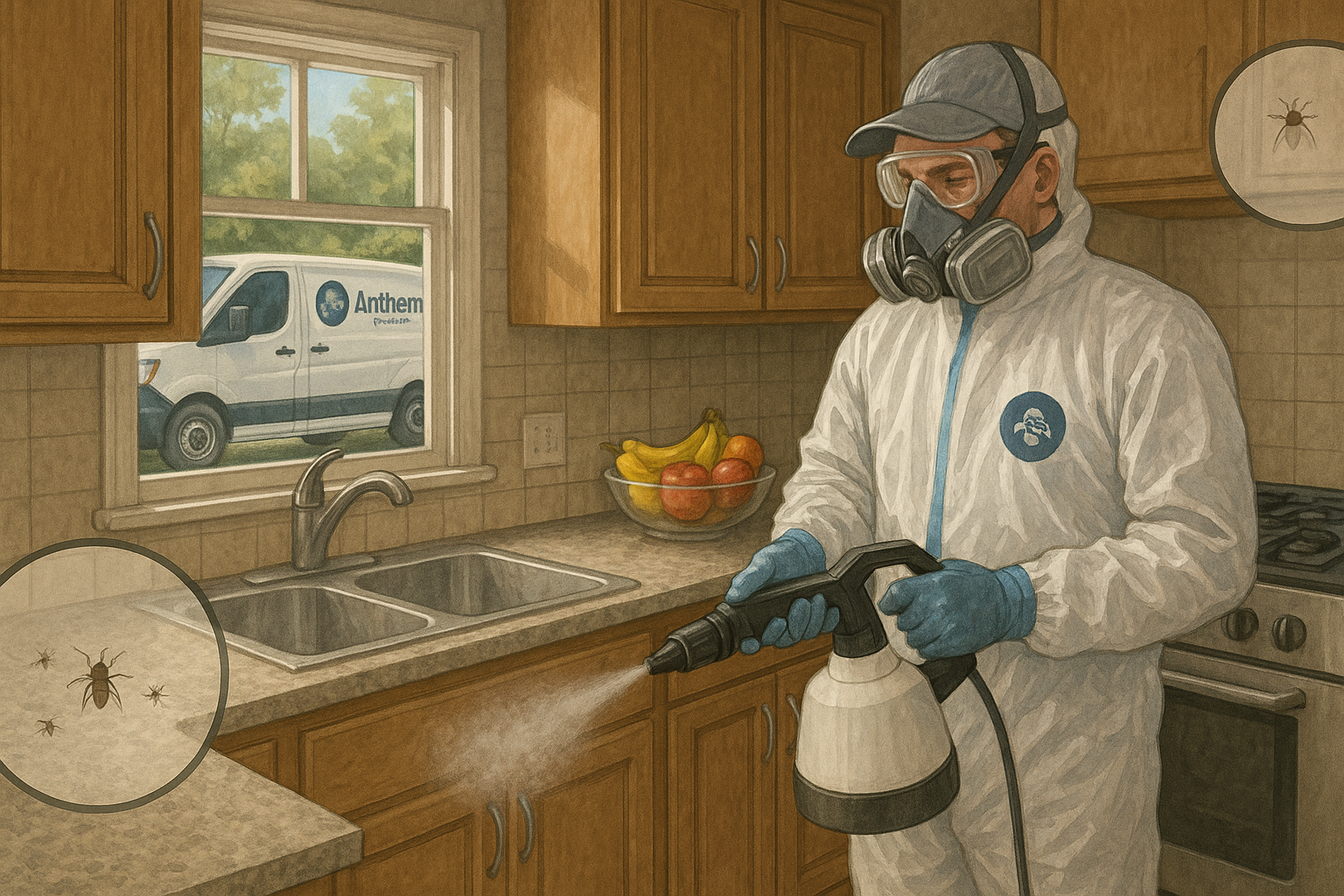
With the environment pre‑treated, we apply a low‑odor, EPA‑registered insecticide mist. The mist is directed at the interior of cabinets, under the sink, and along the baseboards where flies tend to congregate. Because the formula is safe for pets and children when used as directed, you won’t notice any harsh chemical smell lingering in your home.
In addition to the mist, we strategically place bait stations. One station goes under the kitchen sink, another near the fruit bowl, and a third in the pantry corner. The bait attracts adult flies and delivers a quick‑acting dose that stops reproduction. All stations are discreet, child‑proof, and designed to blend into your kitchen décor.
4. Follow‑Up
Effectiveness is verified with a 7‑day follow‑up visit. During this check, we replace any depleted bait stations, re‑apply a light mist if needed, and confirm that fly activity has dropped to an acceptable level. If we still see a few stragglers, a second misting is performed, but most homeowners notice a dramatic reduction after the first visit.
Real‑World Example
Consider the Miller family on Old Milton Road. They were seeing about 30 fruit flies per hour hovering around their kitchen island. After we completed the four‑step process—inspection, sanitation guidance, targeted misting, and bait placement—they reported zero flies within 48 hours. The 7‑day follow‑up confirmed that the colony was completely eliminated, and the Millers were able to enjoy fresh fruit again without the constant annoyance.
By following this transparent, step‑by‑step workflow, Anthem Pest Control ensures that every fruit‑fly problem in Vinings, Georgia, is tackled efficiently, safely, and with measurable results you can see for yourself.
Seasonal Timing and Prevention Tips
Peak Activity and Pre‑Season Inspection
Produce Management
Fruit flies love anything that’s soft, sweet, and left to sit. Rotate your produce weekly—move older items to the front of the fridge or pantry and use them first. Store fruits and vegetables in sealed containers or in the crisper drawer with a low‑humidity setting. If you keep berries or sliced fruit, place them in airtight bins or cover them with plastic wrap to deny flies a foothold.
Compost and Monitoring Traps
Outdoor compost bins are a hidden oasis for larvae. Keep lids tightly sealed and position the bin away from doors or windows to reduce the chance of flies hitching a ride indoors. For indoor monitoring, apple‑cider vinegar traps are useful to gauge activity levels, but they should not be relied upon as the primary control method. Replace the trap solution weekly and dispose of captured flies promptly.
Quarterly Professional Checks
Integrate a quarterly professional inspection into your Annual Prevention Plan. Our technicians will re‑evaluate vulnerable zones, refresh barrier treatments, and adjust recommendations based on seasonal changes. These visits—typically in early May, late July, early October, and late December—ensure that any new attractants are addressed before they become a full‑blown infestation.
Quick‑Tip Checklist
- Inspect early May: let a pro scan for hidden breeding sites.
- Rotate produce weekly: use older items first and seal the rest.
- Store fruit in containers: airtight bins or crisper drawers cut off access.
- Seal compost bins: keep lids tight and place them away from entry points.
- Use vinegar traps only for monitoring: replace solution every 7 days.
- Schedule quarterly checks: May, July, October, December keep defenses fresh.
- Keep drains clean: pour boiling water weekly to remove organic buildup.
- Wipe down countertops after meals: eliminate crumbs and spilled juices.
Local Regulations, Safety & FAQs
The Georgia Department of Agriculture (GDA) requires that any indoor pesticide applied in a residence be registered for use within the state, applied by a licensed professional, and accompanied by a clear label that outlines proper ventilation, re‑entry times, and personal protective equipment. Treatments must be documented, and homeowners receive a copy of the label’s safety instructions. Anthem Pest follows these guidelines meticulously, ensuring every application in Vinings meets state‑mandated standards for dosage, placement, and record‑keeping.
Anthem Pest’s primary fruit‑fly solution carries the EPA’s 2023 safety rating of “Low Hazard – Restricted Use.” This classification means the active ingredient has demonstrated minimal toxicity to humans and non‑target organisms when used as directed. The EPA’s review confirms that, under professional application, exposure risks are well below thresholds for acute or chronic effects, providing an additional layer of confidence for homeowners who prioritize health and compliance.
Child‑ and pet‑safety is a cornerstone of our service. Before treatment, we advise removing food, dishes, and pet bowls from the treatment area. During application, technicians wear gloves and masks, and we use low‑odor, fast‑dry formulations that limit airborne residue. After the recommended re‑entry period—usually 30 minutes—families can safely resume normal activities. We also provide post‑treatment tips such as keeping windows open for an hour and storing chemicals out of reach of curious children and animals.
Frequently Asked Questions
Do fruit flies carry disease? According to the CDC, fruit flies are not known vectors for serious illnesses, but they can contaminate food with bacteria from their bodies and breeding sites. Keeping surfaces clean and using professional treatment reduces this low‑risk exposure.
How long does treatment last? The insecticide’s residual effect typically protects your home for up to four weeks. For continuous peace of mind, many homeowners enroll in our annual plan, which includes quarterly inspections and touch‑ups to extend protection throughout the year.
Can fruit flies re‑enter from neighboring homes? Yes—fruit flies are excellent hitchhikers and can migrate from adjacent properties, especially in densely populated neighborhoods. Coordinated community prevention—such as shared trash management and synchronized treatments—greatly reduces the chance of reinfestation.
Take Action with Anthem Pest Control Today
When fruit flies swarm your kitchen, the quickest way to restore comfort is a professional treatment. Our technicians bring targeted, fast‑acting solutions that eliminate the adult flies and the hidden breeding sites in a single visit. Because we combine chemical expertise with thorough sanitation, you see results within hours instead of days. Our integrated approach also includes a thorough inspection to locate hidden sources, ensuring nothing is missed.
Beyond the immediate knock‑out, Anthem Pest sets up a long‑term barrier that keeps new infestations from taking hold. We inspect vents, drains, and garbage areas, then apply residual protectants that stay effective for weeks. That ongoing protection means you won’t have to worry about another surprise swarm during the next fruit‑season or holiday gathering. We also provide homeowner guidance on sanitation habits that reinforce the treatment, giving you control long after we leave.
Most importantly, a professional service restores peace of mind. You can enjoy meals, entertain guests, and focus on family without the annoyance of buzzing flies or the hidden health risks they carry. Our licensed team follows strict safety protocols, so you know the treatment is both effective and safe for children and pets. With Anthem Pest, you’re covered by a satisfaction guarantee that backs every application.
Ready to experience a fly‑free home? Call us today for a free, no‑obligation quote at 877‑371‑8196. Mention the code VININGS10 and receive 10 % off your first service. Our friendly staff will assess your situation, explain the process, and schedule a visit at a time that works for you.
Don’t let fruit flies linger—take the first step toward lasting fruit fly control Vinings GA homeowners can trust. Visit Anthem Pest Control now and claim your discount before the offer expires.