Why House Flies Are a Growing Concern in Dunwoody

House flies have always been a nuisance in the Atlanta metro area, but recent trends show they’re becoming a more pressing problem in Dunwoody. Warmer summers, increased outdoor dining, and expanding residential developments create ideal breeding grounds, leading to noticeably higher fly activity throughout neighborhoods.
Health risks are the most serious reason to act quickly. Flies are notorious vectors for bacterial pathogens such as Salmonella, E. coli, and Shigella. When a fly lands on food, it can transfer these microbes from garbage, animal waste, or fecal matter directly onto your plate. The CDC’s fact sheet on house flies as disease vectors outlines how a single fly can spread dozens of pathogens, turning a simple picnic into a potential health hazard.
Beyond health, the economic and comfort impacts are tangible for homeowners:
- Outdoor enjoyment suffers – swarms of flies force families to retreat indoors, cutting short barbecues and porch evenings.
- Cleaning costs climb – frequent wiping of surfaces, replacement of contaminated food, and the need for stronger cleaning agents add up quickly.
- Property value perception – persistent fly problems can make a home seem less well‑maintained to potential buyers.
Data from the Dunwoody Public Health Department underscores the urgency. Between 2023 and 2024, the city recorded a 22% increase in fly‑related service calls, with more than 300 resident complaints logged during the peak summer months. This spike aligns with regional climate reports indicating longer periods of high humidity, a condition flies love.
Understanding that flies thrive where food, moisture, and shelter intersect is the first step toward effective control. By accurately identifying where flies are breeding and how they’re entering your home, you set the stage for targeted treatments that keep your family safe and your outdoor spaces enjoyable.
Spotting the Common House Fly
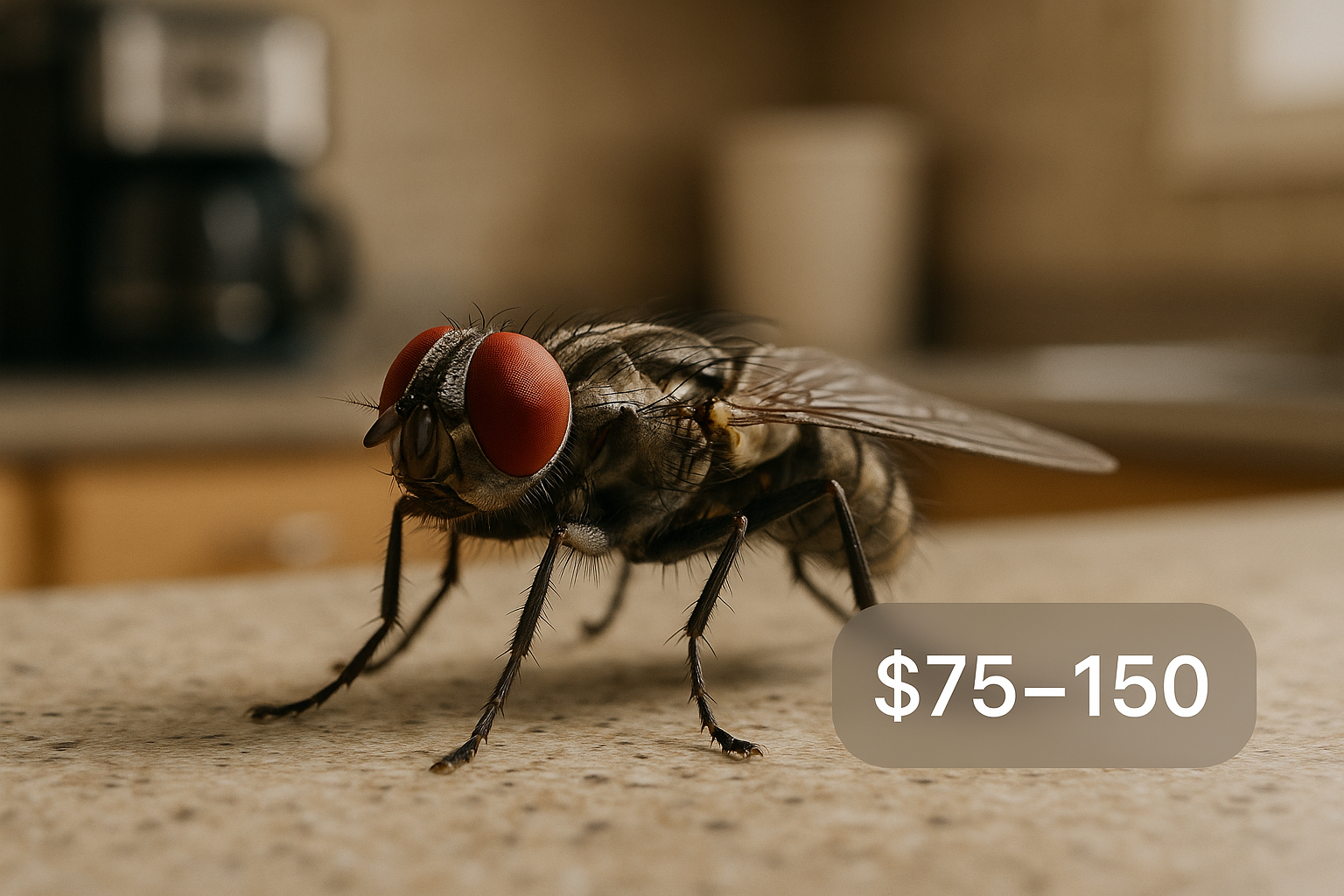
The common house fly (Musca domestica) is easily recognized by its compact body, typically 6–8 mm long, and a shiny gray‑black thorax. Its wings are transparent with a faint vein pattern, and the most striking feature is the pair of bright red eyes that seem to follow you around.
In the humid subtropical climate of the Atlanta‑Dunwoody area, the fly’s life cycle speeds up. The four stages are:
- Egg – laid in moist organic matter; hatch in 12–24 hours.
- Larva (maggot) – feeds on decaying material for 3–5 days.
- Pupa – a protective case lasting 2–4 days.
- Adult – emerges ready to breed within a day.
Because temperatures often hover above 80 °F in summer, a single female can produce a new generation every 7–10 days. University of Georgia Extension reports that Georgia sees an average of 5–10 generations per year, making flies a persistent summer nuisance.
Behaviorally, house flies are drawn to organic waste, sugary residues, and any source of moisture. In Dunwoody, you’ll most often find them hovering around outdoor trash cans, compost piles, or pet waste during the hottest months. Their activity peaks mid‑day when sunlight warms the surrounding air.
Example scenario: Jane notices a small cloud of flies buzzing around her kitchen trash bin each afternoon. She checks the bin, sees a thin layer of food scraps, and observes the flies’ red eyes and quick, erratic flight pattern—classic signs of house flies.
Quick tip: Before calling an exterminator, compare the insect you see with the description above. If the size, coloration, and red eyes match, you’re likely dealing with a house fly and can move forward with targeted treatment.
When and Where Flies Thrive in Dunwoody
Peak Months and Temperature Triggers
House flies in Dunwoody hit their highest numbers from June through September. NOAA’s 2023‑2024 temperature records show average daily highs climbing above 85 °F (29 °C) during this window, creating the perfect incubator for fly eggs. When the mercury stays warm for several consecutive days, adult females lay up to 150 eggs in a single batch, and the life cycle can compress to just a week.
Temperature Ranges That Accelerate Breeding
Flies develop fastest in the 75‑90 °F (24‑32 °C) range. Below 70 °F, egg hatch rates drop dramatically, and above 95 °F, adult mortality rises. Homeowners who notice a sudden surge in activity should check whether their property’s micro‑climate—think sun‑warmed patios or poorly ventilated garages—falls within this sweet spot.
Geographic Hotspots in the Metro Area
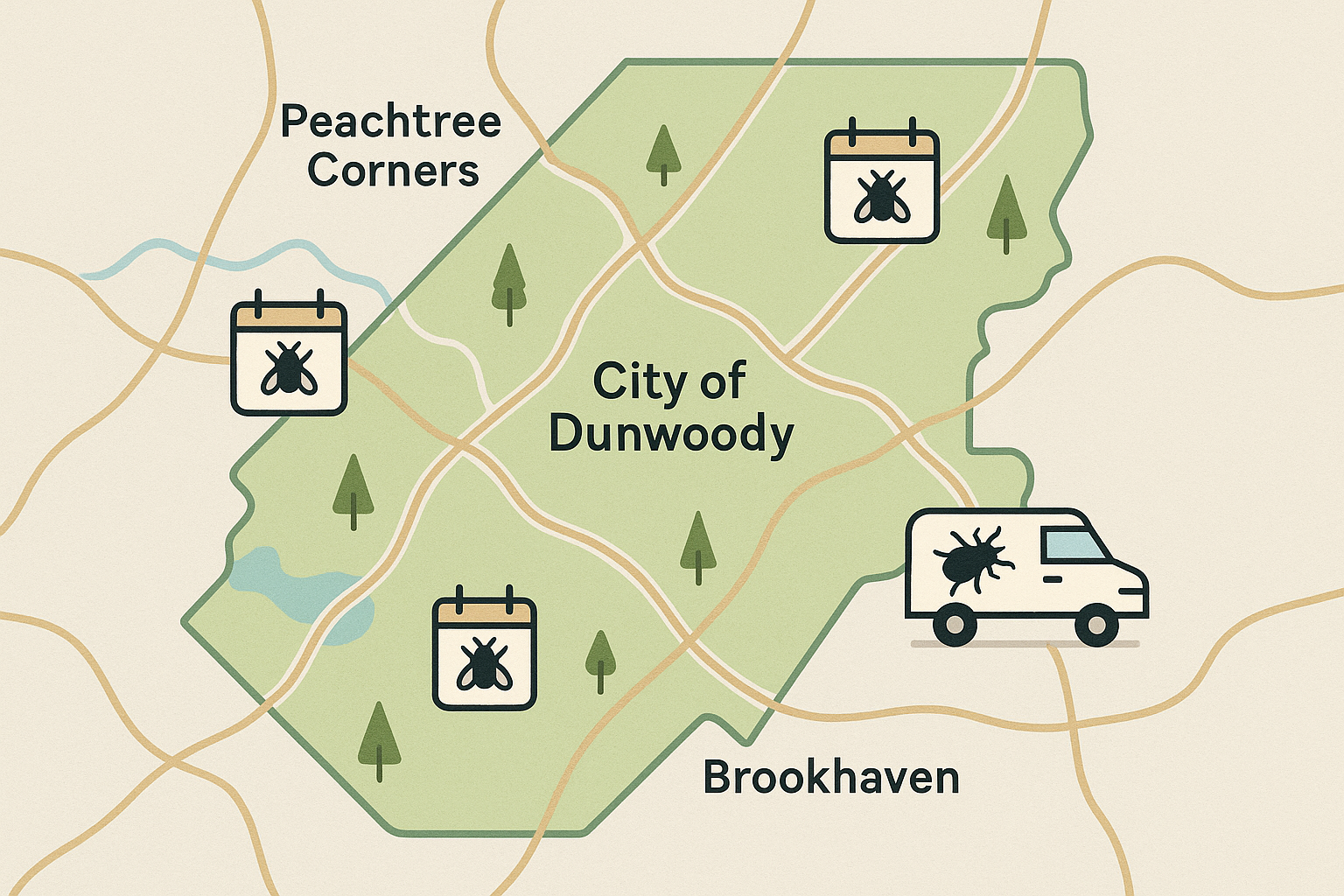
Not every neighborhood experiences the same pressure. Data from local sanitation reports and homeowner complaints point to three high‑risk zones:
- Brookhaven – dense apartment complexes with shared trash chutes.
- Peachtree Corners – commercial strips where restaurant waste is collected nightly.
- Dense housing clusters – older subdivisions with tightly packed yards and limited green space.
Factors Contributing to Hotspots
These areas share three common attractants:
- Commercial waste: Restaurants, fast‑food outlets, and convenience stores generate organic debris that flies love.
- High housing density: More doors, windows, and outdoor spaces mean more entry points and breeding sites.
- Limited sanitation practices: Overfilled trash cans, uncovered compost bins, and pet waste left unattended provide a steady food source.
When any of these factors combine with the warm summer months, fly populations can explode within days.
| Month | Average High (°F) | Fly Activity Level |
|---|---|---|
| May | 78 | Low‑Moderate |
| June | 86 | High |
| July | 89 | Very High |
| August | 88 | Very High |
| September | 84 | High |
| October | 75 | Moderate |
Proven Methods to Eliminate House Flies
Chemical Sprays: Residual vs. Contact
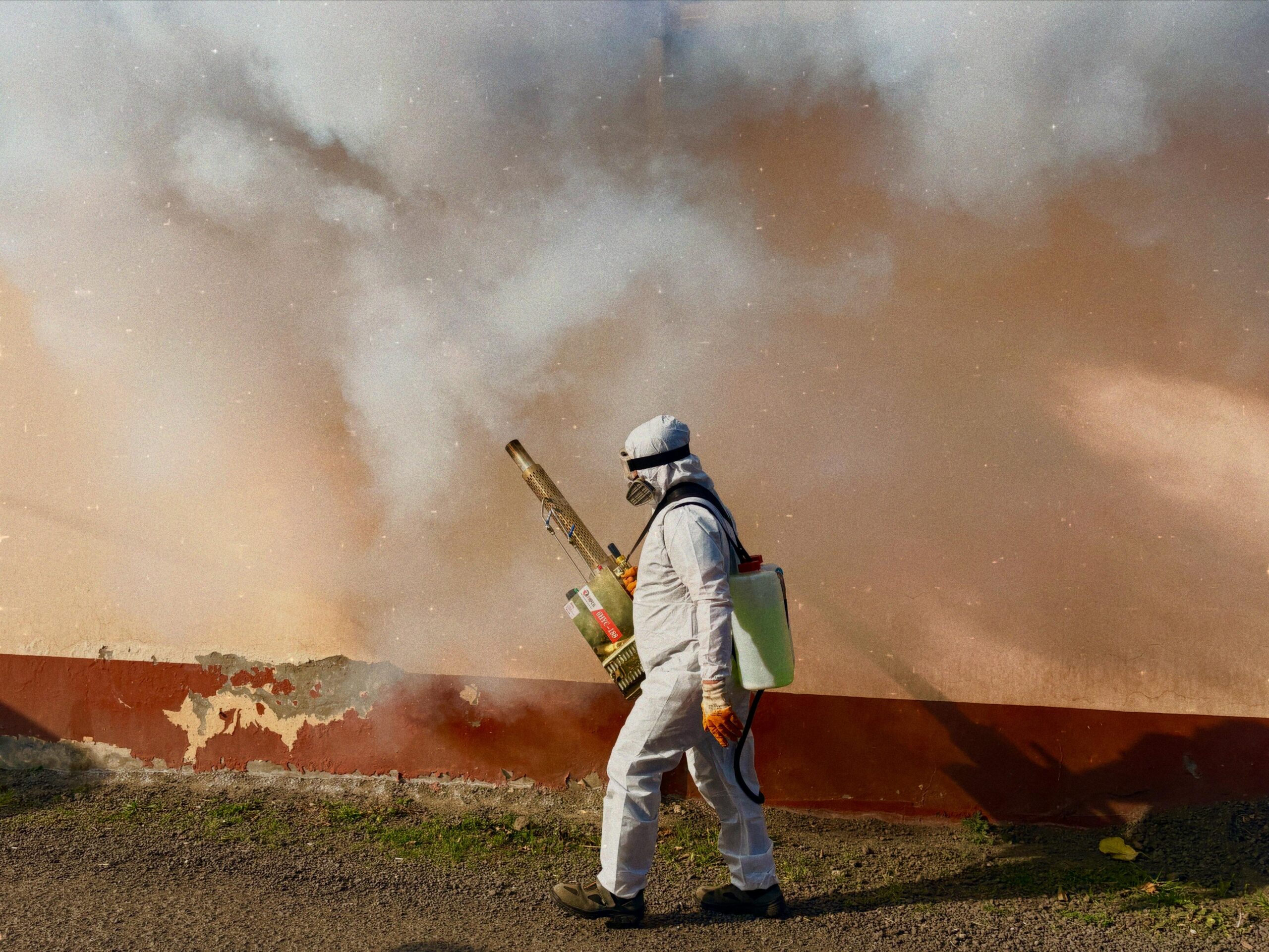
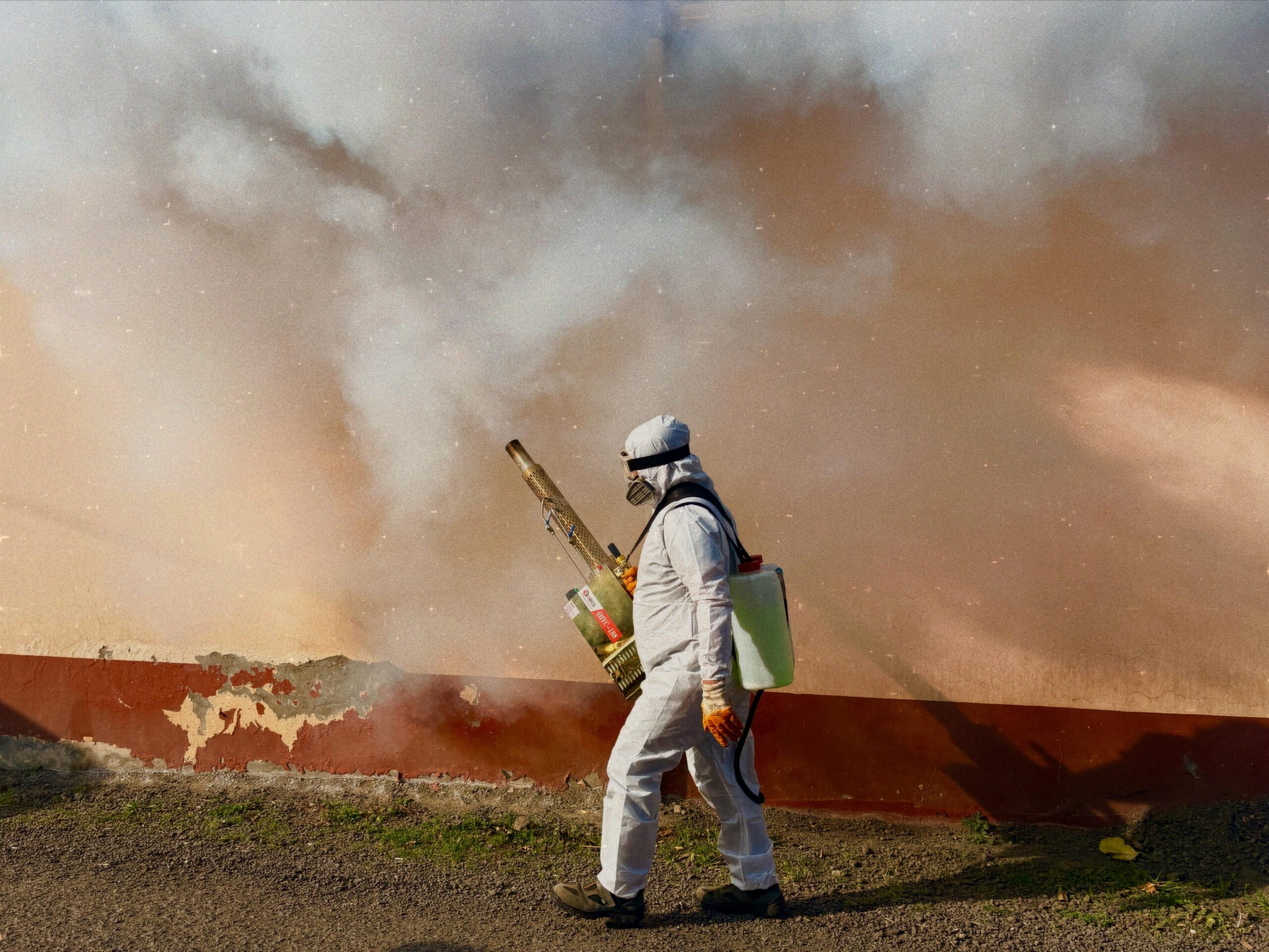
Professional exterminators rely on EPA‑registered products that are proven safe for families and pets when applied correctly. Contact sprays knock down flies on sight but disappear within hours, making them ideal for sudden outbreaks. Residual sprays leave an active layer on walls, ceilings, and window frames that continues to kill flies for several days, preventing re‑infestations after the initial treatment. Both options are available through Anthem, and every formulation is listed on the EPA pesticide registration database, ensuring you’re getting a product that meets strict federal safety standards.
Bait Stations and Fly Traps
When you need a low‑maintenance, targeted approach, bait stations and mechanical traps are the go‑to tools. A 2022 study by the National Pest Management Association (NPMA) found that properly placed bait stations reduced indoor fly populations by 78 %, while well‑designed fly traps captured an average of 12 flies per day in a typical kitchen environment. Anthem installs bait stations that combine an attractant with a slow‑acting toxin, giving flies time to carry the poison back to breeding sites. For trap enthusiasts, we recommend UV‑light traps placed near waste areas; they provide immediate visual feedback and help you gauge the effectiveness of your overall program. See the full NPMA findings here.
Integrated Pest Management (IPM)
IPM is the backbone of any lasting fly‑control strategy. It blends three core pillars:
- Sanitation: Remove food residues, cover trash bins, and clean pet waste promptly. Flies breed in organic matter, so a clean kitchen and garbage area can cut breeding sites by up to 90 %.
- Exclusion: Seal cracks around doors, windows, and vents. Install fine‑mesh screens and use self‑closing door sweeps to block entry points.
- Fly‑Proofing Measures: Install air curtains in high‑traffic doorways, keep exterior lights dimmed or switched to yellow LEDs (flies are less attracted to these wavelengths), and schedule regular waste removal.
When these practices are combined with chemical or bait treatments, homeowners see a dramatic drop in fly activity within a week.
What It Costs
For a standard 2,000‑sq‑ft home in Dunwoody, Anthem charges between $75 and $150 per treatment, depending on the level of infestation and the mix of services you choose (spray, bait, or full IPM package). This price range is transparent and verified on the Anthem Pricing page, so there are no surprise fees after the job is done.
Anthem’s Guarantees and Service Warranty
Anthem stands behind every fly‑control visit with clear, homeowner‑focused guarantees:
- 30‑Day Re‑Treatment Guarantee: If flies return within 30 days of your service, we’ll re‑apply the treatment at no extra charge.
- Year‑Long Satisfaction Warranty: Ongoing monitoring visits are included for the first year, ensuring any new hotspots are addressed promptly.
- Safety Assurance: All products used meet EPA standards, and our technicians wear certified protective gear to protect your family and pets.
These policies reflect Anthem’s commitment to safe, effective, and affordable fly control—so you can enjoy a fly‑free home without worrying about hidden costs or ineffective solutions.
Simple Steps Homeowners Can Take Today
Even the best professional treatment works best when you keep the house fly‑friendly conditions under control. Below are quick, low‑cost actions you can start today that pair perfectly with Anthem Pest’s expert services.
Everyday Habits That Block Fly Access
- Secure trash bins. Use containers with tight‑fitting lids and set a schedule to empty them at least once a week. Flies love the scent of rotting food, so eliminating the source is the first line of defense.
- Manage pet waste. Scoop litter boxes daily and clean up pet droppings in the yard promptly. If you feed pets outdoors, place food in sealed containers and remove leftovers within 30 minutes.
- Seal openings. Inspect screen doors and window screens for tears or gaps. Repair or replace damaged sections to stop flies from slipping inside.
- Deploy UV fly traps. Position battery‑operated UV traps near high‑traffic areas—kitchens, garbage zones, and patios. Keep traps at least 6 feet away from food prep surfaces to avoid attracting flies toward meals.
Quick‑Reference Checklist (Print‑Friendly)
- ☐ Check trash cans for secure lids; schedule weekly removal.
- ☐ Scoop pet waste daily; store pet food in sealed containers.
- ☐ Examine all screens; mend tears with screen repair kit or replace.
- ☐ Install UV fly traps; place them 6‑12 inches off the ground, away from food.
- ☐ Review EPA safety guidelines before using any DIY pesticide.
When you need a chemical solution for a persistent hotspot, follow the EPA Guidelines on safe pesticide use. Choose products labeled for indoor fly control, apply only the recommended amount, and keep children and pets out of the treated area until it’s dry.
These simple steps create an environment where flies struggle to survive, giving Anthem Pest’s professional treatments a stronger foothold and extending the time between service visits. Consistency is key—make these habits part of your weekly routine, and you’ll notice fewer flies buzzing around your home.
Local Expertise You Can Trust
Certified Professionals You Can Rely On
Anthem Pest Control’s technicians are more than just pest‑removers—they’re fully EPA‑registered applicators and hold all required state licenses for Georgia. This dual certification guarantees that every chemical we use meets rigorous safety standards and that our team follows the latest Integrated Pest Management (IPM) protocols. Homeowners in Dunwoody can rest easy knowing that their fly control is handled by experts who are vetted, trained, and continuously updated on best practices.
24/7 Service Line and a Dedicated Dunwoody Office
Fly invasions don’t wait for business hours, and neither do we. Our round‑the‑clock hotline, 877‑371‑8196, connects you instantly to a live representative who can dispatch a technician within hours. The Dunwoody office, located just minutes from the city center, serves as a local hub for scheduling, follow‑ups, and on‑site consultations, ensuring a rapid, neighborhood‑focused response every time.
“I called the 24/7 line on a Saturday night when flies were swarming our kitchen. A technician arrived the next morning, treated the house, and the flies were gone within 24 hours. Fast, friendly, and effective—exactly what we needed.” — Satisfied Dunwoody Homeowner
Transparent Pricing and a Free Inspection Offer
We believe homeowners deserve clear, upfront costs. Anthem Pest provides a flat‑rate pricing model for house‑fly treatments, eliminating surprise fees and hidden surcharges. To help you make an informed decision, we offer a complimentary on‑site inspection—no obligation, no charge. During the visit, our certified specialist will assess the severity of the infestation, explain the treatment plan, and present a detailed quote before any work begins.
Why Dunwoody Residents Choose Anthem
Beyond certifications and a 24/7 line, our local presence means we understand the unique seasonal patterns that affect fly activity in the Atlanta metro area. We’ve built a reputation for prompt, courteous service, backed by glowing customer reviews and repeat business. When you choose Anthem Pest, you’re partnering with a team that treats each home as if it were our own—delivering fast, effective fly control while safeguarding your family and pets.
Understanding the Investment
When you request a house‑fly service from Anthem Pest Control, the invoice is broken down into three clear parts. An initial inspection typically ranges from $0 to $49, depending on whether you need a simple visual check or a detailed assessment with bait stations. The core treatment fee falls between $75 and $150, covering the application of fly‑specific insecticides and any necessary residual barriers. Finally, a follow‑up visit—often scheduled 2–4 weeks after the first treatment—costs about $50 to confirm that the fly population is under control and to touch up any missed hotspots.
Compare that to a DIY approach. Over a 12‑month period, homeowners might spend $30‑$50 on disposable traps, $40‑$80 on aerosol sprays, and another $20‑$40 on replacement baits, totaling roughly $90‑$170. Add the hidden costs of time spent setting traps, re‑applying chemicals, and dealing with lingering flies that can contaminate food. By contrast, a professional plan—usually $200‑$250 per year including the components above—delivers consistent coverage, eliminates the guesswork, and frees you from repetitive chores.
To illustrate the return on investment, consider the simple ROI table below. It factors in not only direct expenses but also the savings from reduced food waste, fewer health‑related incidents, and lower risk of a fly‑infested reputation among neighbors.
| Scenario | Annual Cost | Estimated Savings (Food Waste & Health Risks) |
|---|---|---|
| DIY Traps & Sprays | $130 – $170 | $0 – $80 |
| Professional Service (Anthem) | $200 – $250 | $150 – $250 |
The professional route may appear slightly higher upfront, but the warranty‑backed treatment and ongoing monitoring deliver long‑term value. By preventing infestations before they spread, you protect your pantry, your family’s health, and your peace of mind—making the investment pay for itself year after year.
Quick Answers for Dunwoody Homeowners
How often should a fly treatment be applied?
During the peak fly season in Dunwoody—typically late spring through early fall—we recommend scheduling a professional treatment every 4‑6 weeks. This interval keeps the population suppressed and aligns with the life cycle of house flies, preventing new hatchlings from establishing a foothold.
Are the products safe for children and pets?
Absolutely. Anthem Pest uses only EPA‑registered formulations that meet stringent safety standards. Our technicians follow strict application protocols, including proper ventilation and restricted entry zones, to ensure that residues are harmless to family members and pets once the product has dried.
How long will flies remain after a professional treatment?
Most adult flies are knocked down within 24‑48 hours of the initial spray. In addition, our residual products continue to work for up to two weeks, dramatically reducing the chance of a rebound infestation during the treatment window.
When is the best time to schedule a fly service in Dunwoody?
The optimal window is early summer, when temperatures rise above 75 °F and flies begin breeding in earnest. Booking an appointment before the first major surge gives the treatment a head start, keeping your home comfortable throughout the hottest months.
Does Anthem Pest offer a warranty on fly treatments?
Yes. We stand behind our work with a 30‑day satisfaction guarantee. If you notice a persistent fly problem within that period, simply call us and we’ll re‑treat the affected areas at no extra charge.
Take Action to Protect Your Home Today
House flies may seem harmless, but they carry bacteria that can cause food‑borne illness, eye irritation, and allergic reactions. In Dunwoody, fly populations surge during the warm months, especially after rain, creating a perfect breeding ground for these pests.
Effective control starts with three proven steps: eliminate standing water, seal entry points, and apply a targeted professional treatment that disrupts the fly life cycle. Over‑the‑counter sprays provide temporary relief, but only a licensed exterminator can deliver lasting results with EPA‑approved products and a customized action plan.
Choosing Anthem Pest Control means you invest in cost‑effective protection and peace of mind. Our free inspection identifies hidden breeding sites, and our 24/7 support ensures you’re never left waiting when a fly invasion strikes. Because we’re locally based, we understand Dunwoody’s climate and can schedule treatments at the optimal seasonal peak for maximum impact.
Ready to safeguard your family and food storage? Call 877‑371‑8196 for a free, no‑obligation quote, or schedule your inspection online today. Our transparent pricing and flexible plans fit any budget, so you can enjoy a fly‑free home without surprise charges.
Experience the difference of a trusted, local partner—visit Anthem Pest Control to learn more and book your free inspection.
Don’t wait for the next swarm—act now and protect your home.