Understanding Millipede Infestations in Druid Hills, GA
What a Millipede Really Is
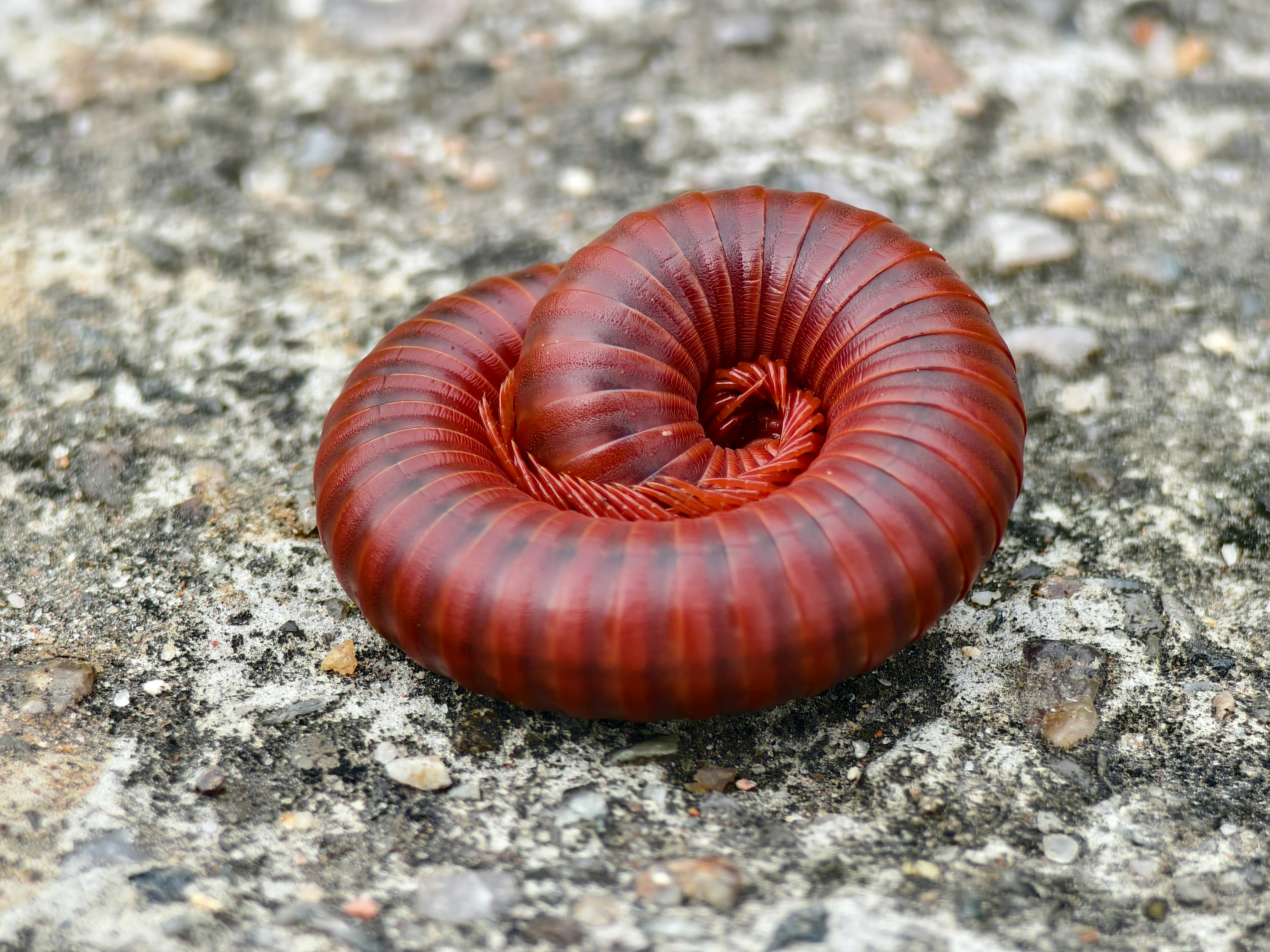
Millipede Control Druid Hills homeowners often becomes necessary when millipedes begin invading homes, crawl spaces, and foundations. Millipedes are often mistaken for insects, but they belong to a separate class of arthropods. As their name suggests, they sport dozens of legs—typically two pairs per body segment. In the wild, they act as detritivores, feeding on decaying leaves, wood, and other organic matter. Because they break down dead material, they are usually harmless to humans and pets, and they rarely bite or sting.
Spotting an Infestation
Even though millipedes are benign, large numbers can become a noticeable nuisance. Homeowners in Druid Hills should keep an eye out for these tell‑tale signs:
- Clusters of millipedes gathering near the foundation or in crawl spaces.
- Damp basements or garages with visible trails of tiny, silvery‑gray bodies.
- Mulch beds or garden borders that look “overrun” with moving legs.
- Sudden appearances of millipedes on windowsills, door thresholds, or interior walls after a rainstorm.
How They Get Inside
Millipedes are attracted to moisture, so any crack, gap, or vent that lets damp air seep into your home becomes a highway for them. Common entry points include:
- Foundation cracks and gaps around utility lines.
- Unsealed crawl‑space vents or vent covers.
- Improperly screened windows and doors.
- Leaky pipes or drainage issues that keep the soil around your home soggy.
Why Large Numbers Matter
When a few millipedes wander in, most homeowners simply sweep them away. However, an established population can create several problems:
- Nuisance factor: Hundreds of tiny legs scurrying across floors can be unsettling, especially for children and seniors.
- Garden impact: While they don’t eat live plants, dense groups can disrupt mulch layers and accelerate the breakdown of organic matter, altering soil structure.
- Psychological stress: Seeing swarms near living spaces can trigger anxiety and a perception that the home is “infested,” even if no damage is occurring.
Druid Hills – A Millipede‑Friendly Environment
Millipede Control Druid Hills challenges are common because the local climate and soil conditions make the area particularly inviting for these creatures. The region’s humid summers, frequent rain, and well-drained, loamy soils provide the moisture and organic debris millipedes love. Additionally, mature oak and pine trees common in Druid Hills neighborhoods shed abundant leaf litter, creating a year-round food source.
Quick Visual Cue
If you notice the close‑up photo above—millipedes tightly coiled near a foundation—you’re likely looking at the early stages of an infestation. Use that visual as a reference point: a small, orderly group can quickly swell into a larger, more visible problem if moisture and entry points aren’t addressed.
When Millipedes Are Most Active: Seasonal Patterns in Druid Hills
Millipede Control Druid Hills is not a year-round concern, as millipede activity is tightly linked to temperature, moisture, and the local climate. Understanding this seasonal rhythm allows homeowners to schedule inspections before the bugs start crossing the threshold, saving time, money, and the occasional surprise crawl on the porch.
Life Cycle and Temperature Dependence
In Druid Hills, millipedes spend most of the year as eggs or immature juveniles hidden in leaf litter, mulch, and soil. Once soil temperatures consistently reach 55‑60°F (13‑16°C), the juveniles mature and emerge to feed and mate. Their activity peaks when the weather stays warm enough to keep the ground damp but not so hot that the soil dries out. Below 40°F (4°C) they become dormant, and extreme heat in midsummer drives many back into the cooler layers of the earth.
Seasonal Activity Chart

- Spring (March – May): Soil warms and spring rains keep the ground moist, prompting a massive emergence. This is the most common time homeowners notice millipedes near foundations.
- Fall (September – November): After the summer heat recedes, cooler evenings and frequent rain create ideal conditions for a second wave of surface activity.
Summer sees moderate levels—enough for feeding but often limited to shaded, damp spots—while winter activity drops dramatically as temperatures dip below the threshold for movement.
Weather Influence: Rainfall and Humidity
Millipede Control Druid Hills efforts often become necessary after periods of heavy rain, which act as the main catalyst pushing millipedes from their subterranean homes onto the surface. A single downpour can raise soil moisture by 20% or more, prompting dozens to crawl up walls, into cracks, or even inside homes seeking refuge from saturation. High humidity amplifies this effect, especially after prolonged cloud cover. Conversely, a dry spell can force millipedes deeper into the soil, reducing visible signs but not fully eliminating the infestation.
Practical Monitoring Tips for Homeowners
- Inspect foundation walls and door thresholds after any rain lasting more than 30 minutes.
- Place sticky traps (yellow or white) along baseboards and near exterior lights; check them weekly during peak months.
- Look for millipede droppings—tiny, dark, cylindrical pellets—in mulch, flower beds, and around porch steps.
- Keep gutters clear and ensure proper drainage to prevent water pooling near the house.
- Consider a short‑term perimeter treatment in early spring if you notice repeated surface activity.
For deeper scientific insight, consult the University of Georgia Extension’s UGA Extension page on millipede biology and the National Pest Management Association’s research on seasonal pest trends (NPMA). These resources provide data that can help you fine‑tune your monitoring schedule and decide when professional intervention is most cost‑effective.
How to Prevent and Treat Millipede Problems
Prevention Checklist
Keeping millipedes from moving in starts with a dry, sealed home exterior. Follow this quick checklist to make your property less inviting:
- Eliminate excess moisture: Repair leaky gutters, downspouts, and faucet drips; use a dehumidifier in damp basements.
- Seal cracks and gaps: Apply caulk around foundation joints, window frames, and door thresholds.
- Trim vegetation: Keep shrubs, vines, and lawn edges at least 12 inches away from the house to reduce bridge pathways.
- Ensure proper drainage: Grade soil away from the foundation and install French drains where water pools.
DIY Measures You Can Try
If you already see a few millipedes scurrying across your porch, safe household solutions can buy you time before a professional visit.
- Diatomaceous earth: Sprinkle a thin layer along baseboards, doorways, and garden beds. The microscopic silica cuts the insects’ exoskeletons, causing dehydration.
- Citrus‑based sprays: Mix 1 cup of citrus oil with 1 gallon of water, add a few drops of dish soap, and spray cracks, mulch, and entry points. The scent repels millipedes without harming pets.
- Sticky barriers: Place double‑sided tape or commercial sticky traps near high‑traffic zones. Millipedes become immobilized, and you can monitor activity levels.
When DIY Isn’t Enough
DIY tactics are great for low‑level sightings, but certain signs tell you a professional touch is required:
- Consistent swarms appearing after rainstorms.
- Millipedes inside living spaces—especially kitchens or bedrooms.
- Visible damage to plant roots or mulch caused by large numbers.
- Repeated re‑infestations despite regular DIY applications.
At this point, calling a licensed exterminator like Anthem Pest Control ensures a thorough, long‑lasting solution.
What Professionals Do: Typical Perimeter Treatment
A certified technician starts with a detailed inspection, then applies a EPA‑registered perimeter treatment designed to create an invisible barrier around your home.
- Soil application: A low‑toxicity, residual pesticide is mixed with water and evenly broadcast along the foundation, flower beds, and any soil that contacts the house.
- Barrier creation: The product penetrates the top 2–3 inches of soil, forming a chemical shield that repels or kills millipedes as they attempt to cross.
- Follow‑up inspection: After 7–10 days the technician returns to assess effectiveness, retreating high‑risk zones if needed.

Safety First: EPA‑Approved Pesticide Guidelines
Anthem Pest Control only uses products listed on the EPA residential pesticide use page. These formulations meet strict toxicity, persistence, and environmental standards, ensuring they are safe for children, pets, and beneficial insects when applied correctly.
Key safety practices during and after treatment include:
- Keeping children and pets off treated areas for at least 2 hours.
- Wearing gloves and a mask if you must handle the product yourself.
- Storing any leftover pesticide in its original container, out of reach of children.
- Following label instructions for re‑application intervals—most perimeter treatments remain effective for 3–6 months.
By combining diligent prevention, smart DIY steps, and timely professional care, you can keep millipedes out of your Druid Hills home without compromising safety or budget.
Millipede Control Service Pricing Explained
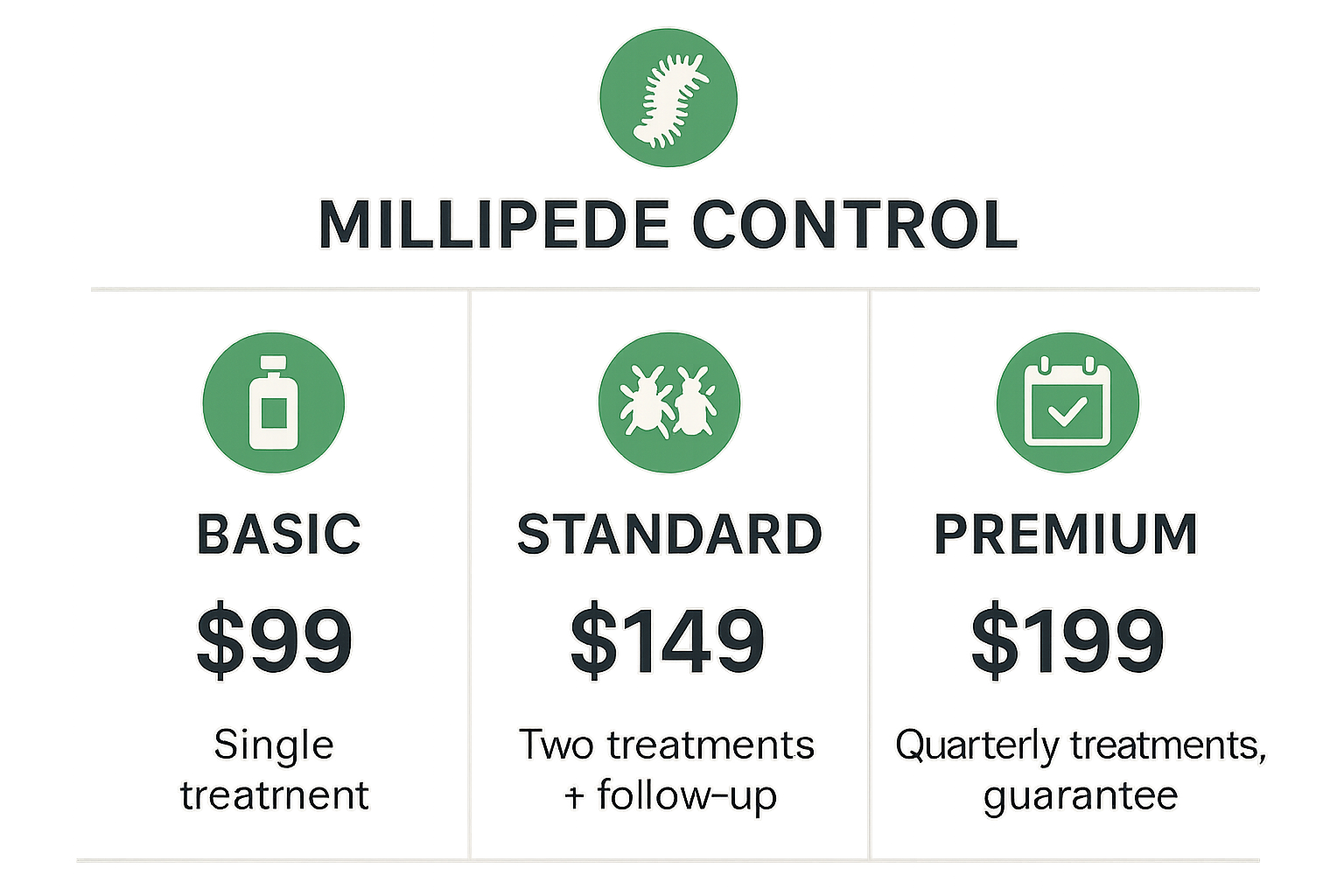
At Anthem Pest Control, we believe Millipede Control Druid Hills pricing should be as clear as the sky on a Druid Hills summer morning. That’s why every millipede control plan is presented up front, with no hidden fees or surprise add-ons. You’ll see exactly what you’re paying for, how many visits are included, and the length of our guarantee—all in a single, easy-to-read table. Whether you’re dealing with a handful of millipedes in the garden or a full-scale indoor invasion, our tiered options let you match service intensity to your situation and budget.
| Feature | Basic ($99) | Standard ($149) | Premium ($199) |
|---|---|---|---|
| Number of treatments | 1 | 2 | 3 |
| Follow‑up visits | 1 | 2 | 3 |
| Guarantee length | 30 days | 60 days | 12 months |
| Additional perks | None | Seasonal monitoring | Quarterly monitoring + priority scheduling |
Infographic Overview
Our custom infographic uses bold icons—a single spray bottle for Basic, a shield for Standard, and a crown for Premium—set against a fresh green accent that signals eco‑friendly protection. Each tier’s icon is stacked next to a concise bullet list, making it simple to scan and compare at a glance.
Cost‑Benefit Analysis
While the Basic $99 package covers one treatment and a single follow‑up, it leaves you vulnerable to a second infestation later in the season. The Standard $149 plan adds a second treatment and a 60‑day guarantee, often paying for itself by preventing a costly repeat visit. The Premium $199 tier bundles three treatments, quarterly monitoring, and a full‑year guarantee. Homeowners who choose Premium typically see fewer re‑infestations, meaning less time spent worrying about millipedes and fewer emergency service calls—saving both money and peace of mind over the long run.
Scheduling Your Service
Ready to lock in your tier? Call 877‑371‑8196 or book online through our website. Our licensed technician will arrive within 24‑48 hours, conduct a thorough inspection, and explain the treatment schedule tailored to your home’s layout. The first visit includes a complete perimeter spray and interior crack‑and‑crevice treatment, after which you’ll receive a clear service card outlining the next appointment dates and any homeowner prep steps.
All prices include EPA‑registered products, full protective gear for our crew, and the expertise of fully licensed technicians. No extra charge for the chemicals, no surprise mileage fees—just the transparent, effective protection Druid Hills homeowners expect from Anthem Pest.
Protect Your Home Today with Anthem Pest Control
Millipedes may look harmless, but in large numbers they can damage mulch, garden beds, and even create slip hazards inside your home. The best time to act is early spring, before the rains bring them out, and again in late summer when a second wave often appears.
Choosing Anthem Pest means you get EPA‑approved treatments that target the insects without risking your family or pets. Our transparent pricing lets you know exactly what you’re paying, and our technicians follow a strict safety protocol for every application.
If you’ve spotted millipedes crawling across your foundation or simply want to protect your home before the next peak season, our friendly team is ready to help.
Call us today at 877‑371‑8196. The first consultation is completely free, and we’ll provide a clear, written estimate before any work begins.
Visit our website for more details, read customer stories, and schedule your service online at your convenience.
Visit Anthem Pest Control now to claim your free quote.