Why Millipedes Matter in Smyrna
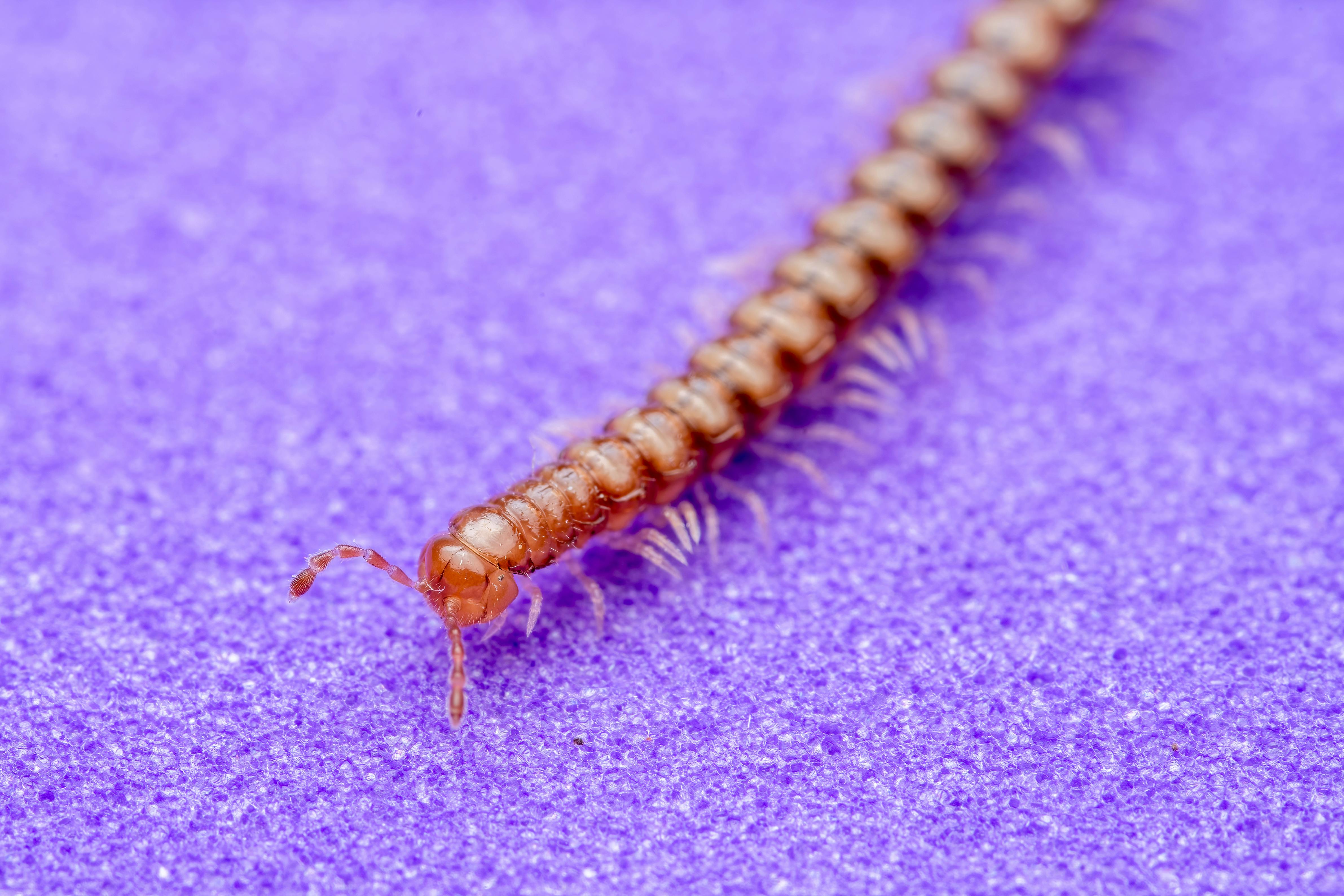
Millipedes are detritivores – they feed on decaying leaves, wood, and organic matter, making them harmless to people and pets, but their sheer numbers can become a visual nuisance inside homes, highlighting the importance of professional millipede control Smyrna.
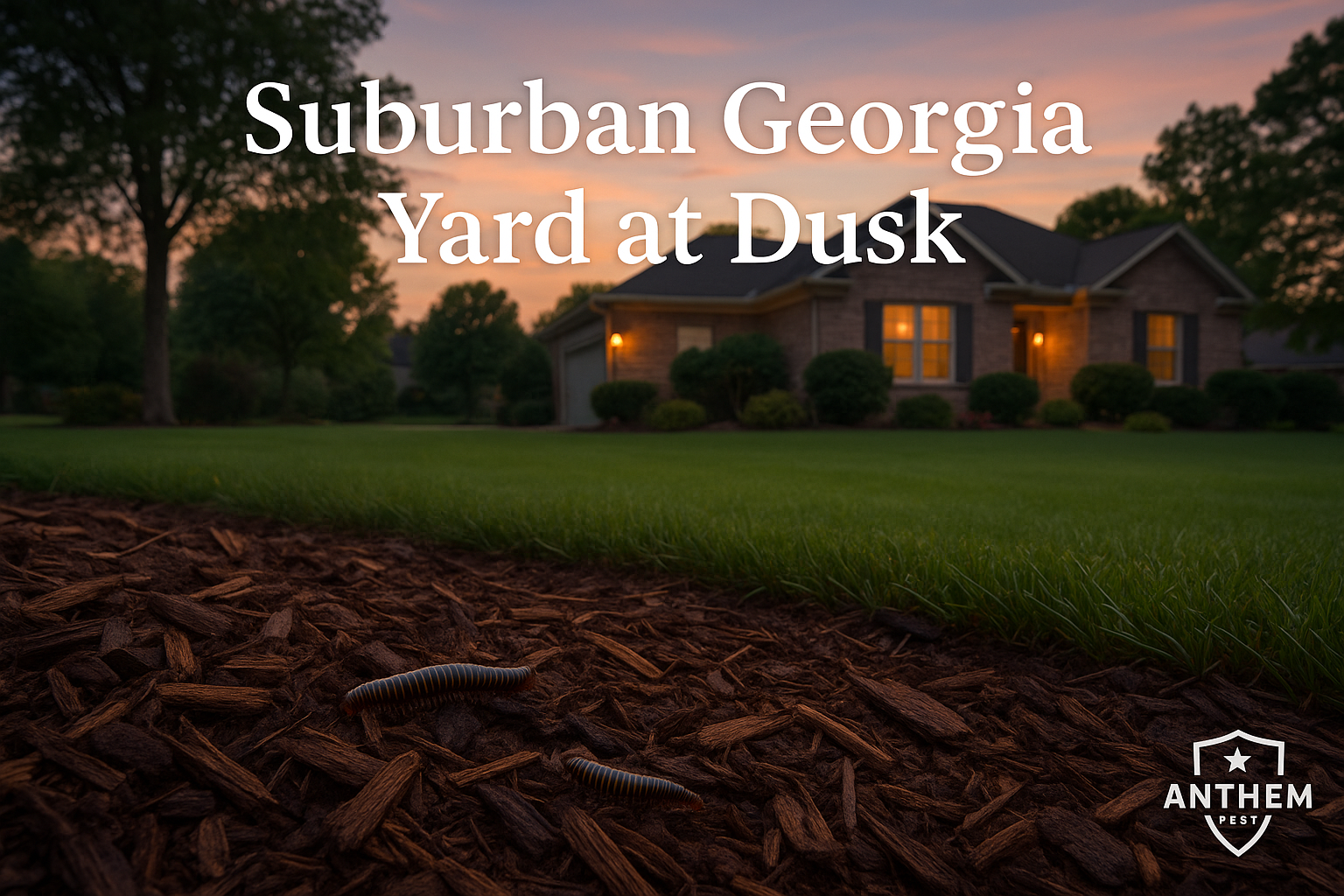
In Smyrna, Georgia, the humid subtropical climate creates the perfect environment for these creatures, especially during the rainy season from June through September when soil moisture spikes and millipedes emerge in search of shelter.
Homeowners in East Cobb, South Smyrna, and the historic downtown district often report a sudden influx of millipedes crawling across driveways, patios and even entering basements after a heavy downpour.
According to the Georgia Department of Agriculture, millipede complaints rise 35 % during the summer months, a trend that has been confirmed by local pest‑management records in 2024.
Anthem Pest has been serving Smyrna homeowners for more than 20 years, and our technicians have logged thousands of millipede sightings, giving us a deep understanding of where they congregate and how to intercept them before they become a household annoyance.
While millipedes don’t bite or transmit disease, their sudden appearance can leave damp trails that stain carpets, create a slippery surface on porches, and trigger a panic response in homeowners who mistake them for more dangerous pests.
Anthem Pest’s 20‑year record in Smyrna is backed by a team of Georgia‑licensed technicians, ongoing training, and a reputation for fast, low‑toxicity solutions that keep families safe while eliminating millipedes at their source.
Typical warning signs include:
- Small, dark, cylindrical bodies moving in groups across moist surfaces;
- Wet, silvery slime left on steps or floorboards;
- Increased activity after a night of heavy rain.
Spotting these early lets you act before the infestation spreads. Keep reading to discover proven treatment options and preventative tips tailored for Smyrna’s climate.
Identifying Common Millipede Species in Cobb County
When you hear that familiar rustle in your yard or spot a long, many‑legged creature on a stone, you’re likely looking at a millipede. In North Georgia, two species dominate residential complaints: the Narceus americanus (the American giant millipede) and the Oxidus gracilis (the greenhouse millipede). Knowing which one you’re dealing with helps you choose the right control strategy.
Key Physical Traits to Spot
Both species share classic millipede hallmarks: two pairs of legs on each body segment, a tendency to curl into a tight coil when threatened, and a faint, defensive odor released from glands near the rear. However, subtle differences set them apart.
- Narceus americanus – Reaches 4–6 inches, dark brown to black, and prefers moist leaf litter, mulch, and garden beds.
- Oxidus gracilis – Stays under 2 inches, light brown to tan, and is most common in potted plants, greenhouses, and damp indoor corners.
Quick Visual Checklist
| Feature | Narceus americanus | Oxidus gracilis |
|---|---|---|
| Size | 4‑6 in (10‑15 cm) | 0.5‑2 in (1‑5 cm) |
| Color | Dark brown to black | Light brown to tan |
| Leg Count (visible segments) | ~200 legs (≈100 pairs) | ~80 legs (≈40 pairs) |
| Typical Habitat | Leaf litter, mulch, garden beds | Potted plants, greenhouse trays, damp indoor areas |
According to the Georgia Department of Agriculture, complaints involving millipedes surged by 27 % in 2024, a clear sign that homeowners are encountering these pests more often than before. The spike is linked to wetter summers and increased landscaping activity across Cobb County.
Why Accurate Identification Matters
Each species reacts differently to treatment options. The larger Narceus americanus often requires a perimeter barrier combined with targeted soil applications, while the smaller Oxidus gracilis can be managed with indoor‑focused baits and moisture control. Misidentifying a greenhouse millipede as a garden species could lead to unnecessary chemical use and persistent indoor sightings.
By matching the size, color, leg count, and habitat to the checklist above, you give Anthem Pest Control the information needed to design a precise, cost‑effective plan—protecting your home without over‑treating the environment.
How Millipedes Enter Smyrna Homes
Millipedes are masters of finding the tiniest openings. In Smyrna, the most common entry points are foundation cracks, gaps around door sweeps, deteriorated window screens, and the edges of mulch beds that blend directly into the house siding.
When a crack in the concrete foundation is wider than a quarter‑inch, moisture seeps in and creates a humid tunnel that millipedes love. Door sweeps that are worn or missing leave a gap right at floor level, and a single torn screen can become a highway for dozens of insects, including millipedes, especially after a rainstorm.
Why Mulch and Leaf Piles Attract Them
Dense mulch and accumulated leaf litter act like a sponge, holding water and providing shelter from predators. The cool, damp environment mimics the forest floor where millipedes naturally thrive. As the material breaks down, it releases organic matter that serves as a food source, encouraging the pests to linger right up to the house perimeter.
Real‑World Example
Last spring, a West Cobb homeowner called Anthem after discovering a line of millipedes crawling across the garage floor following a heavy thunderstorm. The storm saturated the nearby mulch beds, and a small gap under the garage door allowed the insects to pour in. After sealing the gap and adjusting the mulch depth, the homeowner reported no further sightings.
Tip: Seal gaps ≤¼ inch with silicone caulk. Silicone remains flexible, allowing the house to expand and contract without reopening the seal.
Quick Inspection & Sealing Checklist
- Walk the foundation with a flashlight; note any cracks wider than ¼ inches.
- Check door sweeps and replace or reinstall any that are damaged.
- Inspect window screens for tears; repair with screen patch kits.
- Trim mulch beds so they stop at least 6 inches from the house siding.
- Remove leaf piles and garden debris that sit against exterior walls.
- Apply silicone caulk to all identified gaps and re‑check after heavy rain.
By systematically addressing these vulnerable spots, homeowners can dramatically reduce the chance that millipedes will set up camp inside their Smyrna home.
Risks, Misconceptions, and Why Control Still Matters
It’s easy to assume millipedes are harmless house guests, but a few myths keep homeowners from taking sensible action. Contrary to popular belief, millipedes do not bite and they are not vectors for disease. The CDC pest fact sheet confirms there’s no record of millipedes transmitting pathogens to humans or pets.
That doesn’t mean they’re completely benign. In large numbers, millipedes can cause seedling injury by feeding on tender roots, especially in newly planted vegetable gardens. Homeowners often notice unsightly swarms marching across patios, decks, or driveways after a rain—an aesthetic nuisance that can make outdoor gatherings feel less inviting. When populations explode, the extra moisture they carry into crawl spaces may encourage mold growth or attract other moisture‑loving pests.
Understanding how millipedes stack up against other common household pests helps put their risk in perspective.
| Pest | Typical Damage | Health Risk | Control Urgency |
|---|---|---|---|
| Millipedes | Seedling root feeding; swarming on surfaces; moisture‑related mold potential | None (no bites, no disease transmission) | Low‑to‑moderate – act when numbers become visible or cause garden damage |
| Ants | Structural damage from carpenter species; food contamination | Allergic reactions to bites (fire ants); occasional disease spread via food | Moderate – intervene early to prevent colony expansion |
| Cockroaches | Food contamination; damage to paper, fabrics, and electronics | Allergens, asthma triggers, potential bacterial spread | High – immediate action needed due to health implications |
Even though millipedes pose a low health threat, targeted control is still worthwhile. Reducing their numbers protects your garden’s young plants, keeps outdoor spaces looking tidy, and prevents moisture‑related secondary issues. A professional, localized treatment plan—like the one Anthem Pest Control offers—focuses on the entry points and moisture sources that attract millipedes, delivering a cost‑effective solution that safeguards both your home’s appearance and its long‑term health.
Effective Treatment Options for Smyrna Homeowners
Chemical Barrier Treatments
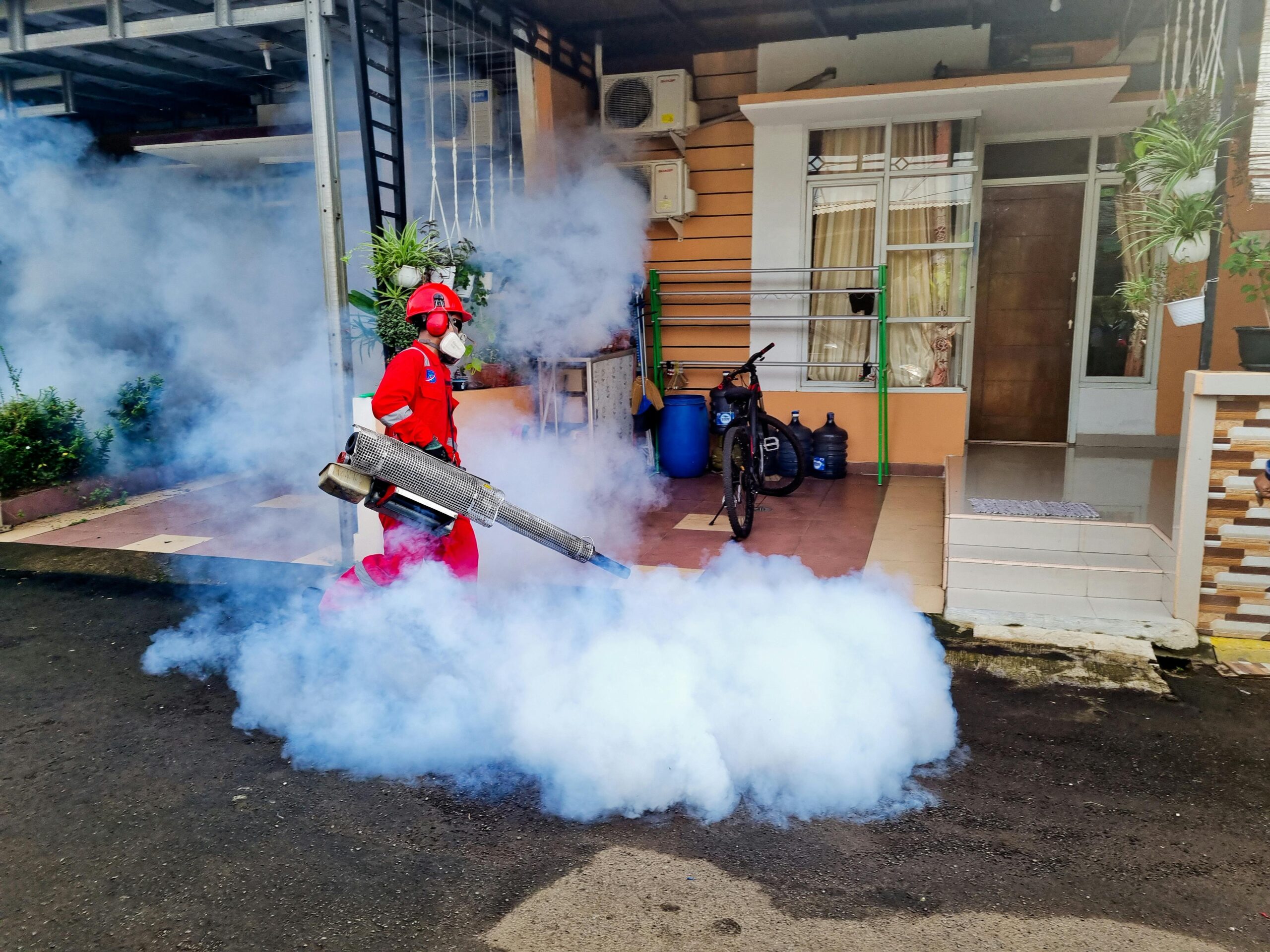
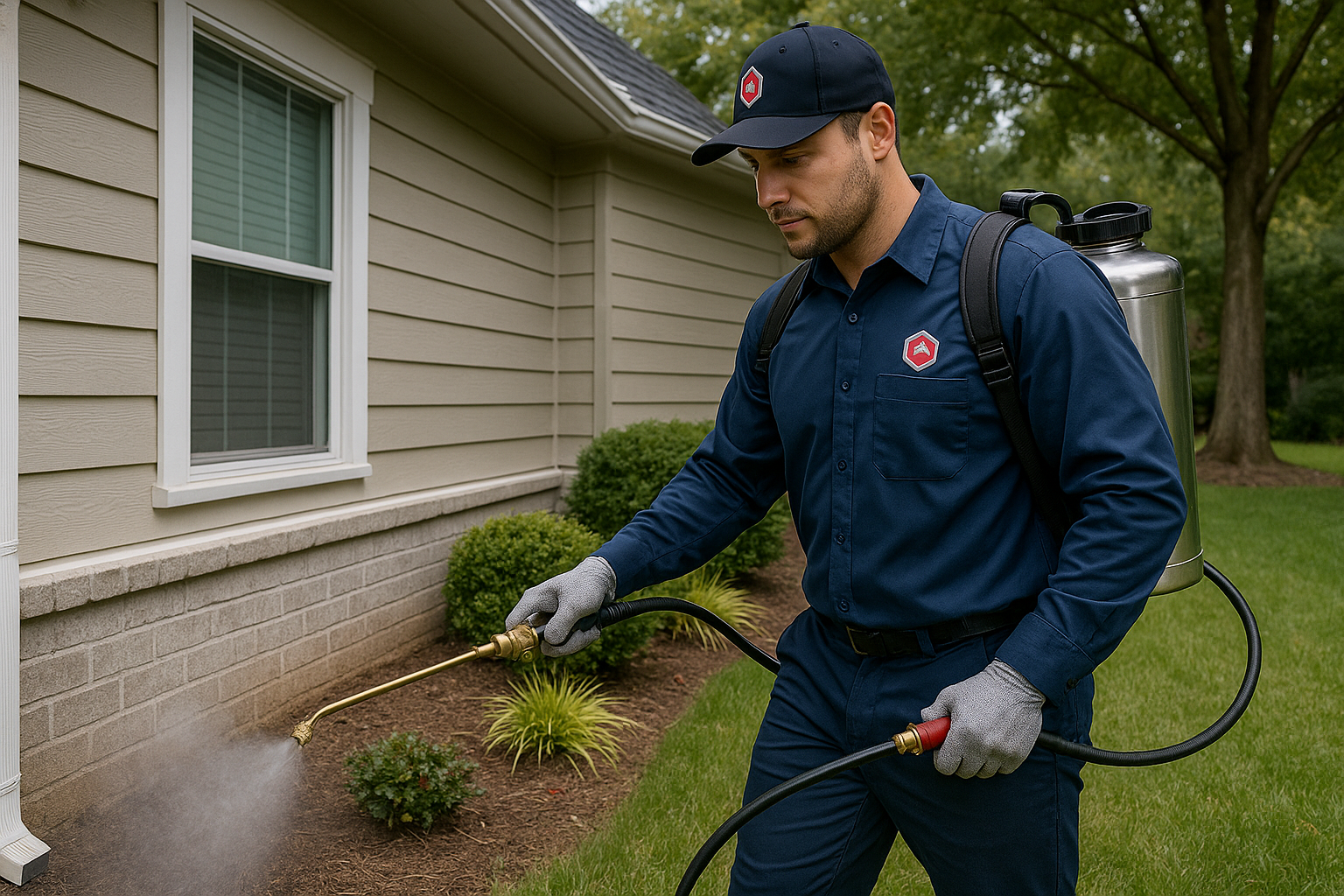
For most Smyrna properties, the most reliable first line of defense is a low‑pressure perimeter spray applied by a licensed technician. Using EPA‑registered pyrethroids, the spray creates a thin, invisible shield that repels millipedes as they crawl up the foundation. A typical treatment covers 150–200 ft of exterior wall, reaching cracks, vents, and the base of the siding where millipedes often congregate. The chemical barrier remains active for several weeks, buying you peace of mind during peak summer activity.
Indoor Spot Treatments
When millipedes have already entered the home, targeted indoor spot treatments are essential. Dusts such as diatomaceous earth or silica‑based powders can be lightly applied to cracks, baseboards, and under appliances. These powders work mechanically, abrading the exoskeleton of any millipede that walks through them, ultimately dehydrating the pest. Because the products are non‑toxic to humans and pets when used as directed, they’re a safe choice for families who prefer a hands‑on approach.
Organic Options
Homeowners seeking a greener solution can turn to neem‑oil‑infused mulch or introduce beneficial nematodes into garden beds. Neem oil disrupts the millipede’s feeding cycle, while nematodes actively hunt and kill larvae in the soil. Both methods are compatible with pet‑friendly landscaping and can be combined with a chemical perimeter for layered protection.
Professional vs. DIY: What’s the Best Fit?
| Option | Typical Cost | Safety | Effectiveness |
|---|---|---|---|
| Anthem Pest professional perimeter spray | $80‑$130 (single) / $150‑$250 (annual package) | High – licensed applicator follows EPA guidelines | Very high – uniform coverage of foundation |
| DIY low‑pressure perimeter spray | $30‑$70 (product only) | Medium – homeowner must follow label instructions | Moderate – uneven coverage can leave gaps |
| DIY indoor dust (diatomaceous earth) | $15‑$35 (bag) | High – non‑chemical, safe around children/pets | Low‑moderate – works only where applied |
| Organic mulch or nematodes | $40‑$90 (materials) | High – natural, biodegradable | Moderate – best as part of an integrated plan |
Based on local pricing data from Anthem Pest and other Smyrna providers, a single perimeter treatment for millipede control Smyrna typically runs $80‑$130. Homeowners who want ongoing protection can opt for an annual monitoring and retreatment package ranging from $150‑$250. If you only need a one‑time indoor spot treatment, expect to pay $50‑$90, whether you hire a pro or purchase the dust yourself.
DIY Prevention Checklist for Homeowners
Millipedes thrive in damp, sheltered environments, so the most effective defense is keeping your home and yard dry and sealed. By following a simple, seasonal checklist you can cut down on the insects that wander in after a rainstorm, saving you time, hassle, and professional‑service costs.
1. Spring Barrier – March to April
Before the first heavy rains arrive, spread a thin line of diatomaceous earth around the foundation. Use roughly 1‑2 lb per 100 ft of wall. The powder stays effective through the rainy season, creating a physical barrier that millipedes cannot cross without becoming dehydrated.
2. Year‑Round Moisture Management
- Fix leaky gutters and downspouts: Redirect water at least 6 feet away from the house.
- Improve yard drainage: Grade soil away from the foundation and consider French drains in low spots.
- Maintain lawn height: Keep grass trimmed to 3‑4 inches so it doesn’t hold excess moisture.
3. Mulch & Leaf Litter Control
- Keep mulch no deeper than 2 inches; replace it annually to avoid compacted, damp layers.
- Rake and dispose of leaf litter weekly, especially during fall, to eliminate hiding places.
4. Seal Entry Points
- Install or repair door sweeps on all exterior doors.
- Check window screens for tears and seal gaps around utility penetrations.
5. Seasonal Checklist
- Early Spring (Mar‑Apr): Apply diatomaceous earth, inspect gutters, and grade soil.
- Summer (May‑Jul): Keep lawn at recommended height, water plants early in the day, and monitor mulch depth.
- Fall (Sep‑Oct): Rake leaves, remove decaying wood, and re‑apply a thin dusting of diatomaceous earth if heavy rains are forecast.
- Winter (Nov‑Feb): Check door sweeps for frost damage, and ensure downspouts remain clear of ice blockages.
Quick “Do‑It‑Now” Action List
- Inspect and repair any gutter leaks.
- Trim grass to 3‑4 inches.
- Spread 1 lb of diatomaceous earth per 100 ft of foundation.
- Replace damaged door sweeps.
- Rake the first layer of fallen leaves.
When you follow each step, you’ll notice fewer millipedes crawling along your foundation and fewer surprise encounters in basements or crawl spaces. Consistent maintenance can lower indoor sightings by as much as 80 percent, and it buys you time before a professional visit becomes necessary.
When to Call Anthem Pest – Service Overview
Our thorough inspection process
Before any treatment begins, our EPA‑certified technicians conduct a three‑step inspection that leaves no stone unturned:
- Visual assessment: We walk the perimeter, check foundation cracks, mulch beds, and any damp areas where millipedes love to hide.
- Moisture meter reading: Using a calibrated meter, we pinpoint spots with excess humidity— the primary invitation for millipedes to set up camp.
- Species identification: Not all millipedes are created equal. Identifying the exact species helps us select the most effective treatment protocol for Smyrna’s climate.
This systematic approach ensures we treat the right problem, in the right place, at the right time.
“Safe, Effective, Affordable” promise
Anthem Pest stands behind three core guarantees:
- Safety first: All products are EPA‑approved and applied following strict safety guidelines, protecting your family, pets, and the environment.
- Proven effectiveness: Our certified technicians use a blend of low‑impact chemicals and targeted moisture‑reduction tactics that eradicate millipedes and keep them from returning.
- Affordability: Transparent pricing, no hidden fees, and a 100 % satisfaction guarantee—if you’re not happy with the results, we’ll re‑treat at no extra cost.
What Smyrna homeowners are saying
“I thought millipedes were just a summer nuisance, but they kept showing up after every rain. Anthem Pest sent a tech who identified the moisture problem, treated our yard, and gave us a simple drainage tip. No millipedes have been seen since! – Jane D., East Cobb”
How to get started
Ready for a pest‑free yard? Call us today at 877‑371‑8196 or visit our service page to schedule a free inspection. New Smyrna customers enjoy a limited‑time discount on their first treatment, and the inspection is always complimentary. Our friendly team will walk you through the plan, answer any questions, and set a convenient appointment—so you can get back to enjoying your home without millipedes crawling across the porch.
Frequently Asked Questions & Local Resources
Do millipedes damage my home’s structure?
No. Millipedes are harmless to wood, drywall, or any structural components of a house. Their presence usually signals excess moisture in the yard or foundation. When you see large numbers, it’s a cue to check for drainage problems, clogged gutters, or leaky pipes that may be attracting them.
How long does a treatment last?
A professionally applied perimeter treatment typically remains effective for 8‑12 weeks. Heavy rain or irrigation can wash away the barrier, so you may need a follow‑up application after a particularly wet spell. Regular inspections help you schedule touch‑ups before millipedes return.
Are the chemicals safe for pets and children?
We use EPA‑registered products that are formulated for low toxicity when applied according to label directions. Our technicians provide professional millipede control Smyrna, wearing protective gear, calibrating equipment precisely, and following strict safety protocols. After treatment, we advise keeping pets and children off treated zones for a short period—usually 30 minutes to an hour—until the spray dries.
Can I treat my garden myself?
Yes, homeowners can reduce millipede numbers with organic options such as neem oil sprays or beneficial nematodes applied to soil. These methods target larvae without harming plants. However, a professional perimeter treatment creates a continuous barrier that protects both the home and garden, offering broader, longer‑lasting control.
Local Resources
- Cobb County pest‑management guidelines – County‑specific recommendations for moisture control, landscaping, and safe pesticide use.
- EPA pesticide labeling requirements – Federal standards that ensure products meet safety and efficacy criteria.
- NPMA Best Practices for Millipede Management – Industry‑approved strategies for integrated pest management and responsible chemical application.
- University of Georgia Cooperative Extension seasonal alerts – Expert advice on local pest trends, identification, and preventative measures.
Protect Your Smyrna Home Year‑Round – Call Anthem Pest Today
Millipedes may seem harmless, but when they swarm under decks, in basements, or along foundation walls they create a slippery mess and can signal moisture problems. The first step to lasting protection is knowing what you’re dealing with: most Smyrna infestations involve the common “house” millipede (Oxidus gracilis) or the larger “black” millipede (Polydesmus angustus). Once identified, seal cracks around doors, windows, and utility penetrations, and trim vegetation that brushes against your home’s exterior. These simple barriers keep the insects from entering in the first place.
Next, choose a treatment that matches the species and the level of activity. Spot‑treatments with low‑toxicity sprays work for occasional sightings, while a perimeter‑wide application of a residual insecticide offers year‑round defense for larger colonies. Pair any chemical approach with moisture control—fix leaky gutters, improve drainage, and use a dehumidifier in damp crawl spaces. Regular yard maintenance, such as removing leaf litter and wood debris, removes the organic food source millipedes love.
Why Anthem Pest Is Smyrna’s Trusted Partner
For more than 20 years, Anthem Pest has been the go‑to pest control professional for homeowners across Georgia. Our local technicians understand the unique climate patterns that drive millipede activity in Smyrna, and we tailor each plan to your property’s specific needs. We pride ourselves on safe, EPA‑approved products, transparent pricing, and a satisfaction guarantee that lets you sleep soundly—no more surprise visits from unwelcome, many‑legged guests.
Take the First Step Toward a Millipede‑Free Home
Ready to protect your family’s comfort? Schedule a free inspection today and let our experts design a proactive Millipede Control Smyrna strategy that keeps millipedes out all year long. New Smyrna customers enjoy a limited‑time discount on their first treatment package. Call us at 877‑371‑8196 or email us through the contact form on Anthem Pest Control. Our friendly team is standing by to answer questions, set up a convenient appointment, and walk you through every step of the process.
Keep the millipedes out, let the comfort in.