Why Mosquito Control Matters in Dunwoody

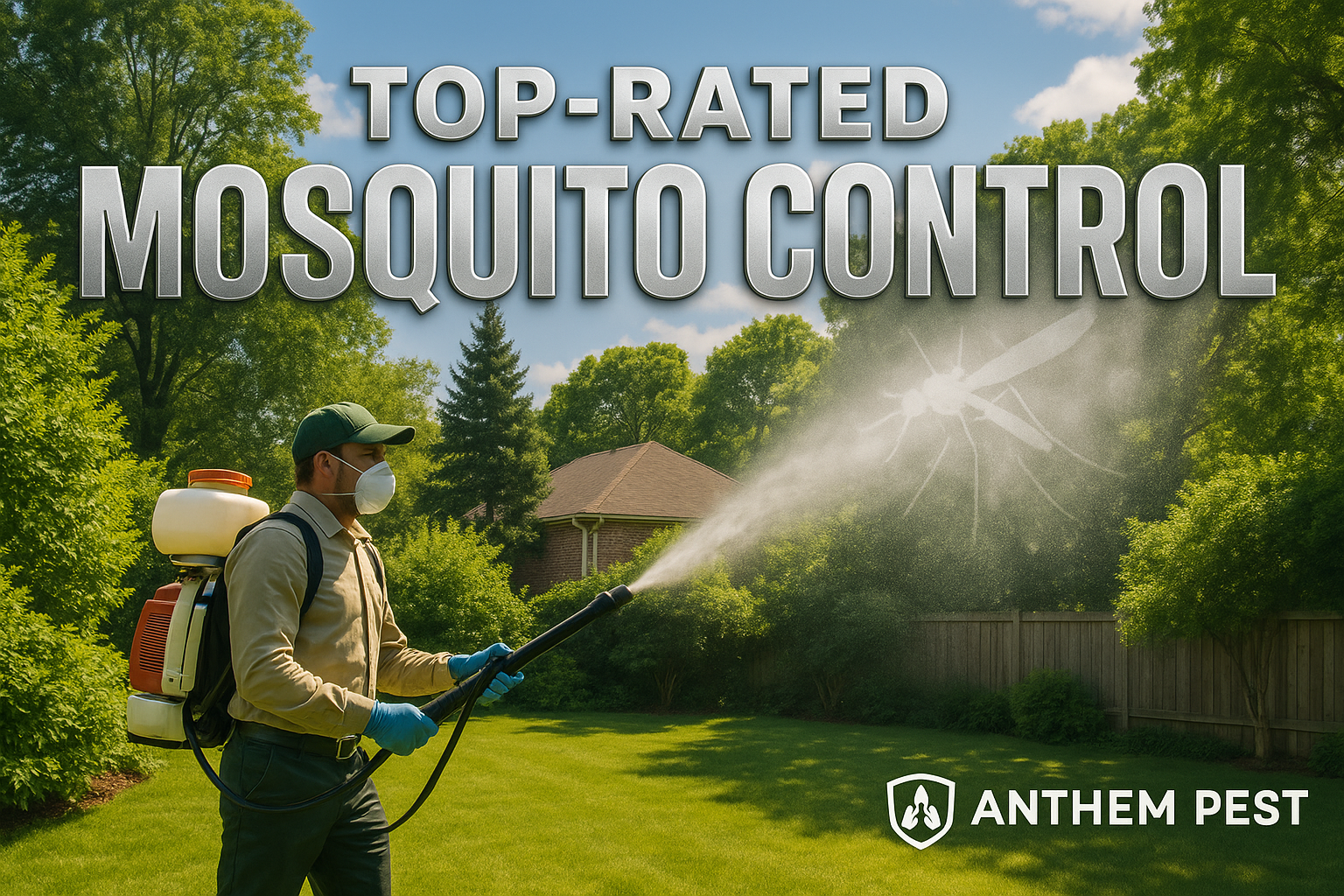
Imagine a warm Dunwoody twilight: the sky blushes pink, backyard lights flicker on, and families gather on patios to sip lemonade. Children dart between lawn chairs, their laughter mixing with the soft hum of cicadas. Suddenly, a cloud of mosquitoes descends, turning the scene from serene to frantic. Swatting, scratching, and hurriedly retreating indoors become the new norm, and that perfect summer moment slips away — a frustrating reality that makes professional mosquito control Dunwoody homeowners rely on more important than ever.
Beyond the annoyance, mosquito bites carry a serious health risk. According to the CDC’s 2024 report, mosquito‑borne illnesses result in more than 1,000 hospitalizations across the United States each year. While most bites cause only itching, diseases such as West Nile virus, Zika, and Eastern equine encephalitis have claimed lives and strained local healthcare resources. In a community like Dunwoody, where outdoor living is a cornerstone of daily life, the stakes are especially high.
Comfort and Health: Two Sides of the Same Coin
- Outdoor comfort: Homeowners invest in decks, fire pits, and landscaping to extend their living space. Effective mosquito control preserves those investments, letting families enjoy evenings without constant swatting.
- Disease prevention: Reducing mosquito populations directly lowers the chance of disease transmission, protecting vulnerable family members—especially children and seniors.
These twin goals are not abstract concepts; they play out in real‑time on Dunwoody’s streets. Last month, Dunwoody City Park hosted a community concert that drew hundreds of residents. As the sun set, the venue became a hotspot for mosquito activity. Attendees flooded the park’s information booth with calls for immediate, professional treatment, pleading for a solution that would let future events proceed safely. The incident underscored a growing demand for locally‑tailored mosquito management.
That demand is exactly why Anthem Pest Control has honed its approach for Dunwoody homeowners. Our team blends science‑backed treatments with an intimate understanding of the area’s climate, vegetation, and water features. By targeting breeding sites—stagnant ponds, clogged gutters, and shaded landscaping—we deliver cost‑effective protection that aligns with the community’s budget and expectations.
In the sections that follow, we’ll break down the most affordable strategies, explain how professional treatments differ from DIY sprays, and show you how to balance comfort with safety. Whether you’re planning a weekend barbecue or simply want peace of mind while the kids play outside, the right mosquito control plan can make all the difference in Dunwoody’s summer evenings.
Local Mosquito Species and Health Concerns
When you hear that familiar high‑pitched whine on a Georgia evening, you’re likely sharing the air with one of three mosquito species that thrive in the Atlanta metro area. Each of these insects prefers a slightly different backyard niche, and each can transmit a distinct set of diseases. Knowing which species you’re dealing with helps you choose the right prevention strategy and protects your family from serious health threats.
Aedes albopictus – The Asian Tiger Mosquito
The Asian tiger mosquito is instantly recognizable by its bold black‑white striped legs and a small white patch of scales on the head. It loves to lay eggs in artificial containers such as discarded tires, flower pot saucers, and even bird baths that receive intermittent sunlight. Because the eggs can survive dry periods, a pile of old tires in a shaded corner can become a year‑round breeding ground.
From a health perspective, Aedes albopictus is a competent vector for Eastern equine encephalitis (EEE) and can also transmit dengue and Zika viruses, though those are less common in Georgia. Its aggressive daytime biting habit means you may notice bites earlier in the day, especially after a rainstorm that fills up garden containers.
Culex quinquefasciatus – The Southern House Mosquito
Culex quinquefasciatus prefers the cool, dark, and stagnant water found in storm drains, septic tanks, and shaded pools. You’ll often find this species hovering around the edges of your property’s low‑lying lawns or under decks where rainwater collects unnoticed.
This mosquito is the primary carrier of West Nile virus** in Georgia**. According to the Georgia Department of Public Health (2023), Culex mosquitoes are responsible for roughly 80 % of West Nile cases in the state. Their peak activity occurs at dusk and during the early evening, which is why many homeowners report “sudden swarms” just as they’re settling in for dinner.
Anopheles quadrimaculatus – The Common Malaria Mosquito
Although malaria is rare in the United States, Anopheles quadrimaculatus remains a species to watch. It favors shaded, vegetated water bodies such as marshy edges, ditches, and the backs of dense shrubbery where sunlight is filtered. The larvae develop best in water that is rich in organic matter, making leaf‑laden ponds perfect nurseries.
Historically, this mosquito transmitted malaria, and occasional imported cases can still be linked to its bite. While the risk is low, the presence of Anopheles in your yard signals the need for regular water management and professional monitoring, especially after prolonged wet periods.
Mapping the Risk
The EPA’s 2023 Georgia mosquito‑risk maps highlight hotspots for each species across the state. In the Dunwoody‑Brookwood corridor, the maps show a high concentration of Culex breeding sites near storm‑drain networks, while pockets of Aedes activity cluster around residential tire piles and ornamental water features. Using these maps as a guide, homeowners can prioritize treatment zones and work with a pest‑control professional to target the most problematic habitats.
Real‑World Example: A Brookwood Bite Surge
In early May, a Brookwood homeowner reported a sudden spike in mosquito bites after an unusually heavy rainstorm left several yards with standing water for days. The homeowner’s backyard contained a collection of old tires, a neglected rain barrel, and a low‑lying lawn that pooled water beneath a deck. Within a week, family members experienced frequent, itchy bites concentrated on the arms and legs—classic signs of Culex activity. After a professional inspection confirmed dense Culex populations in the storm‑drain system and the tire pile, targeted larvicide applications and removal of the water‑holding containers reduced the bite count by more than 80 % in just two weeks.
Understanding which mosquito species are present, where they breed, and what diseases they can carry empowers you to make informed decisions about prevention. By eliminating standing water, maintaining clean gutters, and partnering with a trusted pest‑control service, you can keep your Dunwoody home safe from the hidden health threats that lurk in the night air.
Breaking Down the Price Tags
When you start shopping for mosquito control Dunwoody services, the first thing you’ll notice is a range of numbers rather than a single price. That’s because every yard is unique, and providers tailor their plans to match the specific challenges each property presents. Below you’ll find the typical cost bands you’ll encounter, followed by a detailed look at what drives those numbers.
Typical Cost Ranges in Dunwoody
- Initial treatment (one‑time visit): $65 – $109
- Recurring monthly plans: $32 – $119 per month
These figures represent the most common pricing you’ll see from reputable local companies such as Torpedo Mosquito, Environmental Turf, and Got‑Bugs. The lower end usually covers a basic spray on a small, open yard, while the upper end reflects comprehensive coverage for larger properties with dense vegetation.
What Influences the Price?
Understanding the “why” behind the numbers helps you compare quotes more intelligently. The main price drivers are:
- Yard size: A 0.25‑acre lot typically falls in the $65‑$85 initial range, whereas a 0.5‑acre property can push the cost toward $95‑$109.
- Foliage density: Thick, mature trees and shrubs create hidden breeding spots, requiring more product and labor.
- Treatment frequency: Monthly plans that include bi‑weekly applications cost more than a simple “once‑a‑month” service.
- Product choice: Organic, EPA‑approved formulas (e.g., spinosad or neem‑based sprays) are priced higher than conventional synthetic insecticides, but they reduce risk to children, pets, and beneficial insects.
Sample Cost Matrix
| Yard Size | Foliage Density | Product Type | Initial Treatment | Monthly Plan |
|---|---|---|---|---|
| 0.25 acre | Low | Standard chemical | $65 | $32 |
| 0.25 acre | High | Organic | $85 | $48 |
| 0.5 acre | Low | Standard chemical | $95 | $68 |
| 0.5 acre | High | Organic | $109 | $119 |
Real‑World Example: 0.3‑Acre Yard in Peachtree Park
Imagine you own a 0.3‑acre yard in the Peachtree Park neighborhood. Your property has a mix of ornamental shrubs, a mature oak, and a small vegetable garden—so the foliage density is moderate to high. After a quick site assessment, Got‑Bugs recommends the Premier plan at $119 per month. This package includes:
- Four bi‑weekly applications of an organic larvicide.
- Targeted misting around dense shrubbery and the oak canopy.
- Quarterly inspections to adjust dosage based on weather patterns.
The higher price reflects the extra product needed to penetrate the foliage and the increased labor for precise application. For many Dunwoody homeowners, the peace of mind that comes with a fully protected yard—especially during peak mosquito season (May through September)—justifies the investment.
How to Verify 2025 Pricing
Prices can shift year‑to‑year due to changes in EPA regulations, raw‑material costs, or local market demand. To ensure you’re getting the most accurate quote for 2025, follow these steps:
- Visit the official websites of Torpedo Mosquito and Environmental Turf. Look for a “Pricing” or “2025 Rate Sheet” link.
- Request a written estimate that breaks down each line item (product, labor, travel).
- Ask the provider to confirm whether the quoted rates include any seasonal discounts or promotional packages.
- Cross‑check the numbers against the cost matrix above; any significant deviation should be explained.
By doing a quick verification, you protect yourself from unexpected surcharges and ensure the service you choose aligns with your budget and mosquito‑control goals.
At Anthem Pest Control, we believe transparency is the cornerstone of trust. If you have questions about how these price drivers apply to your own yard, give us a call at 877‑371‑8196 or visit our website for a free, no‑obligation quote.
Who Leads the Dunwoody Mosquito Battle?
When it comes to keeping your backyard free of buzzing intruders, Dunwoody homeowners have five local contenders vying for the top spot. All of them hold the state‑required pest‑control license, carry general liability insurance, and post guarantees that aim to put the sting out of mosquito season. Below is a side‑by‑side look at how each provider stacks up on the criteria that matter most to you.
Provider Comparison Table
| Provider | Licensing & Insurance | Guarantee Policy | Avg. Rating (Google / Angi) |
Pricing Cycle | Eco‑Friendly Badge |
|---|---|---|---|---|---|
| Got‑Bugs | GA Pest‑Control License #2749; $2 M liability | Season‑long re‑treat if counts exceed 10 per 100 sq ft | 4.7 / 4.6 | Monthly or quarterly plans | EPA‑approved low‑toxics |
| Torpedo Mosquito | GA License #3102; $1.5 M liability | Free first treatment + 100 % satisfaction refund | 4.8 / 4.7 | Bi‑monthly (6‑week) cycles | BTI‑based organic spray |
| Mr. Mister | GA License #2981; $1 M liability | 30‑day “no‑buzz” guarantee | 4.6 / 4.5 | Quarterly (12‑week) visits | Bio‑based larvicide |
| Environmental Turf | GA License #3320; $2 M liability | 90‑day “zero‑bite” promise | 4.7 / 4.6 | Seasonal (April‑Oct) contracts | Integrated Pest Management (IPM) |
| Mosquito Squad | GA License #3554; $2 M liability | 95 % reduction guarantee or next treatment free | 4.9 / 4.8 | Monthly or semi‑annual options | Organic neem oil blend |
Service Differentiators That Set the Leaders Apart
- Torpedo Mosquito offers a free first treatment and relies on a BTI‑based organic spray that targets mosquito larvae without harming beneficial insects.
- Mosquito Squad backs its work with a bold 95 % reduction guarantee, promising a complimentary follow‑up if the numbers don’t drop as promised.
- Got‑Bugs excels in community pricing, allowing neighborhoods to bundle homes under a single monthly plan for added savings.
- Environmental Turf integrates mosquito control with lawn health services, delivering a holistic IPM approach that reduces the need for multiple contractors.
- Mr. Mister focuses on rapid response, offering a 30‑day “no‑buzz” guarantee that appeals to homeowners who need quick relief.
Pricing Cycles & Eco‑Friendly Badges
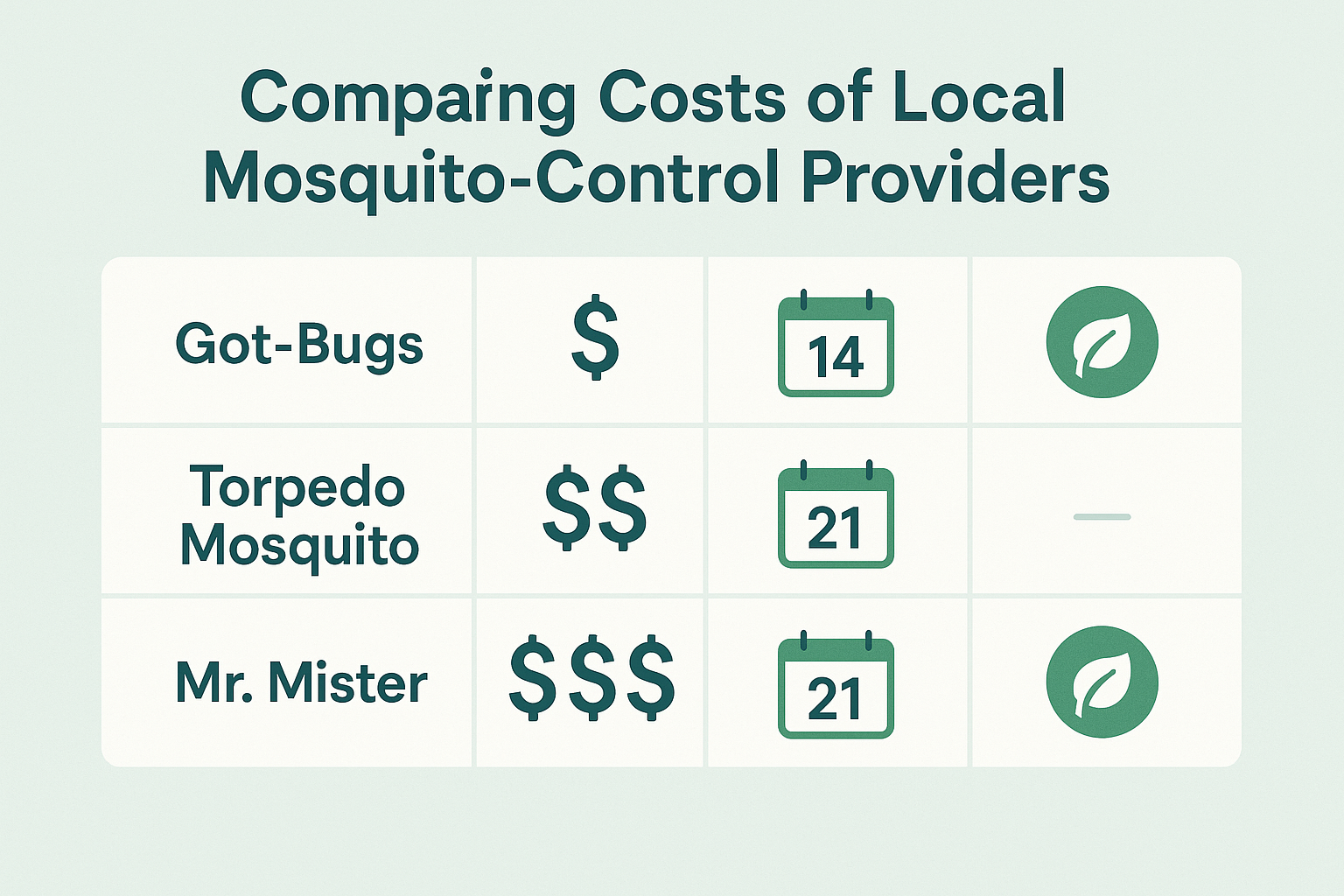
Most companies offering mosquito control Dunwoody services run on a recurring schedule—monthly, bi-monthly, or quarterly—so you never have to remember a re-treat date. The infographic below distills each provider’s pricing cadence and highlights the eco-friendly certifications they carry, from EPA-approved low-toxics to BTI-based organics.
Case Study: HOA Saves 15 % with Got‑Bugs
A midsize homeowners association (HOA) of 12 units in the heart of Dunwoody partnered with Got‑Bugs for a seasonal mosquito‑control program. By consolidating the homes under a single monthly plan, the HOA negotiated a bulk‑rate discount that trimmed the per‑home cost from $79 to $67 per month—a 15 % reduction. Over a full six‑month season, the community saved $144 in total, while enjoying Got‑Bugs’ season‑long guarantee and EPA‑approved low‑toxics spray. The HOA reported a 70 % drop in mosquito complaints compared with the previous year, proving that collective purchasing power can translate into both financial and comfort gains.
From Barrier Sprays to Automated Misting
When it comes to keeping mosquitoes at bay in Dunwoody, homeowners have three proven options: a classic barrier spray, an organic/biological spray, or a high‑tech misting system. Each method works differently, targets a specific stage of the mosquito life cycle, and delivers measurable results. Below we break down how they function, what you can expect in terms of effectiveness, and which solution fits your yard, budget, and peace‑of‑mind.

Traditional Barrier Sprays
Barrier sprays are the industry’s workhorse. Technicians apply EPA‑registered pyrethroids—synthetic chemicals that attack the nervous system of adult mosquitoes—directly onto foliage, shrubs, and the perimeter of your property. The spray forms a thin, invisible shield that knocks down flying insects within minutes of contact. Because pyrethroids degrade quickly under sunlight, most providers schedule re‑applications every two to three weeks during peak season to maintain that “quick knock‑down” effect.
Effectiveness metrics for barrier sprays typically show a 70‑85 % reduction in adult mosquito counts within 24 hours of treatment. The rapid action makes this method ideal for homeowners who need immediate relief for outdoor gatherings or evening barbecues.
Organic & Biological Sprays
If you’re concerned about chemical exposure for kids, pets, or the environment, organic and biological sprays offer a gentler alternative. The most common active ingredient is Bacillus thuringiensis israelensis (BTI), a naturally occurring soil bacterium that produces toxins lethal to mosquito larvae but harmless to mammals, birds, and beneficial insects. Many companies pair BTI with essential‑oil blends—such as citronella, eucalyptus, or lemongrass—to add a pleasant scent while providing an extra repellent layer.
These sprays are applied to standing water sources, drainage areas, and dense vegetation where larvae develop. Field data indicate a 60‑75 % drop in larval populations, which translates to fewer adults emerging later in the season. Because BTI targets the mosquito’s earliest stage, the overall community pressure diminishes over time, making it a smart choice for families prioritizing safety.
Automated Misting Systems
For the ultimate “set‑and‑forget” solution, automated misting systems have become the gold standard among upscale homeowners and property managers. The system consists of a tankless unit mounted on an exterior wall, connected to a network of micro‑sprayers placed strategically around the yard. Every 14 days the unit releases a fine mist of EPA‑registered insecticide—often a reduced‑rate pyrethroid—creating micro‑droplets that cling to leaves, grass blades, and even the air surrounding you.
Manufacturers typically back these installations with a two‑year warranty covering parts and performance. Because the mist is delivered continuously at low concentrations, the system maintains a persistent barrier without the “spike” of a traditional spray. The NPMA 2022 field study reported that misting systems can cut mosquito counts by up to 92 % over a six‑month season, outperforming both barrier and organic sprays in head‑to‑head trials.
Real‑World Success Story
Take the North Brookhaven residence in the heart of Dunwoody. Homeowner Lisa Thompson installed an Environmental Turf misting system in early May. Over the entire summer, she logged only two bite incidents—both occurring before the first misting cycle. In contrast, her neighboring homes that relied on monthly barrier sprays reported an average of 12‑15 bites per household. The data underscore how a well‑engineered misting system can deliver consistent, long‑term protection with minimal homeowner effort.
Choosing the right method depends on your lifestyle, budget, and tolerance for chemical exposure. Barrier sprays provide rapid relief for occasional nuisances, organic sprays safeguard vulnerable family members while tackling larvae, and misting systems offer the most comprehensive, low‑maintenance defense. At Anthem Pest Control, we assess your property, discuss your preferences, and recommend the solution that delivers the best value and the fewest mosquito bites for your Dunwoody home.
When to Treat for Maximum Impact
Timing is the secret sauce behind a mosquito‑free yard. In Dunwoody, Georgia, the climate lets mosquitoes start their life cycle as soon as the soil warms above 60 °F. By aligning your treatment schedule with that natural rhythm, you cut the population before it even has a chance to bite.
Kick‑off in Early March – The Pre‑Breeding Window
Our first recommendation is a pre‑emptive application in early March. At this point, adult females are still seeking a place to lay their first batch of eggs, but the water sources they need haven’t fully formed yet. Treating now creates a chemical barrier that kills any stray adults that wander in and prevents the first wave of larvae from ever emerging.
Follow‑Up Every 14‑21 Days Through October
After the initial spray, schedule follow‑up treatments every 14 to 21 days until the first frost. This interval matches the mosquito’s 10‑14‑day egg‑to‑adult development cycle. By re‑applying before the next generation can mature, you consistently interrupt breeding, keeping the population in a perpetual state of decline.
- 14‑day interval: Ideal for high‑risk periods (late spring to midsummer) when temperatures stay above 80 °F.
- 21‑day interval: Sufficient during cooler months (late summer to early fall) when development slows.
Understanding the 10‑14‑Day Egg‑to‑Adult Cycle
Female mosquitoes lay up to 200 eggs at a time. Those eggs hatch in 1‑2 days if water is present, producing larvae that feed for about 5‑7 days. Pupae then emerge and become adults in another 2‑3 days. In total, the full cycle from egg to biting adult spans roughly 10‑14 days under typical Dunwoody summer conditions. A 14‑day treatment rhythm means you’re always one step ahead—spraying just as the newest adults are about to emerge, effectively wiping out each cohort before it can reproduce.
Georgia State Pesticide Application Windows (2024‑2025)
The Georgia Department of Agriculture sets specific windows for certain pesticide classes to protect pollinators and aquatic life. For 2024‑2025, the approved periods for residential mosquito control products are:
- Early‑Season (pre‑breeding): March 1 – April 30
- Mid‑Season (peak activity): May 1 – September 30
- Late‑Season (post‑peak): October 1 – November 15
Sticking to these windows ensures compliance, maximizes efficacy, and minimizes environmental impact. Our technicians are fully trained on these regulations and will schedule each visit within the appropriate timeframe.
Typical Timeline for a 0.4‑Acre Yard
Below is a concise visual guide you can reference when planning your own schedule. It outlines the key dates, actions, and expected outcomes for a standard 0.4‑acre residential yard in Dunwoody.
| Date | Action | Expected Effect |
|---|---|---|
| Early March | First pre‑breeding spray | Eliminates stray adults, prevents first egg batch |
| Mid‑March to Mid‑May (every 14‑21 days) | Follow‑up applications | Interrupts each 10‑14‑day life cycle |
| June – August (every 14 days) | High‑frequency treatments | Controls peak mosquito surge |
| September – Early October (every 21 days) | Reduced‑frequency treatments | Maintains low population as temps cool |
| Mid‑October | Final post‑season spray | Clears lingering adults before frost |
By following this calendar, you’ll stay ahead of the mosquito life cycle, stay within Georgia’s regulatory windows, and enjoy a yard where the only buzz you hear is from the cicadas, not the pests.
Homeowner Actions That Multiply Results
Professional mosquito treatments are the backbone of a bite‑free summer, but the difference between “good” and “great” often lies in what you do between visits. Simple, consistent actions around your home can keep mosquito populations low, extend the life of our treatments, and protect every member of your family.
Eliminate Standing Water
Female mosquitoes need just a few milliliters of stagnant water to lay a clutch of eggs. The most effective way to cut their breeding cycle is to deny them any puddle, no matter how small.
- Gutters and downspouts: Clear leaves, twigs, and debris at least once a month. A blocked gutter can hold a few inches of water—enough for hundreds of larvae.
- Birdbaths and pet water dishes: Empty, scrub, and refill with fresh water weekly. If you prefer to keep a birdbath year‑round, add a few drops of larvicide tablet (EPA‑registered) to prevent larvae from hatching.
- Ornamental ponds: Use floating plants or a small fountain to keep the surface moving, and consider a slow‑release larvicide tablet designed for ponds.
- Other hidden sources: Check plant saucers, old tires, clogged pool covers, and even the underside of outdoor furniture for water accumulation after rain.
Landscape Management
Dense foliage and leaf litter create cool, humid micro‑habitats where adult mosquitoes rest during the day. By keeping your yard tidy, you reduce their hiding spots and make your property less inviting.
- Trim overgrown shrubs: Keep branches at least 6 inches away from the house and prune back to allow sunlight and airflow.
- Remove leaf litter: Rake and compost fallen leaves weekly, especially in shaded corners where moisture lingers.
- Use cedar mulch: Cedar naturally repels many insects, including mosquitoes. A 2‑inch layer around garden beds not only looks good but adds a subtle deterrent.
- Maintain lawn height: Mow to a consistent 2‑3 inches. Short grass dries quickly, leaving fewer resting spots for adult mosquitoes.
Personal Protection
Even the best yard practices can’t eliminate every mosquito, so personal protection remains essential, especially during dusk and dawn when mosquitoes are most active.
- EPA‑registered repellents: Choose products containing ≥30% DEET or ≥20% picaridin. According to the CDC (2024), repellents with more than 20% DEET provide at least four hours of protection and can reduce bites by up to 85%.
- Application tips: Apply to exposed skin and clothing 30 minutes before heading outdoors. Reapply after swimming, sweating, or every 4‑6 hours for continuous coverage.
- Clothing choices: Wear long sleeves, long pants, and hats during peak mosquito hours. Light-colored fabrics are less attractive to mosquitoes than dark ones.
- Additional barriers: Consider using permethrin‑treated clothing for extra defense, especially for children and seniors.
Real‑World Example: Solar‑Powered Patio Fan
One Dunwoody Lakes homeowner recently installed a solar‑powered patio fan on their back deck. The constant airflow disrupts mosquito flight patterns, making the area less hospitable. After just one summer, the homeowner reported a 70% reduction in mosquito bites during evening gatherings. Pairing this simple device with the preventive steps above creates a layered defense that maximizes the effectiveness of our professional treatments.
By integrating these homeowner actions into your routine, you not only protect your family but also give Anthem Pest Control’s mosquito program a stronger foundation to work from. Consistency is key—small, regular tasks add up to a dramatic drop in mosquito activity, letting you enjoy your outdoor spaces with confidence.
Decision‑Making Checklist for Choosing a Service
Choosing the right mosquito control Dunwoody partner can feel overwhelming, especially when you’re juggling a busy family life and a backyard that’s more jungle than lawn. Use the checklist below to line up your priorities with what each provider actually delivers.
1. Size of Your Yard & Vegetation Density
- Square footage matters. Larger properties typically need more product and more frequent visits.
- Dense foliage = hidden breeding spots. If your yard has thick shrubs, tall grass, or a wooded edge, ask how the company plans to treat those hard‑to‑reach zones.
- Ask for a site‑specific quote. A good contractor will walk the property, note problem areas, and give a tailored estimate rather than a one‑size‑fits‑all price.
2. Budget: Up‑Front vs. Monthly Costs
- Up‑front payment. You may get a discount for paying the full season in advance, but be sure you understand what’s included.
- Monthly or quarterly plans. Spreading the cost can ease cash flow, yet some companies add service fees that erode the discount.
- Hidden fees? Verify if there are extra charges for re‑treatments, travel, or equipment.
3. Organic vs. Chemical Options
- Organic formulations. Typically derived from botanical oils or bacterial agents (e.g., Bti). They’re safer for kids and pets but may require more frequent applications.
- Chemical sprays. Offer longer residual activity but can raise concerns for families with young children, pets, or allergy‑prone members.
- Hybrid approaches. Some providers blend both to balance safety and efficacy—ask for details on the active ingredients.
4. Warranty, Re‑Treatment, and Guarantee Policies
- Service warranty. Does the company guarantee a mosquito‑free yard for a set period? What’s the protocol if you still see bites?
- Re‑treatment clause. Look for a written promise of free or discounted follow‑up visits if the initial treatment falls short.
- Money‑back guarantee. While rare, a clear refund policy signals confidence in their product.
5. Neighborhood or Group Discounts
- Bulk‑order savings. If several neighbors sign up together, many companies cut the per‑home price.
- Homeowner association (HOA) deals. Check with your HOA—some already have contracts that can be extended to you.
- Referral bonuses. A discount for referring a friend can lower your total cost while spreading the word about a reliable service.
Scenario Comparison
Imagine a family with two active children who love playing outdoors. Their top priority is safety, even if it means paying a bit more. After reviewing options, they choose Mr. Mister’s ClearZone™ plan because its child‑safe formulation meets their health standards. Although the per‑treatment price is higher than a standard chemical spray, the peace of mind—knowing the product won’t irritate skin or trigger allergies—outweighs the extra cost. This decision illustrates how personal values (safety) can trump pure price considerations.
Use this checklist as your decision‑making compass. Match each point to your home’s unique needs, and you’ll land on a mosquito‑control service that protects both your family and your wallet.
Quick Answers for Busy Homeowners
Do mosquito sprays harm pets?
When applied by a licensed professional, most mosquito sprays are safe for dogs and cats. Anthem Pest uses a pet‑friendly formulation of BtI (Bacillus thuringiensis israelensis), a naturally occurring bacterium that targets mosquito larvae without affecting mammals. For adult mosquitoes, we apply low‑toxicity pyrethroids—chemicals that break down quickly and pose minimal risk when the label directions are followed. As long as pets stay indoors until the spray dries (usually 15–30 minutes), there’s no cause for concern.
Can I combine misting with barrier sprays?
Absolutely. A misting system provides continuous, low‑level coverage that keeps adult mosquitoes at bay between visits. It’s especially useful for large yards, pools, and outdoor entertaining areas. Barrier sprays, on the other hand, target high‑risk “hotspots” such as dense vegetation, shaded decks, and standing water edges. By pairing the two, you get the best of both worlds: the misting system handles everyday exposure, while the barrier spray knocks down any lingering populations that the mist can’t reach.
What is the average ROI for professional mosquito control?
According to the National Pest Management Association’s (NPMA) ROI report, homeowners see roughly a 3‑to‑1 return on investment. This figure reflects both an increase in property value—thanks to a well‑maintained, pest‑free yard—and significant savings on potential medical expenses related to mosquito‑borne illnesses. In Dunwoody, where outdoor living is a year‑round priority, that return can translate into a more enjoyable home environment and peace of mind.
How long does a treatment last?
Most professional mosquito treatments remain effective for 14 to 21 days. The exact duration depends on factors like recent rainfall, humidity, and the specific method used (e.g., misting versus spot‑on barrier). Heavy rain can wash away residues, shortening effectiveness, while dry, warm conditions help the product linger longer. Anthem Pest schedules follow‑up visits or offers maintenance plans to ensure continuous protection throughout the peak mosquito season.
Are there financing options?
Yes. Many pest‑control providers, including Anthem Pest, offer flexible financing to fit a homeowner’s budget. Options often include 0% interest plans for up to 12 months, allowing you to spread the cost of a comprehensive mosquito‑control program. Additionally, homeowners’ associations (HOAs) can pool resources to negotiate group rates, which further reduces the per‑homeowner expense. Simply ask your service representative about available payment plans during the quote process.
Take Control of Your Dunwoody Summer
As the Georgia sun climbs higher, the buzzing of mosquitoes becomes more than a nuisance—it’s a health risk and a comfort killer. Let’s quickly recap the essentials you need to keep your yard enjoyable and your family safe.
- Know the local species. In Dunwoody you’ll most often encounter the Southern house mosquito (Culex quinquefasciatus) and the aggressive Aedes albopictus. Both thrive in standing water and bite during dusk and dawn.
- Compare costs. DIY foggers and larvicides can start at $20, but they rarely address hidden breeding sites. Professional treatments range from $120 to $250 per season, a modest investment when you consider the long‑term protection they provide.
- Pick the right method. Sprays, misting systems, and barrier treatments each have strengths. A spray works fast for immediate relief, while a misting system offers continuous coverage throughout the summer.
- Add DIY steps. Eliminate standing water, trim overgrown vegetation, and use EPA‑approved repellents on skin. These small actions amplify any professional service you choose.
When you combine these insights with a customized mosquito‑control plan, you’re not just buying a service—you’re investing in peace of mind. A tailored approach protects your comfort, safeguards health, and even adds resale value to your home by demonstrating proactive maintenance.
That’s why partnering with a local expert matters. Anthem Pest Control knows the exact breeding hotspots in Dunwoody neighborhoods and can design a schedule that aligns with your lifestyle and budget. Our technicians use EPA‑registered products, follow strict safety protocols, and provide transparent pricing so you never encounter surprise fees.
Ready to experience a bite‑free summer? Contact Anthem Pest Control today for a free, no‑obligation quote. Give us a call at 877‑371‑8196 or click the link below to request your personalized estimate.
Take the first step toward reclaiming your backyard with expert mosquito control Dunwoody residents trust. Visit Anthem Pest Control and let us handle the buzz while you enjoy the outdoors.