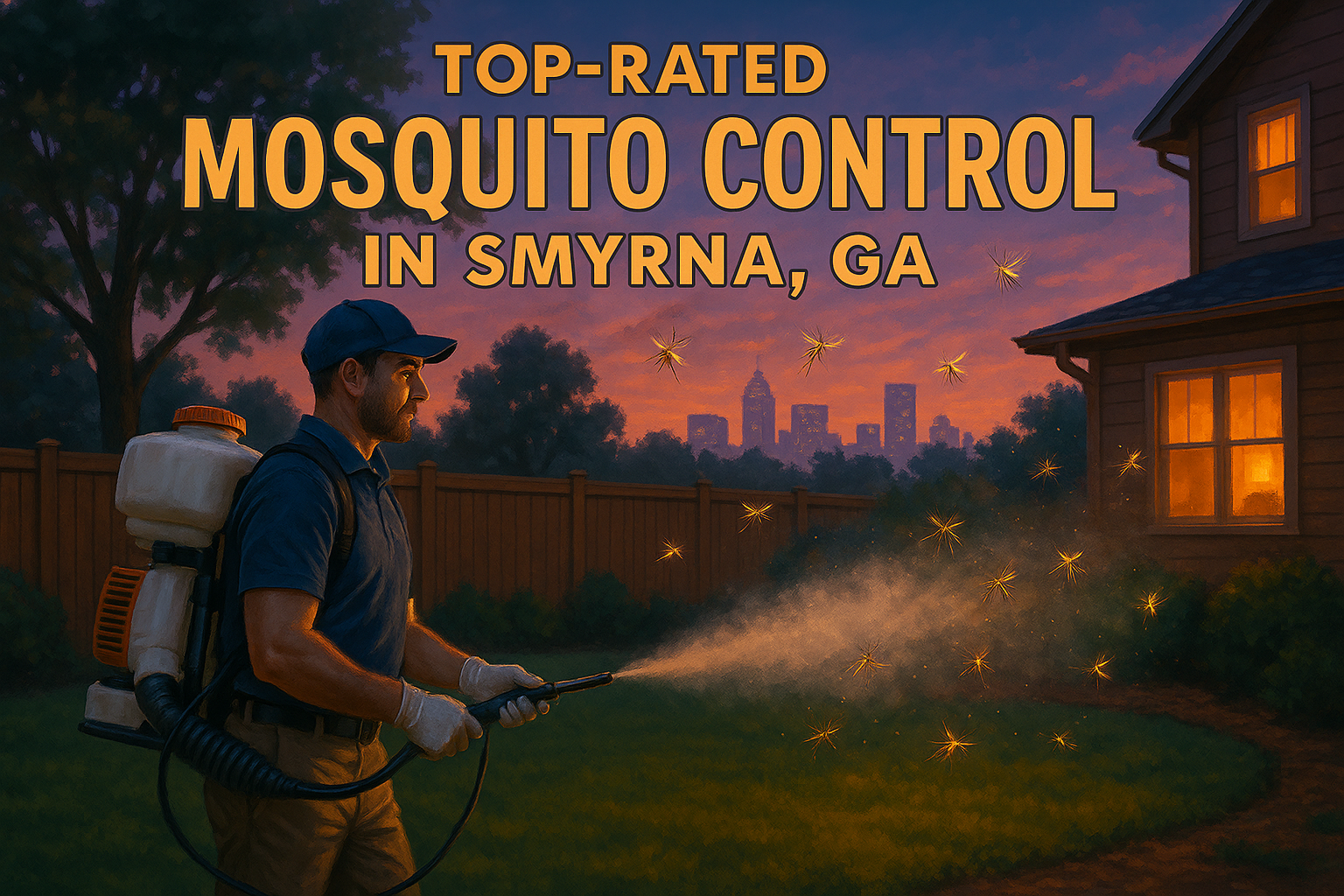
Why Mosquito Control Matters in Smyrna, GA

In 2024 the CDC recorded 45 confirmed West Nile virus cases across Georgia, and several of those infections were traced to suburban neighborhoods where outdoor activity is a daily routine. Though Zika cases remain low in the state, the virus is still present in nearby regions, meaning a single bite can introduce a serious illness to a family. For Smyrna homeowners, the health stakes are real: mosquito‑borne diseases can lead to severe flu‑like symptoms, neurological complications, and in rare instances, long‑term disability.
Beyond health, mosquito bites ruin the simple pleasure of sitting on a porch, grilling in the backyard, or watching the kids play. An itchy bite can turn a relaxing evening into a constant swat‑and‑scratch session, driving families indoors and reducing the usable square footage of their own property. When the nuisance level spikes, homeowners often find themselves cancelling outdoor gatherings, which hurts both quality of life and neighborhood camaraderie.
Smyrna’s humid subtropical climate is a perfect breeding ground for mosquitoes. Average summer temperatures hover between 85‑90 °F, and the city receives over 50 inches of rain annually, creating standing water in flower pots, gutters, and lawn depressions. These moist environments allow mosquito larvae to develop in as little as a week, leading to rapid population booms after even a short rainstorm.
Anthem Pest Control’s guide will walk you through cost‑effective, locally‑tailored solutions that address these exact challenges. From targeted larvicide applications to simple yard‑maintenance habits, the strategies we recommend are designed for the Smyrna climate and budget‑conscious homeowners.
This section sets the stage for the practical steps that follow—identifying problem areas, choosing the right treatment, and maintaining a mosquito‑free zone throughout the season. By understanding the health risks, comfort impacts, and climatic factors unique to Smyrna, you’ll be better equipped to protect your family and reclaim your outdoor spaces.
Common Mosquito Breeding Sites Around Your Home
Mosquitoes are opportunists. They’ll turn any tiny, still body of water into a nursery, and most of those “tiny” spots are right on your property. By learning to spot the usual suspects, you can cut the mosquito life cycle short before the adults ever bite you or your family.
Typical Standing‑Water Hotspots
- Birdbaths – especially when the water isn’t refreshed at least once a week.
- Clogged gutters – leaves, twigs, and debris trap rainwater, creating a shallow pool.
- Storm drains – after a heavy rain, water can sit in the drain for days if the outlet is blocked.
- Pool covers – a thin film of water can accumulate under the cover, unnoticed until it becomes a breeding ground.
- Low‑lying depressions – any dip in the lawn, garden, or driveway that doesn’t drain will hold puddles.
Why Even a Teacup of Water Is Enough
Female mosquitoes need just a few milliliters of stagnant water to lay a clutch of 100‑200 eggs. Within 48 hours those eggs hatch into larvae, and in as little as a week the larvae mature into adults ready to bite. That means a forgotten birdbath cup, a clogged gutter leaf‑pool, or a tiny puddle in a garden bed can produce dozens of mosquitoes in a single breeding cycle.
Neighborhood‑Specific Printable Checklist
Print the table below, grab a pen, and check off each item as you inspect your property. The list is tailored to the most common landscape features in four Smyrna neighborhoods.
| Neighborhood | Checklist |
|---|---|
| East Cobb |
|
| West Cobb |
|
| Downtown Smyrna |
|
| Olde Town |
|
The Georgia Department of Public Health reports roughly 1,200 mosquito‑related complaints from Smyrna residents each year. Most of those calls stem from the same small water sources listed above, especially after a rainy week when new puddles appear overnight.
By systematically eliminating standing water—no matter how small—you deprive mosquitoes of the breeding sites they need to thrive. A quick weekly walk around your home, armed with the checklist, can keep your yard mosquito‑free and protect your family from the itchy bites and potential diseases that accompany them.
Mosquito Control Methods: From Barriers to Fogging

When mosquitoes swarm your yard, a one‑size‑fits‑all approach rarely works. In Smyrna, Georgia, the most effective defense combines several professional treatments, each targeting a different stage of the mosquito life cycle. Below is a practical guide to the options most homeowners choose, how often they’re applied, and what you can expect to pay.
Barrier Sprays
Barrier sprays are the backbone of any residential mosquito program. Technicians apply EPA‑approved larvicides—most commonly Bacillus thuringiensis israelensis (Bti)—to standing water where larvae develop, and adulticides to foliage, decks, and shaded perimeters where adult mosquitoes rest. The chemicals are formulated to break down within days, leaving no lasting residue on your family’s skin or pets.
During peak season (May through September), a typical schedule calls for a monthly application. This frequency keeps the treatment “fresh” enough to intercept new hatchlings and adult flights that migrate from neighboring properties. Because the products are EPA‑registered for residential use, they must be applied by a licensed professional who follows the agency’s safety guidelines.
Granular Treatments
Granular applications are ideal for large lawns, garden beds, and the perimeter zones that border wooded areas or storm drains. The granules dissolve slowly, releasing the active ingredient directly into the soil and any shallow water pockets. This method creates a “protective ring” around your home, preventing mosquitoes from establishing breeding sites just beyond your property line.
Technicians usually spread the granules with a broadcast spreader, then water the area lightly to activate the product. Because the granules can be visible for a short time, many homeowners prefer to schedule this service after a recent rain or irrigation cycle.
Fogging & Misting
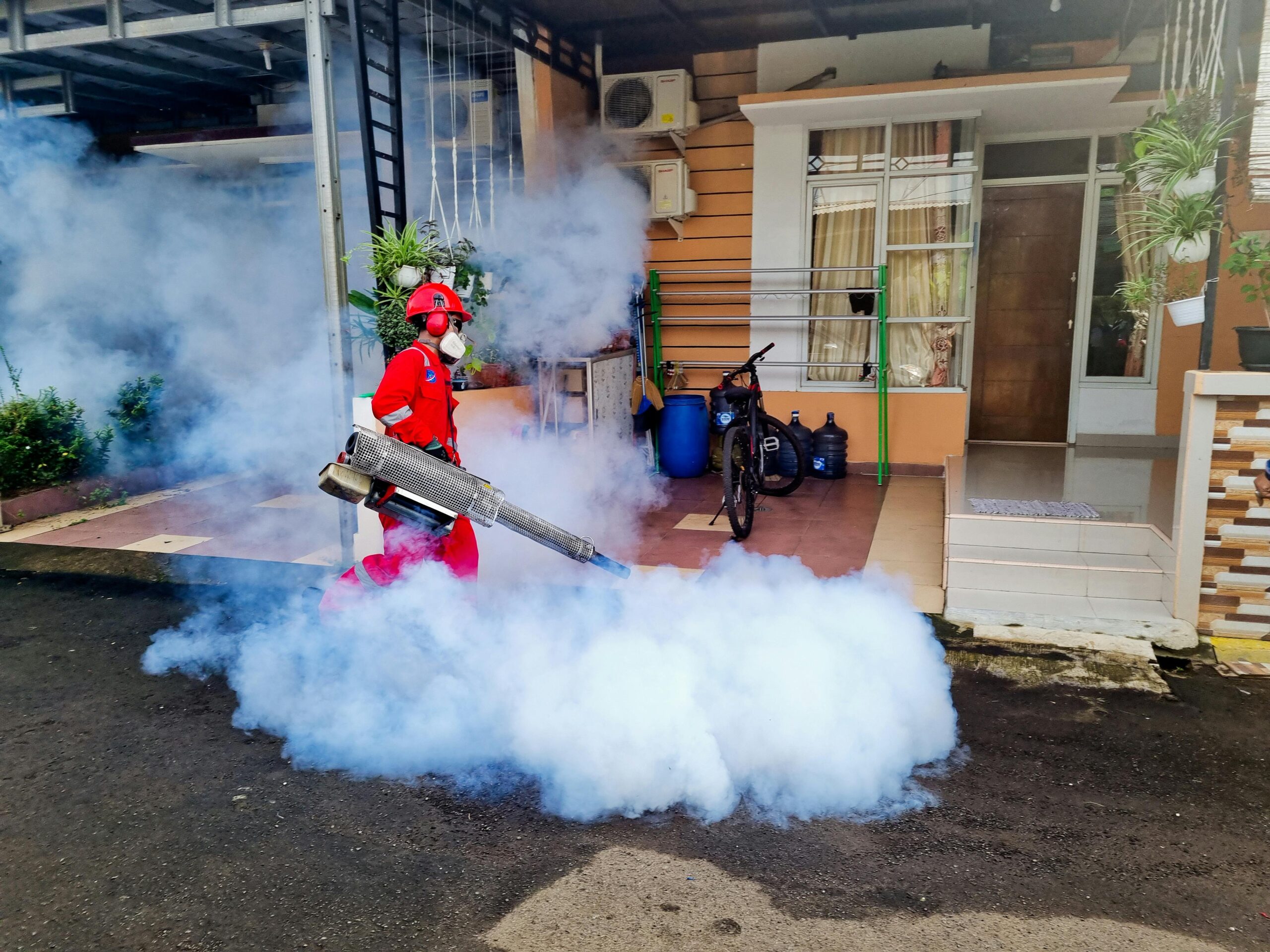
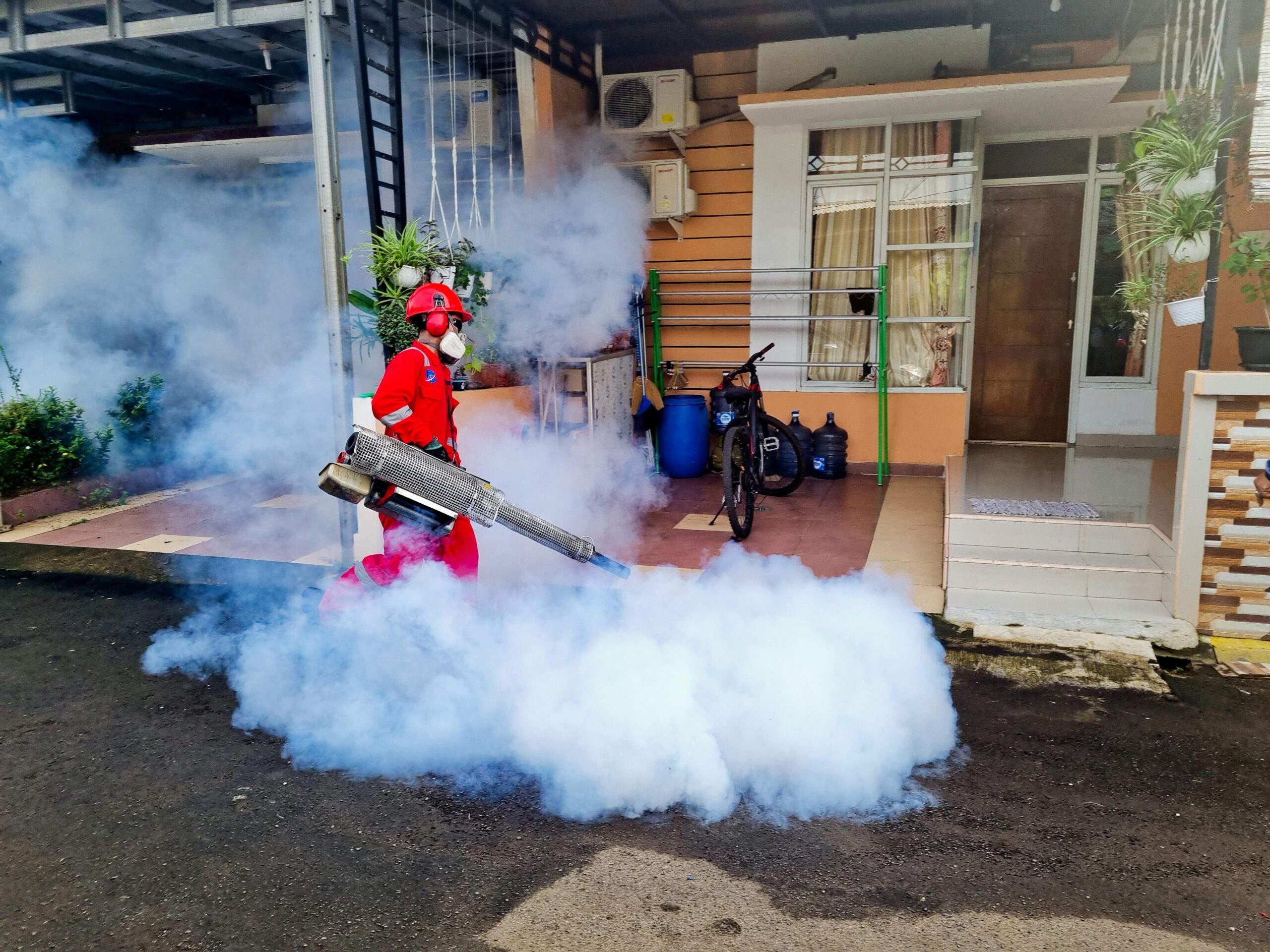
Fogging and misting deliver immediate relief, especially for outdoor gatherings, pool parties, or large yards where mosquitoes are most active at dusk. A fogger releases a fine aerosol that settles quickly on surfaces, killing adult mosquitoes on contact. Misting systems, on the other hand, are installed permanently and dispense a low‑volume spray at timed intervals, providing continuous protection throughout the evening.
These treatments are best used as a supplemental layer—think of them as the “quick‑kill” button—rather than a primary control method. Fogging can be costly on a per‑event basis, but many companies offer discounted packages for recurring events or seasonal misting contracts.
Biological Controls
For homeowners with ponds, ornamental water features, or rain barrels, biological controls offer a chemical‑free alternative. Introducing mosquito‑eating fish such as Gambusia affinis (mosquito fish) or applying bacterial larvicides like Bti directly to the water creates a self‑sustaining predator‑prey relationship. These organisms target mosquito larvae without harming fish, amphibians, or beneficial insects.
While biological options are environmentally friendly, they work best when combined with barrier sprays and granular treatments that address mosquito activity outside the water bodies. Regular monitoring of fish health and water quality ensures the system remains effective year after year.
Typical Pricing for Professional Mosquito Control in Smyrna, GA
| Treatment | Per Treatment | Quarterly Package | Annual Plan |
|---|---|---|---|
| Barrier Spray | $75 – $120 | $250 – $350 | $900 – $1,200 |
| Granular Application | $80 – $130 | $260 – $380 | $950 – $1,250 |
| Fogging / Misting | $90 – $150 (per event) | $300 – $450 (seasonal) | $1,100 – $1,500 (full‑year misting) |
| Biological Controls | $120 – $180 (initial setup) | $350 – $500 (maintenance) | $1,300 – $1,700 (full‑service) |
All quoted prices are based on estimates from Anthem Pest and two local competitors in the Smyrna market. Exact costs can vary depending on property size, the extent of existing mosquito activity, and any additional services you bundle (such as tick or flea control).
Before any chemical is applied, reputable companies must follow the EPA residential pesticide guidelines. This ensures that the products are used safely, that applicators wear proper protective gear, and that you receive clear post‑treatment instructions.
Choosing the right mix of barrier sprays, granular treatments, occasional fogging, and biological controls gives you a layered defense that keeps mosquitoes at bay while respecting your family’s health and the local environment. When you partner with a licensed provider like Anthem Pest, you get the peace of mind that every step complies with federal regulations and local best practices.
Local Expertise Meets Transparent Pricing
When it comes to mosquito control in Smyrna, Anthem Pest stands out because we blend EPA‑registered products with a team of technicians who hold certifications in Integrated Pest Management (IPM) and vector control. Our specialists complete a rigorous training program each year, ensuring they stay current on the latest treatment protocols and safety standards. To back that expertise, we promise a 24‑hour response guarantee—if a mosquito problem resurfaces within a day of service, we’ll return at no extra cost.
“The East Cobb Homeowners Association switched to Anthem after a summer of endless bites. Their technicians were professional, explained every step, and the results were immediate.”
– Board President, East Cobb HOA
“West Cobb Community Board praised Anthem for their transparent pricing and quick follow‑up. Our residents finally feel safe enjoying their backyards again.”
– Community Board Member, West Cobb
Free Inspection → Customized Treatment Plan
Our service begins with a no‑cost, no‑obligation inspection. A certified technician walks your property, identifies breeding sites, and maps high‑risk zones. From there, we craft a tailored treatment plan that matches your home’s layout, landscaping, and family’s comfort level.
- Schedule the free on‑site inspection (phone or online).
- Technician conducts a thorough walkthrough and records findings.
- We provide a written report outlining recommended products and application frequency.
- Homeowner reviews the plan, asks questions, and approves the scope.
- We execute the first treatment and set up a maintenance schedule.

The infographic above breaks down the cost of a single‑visit treatment, a quarterly maintenance package, and an annual protection plan. Homeowners who opt for quarterly or annual service enjoy up to 30 % savings compared to one‑time visits, plus the peace of mind that comes with continuous protection during peak mosquito season.
Transparent Pricing You Can Trust
- Single Visit: $149 – immediate relief for severe outbreaks.
- Quarterly Plan: $399 per year – includes four treatments and a mid‑season check.
- Annual Plan: $649 per year – eight treatments, priority scheduling, and a complimentary yard assessment.
All prices are posted up front; there are no hidden fees or surprise add‑ons. We believe that clear, honest pricing builds the trust homeowners need when inviting a pest‑control professional onto their property.
Ready to reclaim your yard? Call us today at 877‑371‑8196 or visit anthempest.com to schedule your free inspection. Our Smyrna team is eager to put an end to the buzz and keep your family comfortable all summer long.
When to Treat and How to Keep Mosquitoes Away Year‑Round
Mosquitoes in Smyrna don’t wait for you to notice them—they arrive as soon as the weather warms enough for their eggs to hatch. By understanding the local flight window and pairing professional treatments with simple DIY habits, you can keep your yard comfortable from the first buzz in May until the last chill in October.
Know Your Peak Season
In the greater Atlanta region, the mosquito peak season stretches from late May through early October. The first adult mosquitoes typically emerge when average nightly lows rise above 55 °F, which in Smyrna usually happens in the last week of May. To stay ahead of the invasion, schedule a pre‑season treatment in early May. This early barrier reduces the initial egg‑laying cycle, giving you a head start before the population explodes.
Quick‑Reference Calendar
| Week | Action | Purpose |
|---|---|---|
| First week of May | Pre‑season professional inspection & treatment | Establish a residual barrier before mosquito eggs appear |
| Mid‑May | DIY yard sweep (remove standing water, trim vegetation) | Eliminate breeding sites that develop after spring rains |
| Late June | Mid‑season follow‑up treatment | Refresh residual chemicals as they begin to wear off |
| Mid‑August | Second follow‑up & larvicide spot‑treatment | Target late‑season spikes caused by heavy rains |
| Early September | Final inspection & optional post‑season treatment | Prevent any lingering eggs from surviving the first frost |
DIY Yard Practices That Work
- Eliminate standing water daily—empty bird baths, clean gutters, and turn over any containers that collect rain.
- Use outdoor fans on patios and decks; mosquitoes are weak fliers and a gentle breeze creates an invisible barrier.
- Install tight‑fitting window and door screens to keep adults from entering your home during evening hours.
- Plant repelling herbs such as citronella, lavender, rosemary, and catnip around entry points; their scents deter mosquitoes without chemicals.
- Maintain a short lawn and keep shrubbery trimmed; dense foliage offers resting spots for adult mosquitoes.
Backed by Science
A 2022 study by the National Pest Management Association (NPMA) found that homeowners who combined professional yard treatments with regular maintenance—like the DIY steps listed above—saw up to 80 % fewer mosquitoes compared to those who relied on treatment alone. The research underscores that consistent yard hygiene amplifies the effectiveness of any chemical barrier, turning a good season into a great one.
By aligning your calendar with the local peak season, scheduling timely professional services, and keeping up with these straightforward yard habits, you’ll enjoy a mosquito‑free backyard from the first warm breeze in May right through the crisp evenings of October.
Mosquito Control FAQ for Smyrna Homeowners
Q1: How safe are the chemicals for kids and pets?
At Anthem Pest Control we rely on EPA‑registered products that have been rigorously evaluated for human and animal safety. The most common adulticide we apply is a low‑toxicity pyrethroid, which breaks down quickly in the environment and leaves no lingering residue on surfaces where children play. For standing water, we use biological larvicides such as Bacillus thuringiensis israelensis (Bti). Bti targets mosquito larvae only and is harmless to mammals, birds, fish, and even beneficial insects. After a professional spray, you’ll notice no strong odor, and the area is safe for kids and pets within minutes—just keep them away for the brief 15‑minute drying period recommended on the label.
Q2: How often will a technician visit?
Our barrier‑spray programs are designed around the local mosquito life cycle. Most Smyrna homeowners choose a quarterly schedule, with applications in early spring, late spring, midsummer, and early fall. If you opt for a comprehensive annual plan, we’ll add a supplemental treatment after heavy rains or when a spike in mosquito activity is reported. For high‑risk properties—those with extensive landscaping or multiple water features—we may recommend a monthly visit during peak season to keep the perimeter consistently protected.
Q3: What if I have a pool or pond?
Water features require special attention because traditional adulticides can harm aquatic life. In pools, we apply a non‑residual, fast‑acting adulticide that dissipates within a few hours, ensuring swimmers are never exposed. For ponds, we favor biological control options like Bti granules or liquid formulations that settle on the water surface and target larvae without affecting fish, turtles, or beneficial insects. Our technicians can also install mosquito dunks—pre‑measured Bti tablets that release slowly and provide season‑long protection.
Q4: Are there any city permits required?
Smyrna’s municipal code classifies mosquito control as a regulated pesticide activity. The city requires that any commercial applicator hold a valid Georgia pesticide license and submit a brief notice of treatment to the Smyrna Pesticide Ordinance before the first application of the season. Anthem Pest handles all paperwork for you, ensuring compliance with local regulations and keeping your property fully protected without any extra hassle.
Protect Your Home with Professional Mosquito Control
When you choose a professional mosquito‑control program, you’re investing in more than just a bite‑free backyard. Trained technicians apply treatments that target disease‑carrying insects, reducing the risk of West Nile virus, Zika and other illnesses for you and your family. A well‑maintained yard also feels more inviting, letting you host barbecues, play with the kids, or simply relax outdoors without swatting. Plus, a pest‑free property can boost curb appeal and resale value—buyers appreciate a home that’s already protected.
Anthem Pest brings Smyrna‑specific expertise to every job. Our technicians know the local mosquito species, breeding hotspots, and the best timing for each treatment. We pride ourselves on transparent pricing—no hidden fees, just clear, affordable rates for safe, EPA‑approved products. Our commitment to environmentally responsible solutions means we protect your family, pets, and the surrounding ecosystem while delivering lasting results.
Ready to see the difference a professional service can make? Call us today at 877‑371‑8196 for a free, no‑obligation inspection, or visit our website to schedule online. Our friendly team will assess your property, explain the plan, and answer any questions you have.
Let us help you enjoy a bite‑free summer. Visit Anthem Pest Control and take the first step toward a healthier, more comfortable home.