Identifying Household Moths and Early Warning Signs
Common Indoor Moth Species
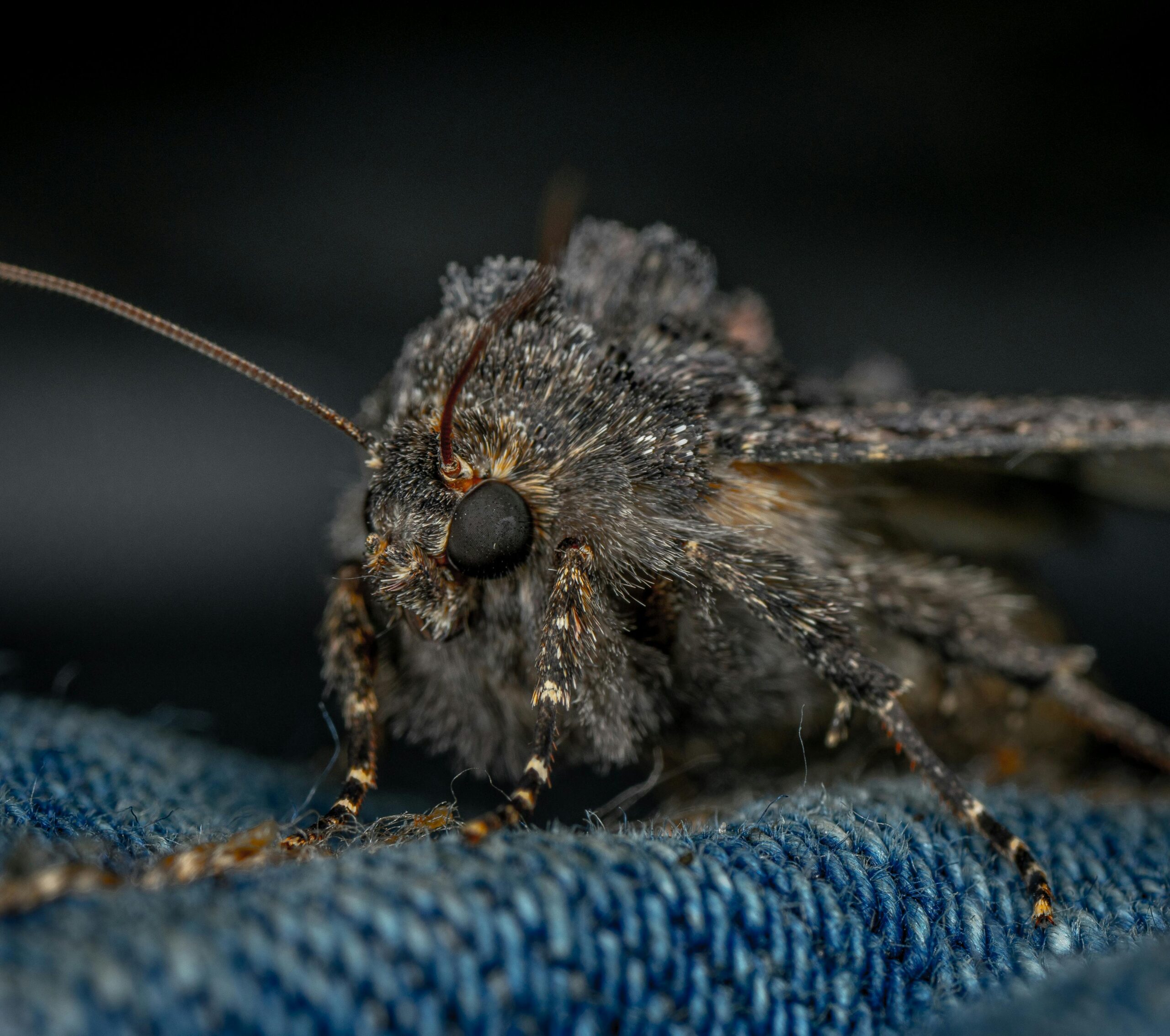
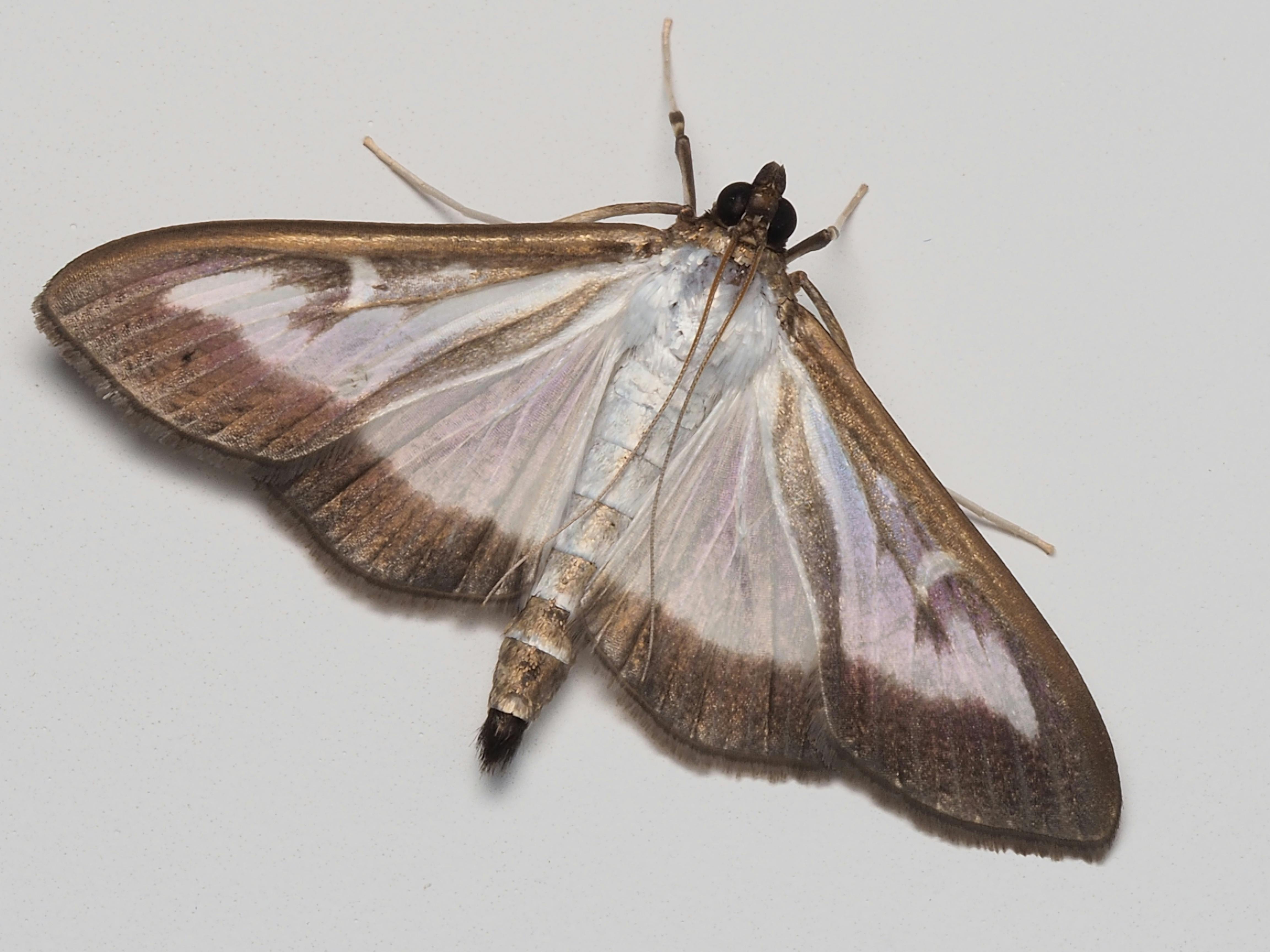
Two moths cause the most trouble inside homes: the Indian meal moth (Plodia interpunctella) and the webbing clothes moth (Tineola bisselliella). Indian meal moths are tan‑brown with a distinctive copper‑colored band across their wings, while webbing clothes moths are smaller, pale gray, and lack any wing markings. Both species are attracted to stored products or natural fibers, but they differ in where you’ll find them.
What to Look For: Visual Clues
Spotting a moth infestation early hinges on recognizing a few tell‑tale signs:
- Webbing: Fine silk threads in pantry corners, under cereal boxes, or inside garment folds.
- Larvae: Cream‑colored, worm‑like caterpillars that move quickly when disturbed.
- Cocoons: Small, silken pouches where moths pupate; often found on the undersides of shelves or in seams of clothing.
- Damage: Irregular holes in fabrics, shredded wool, or powdery residue and tunnels in dry goods.
Close‑Up Inspection Techniques
A systematic walk‑through can confirm whether you’re dealing with moths or just stray debris. Start with the pantry: pull every package off the shelf, shake it gently, and examine the interior for larvae or webbing. In closets, pull garments away from the walls, check seams, and use a flashlight to reveal hidden cocoons. If you see any of the clues above, note the location—this information will help a professional target treatment zones.
EPA Integrated Pest Management Guidance
The U.S. Environmental Protection Agency recommends an Integrated Pest Management (IPM) approach for moth identification and control. IPM emphasizes accurate detection, monitoring, and using the least hazardous methods first. By confirming the species and extent of the problem, you can limit chemical use to only what’s necessary, protecting both your family and the environment.
Quick “Self‑Check” Checklist
Use this short list during your next home sweep. Tick each item that applies; the more boxes you check, the sooner you should call a professional.
- 🟢 Notice small, fluttering moths near pantry or wardrobe doors.
- 🟢 Find silky webbing on the tops or bottoms of stored food containers.
- 🟢 Spot creamy larvae crawling on grains, flour, or fabric fibers.
- 🟢 Discover tiny cocoons tucked into seams, corners, or under shelves.
- 🟢 Observe holes or irregular tears in wool, silk, or cashmere items.
- 🟢 Experience a persistent, faint “coconut” odor in closets (a sign of webbing clothes moth activity).
When two or more of these indicators appear, you’re likely facing an early infestation. Acting quickly—by removing contaminated items, vacuuming thoroughly, and contacting a trusted service like Anthem Pest Control—prevents the problem from spreading to the rest of the house.
How Moths Enter Homes and Their Life Cycle
Common Ways Moths Slip Inside
Most moth invasions start with a tiny opening that’s easy to overlook. An open front door left ajar, a window without a tight seal, or even a tiny crack around baseboards can become a highway for adult moths seeking a warm place to lay eggs. But it isn’t just structural gaps that invite trouble. Infested grocery items—think pantry staples like grains, flour, or dried fruit—can bring eggs or larvae straight into your kitchen. Likewise, second‑hand clothing, blankets, or upholstered furniture purchased at thrift stores often hide dormant eggs or caterpillars, turning a good bargain into a long‑term pest problem.
The Four‑Stage Life Cycle
Understanding the moth’s development helps you spot trouble before it spreads. Under typical indoor conditions (70–80°F and moderate humidity), the cycle proceeds as follows:
- Egg – A female lays 100–400 eggs on food sources or in fabric folds. Eggs hatch in 3–10 days.
- Larva (caterpillar) – This is the destructive stage. Larvae feed for 2–6 weeks, tunneling through grains, nuts, or natural fibers, leaving behind silken tunnels and webbing.
- Pupa – After feeding, the larva spins a cocoon and pupates. This dormant phase lasts 1–2 weeks before the adult emerges.
- Adult – The moth lives only long enough to mate and lay eggs, typically 1–2 weeks. Adults do not eat and cause no direct damage.
The CDC notes that the larval stage is where “the majority of economic loss occurs” because it’s the only phase that consumes food and fabric (CDC, Moth Biology).
Why the Larval Stage Matters Most
While an adult moth may flutter around your bedroom light, it’s the hidden caterpillar that chews through your pantry staples and natural fibers. A single larva can eat several grams of grain per day, quickly contaminating an entire bag of flour. In clothing, the larvae burrow into fibers, creating irregular holes and weakening the fabric from the inside out. Because the damage is internal, you often don’t notice it until the infestation is well established, making early detection crucial.
Spotting Early Signs
Look for these red flags before the problem escalates:
- Fine webbing or silken threads in pantry corners or along seams of stored clothing.
- Small, irregular holes in wool, silk, or cashmere garments.
- Clusters of tiny, brownish moths fluttering near windows or light fixtures in the evening.
- Unusual powdery residue (frass) near food packages or in closets.
Finding any of these clues early lets you act fast—whether that means discarding contaminated items, deep‑cleaning storage areas, or calling a professional service like Anthem Pest Control to target the hidden larvae before they spread.
DIY Prevention and Early Intervention Techniques
1. Clean House, Close the Door on Moth‑Friendly Mess
Start with the basics: moths thrive in dust, debris and loose fibers. Store seasonal clothing, blankets and linens in airtight containers—preferably zip‑locked plastic or vacuum‑sealed bags. This eliminates the warm, humid environment they need to lay eggs.
Vacuum high‑traffic areas, especially under furniture, along baseboard skirting and inside the tops of closets. A vacuum with a tight‑fit hose captures adult moths, larvae and their shed skins. Empty the canister into a sealed trash bag immediately to prevent any escaped insects from returning.
When you wash fabric, use the hottest water the fabric can tolerate (usually 120 °F / 48 °C). High heat kills any hidden larvae or eggs that survived the first two steps.
2. DIY Pheromone Traps – Luring the Moth Into a Trap
A simple pheromone trap can be assembled with a glass cup, a piece of cardboard and a commercially available moth pheromone lure. Place the lure at the bottom of the cup, then fill the cup halfway with water and a drop of dish soap to break the surface tension. The soap ensures moths that land on the liquid sink and drown.
Position the trap in areas where you’ve noticed moth activity—closets, pantry shelves, or near the base of a wardrobe. For the best results, place the trap at shoulder height, away from direct sunlight and wind, which can dilute the lure’s scent.

3. Natural Deterrents – Scent and Substance That Repel
While they may not eradicate a heavy infestation, natural deterrents create an unfriendly environment for moths.
- Cedar: Place cedar blocks, sache sachets or a cedar-lined drawer in your wardrobe. The oil in cedar kills larvae and deters adults. Refresh the scent every six months by lightly sand‑sanding the wood.
- Lavender: Fill small cloth bags with dried lavender and tuck them into drawers and suitcases. The scent is pleasant for people but repulsive for moths.
- Diatomaceous Earth (DE): Sprinkle a thin layer of food‑grade DE on the tops of shelves, in the corners of closets and around pantry shelves. The sharp silica particles puncture the exoskeleton of any moth that walks over them, dehydrating the insect.
4. Step‑by‑Step: Inspecting and Cleaning Pantry Shelves and Closets
- Empty the space. Remove all items from the shelf or closet. Place them on a clean surface to inspect for webbing, larvae or adult moths.
- Vacuum thoroughly. Use the hose attachment to vacuum the interior, paying special attention to corners, the back of the shelf and the top of the closet rod. Dispose of the vacuum contents in a sealed bag.
- Wipe down. Mix a solution of warm water and mild dish soap. Wipe every surface, including the sides of the shelf, the back panel and any shelves that slide in and out. For wooden surfaces, follow with a light oil spray to restore the wood’s protective layer.
**Apply a natural deterrent.** Sprinkle a light layer of diatomaceous earth on the bottom of the shelf or on the floor of the closet. If using cedar, line the top of the shelf with a cedar sheet or place a cedar block in the corner.
- Return items, but be selective. Before placing items back, inspect each one for signs of moth damage. Place textiles in a garment‑steaming box or run them through a high‑heat dryer for 15 minutes to kill any hidden pests.
- Place a pheromone trap. Slip a small glass‑cup trap into the top corner of the shelf or on a shelf of the closet. Replace the lure every two months for continued protection.
5. Keep It Going – Routine Maintenance
Set a calendar reminder for a monthly “moth check.” A quick vacuum, a fresh drop of dish soap in the trap and a shake of the cedar or lavender sachet will keep the scent alive and the population in check. The more consistently you apply these low‑cost steps, the less likely you’ll need a professional treatment.
Professional Moth Control Services and Pricing Options
What the pros bring to the table
When moths burrow into your wardrobe, carpet, or pantry, DIY sprays often miss the hidden larvae tucked away in seams, vents, or insulation. Licensed technicians from Anthem Pest Control use three proven methods that reach every life stage of the pest:
- Targeted insecticide applications – A calibrated fogger or handheld sprayer delivers a residue that stays active for weeks, killing both adult moths and newly hatched caterpillars.
- Heat treatments – Raising ambient temperature to 120‑130°F for a short period eradicates eggs and larvae in upholstery, closets, and even structural cavities without chemicals.
- Integrated Pest‑Management (IPM) – Combines inspection, exclusion (sealing cracks, installing screens), sanitation guidance, and the least‑toxic chemicals needed for long‑term control.
Why professionals beat DIY for severe or hidden infestations
Severe moth problems often hide in places the average homeowner can’t see: inside wall voids, under floorboards, or deep within fabric folds. Trained pest‑control operators bring:
- Specialized detection tools (thermal cameras, moisture meters) that locate concealed colonies.
- Regulatory‑approved chemicals that are both effective and safe for families and pets when applied correctly.
- Experience in timing treatments to the moth’s life cycle, ensuring you don’t just kill adults while eggs survive.
In short, a professional visit reduces the risk of a repeat outbreak, saves you time, and protects your belongings from costly damage.
Transparent pricing that fits any budget
Anthem Pest Control believes you should know exactly what you’re paying for. We offer three straightforward plans, each designed to match the severity of your situation and the level of ongoing protection you desire.
| Plan | Cost | What’s included | Best for |
|---|---|---|---|
| One‑time Treatment | $199 | Full‑home inspection, targeted insecticide or heat application, post‑treatment report | Minor infestations or homeowners who prefer a single intervention |
| Quarterly Visits | $79 per visit (4 visits = $316 annually) | Quarterly inspections, preventive treatments, seasonal adjustments, priority scheduling | Homes with recurring moth activity or high‑risk storage areas |
| Annual Plan | $299 total | All quarterly benefits bundled, plus a complimentary heat treatment once per year and a free follow‑up for any new sightings | Maximum peace of mind for families wanting year‑round protection |
These figures align with national benchmarks published by the NPMA pricing research, so you can be confident you’re receiving fair market rates.
Quick visual guide
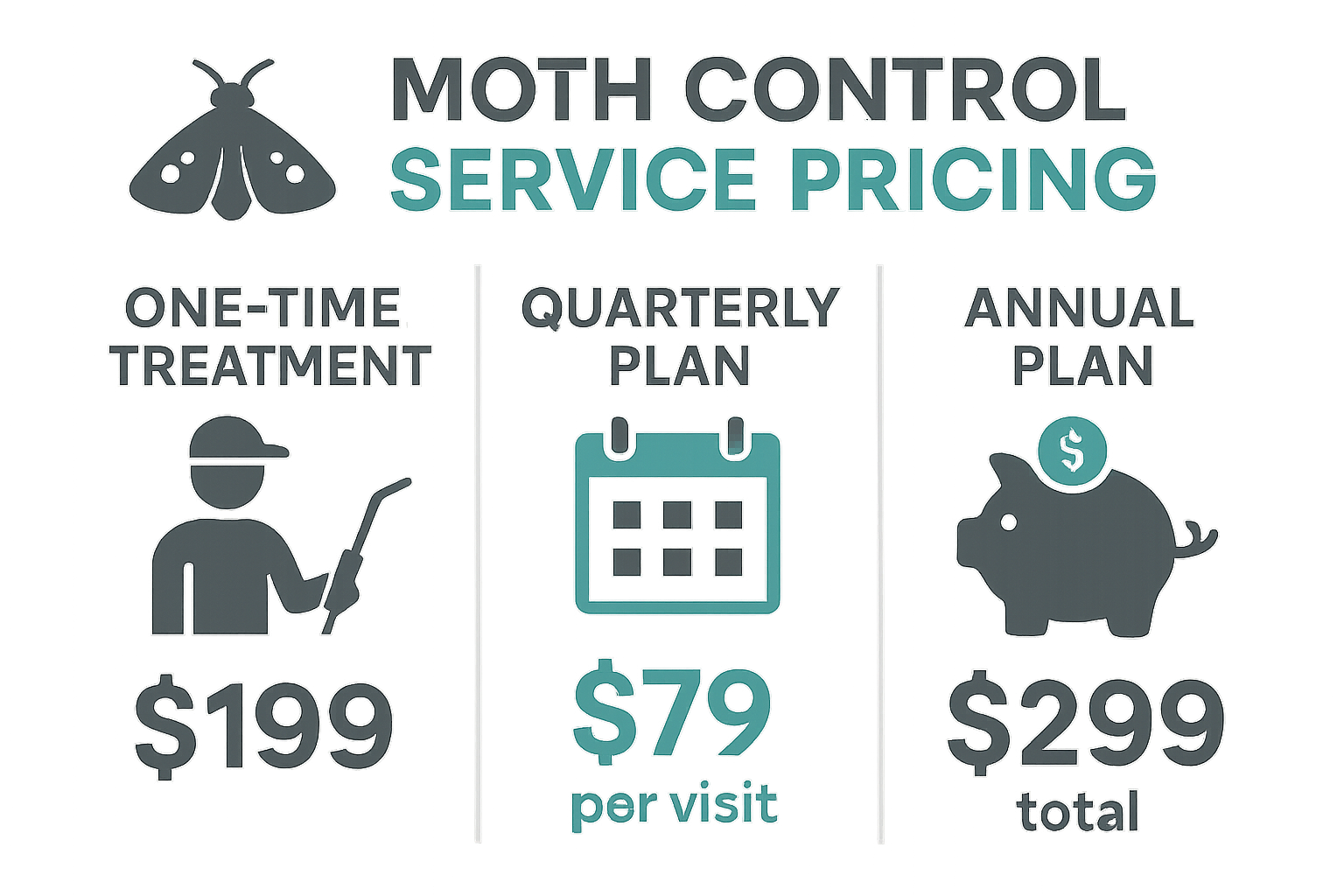
Choosing the right plan starts with assessing the extent of your moth problem. If you’ve just spotted a few larvae, the one‑time option may be enough. For larger homes, seasonal wardrobes, or a history of repeat infestations, the quarterly or annual plans deliver ongoing monitoring and treatment, keeping your living spaces moth‑free year after year.
Seasonal Moth Activity and Timing Your Treatment
In Brookhaven, Georgia, moths are most active when the weather warms up and food sources—like stored grains, fabrics, and outdoor vegetation—become plentiful. That means you’ll see a noticeable spike in adult flights and larval infestations during the spring and summer months. The combination of higher temperatures and increased humidity creates the perfect breeding ground for both pantry and carpet moths.
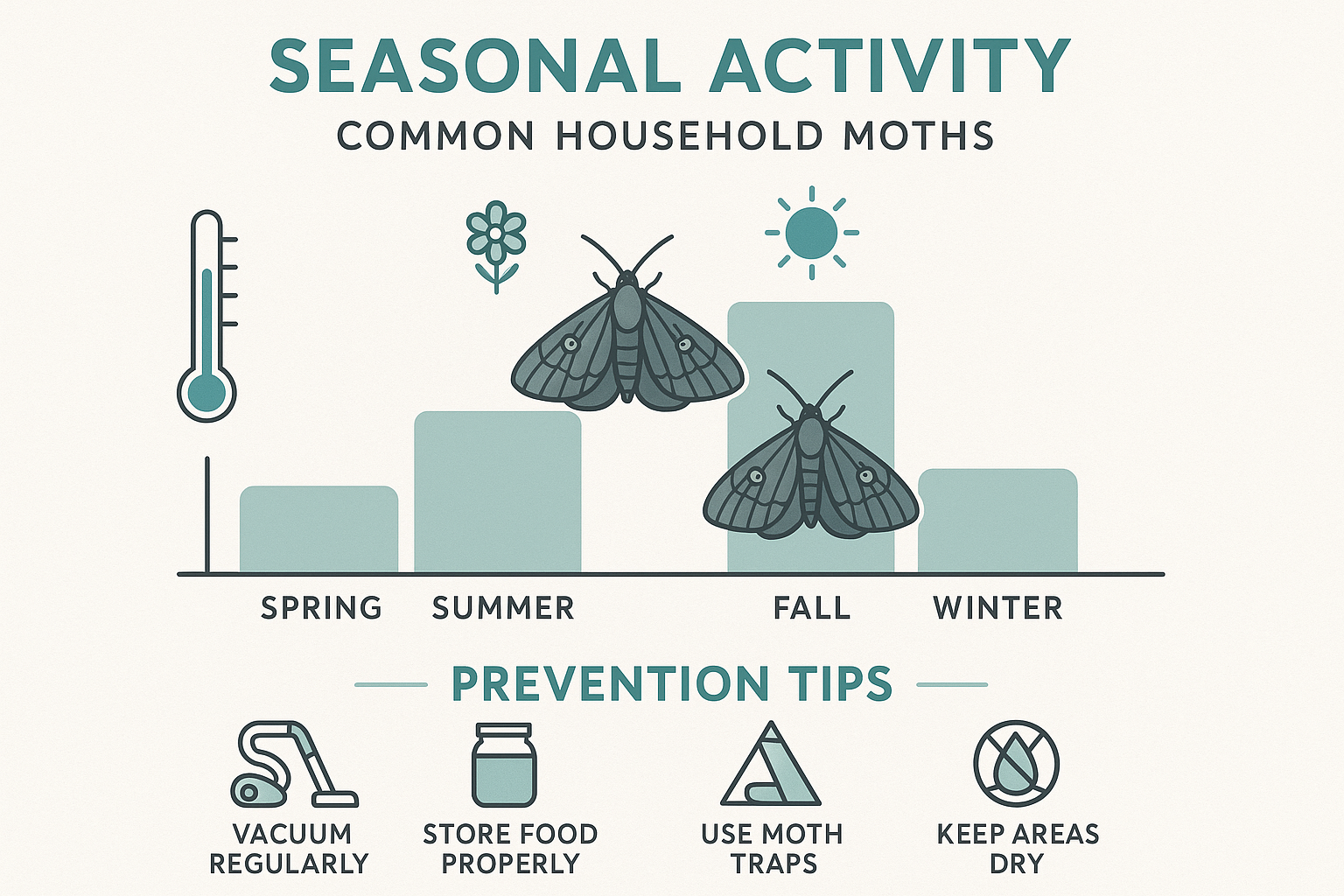
Seasonal Activity Chart
| Month | Avg Temp (°F) | Activity Level | Prevention Tip |
|---|---|---|---|
| January | 42 | Low | Store dry goods in airtight containers. |
| February | 45 | Low | Inspect closets for stray larvae. |
| March | 55 | Moderate | Run a vacuum on carpets and baseboards. |
| April | 63 | High | Place pheromone traps near pantry shelves. |
| May | 71 | Peak | Schedule a professional inspection. |
| June | 78 | Peak | Rotate and clean stored fabrics weekly. |
| July | 82 | High | Check outdoor lighting; reduce moth attraction. |
| August | 80 | Moderate | Seal cracks around windows and doors. |
| September | 73 | Low | Deep‑clean pantry before fall storage. |
| October | 64 | Low | Store seasonal clothing in vacuum‑sealed bags. |
| November | 55 | Low | Run a final vacuum of all carpeted areas. |
| December | 47 | Very Low | Keep indoor humidity below 60 %. |
When to Perform DIY Checks and Traps
Homeowners should begin their DIY inspections in early March, just as temperatures rise above 55 °F. Look for tell‑tale signs such as silky webbing, small holes in fabrics, or the distinctive “clothes moth” droppings. Place pheromone traps in pantry corners, closets, and near windows during April and May; these traps capture adult moths before they lay eggs, dramatically lowering the next generation’s numbers.
Optimal Timing for Professional Treatment
The most vulnerable stage of a moth’s life cycle is the early larval phase, which occurs shortly after eggs hatch in late spring. Scheduling a professional treatment in May or early June aligns your service with this window, allowing EPA‑recommended Integrated Pest Management (IPM) strategies to target larvae before they burrow deep into fabrics or food products. Our technicians use low‑impact baits and targeted sprays that interrupt development without endangering your family or pets.
Following the EPA’s seasonal IPM guidance (EPA IPM Recommendations) ensures you’re acting at the right time, using the right tools, and keeping future infestations at bay. By syncing your DIY checks, trap placement, and professional visits with the seasonal peaks shown above, you’ll stay one step ahead of moths throughout the year.
Protect Your Home with Expert Moth Control Today
When it comes to moths, catching the problem early can save you from costly damage and endless frustration. The three pillars of effective moth management—quick identification, thorough sanitation, and prompt treatment—work together like a well‑coordinated team. Spot a tell‑tale web or a few larvae? Act fast, clean up food sources, and bring in a professional before the infestation spreads.
- Early identification: Look for silken tunnels, webbing in closets, or small caterpillars near stored fabrics and pantry items.
- Sanitation: Regularly vacuum, discard infested items, and store clothing in sealed containers to remove food and breeding sites.
- Timely treatment: Professional interventions target both adult moths and hidden larvae, breaking the life cycle before it multiplies.
At Anthem Pest Control, we’ve spent years perfecting a moth‑extermination process that balances safety, effectiveness, and affordability. Our technicians are trained to assess the specific type of moth—whether pantry, clothing, or carpet varieties—and apply the right combination of low‑toxicity sprays, targeted baits, and preventive measures. Because we understand the unique climate of Brookhaven, Georgia, we tailor each plan to the seasonal patterns that drive moth activity in the area.
What sets us apart? We prioritize transparent pricing so you know exactly what you’re paying for, and we use EPA‑approved products that protect your family, pets, and the environment. Our approach doesn’t just eliminate the current infestation; we also install preventative barriers and provide practical tips—like proper food storage and regular garment inspections—to keep moths at bay year after year.
Ready to take the next step? Request a free, no‑obligation quote and schedule a comprehensive inspection. Our friendly team will walk you through the findings, explain the recommended treatment options, and answer any questions you may have.
Give us a call today at 877‑371‑8196. One of our knowledgeable representatives will arrange a convenient time for a thorough on‑site evaluation, ensuring you get the protection you deserve without any surprise costs.
For more information, visit Anthem Pest Control and discover how our expert moth control services can safeguard your home, your belongings, and your peace of mind.