Understanding Moth Problems in Suwanee Homes

Common Moth Species in the Southeast
Homeowners in Suwanee most often encounter three indoor moth varieties: the Indian meal (pantry) moth, the carpet or webbing moth, and the occasional clothes moth. Indian meal moths (Plodia interpunctella) love grain‑based foods, cereals, and dried fruit, laying tiny eggs in pantry corners. Carpet moths (often Tineola bisselliella) are drawn to natural fibers such as wool, silk, and even pet hair, spinning silken tunnels in baseboards and closets. Webbing moths, a close cousin of the carpet moth, produce fine, web‑like structures that can be spotted in dark, undisturbed areas.
Suwnanee’s Climate and Housing: A Moth‑Friendly Mix
The humid subtropical climate of Suwanee—hot summers, mild winters, and year‑round moisture—creates an ideal breeding ground for moths. Warm temperatures accelerate egg development, while the region’s humidity prevents larvae from drying out, allowing them to thrive for weeks. Additionally, many Suwanee homes feature open‑plan kitchens, walk‑in closets, and basements with limited airflow. These spaces retain heat and moisture, mimicking the natural environments moths favor in the wild.
What Moths Damage in Your Home
While a single moth may seem harmless, an infestation can quickly erode both the aesthetic and functional value of a home. Pantry moths contaminate food stores with webbing, larvae, and droppings, forcing you to discard entire packages of staples. Carpet and webbing moths chew tiny holes in upholstery, curtains, and stored blankets, leaving unsightly patches and weakening fabric integrity. Over time, the cumulative damage reduces resale value and creates a perception of poor hygiene, which can be especially concerning for families with young children or pets.
The Cost of Waiting: Why Early Detection Saves Money
Detecting a moth problem early is the most cost‑effective strategy. An infestation caught in its infancy often requires only a targeted treatment—such as pheromone traps, localized insecticide applications, or simple pantry cleaning. Allow the population to grow, however, and you’ll face extensive chemical treatments, professional extermination fees, and the expense of replacing damaged textiles or food. Early action also prevents the secondary issue of secondary pests, like beetles, that are attracted to moth larvae and waste.
In practice, a homeowner who discovers a few web strands in a closet can act within days, applying a moth‑specific spray and sealing food containers. Contrast that with waiting until you notice holes in a favorite rug—a scenario that typically demands a full‑home treatment and possibly professional carpet replacement.
Transition: Spotting Moths During Routine Inspections
Now that you understand why moths are a concern, the next step is learning what to look for during a routine walk‑through. Keep an eye out for silken webbing in pantry corners, tiny larvae crawling on fabric, or the distinctive, fluttering adults near light sources. In the following section, we’ll break down a simple, homeowner‑friendly inspection checklist that helps you catch these signs before they turn into a costly infestation.
Identifying Common Household Moths
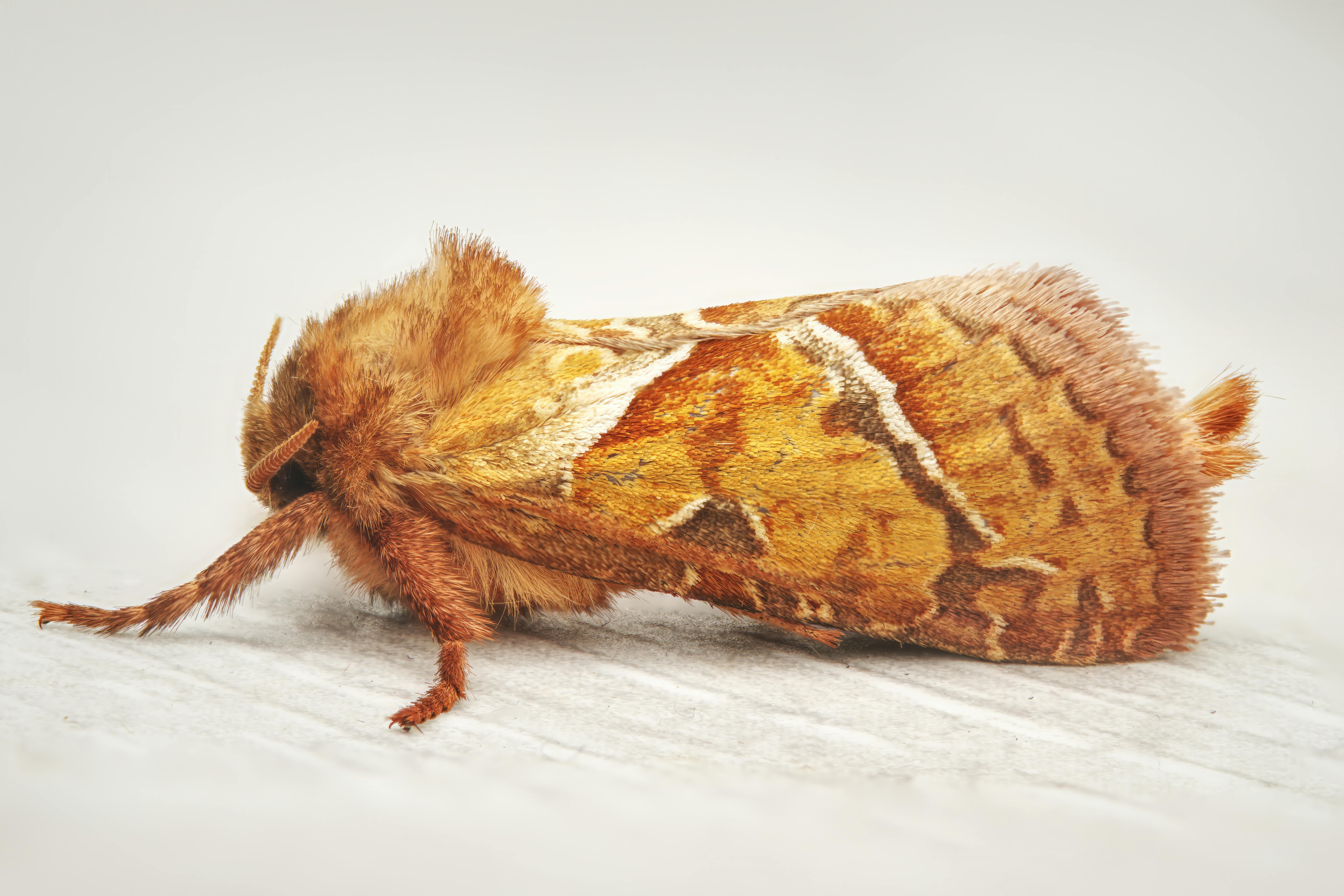
Pantry (Indian Meal) Moth
These tiny invaders measure 1/2 – 3/4 inches (12‑19 mm) from wing tip to tip. The adult’s forewings are a muted brown‑gray, speckled with tiny coppery or golden scales that form a subtle “V” or “L” pattern near the wing tip. When you lift a box of flour or cereal, look for the moth’s delicate fluttering or, more tellingly, for its larvae—slender, creamy‑white caterpillars that spin a thin silk web inside the product. The larvae feed from the inside out, leaving behind small holes, fine powdery frass, and a faint, stale‑food odor.
Carpet (Clothes) Moth
Carpet moths are slightly larger, typically 5/8 – 3/4 inches (16‑19 mm). The adult’s forewings are a soft tan or buff with a distinctive chevron‑shaped pattern of darker brown scales that can look like a tiny, broken “W.” Unlike pantry moths, they rarely flutter in open air; you’ll more often see them perched in dark corners of closets or under furniture. Their larvae are the real culprits—creamy, hairless caterpillars that create irregular, silken tunnels in wool, cashmere, silk, and even synthetic fibers. Look for irregular holes, a fine, powdery residue, and clusters of silk that feel like cobwebs on the surface of fabrics.
Webbing Moth
Also called “webbing clothes moths,” these insects emerge in late summer and early fall when indoor humidity rises. Adults are similar in size to carpet moths (about 5/8 inches) but have a more uniform, pale gray wing surface without the chevron markings. Their hallmark is the extensive webbing they leave behind: a dense, silvery‑white sheet that can cover the entire surface of a stored garment or a corner of a pantry shelf. The larvae hide beneath this web, feeding on natural fibers, dried herbs, or even stored grains. The webbing is often the first visual clue that a moth problem is developing.
Quick Reference Table
| Species | Typical Size (inches) | Preferred Habitat | Typical Damage |
|---|---|---|---|
| Pantry (Indian Meal) Moth | 0.5 – 0.75 | Pantry shelves, grain bins, dried fruit | Holes in stored food, powdery frass, webbing inside packages |
| Carpet (Clothes) Moth | 0.63 – 0.75 | Closets, carpets, upholstery, stored fabrics | Irregular holes in fibers, silk tunnels, powdery residue |
| Webbing Moth | ≈ 0.63 | Seasonal indoor humidity spots, stored garments, pantry corners | Dense silvery webbing, larvae feeding on natural fibers or dried goods |
Inspection Tips: Flashlight & Magnifier
When you suspect a moth infestation, arm yourself with a bright, narrow‑beam flashlight and a handheld magnifier (10× is ideal). Dim lighting can hide the fine scales on a moth’s wings, while a magnifier reveals the tiny, hairless larvae and their silk tunnels. Start at the base of shelves, behind appliances, and inside the seams of closets. Shine the light along the edges of stored boxes; any movement or a faint glint of silvery web is a red flag. Use the magnifier to confirm the species by checking wing patterns or larval shape before calling a professional.
Signs and Risks of a Moth Infestation
Visual clues that scream “moths are here”
When moths set up shop, they leave a trail of evidence that’s hard to miss. Fine, silken webbing often drapes along the edges of pantry shelves, under appliances, or inside closets. Look for clusters of larvae—tiny, cream‑colored caterpillars that may appear as a fuzzy carpet on stored grains, cereal, or pet food. Adult moths themselves are a tell‑tale sign; they flutter in the evening and may settle on light fixtures or windowsills. Don’t overlook damaged packaging—holes or ragged edges on flour bags, cereal boxes, or dried fruit indicate that larvae have been feeding inside. Finally, inspect textiles; moths love natural fibers, so holes in clothing, blankets, or upholstery often point to an active infestation.
What that musty smell means
Beyond what you see, moths can give you an olfactory warning. Larval secretions contain a faint, musty or oily odor that lingers in pantries, closets, and storage bins. If you notice a persistent, slightly sour scent near food containers or fabric drawers, it’s likely the result of moth activity. This smell isn’t just unpleasant—it signals that larvae are thriving and multiplying, which means the problem will spread faster than you think.
Health considerations you can’t ignore
Moth infestations pose more than a nuisance; they can affect your family’s well‑being. As larvae chew through food, they leave behind droppings and shed skins that become allergens, potentially triggering respiratory issues or skin irritation for sensitive individuals. Contaminated pantry items are a breeding ground for secondary pests such as beetles and flies, which can carry bacteria and amplify the health risk. Even if you don’t eat the affected food, the presence of these contaminants can compromise the overall hygiene of your kitchen.
Property concerns and potential costs
The financial impact of unchecked moths can add up quickly. In the pantry, larvae eat through grains, nuts, and pet food, forcing you to discard entire packages—costs that stack up especially during the holiday season. In the home’s fabric stores, moths can destroy expensive wool sweaters, silk curtains, or upholstered furniture, leading to costly replacements or professional cleaning. If the infestation spreads to stored seasonal items—think holiday decorations or heirloom blankets—the damage can become a long‑term loss that outweighs a simple preventive treatment.
Quick self‑audit checklist
- Inspect pantry shelves for silken webbing and tiny larvae clusters.
- Check the interior of food packages for holes, frass (insect droppings), or discoloration.
- Examine closets and drawers for adult moths, especially near natural‑fiber garments.
- Smell storage areas for a musty, oily odor that lingers after opening containers.
- Look for small holes or ragged edges in clothing, blankets, and upholstery.
- Note any allergic reactions or unexplained respiratory symptoms among household members.
- Document any discarded or damaged items to gauge the severity before calling a professional.
How Moth Control Works: Treatment Methods
Chemical Treatments – Residual Sprays and Baits
When moths have already established a foothold, most homeowners turn to chemical options for rapid knock‑down. Professional technicians typically apply a residual spray along baseboards, ceiling corners, and the interior of closets where adult moths rest and lay eggs. These formulations contain insect growth regulators (IGRs) that interrupt the life cycle, preventing larvae from maturing into new adults.
In addition to sprays, bait stations are placed in hidden locations such as under appliances or behind furniture. The bait contains a slow‑acting toxin that worker moths carry back to the nest, contaminating the entire population. Both methods are designed to linger for weeks, providing continuous protection even after the technician leaves.
Safety considerations are paramount. Certified applicators use EPA‑approved products that pose minimal risk when applied correctly. Homeowners should keep children and pets out of treated areas for the recommended waiting period—usually 2–4 hours for sprays and 24 hours for baits. Proper ventilation and wiping down surfaces that will later hold food are also advised to reduce any residual exposure.
Non‑Chemical Options – Traps, Heat, Freezing, and Vacuuming
For families who prefer a chemical‑free approach, several effective alternatives exist. Pheromone traps use species‑specific scents to lure male moths, disrupting breeding cycles while providing a visual indicator of infestation severity. These traps are safe to place anywhere in the home and require only periodic replacement.
Heat treatment is another powerful tool, especially for larger items like wardrobes or stored fabrics. Raising the temperature to 120 °F (49 °C) for at least 30 minutes kills all life stages of moths without leaving residues. Conversely, freezing infested garments at 0 °F (‑18 °C) for 72 hours achieves the same result for smaller items that can fit in a standard freezer.
Regardless of the method, a thorough vacuuming protocol is essential. Using a HEPA‑rated vacuum, technicians or homeowners should vacuum seams, folds, and crevices where larvae hide, then immediately dispose of the bag or empty the canister into a sealed trash container. This mechanical removal reduces the population before any chemical or non‑chemical treatment is applied.
Integrated Pest Management (IPM) – A Balanced Strategy
Anthem Pest Control recommends an Integrated Pest Management approach, which blends sanitation, monitoring, and targeted treatments for lasting results. First, homeowners are guided to declutter closets, store textiles in airtight containers, and regularly wash fabrics that attract moths. Next, monitoring devices—such as sticky cards and pheromone traps—are deployed to track activity levels.
When monitoring indicates a threshold breach, the technician selects the most appropriate intervention: a residual spray for a high‑risk area, a bait station for hidden infestations, or a combination of traps and mechanical removal for low‑level problems. By treating only where needed, IPM minimizes chemical use while maintaining efficacy.
Frequency of Treatments – One‑Time Eradication vs. Ongoing Maintenance
Some infestations can be eliminated in a single visit if the population is low and the environment is well‑controlled. In such cases, a technician may apply a residual spray, set a few traps, and advise immediate post‑treatment actions. However, most homeowners benefit from a maintenance plan that includes quarterly visits. Regular check‑ins allow technicians to refresh residual barriers, replace bait stations, and adjust trap placement based on seasonal moth activity.
Maintenance plans are especially valuable in regions like Suwanee, where humid summers encourage moth breeding. By staying ahead of the cycle, homeowners avoid the costly buildup of damage to clothing, blankets, and upholstery.
Post‑Treatment Recommendations – Keeping Moths Out for Good
After a professional service, the real work shifts to the homeowner. Here are the key steps to prevent re‑infestation:
- Proper storage: Transfer off‑season clothing to sealed plastic bins with airtight lids. Use garment bags made of polyester or nylon, not cotton, which moths can chew through.
- Regular vacuuming: Vacuum closets, carpets, and under furniture at least once a month. Empty the vacuum canister outside and seal it before disposal.
- Seal cracks and gaps: Apply caulk around baseboards, window frames, and door jambs to block entry points for adult moths.
- Sunlight and airflow: Periodically expose stored fabrics to direct sunlight and fresh air; moths dislike heat and desiccation.
- Monitor continuously: Keep a few pheromone traps in high‑risk areas. If you notice a sudden increase in captures, contact a professional promptly.
By combining these habits with the treatment methods outlined above, homeowners in Suwanee can enjoy a moth‑free home year after year. The blend of science‑backed chemicals, smart non‑chemical tactics, and a disciplined IPM routine offers the most reliable defense against these persistent pests.
Moth Control Pricing in Suwanee, GA
Typical Service Packages
Most pest‑control companies in Suwanee bundle moth treatments into three core packages. Understanding the differences helps you match a plan to your home’s needs and your budget.
- Inspection‑Only – A licensed technician conducts a thorough walkthrough, identifies species, locates breeding sites, and provides a written report with recommendations.
- Single Treatment – One‑time application of an EPA‑approved moth control product, followed by a post‑treatment inspection to verify effectiveness.
- Monthly/Quarterly Maintenance Plans – Ongoing visits (usually every 30 or 90 days) that combine preventive sprays, trap monitoring, and repeat inspections to keep moths from returning.
Price Ranges (2024 Market Data)
Recent pricing surveys for Suwanee homeowners, compiled from the Anthem Pest Moth Control Cost Suwanee GA study, show the following typical ranges:
- Inspection‑Only: $80 – $120 per visit.
- Single Treatment: $150 – $250, depending on square footage and severity of infestation.
- Maintenance Plans:
- Monthly: $120 – $180 per month.
- Quarterly: $350 – $500 per quarter (covers three visits).
What’s Included at Each Price Tier
Knowing the deliverables behind the numbers prevents surprise fees later on.
- Inspection‑Only
- One on‑site assessment (30–45 minutes).
- Detailed report with species identification and hotspot map.
- Recommendations for next steps; no chemicals applied.
- Single Treatment
- Initial inspection plus treatment on the same day.
- Application of a targeted moth spray or bait, covering up to 2,500 sq ft.
- One follow‑up inspection within 14 days to confirm kill rate.
- 30‑day satisfaction guarantee on the treatment.
- Maintenance Plans
- Scheduled visits (monthly or quarterly) with both preventive spray and trap checks.
- Unlimited follow‑up inspections during the contract period.
- Extended warranty: 60‑day guarantee for each visit, plus a 12‑month “no‑re‑infestation” promise.
- Priority scheduling and discounted rates on additional services (e.g., rodent control).
Local Competitor Comparison
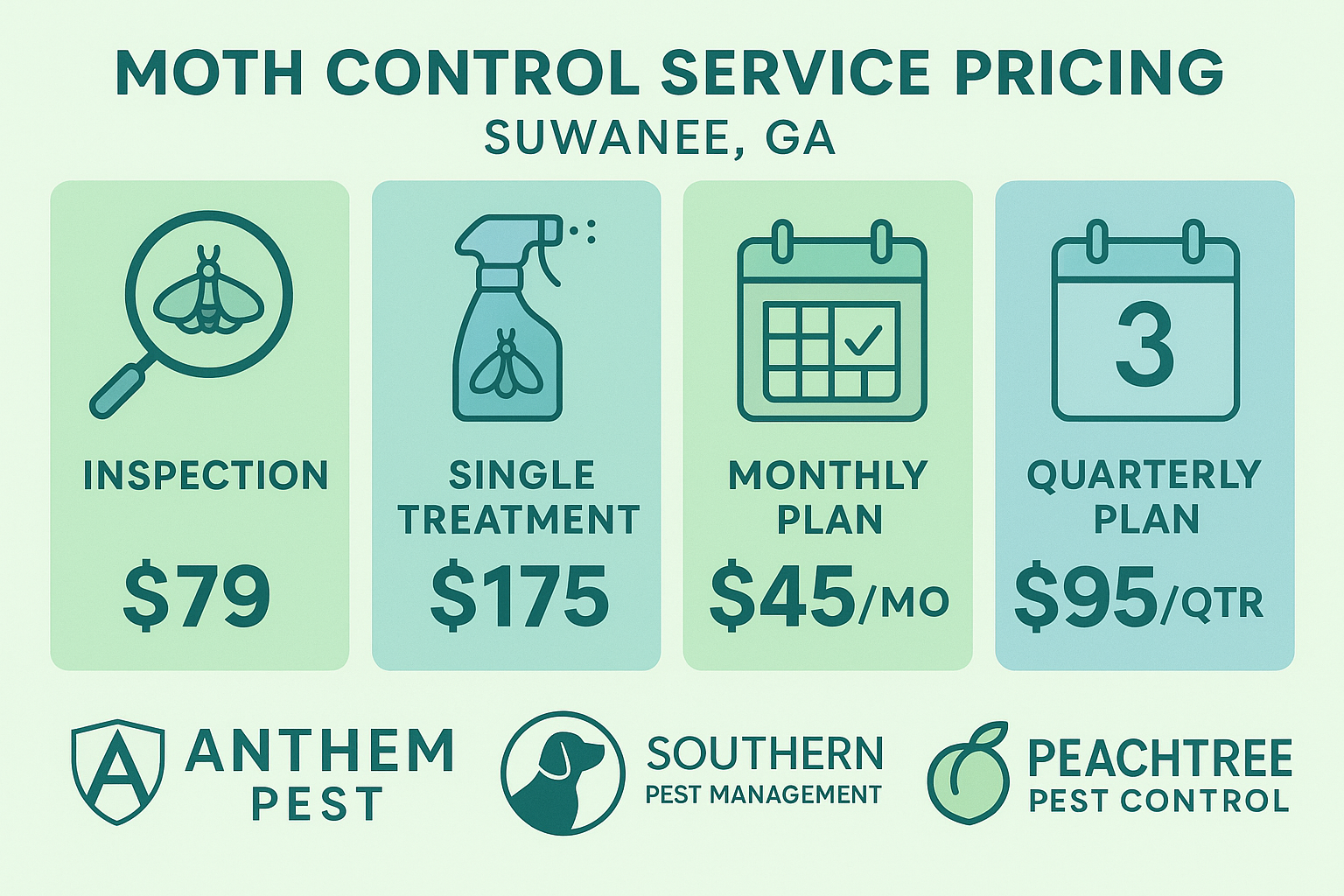
The infographic above breaks down how Anthem Pest, Southern Pest Management, and Peachtree Pest Control stack up against each other. Anthem Pest typically lands in the mid‑range for single treatments but offers the most comprehensive maintenance warranty. Southern Pest leans toward lower upfront costs but limits follow‑up visits, while Peachtree Pest positions itself as a premium provider with higher prices but includes eco‑friendly product lines and a longer guarantee period.
Evaluating Value Beyond the Sticker Price
Price alone doesn’t tell the whole story. When comparing quotes, ask yourself these questions:
- Technician expertise: Does the company employ certified, background‑checked technicians?
- Warranty depth: Are you covered if moths return within the guarantee window, and does the warranty extend to future seasons?
- Eco‑friendly options: Are low‑toxicity or organic formulations available for families with children or pets?
- Customer support: Is there a 24/7 hotline for emergency re‑treatments, and how quickly do they respond?
Balancing these factors with the raw cost helps you choose a partner who not only eliminates moths but also safeguards your home’s long‑term health.
Seasonal Moth Activity and Timing Your Treatment
Moth Life Cycle and the Role of Temperature & Humidity
Most household moths in Suwanee follow a four‑stage life cycle: egg, larva (caterpillar), pupa, and adult. The speed at which they move from one stage to the next is driven primarily by ambient temperature and relative humidity. When indoor temperatures hover between 75 °F and 85 °F with 50‑70 % humidity, eggs hatch in as little as five days, and larvae can reach full size within two weeks. Cooler, drier conditions slow development dramatically, often extending the cycle to several months. Understanding this relationship helps homeowners predict when populations will explode and when they’ll be dormant.
When Moths Are Most Active in Suwanee
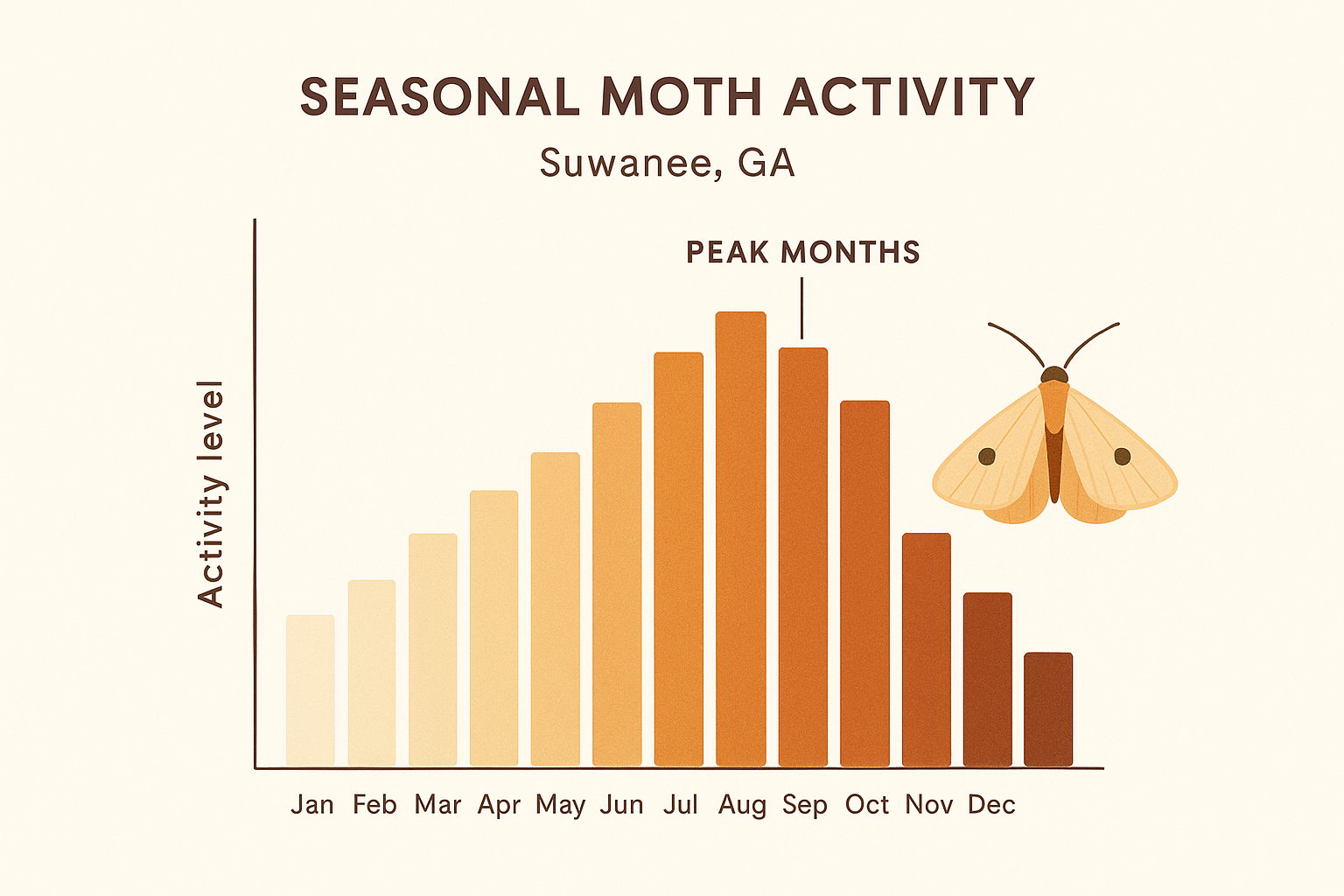
The bar chart above visualizes average moth captures from local monitoring stations over the past five years. Notice the steep climb beginning in July, peaking in September, and tapering off by early November. Late summer through early fall is the “golden window” when both pantry moths (e.g., Plodia interpunctella) and carpet moths (e.g., Trichophaga tapetzella) are laying eggs at maximum rates. Early spring shows a modest bump, primarily from overwintering adults emerging as temperatures rise.
Inspection Schedule Tailored to Each Species
- Pantry moths – early spring (March – April): This is the ideal time to scan kitchen cabinets, grain storage, and pantry corners before the first generation of eggs hatches.
- Carpet moths – late summer (August – September): Conduct a thorough walk‑through of closets, under furniture, and woolen upholstery when larvae are actively feeding on natural fibers.
- Follow‑up checks: Schedule a second inspection 4‑6 weeks after the initial visit to catch any late‑emerging infestations.
Weather Patterns That Influence Indoor Moth Numbers
Rainy periods in late summer can push moths indoors. Heavy precipitation raises outdoor humidity, prompting adult moths to seek drier refuge inside homes. Conversely, a dry spell in early fall may force larvae to migrate from stored grain to alternative food sources, such as pet food or dried flowers, expanding the infestation footprint. Homeowners who monitor local forecasts can anticipate these shifts and adjust their inspection timing accordingly.
Why Timing Your Treatment Matters
Aligning professional treatment with peak activity maximizes efficacy for two key reasons. First, insecticides and pheromone traps are most effective when they encounter the largest number of vulnerable larvae and newly emerged adults. Second, treating during the breeding surge reduces the total number of generations that can develop before winter, cutting down the overall chemical load and saving money on repeat visits. Anthem Pest Control’s seasonal service plans are built around this principle, offering a single, well‑timed application that often eliminates the need for additional treatments later in the year.
Choose the Right Professional and Get Started Today
When it comes to moths, the difference between a quick fix and a recurring nightmare often hinges on three simple steps: correctly identifying the species, catching the infestation early, and applying a treatment that targets the problem without harming your home or family. Misidentifying a pantry moth as a harmless visitor can lead to wasted chemicals, while delaying treatment gives larvae time to spin more webs, damage fabrics, and contaminate food stores. That’s why partnering with a knowledgeable pest‑control professional is the smartest move you can make.
Quick Checklist for Selecting a Reputable Provider
- Licensed and insured technicians – Guarantees they’ve met state requirements and are covered if anything goes wrong.
- Transparent pricing – No hidden fees; you receive a detailed estimate before any work begins.
- Local experience in Suwanee, GA – Familiarity with the regional moth species and seasonal patterns.
- Verified customer reviews – Real feedback from neighbors who have faced the same moth challenges.
- Integrated Pest Management (IPM) approach – Combines monitoring, prevention, and targeted treatment for lasting results.
- Satisfaction guarantee – Confidence that the company will stand behind its work.
Anthem Pest Control checks every box on that list. Our technicians are certified, undergo continuous training, and hold all required state licenses. We design customized IPM plans that start with a thorough inspection, pinpoint the exact moth species, and then apply the most effective, least intrusive treatment. Because we serve homeowners throughout Suwanee, we understand the local climate, common entry points, and the best times to intervene. Our pricing is competitive and presented up front, so you know exactly what you’re paying for. Plus, we back every job with a satisfaction guarantee—if the moths return, we’ll re‑treat at no extra cost. We also prioritize environmentally responsible solutions, using low‑impact products that are safe around children and pets.
If you’ve noticed tiny holes in clothing, a lingering scent of mildew in the pantry, or a sudden increase in webbing, it’s time to act. Reach out for a free, no‑obligation quote and let our experts evaluate your home. Whether you’re dealing with a full‑blown infestation or simply want peace of mind, we’ll walk you through the next steps and set up a plan that fits your budget.
Call us today at 877‑371‑8196 or visit Anthem Pest Control to schedule your inspection. Our friendly staff is ready to answer questions, explain the process, and get you on the path to a moth‑free home. Our same‑day scheduling ensures you’re not waiting weeks for an inspection.
Ready to protect your family and belongings? Visit Anthem Pest Control now and take the first step toward lasting protection.