Moth Sightings in Vinings Homes – A Homeowner’s Dilemma

Imagine returning from a quick trip to the grocery store, only to find a few delicate moths dancing around your cereal boxes or, worse yet, a tiny, irregular hole in the sleeve of your favorite cashmere sweater. In Vinings, that moment of surprise quickly turns into a homeowner’s dilemma: are you looking at a harmless visitor or the first sign of a hidden infestation?
Two primary risks you can’t ignore
- Food contamination: Pantry moths (like the Indian meal moth) lay eggs on grains, cereals, nuts, and spices. Their larvae spin silky webs and chew through packaging, leaving behind contaminated food and an unsightly mess.
- Fabric damage: Clothes moths target natural fibers—wool, cashmere, alpaca, and stored blankets. Their larvae feed on keratin, creating those tell‑tale holes and weakening garments before you even notice a problem.
Most Vinings residents won’t realize a moth problem exists until they spot visible damage. The insects work silently behind closed pantry doors and tucked‑away closets, making early detection essential. A quick glance at your stored goods and textiles can save you from months of unnoticed destruction.
Why Anthem Pest Control is your fast‑track solution
When moths strike, time is of the essence. Anthem Pest Control stands out as the only 24‑hour‑response service in Vinings, staffed by technicians who understand the quirks of our older homes—think hidden crawl spaces, attic insulation gaps, and historic woodwork. Our crew knows exactly where moths love to hide and can deploy targeted treatments before the problem spreads.
What’s next in this guide?
Stay with us as we walk through the full lifecycle of a moth infestation, show you how to spot early warning signs, and share proven prevention tactics. We’ll break down treatment options, transparent pricing, and answer the most common questions. Finally, you’ll read a real‑world success story of a Vinings family who reclaimed their pantry and wardrobe thanks to Anthem’s rapid response.
What Types of Moths Invade Vinings Homes
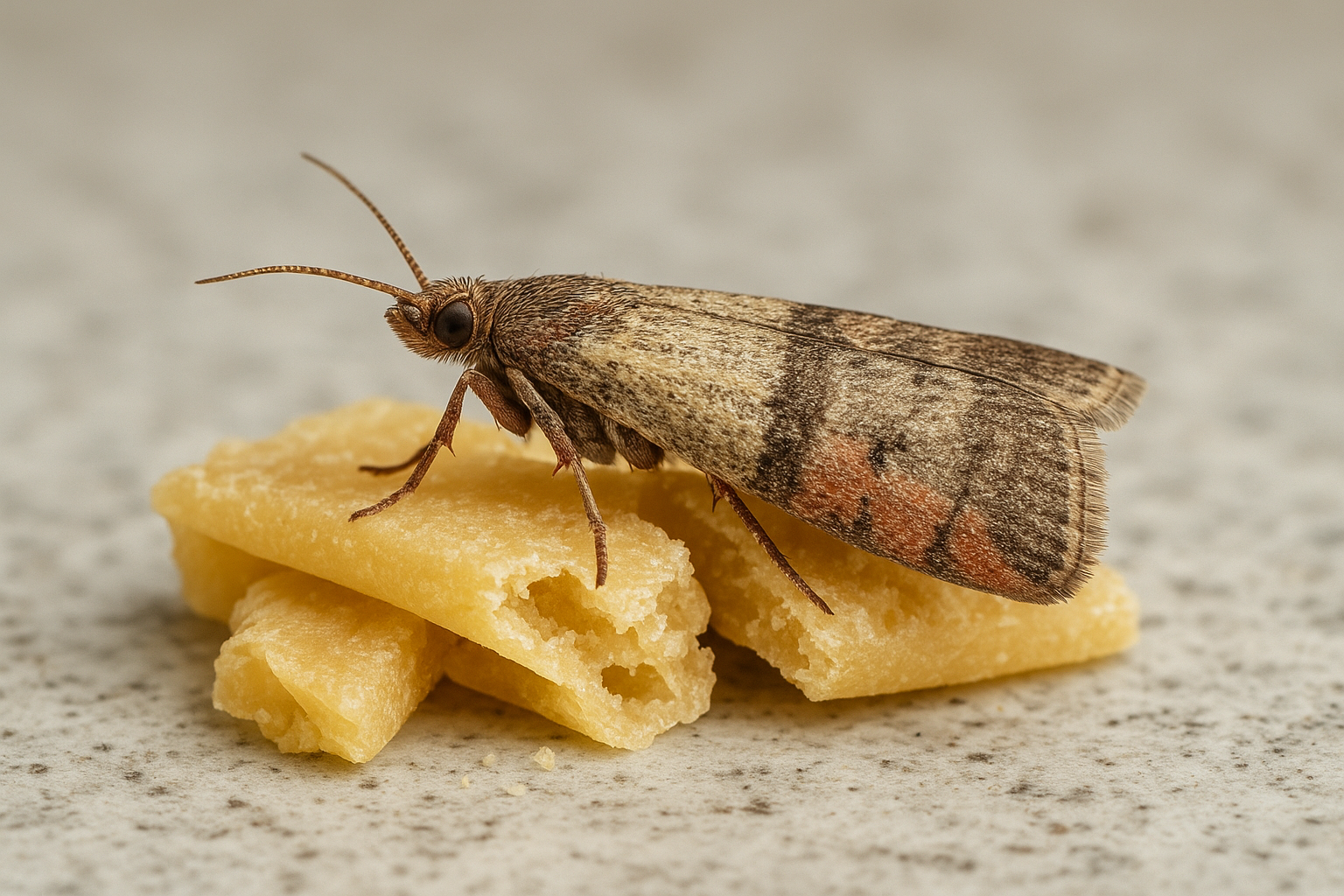
Pantry Moth (Plodia interpunctella)
The pantry moth, often called the Indian meal moth, is a small, tan‑brown insect with distinctive copper‑colored wings that flash a reddish hue when they fly. Adults live only a few weeks, but during that time females can lay up to 400 eggs, which hatch into larvae that feed voraciously on grains, nuts, dried fruit, and even pet food. The life cycle progresses from egg to larva to cocooned pupa in as little as 30 days when temperature and humidity are optimal, allowing populations to explode during warm summer months. In Vinings homes, you’ll usually spot the larvae as silvery, worm‑like creatures weaving silk tunnels inside pantry boxes or behind cabinet seams.
Clothes Moth (Tineola bisselliella)
Clothes moths are tiny, golden‑gray moths with a wingspan of just ½ inch; their forewings are speckled with dark spots that give them a mottled appearance. Female moths can deposit up to 300 eggs on natural fibers, and the emerging caterpillars feed on keratin‑rich materials such as wool, silk, cashmere, and even fur. Their life cycle is slower than pantry moths, often taking three to four months to complete, especially when indoor temperatures dip below 70 °F. Homeowners notice damage as small, irregular holes in clothing, sweaters, or blankets, and may also find fine, webby cocoons tucked into seams or stored garments.
According to the National Pest Management Association 2024 pest statistics, 45% of U.S. households report moth sightings annually, making moths one of the most common indoor pests nationwide.
In Vinings, neighborhoods such as Vinings Crossing, West End, and Vinings Overlook experience higher infestation rates. Older construction often means gaps around baseboards, less airtight cabinetry, and more opportunities for moths to slip in with grocery deliveries. Additionally, the prevalence of stored pantry items and limited ventilation in some basements create the warm, humid micro‑climates that both pantry and clothes moths love.
While pantry and clothes moths dominate indoor complaints, some homeowners also report occasional sightings of webbing moths (Hypsipyla* spp.) in outdoor sheds or garden storage sheds. These moths are attracted to dried plant material and can spin extensive silk webs that look like tangled cobwebs, but they rarely pose a threat to indoor fabrics or food supplies.
Spotting the Signs Before an Outbreak
Before moths turn your pantry or wardrobe into a feeding ground, the first line of defense is simply noticing what’s already happening. A quick visual sweep each week can reveal tiny clues that, if acted on early, keep an infestation from spiraling out of control.
Visual cues to watch for
- Fine, cobweb‑like webbing tucked into pantry corners or behind cereal boxes.
- Small clusters of creamy‑white or tan larvae crawling on dry goods or fabric seams.
- Adult moths fluttering near food containers, clothing rods, or attic vents.
- Irregular holes, silky tunnels, or patchy discoloration in stored fabrics or blankets.
Moth Detection Checklist (printable)
- Pantry: Check grain bins, flour bags, dried fruit, and pet food for webbing or larvae.
- Closets & drawers: Inspect wool, silk, and cotton items for holes or silky tunnels.
- Attic & storage bins: Look inside cardboard boxes, seasonal clothing, and insulation for adult moths or larvae.
- Outdoor sheds & garages: Examine stored fabrics, blankets, and dried herbs for any sign of moth activity.
- Vacuum & clean: After each inspection, vacuum corners and wipe shelves to remove stray eggs.
- Record findings: Note the location, date, and type of sign you spot; this helps professionals target treatment.
- Seal entry points: Close gaps around windows, doors, and vents that could let moths wander in.
- Rotate stock: Use older pantry items first and keep packaging airtight.
A real‑life reminder from Vinings
After a heavy summer storm, a Vinings homeowner opened a sealed flour sack only to discover a carpet of tiny larvae munching away. The rain had raised humidity in the attic, prompting dormant eggs hidden in the flour to hatch. By catching the outbreak while the larvae were still confined to a single bag, the family avoided a full‑scale pantry invasion and saved on an extensive treatment.
Why early detection saves you time and money
Spotting moth activity at the larval stage means a professional can target a single area rather than treating an entire home. Smaller infestations require fewer pesticide applications, less labor, and a shorter service window—directly lowering the bill. Moreover, early action prevents damage to clothing and food, eliminating the cost of replacing ruined items. In short, a quick weekly glance can keep both your budget and peace of mind intact.
Proactive Measures to Keep Moths at Bay
Even the most diligent homeowner can be caught off‑guard when a moth infestation sneaks into closets, pantries, or attic insulation. In Vinings, Georgia, the warm, humid climate creates an ideal breeding ground for both pantry and clothes moths. The good news is that a handful of routine, low‑cost actions can dramatically reduce the odds of an outbreak, while still leaving room for a professional Integrated Pest Management (IPM) program when you need it.
Sanitation Tactics That Really Work
- Airtight storage: Transfer flour, rice, cereal, and pet food into glass jars or heavy‑duty plastic containers with sealed lids. This blocks adult moths from laying eggs and prevents larvae from finding food.
- Rotate pantry stock: Every three months, move older items to the back of the shelf and bring newer products forward. Use the “first‑in, first‑out” rule so nothing sits long enough to become a moth magnet.
- Weekly vacuuming: Vacuum closets, drawers, and attic corners at least once a week. The suction removes eggs, larvae, and shed skins that are invisible to the naked eye. Immediately discard the vacuum bag or empty the canister into an outdoor trash bin.
Timing Is Everything: Seasonal Peaks in Vinings
Moth activity in Georgia typically surges from late summer through early fall, when temperatures hover between 75°F and 85°F and humidity stays high. This is the window when adult moths emerge, mate, and seek out food sources inside homes. The EPA 2024 seasonal pest guide confirms that early detection during this period can prevent a small problem from turning into a costly infestation.
Neighborhood‑Level Checks After the Leaves Fall
When autumn leaves blanket the streets of Vinings, they also bring a hidden risk: moths can slip through tiny cracks in attic insulation as they search for a warm place to overwinter. Take a quick walk around your home’s exterior after the first major leaf drop, then climb into the attic to:
- Inspect insulation for gaps, torn fabric, or exposed wood.
- Seal any openings larger than ¼ inch with a combination of caulk and steel wool—steel wool deters insects that can chew through softer materials.
- Check roof vents, eave gaps, and chimney flues for loose screens, and replace them if necessary.
These simple steps create a physical barrier that makes it far harder for moths to gain entry.
Low‑Cost DIY Steps That Complement Professional IPM
While the DIY measures above are effective on their own, pairing them with Anthem Pest Control’s professional services provides an extra layer of protection. A technician can:
- Apply targeted pheromone traps that monitor adult moth populations.
- Treat vulnerable areas with low‑toxicity, EPA‑approved products that won’t harm pets or children.
- Offer a customized IPM plan that aligns with your home’s construction style—whether you live in a historic bungalow or a modern townhouse.
For homeowners who prefer to start with a DIY approach, the Anthem dedicated moth‑control page provides detailed service options, pricing transparency, and a quick‑call line (877‑371‑8196) for any follow‑up questions.
Effective Moth Treatments – What Works Best
Chemical Sprays
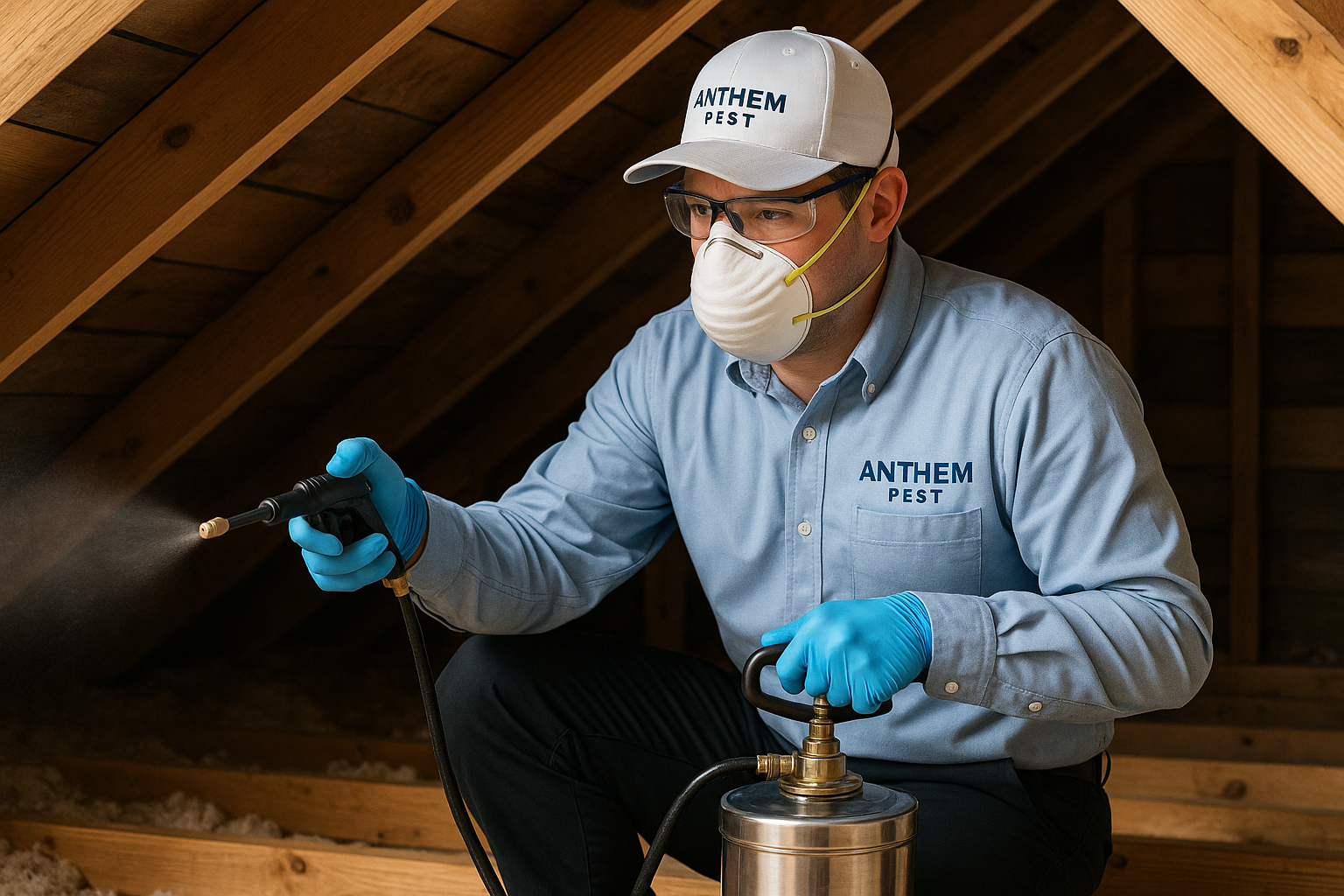
Licensed technicians often rely on pyrethrin‑based sprays because they act quickly on both adult moths and larvae. Pyrethrins disrupt the insects’ nervous system, causing paralysis and death within minutes. When applied according to label directions, these products pose minimal risk to humans and pets, especially when families keep children and animals away from treated zones until the spray dries. Proper ventilation and adherence to the recommended re‑entry interval further enhance safety, making chemical sprays a reliable frontline tool for severe infestations.
Bait and Pheromone Traps
Pheromone traps exploit the moths’ mating instincts by releasing synthetic sex attractants that lure adult males into a sticky surface or a containment chamber. Once trapped, the moths cannot reproduce, gradually collapsing the population. A 2023 CDC study demonstrated that strategic placement of these traps reduced adult moth counts by roughly 70 % within a two‑week period. While traps alone rarely eradicate a hidden larval colony, they are invaluable for monitoring activity levels and confirming the effectiveness of other treatments.
Integrated Pest Management (IPM)
IPM blends multiple tactics into a cohesive, environmentally responsible strategy. The core components include:
- Sanitation: Removing food residues, cleaning pantry shelves, and storing dry goods in airtight containers eliminates breeding sites.
- Monitoring: Regular inspection and trap placement track moth activity and pinpoint hotspots.
- Targeted Control: Applying chemical or biological agents only where needed reduces overall pesticide use.
- Structural Repairs: Sealing cracks, fixing vent screens, and repairing roof or attic insulation prevent moths from entering and establishing hidden colonies.
This layered approach not only curbs current infestations but also builds long‑term resilience against future outbreaks.
Anthem Pest’s IPM Workflow for Vinings Homes
Anthem Pest tailors the IPM model to each Vinings residence, following a four‑step workflow designed for maximum impact and minimal disruption:
- Comprehensive Inspection: Certified technicians conduct a room‑by‑room survey, identifying adult moths, larvae, and potential entry points.
- Customized Treatment Plan: Based on inspection data, we select the optimal mix of chemical sprays, pheromone traps, and sanitation recommendations.
- Follow‑Up Monitoring: After the initial application, we revisit the property to assess trap captures, verify reduced activity, and apply spot treatments if needed.
- Homeowner Education: We provide clear guidance on food storage, cleaning routines, and structural maintenance to empower residents to keep moths at bay.
This systematic process ensures that every hidden niche—whether in a kitchen pantry or an attic crawl space—is addressed, delivering lasting control while respecting family health and property integrity.
Case Note: Targeted Attic Spray Eliminated a Hidden Pantry Moth Colony
One Vinings homeowner reported persistent pantry moth sightings despite regular trap use. Our inspection revealed a concealed infestation within the attic insulation, where adult moths were laying eggs that later drifted down into stored grains. After sealing ventilation gaps, we applied a low‑odor pyrethrin spray directly to the affected insulation fibers. Within 48 hours, trap counts dropped to zero, and a follow‑up visit confirmed that no new larvae were emerging. The homeowner’s pantry remained moth‑free after implementing the recommended airtight storage practices.
How Much Does Professional Moth Control Cost in Vinings?
When moths start invading your pantry or damaging your favorite sweaters, the first question on every homeowner’s mind is cost. Knowing the price range for professional services helps you weigh short‑term expenses against long‑term peace of mind. At Anthem Pest Control we keep pricing transparent, so you can decide with confidence whether a one‑time treatment or an ongoing protection plan makes the most sense for your Vinings home.
2024 Professional Service Price Ranges
Based on the latest NPMA 2024 pricing survey, Vinings homeowners can expect the following typical charges for professional moth control:
- One‑time pantry moth treatment: $120 – $180. This includes a thorough inspection, targeted bait placement, and a follow‑up check to ensure the infestation is eliminated.
- Whole‑home clothes moth treatment: $200 – $300. Technicians treat closets, storage areas, and any fabric‑rich zones with a combination of low‑toxicity sprays and pheromone traps.
- Annual protection plan (quarterly visits): $350 – $450. The plan bundles four scheduled visits, continuous monitoring, and a warranty that covers re‑treatment if moths reappear within the year.
These figures cover labor, materials, and the guarantee that comes with a licensed professional. There are no hidden fees—any additional work, such as deep‑cleaning of heavily infested wardrobes, is discussed up front and quoted separately.
DIY Kit Costs and What They Mean for You
Do‑it‑yourself kits are marketed as a budget‑friendly alternative, typically ranging from $30 to $60 per kit. While the upfront price looks attractive, DIY solutions often require multiple applications, careful placement, and vigilant monitoring. The lower efficacy means you may face recurring infestations, leading to repeated purchases that quickly add up to $150 – $250 over a single season.
Moreover, most kits lack the integrated pest‑management (IPM) approach that professionals use. Without proper identification, you might treat the wrong pest or miss hidden breeding sites, prolonging the problem and increasing overall costs.
Long‑Term Savings With Professional IPM
Professional IPM isn’t just about spraying; it’s a holistic strategy that combines inspection, sanitation advice, and targeted treatment. By addressing the root cause—whether it’s food storage practices or fabric storage conditions—Anthem Pest reduces the likelihood of repeat visits. Homeowners who choose the annual protection plan often see a net savings of 20 %–30 % compared to the cumulative expense of DIY kits and emergency re‑treatments.
Beyond the dollar amount, professional services protect high‑value items such as heirloom linens, wool blankets, and stored pantry goods. The peace of mind that comes from a certified technician’s guarantee can be priceless, especially when you consider the cost of replacing damaged items.
What to Expect From a Professional Visit
During the initial appointment, a certified technician conducts a detailed inspection, identifying entry points, breeding sites, and vulnerable storage areas. After the assessment, you’ll receive a written estimate that outlines the exact services, products used, and any follow‑up steps. The treatment itself typically takes under an hour, after which the technician will provide simple after‑care instructions—like proper food storage and garment rotation—to keep moths at bay.
If you opt for the annual plan, each quarterly visit includes a fresh inspection, trap replacement, and a brief refresher on preventive habits. This proactive approach not only curtails moth populations but also builds a defensive barrier against other pests that share similar habitats.
Cost Comparison: Professional vs. DIY (2024)
| Service Type | Professional Cost (One‑time) | DIY Kit Cost (per kit) | Notes |
|---|---|---|---|
| Pantry moth treatment | $120 – $180 | $30 – $60 | DIY may need 3‑4 kits for full coverage |
| Clothes moth whole‑home treatment | $200 – $300 | $30 – $60 | DIY often ineffective on hidden fabric nests |
| Annual protection plan (4 visits) | $350 – $450 | $120 – $240 (4 kits) | Professional plan includes monitoring and warranty |
Source: National Pest Management Association (NPMA) 2024 Pricing Survey.
Moth Control FAQs for Vinings Homeowners
Are moth treatments safe for pets?
Yes, when applied by certified Anthem Pest technicians, moth treatments follow EPA safety guidelines and use low‑toxicity pyrethrin‑based products. These formulations are designed to target insects while posing minimal risk to mammals. The key is to keep pets out of treated zones—typically kitchens, closets, or attics—until the label‑specified re‑entry time, usually a few hours. After that period, normal household activity can resume safely. We also advise ventilating the treated space for 30 minutes after application to disperse any residual vapors.
How long before I see results?
Most homeowners notice a drop in adult moth sightings within 3‑5 days of the first application. The adult insects are killed on contact, and the pheromone traps we place start catching any stragglers. Larvae, however, are protected inside fabrics or stored products, so they may persist for 2‑3 weeks as they finish their life cycle. By the end of that window, you should see a marked reduction in damage and no new larvae emerging. We’ll place pheromone traps in areas so you can monitor progress and confirm that the population is declining.
Do I need multiple visits?
Severity dictates the schedule. A light infestation often resolves with a single, thorough treatment. For moderate to severe cases, we usually recommend an initial visit followed by one or two follow‑up appointments spaced 7‑10 days apart. This allows us to target any eggs missed during the first pass, ensuring a complete eradication. Each visit targets a stage of the moth life cycle, giving us the best chance to break the breeding loop.
What to Expect: Timeline Overview
- Day 0‑1: Inspection and first treatment; pets kept out of treated areas.
- Day 3‑5: Adult moth activity drops; traps show fewer catches.
- Day 7‑10: First follow‑up (if needed) to treat emerging larvae.
- Day 14‑21: Final assessment; most larvae eliminated, preventive measures applied.
Preventive steps such as sealing cracks and storing fabrics in containers are applied during the final visit.
By following this schedule, Vinings homeowners can expect a swift reduction in moth activity while maintaining a safe environment for family and pets. If you have additional concerns, our certified technicians are ready to tailor a plan that fits your home’s unique needs.
Vinings Homeowner Success – The Johnsons’ Story
When the Johnson family finished their holiday baking marathon, they opened the pantry to find tiny moths fluttering around flour bags and a faint, musty odor drifting from the ceiling‑mounted grain bins in their Vinings Crossing home. The sudden infestation threatened weeks of carefully stored goods and left the family uneasy about the safety of their pantry staples.
Inspection Findings
Our certified technician performed a thorough walkthrough and discovered hidden larvae tucked inside the grain bins tucked in the attic space, as well as a small cluster of moths nesting in the master‑closet where winter coats were stored. The combination of warm, dry grain and undisturbed clothing created the perfect breeding ground. The technician also noted a slight moisture buildup near the ceiling, which can accelerate moth development, and recommended improving ventilation.
Treatment Steps
Anthem Pest deployed a three‑pronged approach:
- Targeted pyrethrin spray applied to the attic’s grain bins and surrounding rafters to eradicate larvae at the source. Pyrethrin was selected for its rapid knock‑down effect and low toxicity to pets and children, aligning with Anthem’s safety‑first philosophy.
- Strategically placed pheromone traps inside the pantry to capture adult moths and monitor activity.
- A comprehensive cleaning protocol that included vacuuming all cracks, discarding contaminated food items, and wiping down shelves with a food‑safe sanitizer.
Post‑Treatment Results
Within two weeks the Johnsons reported zero moth sightings. Their pantry returned to a “fresh‑as‑new” condition, and they felt confident restocking their flour, cereals, and spices. The family’s gratitude was summed up in their own words:
“Anthem Pest turned a nightmare into peace of mind in just days!”
To keep the Johnsons protected year‑round, Anthem scheduled a follow‑up visit for next spring as part of the annual protection plan, ensuring any future moth activity is caught early and eliminated.
References & Further Reading
For homeowners who want to verify the data or explore the topic further, we’ve gathered a concise list of authoritative sources that informed this guide. Each link takes you straight to the original report or agency page, where you can review the latest moth statistics, safety recommendations, and scientific findings.
- NPMA 2024 Pest Statistics – Provides national moth sighting data collected from professional monitoring networks, offering a snapshot of regional trends and seasonal peaks.
- EPA Moth Control Guide – Outlines seasonal activity patterns, approved treatment methods, and safety precautions for homeowners and pest‑management professionals.
- CDC Information on Moth Health Impacts – Summarizes research on pheromone trap efficacy, potential allergic reactions, and broader public‑health considerations related to indoor moth infestations.
Before relying on any figure, we recommend double‑checking the numbers against the original documents, as updates are released periodically. These resources also link to related guidelines, such as integrated pest‑management strategies and environmentally‑friendly control options, which can help you make informed decisions for your home.
Protect Your Vinings Home with Anthem Pest Today
Quick identification, regular cleaning, seasonal inspections, professional‑grade treatments, and clear pricing are the four pillars of a successful moth defense. Spotting pantry or clothes moths early lets you act before larvae spread, while a tidy kitchen and closet remove the food and shelter they crave. Scheduling seasonal checks each spring and fall catches new invasions before they establish, and choosing a proven, EPA‑approved treatment guarantees results without mystery costs.
Anthem Pest Control backs every plan with a 24‑hour response window, Vinings‑focused Integrated Pest Management (IPM) strategies, and a satisfaction guarantee that puts your peace of mind first. Our certified technicians know the local moth species, their habits, and the most effective, least invasive control methods for Georgia homes.
Ready to see how easy protection can be? Call us at 877‑371‑8196 or book a free, no‑obligation inspection online at Anthem Pest. Our team will assess your home, outline a customized action plan, and explain every step before any work begins.
Whether you’re battling a single pantry moth or a whole‑home clothes moth outbreak, our certified technicians are ready to protect your home and peace of mind. Let us handle the details so you can enjoy a moth‑free space.