Why Mouse Control Matters for Suwanee Homeowners
Suwanee’s Climate: A Mouse‑Friendly Habitat
Nestled in the heart of Georgia, Suwanee enjoys mild winters, warm, humid summers, and abundant vegetation. Those conditions create the perfect backdrop for house mice (Mus musculus) to thrive. The region’s average temperature hovers between 55 °F and 85 °F for most of the year, allowing mice to remain active year‑round. In addition, the plentiful oak and pine trees, along with well‑kept lawns and gardens, provide shelter and nesting material just steps from a homeowner’s door.
When the first frost hits, mice seek the warmth of attics, basements, and wall voids. The combination of moderate humidity and easy access to food sources—think outdoor grills, pet bowls, and unsecured trash cans—means that a single mouse can quickly turn a quiet home into a bustling rodent hub.
Health and Property Risks
Mouse infestations are more than an inconvenience; they pose real health and structural threats. Here are the three most pressing concerns:
- Disease transmission: House mice carry pathogens such as Hantavirus, salmonella, and leptospirosis. Their droppings, urine, and shed hair can contaminate surfaces, food, and even air ducts, increasing the risk of respiratory and gastrointestinal illnesses.
- Structural damage: Mice gnaw on wood, insulation, electrical wiring, and even plumbing. Their constant chewing can compromise the integrity of walls, create fire hazards, and lead to costly repairs.
- Food contamination: A single mouse can contaminate an entire pantry. Their droppings and urine contain bacteria that multiply rapidly, rendering stored goods unsafe and forcing homeowners to discard large quantities of food.
Economic Impact: Why Early Detection Saves Money
Every day a mouse population goes unchecked, the damage compounds. Early detection and professional control can prevent:
- Expensive structural repairs caused by gnawed wiring or weakened framing.
- Losses from spoiled food and the need to replace contaminated pantry items.
- Potential medical expenses related to rodent‑borne illnesses.
By addressing a small sighting promptly—often with a single treatment from a licensed provider—homeowners avoid the exponential cost growth that comes with a full‑blown infestation. In other words, a modest upfront investment in mouse control typically pays for itself many times over.
What’s Ahead in This Guide
Now that you understand why mouse control is critical, the rest of this article will walk you through the practical steps to protect your home:
- Inspection: How to spot early signs of mouse activity and what professionals look for during a thorough assessment.
- Prevention: Simple, homeowner‑friendly actions—like sealing entry points and managing outdoor attractants—that dramatically reduce risk.
- Pricing: Transparent cost breakdowns for inspection, treatment, and ongoing monitoring, so you know exactly what you’re paying for.
- Seasonal Timing: The best months to schedule treatments in Suwanee, aligning with mouse breeding cycles and weather patterns.
- Choosing a Partner: Key questions to ask a pest‑control company, ensuring you select a local, licensed expert who prioritizes safety and effectiveness.
Armed with this knowledge, Suwanee homeowners can make informed decisions, protect their families, and keep their properties safe from the hidden costs of mouse infestations.
Spotting the Signs and Conducting a Professional Inspection

Even the smallest mouse can cause big headaches if you don’t catch it early. The first line of defense is learning to read the subtle clues your home gives you. Below, we break down the most common visual and hidden signs of mouse activity, and explain when it’s time to bring in a certified technician.
Common visual cues you can’t afford to miss
- Droppings: Small, dark, rice‑shaped pellets often found along walls, under appliances, or in pantry corners. Fresh droppings are slightly moist and may darken as they dry.
- Gnaw marks: Fresh gnawing looks clean and shiny, while older bites appear rough and discolored. Look for gnawed edges on wood, plastic, and even wiring.
- Nesting material: Mice collect shredded paper, fabric, or insulation to build nests. These are usually tucked into hidden spaces like wall voids, attics, or behind stored boxes.
- Audible sounds: Light scratching or scurrying, especially at night, often indicates movement within walls or ceiling spaces.
Hidden signs that suggest a deeper infestation
- Grease streaks: Mice leave oily smears along their travel routes. These appear as faint, dark lines on baseboards or cabinets.
- Urine stains: Small, yellowish spots that may emit a pungent odor. Urine can soak into insulation, flooring, or drywall, creating unsanitary conditions.
- Disturbed insulation: Pulling or shredded insulation in attics, crawl spaces, or wall cavities is a strong indicator that mice are using those voids as highways.
When to call a professional
Spotting a single droplet or hearing a faint squeak might be a one‑off encounter, but several red flags should prompt you to pick up the phone:
- Frequent sightings across multiple rooms.
- Visible damage escalating from minor gnaw marks to chewed wiring or structural components.
- Health concerns such as allergic reactions, asthma flare‑ups, or the presence of mouse droppings in food‑prep areas.
In any of these scenarios, a certified pest technician can prevent the problem from snowballing into a costly, health‑risking infestation.
Step‑by‑step of a technician’s on‑site inspection
- Exterior perimeter check: The technician walks the property’s outside, inspecting foundation cracks, utility openings, and landscaping that may provide easy entry points.
- Interior entry point survey: Inside, they examine gaps around doors, windows, vents, and plumbing stacks. Even a ¼‑inch opening can become a highway for a mouse.
- Bait placement assessment: Existing bait stations (if any) are evaluated for effectiveness, placement accuracy, and safety compliance.
- Documentation: Every finding—visual evidence, potential entry sites, and environmental conditions—is recorded. This creates a tailored treatment plan and serves as a baseline for future monitoring.
Why a certified pest technician matters
A certified technician brings more than a flashlight and a keen eye. They possess training in rodent biology, behavior patterns, and the latest control technologies. This expertise ensures:
- Accurate identification of mouse species and activity levels.
- Tailored treatment strategies that target both current occupants and future invasions.
- Compliance with safety regulations, especially in homes with children or pets.
- Comprehensive documentation that helps homeowners track progress and maintain a pest‑free environment.
By learning to spot the early signs and understanding what a professional inspection entails, you empower yourself to act decisively. When the clues point toward a growing problem, trust Anthem Pest Control’s certified technicians to deliver a precise, effective solution that safeguards your home and family.
Exclusion and Prevention Strategies for a Mouse‑Free Home
The Power of Exclusion
Think of your house as a fortress. The most reliable way to keep mice out isn’t just baiting or trapping—it’s exclusion. By sealing every potential entry point, you turn your home into a mouse‑proof barrier. When a mouse can’t get in, it can’t cause damage, chew wiring, or leave droppings behind.
Where Mice Slip In
Mice are tiny architects; they’ll squeeze through openings as small as a dime. The most common gateways include:
- Gaps around water, gas, and electrical pipes (often 1/4‑inch wide).
- Cracks in the foundation or basement walls.
- Unscreened vent openings and dryer exhaust ducts.
- Improperly fitted door sweeps that leave a gap under exterior doors.
Materials That Stand Up to Rodents
Not all sealants are created equal. For a long‑lasting seal, use materials that mice can’t gnaw through:
- Steel wool – packs tightly into gaps and resists chewing.
- Copper mesh – a thin, flexible alternative to steel wool that’s also rust‑proof.
- Silicone‑based caulk – ideal for sealing cracks around windows, doors, and baseboards.
- Hardware cloth (¼‑inch mesh) – perfect for covering larger openings like vent grates.
DIY Exclusion Tools in Action
Even a classic wooden mouse trap can play a role in a broader prevention plan. By placing a trap with a small piece of cheese near a known entry point, you not only catch any intruder that slipped through but also confirm where the breach exists.

When you retrieve a caught mouse, inspect the surrounding area. If the trap was successful, you’ve identified a hotspot that needs sealing with steel wool and caulk. Repeat this “trap‑check‑seal” cycle until no more catches appear.
Landscaping Tips That Keep Mice at Bay
Exterior habits are just as crucial as indoor fixes. Follow these simple yard‑care rules:
- Trim shrubs, vines, and tree branches at least 2 feet away from the house. Overhanging foliage provides a bridge for mice.
- Store firewood on a raised platform, at least 3 feet from the foundation, and keep it covered.
- Maintain compost bins with tight‑fitting lids and place them far from the home. Compost attracts insects, which in turn lure mice.
- Remove debris, leaf piles, and stone stacks that create hiding spots near the perimeter.
Quarterly Maintenance Checklist
Exclusion isn’t a one‑time project; it’s an ongoing habit. Use this quick checklist every three months to stay ahead of the rodent game:
- Inspect the exterior for new cracks or gaps and seal them immediately.
- Check door sweeps for wear; replace any that no longer make solid contact with the floor.
- Verify that vent covers and dryer exhaust ducts are still fitted with hardware cloth.
- Refresh any steel wool or copper mesh that has shifted or become exposed.
- Walk the perimeter of the house: trim vegetation, relocate firewood, and ensure compost bins are sealed.
- Set a few snap traps in high‑traffic interior zones (kitchen, pantry, basement) for a month to catch any stragglers.
By treating exclusion as a routine part of home maintenance, you’ll dramatically lower the chance of a mouse invasion. Pair these DIY steps with professional inspections from Anthem Pest Control, and you’ll have a comprehensive, cost‑effective shield that keeps your Suwanee home mouse‑free year round.
Understanding Mouse Control Costs in Suwanee, GA
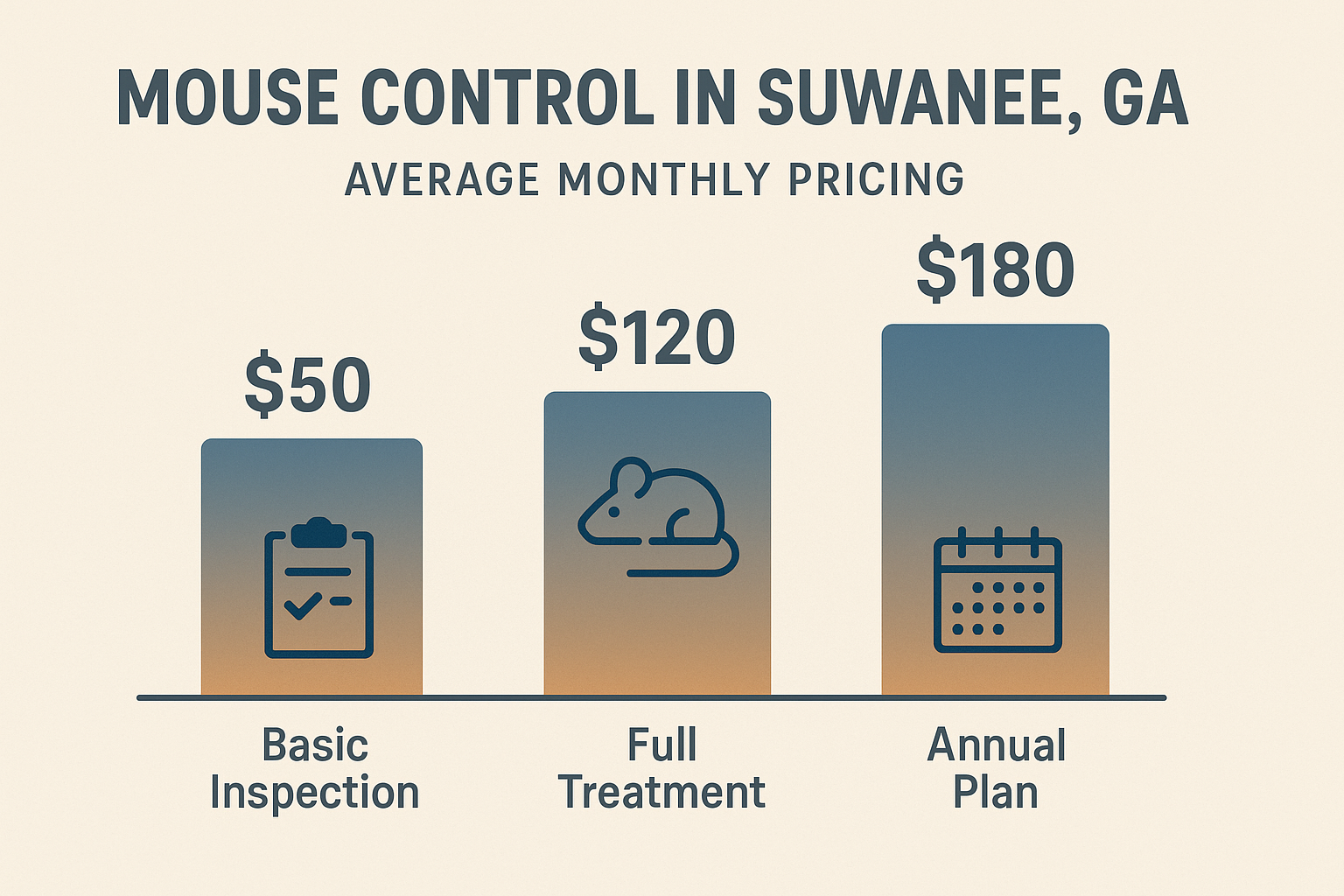
When you call a professional like Anthem Pest Control, the first question on most homeowners’ minds is “How much will this cost?” We’ve broken down the pricing structure into three clear service tiers so you can see exactly what you’re paying for and why.
Service Tier Overview
- Basic Inspection – A single‑visit assessment that identifies entry points, activity hotspots, and the level of infestation.
- Full Treatment – Includes the inspection plus placement of bait stations, traps, and a follow‑up visit to ensure eradication.
- Annual Protection Plan – A year‑long partnership with quarterly visits, ongoing monitoring devices, and a guarantee period that covers re‑infestation.
What Each Tier Includes
Basic Inspection provides a thorough walk‑through of your home’s interior and exterior, a detailed report, and recommendations. No chemicals or devices are applied, making it an affordable entry point for homeowners who suspect a problem but want to gauge the severity first.
Full Treatment adds the actual control measures. Technicians set up bait stations in walls, install snap traps in high‑traffic zones, and may use low‑toxicity rodenticide where needed. The service typically includes two visits: the initial treatment and a follow‑up after 7‑10 days to confirm success.
Annual Protection Plan is the most comprehensive option. It covers four scheduled visits per year, continuous bait/monitoring device maintenance, and a 30‑day guarantee that any new activity will be addressed at no extra charge. This tier is ideal for larger properties or households with recurring mouse issues.
Average Monthly Pricing in Suwanee
According to Anthem Pest Control’s local pricing data, Suwanee homeowners can expect the following monthly cost ranges:
| Tier | What’s Included | Avg. Monthly Cost |
|---|---|---|
| Basic Inspection | One‑time assessment, detailed report, treatment recommendation | $45 – $75 |
| Full Treatment | Inspection, bait stations, traps, 2 visits, 30‑day guarantee | $120 – $180 |
| Annual Protection Plan | Quarterly visits, ongoing bait/monitoring, 30‑day guarantee, priority scheduling | $250 – $350 |
Factors That Influence Cost
Property size matters—a 2,000‑sq‑ft home typically requires fewer bait stations than a 4,000‑sq‑ft property, which can raise the price.
Infestation severity also drives cost. A light presence may be resolved with a single bait placement, whereas a heavy infestation often needs multiple traps, additional visits, and possibly structural sealing.
Chosen service level is the biggest variable. Opting for an annual plan spreads the expense over twelve months, making budgeting easier, while a one‑off full treatment concentrates the cost into a single payment.
Transparent Pricing = Peace of Mind
Anthem Pest Control believes in clear, upfront quotes. By outlining exactly what each tier delivers and providing a price range before any work begins, homeowners avoid surprise fees and can plan their pest‑control budget with confidence. Knowing the cost drivers—size, severity, and service level—lets you choose the right tier for your situation, ensuring you get effective mouse control without overpaying.
Seasonal Mouse Activity in the Atlanta Metro Area and Timing Your Treatment
Understanding when mice are most active in the Atlanta region helps you plan inspections and treatments that hit the problem at its peak. A simple seasonal activity chart shows a clear pattern: mouse sightings and indoor pressure rise sharply in the fall, stay high through winter, dip to moderate levels in spring, and drop to their lowest point during the hot summer months.

Why Mice Seek Shelter When Temperatures Drop
As soon as night temperatures dip below 50°F, mice instinctively look for warm, protected spaces. Their natural burrows become too cold, and the energy cost of staying outside spikes. Homes provide the perfect refuge: steady heat, readily available food crumbs, and hidden pathways through walls, crawl spaces, and attics. In the fall, the combination of cooling nights and the first rains forces outdoor foraging rodents to test every crack they can find.
Indoor conditions also shift. Central heating creates a consistent temperature gradient, while humidity levels rise with increased use of humidifiers or the natural moisture from autumn rain. These changes make basements and crawl spaces especially attractive, turning them into seasonal highways for mice looking to move from the yard into the living areas.
Optimal Treatment Windows
- Pre‑fall inspection (late August‑early September): Conduct a thorough walk‑through before the first cold snap. Identify and seal entry points, trim vegetation away from the foundation, and set up monitoring stations.
- Early winter exclusion (late October‑early November): Once temperatures consistently stay below 60°F, reinforce door sweeps, install steel‑wool plugs in gaps, and apply targeted bait stations in high‑risk zones such as the attic and garage.
- Spring follow‑up (mid‑April‑early May): After the thaw, mice that survived the winter may emerge in larger numbers. A second inspection catches any missed entry points and allows for a quick retreat‑treatment before the summer lull.
How Weather Patterns Influence Indoor Mouse Pressure
Rainfall is a silent driver of mouse activity. Heavy rains saturate ground cover, forcing rodents to seek drier ground—often the soil beneath your foundation. When the soil stays moist for weeks, mice tunnel closer to the house, increasing the chance they’ll discover a crack or utility opening.
Conversely, sudden temperature spikes in late winter can push mice back outdoors temporarily, only to return when the cold returns. This “yo‑yo” effect means you may notice a brief lull in activity followed by a rapid resurgence. Monitoring weather forecasts and adjusting bait placement accordingly can keep your home a step ahead of the infestation.
Aligning Service Plans with Seasonal Peaks
Anthem Pest Control recommends bundling services to match the seasonal curve. A pre‑fall preventative package—inspection, exclusion, and baiting—covers the high‑risk entry period and often prevents a full‑blown infestation. Pairing that with a spring follow‑up ensures any survivors are caught before they reproduce, saving you the cost of emergency treatments later in the year.
Because mouse populations can double every 20‑30 days in optimal conditions, addressing the problem early reduces the number of rodents you’ll need to manage, which translates directly into lower bait and labor costs. Homeowners who schedule their treatments during the low‑summer activity window typically see a price advantage, as technicians can focus on preventive maintenance rather than intensive eradication.
In short, timing is everything. By syncing inspections and treatments with the natural ebb and flow of mouse activity—pre‑fall, early winter, and spring—you protect your home when the pest pressure is highest, keep costs under control, and enjoy a quieter, mouse‑free season year after year.
Secure a Mouse‑Free Home with Anthem Pest Control
Keeping your Suwanee home mouse‑free starts with a thorough inspection. Identifying entry points, nesting sites, and food sources early prevents a small problem from becoming a full‑blown infestation. Pair that with solid exclusion tactics—sealing cracks, installing door sweeps, and managing clutter—and you create a barrier that mice simply can’t cross.
- Inspection importance: A professional eye spots hidden activity that DIY checks miss.
- Exclusion tactics: Sealing gaps and removing attractants cut off the mouse’s pathway.
- Pricing transparency: You’ll know exactly what each step costs before any work begins.
- Seasonal timing: Early‑summer and fall are peak mouse seasons; acting now stops them before they settle.
Anthem Pest Control stands out because our technicians are not only certified but also trained specifically for the Georgia climate and local building styles. We use safe, EPA‑approved products that protect your family and pets while delivering rapid results. Our service plans are customized for Suwanee and the greater Atlanta area, meaning we consider regional weather patterns, common entry points, and neighborhood pest trends when designing your solution.
When you choose Anthem, you’re choosing a partner who values honesty and clarity. Every estimate is broken down line‑by‑line, so you never face surprise fees. Our flexible service options let you select a one‑time treatment, a quarterly maintenance schedule, or a full‑year protection plan—whichever fits your budget and lifestyle.
Best of all, we offer a free, no‑obligation quote. That means you can discuss your mouse concerns, get a detailed action plan, and see the exact cost before committing. Whether you need an urgent removal or want to set up a preventative schedule, our team is ready to tailor the approach to your home’s unique needs.
Ready to take the next step? Give us a call at 877‑371‑8196 or visit Anthem Pest Control for a personalized, free quote. Let our local expertise give you peace of mind and a mouse‑free home you can enjoy year‑round.