Introduction to Silverfish Issues in Brookhaven

Silverfish are small, wing‑less insects that glide across floors and walls with a fish‑like motion. Measuring about ½‑inch long, they have a silvery, scaled body, a tapered tail, and three long bristles at the rear. These nocturnal foragers thrive on starchy materials—think paper, glue, fabric, and even drywall dust.
Brookhaven’s humid subtropical climate creates the perfect backdrop for silverfish. Summer humidity often hovers above 70 %, and even cooler months retain enough moisture to keep basements, closets, and bathrooms damp. That lingering moisture fuels the insects’ breeding cycle, allowing populations to explode before homeowners even notice a single sighting.
When left unchecked, silverfish can inflict costly damage. They chew tiny, irregular holes in books, magazines, and important documents, leaving irreplaceable gaps in family histories. Clothing, especially cotton and silk, can become riddled with unsightly stains. In severe cases, they erode drywall and insulation, compromising wall integrity and prompting expensive repairs. Collectively, an untreated infestation can cost homeowners anywhere from a few hundred to several thousand dollars in lost items and remediation.
This guide will walk you through transparent cost options, spotlight Brookhaven’s top-rated pest‑control providers, and deliver actionable prevention tips. By the end, you’ll have data‑driven insights to decide the best course of action for a silverfish‑free home.
Silverfish Biology and Why They Thrive in Brookhaven
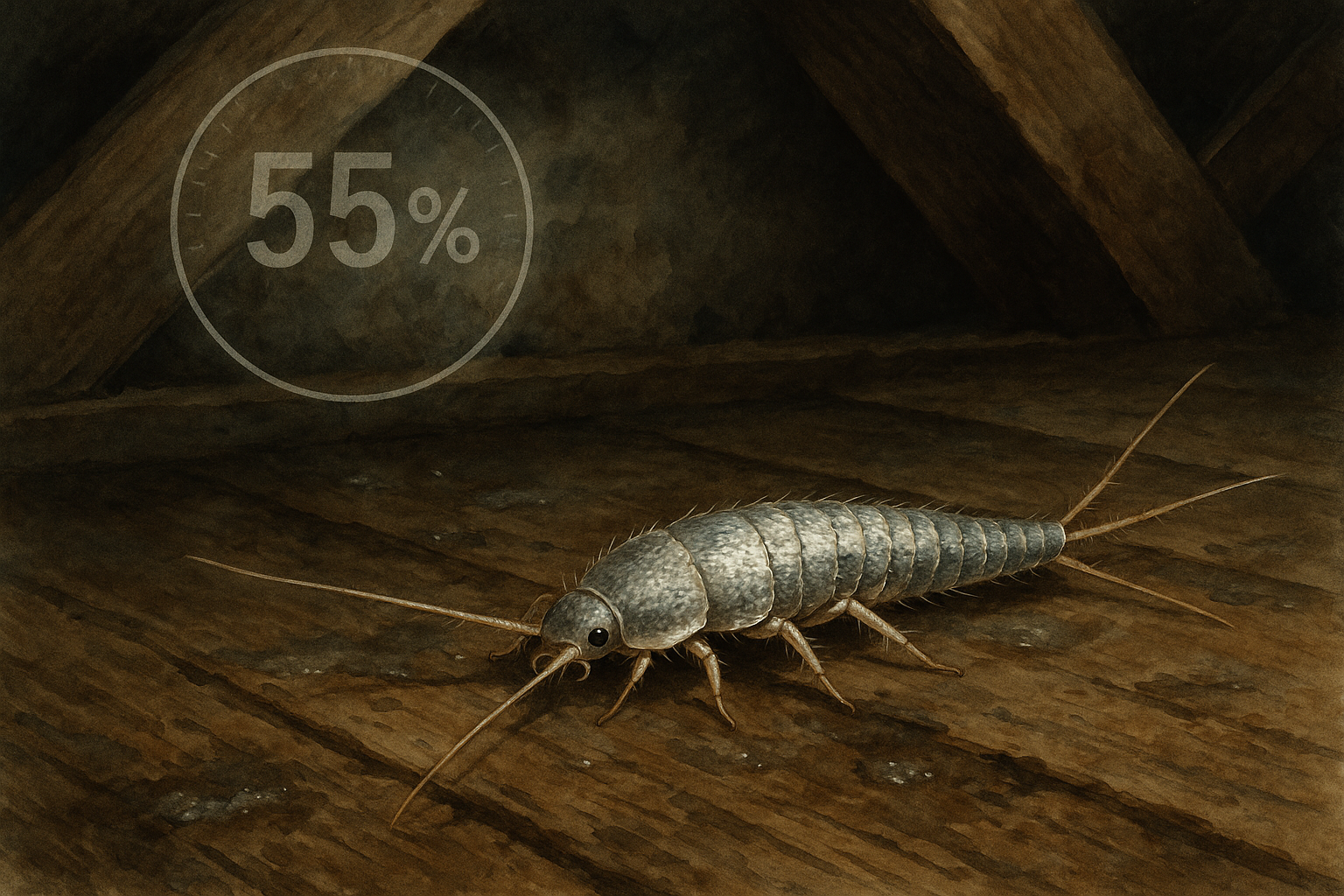
Silverfish (Lepisma saccharina) may look harmless, but understanding their biology explains why they become such persistent guests in many homes. Their life cycle consists of three stages: egg, nymph, and adult. A female can lay up to 100 eggs in small, gelatinous clusters, and those eggs hatch in 2‑3 weeks under optimal conditions. Nymphs resemble miniature adults and molt up to 18 times, gradually gaining size and mobility. Once they reach adulthood, silverfish can live anywhere from two to eight years, reproducing continuously throughout that period. This long lifespan, combined with rapid early development, creates a steady population pressure in any environment that meets their needs.
Preferred Habitats
Silverfish are drawn to locations that stay dark, cool, and moist—conditions that are abundant in most houses. Typical hotspots include:
- Basement corners and crawl‑space joists
- Attic rafters and insulation gaps
- Closet shelves, especially near shoes or fabrics
- Pantry edges where food crumbs and starches accumulate
These micro‑habitats provide the humidity and shelter silverfish require to thrive, and they often go unnoticed until an infestation becomes visible.
Humidity: The Key Environmental Factor
The U.S. Environmental Protection Agency (EPA) recommends keeping indoor relative humidity below 50 % RH to deter silverfish and other moisture‑loving pests. EPA indoor humidity guidance (2024) explains that lower humidity disrupts the water balance silverfish need for survival.
National Pest Management Association (NPMA) data shows that **more than 30 % of U.S. households report seeing silverfish each year**. This statistic underscores how common the pest is when environmental conditions are favorable.
Brookhaven’s Climate Connection
Brookhaven, Georgia, experiences average summer relative humidity levels above 55 %, comfortably exceeding the EPA’s deterrent threshold. The combination of warm temperatures and persistent moisture creates an ideal breeding ground for silverfish, especially in homes that lack proper ventilation or dehumidification. Even a modest rise in indoor humidity—say, from a leaky pipe or inadequate bathroom exhaust—can tip the balance, turning a quiet residence into a silverfish hotspot.
Recognizing a Silverfish Infestation
Silverfish are nocturnal, so most homeowners never see them moving. Instead, you’ll notice subtle clues that point to an early infestation. Spotting these signs quickly lets you act before the pests damage cherished books, clothing, or pantry items.
Visual signs to watch for
- Live silverfish scurrying across floors, baseboards, or bathroom tiles at night.
- Shed skins – the translucent, fish‑shaped exoskeletons left behind after molting.
- Fine, pepper‑like fecal specks on shelves, in drawers, or on fabric.
- Irregular, ragged holes or yellowed edges on paper, books, photographs, and cardboard.
- Small, silvery streaks or damage on natural fabrics such as silk, wool, or cotton.
Typical damage patterns often appear as tiny, irregular tears along the edges of book pages or the corners of clothing. In paper collections, you may notice a “chewed” look where the silverfish have fed on starches and glue. Fabrics usually show a series of minute holes that look like they were made by a fine needle, sometimes accompanied by a faint, musty odor.
Step‑by‑step checklist for high‑risk rooms
- Inspect the kitchen pantry: look for crumbs, moisture, and any shed skins near stored grains or cereals.
- Examine the laundry room: check dryer vents, detergent shelves, and any folded linens for tiny specks or holes.
- Survey garage storage and basements: focus on cardboard boxes, paper archives, and any fabric stored in sealed containers.
- Open closets and wardrobe doors: run a flashlight along the baseboards and inside shoe racks for live sightings or skin sheds.
- Check attic corners and roof vents after rain: moisture‑laden areas are prime silverfish habitats.
Real‑world example: A homeowner in Brookhaven Village noticed a faint rustling sound in the attic after a particularly rainy season. Following the checklist, they inspected the attic’s stored seasonal clothing and discovered dozens of shed skins and a 15‑square‑foot area of active silverfish activity. Early detection allowed Anthem Pest Control to treat the problem promptly, preventing further damage to the family’s belongings.
Cost Overview of Silverfish Control in Brookhaven
When it comes to silverfish control, the price tag can shift dramatically based on a handful of key variables. A light infestation in a modest‑sized home will cost far less than a widespread problem covering multiple rooms or a large square‑footage property. Additionally, the type of treatment—chemical sprays, dust applications, or natural alternatives—affects labor and material expenses. Finally, whether you opt for a one‑time service or a recurring maintenance plan will change the total outlay.
| Provider | Initial Visit | Quarterly Follow‑up | Notes |
|---|---|---|---|
| Anthem Pest | $200–$700 | Optional | Includes thorough inspection |
| Healthy Home Pest | $145 | $99 | Fixed quarterly plan |
| Brookhaven Pest Pros | Custom (avg $250–$500) | N/A | Tailored quote based on scope |
Factors influencing the price include the size of the infestation, the square footage of the home, and the chosen method of control. Chemical treatments typically carry higher material costs but may deliver faster knock‑down, while natural or low‑toxicity options can be less expensive but often require multiple applications. Homeowners who handle preparatory steps—such as decluttering, vacuuming, or sealing cracks—can lower labor time, which translates into a reduced bill. Conversely, complex layouts, basements, or older homes with numerous entry points usually demand more extensive work and a higher quote.
For the most up‑to‑date figures, verify the 2025 cost statistics directly on the Anthem Pest Silverfish Cost page. Additional reference points include Healthy Home Pest Services and the Brookhaven Pest Pros Overview. These sources provide transparent pricing and help you compare options before committing to a treatment plan.
Top‑Rated Local Silverfish Providers
Anthem Pest
Anthem Pest begins every job with a thorough visual inspection and moisture assessment, pinpointing where silverfish are hiding behind baseboards, cabinets, or damp crawl spaces. Their arsenal includes residual sprays, silica‑based dusts, and discreet bait stations that keep the pests away long after the technician leaves. With a 4.8‑out‑of‑5 Google rating, homeowners trust their professionalism, and the company backs it with a 24‑hour response promise for the Brookhaven Station area.
Healthy Home Pest
Healthy Home Pest offers a quarterly maintenance plan that bundles silverfish control with broader Atlanta‑wide pest coverage, such as ants, cockroaches and rodents. The plan schedules a spring inspection, a summer treatment, a fall follow‑up, and a winter preventive spray, so silverfish never get a chance to rebound. Pricing is presented up front on their website, eliminating hidden fees and giving homeowners a clear budget expectation.
Brookhaven Pest Pros
Brookhaven Pest Pros tailors each elimination program to the home’s specific moisture profile, recognizing that excess humidity fuels silverfish activity. Their technicians install dehumidifier recommendations, repair leaking fixtures, and apply a combination of dusts and targeted sprays. Positive testimonials from North Brookhaven residents highlight rapid results and courteous service, and the company offers a 120‑day guarantee on all treatments.
Decision‑Making Matrix
| Provider | Approx. Price* | Treatment Breadth | Guarantee | Response Time |
|---|---|---|---|---|
| Anthem Pest | $150‑$250 per visit | Sprays, dusts, baits | 90 days | Within 24 hrs |
| Healthy Home Pest | $120‑$200 per quarter | Full‑home quarterly program | 30 days | Within 48 hrs |
| Brookhaven Pest Pros | $180‑$260 per plan | Custom plan + moisture control | 120 days | Within 24 hrs |
* Prices reflect typical starting rates; exact quotes depend on the inspection findings.
If your priority is a rock‑solid guarantee and moisture‑focused solutions, Brookhaven Pest Pros is the logical choice. Homeowners on a tighter budget who still want reliable, fast service may lean toward Anthem Pest’s 24‑hour response and high customer rating. For those who prefer an all‑in‑one, scheduled maintenance package with transparent costs, Healthy Home Pest delivers the most predictable experience.
Effective Silverfish Treatment Methods
Silverfish thrive in the hidden corners of a home, but a layered approach—chemical, mechanical, natural, and preventive—can keep them at bay for months. Below, we break down the most reliable tactics, explain how to apply each one correctly, and show how they work together to protect Brookhaven residences.
Insecticide & Dust Applications
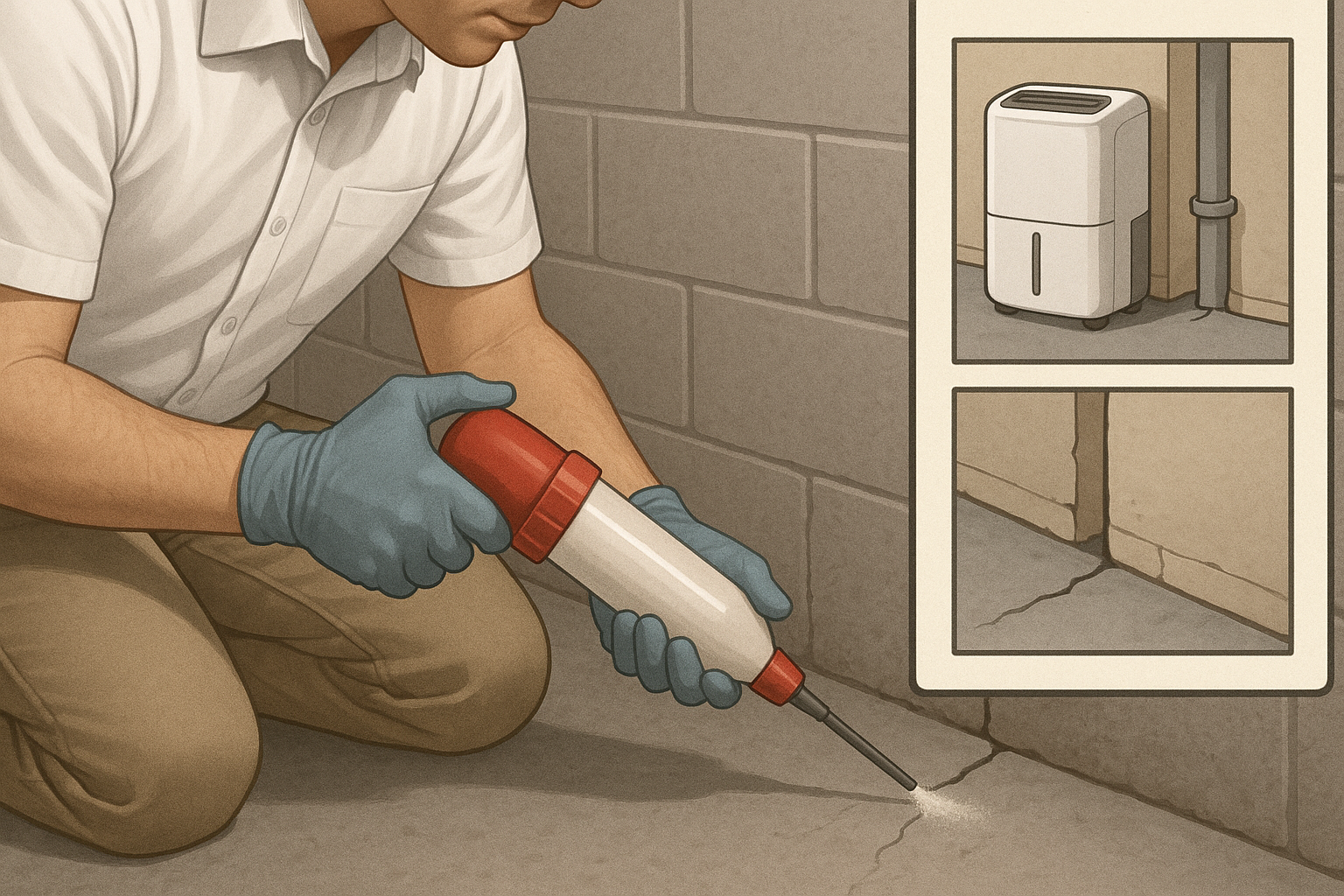
Professional-grade residual sprays such as bifenthrin create a long‑lasting barrier when applied to baseboard edges, window frames, and other perimeters. The spray remains active for up to six months in dry conditions, killing any silverfish that cross it. For cracks, crevices, and voids, dusts like CimeXa or D‑Fense are ideal. These dusts cling to surfaces, remain effective despite low humidity, and continue to work for the same six‑month window. Application is best performed with a hand‑held duster, ensuring an even coat without over‑saturating the area.
Baits & Traps
Sticky traps baited with cereal or flour attract silverfish, allowing you to monitor activity and reduce populations. Place these traps under sinks, behind baseboards, and inside closets—places where moisture accumulates. Niban starch‑based bait stations release a slow‑acting toxin that silverfish ingest, disrupting their life cycle without posing a risk to pets when used as directed. Check traps weekly and replace them once they’re covered with debris.
Natural Options
For homeowners who prefer low‑impact solutions, a few household items work surprisingly well. A spray of cedar oil repels silverfish, while a light dusting of borax powder in hidden corners interferes with their exoskeletons. Diatomaceous earth—a fine, abrasive powder—desiccates insects that crawl over it. When applied correctly (dry, thin layers), these products are safe for children and pets, yet effective enough to curb minor infestations.
Moisture Reduction
Silverfish are attracted to humidity levels above 60 % relative humidity (RH). Deploy a dehumidifier set to keep indoor RH below 50 % in basements, attics, and laundry rooms. Promptly fix leaky pipes, roof drips, and condensation problems. Improving ventilation—by adding exhaust fans or simply opening windows—helps dry out hidden moisture pockets where silverfish lay eggs.
Exclusion Techniques
Physical barriers stop new insects from entering. Seal cracks and gaps with silicone caulk, especially around utility penetrations and window frames. Install door sweeps on exterior doors to block the tiny gaps that silverfish exploit. Finally, keep soil or mulch at least six inches away from the siding of your home; this eliminates a common bridge for pests moving from the yard to interior spaces.
Case Study: Peachtree Road Homeowner
When a homeowner on Peachtree Road reported frequent silverfish sightings, we combined a thorough dust application (using D‑Fense in baseboard cracks) with a high‑capacity dehumidifier set to 45 % RH. Within three weeks, sightings dropped by 90 %, and a follow‑up inspection confirmed no new activity in treated zones. This success illustrates how pairing chemical dusts with moisture control yields rapid, lasting results.
DIY vs. Professional – When to Call an Expert
Silverfish are small, nocturnal insects that love moisture and starchy debris. For many Brookhaven homeowners, a few stray sightings can be handled with a simple do‑it‑yourself approach. However, when the problem spreads or threatens valuable items, calling a licensed professional becomes the smarter, safer choice.
When DIY works: If you notice only one or two silverfish, find a few shed skins in a single bathroom, or catch them early in a low‑traffic area, low‑toxicity traps and moisture‑reducing measures (like fixing leaky pipes and using dehumidifiers) are usually enough. Homeowners who are comfortable applying silica‑based powders or adhesive traps can often keep the colony under control without risking chemical exposure.
When to call a pro: Large colonies that appear in multiple rooms, visible damage to books, wallpaper, or drywall, and repeated infestations despite previous DIY attempts all signal the need for professional intervention. A certified technician can assess structural risk, apply EPA‑approved treatments, and provide a warranty that includes follow‑up inspections.
- Spot a few silverfish? → Try DIY traps and moisture control.
- Seeing shed skins in multiple rooms? → Consider professional inspection.
- Damage to books, drywall, or extensive colonies? → Schedule a licensed pest service.
Choosing Anthem Pest Control gives you more than just a pesticide application. Our technicians deliver guaranteed treatment plans, detailed documentation of findings, and ongoing monitoring to ensure the silverfish never return. With transparent pricing and a focus on low‑impact solutions, you gain peace of mind while protecting your home’s structure and cherished belongings.
Seasonal Considerations and Prevention Tips for Georgia Homes
Brookhaven’s climate swings dramatically between the dry heat of summer and the damp, rainy spell that rolls in each spring. When the April showers arrive, indoor humidity climbs quickly, creating the perfect environment for silverfish to thrive. Research and local reports show that the period from May through July is the peak activity window for these nocturnal insects in the Atlanta metro area, including Brookhaven.
Why spring and early summer matter in Brookhaven
Understanding this seasonal pattern lets homeowners act before the insects move in. The key is to lower moisture levels inside the house and eliminate the paper‑based food sources they love. Below is a concise, neighborhood‑specific checklist that fits the typical layout of Brookhaven Village, Brookhaven Station, and North Brookhaven.
Prevention checklist for Brookhaven neighborhoods
- Keep indoor humidity below 50 % by running a dehumidifier or air conditioner, especially in basements, closets, and attics.
- Store books, paperbacks, magazines, and seasonal clothing in airtight plastic containers or vacuum‑sealed bags.
- Vacuum corners, under appliances, and along baseboards weekly to remove eggs, shed skins, and food debris.
- Trim back shrubs, remove leaf litter, and keep mulch at least six inches away from the foundation to reduce moisture buildup.
The Centers for Disease Control and Prevention (CDC) recommends keeping indoor relative humidity below 50 % as a general pest‑prevention strategy; see the CDC’s indoor moisture guidance for more details.
Quick tip: Place a small hygrometer in your basement and attic to monitor relative humidity. If levels creep above 50 %, run a dehumidifier or improve ventilation until they drop.
Frequently Asked Questions About Silverfish Control
Below are answers to the most common questions homeowners ask about silverfish control.
Do silverfish carry diseases?
Silverfish do not transmit diseases to humans. They are not a health hazard in the same way rodents or cockroaches are. Their main concern is the damage they cause to paper, clothing, books, and food packaging by feeding on starches and cellulose.
How long does a treatment last?
The longevity of a silverfish treatment depends on the product used. Residual liquid sprays typically remain active for up to six months, while silica‑based dusts can continue to work for a year in dry, low‑humidity environments. Regular inspections help confirm effectiveness.
Are treatments pet‑safe?
Most professional silverfish products are formulated to be low‑toxicity and safe around pets when applied correctly. Always ask your technician which chemicals are being used, follow any post‑treatment guidelines, and keep pets away from treated areas until the label’s waiting period has passed.
Will eliminating moisture solve the problem?
Reducing moisture is a cornerstone of silverfish control because they thrive in humid, damp spaces such as bathrooms, kitchens, and basements. While dehumidifying and fixing leaks can dramatically cut their numbers, most infestations still require a targeted chemical or bait application to eradicate the hidden population.
If you have additional concerns, a local Anthem Pest professional can assess your home and recommend a tailored plan.
Conclusion and Call to Action
Silverfish thrive in the damp, humid conditions that are common in Brookhaven homes. If left unchecked, these nocturnal pests can gnaw at paper, clothing, and even the glue that holds your flooring together, leading to costly repairs and ongoing frustration.
The most reliable way to protect your home is a professional inspection followed by targeted treatment and a moisture‑management plan. Trained technicians can pinpoint hidden infestations, apply low‑toxicity solutions where they’re needed most, and advise on ventilation or de‑humidifying steps that keep silverfish from returning.
Don’t wait for the damage to become visible. Schedule a free, no‑obligation inspection with a top‑rated provider today. Call us at 877‑371‑8196 or visit our contact page to book your appointment.
At Anthem Pest, we pride ourselves on transparent pricing, certified experts, and a commitment to your peace of mind. Our solutions are safe for families and pets, effective against silverfish, and backed by a satisfaction guarantee.
Visit Anthem Pest Control now and take the first step toward a silverfish‑free home.
Our local Brookhaven team knows the area’s climate patterns and the hidden entry points silverfish love. By acting quickly you avoid larger infestations, protect your belongings, and keep your home comfortable year‑round. Let us handle the problem while you enjoy peace of mind.