What Are Silverfish and Why They Matter
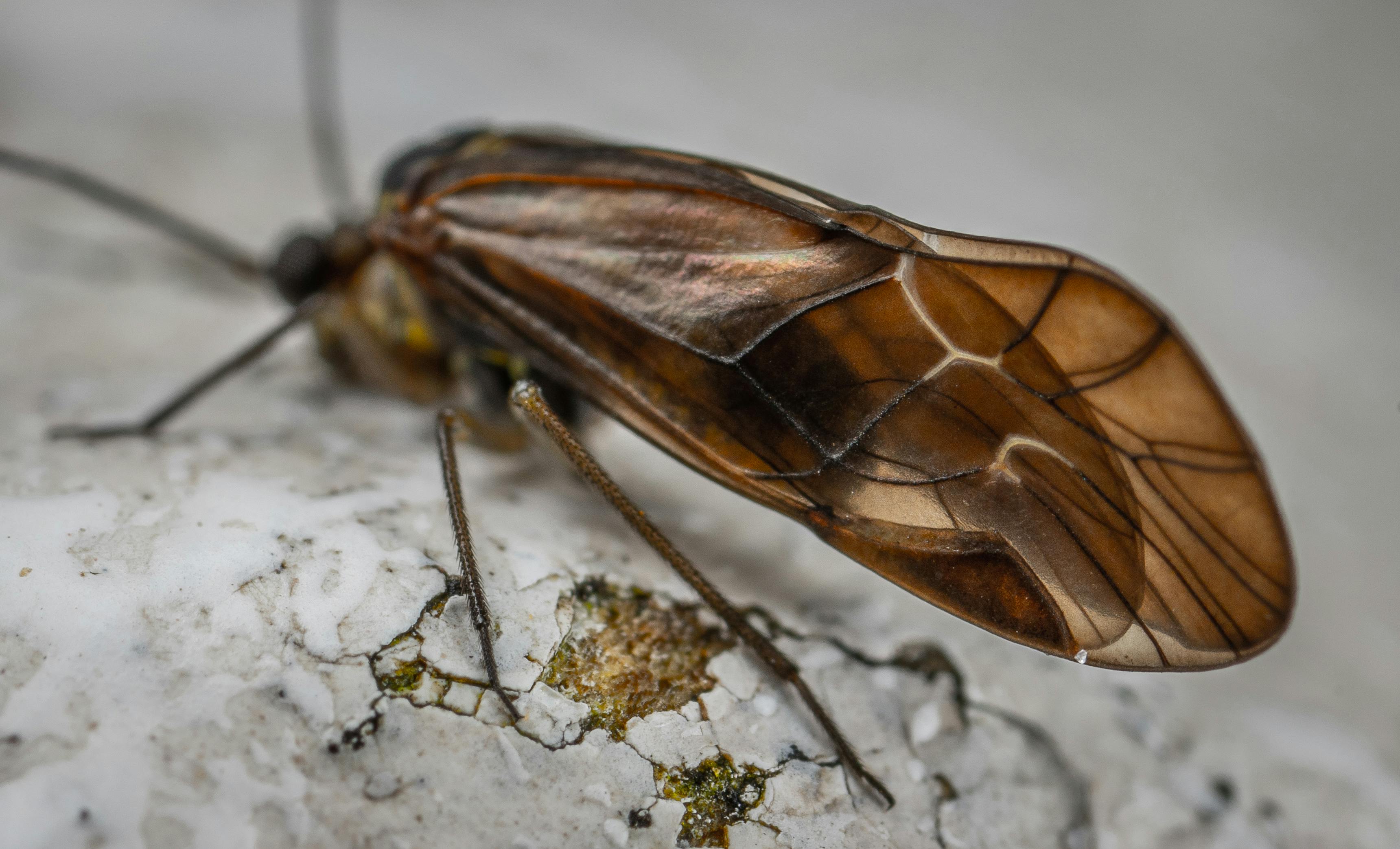
Silverfish, scientifically known as Lepisma saccharina, are small, wingless insects that many homeowners mistake for harmless “dust bunnies.” In areas where silverfish control Druid Hills GA homeowners rely on is necessary, these pests are also known by nicknames such as booklice or fishmoths because of their silvery, fish-like appearance and the way they dart across surfaces.
Physical description
These critters typically measure ½ to ¾ inch (12–19 mm) in length. Their bodies are covered in tiny, overlapping scales that give them a metallic sheen ranging from light gray to bronze. The most recognizable trait is their rapid, undulating movement that resembles a fish swimming through water, which allows them to slip into cracks and crevices with ease.
Where they like to hang out
Silverfish thrive in environments that stay cool and moist. Inside a home, you’ll most often find them in kitchens, bathrooms, basements, and laundry rooms—anywhere there’s high humidity, condensation, or water leaks. They love the edges of pantry shelves, under sinks, behind wallpaper, and inside the seams of baseboards where moisture accumulates unnoticed.
What they damage
Although they don’t bite or spread disease, silverfish have a voracious appetite for carbohydrates. They feed on starches, sugars, paper, glue, and natural fibers. This means they can:
- Leave tiny, irregular holes in books, magazines, and important documents.
- Chew through fabric seams, weakening clothing, curtains, and upholstery.
- Contaminate stored pantry items such as cereals, flour, and dried fruit.
Over time, the cumulative damage can become costly, especially for homeowners who cherish books, heirloom textiles, or keep a well‑stocked pantry.
Health considerations
Silverfish are not disease vectors, but their presence can still affect indoor health. Their shed skins and droppings appear as fine, silvery specks that can irritate sensitive skin and trigger allergic reactions in some individuals. Moreover, the moisture they favor can foster mold growth, compounding indoor air‑quality concerns.
Quick Fact Box
- Lifespan: 2–8 years, depending on humidity and food availability.
- Reproduction rate: Females lay 1–2 eggs per day; a single pair can produce several hundred offspring in a year.
- Why they thrive in U.S. homes: Seasonal humidity spikes, older construction with hidden water sources, and abundant paper‑based food sources make most American houses a perfect silverfish playground.
Understanding what silverfish are, where they hide, and the subtle damage they cause is the first step toward effective control. At Anthem Pest Control, we combine this knowledge with safe, targeted treatments to keep your Druid Hills home silverfish‑free year‑round.
Spotting a Silverfish Infestation Early
Silverfish are shy, nocturnal insects, but they leave a trail of clues that any attentive homeowner can spot. Catching these clues early means you can act before the pests damage books, clothing, or pantry items, and before a small problem balloons into a full‑blown infestation.
Typical signs of activity
- Silvery, fish‑shaped insects darting across walls or floors after the lights go out, especially near lamps, night‑lights, or bathroom fixtures.
- A faint, rapid “scurrying” sound when you turn on a flashlight in a dark closet or under a sink.
Evidence of feeding
Silverfish thrive on carbohydrates and protein found in everyday household items. Look for:
- Irregular, tiny holes in paper, book pages, or wallpaper.
- Shredded cereal, cracked cornflakes, or other starchy pantry foods.
- Worn edges on cardboard boxes, receipts, or labels.
Droppings
These insects excrete small, pepper‑like specks that are easy to miss unless you’re looking. Droppings are:
- Dark brown or black, resembling coarse pepper.
- Usually found near food sources, along baseboards, or in the corners of cabinets.
Skin shed skins (exuviae)
As silverfish grow, they molt their delicate exoskeletons. The shed skins are:
- Translucent, paper‑like, and often crumpled.
- Commonly discovered in hidden crevices, behind picture frames, or inside bookshelves.
Common hiding spots
Silverfish love moisture and darkness. The most frequent hideaways in a Druid Hills home include:
- Under kitchen and bathroom sinks.
- Behind baseboards and trim.
- Inside closets, especially where clothing is stored in cardboard boxes.
- Along grout lines in tiled showers or laundry rooms.
- Within bookshelves, especially where old paper or magazines sit for months.
How to conduct a simple inspection
Performing a quick, systematic check takes only a few minutes and can save you a costly treatment later.
- Timing: Choose a night when the house is quiet. Turn off all lights, then switch on a bright flashlight for a 5‑minute sweep.
- Tools: Grab a flashlight, a few sticky traps (available at hardware stores), and a notepad or your phone to record findings.
- Step‑by‑step:
- Start in the kitchen. Scan under the sink, behind the pantry door, and around the dishwasher.
- Move to the bathroom. Look along grout lines, behind the toilet tank, and inside medicine cabinets.
- Check closets and laundry rooms. Pull back hanging clothes, flip over boxes, and run the light along baseboards.
- Finish with living areas. Examine bookshelves, picture frames, and any cardboard storage.
- Documentation: Note the location of any live insects, droppings, shed skins, or damage. A quick photo can help a pest professional assess the severity later.
- Trap placement: If you spot activity, place a sticky trap in the same area. Replace the trap after 24 hours and observe whether it catches more silverfish.
By learning these visual cues and following a brief nighttime walk‑through, you’ll be equipped to catch a silverfish problem before it spreads. If you do confirm signs of an infestation, Anthem Pest Control is ready to provide a safe, effective treatment plan tailored to Druid Hills homes.
Preventing Silverfish Before They Invade

Control Indoor Humidity
Silverfish thrive in damp environments, so keeping indoor humidity below 50 % is your first line of defense. Place a dehumidifier in basements, laundry rooms, and bathrooms, and empty it regularly. Fix any leaky pipes or roof drips promptly, and install exhaust fans or open windows after showers to improve ventilation.
Seal Entry Points
These tiny insects slip through the smallest cracks. Walk around your home with a flashlight and caulk any gaps around windows, baseboards, and utility openings. Install door sweeps on exterior doors and replace damaged screen mesh. Even a thin layer of silicone can stop a silverfish from slipping inside.
Food Storage Best Practices
Silverfish love starchy crumbs and powdered foods. Transfer cereal, flour, pasta, and pet food into airtight containers made of glass or heavy‑wall plastic. Sweep kitchen floors nightly and wipe countertops with a damp cloth to erase the scent trails that attract them.
Declutter and Reduce Hiding Places
Clutter creates the dark, undisturbed pockets silverfish adore. Store books, magazines, and seasonal clothing in sealed plastic bins rather than open boxes. Keep floors clear of laundry piles, and avoid stacking cardboard boxes directly on the floor—use a pallet or shelf instead.
Regular Cleaning Routines
Vacuuming isn’t just for dust; it removes silverfish eggs and shed skins. Focus on edges, baseboards, and the space behind appliances where moisture can linger. After each pass, empty the vacuum bag or canister into a sealed trash bag and discard it outside the home.
Natural Deterrents
If you prefer a chemical‑free approach, place cedar blocks in closets and under storage bins—cedar’s scent repels many insects. Lavender sachets or a spray made from diluted essential oils (lavender, peppermint, or eucalyptus) can be misted around entry points and shelving areas. Reapply every two weeks for consistent protection.
Professional Preventive Measures
Even a diligent DIY routine can miss hidden cracks or hard‑to‑reach corners. A licensed technician from Anthem Pest Control can apply a perimeter barrier spray that creates an invisible shield around your home’s exterior. Inside, targeted applications treat cracks, wall voids, and under‑floor spaces where silverfish hide. Because professionals have access to EPA‑approved formulations and specialized equipment, they can ensure coverage in areas you can’t see or reach, dramatically lowering the risk of an infestation before it starts.
Combining these homeowner habits with a scheduled professional preventive service gives you the most robust protection. By lowering humidity, sealing pathways, storing food wisely, decluttering, cleaning regularly, and adding natural or chemical barriers, you create an environment where silverfish simply cannot survive.
Treatment Options: DIY vs Professional Services
Overview of DIY Approaches
Many homeowners start with low‑cost, do‑it‑yourself methods because they’re easy to purchase and apply. While these solutions can reduce a light silverfish presence, they rarely eradicate an established colony.
- Sticky traps and glue boards – Place them along baseboards, under sinks, and near pantry shelves. Replace every 2–3 weeks for maximum catch rates.
- Boric acid powder – Sprinkle a thin layer in cracks, behind appliances, and around bookcases. Keep the area dry; the powder works best when insects walk through it. Wear gloves and keep it away from pets and children.
- Diatomaceous earth (DE) – This fine, fossilized algae is abrasive to the silverfish exoskeleton. Lightly dust it in dark, damp spots such as bathroom corners and crawl‑space vents. Reapply after cleaning or moisture events.
- Limitations of DIY – Coverage is often spotty, so hidden nests stay untouched. Silverfish can develop tolerance to some chemicals, and improper handling of powders poses health risks. For larger homes or recurring infestations, DIY rarely delivers lasting results.
Professional Treatment Methods
Certified technicians bring a systematic approach that targets the entire infestation, not just the visible insects.
- Inspection and identification – A professional conducts a thorough walkthrough, locating breeding sites, moisture sources, and structural entry points.
- Targeted chemical applications – Residual sprays and dusts are applied to voids, wall voids, and baseboards. These products maintain efficacy for months, reducing the need for repeat visits.
- Integrated Pest Management (IPM) – Beyond chemicals, technicians set up monitoring stations, advise on humidity control, and schedule follow‑up visits. Many companies, including Anthem Pest, offer warranties that cover re‑treatment if silverfish reappear within a set period.
- Heat or steam treatments – For severe cases, professionals may use high‑temperature steam to penetrate deep cracks, killing eggs and nymphs without chemicals.
Cost Comparison
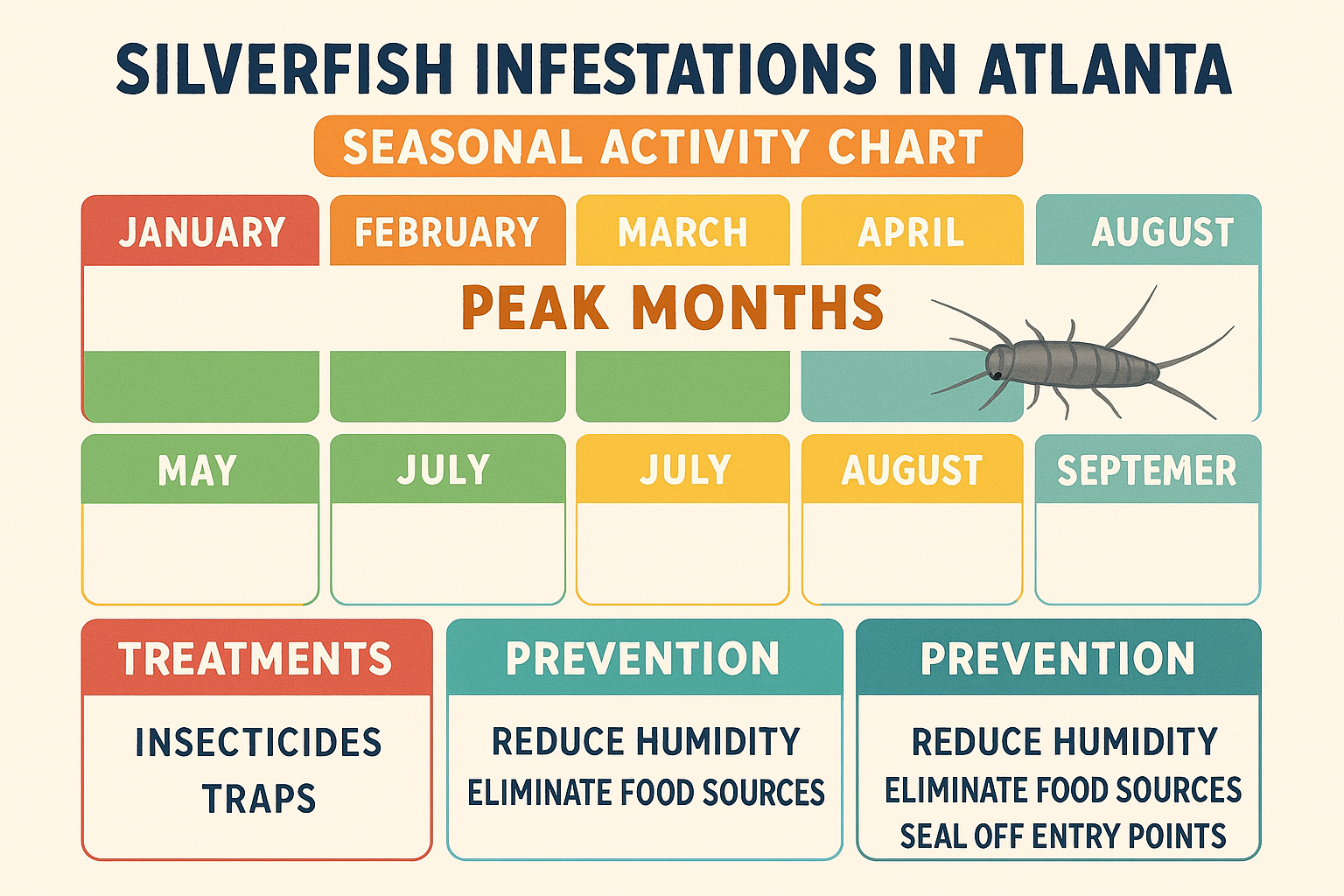
Understanding the price difference helps you decide which route fits your budget and urgency when choosing the right silverfish control Druid Hills GA homeowners need.
- DIY expense range – Sticky traps ($10‑$30 for a pack), boric acid ($15‑$25 per container), and a bag of diatomaceous earth ($15‑$20). Total initial outlay typically stays under $70.
- Professional service pricing – Anthem Pest and other local providers charge roughly $120‑$250 per treatment, depending on home size and severity. This figure often includes the initial inspection, chemicals, and a follow‑up visit.
| Factor | DIY | Professional |
|---|---|---|
| Effectiveness | Limited; may miss hidden colonies | High; comprehensive coverage and expert placement |
| Time Investment | Hours of setup and frequent re‑application | One‑time appointment; minimal homeowner effort |
| Safety | Requires careful handling of powders; risk to pets/children | Licensed chemicals applied by trained staff; lower household exposure |
| Long‑Term Results | Often short‑lived; reinfestation common | Durable; includes IPM and warranty options |
| Cost | Low upfront, but recurring purchases may add up | Higher upfront, but includes inspection, treatment, and follow‑up |
Decision Guide: When to DIY and When to Call a Pro
If you’ve spotted a few silverfish in a single pantry or bathroom and the infestation appears isolated, a DIY approach can be a cost‑effective first step. Ensure you address moisture problems, seal cracks, and maintain cleanliness to boost success.
Opt for professional help when you notice any of the following:
- Repeated sightings despite regular DIY treatments.
- Evidence of damage to books, clothing, or wallpaper.
- Large or multi‑story homes where hidden voids are difficult to reach.
- Presence of other moisture‑related pests (e.g., cockroaches, termites) indicating broader environmental issues.
In these scenarios, a certified technician can quickly identify the root cause, apply long‑lasting chemicals, and set up an IPM plan that protects your home year after year.
When Silverfish Are Most Active in Atlanta
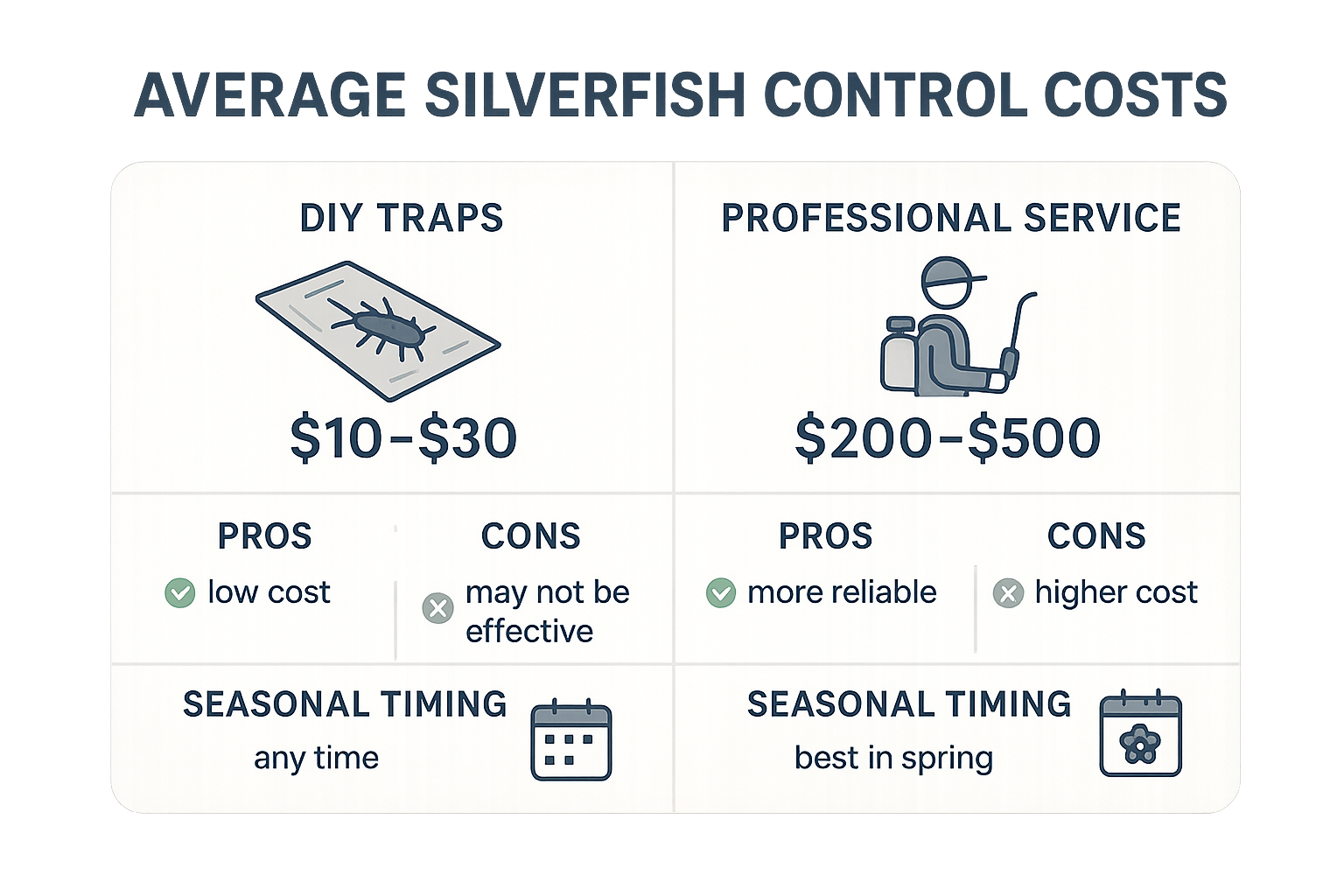
Atlanta’s climate is a perfect match for silverfish. The region’s warm, humid summers and relatively mild winters keep indoor moisture levels high, giving these nocturnal insects the moisture they crave. Understanding how the seasons affect silverfish activity lets you time treatments for maximum impact.
Seasonal Activity Overview
Silverfish are most prolific from May through September. During these months, outdoor humidity spikes and homes retain moisture, making silverfish control Druid Hills GA especially important as conditions become ideal for feeding and breeding. A smaller, secondary surge often appears in January and February when indoor heating dries out the air but creates warm pockets near plumbing, basements, and closets where silverfish can thrive.
Season‑by‑Season Treatment Recommendations
- Early Spring (March–April): Begin with a pre‑emptive dehumidification sweep. Run a dehumidifier in basements, crawl spaces, and bathrooms to keep relative humidity below 50 %. Seal cracks around windows, doors, and utility penetrations to block entry points.
- Mid‑Summer (May–July): As humidity peaks, schedule a professional barrier spray. A licensed technician can apply a low‑toxicity residual around baseboards, under appliances, and in attic insulation, creating an invisible shield that deters silverfish before they establish colonies.
- Fall (August–October): With humidity beginning to decline, focus on thorough cleaning. Vacuum corners, behind bookshelves, and along baseboards to remove shed skins and food particles. Place sticky traps in closets, laundry rooms, and under sinks to catch any lingering insects.
- Winter (November–February): Monitor indoor humidity levels; use a hygrometer to stay under 45 % if possible. If you spot silverfish, deploy low‑toxicity DIY traps—such as a jar with a piece of bread covered by petroleum jelly—to capture them without harsh chemicals.
Prevention Tips Aligned with Each Season
- Spring: Clean gutters and downspouts to prevent water seepage into foundation walls. This reduces moisture migration into crawl spaces where silverfish love to hide.
- Summer: Keep kitchen counters clear of crumbs and store dry goods in sealed containers. Run exhaust fans in bathrooms and kitchens to vent excess steam.
- Fall: Store seasonal clothing, blankets, and linens in airtight plastic bins. Silverfish are attracted to natural fibers, so eliminating loose fabrics cuts off a major food source.
- Winter: Check heating vents and radiators for condensation. Wipe down any damp spots promptly and consider a portable dehumidifier in rooms that tend to stay humid.
Quick Reference Calendar
| Season | Key Activity | Prevention Focus |
|---|---|---|
| Early Spring | Dehumidify & seal cracks | Gutter cleaning, moisture barrier |
| Mid‑Summer | Professional barrier spray | Vent steam, store dry goods |
| Fall | Deep cleaning & trap placement | Airtight storage for fabrics |
| Winter | Humidity monitoring & DIY traps | Check heating sources, use dehumidifier |
By syncing your prevention and treatment steps with Atlanta’s seasonal silverfish patterns, you stay one step ahead of these hidden pests. If you need a professional assessment or a customized plan, Anthem Pest Control is ready to help—just give us a call at 877‑371‑8196 or visit our website.
Protect Your Home with Anthem Pest Control Today
Why Early Detection and Consistent Prevention Matter
Spotting silverfish early—tiny fish‑shaped tracks, yellowish stains, or sudden paper damage—lets you intervene before the problem spreads. Pair that vigilance with ongoing prevention, such as fixing leaks, reducing humidity, and sealing cracks, and you dramatically lower the chance of a full‑blown infestation. When pests do appear, prompt professional treatment stops them in their tracks, safeguarding both your family’s health and your valuable belongings.
Why Choose Anthem Pest Control?
- Licensed technicians with local expertise. Our team knows the Atlanta area inside and out, and we bring that knowledge to every home across the nation.
- Safe, EPA‑approved products and transparent pricing. We use only chemicals that meet strict environmental standards, and we provide clear, upfront cost estimates—no hidden fees.
- Comprehensive service packages. Each package includes a thorough inspection, targeted treatment, and a follow‑up guarantee that ensures the pests stay gone.
Getting Started Is Simple
- Call us for a free, no‑obligation quote at 877‑371‑8196. Our friendly staff will gather basic details about your home and the pest concerns you’ve noticed.
- Schedule an on‑site inspection. One of our certified technicians will assess the situation, identify entry points, and discuss prevention strategies tailored to your property.
- Receive a customized action plan that outlines treatment options, timelines, and the follow‑up schedule. You’ll know exactly what to expect and how we’ll keep your home pest‑free.
Contact Anthem Pest Control
Ready to protect your home and loved ones? Call 877‑371‑8196 today or visit Anthem Pest Control for more information. Our team is standing by to answer questions, provide a free quote, and set up your first inspection.
We understand that inviting a pest-control professional into your home can feel like a big step. That’s why we keep the process straightforward, respectful, and pressure-free. Let our team handle the science and the hard work behind effective silverfish control Druid Hills GA homeowners can trust, so you can focus on what matters most—enjoying a clean, safe living space.