Understanding Silverfish Risks in Dunwoody
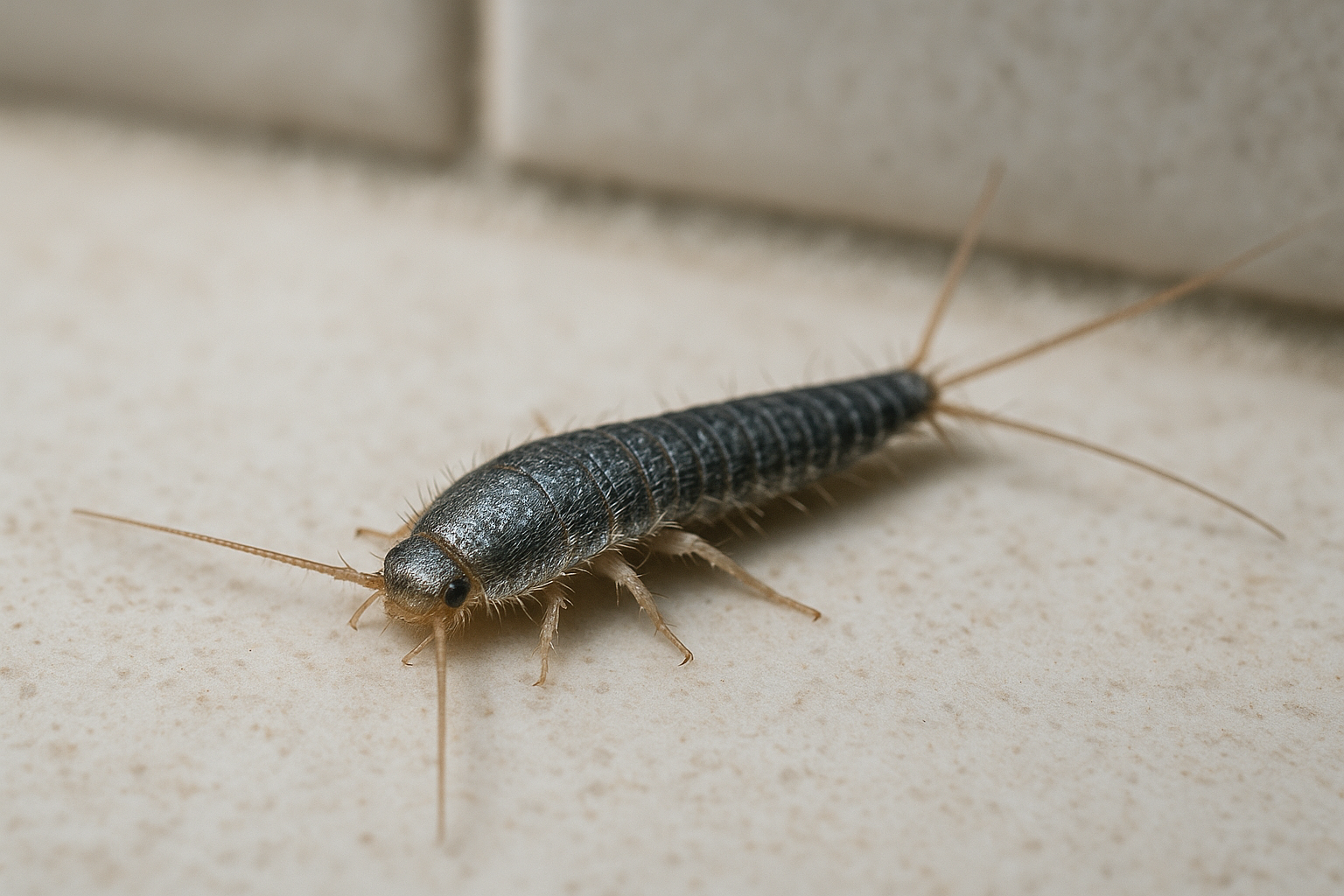
Imagine coming home after a long day in Dunwoody, slipping off your shoes, and spotting tiny, fish-like insects darting across the bedroom floor. A quick glance at the nightstand reveals a few shredded pages from a favorite novel and a faint, silvery line on a cotton shirt. The homeowner realizes she’s not just dealing with stray insects—she’s looking at a growing problem that may require professional silverfish control Dunwoody GA services before the infestation spreads further.
Silverfish, scientifically known as Lepisma saccharina, are small, wing‑less insects that measure about half an inch long. Their bodies are a glossy yellow‑brown, covered in overlapping scales that give them a fish‑like shimmer. When disturbed, they dart away in a rapid, wiggling motion, making them hard to catch. These traits—size, coloration, and the characteristic “fish‑tail” movement—help homeowners differentiate them from carpet beetles or moth larvae.
In Dunwoody’s humid climate, silverfish thrive in dark, damp corners—basements, bathrooms, and under kitchen sinks. They are nocturnal feeders, drawn to moisture and any source of starch or protein. Common meals include book bindings, wallpaper glue, cereal crumbs, and even cotton fibers. Because they can survive for months without food, a single unnoticed pair can establish a colony that slowly expands throughout the home.
Early detection matters because silverfish don’t just nibble on paper—they can damage structural elements like drywall, insulation, and even wiring insulation over time. While they’re not known vectors of disease, their shed skins and feces can trigger allergic reactions in sensitive individuals. A small infestation left unchecked can quickly become a costly repair project and a source of indoor‑air quality concerns. Prompt professional assessment stops the spread before it reaches that stage. Additionally, moisture‑rich environments encourage mold growth, compounding the problem.
For authoritative guidance, see the EPA’s Silverfish Factsheet and the CDC’s Home Hygiene Guide, both of which outline prevention steps and health considerations. Anthem Pest Control uses these guidelines to tailor a Dunwoody‑specific inspection and treatment plan.
Why Silverfish Thrive in Dunwoody
Dunwoody sits in the heart of a humid subtropical zone, meaning long, hot summers and mild winters. According to the National Oceanic and Atmospheric Administration (NOAA) 2024 climate summary, the city averages around 70 % relative humidity during the peak summer months, with nighttime lows rarely dropping below 55 %. Those moisture levels are a perfect match for the biology of silverfish, which require damp environments to complete their life cycle.
Indoor moisture fuels their growth
While outdoor humidity sets the stage, the real silverfish party starts inside our homes. Leaky pipes, condensation on cold water lines, and the steady steam that rises from showers create micro‑climates where humidity can exceed 80 % in confined spaces. Silverfish love to hide in the crevices of bathroom walls, under kitchen sinks, and behind laundry‑room appliances where that excess moisture lingers. The insects can survive for months without food, but they thrive when they have both moisture and a steady supply of starches, sugars, or paper – all common in an average household.

Typical entry points
- Foundation cracks and gaps around utility penetrations
- Unsealed grout lines or missing caulk in bathroom tiles
- Dryer and washing‑machine vent exhausts that are not properly screened
- Open window screens that have been damaged by weather
Each of those openings does more than let insects slip inside; they also act as conduits for humid air from the outdoors. A small crack in the foundation can draw in moist soil, while an unsealed grout line allows bathroom steam to settle behind tiles, creating a long‑lasting damp pocket that silverfish love to colonize.
What the data says
The Georgia Department of Public Health released its 2024 indoor pest complaint report, noting that silverfish accounted for 18 % of all pest‑related service calls in the Atlanta metropolitan area. Within the Dunwoody zip code (30338), the complaint rate rose to 24 calls per 1,000 households – well above the state average of 12. This spike aligns closely with the city’s higher humidity readings and the age of many residential properties, which often feature older plaster and less‑effective moisture barriers.
| Location | Sightings Reported | Complaints per 1,000 Households |
|---|---|---|
| Dunwoody | 1,842 | 24 |
| Brookhaven | 1,021 | 13 |
The simplest way to make your home less inviting is to control moisture at its source. Fix any leaking faucets, install a bathroom exhaust fan that runs for at least 20 minutes after a shower, and apply a high‑quality silicone caulk to all tile joints. Pair these steps with regular inspections by Anthem Pest Control, and you’ll cut the silverfish population before it reaches a noticeable level.
Identifying Silverfish Infestations
Silverfish are small, wingless insects that glide across surfaces with a fish‑like motion, earning them their name. An adult measures about ½ inch long, has a tapered, silvery‑gray body covered in tiny, overlapping scales that catch the light. Homeowners often first notice them scurrying out from under boxes, along baseboards, or behind wallpaper. Their presence alone is a red flag, but the damage they leave behind—tiny holes in paper, shredded book pages, and frayed clothing fibers—can confirm an active problem.
Physical signs you can see
- Silvery, fish‑shaped bodies with a tapered tail.
- Fine, powdery scales that may be left on surfaces.
- Irregular, ragged holes in paper, books, wallpaper, or cardboard.
- Chewed edges on fabrics, especially natural fibers like cotton and silk.
Secondary indicators that often go unnoticed
- Minute, pepper‑like fecal pellets near baseboards or pantry shelves.
- Shed skins (exuviae) that look like translucent, empty shells.
- A faint, musty odor that intensifies in damp, dark areas.
- Increased moisture or condensation on walls, which silverfish love.
According to the National Pest Management Association (NPMA), 15‑20 % of U.S. homes report a silverfish sighting each year (NPMA 2023). This statistic underscores how common these pests are, especially in homes with high humidity or abundant paper products. For a deeper dive into their biology and control options, consult the NPMA silverfish factsheet.
Self‑audit checklist for homeowners
- Inspect pantry shelves and cereal boxes for holes or pellets.
- Examine bathroom corners, especially under sinks and behind tiles.
- Check closets and dressers for frayed fabrics or shed skins.
- Look behind baseboards and in crawl spaces for live insects.
- Open bookcases and examine paperbacks for tiny chew marks.
- Survey laundry rooms for moisture buildup and any silverfish activity.
- Touch interior walls for damp spots that may attract pests.
- Record any sightings, locations, and damage to help a professional technician assess the scope.
Treatment Options Offered by Anthem Pest
Inspection & Assessment
Every successful silverfish control Dunwoody GA program begins with a thorough walkthrough of your home. Our certified technicians use calibrated moisture meters to pinpoint damp spots where silverfish thrive, and they map out harborage sites such as baseboard cracks, behind appliances, and under bathroom fixtures. By documenting these hotspots, we can tailor a treatment plan that targets the exact conditions encouraging the infestation.
Chemical Treatments
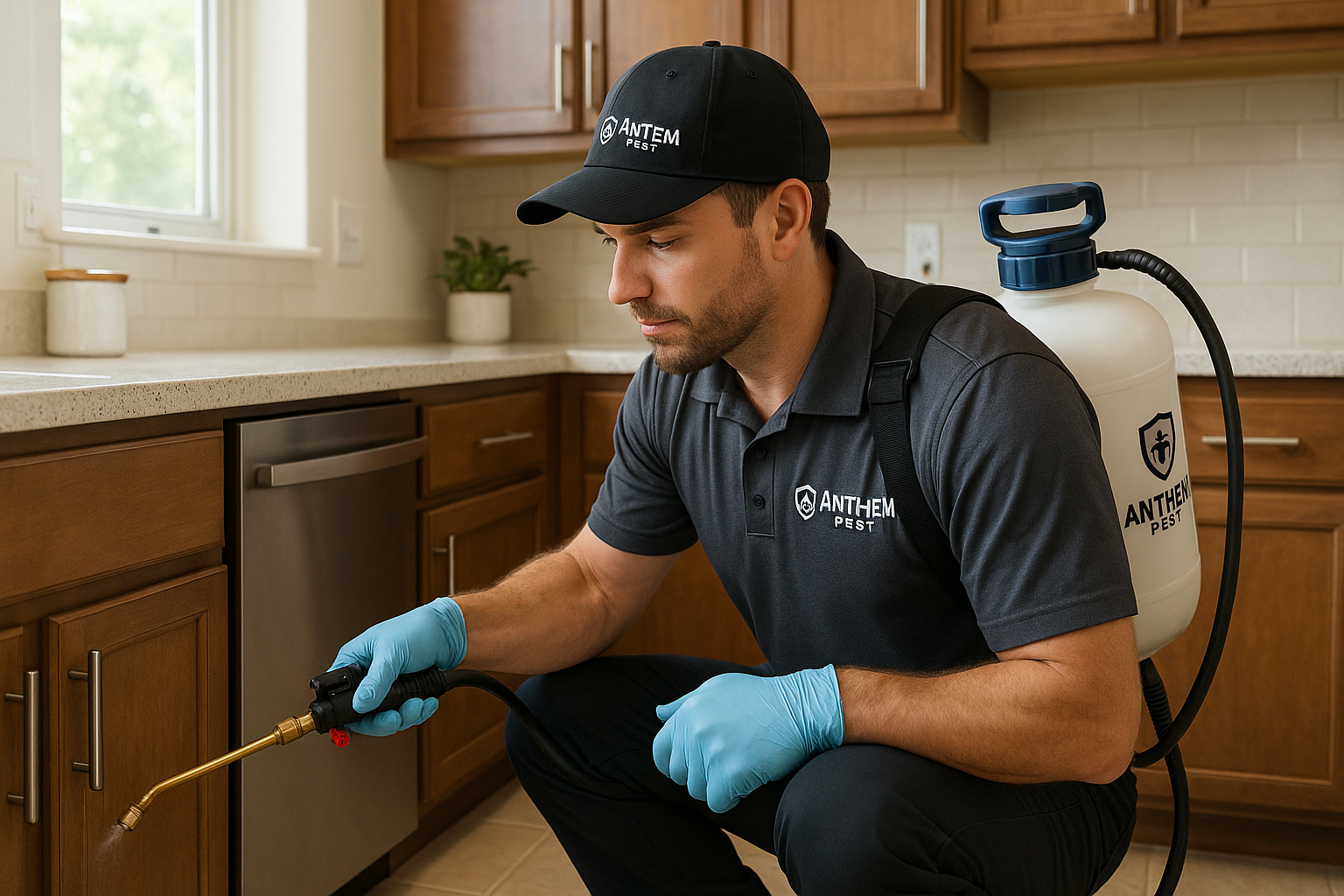
Anthem Pest relies on low‑odor residual sprays formulated with industry‑approved actives like bifenthrin and other pyrethroids. The spray is applied to baseboards, cracks, voids, and other voids where silverfish travel, creating a protective barrier that remains effective for weeks. Our technicians take extra precautions around pets and children—using precise applicators, limiting overspray, and providing post‑treatment safety guidelines so your family can resume normal activities quickly.
Non‑Chemical Options
When you prefer a chemical‑free approach, we offer silica‑based dusts and diatomaceous earth that desiccate silverfish upon contact. These powders are dusted into wall voids, under flooring, and in other concealed areas where the insects hide. For severe infestations, we also provide localized heat treatment, raising ambient temperatures to levels that are lethal to silverfish while leaving your belongings untouched.
Integrated Pest Management (IPM)
Anthem Pest’s IPM strategy goes beyond killing insects; it eliminates the conditions that allow them to flourish. We advise on sanitation practices, such as reducing food debris and decluttering storage spaces, and we recommend moisture control measures like fixing leaky pipes and installing dehumidifiers. When structural repairs are needed—replacing damaged drywall or sealing foundation cracks—we coordinate with trusted contractors to ensure a long‑term barrier against future invasions.
Pricing Breakdown
Our pricing is transparent, competitive, and backed by the Georgia Pest Control Association 2025 pricing guide. Below is a quick comparison of the two most popular silverfish service packages.
| Package | Price Range | Service Duration | Guarantee | Includes |
|---|---|---|---|---|
| Standard Silverfish Package | $149 – $199 | 1‑hour onsite service | 30‑day re‑treatment guarantee | Inspection, moisture meter readings, residual chemical spray, basic sanitation tips |
| Premium IPM Package | $229 – $279 | 1.5‑hour onsite service | 30‑day re‑treatment guarantee + moisture remediation follow‑up | All Standard services, plus silica‑dust application, moisture control recommendations, and one follow‑up visit |
Both packages are designed to give homeowners in Dunwoody a clear path to a silverfish‑free home, with the Premium IPM option providing the extra layers of protection that serious infestations demand. When you choose Anthem Pest, you’re not just buying a service—you’re investing in a partnership that prioritizes safety, efficacy, and long‑term peace of mind.
Prevention Tips for Homeowners
Control Indoor Humidity
Silverfish thrive in moist environments, so keeping your home dry is the first line of defense. In Dunwoody’s humid summers, run a dehumidifier in basements, closets, and laundry rooms to maintain humidity below 50 %. Promptly fix leaky pipes, dripping faucets, and roof leaks—water droplets are a silverfish invitation. Ensure bathrooms and the laundry area are well‑vented; install exhaust fans or open a window while showering or drying clothes.
Seal Entry Points
Even the smallest crack can become a highway for silverfish. Inspect the foundation, window frames, and exterior walls for gaps and caulk them with a silicone‑based sealant. Install door sweeps on all exterior doors to block the gap at the threshold. Inside, damaged grout around tile or bathroom fixtures should be repaired, as silverfish can slip through the tiny fissures. A thorough seal‑up cuts off both entry and moisture sources.
Store Food Properly
Pantry items such as cereals, flour, pet food, and dried herbs provide a perfect food source. Transfer these products into airtight containers made of glass or heavy‑wall plastic. Avoid leaving open bags on countertops or in cabinets; even a crumb‑filled box can attract a colony. Label containers with purchase dates and rotate stock regularly to keep food fresh and less appealing to pests.
Maintain a Regular Cleaning Routine
Regular cleaning removes the organic debris silverfish feed on. Vacuum carpets, rugs, and upholstered furniture at least once a week, paying special attention to baseboards and corners where dust accumulates. Follow up with a damp mop on hard floors to pick up any stray particles. Declutter paper piles—magazines, old mail, and cardboard boxes—because they retain moisture and provide hiding spots. A tidy home is a less inviting home.
Follow a Seasonal Inspection Schedule
In Dunwoody, silverfish activity spikes during the warm, damp months of late spring and early fall. Schedule a professional inspection and preventative treatment every quarter, ideally in March, June, September, and December. These visits allow technicians to spot early signs, treat vulnerable areas, and adjust humidity controls before an infestation takes hold. For DIY homeowners, use the Dunwoody City public works water‑damage prevention page as a resource for local guidelines on leak detection and moisture management.
By combining these proactive steps—drying out indoor spaces, sealing cracks, storing food securely, cleaning diligently, and adhering to a seasonal inspection calendar—you’ll create a hostile environment for silverfish year‑round. Anthem Pest Control is ready to back up your efforts with safe, effective treatments tailored to Dunwoody homes, ensuring peace of mind and a pest‑free household.
Frequently Asked Questions
Below are the most common questions homeowners ask about silverfish control Dunwoody GA services, along with concise, research-backed answers that reflect EPA guidelines and industry best practices.
How long does treatment last?
Professional silverfish programs typically provide protection for 30‑60 days, depending on whether an Integrated Pest Management (IPM) approach or a solely chemical treatment is used. IPM combines moisture reduction, sanitation, and targeted baits, extending residual activity, while chemical‑only sprays may lose efficacy sooner. The EPA notes that most residual insecticides remain effective for about one month, and the NPMA reports an average field‑life of 45 days for silverfish‑specific products. Most technicians schedule a one‑month revisit to confirm that the residual barrier remains intact and to address any lingering hotspots.EPA, 2023; NPMA, 2022
Is it safe for pets?
Low‑odor, residual sprays approved by the EPA are considered pet‑safe once fully dried, and they leave no lingering scent that could irritate animals. Non‑chemical options such as dehumidifiers, traps, and physical barriers are inherently safe for cats and dogs. EPA safety data sheets confirm that when applied according to label directions, the risk to household pets is negligible. Products containing pyrethrins or synthetic pyrethroids are formulated to break down within 24‑48 hours, further minimizing exposure for curious pets.EPA, 2023
Will silverfish return after treatment?
When a proper IPM program is followed—including humidity control, crack sealing, and regular monitoring—the likelihood of reinfestation drops dramatically. The NPMA estimates a recurrence rate of roughly 10 % for homes that maintain recommended moisture levels and receive follow‑up inspections. Keeping indoor humidity below 50 %—using a dehumidifier or proper ventilation—starves silverfish of the moisture they need to reproduce. Without these preventive steps, silverfish can re‑establish colonies within weeks.
Can I DIY versus hiring a professional?
Do‑it‑yourself methods—such as pantry traps, boric‑acid powders, and household dehumidifiers—may reduce visible activity, but they rarely eradicate the hidden breeding sites that sustain a population. Professional services provide a thorough inspection, identify structural moisture sources, and apply EPA‑registered products with a guarantee of effectiveness. While DIY kits may seem cheaper upfront, the cumulative cost of repeated applications often exceeds a single professional service that includes a warranty. According to the NPMA, homeowners who opt for professional treatment see a 70 % higher success rate compared with DIY attempts.NPMA, 2022; EPA, 2023
Take Action for a Silverfish‑Free Home
Living in Dunwoody means dealing with humid summers and damp basements—perfect conditions for silverfish. At Anthem Pest, our technicians know how the local climate fuels these pests, so we tailor every treatment to the area’s unique moisture patterns.
We stand behind our work with a guaranteed result promise, transparent pricing that shows exactly what you’re paying for, and an Integrated Pest Management (IPM) approach that blends chemical and non‑chemical tactics for lasting control.
Choosing Anthem Pest gives you more than just an extermination; it delivers peace of mind. Your home’s value stays protected because untreated silverfish can damage books, wallpaper, and even fabric. Moreover, eliminating these insects reduces the risk of allergic reactions and keeps your family’s health safe.
Our IPM program starts with a detailed inspection, identifies entry points, and uses targeted baits or dusts where silverfish hide—under cabinets, closets, and bathroom vents. We also advise on moisture control, such as fixing leaks and using dehumidifiers, which starves the insects.
Pricing is simple: a flat rate for the initial treatment and a clear schedule for follow‑up visits. No hidden fees, and you’ll receive a written estimate before any work begins.
Because silverfish can trigger asthma and skin irritation, removing them improves indoor air quality and creates a healthier environment for children and pets.
Ready to reclaim your space? Call us today at 877‑371‑8196 or visit https://anthempest.com/ for a free, no‑obligation quote. Our friendly team will schedule a thorough inspection, walk you through the findings, and recommend a plan that fits your budget—no high‑pressure sales tactics.
Take the first step toward a silverfish-free home. Visit Anthem Pest Control now for professional silverfish control Dunwoody GA services and let our local expertise safeguard your property.