Spider Spotting in a Smyrna Kitchen

Imagine you’re reaching for a mug on the countertop when a sudden, eight-legged flash darts across the surface. Your heart skips a beat, the coffee pot trembles, and you wonder: “Is that a harmless house spider or something more dangerous?” That exact moment is all too common for Smyrna homeowners, often signaling the need for professional spider control Smyrna Georgia, especially when the seasons shift.
Why Georgia’s Seasons Invite Spiders
Georgia’s humid climate creates a perfect breeding ground for spiders year‑round, but activity spikes in late summer and early fall. Warm nights encourage adult females to lay egg sacs, and the cooling temperatures drive them indoors in search of shelter. Kitchens become attractive because they offer steady food sources—crickets, flies, and even pantry pests—plus the warm, dry surfaces that many species prefer for building webs.
Health Risks You Can’t Ignore
While most spiders are harmless, Georgia is home to two medically significant species: the brown recluse and the black widow. A bite from a brown recluse can cause necrotic lesions that take weeks to heal, while a black widow’s venom may trigger severe muscle cramps, nausea, and, in rare cases, respiratory distress. Even a single bite can mean a trip to the emergency room, not to mention the anxiety of sharing your home with a potential threat.
DIY vs. Professional Help
Many homeowners reach for a vacuum or a DIY spray, but these methods often miss hidden nests, especially in wall voids and under cabinets. Professional exterminators provide thorough spider control Smyrna Georgia, using the tools and knowledge to locate, identify, and eradicate spiders safely with EPA-approved products that protect both your family and pets. Moreover, a licensed technician can assess structural vulnerabilities that invite future invasions, something a DIY approach rarely addresses.
In the sections that follow, we’ll break down the typical costs of spider control in Smyrna, explore the most effective treatment options, and share actionable prevention tips you can implement today. Throughout, Anthem Pest Control’s local expertise will be highlighted—because when it comes to keeping your kitchen spider‑free, a neighbor who knows the area is worth more than a generic service.
Identify the Spiders You’re Dealing With
Spiders are a year‑round presence in Smyrna, Georgia, but their activity spikes when the weather warms and insects multiply. Most homeowners notice a few stray webs in corners or behind furniture, yet not every eight‑legged visitor poses a health threat. Knowing which species you’re sharing space with is the first step toward safe, targeted control.
Brown Recluse
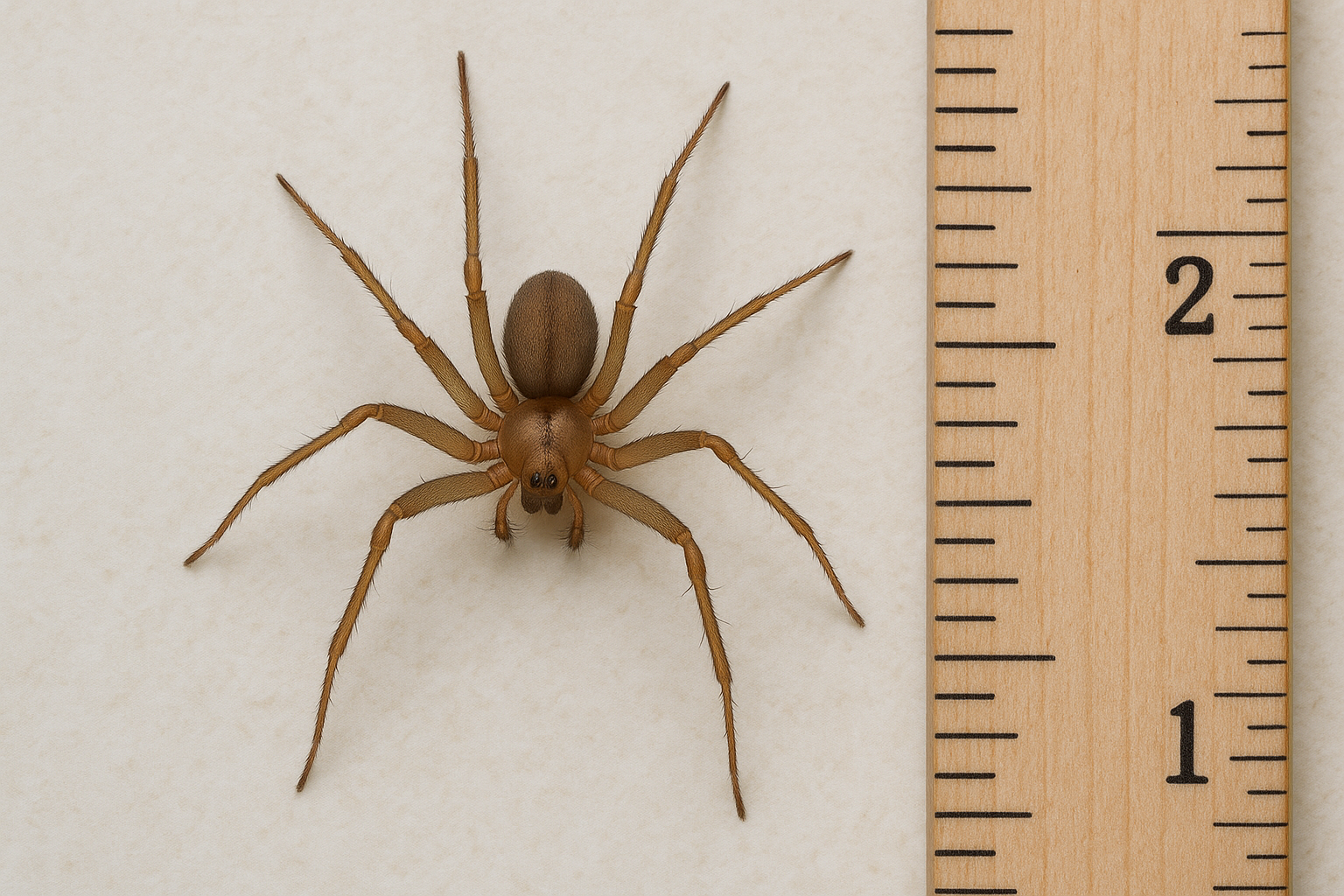
Size: 6‑12 mm; Marking: dark‑brown body with a violin‑shaped pattern on the cephalothorax; Habitat: indoor corners, window sills, closets, and behind furniture. The brown recluse is the most feared indoor spider in the region. Georgia health records show that most reported recluse bites occur inside homes, and the venom can cause necrotic lesions if left untreated. Quick visual cues—size, brown hue, and the violin pattern—are your best identifiers.
Black Widow
Size: females up to 15 mm; Marking: glossy black abdomen with a bright red hourglass on the underside; Web: irregular, tangled cobwebs in dark, sheltered areas. Female black widows are instantly recognizable by their shiny black body and red hourglass. They spin messy cobwebs in garages, woodpiles, outdoor sheds, and sometimes indoor corners with moisture. Their neurotoxic venom can cause severe muscle cramps, sweating, and nausea, though fatalities are rare with prompt medical care. Treat any spider matching this description as a potential medical emergency.
Common House Spider
Size: 3‑5 mm; Color: tan or gray; Web: flat, sheet‑like webs in corners. The common house spider is the benign workhorse of most Smyrna homes. It feeds on other insects, helping to keep indoor bug populations down, and its bite is comparable to a mild bee sting—generally harmless to healthy adults. Its small size, muted coloration, and orderly sheet webs make it easy to differentiate from the more dangerous species.
According to the Georgia Department of Public Health, spider-related medical visits increased 12% during summer 2023, underscoring the importance of accurate identification and timely intervention, and the growing need for professional spider control Smyrna Georgia. Georgia Department of Public Health, 2023.
The Limits of Over‑the‑Counter Sprays
What’s in a Typical DIY Can
Most homeowners reach for the bright‑colored aerosol cans found in the garage or local hardware store when spiders appear. These products are marketed as “instant kill” solutions and usually contain pyrethroids or other fast‑acting chemicals that evaporate quickly. While they may knock down a few spiders on contact, the formulation is designed for short‑term knock‑down, not for long‑lasting control of hidden colonies. Brands such as Raid and Ortho dominate the aisles, yet their labels seldom promise lasting residual protection.
EPA’s Residual‑Protection Standard
The Environmental Protection Agency states that “EPA‑registered residual sprays provide up to 12 weeks of protection” when applied according to label directions. EPA pesticide registration guidelines require rigorous testing to verify that a product can cling to surfaces, survive cleaning, and remain toxic to spiders for weeks after application. The 12‑week claim also presumes a clean, undisturbed surface—something most homes don’t maintain.
Why Over‑the‑Counter Sprays Fall Short
DIY aerosols rarely meet the EPA’s residual criteria. Their active ingredients are formulated to evaporate within minutes, leaving little residue on walls, baseboards, or the tiny cracks where spiders hide. As a result, the spray often bypasses the very places spiders use for nesting and travel, providing only a superficial surface treatment that disappears after a few days. Routine dusting or vacuuming can remove the thin film before it has a chance to act.
Safety Risks for Homebound Families
- Higher acute toxicity levels compared with professional formulations.
- Increased risk of inhalation or skin contact for children, pets, and the applicator.
- Potential for residue buildup on indoor air when sprays are used repeatedly.
- Limited guidance on safe re‑entry intervals, leading to accidental exposure.
Some sprays are labeled for outdoor use only, yet homeowners often apply them indoors, creating hidden hazards.
A Safer Alternative from Anthem Pest
Anthem Pest offers low‑toxicity, EPA‑registered residual sprays that are applied by licensed technicians. These professional products cling to porous surfaces, seal cracks, and maintain effectiveness for up to three months, all while meeting strict safety standards. Our technicians also seal cracks and voids, positioning the residual barrier exactly where spiders travel. Homeowners gain long‑term spider protection without exposing their families to the higher toxicity levels found in most off‑the‑shelf cans.
What to Expect from a Certified Smyrna Spider Exterminator
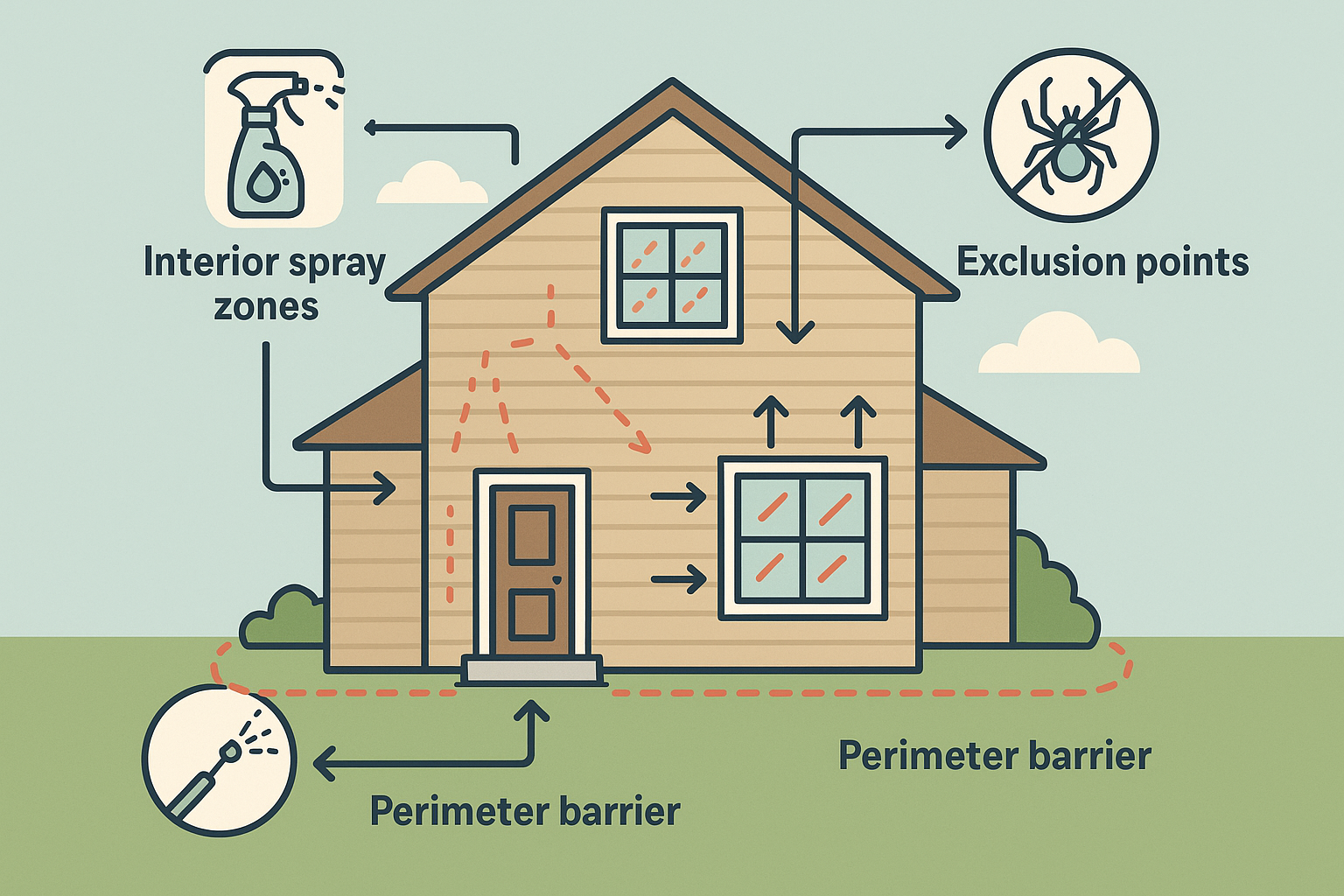
When you call Anthem Pest, you’re not just scheduling a spray appointment—you’re inviting a team of locally‑trained, certified technicians who treat each spider problem as a unique puzzle. Our step‑by‑step process guarantees that every corner of your home is inspected, treated, and re‑checked, so you can finally relax without worrying about wandering webs or unwanted eight‑legged guests.
Step 1: Thorough On‑Site Inspection & Species Identification
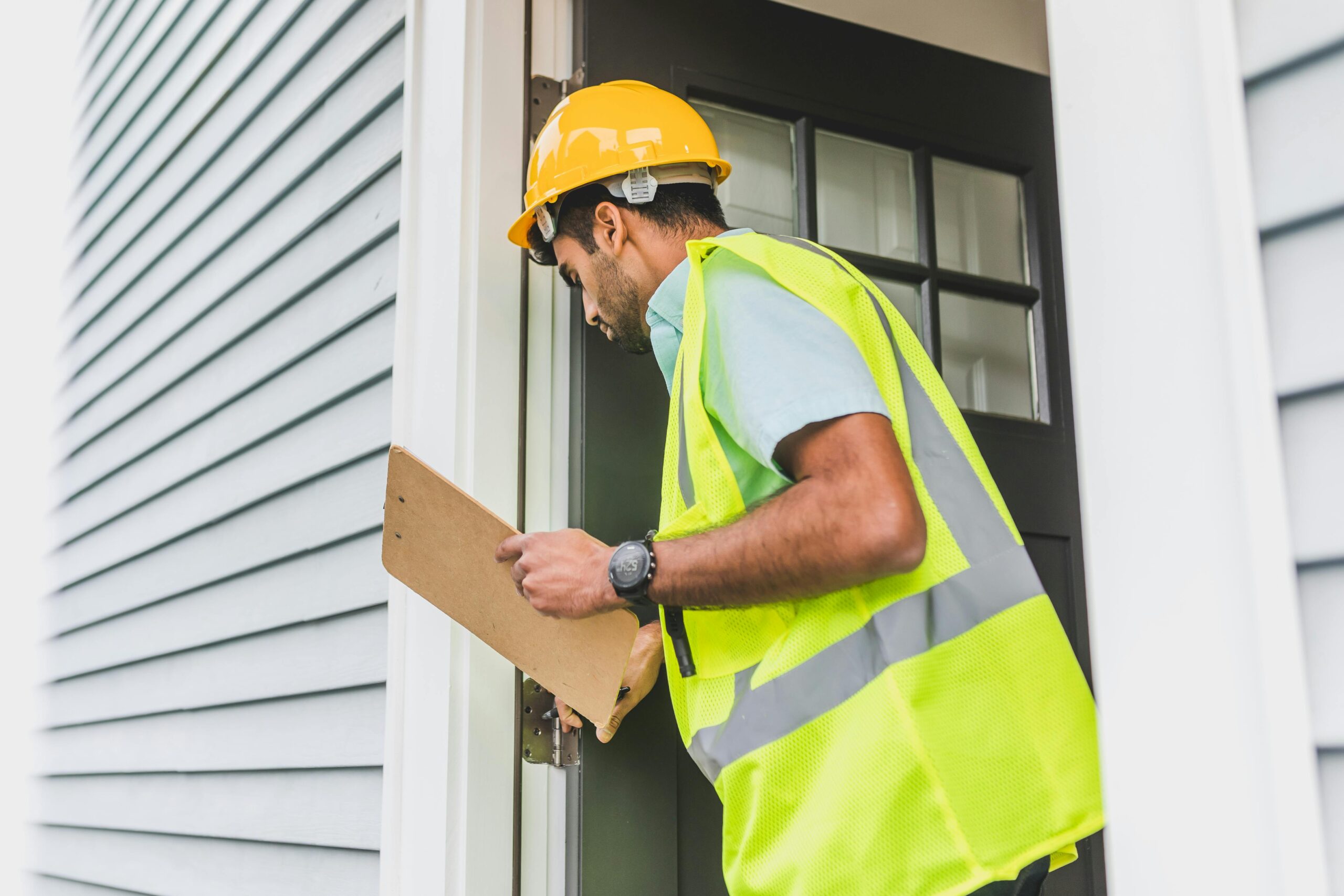
Our technician arrives with a detailed checklist and a handheld flashlight to perform thorough spider control Smyrna Georgia services. First, we scan interior rooms, basements, attics, and crawl spaces, looking for web patterns, egg sacs, and live spiders. Using a field guide specific to Georgia’s arachnid fauna, we identify the species—whether it’s a harmless house spider, a venomous brown recluse, or a seasonal orb weaver. Knowing the exact species informs the next steps and ensures we apply the safest, most effective treatment.
Step 2: Customized Treatment Plan
After the inspection, we assess infestation level, entry points, and the spider’s preferred habitats. From that data we craft a tailored plan that balances immediate control with long‑term prevention. For a light, seasonal infestation we might focus on perimeter barriers; a heavy indoor buildup triggers a combination of interior fogging and targeted crack‑and‑crevice applications. All recommendations are explained in plain language, and you receive a written quote before any product is used.
Step 3: Application Methods
Our certified technicians employ three proven delivery systems:
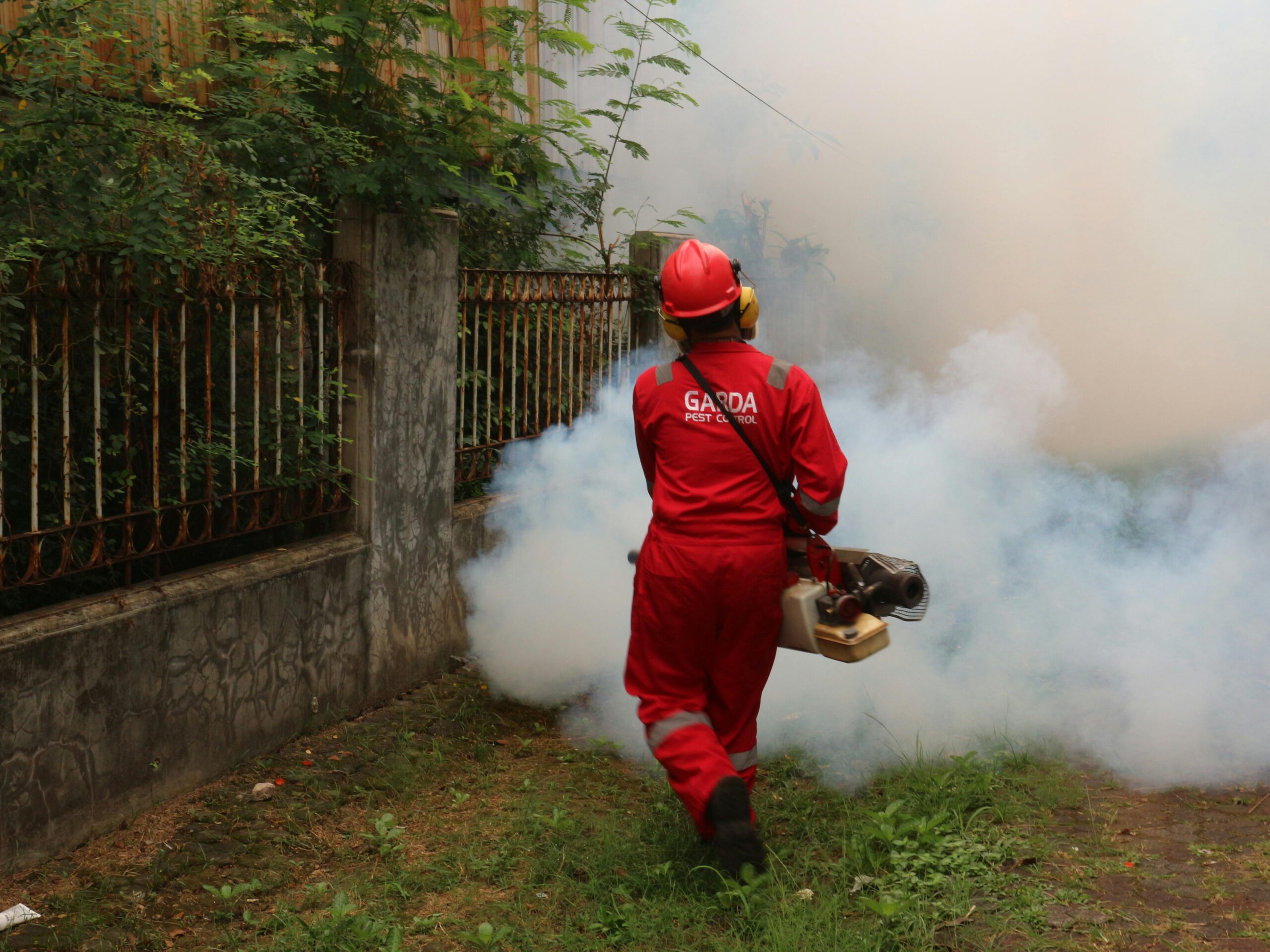
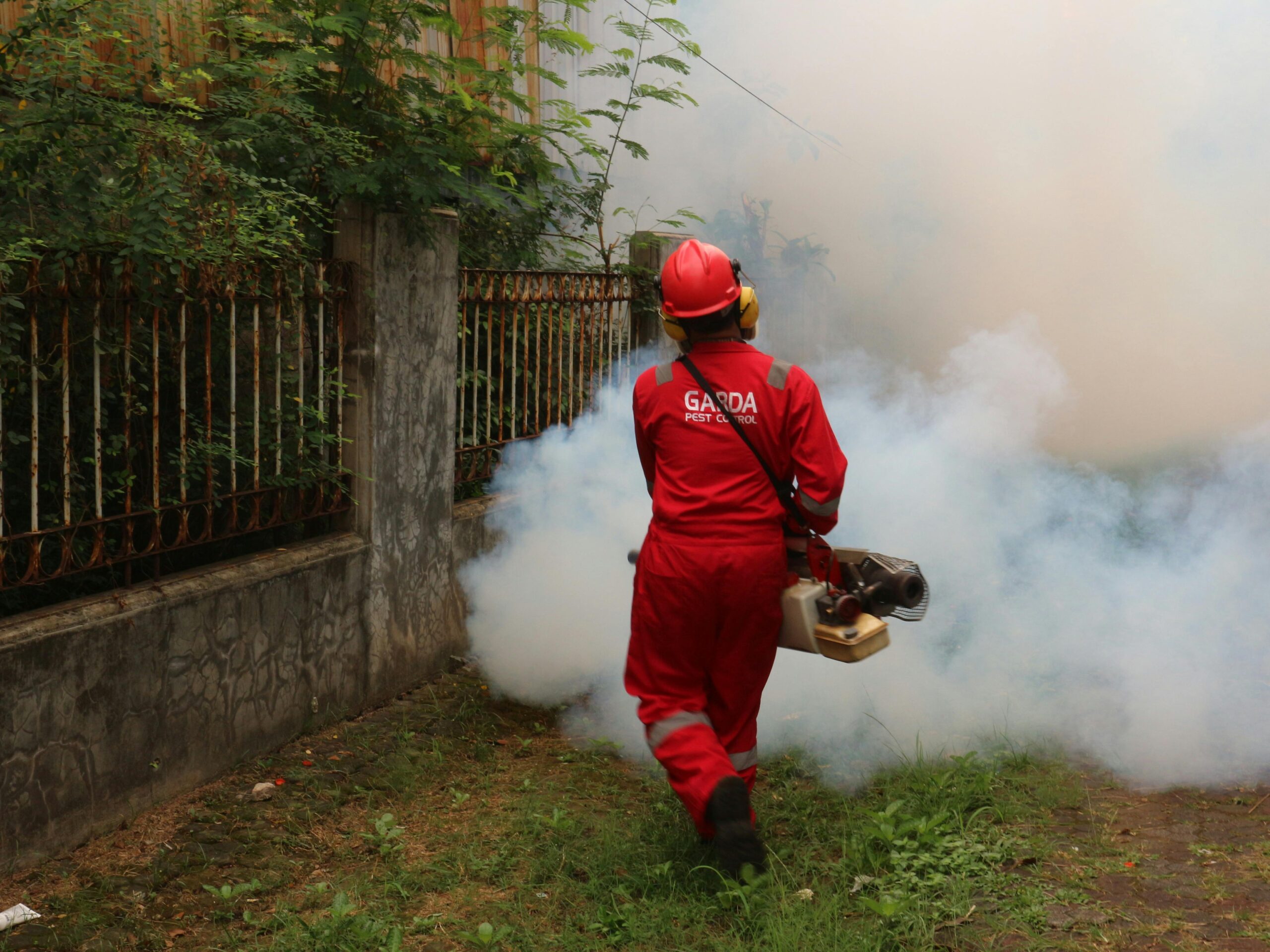
- ULV foggers for interior spaces—Ultra‑Low Volume technology creates a fine mist that reaches hidden corners, under furniture, and inside wall voids without leaving heavy residues.
- Perimeter barrier sprays—A residual insecticide is applied around the home’s foundation, doors, and windows, creating a protective shield that stops spiders from entering.
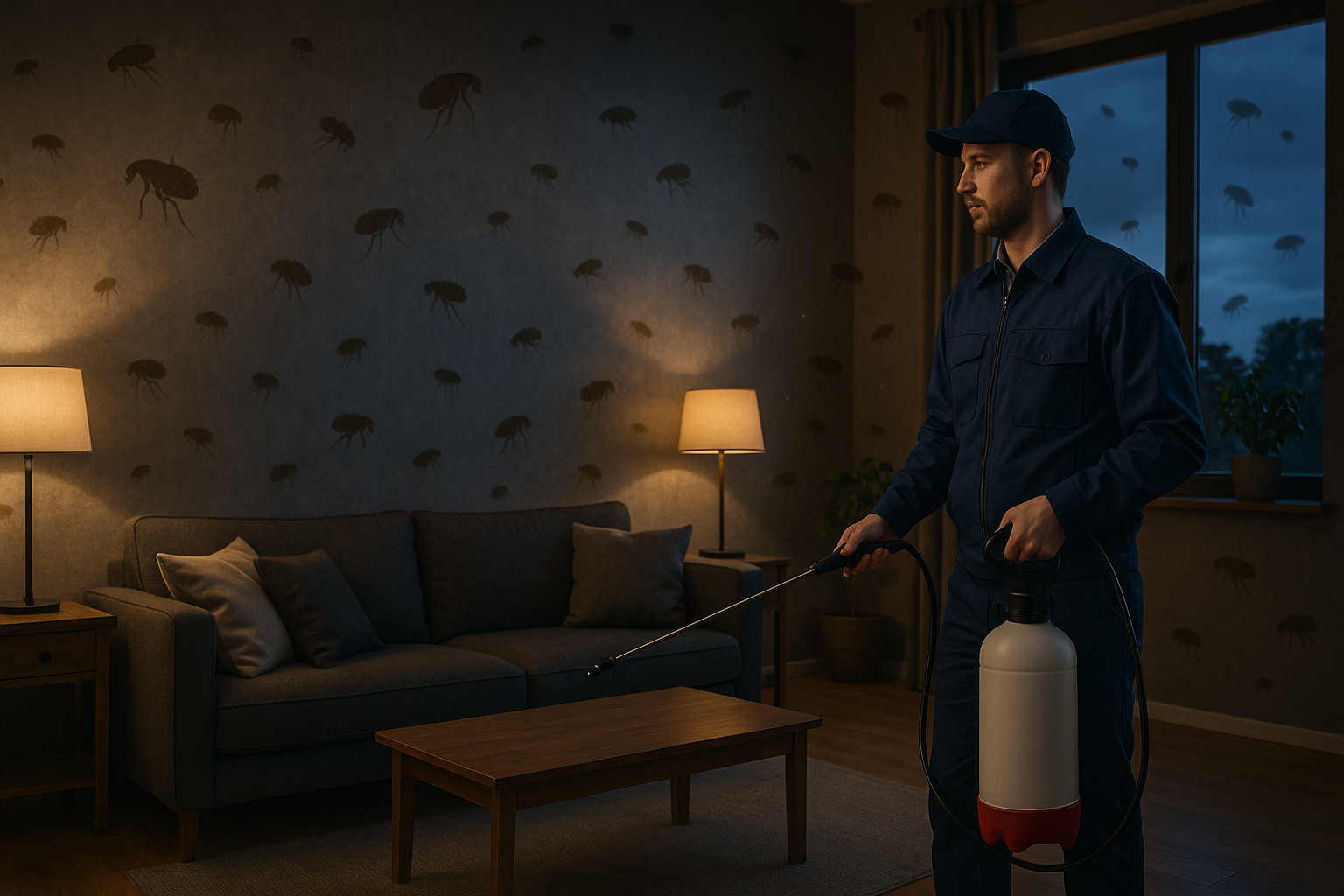
- Crack‑and‑crevice treatments—We inject micro‑dose formulations directly into baseboards, window frames, and other tight spaces where spiders hide and lay eggs.
All products are EPA‑approved, low‑odor, and safe for children and pets when applied according to label directions.
Step 4: Follow‑Up Inspection & Guarantee
Thirty days after the initial visit, we return for a comprehensive follow‑up. Our technician checks for any surviving spiders, re‑evaluates web density, and verifies that the barrier remains intact. If the infestation persists, we perform a complimentary re‑treatment—our 30‑day guarantee ensures you never pay twice for the same problem.
Case Study: A Smyrna Homeowner’s Success
John D., an anonymous Smyrna resident, called us after noticing clusters of cobwebs in his garage and kitchen. After our standard inspection, we identified a mixed population of house spiders and a few brown recluse sightings. Following our customized plan—interior ULV fogging, perimeter barrier, and targeted crack‑and‑crevice work—John reported a 95% reduction in spider activity after just one visit. A subsequent follow‑up confirmed only a handful of harmless web strands remained, and no further recluse activity was detected.
What sets Anthem Pest apart is the combination of certified technicians and deep local knowledge of Smyrna’s spider habits. Our staff completes a state‑approved certification program, stays current on Georgia’s pest regulations, and knows the specific entry points common in older Southern homes. That expertise translates into faster results, fewer repeat visits, and peace of mind for homeowners who deserve a spider‑free environment.
How Much Does Spider Control Cost in Smyrna?
2024 Pricing Snapshot
When you call a professional spider‑control service in Smyrna, the bill usually falls into one of three buckets. Below is a quick look at the typical price bands you’ll see in 2024:
| Service Package | Price Range |
|---|---|
| Basic interior spray (single visit) | $99 – $149 |
| Full perimeter + interior package | $179 – $229 |
| Quarterly maintenance plan (per quarter) | $149 – $199 |
These figures represent what most licensed operators charge after accounting for labor, materials, and the local cost‑of‑living index. They are not “one‑size‑fits‑all” numbers; your final quote will reflect several key variables that we’ll break down next.
What Drives the Final Cost?
- Square footage. Larger homes require more product, longer application times, and sometimes additional crew members, which nudges the price upward.
- Infestation severity. A light‑touch treatment for occasional house spiders costs less than an aggressive program aimed at a heavy, established infestation that may have spread to multiple rooms.
- Spider species. Certain species—brown recluse, black‑widow, or hobo spider—demand targeted, higher‑potency formulations and extra safety precautions, adding a premium to the service.
- Access challenges. Difficult‑to‑reach crawl spaces, vaulted ceilings, or extensive landscaping can add labor minutes, special equipment, or even require additional entry points, all of which increase the total.
Understanding these drivers helps you compare quotes without getting lost in vague “price‑upon‑inspection” offers.
Industry Benchmark
The National Pest Management Association’s 2024 pricing survey confirms that the ranges above sit within five percent of the national average for residential spider control. You can review the full report here.
DIY vs. Professional Costs
Many homeowners consider over-the-counter sprays or DIY foggers to save money, but these methods often fall short compared to professional spider control Smyrna Georgia. While a bottle of spray might cost $15-$30, it often requires repeated applications, proper safety gear, and a thorough knowledge of where spiders hide. Missed spots or incorrect dosing can lead to a resurgence, ultimately costing more in time and additional products. Professional treatment, by contrast, combines EPA-approved chemicals, calibrated equipment, and a trained technician who can target hard-to-reach areas—all for a predictable, all-inclusive price.
Why Anthem Pest Stands Out
At Anthem Pest, transparency isn’t a buzzword—it’s built into every estimate. When you request a service, you’ll receive a written quote that breaks down labor, product, and any optional add‑ons before any work begins. There are no surprise fees for travel, equipment, or “after‑hours” calls; those costs are baked into the price you see.
Our technicians also perform a brief on‑site assessment to confirm the appropriate package, then explain why a particular approach fits your home’s size, spider species, and infestation level. That way, you know exactly what you’re paying for and why it matters.
Choosing a provider that offers upfront pricing, backed by industry data, gives you confidence that you’re getting a fair market rate while protecting your home from unwanted eight‑legged guests.
When to Call and How to Keep Spiders Out Year‑Round
Seasonal Activity in Georgia
Spiders in the Peach State follow a predictable rhythm that aligns with temperature and prey availability. Understanding this cycle helps you time treatments for maximum impact.
| Month | Outdoor Activity | Indoor Nesting |
|---|---|---|
| January – February | Low | Increasing as temperatures dip |
| March – May | Rising sharply | Low to moderate |
| June – August | Peak (most species active) | Moderate |
| September – October | Still high, begins to decline | Moderate to high as they seek shelter |
| November – December | Low | High – spiders congregate indoors for winter |
Optimal Treatment Timing
To stay ahead of the infestation curve, schedule professional interventions at these key points:
- Early spring (late March–early April): This is the ideal window for your first treatment. It targets spiders as they emerge from overwintering sites and before they begin reproducing.
- Pre‑summer boost (mid‑May): A follow‑up application helps suppress the rapid population surge that occurs once temperatures consistently stay above 70°F.
- Fall maintenance (late September–early October): As outdoor activity wanes, spiders start seeking refuge inside homes. A final treatment creates a barrier that deters indoor nesting during the cooler months.
- Annual check‑up (late November): If you notice increased webbing or bite incidents, a quick touch‑up can keep the problem from spilling into the new year.
Year‑Round Prevention Checklist
Even with professional treatments, homeowner habits play a crucial role in keeping spiders at bay. Use the checklist below to seal off entry points and eliminate attractive conditions.
- Seal cracks and gaps around the foundation, windows, and doors with caulk or weather‑stripping.
- Reduce outdoor lighting that draws insects—switch to yellow‑tinted bulbs or motion‑activated fixtures.
- Declutter basements, storage areas, and garage corners; remove piles of cardboard, clothing, or unused items where spiders can hide.
- Store firewood at least 20 feet away from the house and elevate it on a platform to prevent it from becoming a spider haven.
- Trim vegetation and keep grass mowed to within three feet of the house, limiting bridge routes for wandering spiders.
For a printable version of this checklist, download our free PDF and keep it on your fridge or in your home office.
Hot Spots in Smyrna: East Creek, Downtown, and Westside
City‑wide spider reports reveal a clear trend: older homes with foundation cracks host more spider activity. Moisture seeping through those gaps creates the cool, damp environment spiders love for webs and egg sacs. In Smyrna, three neighborhoods consistently top the complaint logs – East Creek, Downtown, and Westside.
Why these areas see more spiders
East Creek’s mature trees and historic bungalows were built before modern sealing standards. Downtown’s dense housing blocks share walls and utility tunnels, giving spiders easy passageways. Westside’s mix of older ranch‑style homes and recent infill projects often leaves unfinished basements and fissured foundations that serve as perfect entry points.
Community‑level solutions
- HOA‑wide pest‑control contracts: One contract for the entire association spreads the cost of professional spider treatments, making quarterly inspections and barrier applications far more affordable than individual appointments.
- Joint property inspections: Arrange a neighborhood walk‑through with a certified technician. Spotting cracks, gaps, and cluttered storage areas together speeds remediation and ensures no home is missed.
- Share prevention tips: Encourage residents to keep yards trimmed, store firewood away from foundations, and seal exterior cracks with caulk or expanding foam. A shared email or messaging list can circulate seasonal reminders and success stories.
When neighbors act as a team, the overall spider population drops, and each homeowner enjoys a safer, less‑spider‑filled environment without breaking the bank. Anthem Pest Control can set up the initial HOA assessment, provide a detailed treatment plan, and train volunteers on basic exclusion techniques.
Sources & Verification
At Anthem Pest Control, we back every claim with reliable data. Below is a transparent list of the external references that shape our spider‑control guidance for Smyrna homeowners, along with the current verification status of each source.
- EPA spider‑control guidelines – EPA.gov. This federal resource has been fully verified for accuracy and relevance to our treatment recommendations.
- NPMA spider guide & pricing survey – PestWorld.org. The information provides industry‑wide pricing benchmarks; verification is pending pending cross‑check with regional cost data.
- Georgia public health spider‑bite statistics – Georgia.gov. State‑level bite incidence figures are currently pending verification against the latest health department release.
Any additional data points—such as localized treatment success rates or seasonal activity trends—will be double‑checked with local health agencies and our own service records before final publication.
Secure Professional Spider Control with Anthem Pest
When it comes to keeping unwanted eight‑legged visitors out of your Smyrna home, Anthem Pest delivers a suite of benefits that go beyond a simple spray. Our certified technicians can accurately identify the species you’re dealing with, ensuring the most effective treatment plan every time. After each visit we leave a detailed service report, showing exactly where treatments were applied and why, so you stay informed.
- EPA‑registered treatments: Safe for children and pets while targeting spiders at the source.
- Transparent pricing: No hidden fees; you know exactly what you’re paying before work begins.
- 30‑day guarantee: If spiders return within a month, we’ll re‑treat at no extra charge.
- 24‑hour response: Rapid dispatch to address urgent infestations, day or night.
Our Smyrna‑based team knows the local climate, common entry points, and the species that thrive in our neighborhoods. That local knowledge lets us place baits, seal cracks, and apply treatments where they’ll work best, reducing the chance of a repeat problem.
Ready for a free, no-obligation inspection? One of our friendly, fully trained technicians will walk you through the findings, explain the recommended approach, and provide expert spider control Smyrna Georgia solutions with a clear quote. Give us a call at 877-371-8196 or click the link below to schedule your appointment today.