Identifying the Brown Marmorated Stink Bug
The brown marmorated stink bug (Halyomorpha halys) is an invasive pest originally native to East Asia. First detected in the United States in the late 1990s, it has spread rapidly across the Midwest and Southeast, including Druid Hills, Georgia, where stink bug control Druid Hills homeowners rely on has become increasingly important. Adults measure about ½-inch (12-15 mm) long, giving them a noticeable presence on windowsills, garden foliage, and indoor light fixtures.
Key Identification Features
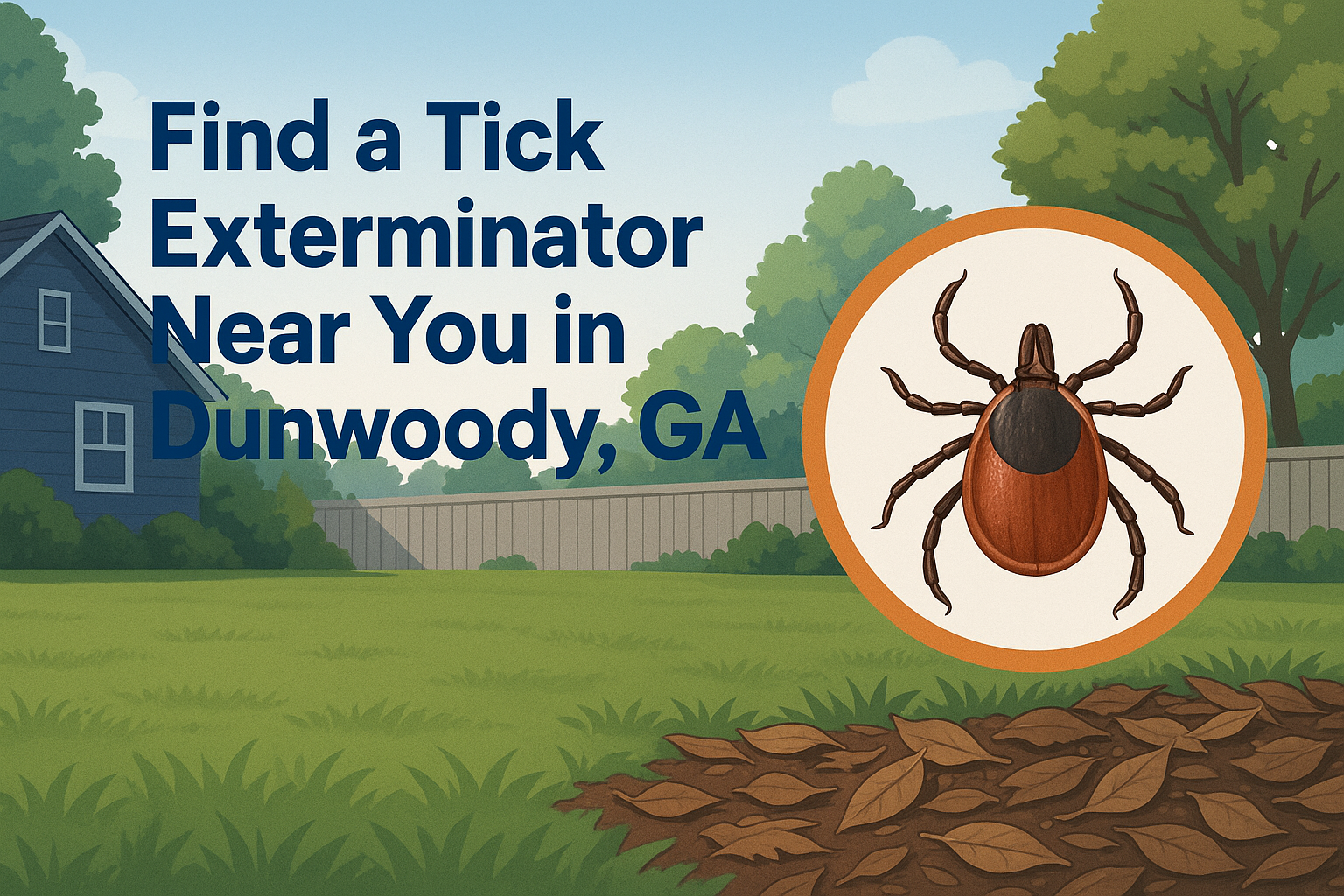
Despite their name, these bugs are not uniformly brown. Their shield‑shaped bodies display a mottled blend of brown‑gray tones, often with darker speckles that give a “marbled” appearance. The most reliable field mark is a thin white‑yellow band encircling the base of each antenna segment. Their forewings form a triangular “shield” that rests flat over the abdomen, a shape that distinguishes them from ladybugs or beetles.

Where They Slip Inside
Brown marmorated stink bugs are opportunistic hitchhikers. In the fall, they seek warm refuges and often enter homes through tiny cracks around windows, doors, and utility openings. Garden plants—especially fruit‑bearing shrubs, tomatoes, and ornamental vines—act as staging grounds, allowing the bugs to congregate before migrating indoors. Once inside, they hide in wall voids, attics, and even kitchen cabinets, emerging at night to feed.
Why They’re a Nuisance
These insects emit a pungent odor when crushed or disturbed, a defensive spray that can linger on fabrics and furniture for days. Their feeding habit involves piercing plant tissue with a straw‑like mouthpart, injecting enzymes that cause wilting, discoloration, and, in severe cases, total crop loss. Inside homes, their presence is primarily a visual and olfactory annoyance, but large infestations can lead to stained walls and a lingering musty smell.
Health Considerations
While brown marmorated stink bugs are not known to transmit diseases, their defensive spray can trigger allergic reactions in sensitive individuals, ranging from skin irritation to respiratory discomfort. The EPA’s stink‑bug page advises handling them with gloves and avoiding crushing them to minimize exposure. Prompt professional removal reduces the risk of repeated contact and keeps indoor air quality intact.
Spot‑the‑Bug Checklist
- Shield‑shaped, ½‑inch body with mottled brown‑gray coloring.
- Thin white‑yellow band at the base of each antenna.
- Found near windows, door frames, or garden plants in late summer and fall.
- Notice a faint, unpleasant odor when the bug is disturbed.
- Observe damage on fruit, tomatoes, or ornamental foliage.
Recognizing these traits early lets homeowners act before a minor sighting turns into a full‑blown indoor infestation. If you spot any of the above signs, contact Anthem Pest Control at 877‑371‑8196 for a tailored inspection and treatment plan that protects both your home and garden.
Seasonal Activity of Stink Bugs in Druid Hills, GA
Druid Hills enjoys a humid subtropical climate, with warm summers and mild winters that create an ideal backdrop for many nuisance insects. The combination of abundant vegetation, frequent rain in spring, and steady night-time temperatures increases the need for effective stink bug control Druid Hills homeowners depend on, as these conditions draw stink bugs into gardens, orchards, and eventually, the comfort of homes.
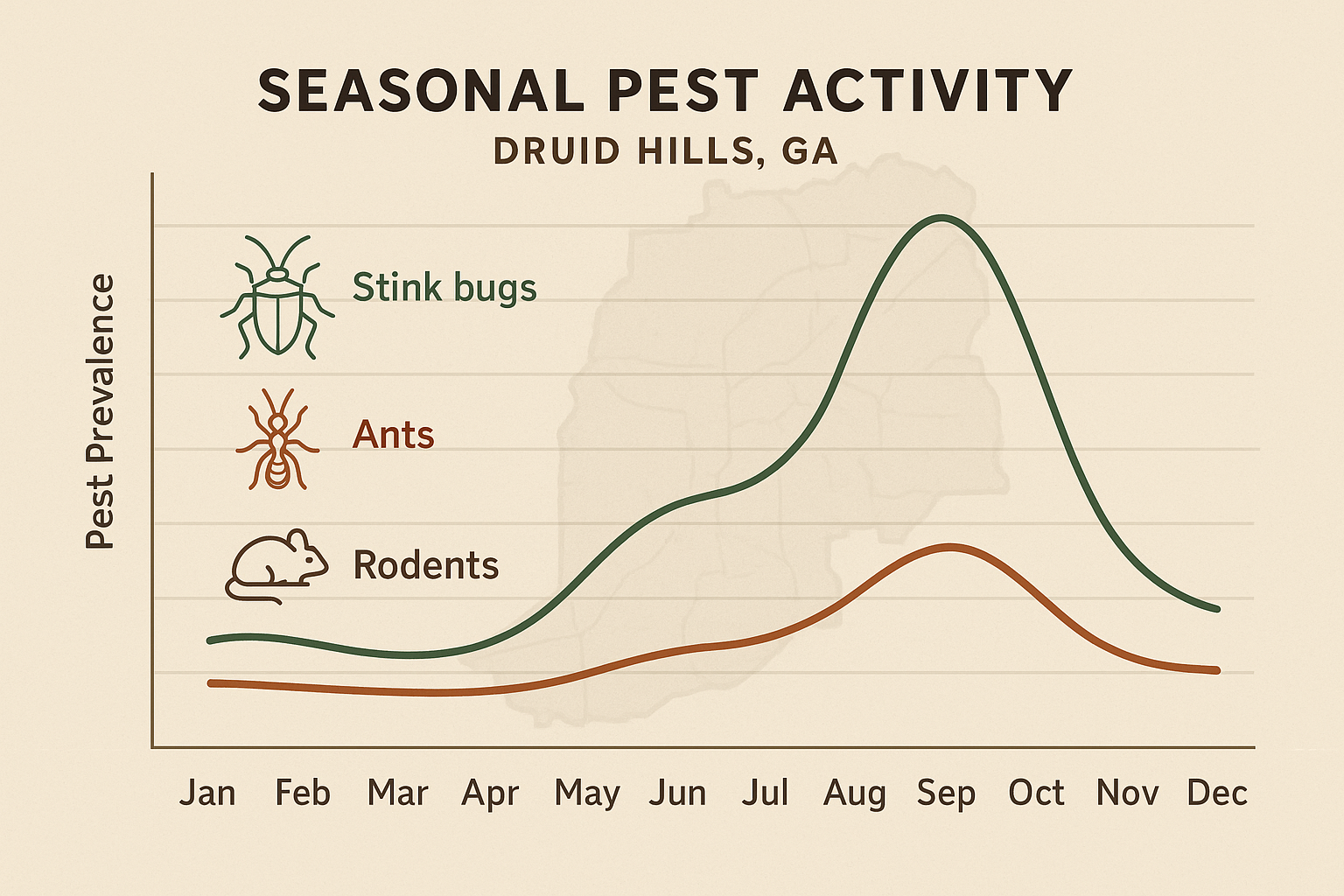
What the seasonal line‑chart tells you
The chart plots average captures for stink bugs, ants, and rodents from January through December. Stink‑bug numbers stay low through winter, rise sharply in late May, and crest in August and September. Ant activity follows a similar upward trend but peaks a bit earlier, while rodent sightings climb steadily as foliage provides cover.
Why late summer to early fall is the critical window
As daytime highs dip below 80 °F and evenings cool, adult stink bugs seek shelter to survive the approaching chill. They gravitate toward warm cracks, window frames, and light‑filled rooms—exactly the places homeowners frequent. This migration explains why indoor sightings spike from late July through early October.
Stink bugs versus other common pests
Compared with ants, stink bugs are less aggressive but more visible because they often congregate in large numbers on walls and windows. Rodents, on the other hand, remain hidden in walls and basements, making their damage harder to detect early. Understanding these patterns helps you prioritize actions: focus on sealing entry points and monitoring visual cues for stink bugs, while scheduling separate rodent inspections.
Practical monitoring tips for high‑risk months
- Visual inspections: Walk the perimeter of your home weekly from August to October. Look for clusters of bugs on exterior walls, porch lights, and around vent openings.
- Trap checks: If you use sticky or pheromone traps, examine them every 3‑4 days. A sudden increase signals that the population is preparing to overwinter.
- Light management: Turn off unnecessary exterior lights at night; bright bulbs act like beacons that attract wandering stink bugs.
- Seal gaps: Use silicone caulk around window frames, door thresholds, and utility penetrations before the first frost.
Why early treatment matters
Treating before stink bugs settle inside gives you a clear advantage. Insecticidal sprays applied to siding, eaves, and foundation cracks disrupt the insects’ travel routes, reducing the number that can breach your home. Moreover, early intervention limits the need for indoor fogging, which is more invasive and costly.
By aligning your pest‑management calendar with Druid Hills’ seasonal rhythm, you can stay one step ahead of stink bugs, keep your home comfortable, and avoid the surprise of a winter infestation.
Consider scheduling a professional inspection in early September. A certified technician can identify hidden entry points, apply targeted treatments, and set up monitoring stations to catch any late‑season stragglers before they establish a permanent indoor colony.
Treatment Options and Professional Fumigation Process
DIY vs. Professional Treatments
Homeowners often start with over-the-counter sprays, sticky traps, or simple exclusion methods such as sealing window screens and door sweeps. While these steps may reduce a few visible insects, they are rarely enough for effective stink bug control Druid Hills homes require, as they don’t reach hidden colonies nesting behind wall voids, under attic insulation, or inside crawl spaces. DIY products are typically low-toxicity, short-acting formulations that require frequent re-application and diligent monitoring.
Professional pest control, on the other hand, brings calibrated equipment, EPA‑registered insecticides, and a systematic inspection routine. Technicians can target both the adult insects you see and the eggs and nymphs tucked away in structural cracks. The result is a faster, longer‑lasting reduction in indoor populations with far fewer repeat treatments.
When DIY Is Not Enough
If you notice dozens of stink bugs gathering on light fixtures, a steady stream of insects emerging from baseboards, or a sudden surge after the first frost, it’s a sign that the infestation has moved beyond surface‑level activity. Large indoor populations, evidence of structural infestation (e.g., bugs in wall cavities), or repeated re‑invasions despite DIY efforts all indicate that a professional approach is warranted.
Attempting to treat a widespread infestation with household sprays can lead to missed hotspots, increased exposure to chemicals, and frustration for the homeowner. In such cases, calling a licensed pest‑control provider like Anthem Pest Control ensures the problem is addressed at its source.
What a Professional Treatment Looks Like
A typical Anthem Pest Control visit follows a clear, step‑by‑step process designed to maximize efficacy while minimizing disruption:
- Inspection & Identification: The technician conducts a thorough walkthrough, locating entry points, breeding sites, and any structural damage that could harbor stink bugs.
- Recommendation: Based on the inspection, a customized treatment plan is presented, outlining the products and methods best suited for your home.
- Home Preparation: Homeowners are asked to clear countertops, cover food, and secure pets. Technicians may advise temporary relocation of sensitive items.
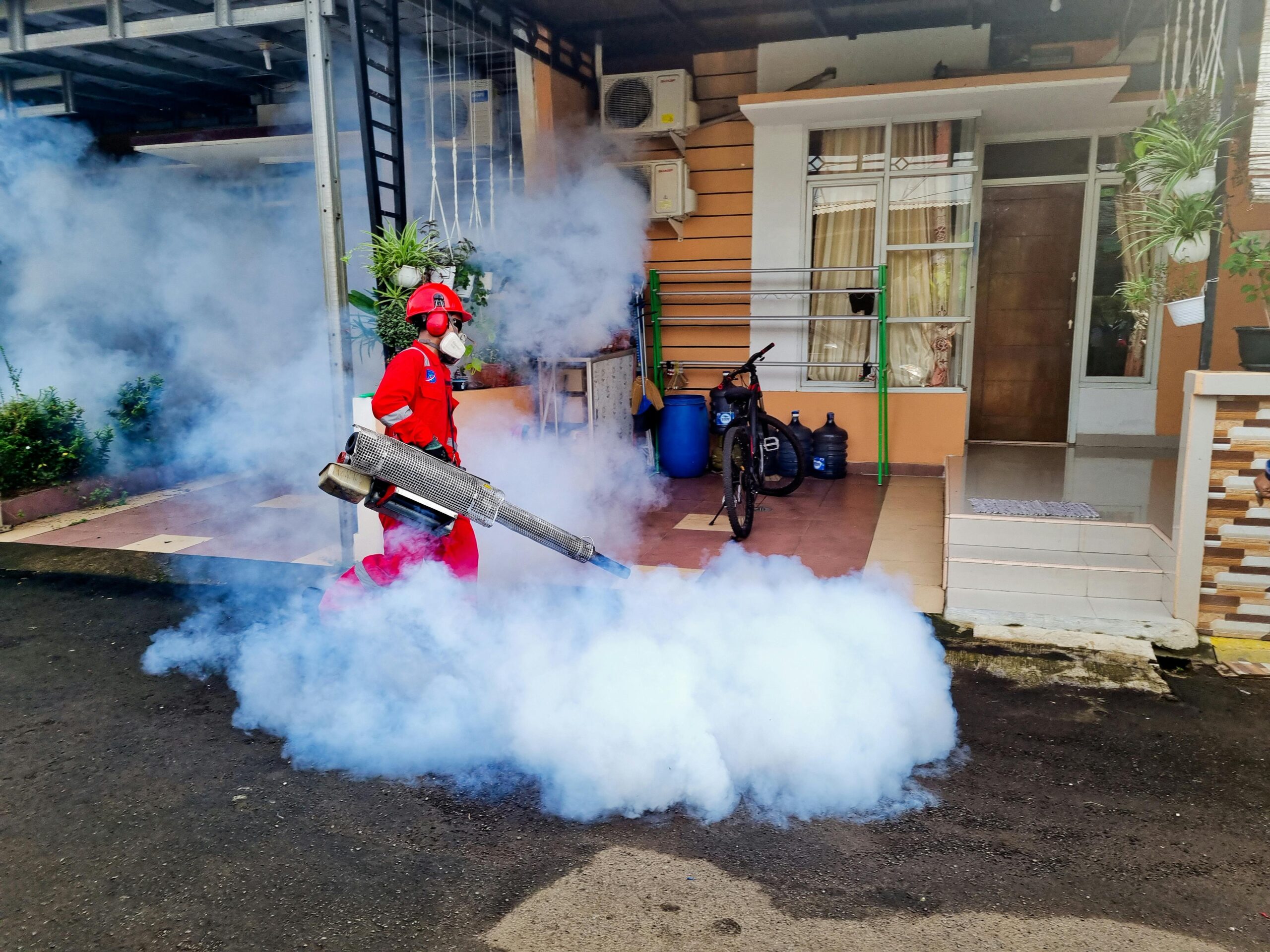
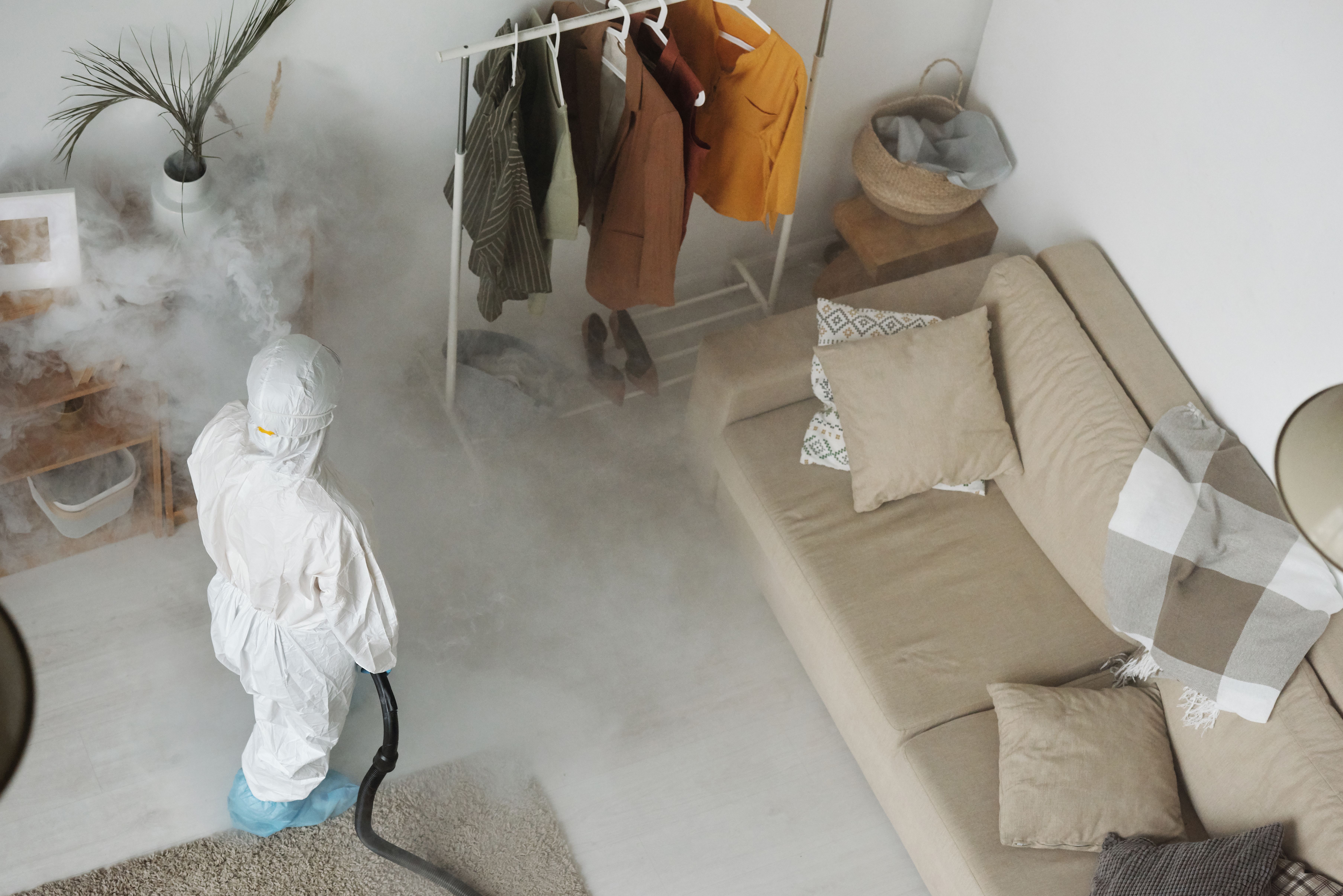
- Application of Low‑Toxicity Insecticides: Using calibrated sprayers or foggers, the technician applies EPA‑registered, low‑toxicity formulations to cracks, crevices, and hidden voids where bugs hide.
- Post‑Treatment Verification: After the product has settled, the technician re‑inspects the treated zones to confirm coverage and notes any remaining activity for future monitoring.
Safety Protocols You Can Trust
Anthem Pest Control adheres to strict safety standards that protect both residents and the environment:
- All technicians wear full personal protective equipment (PPE), including respirators, gloves, and coveralls.
- Products used are EPA‑registered and specifically formulated for indoor use, reducing the risk of harmful residues.
- Ventilation guidelines are followed during and after application to ensure any vapors disperse quickly.
- We comply with the CDC pesticide safety guidelines, providing homeowners with clear post‑treatment instructions.
Follow‑Up Services & Ongoing Prevention
Even after a successful fumigation, maintaining a stink‑bug‑free home requires vigilance. Anthem offers a suite of follow‑up services to keep the bugs at bay:
- Monitoring: Quarterly inspections to detect early signs of re‑infestation.
- Retreatment: Targeted touch‑ups if activity resurfaces, often at a reduced rate for returning customers.
- Preventive Measures: Sealing foundation cracks, installing door sweeps, and advising on landscape management—such as trimming low‑lying vegetation that serves as a bridge for bugs entering the house.
Pricing and Value of Specialized Stink‑Bug Treatment
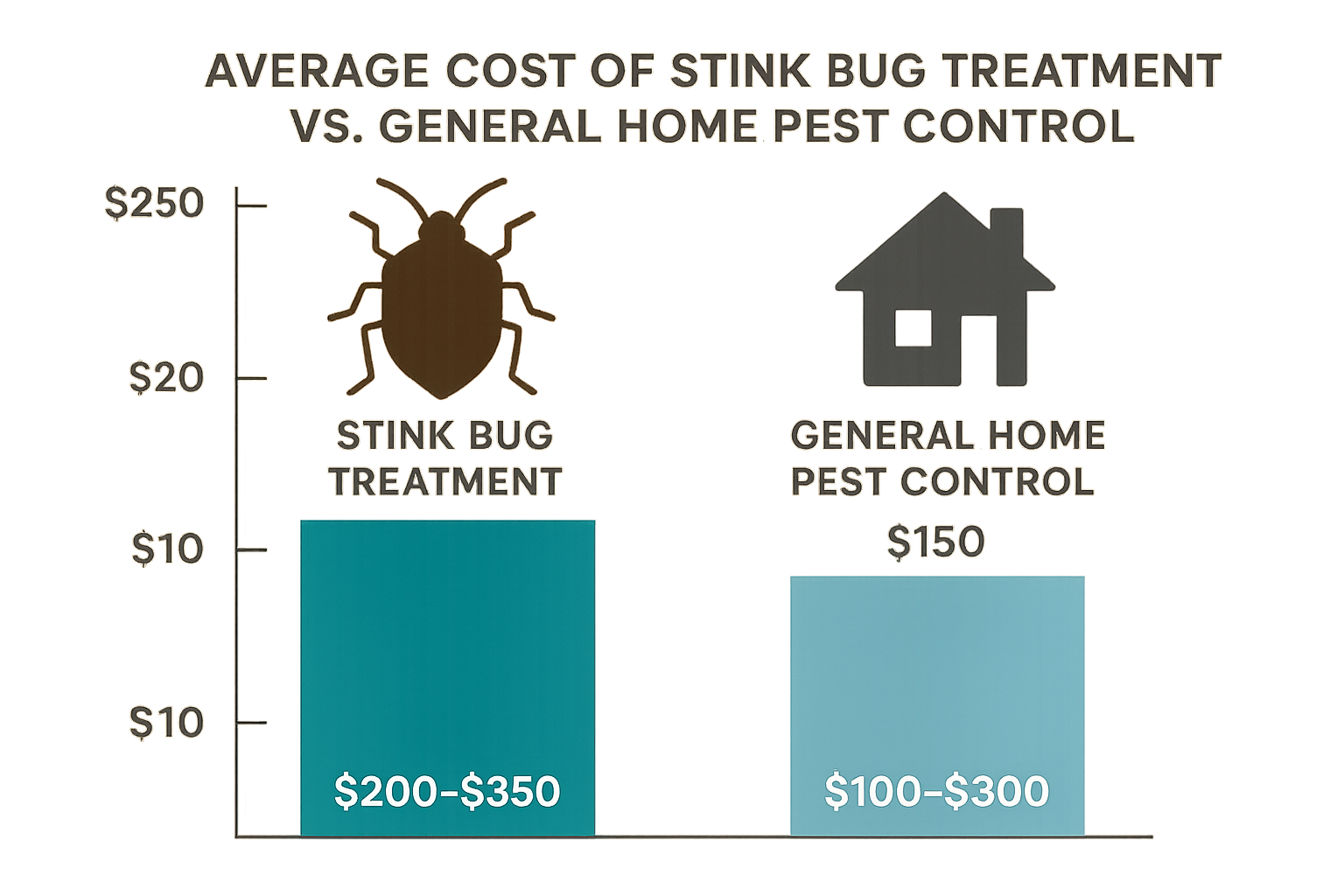
When you ask, “How much will it cost to get rid of stink bugs?” the answer depends on the level of protection you need. Our cost‑comparison infographic shows that a dedicated stink‑bug program typically runs between $180 and $350 for a single‑family home, whereas a standard, all‑purpose pest‑control service averages $120‑$200. The difference isn’t a hidden fee—it reflects the extra steps we take to locate, seal, and eradicate these resilient insects.
What makes up the price?
Every stink‑bug treatment is broken down into four transparent components:
- Inspection fee: A thorough walk‑through (inside and out) to identify entry points, breeding sites, and infestation hotspots.
- Treatment application: Targeted sprays, dusts, and perimeter barriers formulated specifically for stink bugs.
- Follow‑up visits: One or two post‑treatment checks to ensure the bugs are gone and to retreat if necessary.
- Exclusion work (if needed): Sealing cracks, repairing screens, and installing door sweeps to keep future invasions at bay.
Why specialized stink‑bug treatment can cost more
Stink bugs are masters of hiding. Unlike common ants or roaches, they often nest inside walls, attic spaces, and even inside furniture. To reach them, we use targeted chemicals that are safe for families and pets but potent enough to penetrate deep cracks. In addition, our technicians apply a comprehensive indoor coverage plan—treating baseboards, ceiling edges, and light fixtures—so no survivor can rebuild a colony after you leave.
Factors that influence the final price
Several variables affect the exact quote you’ll receive:
- Home size: Larger square footage means more product and more time on site.
- Infestation severity: A light, early‑season presence may need only a single treatment; a heavy, multi‑room outbreak often requires multiple applications.
- Season: Early summer is the peak activity period. Treating before the bugs spread can reduce the number of visits and lower costs.
- Property layout: Complex floor plans, multiple stories, or extensive landscaping can add to labor time.
Anthem Pest Control’s transparent pricing model
At Anthem Pest Control, we believe you should never guess what you’ll pay. Our pricing is posted up front, and we offer a free, no‑obligation quote after the initial inspection. The estimate includes every line item—so you’ll see exactly where each dollar goes. If additional exclusion work is required, we discuss it with you before any extra charge is applied. This honesty builds trust and ensures you get the best value for a pest‑free home.
| Home Size | Inspection Fee | Treatment Application | Follow‑up Visits | Total Range |
|---|---|---|---|---|
| Small (up to 1,500 sq ft) | $50‑$70 | $80‑$120 | $30‑$50 | $160‑$240 |
| Medium (1,500‑3,000 sq ft) | $70‑$90 | $120‑$170 | $40‑$70 | $230‑$330 |
| Large (3,000 sq ft+) | $90‑$120 | $170‑$250 | $60‑$90 | $320‑$460 |
Protect Your Home with Anthem Pest Control
By now you know that correctly identifying stink bugs, timing treatments to their life cycle, and choosing a professional service are the three pillars of lasting protection. When you pair those pillars with Anthem Pest Control’s transparent pricing, you get a clear, affordable roadmap to a bug‑free home.
- Accurate identification: Spotting the shield‑shaped stink bug early prevents a hidden infestation from spreading.
- Seasonal timing: Treat in late summer or early fall, before the insects seek shelter for winter, to stop them from nesting inside walls and attics.
- Professional treatment benefits: EPA‑approved products, trained technicians, and a follow‑up guarantee mean you won’t waste time or money on DIY guesswork.
- Transparent pricing: No surprise fees—just a straightforward quote that fits your budget.
Homeowners in Druid Hills and the surrounding neighborhoods should act now, before stink bugs settle in for the cold. An untreated infestation can quickly multiply, turning a minor nuisance into a costly problem that damages siding, windows, and even indoor air quality. Early intervention keeps your home comfortable year‑round and protects your family’s peace of mind.
Anthem Pest Control brings years of experience to every stink‑bug job. Our technicians are certified to apply safe, effective treatments that target the insects without harming pets or children. Beyond stink bugs, we offer comprehensive pest‑management plans—covering termites, mosquitoes, rodents, cockroaches, ants, and bed bugs—so you get a single, reliable partner for all your home’s pest needs.
Ready for a hassle‑free solution? Schedule a free inspection today and receive a no‑obligation quote. Our friendly, knowledgeable team will walk you through the process, answer any questions, and tailor a plan that fits your schedule and budget.
Call us now at 877-371-8196 or visit Anthem Pest Control to book your complimentary assessment. Let our team deliver professional stink bug control Druid Hills homeowners can trust and help keep stink bugs—and any other unwanted guests—out of your home for good.