Stink Bug Surge in Vinings, GA – Why It Matters

Vinings homeowners have noticed an unmistakable uptick in stink‑bug sightings throughout the 2023‑2024 season. A recent University of Georgia Extension study documented a 42 % increase in reported infestations across the Atlanta metro area, with Vinings ranking among the top hotspots (UGA Extension, 2024). The surge isn’t just a nuisance; it signals a broader shift in local pest dynamics that can affect your kitchen, your comfort, and even your peace of mind.
Health and Comfort Impacts
Stink bugs release a potent odor when disturbed, turning a quiet living room into an aromatic alarm. More concerning, they are notorious for infiltrating pantry items—cereals, fruits, and dried goods—leaving behind a foul smell that contaminates food and forces you to discard perfectly good supplies. While they don’t transmit diseases, the psychological discomfort of seeing dozens of brown‑ish insects crawling across countertops can be unsettling, especially for families with young children or seniors.
Why Early Control Matters
Because stink bugs reproduce quickly and can overwinter inside wall voids, a small summer population can balloon into a year‑round problem if left unchecked. Prompt intervention protects your food stores, preserves indoor air quality, and prevents the insects from establishing hidden colonies that are far harder—and more expensive—to eradicate later.
What This Guide Covers
In the sections that follow, you’ll learn how to confidently identify stink bugs, understand the cost breakdown of professional treatment, explore the most effective control methods, and adopt proactive prevention tips tailored to Vinings’ climate. We’ll also highlight why partnering with a local, data‑driven pest specialist—like Anthem Pest Control—makes a measurable difference in both results and price transparency.
By the end of this article, Vinings homeowners will have a clear, actionable roadmap backed by the latest regional research, ensuring you can tackle the stink‑bug surge before it compromises your home’s safety and comfort.
How Stink Bugs Thrive in Vinings’ Climate
Biology basics
The brown marmorated stink bug (Halyomorpha halys) is a true‑bug about 1.2 – 1.7 cm long, with a distinctive shield‑shaped back that sports a mottled brown‑gray pattern. It feeds by piercing plant tissue with its needle‑like mouthparts, injecting enzymes that break down the plant’s cells. This makes a wide variety of fruits, vegetables, and ornamental shrubs taste sweet enough for the bug to suck out the juices. When temperatures dip below 10 °C, adults seek shelter in warm, dry crevices—often inside homes—where they enter a state of overwintering dormancy called diapause.
Life‑cycle stages and seasonal timing in Georgia
Stink bugs follow a four‑stage life cycle that syncs tightly with Georgia’s calendar:
- Eggs: Laid in late May to early June on the underside of leaves. A single female can deposit 20‑30 clusters, each holding 10‑12 eggs.
- First‑instar nymphs: Hatch after 5‑7 days and remain soft‑bodied. They feed voraciously, moving through five molts over the summer.
- Adult emergence: By late August, the final molt produces winged adults ready to disperse.
- Overwintering: Adults seek protected sites—attics, wall voids, and eaves—through October, remaining dormant until spring temperatures rise again.
In Vinings, the warm, humid summer accelerates development, while the region’s mild winter (average lows rarely below 2 °C) allows a higher proportion of adults to survive the diapause period, leading to larger populations the following year.
Rising sightings in Fulton County
A 2023 USDA survey highlighted a 27 % increase in stink‑bug reports across Fulton County compared with the previous year. The data, compiled from citizen‑science submissions and agricultural extensions, underscores a clear upward trend in the metro Atlanta area. Read the full report.
Spill‑over from neighboring Buckhead and West Cobb
Vinings sits between two hot‑spot neighborhoods—Buckhead to the north and West Cobb to the west—where ornamental landscaping and dense housing provide abundant feeding and shelter sites. As stink‑bug populations swell in those areas, adult bugs naturally disperse in search of new host plants and overwintering niches. Homeowners often notice a sudden influx of bugs in early fall, coinciding with the migration of adults from these adjacent districts.
Climate trends extending the active season
Long‑term climate data shows a gradual rise in average summer humidity and a slight upward shift in winter minimums for the Atlanta metro region. Higher humidity speeds up egg hatch rates, while warmer winters reduce mortality during diapause. The net effect is a lengthened active window—bugs can begin feeding as early as mid‑April and remain active into November, extending the period when homeowners are vulnerable to crop damage and indoor invasions.
Understanding these biological and climatic factors helps Vinings residents anticipate when stink bugs are most likely to appear, and why early, professional intervention—such as a targeted perimeter treatment from Anthem Pest Control—can keep populations from exploding before the first frost.
Spotting Stink Bugs – Visual Cues & Home Checklist
Before you call a professional, the first line of defense is knowing exactly what you’re looking at. Stink bugs are small enough to slip through a screen, but they leave unmistakable clues. By mastering these visual cues and running a quick room‑by‑room scan, you can catch an infestation early and decide whether a DIY approach will suffice or it’s time for Anthem Pest Control’s expert treatment.
How to Identify a Stink Bug
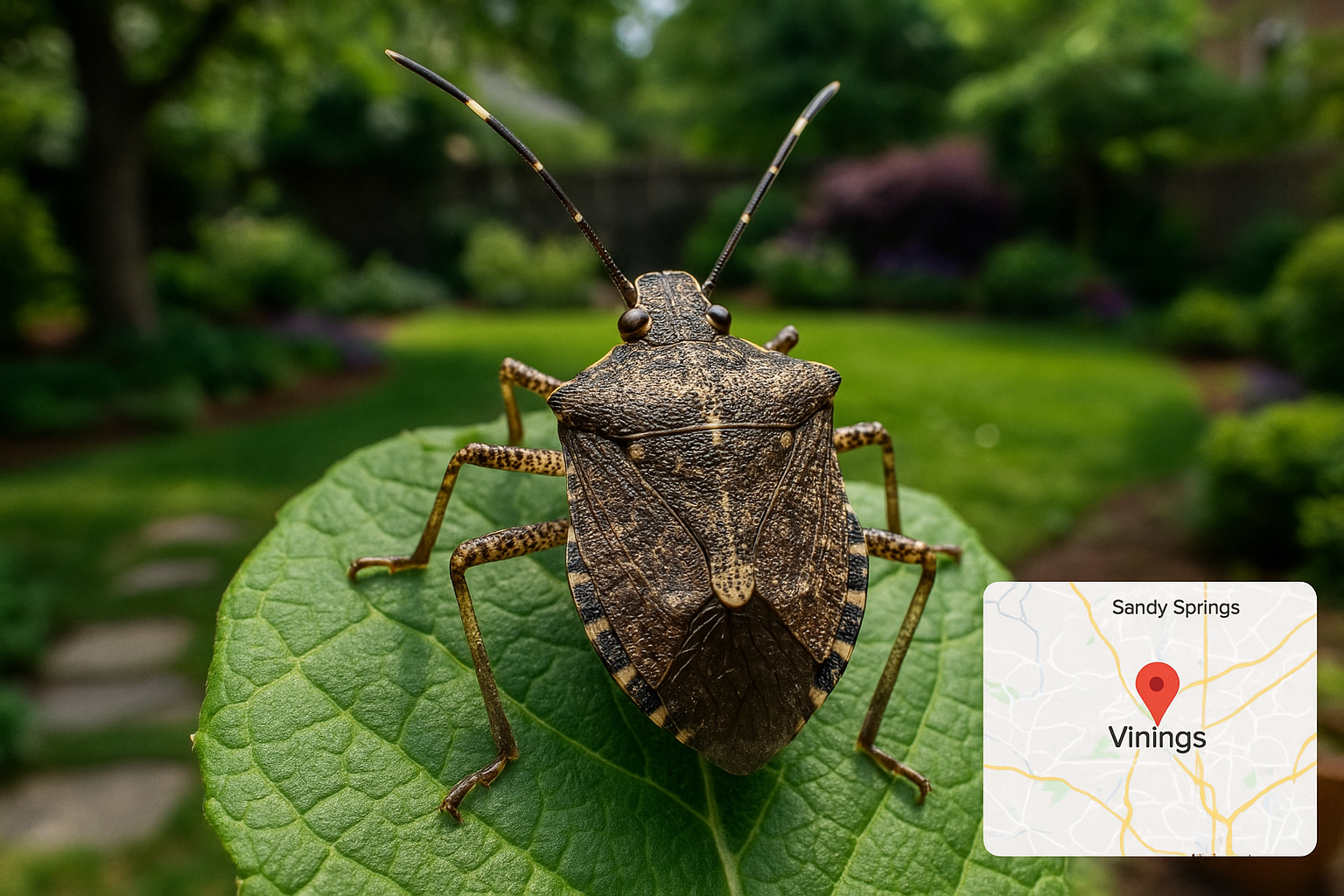
- Shield‑shaped body: The insect’s back resembles a miniature shield or a flattened triangle, giving it a distinct silhouette compared with rounder pests like aphids.
- Dark brown with white banding: Most adult stink bugs in Georgia sport a deep brown or mahogany hue accented by thin, pale stripes along the edges of their wings. The contrast is especially visible when the bug is illuminated.
- Pungent odor when disturbed: If you crush or handle the bug, it releases a characteristic, slightly sour smell—think of a faint citrus‑vinegar note. This scent is a reliable last‑ditch identifier, though it’s best to avoid crushing them if you plan to capture a sample for a professional.
Indoor vs. Outdoor Checklist
Use the table below as a quick reference during your nightly walk‑through. Mark any location where you spot a bug, note the time of day, and decide whether the area needs sealing, removal, or professional attention.
| Indoor Locations | Outdoor Hotspots |
|---|---|
| Kitchen countertops and pantry shelves | Flower beds and vegetable gardens |
| Attic insulation and roof rafters | Mulch piles and compost bins |
| Window sills and door frames | Exterior brick or siding cracks |
Local Example: When an Attic Turns Into a Stink Bug Hideout
Mrs. Alvarez, a long‑time resident of Vinings Village, first noticed a faint, musty scent while checking her attic in late August. A quick flashlight sweep revealed dozens of brown, shield‑shaped insects tucked between the fiberglass insulation and the roof joists. The bugs were clustered near a small vent that hadn’t been sealed since the home’s 1998 renovation. By documenting the exact spots and photographing the insects, Mrs. Alvarez gave Anthem Pest Control a clear picture of the entry points. Within 48 hours, a certified technician sealed the vent, treated the attic cavity with a low‑toxicity dust, and set up a perimeter barrier around the home’s exterior. The swift identification prevented the bugs from migrating into the kitchen and saved the family from a potential summer surge.
Quick Inspection Tip
Grab a flashlight and walk your home after sunset. Stink bugs are attracted to light, so a focused beam will make any lingering insects glow faintly on walls or window frames, confirming activity without the need for a full‑scale inspection.
DIY vs. Professional Stink Bug Control
What the average homeowner tries
When stink bugs first appear, many Vinings residents reach for the cheapest solution: sticky boards, homemade light traps, or a bag of dish soap mixed with water. These DIY devices are simple to set up and give the illusion of control, but EPA field studies show a staggering 78% recurrence rate after the initial capture. The bugs simply regroup elsewhere in the home, and the traps quickly become saturated, leaving you with a false sense of victory and a lingering odor.
How a professional Integrated Pest Management (IPM) plan works
Certified pest‑control firms, like Anthem Pest, take a far more systematic approach. An IPM program starts with a thorough inspection to locate entry points, breeding sites, and the specific stink‑bug species present. From there, technicians apply targeted, EPA‑registered treatments only where needed, reducing the chance of resistance and limiting exposure to non‑target insects. The result? A documented 45% recurrence rate—almost half the risk of DIY methods—followed by a schedule of monitoring visits that keep the population in check throughout the season.
Safety first: licensed applicators and EPA‑registered products
DIY solutions often rely on over‑the‑counter sprays that lack the potency or specificity required for a lasting fix. Moreover, many of these products are not EPA‑registered for indoor use, meaning they can pose health risks to children, pets, and even the applicator. Professional technicians are required by law to hold a state pesticide license, ensuring they understand proper dosage, ventilation, and personal protective equipment. This compliance not only protects your family but also guarantees that the treatment meets federal safety standards.
Why Anthem Pest’s certification matters
“Our team in Vinings is fully certified, and every treatment is backed by a 5‑year guarantee. If stink bugs return within that period, we’ll re‑treat at no additional cost.” – Anthem Pest
The guarantee isn’t just marketing fluff; it reflects a confidence in the IPM process and the quality of the products used. With Anthem Pest, you receive a written service agreement that outlines the exact steps taken, the chemicals applied, and the timeline for follow‑up visits. This transparency builds trust and gives homeowners a clear roadmap for long‑term protection.
Liability, insurance, and peace of mind
Hiring a licensed professional also shields you from potential liability. If an untrained homeowner mishandles a pesticide and causes damage—or worse, an injury—responsibility falls squarely on the homeowner’s shoulders. Certified companies carry general liability insurance that covers accidental property damage or health incidents arising from the treatment. In short, the cost of a professional visit includes a safety net that DIY methods simply can’t provide.
Bottom line for the Vinings homeowner
DIY traps may seem budget‑friendly, but the high recurrence rate, safety concerns, and lack of insurance leave you exposed to repeated invasions and possible health hazards. A professional IPM program from Anthem Pest delivers a data‑driven, low‑recurrence solution, backed by licensed applicators, EPA‑registered products, and a solid 5‑year guarantee. When you factor in liability protection and the peace of mind that comes from knowing experts are handling the problem, the value of professional treatment far outweighs the short‑term savings of a DIY approach.
Treatment Options Available in Vinings
When stink bugs invade a Vinings home, a one‑size‑fits‑all approach rarely works. Homeowners can choose from chemical applications, non‑chemical tactics, or a blended integrated plan that tackles the problem from every angle. Understanding the strengths and limits of each method helps you pick a solution that fits your budget, timeline, and safety preferences.
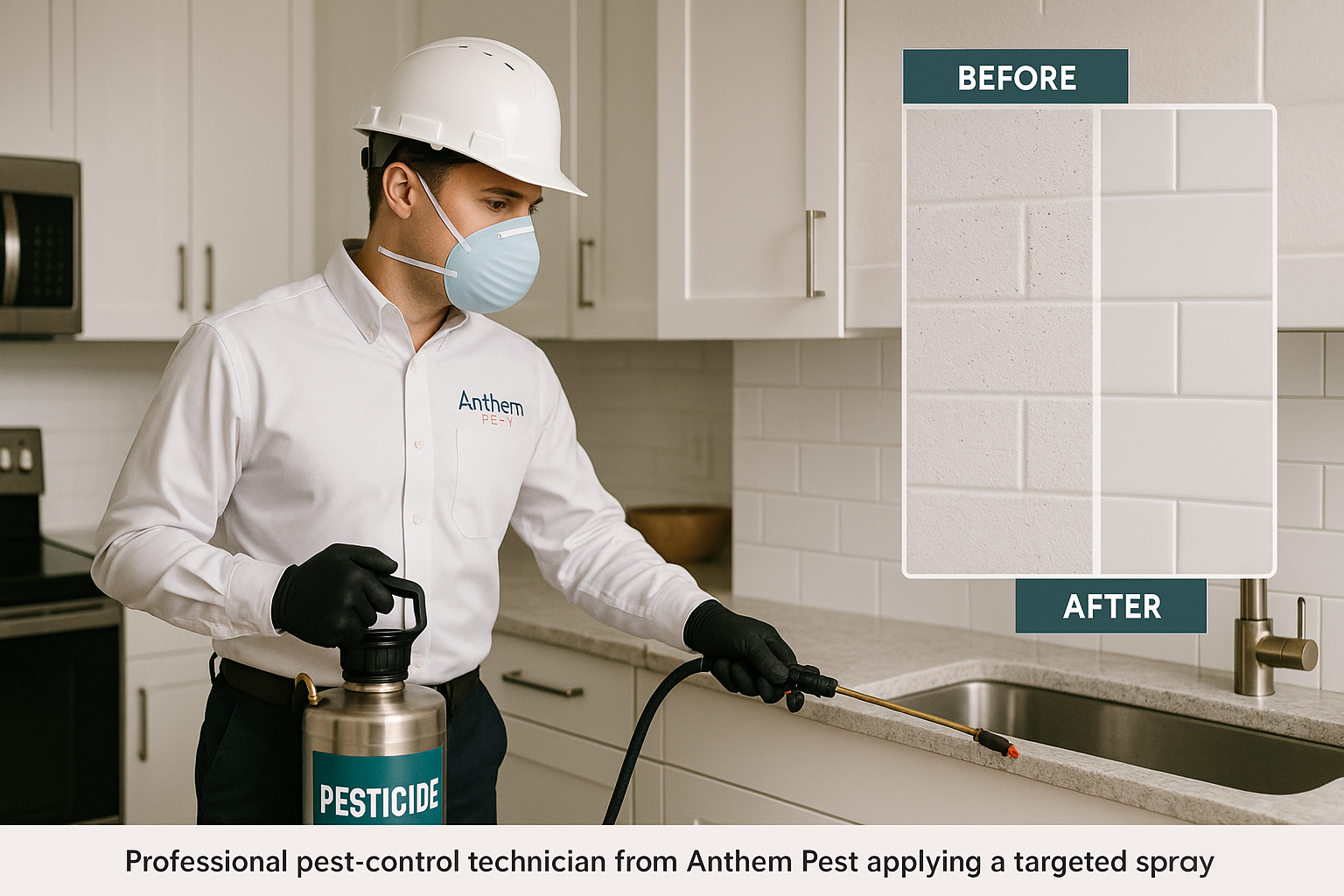
Chemical Treatments
Chemical options remain the backbone of most professional stink‑bug programs because they provide rapid knock‑down and residual protection. In Vinings, pest technicians typically employ three application styles:
- Perimeter spray: A mist applied around the home’s exterior walls creates a barrier that deters bugs from crossing onto the property.
- Indoor residual spray: Targeted to cracks, baseboards, and other hiding spots, this treatment continues to kill bugs for weeks after the first application.
- Spot treatments: Direct sprays on known infestations, such as kitchen cabinets or attic corners, where bugs congregate.
The most common active ingredients are bifenthrin and lambda‑cyhalothrin. Both are EPA‑registered for indoor and outdoor use, offering a proven safety record when applied by certified technicians following label directions.
Non‑Chemical Options
Many homeowners prefer methods that avoid synthetic chemicals altogether. Non‑chemical strategies focus on physical removal, environmental modification, and exclusion:
- Heat treatments: Raising indoor temperatures to 120–130°F for a short period kills bugs hidden in wall voids and furniture without chemicals.
- Vacuum removal: A high‑efficiency vacuum equipped with a HEPA filter captures live bugs and their eggs, preventing re‑infestation.
- Sealing entry points: Caulking cracks, installing door sweeps, and repairing screened vents block the most common pathways stink bugs use to enter homes.
These tactics are especially effective when combined with diligent housekeeping—regularly cleaning crumbs, removing outdoor lighting that attracts bugs, and trimming vegetation that brushes against the house.
Integrated Approach
The most resilient defense blends chemical precision with non‑chemical diligence. An integrated plan typically follows three phases:
- Monitoring: Professionals set up sticky traps and conduct visual inspections to map bug hotspots.
- Habitat reduction: Homeowners remove attractants—like fallen fruit, over‑ripe garden plants, and standing water—while technicians seal gaps identified during monitoring.
- Targeted chemical application: Only the areas that show active infestation receive perimeter or indoor residual sprays, minimizing overall chemical exposure.
This layered strategy not only curtails the current outbreak but also lowers the likelihood of future invasions, delivering long‑term peace of mind.
Case Study: Saving Money with Integration
Mrs. Patel, a Vinings homeowner, initially bought three DIY spray cans at $45 each, hoping to treat both the exterior and interior herself. After two weeks, the bugs returned, and she spent an additional $150 on a professional heat‑treatment service that still left hidden populations.
Switching to Anthem Pest Control’s integrated plan, she received a single site visit that included monitoring, sealing of two entry gaps, and a targeted indoor residual spray. The total bill was $300, saving her $350 compared to the piecemeal DIY route. Moreover, the integrated approach eliminated the need for repeated treatments, giving her a clean home for the entire season.
| Solution | Materials & Services | Total Cost |
|---|---|---|
| DIY Sprays + Heat Service | 3 spray cans + professional heat treatment | $345 |
| Integrated Professional Plan | Monitoring, sealing, targeted residual spray | $300 |
Safety Protocols You Can Trust
Whether you opt for chemicals, heat, or a hybrid, safety never takes a back seat. Certified technicians wear nitrile gloves, eye protection, and respirators when applying EPA‑approved products. Indoor treatments are performed with windows open and fans running to ensure proper ventilation. Homeowners are advised to vacate the premises for at least two hours after indoor residual sprays and to keep children and pets away from treated zones until the area is fully dry.
What Stink Bug Control Costs in Vinings
Typical Service Pricing
When you call a local professional like Anthem Pest Control, the first thing you’ll hear is a clear, upfront price range. Below is the most common structure for residential stink‑bug programs in Vinings:
- Initial inspection: $75‑$120 – a qualified technician surveys the interior and exterior, identifies entry points, and gauges infestation severity.
- Standard treatment package (2 visits, interior + exterior): $250‑$450 – includes a first‑round application of a low‑toxicity residual spray, followed by a second visit to treat any missed spots and confirm effectiveness.
- Premium integrated plan (3 visits, exclusion work, follow‑up): $500‑$750 – adds professional exclusion (sealing cracks, installing door sweeps), a third “touch‑up” visit, and a seasonal warranty for continued protection.
What Drives the Price?
These figures aren’t arbitrary; they reflect several key variables that can shift the final bill up or down.
- Home size: The average residence in Vinings measures about 2,200 sq ft. Larger floor plans require more spray volume and additional labor, while a compact condo may fall at the lower end of the range.
- Infestation severity: A light, early‑season presence often needs only a single treatment, whereas a heavy, multi‑room outbreak can demand extra applications and more intensive exclusion work.
- Seasonal demand: Stink bugs peak in late summer and early fall. During these high‑traffic months, technicians are busier, and pricing can inch upward due to increased demand for appointments.
Regional Pricing Reference
Pricing trends are tracked by the EPA’s annual pest‑control cost guide. For the most accurate, up‑to‑date numbers in 2025, we recommend cross‑checking the ranges above with the EPA’s published data: EPA Pest‑Control Cost Guide 2025. This ensures you’re comparing apples to apples and helps you spot any outlier quotes.
Getting a Reliable Quote
Before any technician steps onto your property, ask for a written estimate that details:
- Scope of work (inspection, number of visits, interior vs. exterior coverage)
- Materials and chemicals used (including any low‑impact or pet‑safe options)
- Guarantee or warranty terms
- Payment schedule and any applicable taxes or service fees
Having this documentation protects you from surprise charges and gives you a solid basis for comparing multiple providers.
Standard vs. Premium: Quick Comparison
| Feature | Standard Package | Premium Integrated Plan |
|---|---|---|
| Number of visits | 2 (interior & exterior) | 3 (includes exclusion work) |
| Exclusion services | None | Sealing cracks, door sweeps, window screens |
| Follow‑up monitoring | One post‑treatment check | Two post‑treatment checks + seasonal warranty |
| Typical price range | $250‑$450 | $500‑$750 |
| Best for | Light to moderate infestations, budget‑conscious homeowners | Heavy infestations, long‑term protection, homes with many entry points |
Seasonal Timing & Proven Prevention Strategies
Treatment Windows
Stink bugs are opportunistic travelers. They wait for the first warm days of spring to slip inside, and they return for a second round after the late‑summer harvest when foliage thins and the insects seek shelter. Targeting these two windows gives you the best chance to keep the bugs out before they establish a foothold.
- Early Spring (April‑May) – As temperatures climb above 65°F, adult stink bugs emerge from overwintering sites and look for cracks and gaps to enter homes. A pre‑emptive spray or barrier treatment at this stage blocks the majority of incoming insects.
- Late Summer (August‑September) – After crops are harvested and the canopy opens up, stink bugs scramble for a cool place to ride out the approaching fall. A follow‑up treatment now catches the late‑season wave before they settle in walls, attics, or crawl spaces.
Scheduling a professional inspection and treatment during these periods aligns with the pest’s life cycle, reduces the number of bugs you’ll see inside, and minimizes the need for repeated applications later in the year.
Prevention Checklist
Even the most effective chemical barrier can be compromised by tiny entry points. The following checklist, when applied diligently, creates a physical shield that works hand‑in‑hand with any treatment you receive.
- Seal all cracks wider than ¼ inch. Pay special attention to window frames, the foundation perimeter, and any utility penetrations such as pipe sleeves or wiring conduits.
- Remove outdoor debris, including piles of leaves, wood, or garden waste, which serve as temporary shelters for stink bugs before they head indoors.
- Trim vegetation so that branches and shrubs are at least 2 feet away from the house. Direct contact with the structure gives bugs a bridge to crawl inside.
- Install door sweeps on all exterior doors and replace any damaged or missing screen vents. A tight seal eliminates the most common “low‑tech” entry routes.
Implementing this checklist is a one‑time effort that pays dividends year after year. The U.S. Department of Agriculture’s Extension service reports that “90% of Vinings homes that seal entry points see a 60% reduction in indoor stink bugs.” This statistic underscores how a few simple fixes can dramatically lower your indoor bug count.
Why Regular Inspections Matter
Stink bug activity spikes after heavy harvest seasons when the surrounding landscape is stripped of its natural cover. During these times, the insects are especially motivated to seek refuge in the nearest structure—your home. Conducting a thorough visual inspection within two weeks of a major harvest gives you a clear picture of new entry points, damaged screens, or gaps that may have formed during weather events.
During an inspection, look for:
- Freshly chewed or frayed window screens.
- Small holes around vent pipes, dryer exhausts, or chimney flues.
- Signs of stink bug droppings or shed exoskeletons in corners, attics, and basements.
If you spot any of these red flags, address them immediately—seal, replace, or reinforce as needed. Pairing prompt repairs with a professional follow‑up treatment (ideally within a week) maximizes the barrier’s effectiveness and keeps the bugs from establishing a breeding population inside your walls.
Putting It All Together
Think of your home as a fortress. The treatment windows are your scheduled patrols, the prevention checklist is the moat, and regular inspections are the watchtowers that alert you to new breaches. By timing professional applications for early spring and late summer, sealing every opening larger than a quarter‑inch, keeping the exterior tidy, and performing post‑harvest inspections, you create a multi‑layered defense that significantly reduces stink bug intrusions.
At Anthem Pest Control, we combine these proven timing strategies with safe, EPA‑approved products to give Vinings homeowners peace of mind. A well‑timed, well‑executed plan not only protects your kitchen from that unmistakable “stink” but also safeguards your family’s comfort throughout the year.
Anthem Pest’s Local Expertise in Vinings
When a stink bug finds its way into your kitchen, you need a neighbor who knows the neighborhood as well as the pest. Anthem Pest has been serving the Atlanta metro area for 15 years, and a dedicated team has called Vinings home for the past decade. That long‑term presence means we understand the local climate, the construction styles that attract insects, and the seasonal patterns that dictate when treatments are most effective.
15 Years of Service in the Atlanta Metro Area
Our Vinings crew started as a handful of technicians and has grown into a full‑service operation that covers everything from stink bugs to termites. Over the years we have fine‑tuned our inspection protocols to match the unique landscaping and housing density of Vinings, allowing us to spot infestations before they become visible. Homeowners appreciate the consistency of a company that has been on the same streets for a generation, and our repeat‑customer rate reflects that trust.
Certified Professionals You Can Trust
Every technician on our Vinings roster holds a Certified Applied Entomologist credential, guaranteeing a deep scientific understanding of insect behavior and control methods. In addition, all applicators are EPA‑registered, so you can be confident that every pesticide is applied safely and in strict compliance with federal regulations. For emergencies—whether a sudden swarm of stink bugs or a surprise rodent sighting—we maintain a 24‑hour hotline, ensuring you never have to wait days for help.
Local Voices: A Vinings Homeowner’s Experience
“Quick response, lasting results; my home stayed bug‑free all season.” – Jane D., Vinings Village
Jane’s feedback highlights the speed and durability of our service. She called our emergency line after noticing a few stink bugs near her pantry, and within hours a certified technician arrived, identified the entry points, and applied a targeted treatment that kept the insects at bay for the entire summer.
Ready When You Need Us
We believe a free inspection should be the first step for any homeowner concerned about pests. Call us at 877‑371‑8196 or visit anthempest.com to schedule yours—no obligation, no hidden fees. Every quote is provided up front, and we stand behind our work with a satisfaction guarantee: if you’re not completely bug‑free after the initial treatment, we’ll return at no extra cost.
Frequently Asked Questions About Stink Bugs
Do stink bugs damage my home’s structure?
Stink bugs are primarily a nuisance rather than a structural threat. They do not chew wood, drywall, or wiring, so your home’s framework remains intact. The real concern is food contamination; they can infiltrate pantry items, fruit, and vegetables, leaving a bitter, foul‑smelling residue that spoils the product. In addition, when disturbed they release a characteristic odor that can linger in cabinets or on fabrics. While the scent is unpleasant, it does not cause permanent damage to surfaces. Prompt removal and sealing of entry points keep the bugs from turning your kitchen into a smelly storage area.
Are the chemicals safe for pets and children?
Anthem Pest Control follows EPA‑approved low‑toxicity protocols for all indoor applications. Our technicians reference the EPA Safety Data Sheet for each product, ensuring that active ingredients meet strict safety thresholds for households with pets and kids. We prioritize formulations that break down quickly, leave minimal residue, and are applied at rates well below the EPA’s acute toxicity limits. After treatment, we advise a short ventilation period—typically 30 minutes—to allow any airborne particles to settle. By adhering to these guidelines, we protect your family while effectively eliminating stink bugs.
How often should I schedule follow‑up treatments?
Because stink bugs are seasonal invaders, an annual inspection is the cornerstone of a long‑term control plan. We recommend a pre‑harvest visit in late summer, just before the bugs begin seeking shelter for winter, followed by a post‑harvest check in early fall. If you notice a surge in sightings after a heavy crop season or after a particularly mild winter, an additional treatment may be warranted. In most Vinings homes, a single comprehensive service plus a spring “touch‑up” keeps populations below nuisance levels throughout the year.
For deeper technical details, consult the EPA’s pesticide safety resources and the National Pest Management Association’s stink‑bug guide. These references outline best practices, product classifications, and integrated‑pest‑management strategies that complement Anthem’s local expertise.
Protect Your Vinings Home – Get Professional Stink Bug Control Today
Stink bugs can turn a quiet summer evening into an unwelcome nuisance, but the good news is that you don’t have to live with them. The most effective defense starts with three simple steps: spot the problem early, call in a licensed professional, and stay ahead with ongoing prevention.
Quick recap of the essentials
- Early identification: Look for the characteristic shield‑shaped insects around windows, doors, and light fixtures. Catching them before they multiply saves time and money.
- Professional treatment: Certified technicians use EPA‑registered products that target stink bugs while protecting your family, pets, and the environment.
- Proactive prevention: Sealing entry points, managing outdoor lighting, and scheduling regular inspections keep new invasions at bay.
When it comes to putting those steps into action in Vinings, Anthem Pest stands out as the neighborhood’s trusted partner. Our technicians live and work in the area, so they know the local building styles, common entry routes, and the seasonal patterns that drive stink bug activity. Every treatment follows strict EPA guidelines, ensuring a safe, effective solution that won’t compromise your home’s indoor air quality. And because we’re confident in our work, we back it with a 5‑year guarantee—the longest protection period offered by any local pest‑control provider.
Ready to see how these strategies fit your specific situation? We offer a free, no‑obligation inspection that lets us assess the severity of the infestation, pinpoint vulnerable spots, and recommend a customized plan. Whether you’ve only spotted a few stray bugs or you’re dealing with a full‑scale invasion, our Vinings specialists will tailor a safe, effective approach that respects your budget.
Give us a call today at 877‑371‑8196 or visit Anthem Pest Control to schedule your inspection. Let’s protect your home, your peace of mind, and your summer enjoyment—one stink bug at a time.