What Are Termites and How They Damage Homes
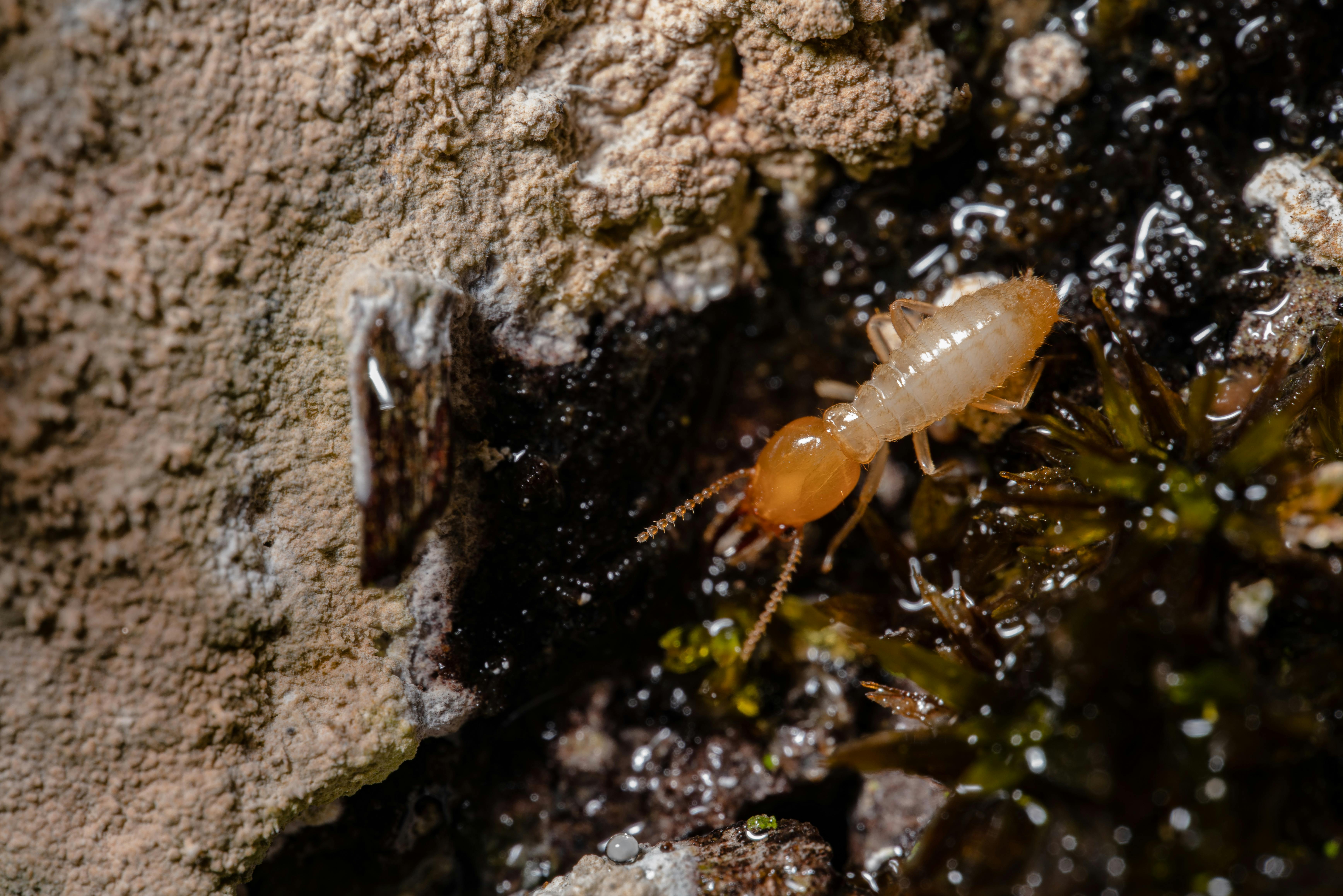
Termites are often called “silent destroyers” because they work unnoticed, chewing through wood from the inside out—making proactive termite control Druid Hills homeowners rely on essential for protecting their property. They belong to the order Isoptera, a group of social insects that live in organized colonies. Within each colony you’ll find three castes: workers, soldiers, and reproductives. Workers do the foraging and feeding, soldiers protect the nest, and reproductives—kings and queens—ensure the colony’s growth. A single queen can lay millions of eggs each year, which is why a small infestation can quickly become a major problem for a homeowner without timely termite control.
Types of Termites Found in the United States
In Druid Hills and the broader Georgia region, three species are most common:
- Dry‑wood termites live entirely within the wood they consume. They need no soil contact, so they often appear in attic framing, furniture or exposed timber.
- Subterranean termites build their nests in the soil and travel to wood via mud‑tube galleries. They are the most destructive species nationwide because they can access any wood that touches the ground.
- Damp‑wood termites prefer wood with high moisture content, typically found in leaky foundations, crawl spaces or areas with poor ventilation.
Why Wood Is Their Favorite Food
All termites feed on cellulose, the primary component of plant cell walls. Wood provides a rich, readily available source of cellulose, plus the moisture that many species need to digest it. As workers tunnel through a beam or joist, they leave behind a network of galleries that remain hidden until structural integrity is compromised. This hidden feeding habit is why you often discover damage only after a roof collapses or a floor sags.
Typical Entry Points
Termites gain access to a home in several predictable ways:
- Direct soil contact with foundation walls or wooden sill plates.
- Cracks in concrete, mortar or brick that allow mud‑tubes to bridge the gap.
- Wooden utility lines—such as water, gas or electrical conduits—that penetrate the building envelope.
- Moisture‑laden areas like leaky gutters, faulty plumbing or poor drainage that create ideal conditions for damp‑wood species.
Economic Impact on Homeowners
The U.S. Department of Agriculture estimates that termites cause more than $5 billion in property damage each year. The average repair bill for a single infestation ranges from $2,000 to $10,000, depending on the extent of the damage and the type of treatment required. In Georgia, where humid summers encourage termite activity, these costs can climb even higher, making early detection and professional treatment a smart financial move.
Homeowners can look for subtle warning signs before the damage becomes visible. Common indicators include mud‑tube shelters along foundation walls, hollow‑sounding wood when tapped, discarded wings near windows, and a persistent musty odor. Regular inspections, especially after heavy rains, can catch an infestation early and reduce repair costs dramatically.
For authoritative, science‑based information on termite biology and control methods, the Environmental Protection Agency offers a comprehensive guide: EPA Termite Guide. Referring to this resource helps homeowners understand the seriousness of the threat and the importance of a licensed pest‑control partner.
Spotting Early Signs of Termite Activity
Termites work silently, often going unnoticed until structural damage becomes obvious. Catching the problem early saves you money, protects your home’s value, and reduces the need for extensive repairs. Below are the visual cues and inspection steps every Druid Hills homeowner should know.
Visible clues you can’t ignore
- Mud‑tubes: Silky, tunnel‑like passages on foundation walls, wooden beams, or concrete.
- Discarded wings: Pairs of translucent wings left near light sources after a swarm.
- Hollow‑sounding wood: Tap a piece of wood; a dull thud often means the interior is hollowed out.
- Frass (pellet droppings): Small, sand‑like pellets that look like sawdust but are actually termite excrement.
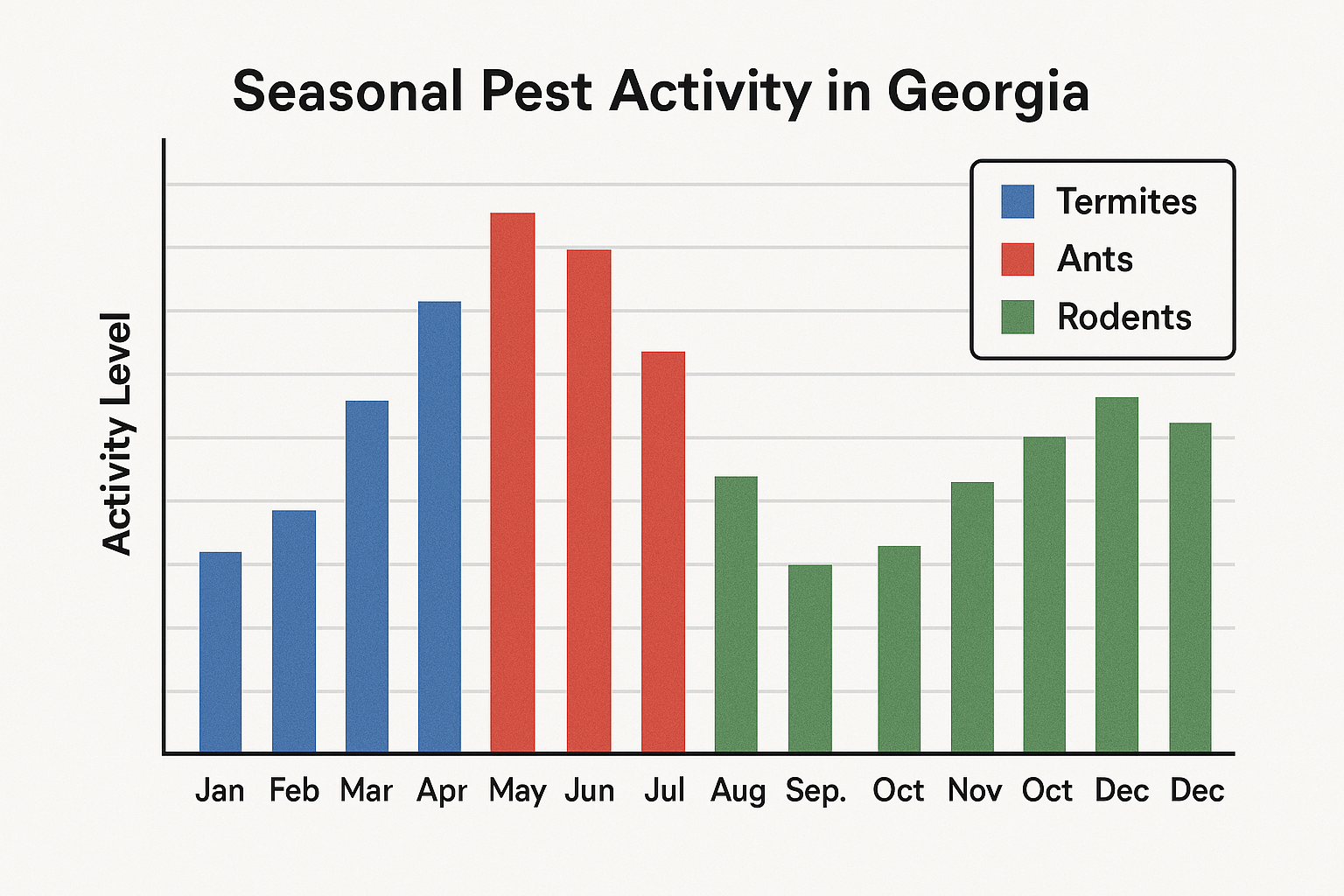
Seasonal activity in Georgia
| Month | Activity Level |
|---|---|
| January | Low |
| February | Low |
| March | Medium |
| April | Medium |
| May | High |
| June | High |
| July | High |
| August | Medium |
| September | Medium |
| October | Low |
| November | Low |
| December | Low |
Termites are most active from late spring through midsummer when soil moisture and temperature peak, which is why proactive termite control Druid Hills homeowners schedule during these months offers the best chance to catch an infestation before it spreads.
Inspecting common entry points
Start at the foundation: look for mud‑tubes on concrete walls and any cracks that could serve as highways. In crawl spaces, shine a flashlight along joists and support beams for frass or hollow wood. Basements often hide hidden damage—check exposed timber, especially around utility penetrations, for the tell‑tale signs listed above.
DIY inspection tools
- Flashlight: A bright beam reveals dark mud‑tubes and hidden frass.
- Screwdriver: Gently pry a small section of wood; a soft, hollow sound signals damage.
- Moisture meter (basic): High moisture levels in wood or soil often correlate with termite activity.
When to call a professional
If you find any mud‑tubes, frass, or hollow‑sounding wood, it’s time to contact Anthem Pest Control. Professionals can confirm the species, assess the extent of damage, and apply a treatment plan that reaches hidden colonies—something DIY methods rarely achieve. Even if you only spot a few wings, a quick call can prevent a full‑scale infestation before the summer surge.
Treatment Options and How They Work
Chemical Barrier Treatments
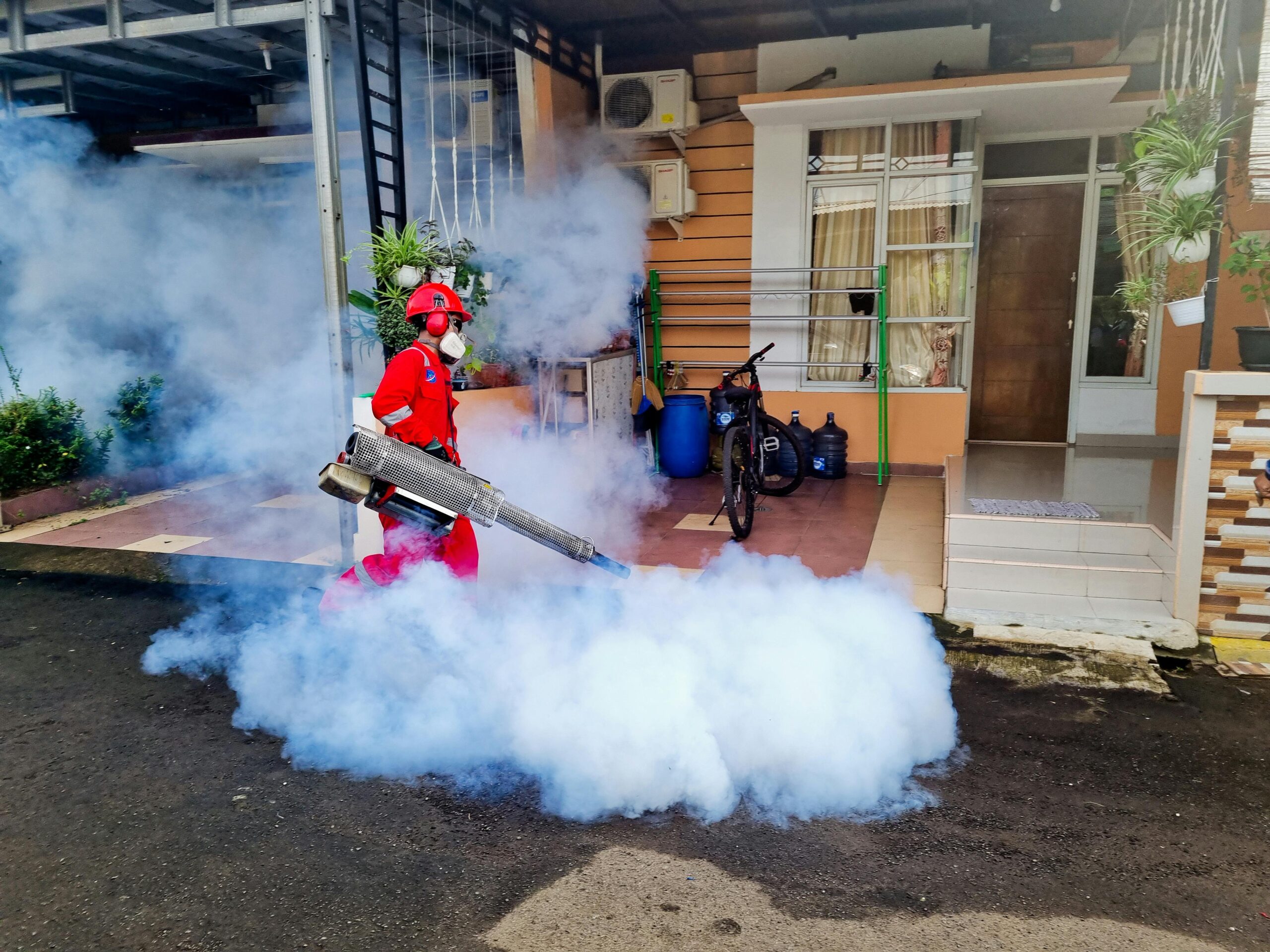
Soil‑borne termiticides create a protective shield around a home’s foundation, stopping termites before they can reach the structure. A professional will excavate a trench 12‑18 inches deep and apply a liquid termiticide that permeates the soil, forming a continuous chemical wall. Most products remain effective for 5‑10 years, though re‑application may be recommended every 3‑5 years in high‑traffic soils. The main advantage is long‑term protection with minimal disruption to daily life, while the downside can be concerns about chemical exposure and the need for precise installation. Modern EPA‑registered termiticides are applied at low concentrations, posing minimal risk to pets and children when used by certified technicians.
Baiting Systems
Cellulose bait stations are placed strategically in the yard and connected by underground monitoring tubes. The stations contain a slow‑acting insect growth regulator that termites carry back to the colony, eventually collapsing it. Homeowners typically see a reduction in activity within 3‑6 months, and a full colony elimination can take up to a year, depending on colony size. Baiting is less invasive than chemicals and offers a visible way to track progress, but it requires regular inspections and can be less effective against large, hidden colonies. Monitoring visits every 2‑3 months let technicians replace consumed bait and confirm colony decline.
Fumigation (Tenting)
When dry‑wood termites have infested structural timber, whole‑house fumigation—often called tenting—is the most aggressive option. A gas‑tight tent is erected over the home, and a vapor‑based fumigant such as sulfuryl fluoride is released, penetrating every wood cavity for 24‑48 hours. After aeration, the home is safe to re‑enter, but occupants must vacate for the duration of the treatment and a short post‑treatment period. Fumigation guarantees near‑100 % mortality of termites in the treated structure, yet the process is costly, requires significant downtime, and must be performed by licensed professionals.
Emerging Non‑Chemical Solutions
Homeowners seeking greener alternatives can consider orange oil, heat treatment, or electro‑thermal methods. Orange oil, derived from citrus peels, is injected directly into infested wood, dissolving the termites’ exoskeletons on contact. Heat treatment raises the temperature of wood to 120‑130 °F for several hours, a range lethal to termites but safe for most building materials. Electro‑thermal devices pass low‑frequency currents through wood, generating heat from within. Leaving no residue, they’re favored for historic homes where preserving original wood is critical. These methods leave no chemical residue and are ideal for localized attacks, but they often require multiple applications and may not provide the long‑term barrier that termiticides do.
Integrated Pest Management (IPM) Approach
IPM blends inspection, monitoring, and targeted treatment to keep termite pressure low while minimizing chemical use. A certified inspector first identifies entry points, moisture problems, and wood‑to‑soil contact. Based on the findings, the technician may combine a reduced‑rate chemical barrier with bait stations and schedule periodic monitoring visits. This holistic strategy adapts to seasonal changes and property‑specific risks, offering a balanced mix of prevention and control.
Effectiveness Metrics and Typical Success Rates
Across the industry, chemical barriers report an average success rate of 85‑90 % when installed correctly, while baiting programs achieve 70‑80 % colony elimination over a 12‑month cycle. Fumigation consistently reaches 95‑100 % mortality for dry‑wood infestations, making it the gold standard for severe cases. Non‑chemical treatments vary widely: orange oil can eradicate localized spots with 60‑70 % success, heat treatment often exceeds 90 % when temperature and exposure time are precisely controlled, and electro‑thermal methods hover around 80 % effectiveness. Combining these methods under an IPM plan typically pushes overall success above 90 %, providing homeowners with confidence that their home is protected year after year. At Anthem Pest we record post‑treatment inspections to ensure those success rates are met on your property.
Choosing a Professional Pest‑Control Service
Verify Licensing, Insurance, and Certifications
Before you hand over a key or sign a contract, make sure the company is fully licensed in Georgia. A valid state pest‑control license proves the technicians have met the required training standards. Ask for proof of liability insurance; it protects you if a chemical spill or equipment mishap damages your property. Reputable firms also carry industry certifications such as the National Association of Pest Professionals (NAPPC), which signals a commitment to ongoing education and best practices.
Ask About the Specific Treatment Plan
Transparency matters. Request the exact product names, application methods, and safety protocols the technician will use. For termites, you’ll want to know whether a liquid barrier, foam, or bait system is recommended, and how long the chemicals remain active. Inquire about any pre‑treatment preparations you must complete, such as moving furniture or turning off HVAC systems. A clear, step‑by‑step explanation helps you feel confident that the treatment is both effective and safe for children and pets.
Written Guarantees and Warranties
A solid guarantee is the safety net that separates a professional service from a one‑time fix. Look for a written warranty that outlines the coverage period, what types of re‑treatments are included, and any conditions that could void the agreement (like unauthorized chemical use or failure to follow post‑treatment instructions). The best guarantees also cover structural damage caused by hidden termite activity discovered after the initial service.
Customer Testimonials and Local Reputation
Online reviews, Google ratings, and Better Business Bureau (BBB) scores give you a snapshot of real‑world performance. Scan for patterns—consistent praise for punctuality, thoroughness, and follow‑up visits is a good sign. Pay special attention to reviews from homeowners in Druid Hills, as local conditions (soil type, climate) can affect treatment success. A company that openly shares both positive and negative feedback demonstrates confidence in its work.
Compare Service Packages
Most pest‑control firms offer tiered options. An “inspection‑only” package is useful if you want a professional assessment before committing. A “single‑treatment” plan tackles the immediate infestation, while “ongoing monitoring” includes quarterly inspections, bait maintenance, and a warranty renewal. Choose the package that aligns with your budget and the severity of the problem.
| Package | What’s Included | Ideal For |
|---|---|---|
| Inspection Only | Comprehensive visual and moisture assessment, detailed report | Homeowners who want a professional opinion before treatment |
| Single‑Treatment | One‑time chemical or bait application, post‑treatment follow‑up | Active infestations needing immediate eradication |
| Ongoing Monitoring | Quarterly inspections, bait station maintenance, annual warranty | Long‑term protection for high‑risk properties |
Why Anthem Pest Control Stands Out
Anthem Pest Control checks every box on this list. All technicians hold Georgia’s state license, carry full insurance, and are NAPPC‑certified. Our treatment plans are fully disclosed—product names, application techniques, and safety steps are explained in plain language. We back every service with a written guarantee that covers re‑treatment and structural repair for up to two years. Transparent pricing means no surprise fees, and our nationwide network ensures you receive the same high standards whether you’re in Druid Hills or any other U.S. market.
Understanding Pricing and Seasonal Timing
Pricing tiers you’ll encounter
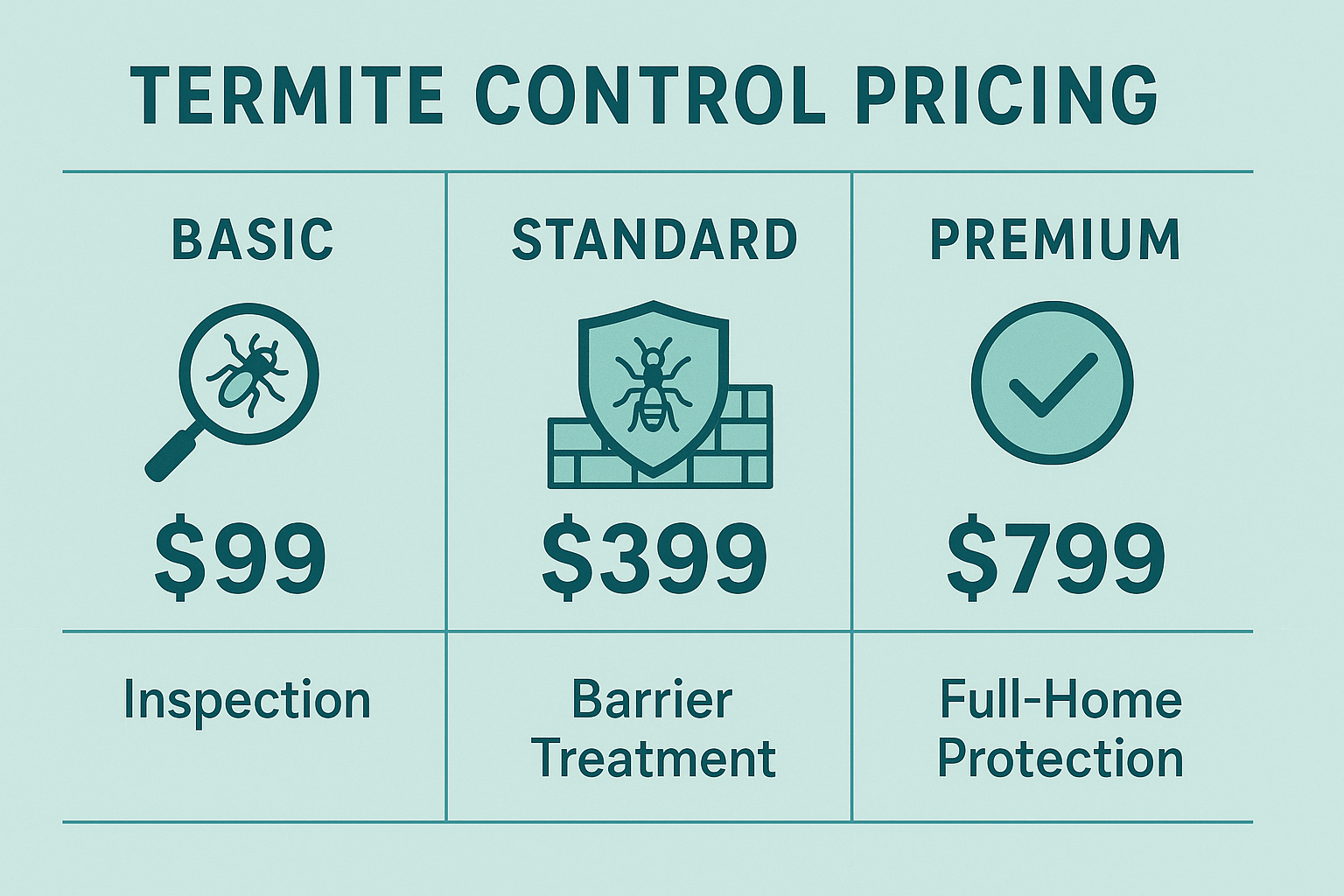
When you call Anthem Pest Control for termite control Druid Hills homeowners trust, you’ll typically be offered one of three service packages. Each tier is designed to match a homeowner’s risk level, budget, and desire for long-term protection.
| Tier | What’s Included | Typical Price (USD) |
|---|---|---|
| Basic Inspection | Thorough visual inspection, moisture meter reading, and a written report with recommendations. | $75 – $150 |
| Standard Barrier | Inspection plus a perimeter chemical barrier applied around the foundation, with a 1‑year warranty. | $1,200 – $1,800 |
| Premium Full‑Home Protection | Inspection, perimeter barrier, targeted spot‑treatments, underground bait stations, and a 5‑year comprehensive warranty. | $2,500 – $3,500 |
Why timing matters
Termites are most active when soil temperatures rise above 55 °F, typically late spring through early summer in Druid Hills. A seasonal pest activity chart shows a sharp uptick in foraging activity during June and July. Treating your home **before** this peak gives the barrier or bait system time to establish, which not only improves efficacy but also prevents the costly damage that can accrue during the hottest months.
Financing, discounts, and warranties
Anthem Pest understands that a full‑home protection plan can feel like a big investment. We offer flexible financing options—0 % interest on 12‑month plans and low‑down‑payment monthly installments. Homeowners who bundle termite services with mosquito or rodent control receive a 10 % discount on the total package. Every tier comes with a warranty: the Standard Barrier includes a 1‑year guarantee, while the Premium package extends coverage to five years, ensuring you’re not paying twice for the same problem.
Quick decision‑making checklist
- Budget: Which tier aligns with your financial comfort zone?
- Urgency: Have you noticed active damage or swarmers?
- Home age: Older homes often need the Premium package for comprehensive protection.
- Local termite pressure: High‑risk neighborhoods benefit from early, full‑home treatment.
Protect Your Home with Anthem Pest Control
Termites work silently, often going unnoticed until they’ve already caused structural damage. That’s why catching an infestation early and responding with professional treatment is the most reliable way to keep your home safe. A licensed technician can spot the subtle signs—tiny mud tubes, hollow‑sounding wood, or even a faint musty odor—that most homeowners miss. Acting quickly not only prevents expensive repairs but also preserves the value of your property.
Anthem Pest Control delivers exactly what you need when a termite threat appears: safe, effective, and affordable solutions backed by transparent pricing. Our treatment options—ranging from low‑impact liquid barriers to advanced baiting systems—are chosen based on the severity of the infestation and the construction of your home. Because we quote every job up front, there are no surprise fees, and you can compare our rates confidently against any competitor.
What sets Anthem apart is the breadth of our experience. With a nationwide network of certified technicians, we bring the latest research and proven protocols to Druid Hills, Georgia. Our teams stay current on emerging termite species, resistance patterns, and environmentally responsible products. Beyond eradication, we empower homeowners with the knowledge they need to spot early warning signs and maintain a pest‑free environment year after year.
Ready to take the next step? Schedule a complimentary inspection—no strings attached. Our experts will walk you through the findings, explain the most suitable treatment plan, and provide a clear, no‑obligation quote on the spot. You’ll walk away with a solid action plan and the confidence that your home is protected.
- Free, no‑pressure inspection
- Up‑front pricing with no hidden costs
- Licensed technicians who prioritize safety
- Ongoing education to help you stay vigilant
Don’t let termites eat away at your peace of mind. Call Anthem Pest Control today at 877-371-8196 for a free, no-obligation quote on termite control Druid Hills homeowners can trust. Our licensed technicians will assess your property, explain the best treatment options, and provide a clear, upfront price. Protect your investment with confidence—visit Anthem Pest Control.