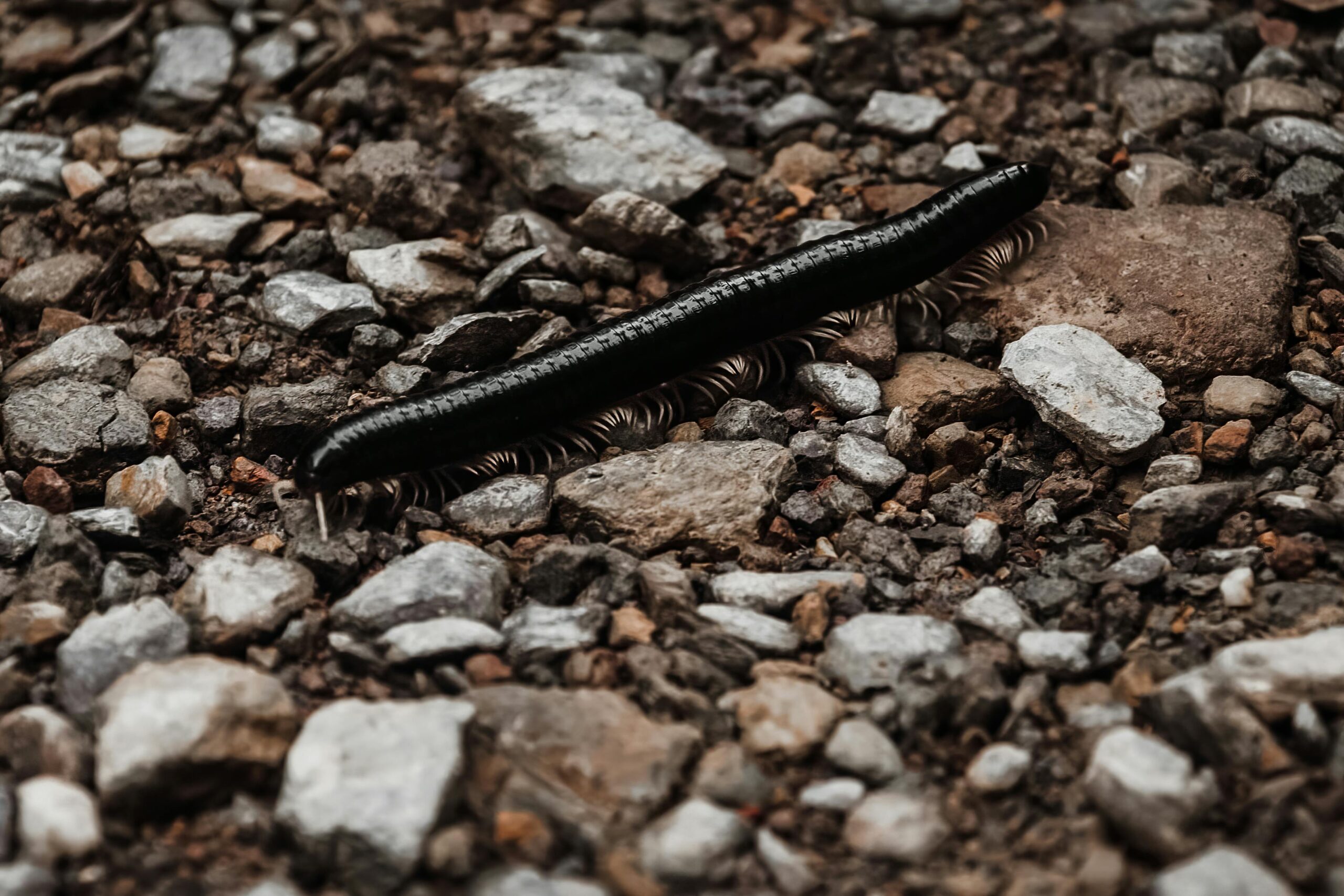
Why Termites Are Dunwoody’s Silent Threat
Dunwoody sits right in the heart of the humid Atlanta basin, where average relative humidity regularly tops 30% and often spikes above 50% during summer evenings. Those moist conditions create the perfect runway for subterranean termites, which need both moisture and warmth to thrive beneath your foundation, in crawl spaces, and inside wooden framing—making professional termite control Dunwoody homeowners trust more important than ever.

Nationally, termites are a silent financial drain: more than 600,000 U.S. homes suffer termite damage each year, racking up costs that exceed $5 billion, according to EPA and NPMA research. That figure isn’t just a statistic—it’s a warning that a hidden infestation can quickly become a costly repair nightmare.
In Dunwoody, the threat feels even more immediate. The neighborhood’s mature oak and pine canopy releases constant ground moisture, while many homes were built in the 1970s‑1990s using wood‑frame construction that ages gracefully but also offers termites a ready‑made banquet. Subterranean colonies can slip through tiny cracks in concrete slabs, travel up mud tubes, and remain undetected for months, silently eating away at support beams, joists, and even decorative trim.
Three local factors make Dunwoody especially inviting:
- Persistent ground moisture from high humidity and frequent rain.
- Abundant mature trees that shed sap and increase soil moisture around foundations.
- A stock of older, wood‑frame homes that provide decades‑old, untreated timber.
By recognizing these silent signals early, you can avoid the exponential repair costs that follow a full‑scale infestation. In the sections that follow, we’ll walk you through realistic pricing, the pros and cons of liquid barriers versus baiting systems, and seasonal timing tips that align with Dunwoody’s climate patterns.
The Species You’ll Encounter – Subterranean & Drywood
In the Atlanta metro area, two termite species dominate residential infestations. The Eastern Subterranean Termite (Reticulitermes flavipes) is the most common culprit, thriving in the humid soils of Fulton County. Occasionally, homeowners will also see the Drywood Termite (Incisitermes minor), which prefers dry, seasoned wood and can appear in older, historic homes.
Life Cycle and Damage Potential
Both species share a five‑stage life cycle: egg, nymph, worker, soldier, and alate (winged adult). Eggs hatch into nymphs, which mature into workers that do the heavy lifting—eating wood, building tunnels, and expanding the colony. Soldiers protect the nest with powerful jaws, while alates swarm in spring to start new colonies. Each stage contributes to structural damage, but workers are the primary wood‑consuming force.
Key Infestation Indicators
- Mud tubes on foundations or crawl spaces—subterranean termites build these highways to stay moist.
- Hollow‑sounding wood when tapped, a sign that workers have eaten the interior.
- Winged alates gathering near lights in late spring; their discarded wings form a paper‑like layer on windowsills.
- Frass piles—drywood termites push out pellet‑shaped droppings that look like tiny sawdust nuggets.
Local Impact and Hotspots
According to a recent Fulton County housing authority report, 1 in 5 homes shows evidence of termite activity. The highest concentrations are found in neighborhoods with mature landscaping and older construction, such as Brookhaven, Peachtree Corners, and the historic Dunwoody Village district. These areas provide the moisture and wood sources both species need to thrive.
Recognizing the species, their life cycle, and the tell‑tale signs early can save homeowners thousands in repair costs. If you spot any of the indicators above, contact a trusted local professional—like Anthem Pest Control—to assess the situation and recommend a targeted treatment plan.
Transparent Pricing for Dunwoody Homeowners
Understanding what you’ll pay before a technician steps onto your property is the first step toward a stress-free termite solution. Below is a data-driven snapshot of the most common pricing structures you’ll encounter for termite control Dunwoody homeowners rely on, so you can match your budget with the right level of protection.
One‑Time Treatment Costs
| Treatment Method | Cost Range (USD) | Key Factors Influencing Price |
|---|---|---|
| Spot‑treatment (chemical or bait) | $70 – $350 | Home size, localized infestation, accessibility of soil |
| Full‑home barrier (chemical) | $400 – $1,000 | Square footage, soil type, existing damage |
| Heat treatment (localized) | $300 – $800 | Severity of infestation, equipment travel time |
Smaller homes or apartments often fall at the lower end of the range, while larger, multi‑story properties with extensive wood contact can push costs toward $1,000. The depth of soil moisture, type of construction (e.g., slab vs. crawl space), and how far the infestation has spread are the primary price drivers.
Quarterly Service Plans
- Initial visit: $145 – includes a full inspection, treatment recommendation, and the first application of your chosen method.
- Each follow‑up (every 3 months): $99 – covers re‑inspection, retreatment if needed, and ongoing monitoring.
This structure spreads the cost of protection over the year while ensuring a professional checks your home before the next season’s peak activity.
Monthly Protection Options
For homeowners who prefer a predictable monthly outlay, Anthem Pest offers tiered plans:
- Basic coverage: $32 per month – includes quarterly inspections and a single bait station per 1,000 sq ft.
- Standard coverage: $68 per month – adds two bait stations, a chemical barrier touch‑up, and a 24‑hour emergency line.
- Premium coverage: $119 per month – provides full‑home chemical barrier, up to four bait stations, heat‑treatment credits, and priority scheduling.
Full‑Home Tenting (Whole‑Structure Fumigation)
When an infestation is severe or has breached structural components, a complete tenting may be the most effective solution. Expect a baseline cost of $2,500+, with final pricing dependent on home size, the type of fumigant used, and any required repairs after the process.
Cost Per Linear Foot by Treatment Type
| Method | Price per Linear Foot (USD) |
|---|---|
| Chemical barrier | $3 – $16 |
| Bait station installation | $8 – $12 |
| Heat treatment | $10 (flat rate per foot) |
These figures help you compare the efficiency of each approach relative to the length of foundation or perimeter you need to protect.
Verification of Average Costs
According to a 2025 industry survey, the average termite treatment cost in the Atlanta metro area is $486. This benchmark aligns closely with the ranges shown above and serves as a reliable reference point for Dunwoody homeowners.
For deeper dives into local pricing, see the following resources:
- Pest Extinct – Atlanta termite treatment cost guide
- Anthem Pest – Detailed cost breakdown for Brookhaven & surrounding areas
Armed with these numbers, you can confidently discuss options with a technician, negotiate any necessary adjustments, and choose a plan that safeguards your home without surprising your wallet.
Choosing the Right Solution for Your Home
Chemical Termiticides
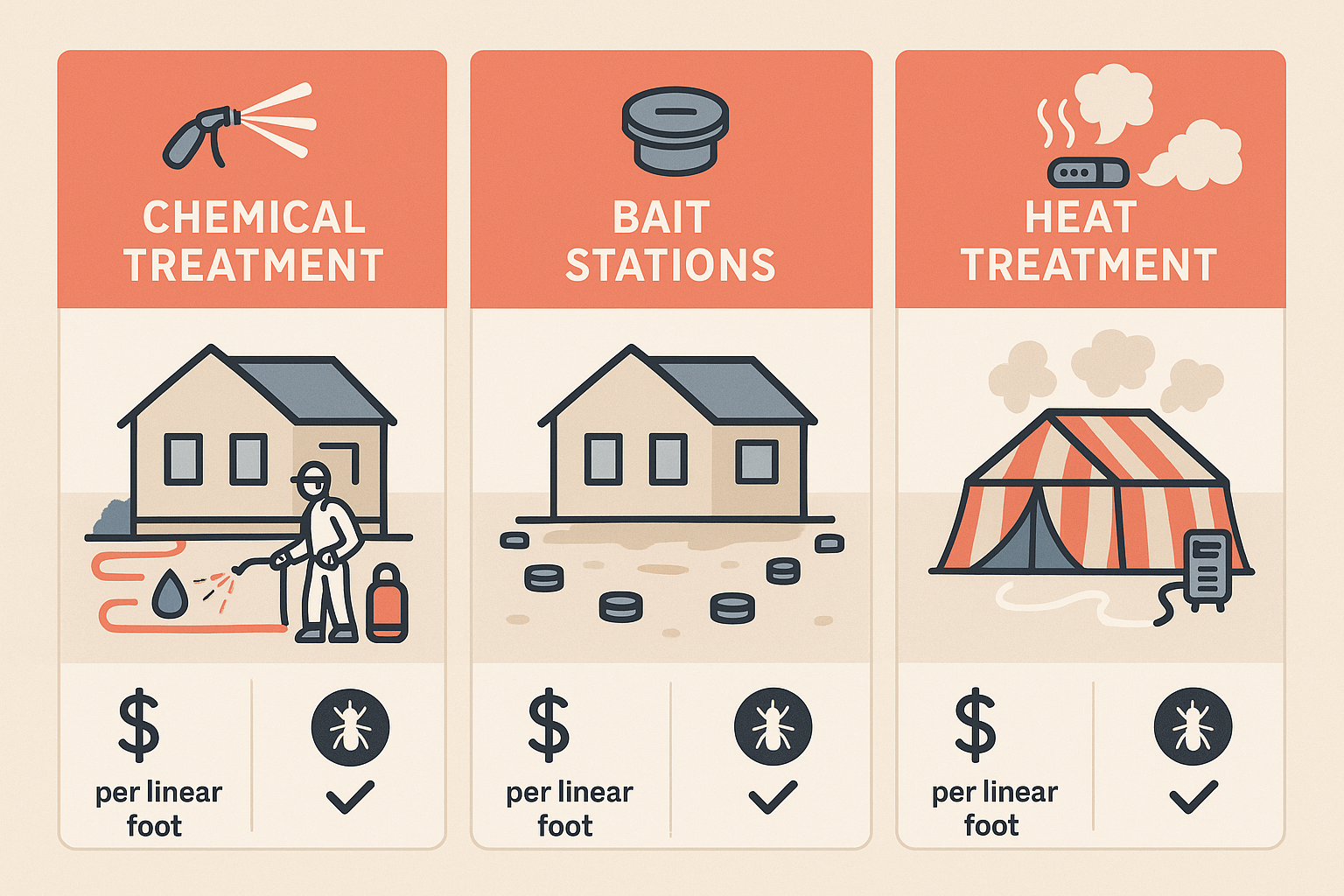
Traditional liquid termiticides remain the go‑to option for many homeowners because they act quickly. A professional applicator sprays the chemical into the soil around the foundation, creating an invisible barrier that kills termites on contact. The downside is the need for periodic re‑applications—typically every 2‑3 years—to maintain protection. Environmental concerns also surface, especially in homes with pets or children, as the chemicals can linger in the soil. When properly installed, a termiticide barrier can protect a structure for up to five years, but the lifespan shortens if the soil is disturbed during renovations.
Bait Systems
Bait stations offer a low‑exposure alternative. Small, discreet stations are placed around the perimeter and contain cellulose material laced with a slow‑acting insect growth regulator. Termites feed, share the toxin with the colony, and the entire population can collapse within 3–6 months. Because the system relies on continuous monitoring, a professional will visit monthly to check activity and replace baits as needed. This method reduces chemical use in the yard and often results in long‑term savings, as the stations can remain effective for 5‑10 years with minimal maintenance.
Heat Tenting
Heat tenting delivers a chemical‑free solution in a single visit. Technicians seal the home’s interior and raise the temperature to 120‑130 °F for several hours, a range lethal to all termite life stages. The advantage is immediate eradication without any residues. However, heat struggles to penetrate deep, solid wood beams or insulated crawl spaces, meaning hidden colonies may survive. The method is best suited for smaller homes or for spot‑treatment after a chemical or bait approach has already reduced the infestation.
Quick Comparison
| Method | Cost per Linear Foot | Treatment Duration | Best Suited For |
|---|---|---|---|
| Chemical Termiticides | $3‑$5 | 1‑2 days (re‑apply every 2‑3 years) | New construction, large lots, high‑traffic soil |
| Bait Systems | $2‑$4 | 3‑6 months to colony collapse; monitoring ongoing | Established homes, families seeking low chemical exposure |
| Heat Tenting | $6‑$9 | Single 1‑day visit | Smaller residences, targeted infestations, chemical‑sensitive occupants |
Real‑World Savings: A Dunwoody Case Study
When a 2,200-sq ft home in Dunwoody faced recurring termite activity, the owners consulted Anthem Pest Control for professional termite control Dunwoody homeowners trust. The original plan called for annual chemical retreatments at $1,150 per year. Instead, they opted for a bait system installation costing $2,300 upfront, with $120 quarterly monitoring visits. Over three years, the bait approach totaled $3,660, while the chemical schedule would have reached $3,450 plus additional labor. The bait system saved the family roughly $1,200 in total expenses and eliminated the need for any soil-borne chemicals around their children’s play area.
Why Professional Installation Matters
Regardless of the method you choose, success hinges on expert placement and ongoing oversight. A mis‑placed bait station, an uneven termiticide application, or an incomplete heat seal can leave hidden pockets for termites to thrive. Anthem’s certified technicians follow industry‑approved protocols, use calibrated equipment, and provide detailed reports after each visit. This ensures that the chosen solution delivers the promised protection and that any adjustments are made before a small problem becomes a costly structural repair.
The Critical First Step – Inspection
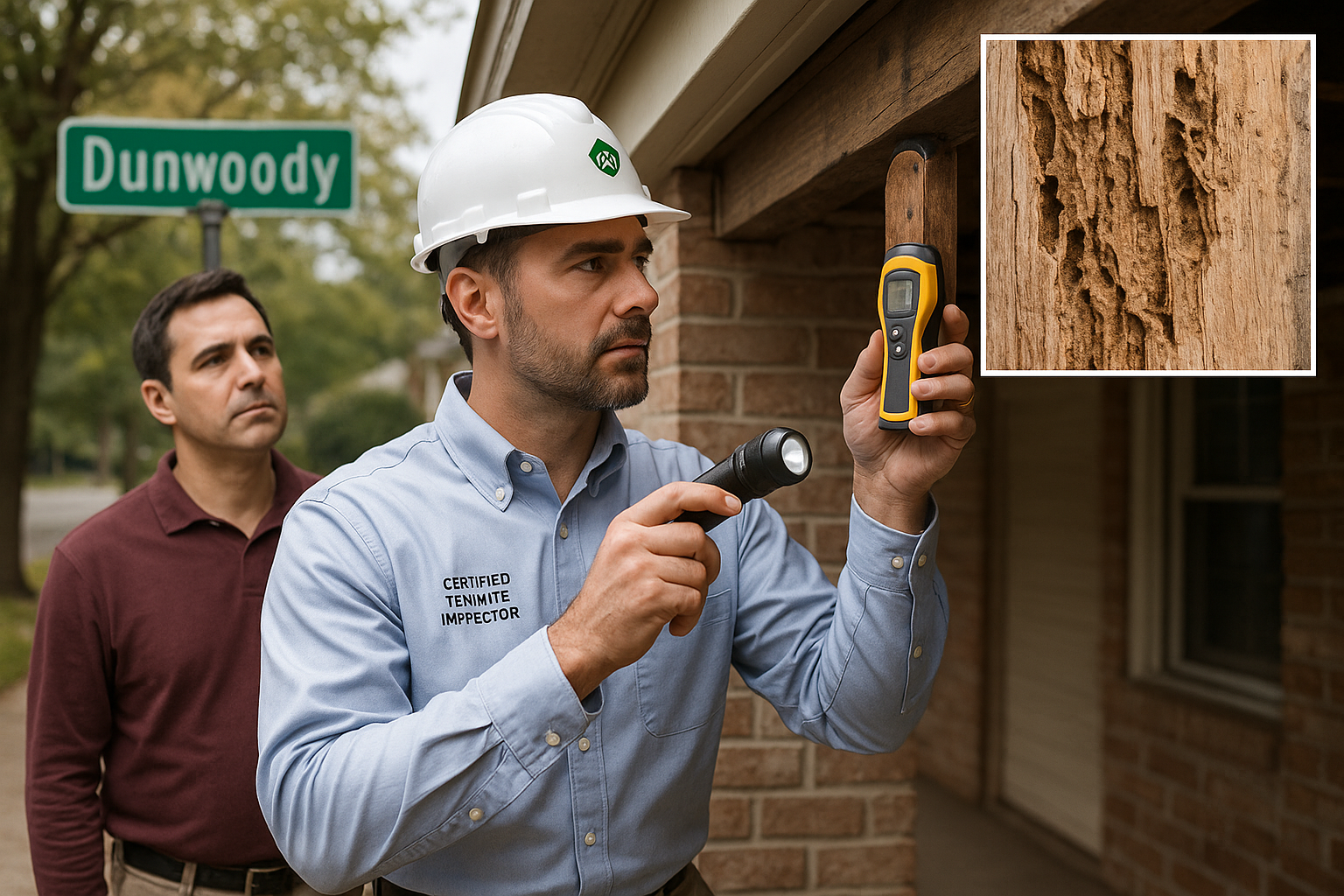
A professional termite inspection is the foundation of any successful treatment plan. Technicians start by scanning the entire structure with a calibrated moisture meter to locate hidden damp spots where termites thrive. They then probe wood members—using a slender steel probe—to gauge moisture content and detect hollowed interiors that are invisible to the naked eye. The foundation is examined for cracks, gaps, and any signs of soil movement, while exterior walls are checked for mud tubes, swarmers, or subtle paint bubbling. By systematically covering these areas, the inspector creates a complete map of current activity and potential entry points.
What a Thorough Inspection Includes
- Moisture meter use: Identifies high‑humidity zones that attract subterranean termites.
- Wood probing: Detects internal decay or galleries that surface inspection can miss.
- Foundation assessment: Looks for cracks, voids, and soil‑to‑structure contact that provide easy access.
- Identification of mud tubes or damage: Confirms active colonies and shows the paths termites are using.
In Dunwoody, most reputable companies charge a modest inspection fee ranging from $100–$200. Anthem Pest, however, frequently advertises a complimentary inspection for new customers, allowing homeowners to get a professional assessment without any upfront charge. This free‑inspection policy is clearly listed on the Anthem Pest website under the “Termite Services” section.
After the initial treatment, the next critical step is the post‑treatment inspection, typically scheduled 2–4 weeks later. This window gives the termiticides time to spread through the soil and wood, and it allows the technician to verify that the colony has been eliminated. Most warranties hinge on a clean follow‑up report; missing this appointment can void the guarantee.
“Anthem Pest guarantees a 12‑month warranty on all termiticides, provided a follow‑up inspection is completed within 30 days of treatment and any recommended corrective actions are performed.”
Homeowners can confirm the free‑inspection offer by visiting anthempest.com/termite-control or by calling the local office; the policy is updated regularly and reflected in the online service description.
Scheduling that first, thorough inspection sets the stage for a targeted, cost‑effective solution and protects your home’s warranty coverage.
DIY Options – Good for Small Infestations?
When termites first appear, the idea of tackling the problem yourself can be tempting. A quick trip to the home‑improvement aisle promises inexpensive bait stations, liquid termiticides, and foaming sprays that claim to eliminate the colony without a professional’s bill. While these products can be part of a broader prevention plan, they work best only in very limited, early‑stage situations.
Popular DIY Products and Their Costs
- Termite bait stations – typically sold in kits ranging from $10 to $100 depending on the number of stations and brand.
- Liquid termiticides – concentrated sprays priced at $8–$12 per bottle. One bottle may cover a small perimeter, but larger homes require multiple containers.
- Foam treatments – aerosol or pump‑action foams cost about $20–$30 per can, marketed for cracks and voids.
Application Challenges You’ll Face
Even the most user‑friendly kits demand precise placement. Bait stations must sit at the exact distance from the foundation where termites travel, and the bait must be replaced regularly to stay effective. Liquid termiticides require a uniform dosage; too little leaves the colony untouched, too much creates hazardous residues. Foam treatments sound simple, but the foam can shrink or miss hidden galleries, rendering it ineffective.
Safety is another concern. Many termiticides contain chemicals that can irritate skin, eyes, or lungs. Proper protective gear, ventilation, and strict adherence to label instructions are non‑negotiable. One misstep can turn a DIY project into a health risk for you and your family.
Risks of Mis‑Application and Hidden Damage
Termites often work unseen inside walls, beneath floors, and within structural supports. DIY products cannot address damage that’s already occurred—such as weakened joists or compromised support beams. An incomplete treatment may give the illusion of control while the colony continues to eat away at the home’s integrity.
Why a Professional Inspection Still Matters
Before you open a box of bait or spray a bottle of termiticide, schedule a professional inspection. Certified technicians can locate active galleries, assess moisture conditions that attract termites, and recommend a targeted treatment plan. A thorough inspection also reveals any existing structural damage that DIY methods simply cannot fix.
Pro Tip: Early Detection with Trained Dogs
According to the National Pest Management Association (NPMA), homes that employ termite detection dogs catch infestations up to 30% earlier than visual inspections alone. An early alert gives you a genuine chance to consider a small‑scale DIY approach—or, more wisely, to let a professional intervene before the problem spreads.
Year‑Round Defense for Dunwoody Homes
Cold weather doesn’t stop termites. While rodents seek shelter and bring moisture into crawl spaces, subterranean termites stay active beneath the frost line. Damp soil against your foundation still fuels their colonies, so winter vigilance is essential. Frozen ground may look solid, but moisture can still seep through cracks, giving termites a hidden water source.
Why Winter Still Matters
Moisture from leaky pipes or snow‑melt can collect around the base of your home, creating the perfect feeding zone. Addressing these issues before spring prevents termites from expanding their tunnels.
Month‑by‑Month Checklist
- Jan‑Feb: Clear snow from the foundation and check attic vents.
- Mar: Trim plants 6–12 in from walls.
- Apr‑May: Repair gutters and downspouts; ensure drainage at least 10 ft away.
- Jun‑Jul: Inspect exposed wood; book a quarterly termite inspection.
- Aug‑Sep: Seal foundation cracks and remove standing debris.
- Oct: Verify slope away from house; store firewood off the ground.
- Nov‑Dec: Do a final leak check and confirm next year’s inspection dates.
Local Resources
The Fulton County Extension office runs free workshops on pest identification and moisture control. These sessions offer region‑specific tips and direct access to university‑trained experts. The extension also provides soil testing kits that help you gauge moisture levels around your foundation. Check their calendar early, as spots fill quickly.
Integrating Termite Monitoring with Other Pest Programs
Combine termite bait stations with mosquito traps or rodent‑proofing for a unified defense. When you schedule a quarterly visit with Anthem Pest Control, we’ll review all active programs, adjust bait placement, and recommend any extra treatments needed for mosquitoes or rodents. By syncing bait locations with mosquito larvicide zones, you reduce the number of service visits and keep your yard healthier. This coordinated approach reduces overlap and keeps every entry point sealed.
Follow this checklist year‑round, and you’ll maintain a dry, sealed environment that keeps termites at bay long after the snow melts. Consistent monitoring also protects against secondary pests that often follow termite damage, such as ants or beetles.
Who to Trust in Dunwoody?
Local contenders at a glance
Healthy Home Termite & Pest Control offers a quarterly plan that runs $145 for a full service or $99 for a basic inspection-only option. The package includes a scheduled visit every three months and a one-time termite barrier as part of their broader termite control Dunwoody services. Got Bugs? Pest Control, by contrast, works on a monthly subscription model with three tiers ranging from $32 for a basic “bug-watch” service up to $119 for a comprehensive “all-in-one” plan that adds termite monitoring and rodent control.
Key factors to weigh
- Response time – Healthy Home typically schedules visits within 5‑7 business days, while Got Bugs promises same‑day service for premium tiers but can be slower for the $32 tier.
- Emergency service – Neither local company advertises a 24/7 emergency line; calls after hours are routed to a voicemail and handled the next business day.
- Technician certification – Both firms employ state‑licensed technicians, but Got Bugs lists the number of certified staff on its website, whereas Healthy Home only mentions “trained professionals.”
- Customer reviews – Healthy Home averages 3.8 stars on Google from 42 reviews, often praised for friendly service but criticized for delayed follow‑ups. Got Bugs holds a 4.2‑star rating from 58 reviews, with many customers noting quick replies but occasional billing confusion.
Why Anthem Pest stands out
Anthem Pest leverages a nationwide reputation built on consistency and accountability. Homeowners in Dunwoody benefit from a dedicated 24/7 emergency line (877‑371‑8196) that guarantees a technician on‑site within hours, not days. All field staff complete the EPA‑approved “Certified Pest Management Technician” program, ensuring they can identify termite activity, apply appropriate termiticides, and advise on structural safeguards.
Pricing is transparent: a standard termite inspection starts at $99, and a full barrier treatment is a flat $299 + tax, with no hidden fees. The company also offers a 30‑day satisfaction guarantee, so if termites reappear, a revisit is free.
Make the right choice
When you compare response speed, emergency readiness, certified expertise, and real‑world reviews, Anthem Pest emerges as the most reliable option for Dunwoody homeowners. Call 877‑371‑8196 or visit anthempest.com for a free, no‑obligation quote today.
Quick Answers to Common Termite Questions
Here are quick, SEO‑friendly answers to the most common termite questions homeowners ask before scheduling a service.
How long does a termite treatment last?
Most professional termite programs remain effective for 2‑5 years, depending on the product and the property’s conditions. Liquid termiticides applied to the soil typically protect for about three years, while bait‑station systems can last up to five years when monitored regularly. Annual inspections help confirm that the barrier remains intact and can add another year of protection. U.S. EPA, 2023
Are my pets safe during and after treatment?
Yes, when a licensed technician follows NPMA safety standards. Applied chemicals are low‑toxicity and allowed to dry before re‑entry; bait stations contain no direct pesticide exposure. Heat‑based treatments involve no chemicals at all. Once the surface is dry, residues are well below toxicity thresholds for dogs and cats. After the recommended ventilation period—usually 30 minutes—pets can safely return to the home. National Pest Management Association, 2022
Can termites return after a tenting procedure?
They can, but the risk is low if post‑tent monitoring and moisture control are maintained. A reputable contractor offers a warranty that includes annual inspections and retreatment if activity is detected. Keeping wood dry and fixing leaks removes the moisture that attracts termites, further reducing the chance of re‑infestation. Simple steps like fixing leaky faucets, ensuring proper drainage, and using a dehumidifier in crawl spaces keep humidity low. Angi, “Termite Tenting FAQs,” 2024
Protect Your Home Today with Anthem Pest
Living in Dunwoody means dealing with a humid climate that invites subterranean and dry‑wood termites, the two species most likely to attack Georgia homes. Their silent foraging can go unnoticed for months, and repair costs often soar into the thousands, while a professional treatment typically ranges from $800 to $1,500 depending on the extent of the infestation.
That’s why catching the problem early and calling a licensed exterminator is critical. A timely inspection and targeted treatment stop colonies before they compromise beams, flooring, or foundations, saving you both money and peace of mind.
Anthem Pest offers a complimentary, no‑obligation inspection for Dunwoody residents. Our certified technicians evaluate your property, explain the findings, and outline a customized plan—all backed by 24/7 support and a transparent pricing structure.
Ready to protect your home? Call us today at 877‑371‑8196 for a free quote. Our team is standing by to safeguard your property.
Visit Anthem Pest Control for professional termite control Dunwoody homeowners trust and schedule your free inspection today.