Why Termite Protection Matters in Vinings, GA
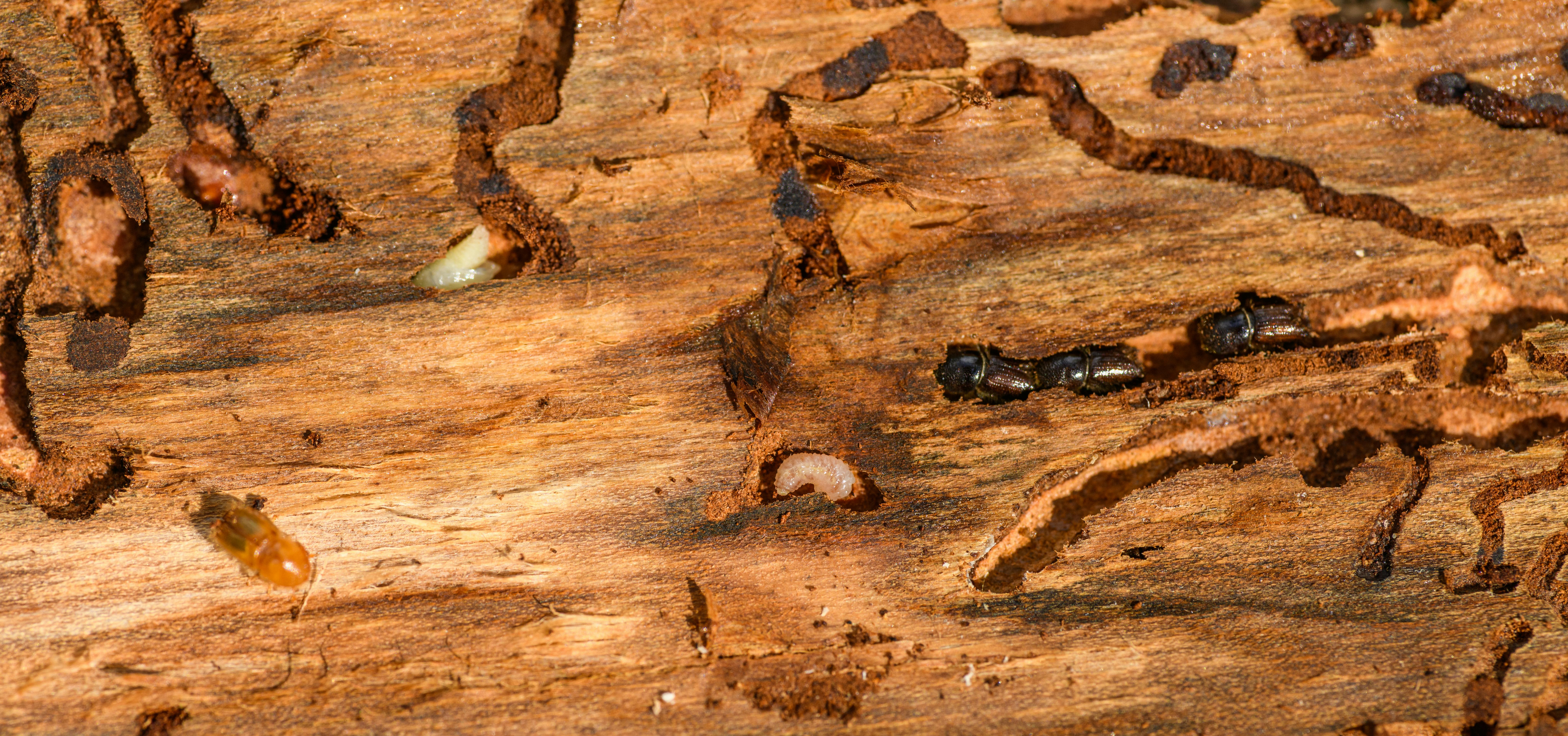
In Vinings, a single termite infestation can drain a homeowner’s savings fast. Nationwide, the average repair bill for termite damage ranges from $5,000 to $10,000. Those numbers aren’t abstract—they represent costly foundation repairs, replacement of compromised framing, and the loss of valuable home equity.
Vinings sits in a humid subtropical zone where warm, moist soils linger beneath the surface for most of the year. Subterranean termites thrive in exactly those conditions, marching through the soil and silently gnawing at wooden supports. The combination of high humidity, frequent rain, and mild winters creates a near‑perfect breeding ground that can turn a hidden colony into a structural nightmare within months.
The threat isn’t just local. According to the U.S. Environmental Protection Agency, termites are responsible for roughly $5 billion in property damage across the United States each year. That staggering figure underscores why proactive protection isn’t a luxury—it’s a financial safeguard.
Understanding the risk is the first step. This guide will walk you through everything you need to know:
- Species Identification: Learn which termite types are most common in Vinings.
- Detection Methods: Spot the subtle signs before they become costly.
- Treatment Options: Compare chemical barriers, baiting systems, and eco‑friendly alternatives.
- Local Expertise: Why choosing a Vinings‑based professional matters.
- Seasonal Timing: When to schedule inspections and treatments for maximum effectiveness.
- FAQs: Answers to the most pressing homeowner questions.
- Next Steps: How to act now and protect your investment.
By staying informed and acting early, Vinings homeowners can avoid the financial shock of termite damage and keep their homes safe, sound, and comfortable for years to come.
The Subterranean Termite: Vinings’ Most Common Invader
In Vinings, the most troublesome termite is the Eastern subterranean species, Reticulitermes flavipes. A single colony can house anywhere from 10,000 to 100,000 workers, all coordinated by a single queen whose sole job is to lay eggs. The queen can produce thousands of eggs each day, allowing the colony to expand rapidly when food and moisture are abundant.
These termites stay underground, traveling through a network of mud tubes that protect them from predators and desiccation. The tubes act like highways, leading workers from the nest to any cellulose source—wood framing, floor joists, or even paper products—while keeping the insects hidden from the homeowner’s eye. As they feed, they chew the wood from the inside out, leaving a thin veneer that often looks perfectly sound until the damage is extensive.
Vinings sits in USDA Hardiness Zone 7b, a climate that provides the warm temperatures (around 75 °F) and consistent moisture levels that R. flavipes loves. Soil that stays damp for weeks after a rainstorm creates the perfect tunnel conditions, and the region’s mild winters rarely push the colony into dormancy. This combination makes the suburb a hotspot for subterranean activity.
Nationally, the Southeast accounts for roughly 70% of all termite reports in the United States, according to the NPMA 2023 Cost Survey. That statistic underscores why homeowners in Vinings should stay vigilant—our local climate mirrors the ideal habitat for these pests.
Case Study: A 2,500‑sq‑ft home in Vinings endured a three‑year R. flavipes infestation that went undetected until a homeowner noticed a faint, musty odor and a few dead wings near a cracked joist. By the time a professional inspection confirmed the problem, the termites had compromised multiple support beams, leading to $8,200 in structural repairs. Early detection could have saved thousands and prevented the extensive damage.
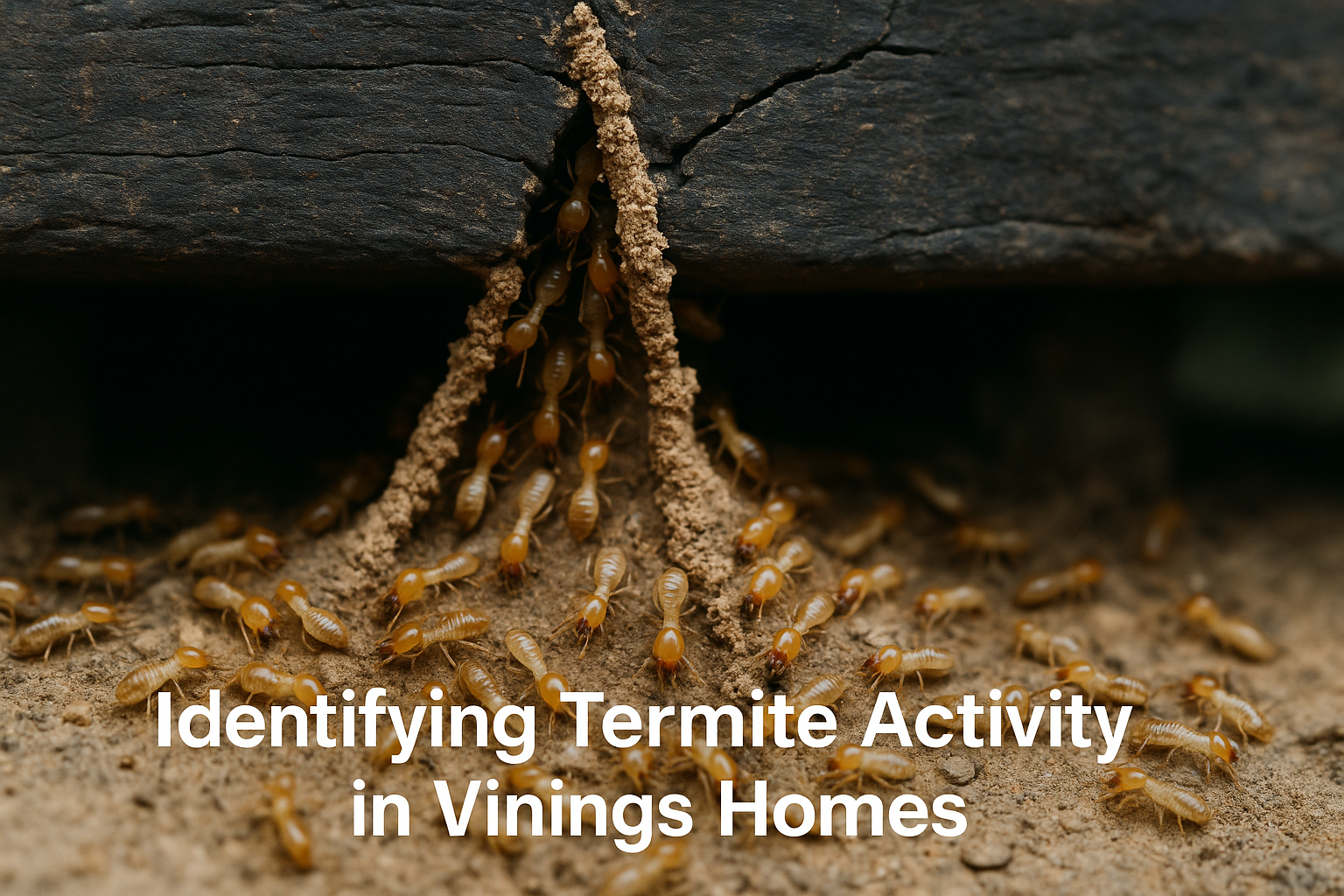
Spotting a swarm is often the first visual cue that a subterranean colony is nearby. Swarms typically appear in late spring or early summer, when winged alates leave the nest to start new colonies. If you see a cloud of tiny, brownish insects around a window, door, or a fresh crack in your foundation, it’s a clear sign that R. flavipes is on the move.
Understanding the biology, behavior, and local conditions that favor the Eastern subterranean termite equips you to act before the damage becomes costly. At Anthem Pest Control, we combine this knowledge with targeted treatments to protect Vinings homes from the most common invader lurking beneath the surface.
Spotting the Signs Before Damage Becomes Costly
Termites work in silence, but they leave a trail of clues that any attentive homeowner can spot. By learning to recognize these early warnings, you can call in a professional before the infestation eats through structural wood and drives up repair bills.
Five visual indicators to watch for
- Mud tubes – Silky, tunnel‑like tubes running up foundations, along walls, or on wooden decks. They protect termites from predators and keep the colony moist.
- Hollow‑sounding wood – When you tap a piece of wood and it sounds like a drum rather than a solid block, termites may have hollowed it out from the inside.
- Discarded wings – Swarms shed their wings near light sources. A pile of delicate, papery wings on a window sill often signals a new colony establishing itself.
- Fine, sand‑like frass pellets – Dry, pellet‑shaped droppings resembling sand or sawdust accumulate near active tunnels.
- Swelling or cracking in concrete foundations – Moisture from termite activity can cause concrete to expand, crack, or develop small bulges.
Printable “Early Termite Detection” checklist
We’ve compiled a one‑page PDF you can print, laminate, and keep in your home maintenance binder. The checklist walks you through each visual cue, includes a simple rating scale, and offers a quick phone number for Anthem Pest Control. Download the printable checklist here.
“Homeowners should conduct regular indoor pest inspections, focusing on moisture‑prone areas, wood-to‑soil contact, and any signs of insect activity, and promptly address any findings.” – CDC, Indoor Pest Inspection Guidance
Real‑world example from Vinings Village
When Sarah Miller noticed a network of mud tubes creeping up the wooden railing of her backyard deck, she remembered the checklist and called Anthem Pest Control. Our technician confirmed an active subterranean colony and treated the area before the termites reached the house’s support beams. The early intervention saved her an estimated $7,500 in foundation repairs.
Keep this checklist handy, scan your property each season, and act fast when you see any of the signs above. Early detection is the most affordable defense against costly termite damage.
From Liquid Barriers to Bait Systems: Choosing the Right Solution
Liquid Termiticides
Liquid termiticides are applied directly into the soil surrounding a home, creating an invisible chemical shield that termites cannot cross. The most common methods are:
- Soil trenching – a technician digs narrow trenches around the foundation and injects the product into the soil.
- Post‑installation spray – a foam or liquid is sprayed into pre‑drilled holes after the initial trenching, ensuring coverage behind concrete slabs and around utility penetrations.
The U.S. Environmental Protection Agency reports a 99% success rate for properly installed liquid barriers when they’re maintained according to label directions. Safety is a priority: technicians wear protective gear, and homeowners are advised to observe a re‑entry interval of 24–48 hours. Pets and children should stay off treated zones until the product has fully cured, usually a few days.
In Vinings, a full‑home liquid treatment typically runs between $1,200 and $2,200 per application, depending on square footage and soil conditions. This upfront cost often pays off because the barrier can protect a property for up to five years with minimal maintenance.
Bait Stations
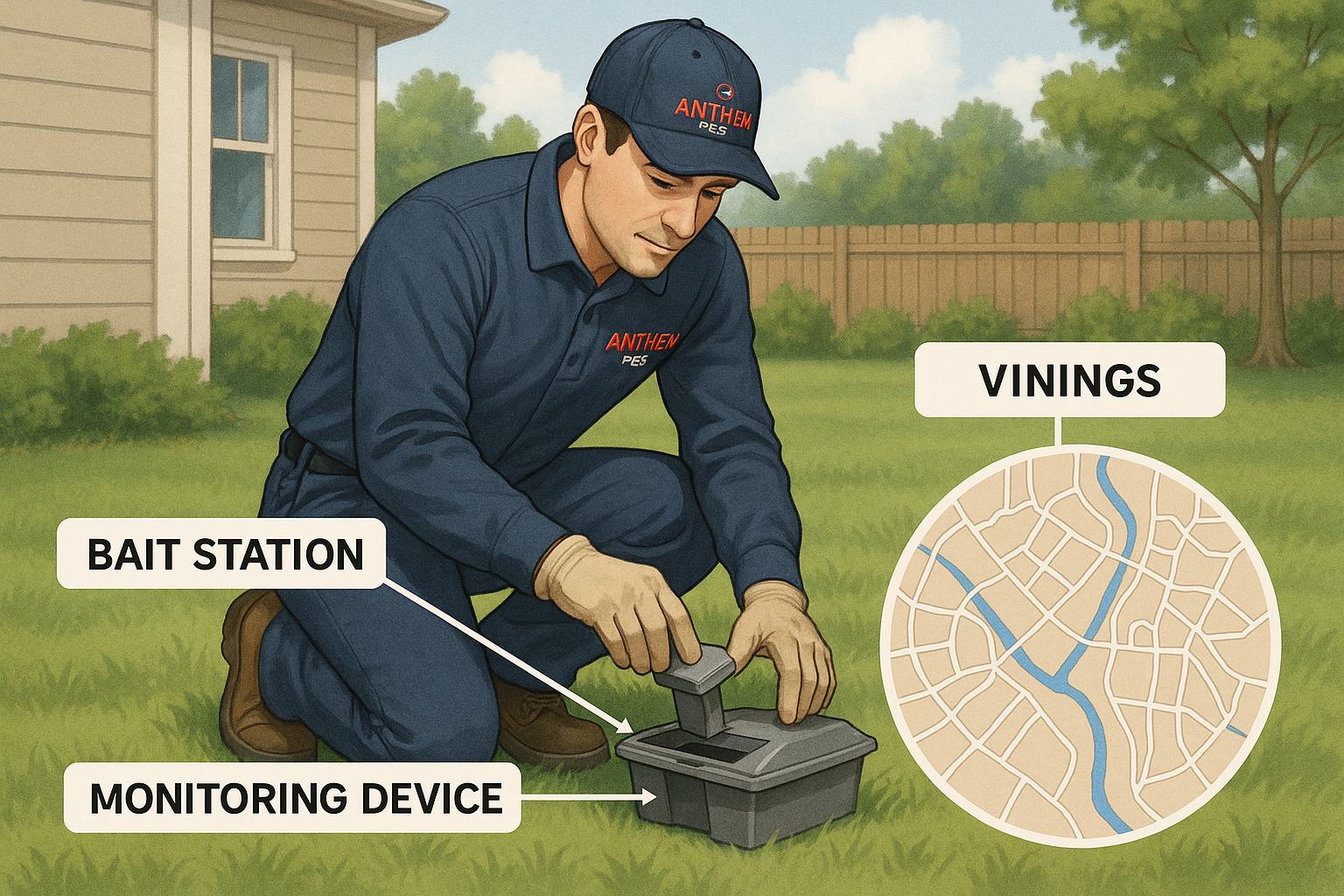
Bait stations work on a completely different principle: they attract foraging termites, allow them to feed on a slow‑acting wood‑based insecticide, and then spread that toxin back to the colony. The system includes a “sentinel wood” piece that changes color when termites have consumed enough bait to trigger a kill.
Typical installation patterns involve 4‑6 stations per acre, strategically placed near the foundation, along retaining walls, and in landscaped beds where moisture accumulates. Once set, the stations are checked monthly; if the sentinel wood shows activity, the technician replaces the bait and continues monitoring.
Because the bait is continuously refreshed, homeowners enjoy long‑term protection without repeated chemical applications. Most service contracts bundle a 12‑month monitoring program, making baiting a cost‑effective choice for those who prefer ongoing oversight.
Pricing for a standard Vinings residence ranges from $1,500 to $2,500, covering installation and the first year of monitoring. After the initial year, annual service fees are typically lower, reflecting only the cost of bait replacement and inspection.
Fumigation (Whole‑House Tent)
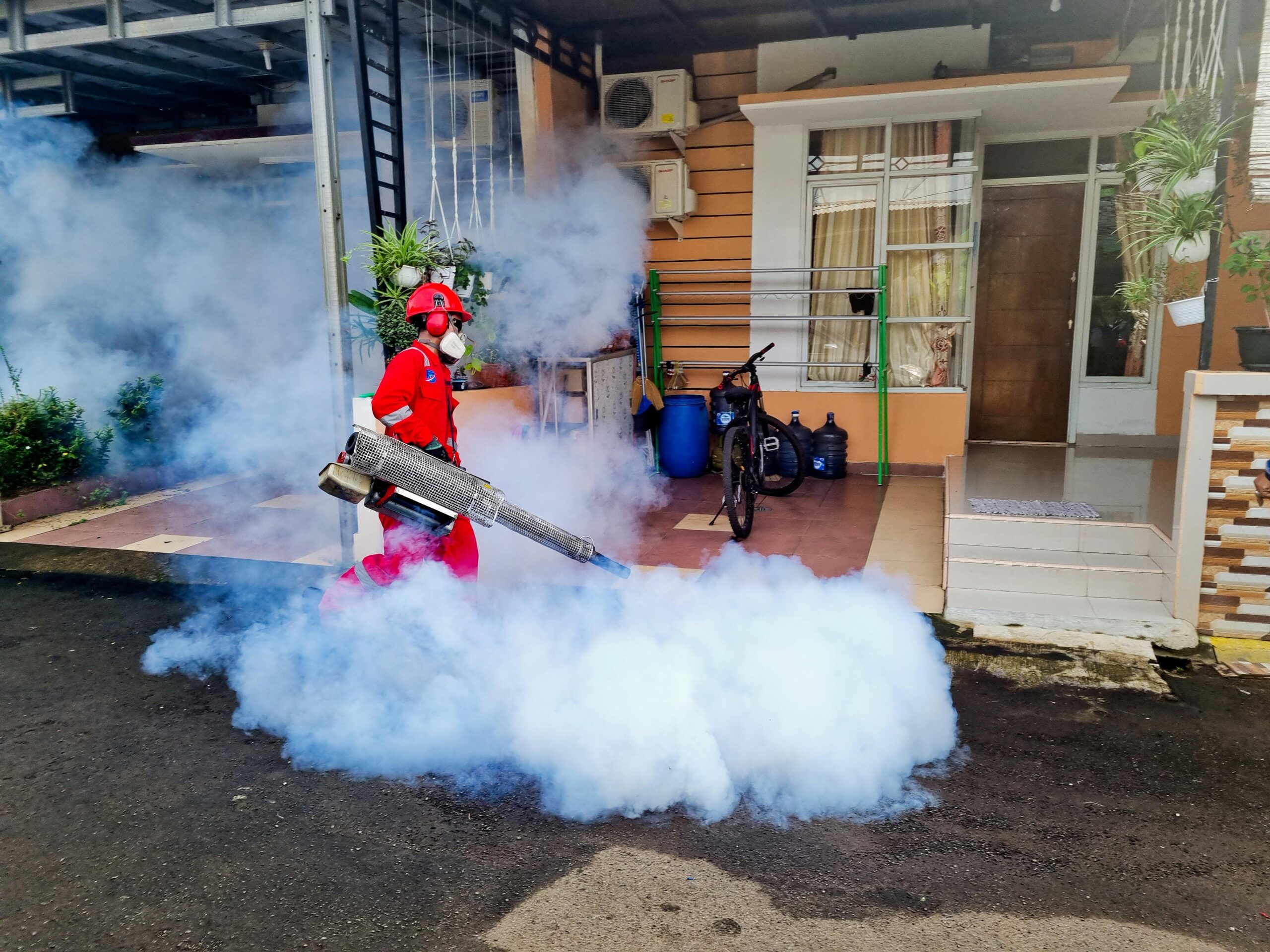
Fumigation is the most aggressive option and involves sealing an entire home inside a gas‑tight tent and releasing sulfuryl fluoride, a colorless gas that penetrates wood, furniture, and structural components. The gas remains inside for 24–48 hours, killing termites at all life stages.
This method is reserved for severe, widespread infestations or when structural wood cannot be protected by barriers or baiting—such as when termites have already compromised load‑bearing beams. Because the gas is lethal to humans and pets, residents must vacate the property for the duration of the treatment and for an additional clearance period while the home is ventilated.
Fumigation is the most expensive of the three options, with typical costs in Vinings ranging from $3,000 to $5,000 for a single‑family home. The price reflects the specialized equipment, professional licensing, and the logistical effort of coordinating temporary relocation.
How to Choose the Best Solution for Your Home
When deciding which method fits your situation, consider three key factors:
- Extent of infestation – If termites are just beginning to explore your foundation, a liquid barrier or bait system will usually suffice. For established colonies that have already damaged structural wood, fumigation may be the only reliable cure.
- Safety and lifestyle – Liquid termiticides require a short re‑entry window and minimal disruption, while bait stations involve routine inspections but no chemical exposure inside the home. Fumigation demands a full evacuation and can be stressful for families with pets or limited temporary housing options.
- Budget and long‑term value – Liquid barriers have a higher upfront cost but can protect for years. Bait stations spread the expense over time with lower annual fees. Fumigation, though costly, eliminates the need for future barrier or bait maintenance if the infestation is truly eradicated.
Regional pricing data from the NPMA 2023 pricing survey aligns with the ranges listed above, confirming that Vinings homeowners can expect competitive rates from reputable providers like Anthem Pest Control.
Ultimately, the right choice hinges on the severity of the problem, your tolerance for disruption, and how you balance immediate expense against ongoing protection. A qualified technician can perform a thorough inspection, discuss these variables, and recommend a tailored plan that safeguards your home while respecting your budget and peace of mind.
Why Vinings Homeowners Trust Anthem Pest
For more than 15 years, Anthem Pest has been a fixture in the Atlanta metro area, and Vinings has its own dedicated service team that knows the neighborhood’s homes, soils, and construction styles inside and out. That longevity isn’t just a number; it reflects a track record of keeping families safe from hidden termites and other pests year after year.
Every treatment we apply is backed by EPA‑registered products, and our technicians follow the strict guidelines set by the Georgia Pest Control Association (GPCA). This dual commitment to safety and efficacy means homeowners receive results without compromising the health of their families, pets, or the environment.
Termite activity doesn’t wait for business hours, and neither do we. Our 24/7 emergency response team is ready to mobilize within the hour of a call, delivering rapid inspections and immediate treatment plans for sudden infestations that could otherwise cause costly structural damage.
Our local credentials speak for themselves: Anthem Pest is a proud GPCA member, holds all required Georgia state licenses, and invests in ongoing technician training that includes the latest termite detection technologies and integrated pest management strategies. This continuous education ensures each technician can spot hidden signs—like subtle mud tubes or faint wood damage—before they become major problems.
Customer satisfaction drives every decision we make. In Vinings, our clients consistently rate us 5‑stars for professionalism, thoroughness, and transparent pricing, and many become repeat customers who refer neighbors after seeing the lasting results of our termite programs.
Key Benefits for Vinings Homeowners
- EPA‑registered, low‑toxicity formulations that protect families and pets.
- GPCA‑aligned protocols guaranteeing state‑level compliance and best‑practice standards.
- 24/7 emergency dispatch delivering on‑site evaluation within 60 minutes.
- Fully licensed Georgia pest professionals with annual certification renewals.
- Ongoing technician education on the newest termite detection tools and treatment methods.
“The team identified hidden mud tubes in our crawlspace within 30 minutes and gave us a clear action plan.” – Vinings homeowner
Ready to protect your home? Call Anthem Pest today at 877‑371‑8196 or visit anthempest.com to schedule your free, no‑obligation inspection.
Best Times to Inspect and Treat in Vinings
Understanding when termites are most active lets you stay one step ahead of the damage they can cause. In Vinings, the key is to align inspections and preventive treatments with the insects’ natural foraging cycles and the local climate patterns that make the environment inviting for them.
Termite Foraging Cycles
Subterranean termites in Georgia typically ramp up their foraging activity during two distinct periods: the spring surge from March to May and a secondary push in early fall, roughly September to October. During these windows, colonies send out more workers to search for food, increasing the likelihood that they’ll encounter the wooden components of your home.
Vinings Climate & Moisture
USDA climate data for Vinings shows peak precipitation in March and October, creating the moist soil conditions termites love. When the ground stays damp, tunnels remain stable and the colony can expand its reach beneath your foundation. You can review the detailed climate records here: NOAA Climate Data.
Five Preventative Actions
By tackling moisture and wood exposure during the high‑risk windows, you dramatically lower the chance of an infestation.
- Reduce direct wood‑to‑soil contact. Install concrete pads or gravel bases beneath decks, porches, and any exterior wood that touches the ground.
- Repair leaky gutters, downspouts, and foundation cracks. Water that pools near the foundation keeps the soil saturated, inviting termites to build mud tubes.
- Keep mulch at least 12 inches away from the foundation. Mulch retains moisture; a gap forces termites to travel farther before reaching your home’s structure.
- Schedule annual professional inspections. Aim for early spring (March‑April) and again in early fall (September) to catch activity before it escalates.
- Install and maintain bait stations. Bait systems provide continuous monitoring and can intercept colonies before they breach your home’s perimeter.
FAQ – Quick Answers for Vinings Homeowners
How long does a treatment last?
Liquid termiticides form a continuous barrier in the soil that typically stays effective for three to five years. Longevity depends on soil type, moisture levels, and foot traffic that might disturb the barrier. Bait stations operate differently: they need yearly inspections, and the bait matrix is refreshed only when monitoring indicates reduced termite activity. By keeping an eye on station data and re‑baiting as needed, homeowners can maintain protection well beyond the initial installation.
Source: EPA safety data sheet for termiticides.
Are the chemicals safe for pets?
EPA‑registered termiticides are applied exclusively to the exterior soil, never to interior living spaces. After the product cures—usually within 24 to 48 hours—the chemicals become chemically inert, posing minimal risk to pets that walk on the treated ground. The EPA label requires a short waiting period before allowing normal foot traffic, and it explicitly states that the cured barrier is safe for animals when used as directed. As long as owners respect the post‑treatment waiting time, pets can safely resume their usual outdoor activities.
Source: EPA termiticide safety guidelines.
What warranty does Anthem offer?
Anthem backs its liquid‑barrier applications with a five‑year guarantee that covers a full re‑treatment if termites are detected again within that timeframe. For bait‑station systems, the company provides a two‑year warranty, which includes quarterly monitoring visits, any necessary re‑baiting, and a repeat treatment should activity reappear. Both warranties exclude damage caused by structural alterations or extreme moisture conditions, but they give Vinings homeowners confidence that any resurgence will be addressed promptly at no extra cost.
Source: Anthem Pest service agreement (internal documentation).
Secure Your Home with Professional Termite Protection
Early detection is your biggest financial ally—spotting termites before they spread can save you thousands in repair costs. Choosing the right treatment—whether a liquid barrier, a baiting system, or a full‑house fumigation—depends on your home’s construction, landscaping, and infestation level. That’s why a thorough, locally‑knowledgeable inspection is essential; it tells you exactly which solution fits your situation and sets up a prevention plan that keeps termites at bay year after year.
Why Anthem Pest Stands Out
- Transparent pricing: No hidden fees, just a clear, upfront quote.
- EPA‑registered products: Safe for your family and pets while delivering proven termite control.
- 15‑year track record in Vinings: Decades of trusted service mean our technicians know the local termite pressures better than anyone.
When you partner with Anthem Pest, you’re not just getting a treatment—you’re gaining a long‑term partner in home protection. Our technicians perform detailed inspections, recommend the most effective method for your property, and schedule regular follow‑ups to ensure the barrier stays intact.
Ready for peace of mind? Contact Anthem Pest today for a free, no‑obligation inspection and a clear, upfront quote.
Call us at 877‑371‑8196 or visit Anthem Pest Control to schedule your inspection.