Tick Threats Rising in Georgia – Why Homeowners Need a Plan

Georgia’s warm, humid climate has turned the state into a hotspot for ticks, and the numbers are climbing fast. In 2023, the CDC recorded a 27% increase in reported tick-borne illnesses statewide, with Lyme disease and Rocky Mountain spotted fever leading the surge highlighting the importance of professional tick control Smyrna to protect your home and family.
Those statistics aren’t just abstract numbers they translate into real risk for families enjoying backyards, hiking trails, or even a quick walk to the mailbox. A single bite can deliver pathogens that cause fever, joint pain, or more severe complications if left untreated.
That’s where Anthem Pest steps in. Our Smyrna service hub has been protecting neighborhoods for over a decade, and we’re known for transparent pricing and a proactive approach that targets ticks before they become a health issue.
This guide will give you the tools you need to stay ahead of the threat. We’ll break down typical cost estimates for professional tick treatments, compare them with DIY alternatives, and share seasonal tips that make prevention easier—from spring lawn care to fall yard clean‑up.
Without a structured plan, tick populations can rebound quickly after a single treatment, leaving you vulnerable each season. Anthem Pest’s integrated approach combines perimeter barriers, targeted larvicide applications, and ongoing monitoring, ensuring the problem stays under control while you enjoy your outdoor spaces.
By the end of the article you’ll understand the local tick landscape, know exactly what to expect from a professional service, and have a clear action plan to keep your home and family safe year‑round. Let’s dive deeper into the specific species roaming Smyrna and the best times to act.
What Makes Ticks a Growing Threat in Smyrna
Key Tick Species in the Area
In Smyrna, three tick species dominate the landscape: the American dog tick (Dermacentor variabilis), the Lone Star tick (Amblyomma americanum), and the Blacklegged or deer tick (Ixodes scapularis). Each brings its own set of health risks, from Rocky Mountain spotted fever to Lyme disease, and they thrive in slightly different micro‑habitats around our neighborhoods.
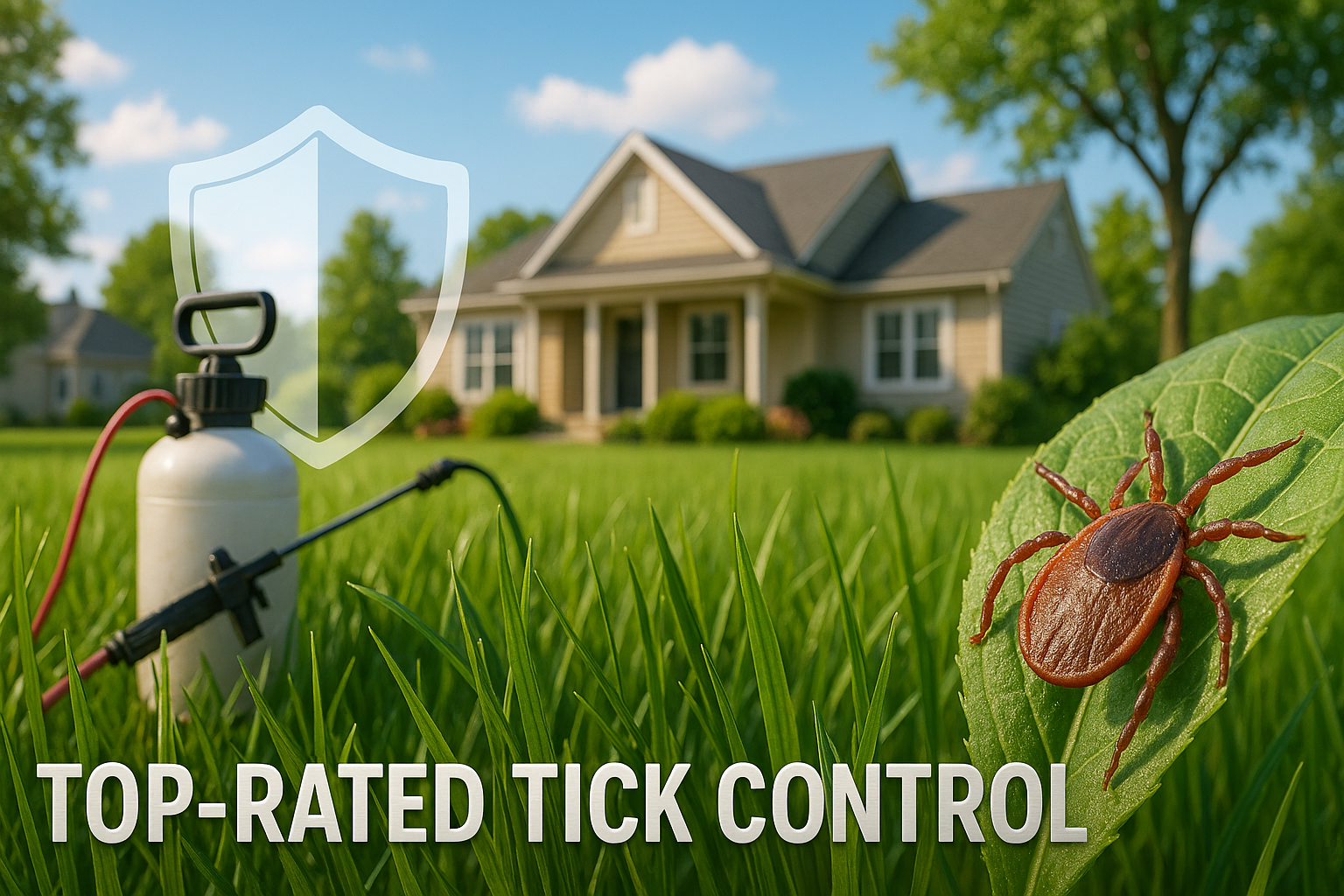
The American dog tick is easily recognized by its reddish‑brown body and white‑marked scutum. It is the primary vector for Rocky Mountain spotted fever and can also transmit tularemia. The Lone Star tick gets its name from the single white spot on the female’s back; it spreads ehrlichiosis and the emerging Alpha‑gal allergy that causes red meat reactions. The Blacklegged tick, the smallest of the trio, is notorious for transmitting Borrelia burgdorferi, the bacterium that causes Lyme disease, as well as anaplasmosis and babesiosis.
CDC‑Reported Illnesses Highlight the Risk
According to the Centers for Disease Control and Prevention, Georgia recorded 1,284 confirmed cases of Lyme disease and 3,112 cases of other tick‑borne illnesses in 2023. While Smyrna’s exact numbers aren’t broken out, the state‑wide surge translates into a higher probability that local residents will encounter an infected tick during outdoor activities.
For verification, see the CDC’s tick‑borne disease surveillance page.
Neighborhoods with the Highest Tick Activity
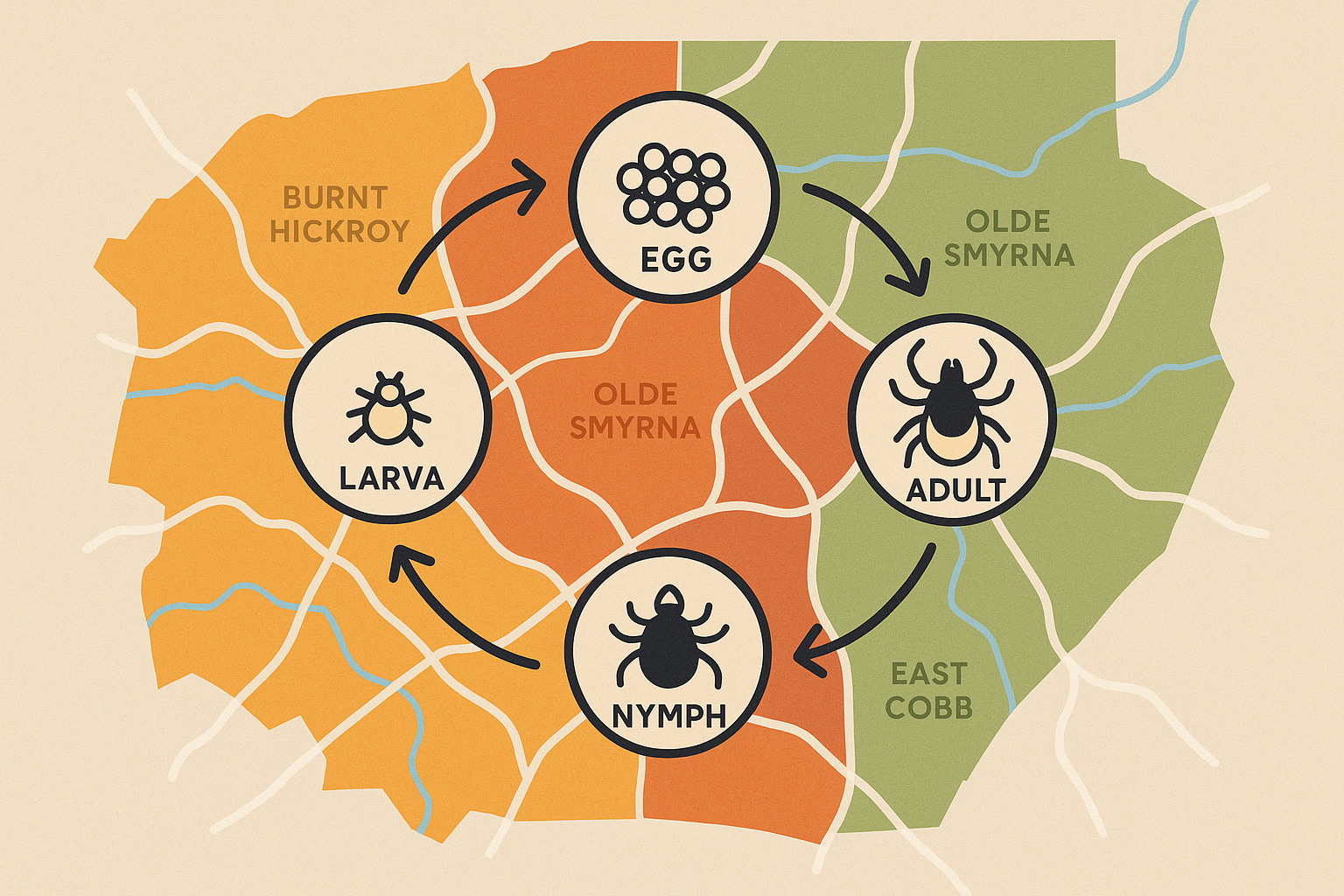
The map‑style infographic above pinpoints three hot spots: Burnt Hickory, East Cobb, and Olde Smyrna. These zones share dense underbrush, frequent wildlife traffic, and well‑watered lawns perfect conditions for tick populations to flourish.
Preferred Habitats and Seasonal Peaks
- American dog tick: Often found in tall grass and leaf litter near dog runs. Activity peaks late spring through early summer.
- Lone Star tick: Prefers wooded edges and shrubbery, especially where deer or white‑tailed deer roam. Its numbers surge from May to September.
- Blacklegged (deer) tick: Thrives in moist, shaded woods and forest floor debris. The highest risk period runs from October to May, aligning with the tick’s quest for a host.
Warmer winters and longer humid periods have extended the active window for all three species, allowing them to reproduce earlier and survive later into the fall. Suburban development in Smyrna creates fragmented woodlands that bring deer and small mammals right onto residential yards, providing a steady host supply.
Because each tick follows a distinct seasonal rhythm, homeowners should time their inspections. In late April‑June, trim grass below six inches and check pets for the American dog tick. From May‑September, focus on Lone Star tick habitats, and in October‑November, sweep leaf piles to catch Blacklegged ticks.
Spotting Ticks Early and Preventing Infestations
What to Look for on Skin and Fur
Adult ticks are about the size of a sesame seed and turn a deep brown or black when engorged. Nymphs are much smaller—often mistaken for a speck of dust—while larvae (the “seed” stage) are barely visible to the naked eye. On people, ticks typically attach in warm, hidden spots such as the scalp, behind the ears, under the arms, and around the waistline. On pets, check the ears, neck, between the toes, and under the tail. Prompt removal within 24 hours reduces the chance of disease transmission.
Landscaping Checklist to Keep Ticks at Bay
Tick populations thrive in moist, shady micro‑habitats. Follow this simple yard‑maintenance routine:
- Mow grass to ≤ 3 inches regularly; short grass dries faster and discourages questing ticks.
- Trim shrubs and low‑lying branches to increase sunlight penetration.
- Rake or compost leaf litter and remove accumulated debris where humidity stays high.
- Create a 3‑foot barrier of stone, wood chips, or mulch around play areas, patios, and pet zones to interrupt tick migration.
- Keep firewood stacks elevated and away from the house to eliminate shelter.
Tick‑Repellent Plants You Can Grow
Several aromatic herbs and flowers emit natural oils that repel ticks. Plant them strategically:
- Lavender – border walkways and garden beds.
- Rosemary – intermix with vegetable gardens or container pots.
- Marigold – line the edges of lawns and near outdoor seating.
- Catnip (Nepeta cataria) – plant in sunny spots; it’s a proven tick deterrent.
- Mint – use in pots to avoid invasiveness; place near doorways.
EPA‑Backed Integrated Pest Management (IPM) for Ticks
The EPA recommends an IPM approach that blends cultural, mechanical, and chemical tactics while minimizing environmental impact. Core steps include:
- Regular habitat modification (the checklist above).
- Targeted application of low‑toxicity acaricides only where tick activity is confirmed.
- Monitoring with tick drag cloths or pet inspections to gauge effectiveness.
- Public education and personal protection measures.
For a deeper dive into EPA’s IPM framework, visit the EPA IPM page.
Case Study: East Cobb Homeowner Cuts Tick Sightings by 60 %
When the Johnson family moved into a 0.5‑acre lot in East Cobb, they reported frequent tick encounters on their children and dog. After a professional assessment, they adopted the landscaping checklist and planted lavender and marigold along the backyard perimeter. Within three months, they saw a 60 % drop in tick sightings, and no new bites were reported. The family now schedules an annual tick‑prevention service with Anthem Pest Control to maintain the gains.
By learning the visual cues, keeping the yard tidy, using repellent plants, and following EPA‑approved IPM steps, homeowners can dramatically reduce the risk of tick infestations before they become a health concern.
Effective Professional Treatments Offered by Anthem Pest
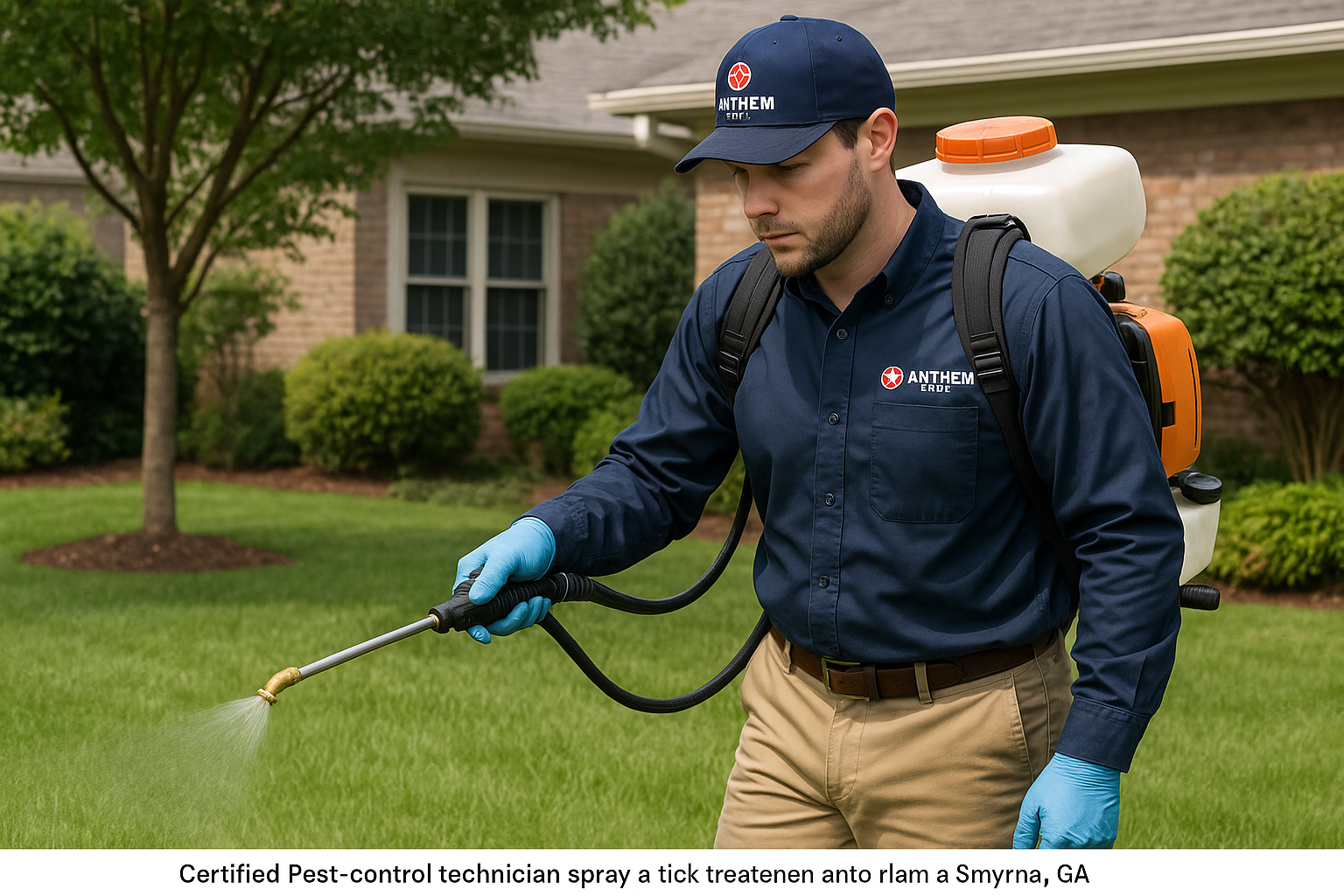
1. Perimeter Spray – Full‑Property Shield
Anthem Pest’s perimeter spray creates a protective barrier around the entire home using EPA‑registered synthetic pyrethroids. One treatment covers up to 5,000 sq ft, reaching the foundation, sidewalks, driveways, and the outer edge of lawns. The formulation is designed to stay active for 4–6 weeks, killing ticks on contact while remaining safe for children and pets when applied according to label directions. Technicians wear protective gear and follow strict re‑entry intervals, ensuring no residue buildup that could affect indoor air quality.
2. Targeted Spot‑Treatment – High‑Risk Zones
For homeowners with specific trouble spots—such as vegetable garden beds, pet‑run areas, shaded corners, or woodpiles—Anthem Pest offers a focused spot‑treatment. Using a low‑drift nozzle, the technician applies a micro‑dose of the same pyrethroid blend directly onto the problem area, concentrating the insecticide where ticks are most likely to quest. This method reduces overall chemical use while delivering rapid knock‑down. Safety notes emphasize removing food, toys, and pet accessories before treatment and allowing a 30‑minute dry time before re‑occupation.
3. Yard Granule Program – Pet‑Safe Long‑Term Defense
The granule program distributes pet-safe, biodegradable granules across the lawn and landscaped zones, forming an essential part of professional tick control Smyrna. Granules release a controlled amount of active ingredient over 8–10 weeks, providing continuous protection against nymph and adult ticks. Because the formulation is low-toxicity, it can be applied around dogs, cats, and wildlife without compromising their health. Anthem Pest schedules an annual renewal each spring, syncing the granule spread with the perimeter spray for a layered defense that lasts the entire tick season.
Treatment Calendar – When We Come Around
- Early March (Pre‑season): Initial perimeter spray to establish the first barrier before ticks emerge.
- June (Mid‑season Boost): Spot‑treatment of newly identified hot spots and a second perimeter application to maintain efficacy.
- Optional Fall Follow‑up (Late October): Granule program or a light spray to reduce overwintering tick populations.
Transparent Pricing for Smyrna Homeowners
| Service | Price Range | Typical Frequency |
|---|---|---|
| Perimeter Spray | $120 – $180 per treatment | 2 × yearly (pre‑season & mid‑season) |
| Spot‑Treatment | $80 – $130 per hour | As needed, usually 1‑2 hours per visit |
| Granule Program | $150 – $220 annually | One comprehensive application each spring |
Why Choose a Professional Over DIY?
DIY tick sprays often miss hidden entry points, leading to uneven coverage and a false sense of security. Anthem Pest’s licensed technicians guarantee uniform application, strict adherence to EPA label rates, and compliance with NPMA best practices. Every service includes a warranty that protects you against re‑infestation within the treatment window—something a home‑store product simply cannot promise. By investing in a professional program, Smyrna homeowners gain a scientifically backed, legally compliant shield that protects families, pets, and outdoor recreation spaces.
When to Treat – Seasonal Calendar for Tick Control
Tick activity in Smyrna follows a predictable rhythm, and a proactive calendar lets you stay one step ahead of the insects before they become a nuisance. By tackling the perimeter, pet areas, and shaded spots at the right time, you dramatically cut the May‑July surge that most homeowners dread.
March – Initial perimeter spray and yard clean‑up
Start the season with a professional perimeter application around the home’s foundation, driveway, and any fence lines. Follow the spray with a thorough yard clean‑up: remove leaf litter, trim tall grasses, and stack firewood away from the house. This removes the first generation of overwintering ticks and creates a less inviting habitat.
April – Inspect pet bedding and spot‑treat shaded areas
Pets are the most common carriers of ticks. Check all dog and cat beds, crates, and outdoor shelters for attached ticks, and wash fabrics in hot water. In the yard, apply a targeted spot‑treatment to shaded, humid zones where ticks love to hide—under decks, garden beds, and the base of trees.
May – Second perimeter application; begin granule program
By early May, adult ticks are emerging. A second perimeter spray reinforces the barrier established in March. At the same time, start a granular treatment that you can spread along walkways and planting beds; granules provide longer‑lasting protection as the soil warms.
June – Mid‑season follow‑up spray; monitor for nymph activity
June brings the first wave of nymphs, the stage most likely to bite humans. Schedule a mid‑season spray focused on low‑lying vegetation and lawn edges. Use a tick‑monitoring flag or sticky trap in high‑traffic areas to gauge nymph density and adjust treatment intensity if needed.
July – Peak tick activity; reinforce barriers and conduct spot checks
July is the height of the tick season. Reinforce existing barriers with a light booster spray, especially around play equipment, patios, and pet run‑ins. Perform quick visual spot checks on your lawn and pet zones daily; early removal of any ticks prevents them from reproducing.
August – Final post‑season inspection; plan for next year’s schedule
As temperatures begin to dip, conduct a thorough post‑season inspection. Remove any remaining leaf litter, treat lingering hot spots, and record which areas required extra attention. Use this data to fine‑tune next year’s calendar, ensuring you start even earlier if the previous season showed a heavy load.
Quick‑Reference Treatment Calendar
| Month | Action | Responsible Party |
|---|---|---|
| March | Perimeter spray + yard clean‑up | Anthem Pest + homeowner |
| April | Pet bedding inspection; spot‑treat shaded zones | Homeowner |
| May | Second perimeter spray; start granule program | Anthem Pest |
| June | Mid‑season spray; monitor nymphs | Anthem Pest + homeowner |
| July | Booster spray; daily spot checks | Homeowner |
| August | Post‑season inspection; plan next year | Homeowner + Anthem Pest |
Is Professional Tick Control Worth the Investment?
When a tick season rolls around in Smyrna, many homeowners weigh the price of do-it-yourself kits against professional tick control Smyrna services. While a DIY approach can look cheap at first glance, the hidden costs of missed treatments and potential medical bills often tip the scale. Let’s break down the numbers over a two-year horizon.
DIY tick control typically involves buying a combination of spray cans, granular treatments, and protective gear such as gloves and masks. In Georgia, a homeowner might spend roughly $120 on a 1‑gallon spray, $80 on a 50‑lb bag of granules, and $30–$70 on disposable gear each season. That adds up to about $200‑$300 per year, or $400‑$600 over two years.
Anthem Pest’s full‑service tick program includes a pre‑season inspection, targeted perimeter treatments, and a follow‑up visit to address any missed hotspots. Based on regional pricing, most Smyrna households pay between $300 and $400 annually for this comprehensive package. Over two years the outlay ranges from $600 to $800, but it bundles equipment, labor, and ongoing monitoring into one predictable bill.
The Centers for Disease Control and Prevention (CDC) reports that the average medical expense for a tick‑borne disease case in the United States exceeds $3,000, not including lost wages or long‑term care. CDC data shows these costs can quickly outweigh the modest price difference between DIY and professional services.
The table compares two‑year costs of DIY versus professional treatment, including potential medical savings.
| Scenario | 2‑Year Cost | Potential Medical Savings | Net Benefit |
|---|---|---|---|
| DIY | $400‑$600 | $0 | –$3,000 to –$2,400 |
| Professional | $600‑$800 | $3,000 | $2,200‑$2,400 |
In a worst‑case scenario, a DIY approach could leave a family with a $3,000 bill, while a professional plan caps the out‑of‑pocket cost at roughly $800, delivering a net saving of $2,200 or more.
“After Anthem’s treatment, my family avoided multiple doctor visits and saved over $2,500 in medical costs.” – Smyrna homeowner
Beyond the dollars, professional tick control delivers peace of mind, a written warranty that guarantees re‑treatment if ticks return, and reduced exposure to over‑the‑counter chemicals for you and your pets. Those intangible perks often prove priceless during the long summer months when tick activity peaks.
FAQ – Tick Control in Smyrna
Below are the most frequently asked questions from Smyrna homeowners about tick control, along with quick, actionable answers from our certified technicians.
- Is treatment safe for children and pets? Yes, we use EPA‑registered products that are applied strictly according to label directions. All chemicals are low‑toxicity, and we also offer pet‑safe formulations that protect your yard without endangering curious cats, dogs, or kids playing outside.
- How often should I schedule re‑treatments? Most Smyrna homeowners benefit from two applications per tick season – one in early spring when nymphs emerge and a second in early summer before adults become active. If your property has dense vegetation, a wooded border, or a history of heavy tick pressure, a third “touch‑up” in late summer can keep the population below nuisance levels.
- What warranty does Anthem Pest provide? We stand behind our work with a one‑year satisfaction guarantee. If ticks reappear within twelve months of your initial service, we’ll return for a free re‑treatment and continue monitoring until the problem is resolved.
- What should I do immediately after a tick bite? First, use fine‑tipped tweezers to grasp the tick as close to the skin as possible and pull upward with steady pressure. Clean the bite area with soap and water or an antiseptic. Keep an eye on the spot for the next 30 days; seek medical advice if you notice a rash, fever, or flu‑like symptoms.
- Can I combine tick control with other pest services? Absolutely. Anthem offers bundled packages that let you protect your home from ticks, ants, mosquitoes, and rodents in a single coordinated plan. Bundling often reduces overall cost and ensures each treatment is timed for maximum effectiveness.
If you have additional concerns or want to schedule a personalized inspection, call Anthem Pest at 877‑371‑8196 or visit our website.
Protect Your Home with Anthem Pest Today
Understanding Smyrna’s tick landscape is the first line of defense. You now know the common species, how to spot early activity, the importance of treating before peak season, and why professional tick control Smyrna outperforms DIY shortcuts.
Anthem Pest’s technicians live in the neighborhoods they serve. Certified, EPA‑compliant, and trained to identify every tick life stage, they apply the exact product at the right dose, ensuring safety for children, pets, and the environment. Our low‑odor formulas stay effective while minimizing disruption to daily life.
All of our treatments meet EPA standards and are applied by technicians wearing protective gear. After application, we advise a short re‑entry period—usually 2‑4 hours—so families can resume outdoor activities safely.
Ticks peak from early spring to late fall, with the highest activity in midsummer. Treating in early spring builds a barrier before hatchlings emerge, cutting bites and saving on medical costs.
Our quotes break down each component—inspection, treatment, and follow‑up—so you know exactly where your dollars go. This clarity helps you compare options and choose the most cost‑effective plan for long‑term protection.
Transparent pricing means you see every labor and chemical cost up front—no hidden fees after the spray. We back our work with a 30‑day satisfaction guarantee: if active ticks remain, we’ll re‑treat at no extra charge, delivering real value for your investment.
Whether you need a one‑time spray or an annual protection plan, our friendly team will tailor a solution that fits your yard and budget.
Call 877‑371‑8196 for a free, no‑obligation quote or visit Anthem Pest Control to schedule online.