Introduction – Why Tick Control Matters in Vinings

Imagine the Johnsons, a typical Vinings family, returning from a sunny weekend hike at Sweetwater Creek State Park. As they unpack their backpacks, a quick skin check reveals several tiny, hard‑to‑see ticks clinging to their children’s socks. The surprise turns into a frantic search for a remedy, and the evening ends with a call to a local pest professional. This relatable moment underscores how quickly a pleasant outdoor adventure can become a health concern when ticks are in the mix.
Vinings sits in the heart of the Atlanta metro area, where humid summers, dense oak‑hickory forests, and abundant leaf litter create the perfect breeding ground for ticks. The region’s numerous parks, wooded backyards, and even well‑maintained lawns retain moisture that tick larvae love. When the temperature climbs above 50°F and humidity stays high, tick populations explode, making every backyard, patio, and dog walk a potential hotspot.
Unchecked tick infestations pose serious risks to both health and property. Ticks are vectors for Lyme disease, Rocky Mountain spotted fever, and other illnesses that can affect humans and pets alike. Beyond medical concerns, a heavy tick presence can deter outdoor gatherings, damage the enjoyment of your home’s landscape, and even lead to costly remediation if an infestation spreads unchecked. Homeowners who ignore early signs often face more extensive—and expensive—treatments later on.
In the sections that follow, we’ll break down everything you need to know to protect your Vinings home. First, we’ll explore the typical cost range for professional tick control, so you can budget with confidence. Next, we’ll compare the most effective treatment options—from targeted spot‑treatments to whole‑yard applications—highlighting the pros and cons of each. Finally, we’ll share practical prevention tips you can implement today, from yard maintenance to personal protection, ensuring ticks stay where they belong—outside your home.
Understanding Ticks in Vinings
American Dog Tick (Dermacentor variabilis)
This sturdy, brown‑gray tick is the most frequently encountered species in suburban Vinings neighborhoods. Adult females can lay up to 3,000 eggs after a single blood meal, usually from dogs, cats, or humans. They are most active from early spring through midsummer, preferring open fields, grassy lawns, and the edges of woodlands. Their bite can transmit Rocky Mountain spotted fever, so prompt removal is essential.
Lone Star Tick (Amblyomma americanum)
Identified by the single white spot on the back of adult females, the Lone Star tick has expanded its range into Georgia over the past decade. It thrives in shaded, humid environments such as forest underbrush and residential gardens. Unlike the American dog tick, Lone Star ticks are aggressive questers—they’ll climb onto passing humans or pets without waiting for a host. Their bite can cause a painful rash known as “Southern tick‑associated rash illness” (STARI) and may trigger an allergic reaction to red meat.
Blacklegged (Deer) Tick (Ixodes scapularis)
Often called the deer tick, this small, reddish‑brown arachnid is the primary vector for Lyme disease in the region. It prefers densely wooded areas with abundant leaf litter where it can hide from predators. Nymphs, which are the most likely stage to transmit Lyme disease to humans, emerge in late spring and early summer. Adult ticks are most active in the fall, feeding on deer, dogs, and occasionally people.
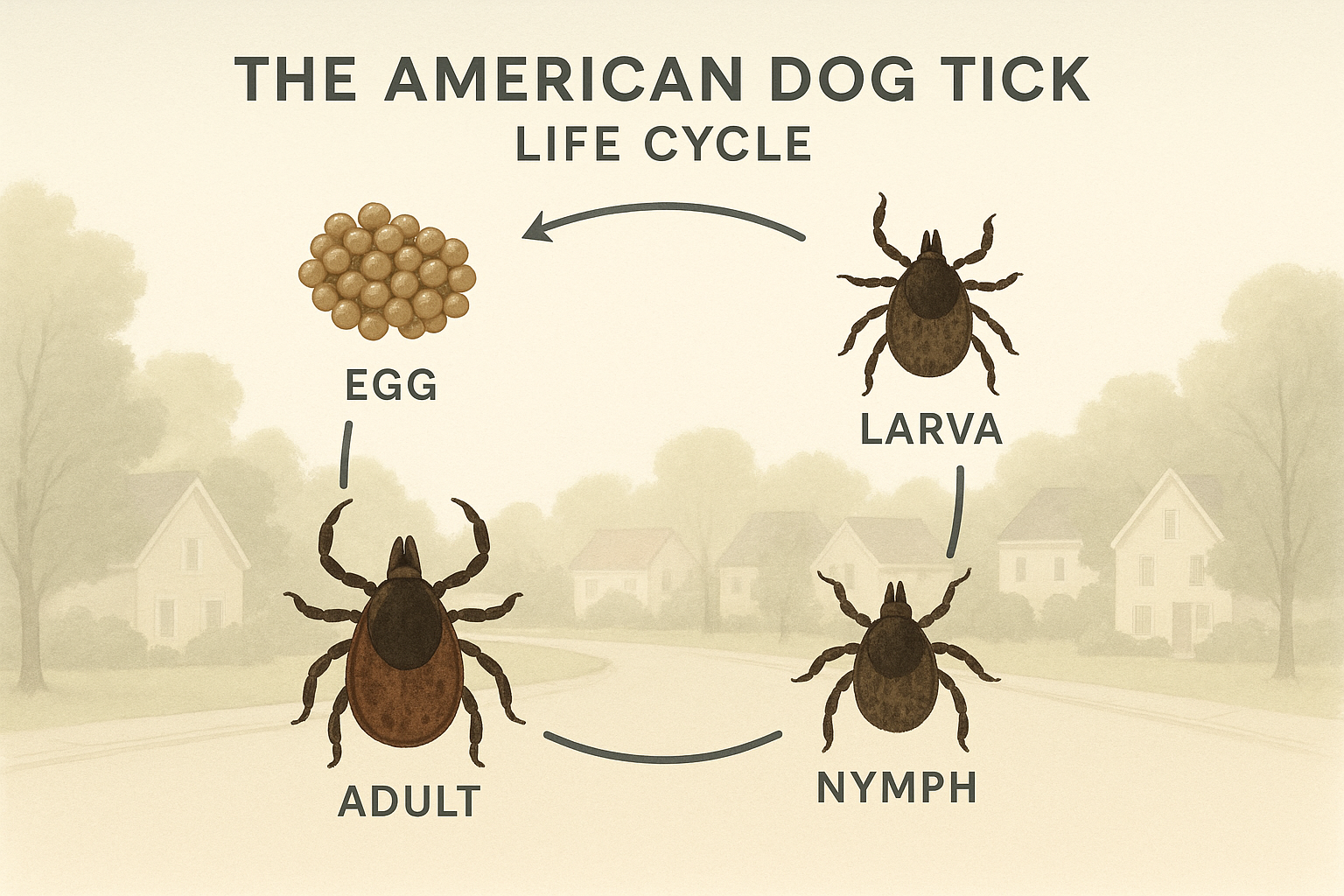
Tick Life Cycle
The tick development process is straightforward but critical to understand for effective control:
- Egg – Laid in protected, moist environments such as leaf litter; hatch into larvae within weeks.
- Larva – Six‑legged stage that seeks a small host (often a mouse or bird). After feeding, it drops off to molt.
- Nymph – Eight‑legged, more mobile stage that can attach to larger hosts, including humans. This is the stage most associated with disease transmission.
- Adult – After a final blood meal, females become engorged, drop to the ground, and lay thousands of eggs, completing the cycle.
Tick Prevalence in Vinings
According to the Georgia Department of Public Health, tick reports in Fulton County rose 18 % from 2022‑2023. The increase reflects expanding suburban habitats, milder winters, and higher awareness among residents who are reporting sightings more consistently.
Typical Habitats Around Your Home
Knowing where ticks hide helps you target prevention efforts. In Vinings, the most common hotspots include:
- Wooded areas and forest edges—especially where leaf litter accumulates.
- Park trails and nature preserves that attract deer and small mammals.
- Residential lawns that border trees or shrubs, providing shade and humidity.
- Leaf litter and mulch beds, which retain moisture and protect tick eggs.
By recognizing these species, their life stages, and the environments they favor, you can take proactive steps—such as regular yard maintenance, barrier treatments, and vigilant personal protection—to keep your family and pets safe from tick‑borne threats.
Tick‑Borne Diseases You Must Know
When a tick bites, it can do more than just leave a tiny bump—some carry bacteria that cause serious illness. In Vin‑Borough and the surrounding Georgia area, three diseases show up most often: Lyme disease, Rocky Mountain spotted fever, and ehrlichiosis. Knowing what each looks like helps you act fast, protect your family, and keep your pets healthy.
Lyme Disease
Lyme disease is transmitted by the black‑legged (deer) tick, which is now establishing a foothold in northern Georgia. If left untreated, the infection can spread from the skin to joints, the heart, and the nervous system.
- Early sign: a circular “bull’s‑eye” rash (erythema migrans) at the bite site
- Flu‑like symptoms: fever, chills, headache, fatigue
- Later complications: joint pain, facial palsy, heart rhythm problems, memory issues
Rocky Mountain Spotted Fever (RMSF)
RMSF is carried primarily by the American dog tick and the lone star tick, both common in suburban yards. The disease can progress quickly, so prompt medical attention is critical.
- High fever and severe headache
- Muscle aches and joint pain
- Rash that starts on wrists and ankles before spreading to the trunk
- Nausea, vomiting, or abdominal pain
Ehrlichiosis
Ehrlichiosis spreads through the lone star tick, which thrives in wooded and grassy areas around homes. The infection often mimics a mild flu, making it easy to overlook.
- Fever, chills, and intense fatigue
- Headache and muscle aches
- Loss of appetite, nausea, or vomiting
- Occasional rash and swollen lymph nodes
According to the CDC, there were about 30,000 confirmed Lyme cases nationwide in 2023, and Georgia ranks among the top 15 states for emerging cases. Those numbers illustrate how quickly tick‑borne threats can shift from a rural concern to a suburban reality.
Children and pets are especially vulnerable. Kids often play outdoors barefoot or with long sleeves, increasing exposure to questing ticks. Dogs and cats love to sniff through tall grass, where ticks wait for a host. Both can bring ticks into the home, creating a bridge for disease transmission to humans. Regular tick checks after yard time, prompt removal of any attached tick, and professional tick control treatments are the most effective defenses for the whole household. Vaccinating dogs against Lyme and using veterinarian‑recommended tick preventives adds another layer of protection for your four‑legged family members.
How to Spot Ticks Early in Your Home and Yard
Finding a tick before it latches onto you or your pets can save a lot of hassle—and prevent disease. Below is a practical, step‑by‑step checklist that lets you scan your property and family members with confidence.
1. Visual Lawn Sweep – When, How, and What to Look For
- Timing is key: Perform a sweep early in the morning or late afternoon when ticks are most active on low‑lying vegetation.
- Tools you need: A sturdy rake or a handheld garden brush, a white sheet or tray, and a magnifying glass for close‑up inspection.
- Method: Drag the rake across grass, leaf litter, and the edges of flower beds. After each pass, shake the brush onto the white sheet—ticks will stand out as tiny, dark specks.
- What to spot: Look for black‑legged, oval‑shaped critters about 1‑5 mm long. Unfed ticks are light brown, while engorged ones swell to a dark, reddish‑brown “balloon” shape.
2. Pet Inspection Routine After Outdoor Play
- Immediately after your dog or cat returns from the yard, place them on a clean surface.
- Run your hands over the neck, ears, armpits, and between the toes—these are favorite attachment sites.
- If you spot a tick, use tweezers or a tick‑removal hook (see next section) to extract it before it embeds.
- Give your pet a quick bath with mild soap; this helps wash away any unnoticed ticks.
3. Proper Use of Tick‑Removal Tools
Having the right tool makes removal safe and painless.
- Tweezers: Choose fine‑point, flat‑nosed tweezers. Grasp the tick as close to the skin as possible, pull upward with steady pressure—avoid twisting.
- Specialized tick hooks: These have a small, curved tip that slides under the tick’s mouthparts. Gently hook the base, lift upward, and release.
- After removal, place the tick in a sealed container with alcohol for identification, then clean the bite area with antiseptic.
4. Recognizing a Typical Vinings Backyard Tick
The most common species in Vinings, Georgia, is the American dog tick (Dermacentor variabilis). Here’s how to differentiate it:
- Size: Unfed adults measure 3‑5 mm; engorged females can expand to 10‑12 mm.
- Color: Unfed ticks are reddish‑brown with a darker shield (scutum) on the back. Once fed, the body turns a deep, almost black, and the abdomen balloons.
- Markings: Look for a white, ornate pattern on the scutum of adult females—a quick visual cue for identification.
5. Night‑Time Checks with a Hand‑Held UV Flashlight
Ticks fluoresce under ultraviolet light, making them easier to spot after dark. A compact, hand‑held UV flashlight (wavelength around 365 nm) can be a game‑changer:
- Scan low‑lying grass, garden edges, and pet bedding after sunset.
- The tick’s body will glow a faint blue‑green, standing out against the dark background.
- Combine this with the visual sweep for a thorough nighttime inspection.
Pro tip: Keep a small “tick kit” by your front door—tweezers, a tick hook, a UV flashlight, and a sealed container. A quick grab‑and‑go approach ensures you never miss an early detection.
By integrating these five steps into your weekly routine, you’ll catch ticks before they bite, protect your family’s health, and keep your Vinings yard pest‑free.
Effective Tick Control Treatments in Vinings
Chemical Perimeter Spray (Pyrethroid‑Based)
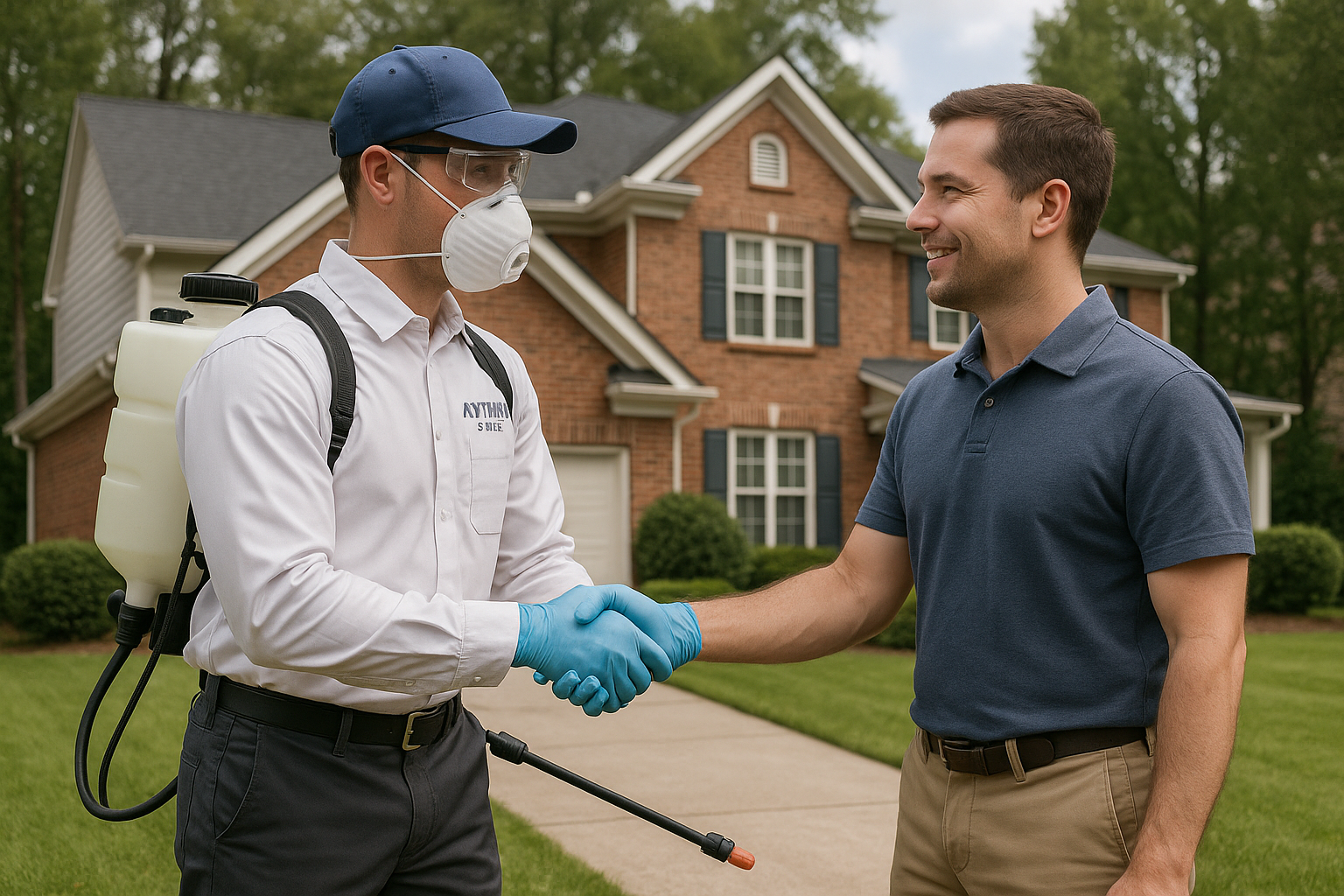
Our most common solution in Vinings is a professionally applied pyrethroid‑based perimeter spray. Technicians treat the outer 25‑30 feet of your property, creating a residual barrier that stays active for 8‑12 weeks. The chemistry works by disrupting the nervous system of ticks that crawl across treated soil, grass, or mulch, effectively killing them before they can latch onto you or your pets.
- Pros: Long‑lasting protection, rapid knock‑down of tick populations, proven efficacy in high‑infestation zones.
- Cons: Synthetic chemicals may raise concerns for sensitive individuals, requires re‑application after heavy rain or landscaping changes.
Organic Options
If you prefer a gentler approach, we offer essential‑oil sprays (such as clove, rosemary, and citronella) and diatomaceous earth (DE) treatments. These products are non‑synthetic, making them a popular choice for families with young children or pets that spend a lot of time outdoors. Essential‑oil sprays act as repellents, while DE physically abrades the tick’s exoskeleton, causing dehydration.
- Pros: Low toxicity, safe for pets and kids, compatible with organic gardening practices.
- Cons: Shorter residual life—typically 2‑4 weeks—so more frequent applications are needed; effectiveness can vary with weather and tick species.
Targeted Spot‑Treatment for High‑Traffic Zones
Not every square foot of your yard needs the same level of attention. We focus on high‑traffic areas—playgrounds, decks, patio furniture, and pet‑run boundaries—using a concentrated spot‑treatment. This method applies a higher dose of either chemical or organic product directly where ticks are most likely to encounter humans or animals.
- Pros: Maximizes protection where you spend the most time, reduces overall chemical usage, cost‑effective for smaller budgets.
- Cons: Does not address ticks hiding in less visible zones (e.g., deep leaf litter), so it works best when paired with a perimeter or organic program.
Case Study: 85% Reduction After Two Perimeter Applications
One Vinings homeowner, Sarah M., noticed an uptick in tick sightings after a rainy spring. She opted for two full‑yard perimeter sprays spaced four weeks apart, complemented by a single DE spot‑treatment on her children’s playset. Within six weeks, Sarah reported an 85 % drop in visible ticks and no bites on her family or dog. The results held steady through the peak summer months, demonstrating how a well‑timed chemical barrier can dramatically lower risk.
Regardless of the method you choose, safety remains our top priority. All products we apply meet EPA standards, and our technicians follow the EPA Tick Control Guidelines to protect both your household and the environment.
How Much Does Professional Tick Control Cost in Vinings?
When you’re planning a tick‑control program for your Vinings home, the price tag is often the first question on the table. Knowing the typical cost ranges helps you compare quotes, budget wisely, and avoid surprise fees later. Below you’ll find the most common pricing structures used by reputable providers like Anthem Pest, along with the factors that can push a quote up or down.
- Basic perimeter spray: $120 – $180 per 1,500 sq ft. This service treats the outer edges of your yard where ticks first enter, creating a protective barrier.
- Comprehensive package: $250 – $350. Includes a thorough property inspection, two full‑yard treatments (often spaced 4–6 weeks apart), and a post‑treatment follow‑up to ensure the tick population stays low.
While these numbers give a solid baseline, the final amount you pay can vary based on several key drivers:
Factors Influencing the Price
Property size. Larger lots need more product and labor, so the per‑square‑foot cost may increase slightly after the first 1,500 sq ft.
Infestation level. If a pre‑treatment inspection uncovers a heavy tick load, technicians may recommend additional applications or a stronger formulation, which adds to the total.
Treatment type. Options range from conventional chemical sprays to eco‑friendly, low‑toxicity solutions. Premium formulations typically cost more but can be worth it for families with children or pets.
Seasonal demand. Tick activity peaks in late spring and early summer. During these high‑demand periods, some companies adjust rates to reflect the increased workload and urgency.
| Service | Coverage | Price Range |
|---|---|---|
| Basic Perimeter Spray | Up to 1,500 sq ft per application | $120 – $180 |
| Comprehensive Package | Full‑yard inspection + 2 treatments + follow‑up | $250 – $350 |
Anthem Pest’s own pricing page mirrors these ranges, offering transparent quotes that start at $120 for a perimeter treatment and climb to $350 for a full‑service package (Anthem Tick Control Pricing). This consistency helps homeowners feel confident that they’re getting market‑standard rates.
For a broader industry perspective, the National Pest Management Association’s 2024 Cost Survey reports average tick‑control expenses of $130 – $190 for perimeter sprays and $260 – $380 for comprehensive plans across the United States (NPMA Cost Survey 2024). Vinings figures sit comfortably within those national averages, reflecting both the region’s typical property sizes and the seasonal tick pressure.
Armed with this pricing roadmap, you can now approach local technicians with a clear understanding of what a fair quote looks like, ask the right follow‑up questions, and choose a solution that fits both your budget and your family’s safety needs.
When to Treat and How to Keep Ticks Away Year‑Round
Seasonal Treatment Windows
Ticks in Vinings, Georgia, follow a predictable rhythm. The first surge arrives in early spring, typically March through April, when nymphs become active after the winter lull. A second, often larger, peak shows up in late summer, from August to early September, when adult ticks are looking for a blood meal before the cooler months set in. Targeting these two windows with professional treatments maximizes your home’s protection and reduces the need for frequent follow‑up visits.
Lawn Maintenance Strategies
A well‑kept yard is your first line of defense. Keeping grass at a height of 3‑4 inches creates a less hospitable environment for ticks, which prefer taller, humid foliage. Regularly removing leaf litter, pine needles, and other organic debris eliminates the moist micro‑habitats where ticks hide. Adding a narrow strip of wood chips or gravel along the perimeter of your lawn can act as a physical barrier, discouraging ticks from migrating from wooded edges into your play area.
- Mow weekly to maintain a 3‑4 in. grass height.
- Rake and bag leaf litter each fall and after storms.
- Install a 2‑foot wood‑chip border around garden beds and patios.
Research insight: A University of Georgia Extension study found that “Mowing lawns weekly reduces tick habitat by up to 70%” (UGA Extension). This simple habit can dramatically lower the tick population before it even becomes a problem.
Protecting Your Pets
Dogs and cats are natural tick carriers, bringing the pests right onto your doorstep. Equip each pet with a veterinarian‑recommended tick‑repellent collar and schedule monthly topical treatments or oral medications as directed. Conduct a thorough tick check after every outdoor adventure—pay special attention to the ears, neck, and between the toes. If you prefer a chemical‑free approach, a monthly bath with a tick‑killing shampoo can provide an extra layer of protection without compromising your pet’s skin health.
Additional Yard‑Level Defenses
Beyond grass care, consider structural and landscape modifications that make your property less attractive to deer—the primary hosts for adult ticks. Deer‑exclusion fencing, at least 8 feet tall with a tightly woven mesh, can dramatically cut down on tick introductions from surrounding woods. Trim back overgrown shrubs and thin out dense hedges to improve sunlight penetration; ticks thrive in shaded, humid zones. Finally, keep firewood and compost piles at least 20 feet away from the house, as these piles often harbor small mammals that carry ticks.
By synchronizing professional treatments with these seasonal windows and adopting the homeowner prevention steps outlined above, you create a multi‑layered shield that keeps ticks at bay all year long. Anthem Pest Control can fine‑tune a schedule that fits your calendar and budget, ensuring your yard stays safe for family, friends, and four‑legged companions.
Why Anthem Pest Is Vinings’ Trusted Tick Control Partner
Local licensing & EPA‑registered products
Anthem Pest operates under a Georgia state pest‑control license that is specific to the Vinings area, meaning every technician knows the local climate, wildlife patterns, and property types they’ll encounter. All treatments use EPA‑registered chemicals that have been vetted for safety around children, pets, and the environment. This combination of local authority and proven products gives homeowners confidence that the tick control plan complies with state regulations and industry standards.
24‑hour response line & fast appointment scheduling
Ticks don’t wait for business hours, and neither does Anthem Pest. A dedicated 24‑hour response line (877‑371‑8196) routes calls directly to a local dispatch team, guaranteeing a callback within the hour. Once the issue is logged, the scheduling system offers same‑day or next‑day appointments, so residents can secure treatment before the next tick‑season surge. The streamlined process eliminates long wait times and keeps your yard protected when it matters most.
“I called after spotting ticks in my garden, and the technician arrived the same afternoon. He explained every step, used a low‑odor spray, and the ticks disappeared within a week. I’ve never felt more confident about a pest‑control service.”
— Anonymous Vinings Resident
Integrated Pest‑Management (IPM) approach
Anthem Pest doesn’t rely on a single spray to solve a tick problem. The company follows an Integrated Pest‑Management strategy that starts with a thorough inspection, identifies tick hotspots, and then combines targeted chemical applications with habitat modification—such as trimming grass, removing leaf litter, and creating barrier zones. This holistic method reduces the likelihood of re‑infestation and aligns with environmentally responsible practices that Vinings homeowners appreciate.
Ready to protect your family and pets from ticks? Call 877‑371‑8196 now or book your appointment online. Anthem Pest’s licensed technicians, rapid response, and proven IPM plan make them the go‑to tick control partner for Vinings, Georgia.
Frequently Asked Questions
Do tick sprays affect pets?
Our tick control products are EPA‑registered and formulated to be safe for both people and animals when used as directed. We apply the spray to outdoor perimeters, foundations, and landscaping, keeping the treated area off‑limits to pets for the recommended pet‑free interval—usually 2 to 4 hours, depending on temperature and humidity. After the area dries, pets can safely return. If you have especially sensitive animals, we can discuss low‑odor, pet‑friendly alternatives such as granular treatments or targeted spot‑on applications.
How long before I see results?
Most homeowners notice a significant drop in tick activity within 48–72 hours after the initial application. Our technicians target the zones where ticks quest for hosts, so you’ll see fewer ticks on your lawn, in your garden, and on pets during that window. For heavily infested properties, a follow‑up treatment may be scheduled 2–4 weeks later to break the life cycle completely and ensure long‑term control.
Can I combine tick control with mosquito services?
Absolutely. Integrated pest‑management (IPM) works best when we address multiple vectors at once. Combining tick and mosquito treatments reduces the overall chemical load, streamlines scheduling, and maximizes protection for your family. We coordinate the timing so that both products are applied in a sequence that respects each label’s re‑entry interval, typically allowing a single outdoor visit to cover both services safely and efficiently.
Protect Your Family – Schedule a Free Tick Inspection Today
Early detection, professional treatment, and seasonal prevention are the three pillars of a tick‑free yard. Spotting ticks before they become established stops the chain reaction that leads to larger infestations. Professional treatment applies EPA‑approved products exactly where they’re needed, safeguarding both children and pets. Seasonal prevention—especially in spring and early summer—keeps the next wave of ticks at bay, reducing the need for costly follow‑up work.
- Detect ticks early to prevent an outbreak.
- Rely on certified technicians for safe, effective treatment.
- Implement seasonal prevention to stay ahead of the tick life cycle.
Vinings homeowners, the risk of tick‑borne diseases rises each year, but you don’t have to face it alone. Schedule a free, no‑obligation inspection today so our experts can assess your property’s unique risk factors and craft a customized action plan. The inspection includes a thorough yard walk‑through, identification of tick hotspots, and personalized recommendations that fit your schedule and budget.
Our certified technicians combine deep local knowledge with EPA‑approved solutions, ensuring your yard stays safe for kids and pets without compromising your peace of mind. We use targeted applications that protect the environment while delivering lasting results, and we’ll walk you through every step so you know exactly what’s being done and why.
Ready to take the first step toward a tick‑free home? Call us now at 877‑371‑8196 or visit Anthem Pest Control to schedule your free inspection. Let us help you protect the people and animals you love most.