Hooking Homeowners with Local Pest Realities

Imagine coming home after a sudden summer downpour, setting down your grocery bags, and spotting a line of tiny black ants marching across the kitchen counter toward the crumbs you just dropped. Within minutes the sight turns from curiosity to concern, because you know those little invaders often signal a larger problem lurking behind walls, under flooring, or in the yard.
You’re not alone. According to the National Pest Management Association (NPMA), roughly 80 % of U.S. households encounter some form of pest intrusion each year, ranging from seasonal ant invasions to year‑round rodent activity. Beyond the inconvenience, pests can compromise food safety, trigger allergies, and even cause structural damage—one carpenter ant colony can hollow out wooden beams, while rodent droppings may spread disease.
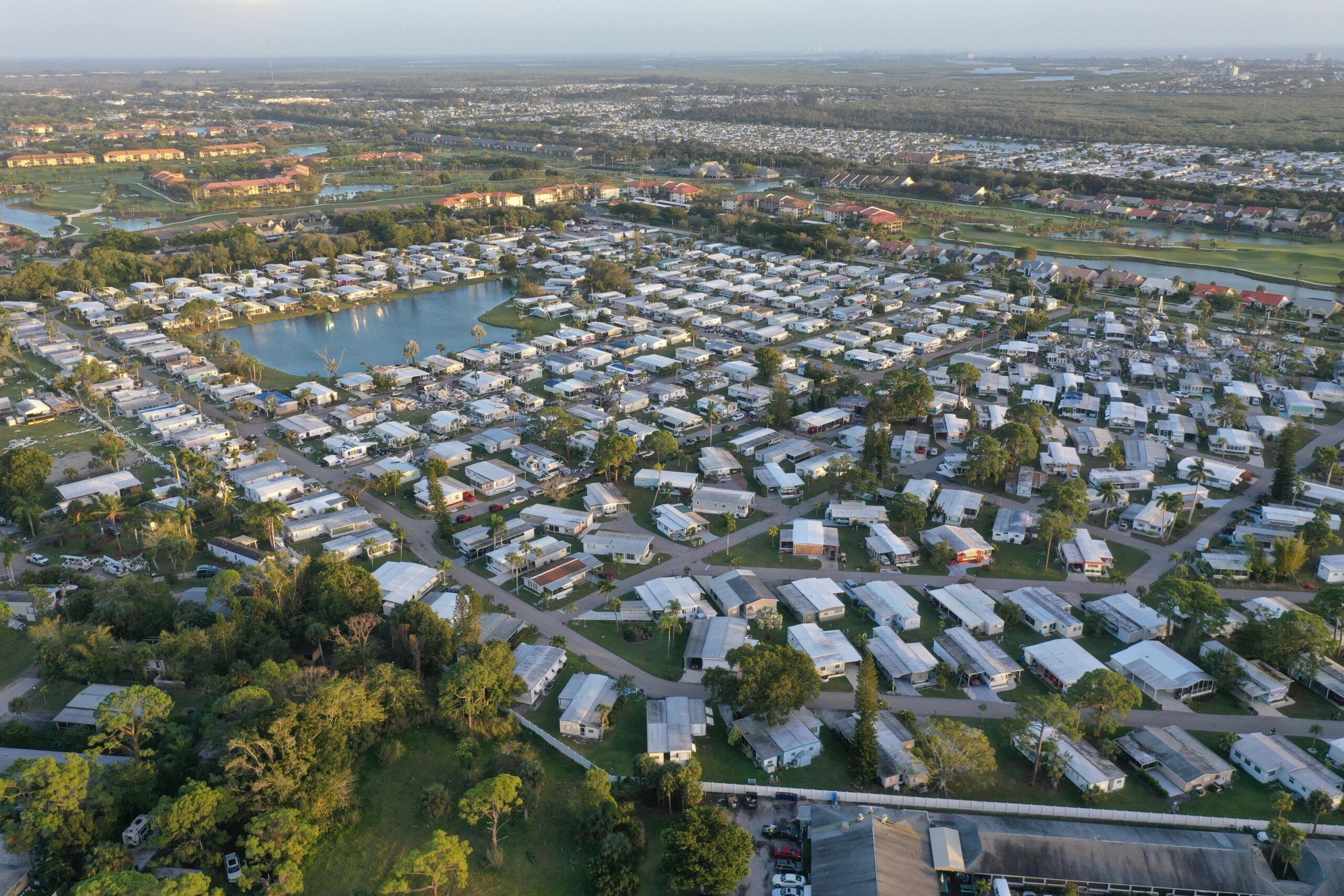
Why does a location‑specific guide matter? America’s climate is a patchwork of hot, humid subtropics, dry deserts, and chilly northern winters. Add the age of your home, surrounding vegetation, and neighborhood construction style, and each block develops its own pest pressure profile. For example, the Pacific Northwest’s damp basements invite fungus gnats, whereas the arid Southwest sees desert‑adapted cockroaches thriving near irrigation lines. A one‑size‑fits‑all approach simply misses these nuances.
In the sections that follow, you’ll discover:
- How to identify the most common household pests in your area.
- Seasonal trends that dictate when ants, mosquitoes, or rodents are most active.
- Practical prevention steps you can start today.
- Effective treatment options, including safe, affordable solutions.
- The advantage of partnering with a local expert who knows your community’s unique challenges.
- A concise FAQ that answers the questions you’re already asking.
- Next steps to protect your home before the next pest season begins.
At Anthem Pest Control, we combine data‑driven insights with a commitment to safety and transparency. Our technicians use the latest monitoring tools to pinpoint infestations, then tailor treatments that protect your family, pets, and wallet. Our pricing is clear—no hidden fees, no surprise visits. We provide a detailed service plan, explain each step, and give you a preventive checklist you can follow year‑round. Whether you need a quick ant fix or a comprehensive termite management plan, we’re the trusted neighbor‑next‑door resource you can count on.
Recognizing the Target Pest and Early Warning Signs
What the pest looks like
When you hear “ants” mentioned in a home‑inspection report, most homeowners picture the tiny black workers marching along a kitchen counter. In the United States, the most common household intruder is the odorous house ant (Tapinoma sessile). These ants are typically 2–4 mm long, dark brown to black, and emit a faint, unpleasant odor when crushed. While workers dominate the visible activity, the queen stays hidden deep in the nest, growing up to 8 mm and sporting a larger, more robust abdomen.
Physical characteristics you can spot
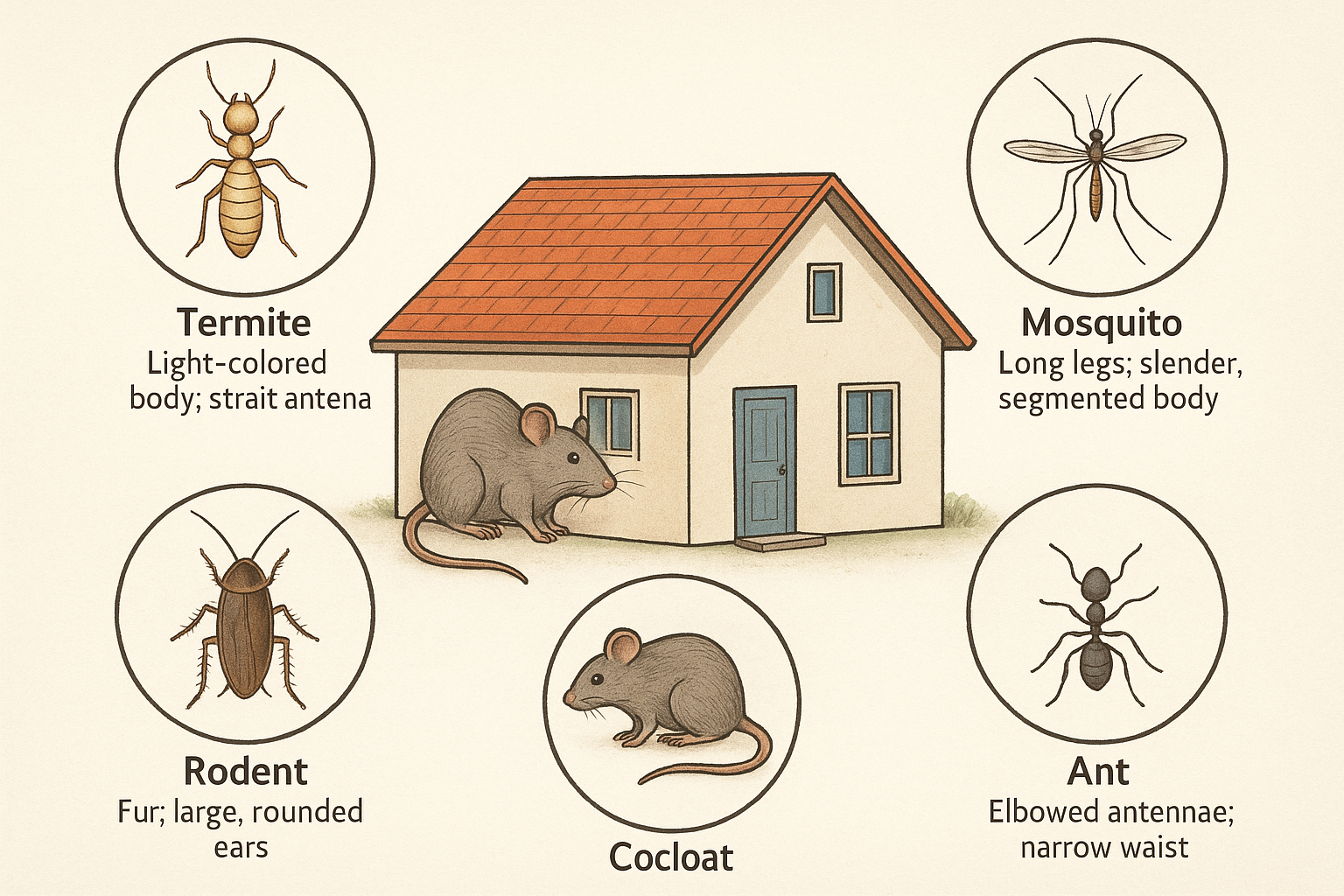
Key visual cues help you differentiate ants from other insects. Workers have a single node (a small “waist” segment) between the thorax and abdomen, and their antennae bend in a characteristic “L” shape. Queens, though rarely seen, have wings during mating flights and a noticeably larger thorax. If you notice a sudden increase in tiny, fast‑moving insects with these traits, you’re likely dealing with an ant colony.
Life cycle you should know
An ant colony progresses through four stages: egg, larva, pupa, and adult. In most U.S. climates, a queen can lay up to 20,000 eggs per year. Eggs hatch within a week, larvae develop over 2–3 weeks, and pupae emerge as adults after another 7–10 days. In warm Midwest summers, a full colony can expand from a few dozen workers to several thousand in just 2–3 months, making early detection critical.
Tell‑tale signs of an ant invasion
Even if you haven’t seen the insects directly, they often leave clues:
- Thin, continuous trails of ants moving between a food source and the nest.
- Mud‑like tubes along foundation walls, especially in damp basements.
- Small, irregular holes or gnaw marks in wooden structures or stored food packages.
- Nocturnal activity near lights, as many ant species forage at night to avoid predators.
How common are ants in your area?
According to the EPA pest management guidelines, approximately 12 % of homes in the Midwest report ant sightings each summer. This prevalence spikes after heavy rains, when moisture drives colonies indoors in search of dry shelter.
Quick self‑check checklist
- Do you notice a steady line of tiny insects moving toward a food source?
- Are there any mud tubes or silvery trails along walls, windowsills, or foundation cracks?
- Is there unexplained damage to wood, cardboard, or packaged foods?
- Do you hear faint rustling or see activity after sunset?
- Have you recently experienced heavy rainfall or high humidity?
How Seasonal Changes Influence Pest Activity in Your Area
Each pest follows a weather‑driven calendar. Warmth, humidity or the first frost trigger breeding or shelter‑seeking behavior. Understanding these rhythms lets you act before an infestation spreads.
Seasonal Peaks at a Glance
- Spring surge: Ants, termites, and mosquito eggs hatch as soil warms; adult flies and roaches emerge to mate.
- Summer expansion: Warm nights fuel mosquito and fly activity, while rodents seek cool indoor refuge.
- Fall retreat: Many insects enter diapause, but spiders and certain beetles move indoors to escape cooling temperatures.
- Winter dormancy: Most pests slow down, yet rodents and cockroaches remain active inside heated homes.
Regional Climate Zones Matter
Even within the United States, a “spring” in the humid Southeast starts weeks earlier than in the dry Midwest. In the Gulf Coast, high humidity accelerates mosquito breeding, so barrier treatments are most effective in late February. In contrast, Midwestern homeowners often wait until mid‑April when soil temperatures finally reach 55°F, the threshold for termite activity. Adjust the timing of your pest‑control calendar to match your USDA hardiness zone for the best results.
Why Timing Impacts Treatment Efficacy
Barrier sprays, bait stations and structural treatments work best when pests are actively foraging but before they have established large colonies. Early spring is ideal for perimeter sprays because ants and termites are searching for food sources, making them more likely to contact the product. Applying a misting system in midsummer, when mosquito populations peak, maximizes coverage before the next generation emerges. Delaying treatment until a full‑blown infestation appears often means higher costs and more chemicals.
Season‑by‑Season Homeowner Tips
- Spring: Trim vegetation away from the foundation, repair cracked screens, and schedule a pre‑emptive barrier spray.
- Summer: Remove standing water, keep trash cans sealed, and inspect roof eaves for rodent entry points.
- Fall: Seal gaps around vents, store firewood off the ground, and set cockroach bait stations before indoor heating turns on.
- Winter: Maintain indoor humidity below 50 %, check for
Proven Prevention Measures for Homeowners
Keeping pests out starts with sealing the gaps they love to slip through. A quick walk around the house with a caulk gun in hand can make a world of difference. Apply silicone‑based caulk around window frames, door thresholds, and any cracks in the foundation. For movable barriers, install weatherstripping on doors and windows, and fit fine‑mesh screens over attic vents and crawl‑space openings. These low‑cost steps block entry points without harsh chemicals.
Yard Management
- Remove leaf piles, wood debris, and standing water that become night‑time shelters.
- Trim shrubs, tree branches, and vines at least two feet away from the home’s exterior.
- Maintain mulch at a depth of 2–3 inches and keep it at least six inches from the foundation to discourage termites and ants.
Interior Habits
- Store dry goods in airtight containers; pests can sniff out even a cracked box.
- Take out garbage daily and use trash cans with tight‑fitting lids.
- Control moisture by fixing leaky pipes promptly, wiping condensation from windows, and running a dehumidifier in damp basements.
When you choose DIY, stick to EPA‑approved low‑toxicity products such as boric acid for ants or diatomaceous earth for roaches. These options are safe around children and pets while still delivering a solid barrier against invaders.
DIY vs. Professional Prevention
Cost, benefits, and drawbacks of DIY prevention compared with a professional service Option Cost Range Pros Cons DIY Prevention $0–$150 Immediate action, low expense, full control over products used. Requires time, may miss hidden entry points, limited to surface‑level solutions. Professional Preventative Service $150–$300 Comprehensive inspection, EPA‑registered treatments, warranty coverage, expert follow‑up. Higher upfront cost, scheduling needed, reliance on external provider. When to Call a Pro
Even the most diligent DIYer can hit a wall. If you notice any of the following, it’s time to pick up the phone:
- Large, established colonies that appear overnight.
- Visible damage to wood, insulation, or structural components.
- Repeated infestations despite consistent DIY efforts.
- Signs of hidden activity—such as mud tubes, droppings, or winged insects—in hard‑to‑reach areas.
Anthem Pest Control can step in with a thorough inspection, EPA‑approved low‑toxicity treatments, and a guarantee that your home stays pest‑free year after year. When the problem outgrows a weekend project, professional expertise saves both time and peace of mind.
Professional Treatment Options and Pricing
At Anthem Pest Control we combine science‑backed products with a disciplined service plan to keep your home pest‑free year after year. Our technicians follow EPA guidelines, so you get a treatment that’s both powerful and safe for family, pets, and the environment.
EPA‑approved chemical barrier sprays
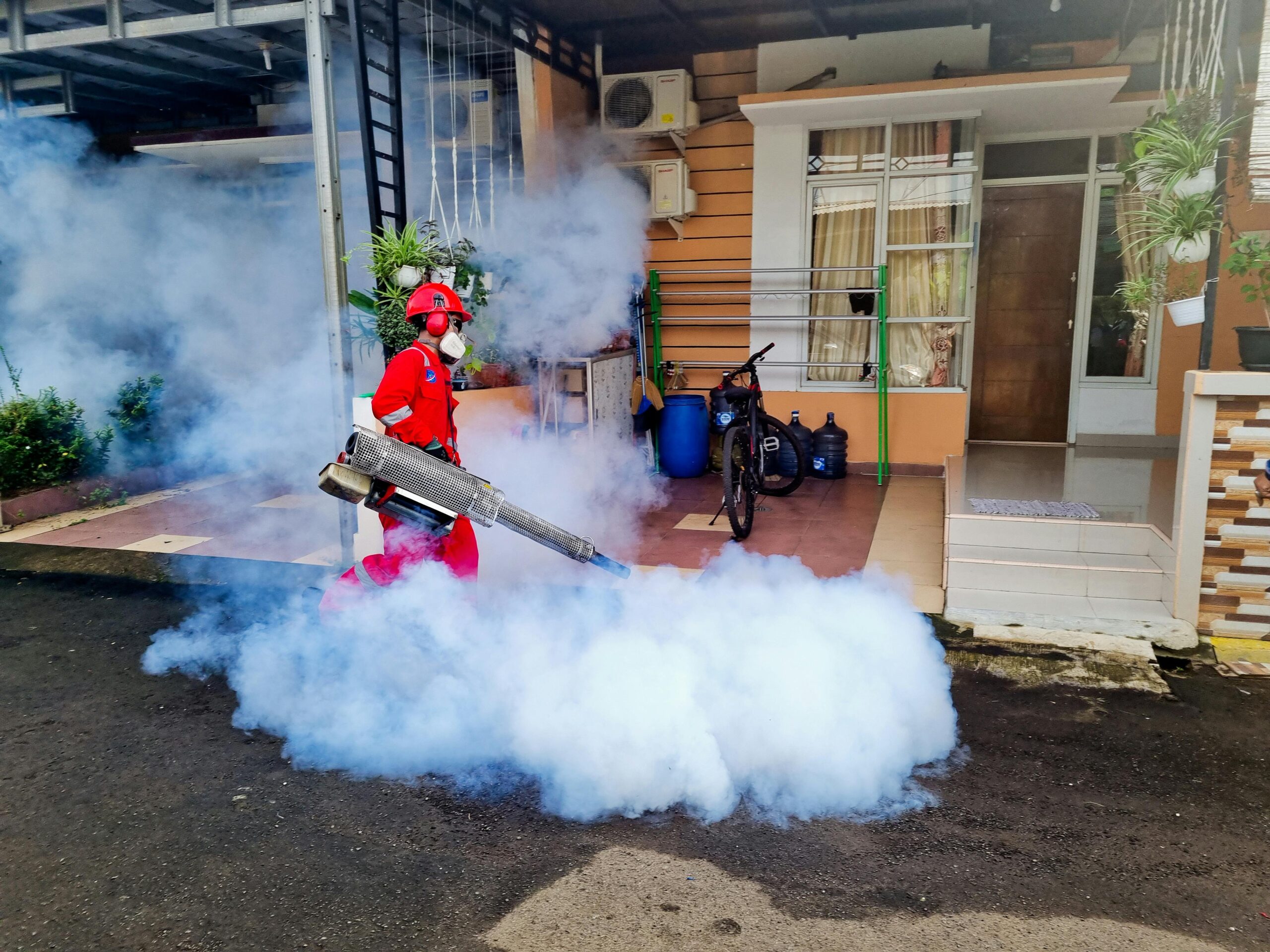
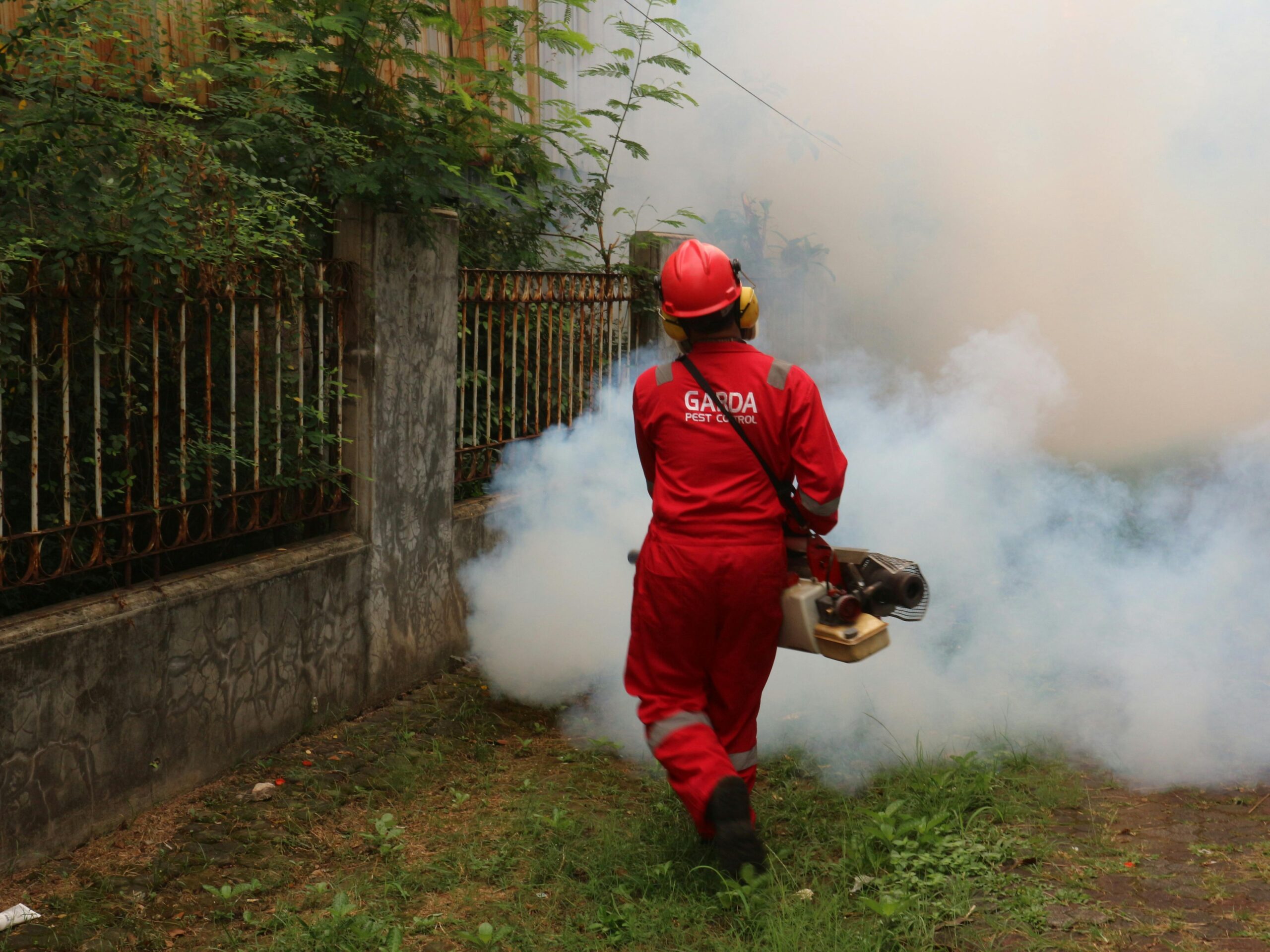
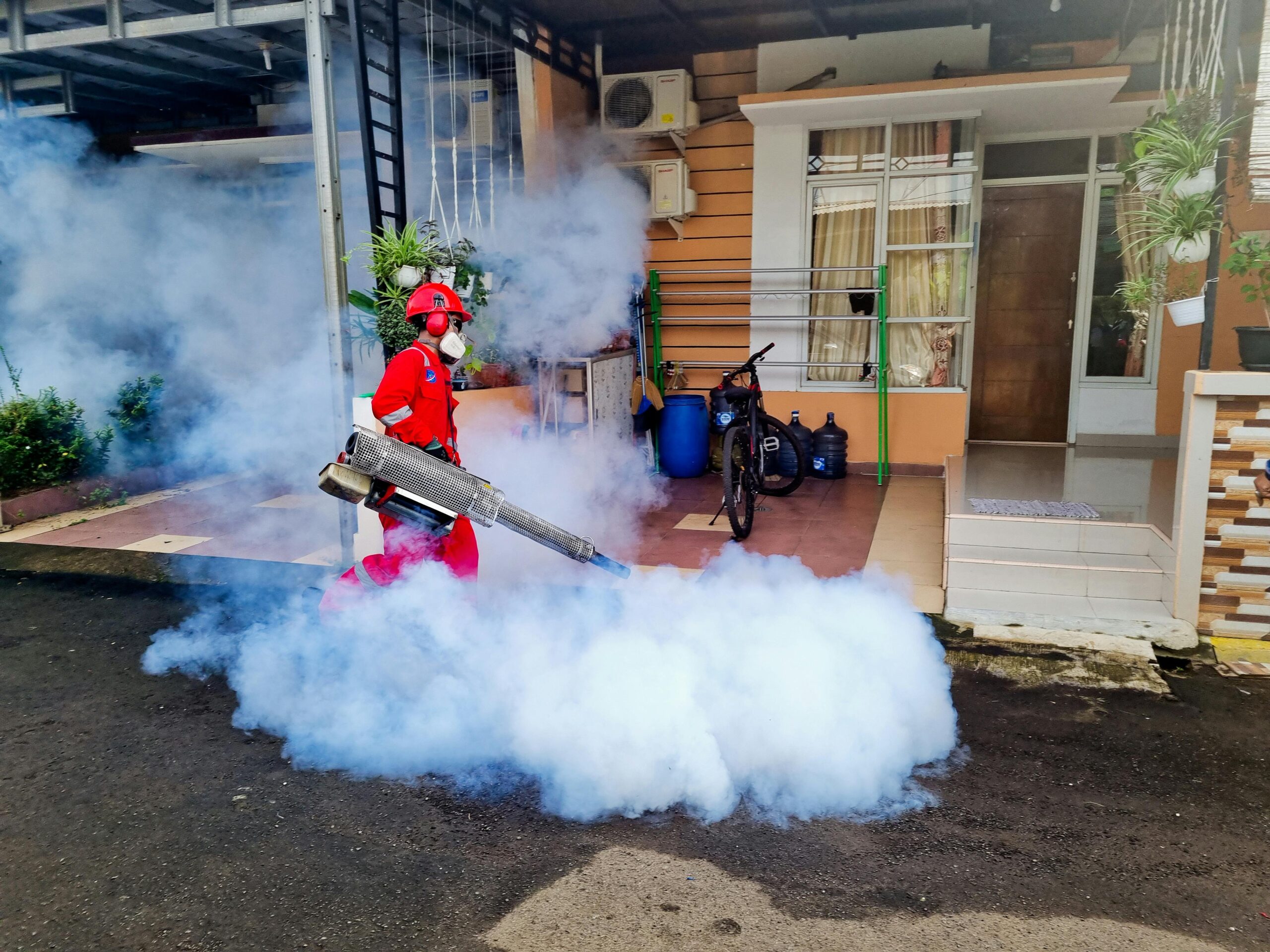
Our flagship barrier spray creates an invisible wall around the exterior of your house. The formulation contains a low‑toxicity insecticide that kills ants, roaches, and other crawling insects on contact, while also deterring them from crossing the treated perimeter. Because outdoor conditions can degrade the product, we recommend re‑application every 90 days for optimal protection.
Baiting systems and monitoring stations
For interior infestations we install strategically placed bait stations that attract pests and deliver a slow‑acting poison they carry back to the colony. Placement follows a grid pattern—near entry points, along walls, and in hidden corners—so we cover the most likely travel routes. Each bait station remains effective for 30‑45 days, and our technicians replace or top‑up them during scheduled visits.
Integrated Pest Management (IPM) approach
Anthem’s IPM plan blends sanitation advice, physical barriers, and targeted chemicals into a single, cohesive strategy. We start by guiding you on clutter reduction and moisture control, then seal cracks and install door sweeps to block entry. Finally, we apply the most appropriate chemical—whether a barrier spray or a spot treatment—to finish the job. This layered defense maximizes efficacy while minimizing chemical use.
Transparent pricing tiers
- Standard Service: $199‑$299 – includes one exterior barrier spray and a single follow‑up visit.
- Premium Protection: $399‑$499 – adds a full bait network, quarterly inspections, and a 2‑year warranty on all treatments.
- Custom Commercial Plan: pricing upon request for larger properties or multi‑unit buildings.
Financing and discount options
We understand that pest control is an essential expense, not a luxury. Anthem offers low‑interest financing for any tier, a 10 % senior citizen discount, and a 5 % reduction for customers who protect two
Anthem Pest Control’s Local Expertise and Success Stories
Anthem Pest Control has built a solid footprint across the United States, focusing on the most pest‑prone regions. We operate in 12 states, covering major metros such as Denver, Austin, Charlotte, and Seattle. Within those cities we serve neighborhoods that often ask for extra attention—Oakwood, Riverbend, Willow Creek, and Greenfield—delivering tailored solutions that reflect each community’s unique challenges.
Local licensing, certifications, and partnerships
Every technician on our team holds the state‑required pesticide applicator license and is certified in Integrated Pest Management (IPM). We also maintain active partnerships with local university extension services, allowing us to stay ahead of emerging pest trends and to apply the latest research‑backed treatments. This collaboration ensures that our methods are both environmentally responsible and highly effective.
Our staff also completes annual continuing‑education courses to stay compliant with state regulations.
Case Study: Oakwood Family Ant Elimination
When the Martinez family in Oakwood reported nightly ant trails along their kitchen counters, we deployed a premium IPM plan that combined targeted bait stations, perimeter treatments, and a homeowner education session. Within 30 days the family saw a 95 % reduction in ant sightings, and the remaining few were eliminated with a final follow‑up visit. The Martinez’s feedback highlighted our “
Frequently Asked Questions
Are the chemicals safe for children and pets?
Yes. All products we use are EPA‑approved and applied by our certified technicians who follow strict safety protocols. We target pests directly while minimizing exposure to people and animals. After treatment, we advise keeping children and pets away from treated areas for the short “dry‑time” period indicated on the label, typically a few minutes to an hour.
How often should treatment be repeated?
Most barrier sprays—such as those for ants, spiders, and mosquitoes—are most effective when applied annually. For bait stations, especially for roaches and ants, we recommend a quarterly check‑in to ensure the bait remains fresh and the colony stays under control. Seasonal adjustments may be made based on local pest activity.
What warranty does Anthem provide?
We stand behind our work with up to a two‑year guarantee on the majority of our services. If pests return within the warranty period, we’ll return at no extra charge to re‑treat the affected area, provided the homeowner has followed the post‑treatment guidelines.
Can I combine services (e.g., ant + mosquito)?
Absolutely. Bundled packages are available and often result in cost savings. Our technicians can design a customized plan that addresses multiple pest concerns in a single visit, ensuring comprehensive protection without redundant appointments.
What should I do between visits?
Follow the prevention checklist outlined in Part 4 of this guide. Keep food sealed, eliminate standing water, trim vegetation away from the home’s foundation, and promptly report any new pest sightings to us. Consistent home maintenance is the key to prolonging the effectiveness of our treatments.
For additional information on mosquito‑borne illnesses, visit the CDC’s vector‑borne disease page.
Secure Your Home Today – Contact Anthem Pest Control
Protecting your home is a continuous effort that starts with early identification of pests, stays alert to seasonal activity, embraces preventive measures, and ends with professional treatment when needed. When you spot the first ant trail, notice increased mosquito activity, or hear the faint scurry of rodents, acting quickly stops a small problem from becoming a full‑scale invasion.
At Anthem Pest Control, we combine deep local knowledge with transparent pricing and a steadfast commitment to safe, effective solutions. Our technicians know the quirks of your neighborhood—whether it’s the summer surge of fire ants in the South or the winter hide‑outs of rodents in the North—so we can tailor a plan that targets the right pests at the right time.
Whether you’re dealing with a few ant trails or a full‑scale infestation, our certified technicians are ready to create a customized plan that fits your budget and peace‑of‑mind goals. We evaluate your home, recommend the most appropriate treatments, and explain every step so you feel confident in the process.
Ready to take the next step? Call us today for a free, no‑obligation on‑site quote. Our friendly team will schedule a visit at a time that works for you and provide a clear estimate before any work begins.
Phone: 877‑371‑8196
Visit: Anthem Pest Control.
Our same‑day service window and guaranteed results mean you can enjoy a pest‑free home sooner rather than later.