Why Proactive Pest Prevention Matters for U.S. Homeowners

Every homeowner assumes a clean house equals a healthy home, yet unseen pests can silently sabotage that belief. In the moment a cockroach scuttles across a kitchen counter or a rodent gnaws on insulation, the damage extends far beyond the visible crumbs and chewed wires. Pests introduce allergens, bacteria, and viruses directly into indoor air, lowering its quality and aggravating asthma or seasonal allergies for family members.
Studies from the Centers for Disease Control and Prevention link pest‑borne pathogens to respiratory infections, gastrointestinal illness, and skin conditions. For example, dust mite droppings and cockroach feces are potent triggers for allergic reactions, while rodents can carry Hantavirus, leptospirosis, and salmonella. When these contaminants become part of the home’s air circulation, even the most diligent cleaning routine may fall short, leaving occupants vulnerable.
Beyond health, the financial impact of unchecked infestations is staggering. The 2024 EPA pest‑damage report estimates that pests are responsible for roughly $20 billion in property damage each year across the United States. That figure includes structural repairs, lost inventory, and the cost of emergency remediation after an infestation has already taken hold. Homeowners who wait until damage is visible often face higher repair bills, more invasive treatments, and the dreaded need for costly insurance claims.
Property value also takes a hit. Real‑estate appraisers routinely note pest damage as a red flag, which can depress a home’s market price by up to 15 percent in severe cases. Even a minor termite presence can erode wood framing, leading buyers to demand price concessions or walk away entirely. Proactive prevention, on the other hand, preserves the structural integrity that underpins a home’s resale potential.
Perhaps the most compelling reason to stay ahead of pests is the peace of mind it brings families. Imagine the confidence of knowing your children can play on the living‑room floor without fear of hidden allergens, or that your nightly sleep won’t be interrupted by the rustle of unseen invaders. That sense of security translates into a calmer household, fewer emergency calls, and more time spent enjoying the home rather than managing crises.
Anthem Pest Control understands that prevention is not a luxury—it’s a cornerstone of responsible homeownership. By conducting regular inspections, sealing entry points, and applying targeted, low‑toxicity treatments, Anthem helps families stay one step ahead of the most common household pests.
Now that we’ve highlighted the health, financial, and emotional stakes, let’s explore which pests show up most often in American homes. Knowing the culprits—ants, roaches, rodents, termites, mosquitoes, and bed bugs—sets the stage for a focused, data‑driven prevention plan that protects both your family’s wellbeing and your property’s value.
The Six Most Common Household Pests and Their Regional Impact

Across the United States, a handful of pests dominate indoor complaints. Knowing where they thrive and what damage they cause helps homeowners act before an infestation spirals.
Ants
Ants are the silent invaders of kitchens, pantries, and wall voids. Most species enter seeking food residues or moisture, forming trails that can quickly expand. In the Pacific Northwest, carpenter ants are notorious for hollowing out wood structures, while in the Southeast, fire ants may infiltrate basements during warm, humid months.
Cockroaches
Cockroaches carry bacteria that trigger food poisoning and asthma attacks. Their preference for dark, damp areas—such as under sinks, behind appliances, and in crawl spaces—makes urban apartments especially vulnerable. Cities with high-density housing, like New York and Chicago, report the highest indoor cockroach sightings, often linked to older building infrastructure.
Rodents
Rats and mice chew through insulation, wiring, and even drywall, creating fire hazards and costly repairs. In winter, they seek the warmth of homes, nesting in attics, basements, and wall cavities. The Midwest experiences a seasonal surge as rodents migrate from fields to heated houses, while coastal regions see year‑round activity due to milder climates.
Termites
Termites are responsible for roughly $5 billion in structural damage each year in the United States (NPMA 2023). Their subterranean colonies thrive in warm, moist soil, making the Southeast—particularly Florida, Georgia, and the Carolinas—a hotspot. Infestations often go unnoticed until visible damage appears, underscoring the need for proactive inspections.
Mosquitoes
Beyond itchy bites, mosquitoes transmit diseases such as West Nile virus and Zika. The Southwest, especially Arizona and New Mexico, sees seasonal spikes when monsoon rains create standing water for breeding. Even indoor environments can become mosquito havens if screens are damaged or water accumulates in plant trays.
Flies
House flies and fruit flies are more than a nuisance; they can contaminate food and spread pathogens like Salmonella. Kitchens, garbage areas, and pet feeding stations are prime attractors. Warm, humid regions—from the Gulf Coast to the Deep South—report higher indoor fly activity, particularly during summer months.
Despite their distinct habits, all six pests appear nationwide because they exploit common household vulnerabilities: food sources, moisture, and shelter. Modern homes provide ample entry points—cracks, vents, and utility gaps—that allow these species to establish footholds regardless of climate. Regular inspections, proper sanitation, and timely professional treatment are the most reliable defenses against their spread.
Early‑Infestation Detection Checklist for Homeowners
Spotting a pest problem before it spreads can save you time, money, and stress. The following checklist gives you the visual, auditory, and physical clues you need to catch an infestation in its early stages. Keep this list handy—whether you’re walking through the attic, inspecting the basement, or simply lounging on the porch, a quick scan can reveal hidden invaders.
Termites
- Visual: Mud tubes along foundation walls, hollow‑sounding wood, and fine, powdery droppings (frass) that look like sand.
- Auditory: A faint clicking or tapping noise when you gently strike infested wood.
- Contact: No skin irritation, but you may notice sudden wood damage near windows, doors, or support beams.
Carpenter Ants
- Visual: Small, oval pellets of wood shavings near wooden structures. “Carpenter ants leave small, oval pellets near wooden structures” – University of Tennessee Extension.
- Auditory: Soft rustling or squeaking inside walls, especially after dark.
- Contact: Rarely bite humans; you might see winged ants swarming near light fixtures during mating flights.
Rodents (Mice & Rats)
- Visual: Grease marks along walls, gnaw holes on wood or plastic, and droppings that resemble black rice grains.
- Auditory:
- Scratching or scurrying sounds in ceilings, attics, or crawl spaces, most active at night.
- Contact: Unexplained bites or itchy welts, especially on exposed skin while sleeping.
Cockroaches
- Visual: Dark, oval-shaped droppings (often mistaken for coffee grounds) in cabinets, behind appliances, or under sinks.
- Auditory: A faint, rustling noise when they move across walls or ceilings.
- Contact: Skin irritation or allergic reactions after handling infested items.
Bed Bugs
- Visual: Tiny, rust‑colored spots (fecal stains) on mattress seams, and tiny, translucent eggs glued to fabric.
- Auditory: A soft, intermittent “bug‑like” buzzing when you lie still, caused by their movement.
- Contact: Unexplained, itchy red welts that appear in a line or cluster after a night’s sleep.
Mosquitoes
- Visual: Stagnant water sources (birdbaths, clogged gutters) that serve as breeding sites.
- Auditory: A high‑pitched whine near you, especially at dusk.
- Contact: Small, itchy bumps that develop within minutes of a bite, often accompanied by mild swelling.
For quick, on‑the‑spot identification, download a reputable smartphone app such as iNaturalist. The platform is verified by the community science network and can help you confirm species, log sightings, and even connect you with local experts for a faster response.
Seasonal Pest‑Prevention Strategies – A Year‑Round Action Plan
Keeping pests at bay isn’t a one‑time task; it’s a year‑long partnership between you, your home, and a trusted professional like Anthem Pest Control. By aligning your actions with the natural rhythms of insects and rodents, you can stop infestations before they start. Below is a practical, season‑by‑season roadmap that blends DIY steps with smart product choices, plus a quick‑reference table to keep you on track.
Spring: Seal Entry Points and Eliminate Standing Water
As temperatures rise, mosquitoes, ants, and early‑season termites become active. The first line of defense is a tight building envelope. Walk the perimeter of your home and caulk gaps around windows, doors, and utility penetrations. Pay special attention to the foundation, where cracks often go unnoticed.
Spring also brings rain, which creates perfect breeding sites for mosquitoes. Follow the CDC’s “Mosquito Control Guidance” (2023) by removing any standing water within 48 hours—think birdbaths, clogged gutters, and plant saucers. If you can’t drain a spot quickly, add a larvicide approved for residential use.
For homeowners who prefer a professional touch, Anthem Pest offers a “Spring Seal‑Up” service that includes a thorough inspection and sealing of all exterior entry points. The typical cost ranges from $150–$350, depending on home size and the number of access points.
Summer: Deploy Ant and Roach Bait Stations
Hot, humid weather fuels ant trails and roach activity. Rather than spraying chemicals that can drift into the yard, the EPA recommends Integrated Pest Management (IPM) guidelines that prioritize bait stations. These devices attract foragers, allow them to carry the toxic bait back to the colony, and dramatically reduce the population with minimal exposure to non‑target species.
Place bait stations along baseboards, under sinks, and near outdoor trash cans—areas where you’ve seen activity. Choose baits that are low‑risk to pets and children, such as those containing boric acid or hydramethylnon. Rotate the product every 90 days to stay ahead of any resistance that may develop.
While DIY baits work well for light infestations, a professional “Summer Ant & Roach” service can map high‑traffic zones and install weather‑proof stations that last through the hottest months. This service often includes a follow‑up visit to replace or reposition stations as needed.
Fall: Conduct a Rodent Entry Inspection
When the leaves start to fall, rodents begin seeking warm shelter inside walls and attics. A meticulous inspection at this time can stop a mouse or rat problem before it escalates. Look for gaps larger than a quarter‑inch around utility lines, vent pipes, and the garage door threshold.
Seal any openings with steel wool, copper mesh, or heavy‑duty caulk—materials that rodents can’t chew through. In addition, trim tree branches that brush the roof, as they provide a bridge for squirrels and raccoons.
Anthem Pest’s “Fall Rodent Guard” includes a comprehensive inspection, sealing of identified entry points, and the placement of snap traps or live‑catch devices where needed. The service typically falls within the $150–$350 price range, offering a cost‑effective shield before winter sets in.
Winter: Keep Indoor Humidity in Check
Cold weather drives pests indoors, but it also creates a hidden threat: excess indoor humidity. Cockroaches, for example, thrive in damp kitchens and bathrooms even when the thermostat is low. Use a hygrometer to monitor relative humidity; aim for a level below 60 %.
If humidity spikes, run dehumidifiers, fix leaky faucets, and ensure exhaust fans are functional. In areas prone to condensation—like basements—apply a mold‑inhibiting sealant to concrete walls. This not only deters roaches but also prevents mold, which can attract other pests.
For a hassle‑free approach, consider Anthem Pest’s “Winter Home Shield” package. It includes a humidity assessment, recommendations for ventilation improvements, and the strategic placement of cockroach gel baits that remain effective at lower temperatures.
| Season | Key Action | Recommended Product/Service |
|---|---|---|
| Spring | Seal exterior gaps; eliminate standing water | Caulk/expanding foam; CDC‑approved larvicide; Anthem “Spring Seal‑Up” ($150‑$350) |
| Summer | Install ant & roach bait stations | Low‑risk boric‑acid or hydramethylnon baits; EPA IPM‑aligned bait stations; Anthem “Summer Ant & Roach” service |
| Fall | Inspect and seal rodent entry points | Steel wool, copper mesh, heavy‑duty caulk; Anthem “Fall Rodent Guard” ($150‑$350) |
| Winter | Monitor indoor humidity; use cockroach gel baits | Hygrometer, dehumidifier; EPA‑approved gel baits; Anthem “Winter Home Shield” |
Treatment Options and Pricing Transparency
When pests invade your home, you’ll quickly weigh the appeal of a quick‑do‑it‑yourself fix against the confidence of a professional service. DIY solutions can feel empowering and cheap, but they often lack the consistency and coverage that a trained technician provides. Professional treatments, on the other hand, bring expertise, regulated chemicals, and a guarantee that the problem stays solved—sometimes at a price you can actually predict.
DIY Methods: Baits, Traps, and Low‑Cost Sprays
- Baits – Ant and roach bait stations are inexpensive and easy to place. They work slowly, luring foragers back to the colony, but they require patience and proper placement to be effective.
- Traps – Snap traps for rodents or glue boards for insects give instant visual results. The downside is that they only catch individual pests; they don’t address the underlying infestation.
- Low‑cost sprays – Aerosol insecticides sold at big‑box stores promise immediate knock‑down. While they can reduce visible insects, they often miss hidden nests and may need re‑application, increasing overall cost and exposure risk.
Pros of DIY: low upfront cost, immediate sense of control, and the ability to target a single problem area. Cons: limited effectiveness against entrenched colonies, potential misuse of chemicals, and the time you spend researching, applying, and monitoring results.
Professional Treatments: What’s Available
Professional pest control firms like Anthem Pest offer a range of targeted solutions designed to eradicate and prevent infestations across the entire property.
- Chemical barrier – A perimeter treatment that creates an invisible shield, stopping insects such as ants, spiders, and roaches before they cross your threshold.
- Baiting program – Technicians strategically place bait stations and monitor them over weeks, ensuring the colony is eliminated at its source.
- Structural fumigation – For severe termite or bed‑bug invasions, whole‑home fumigation delivers a one‑time, comprehensive knock‑out.
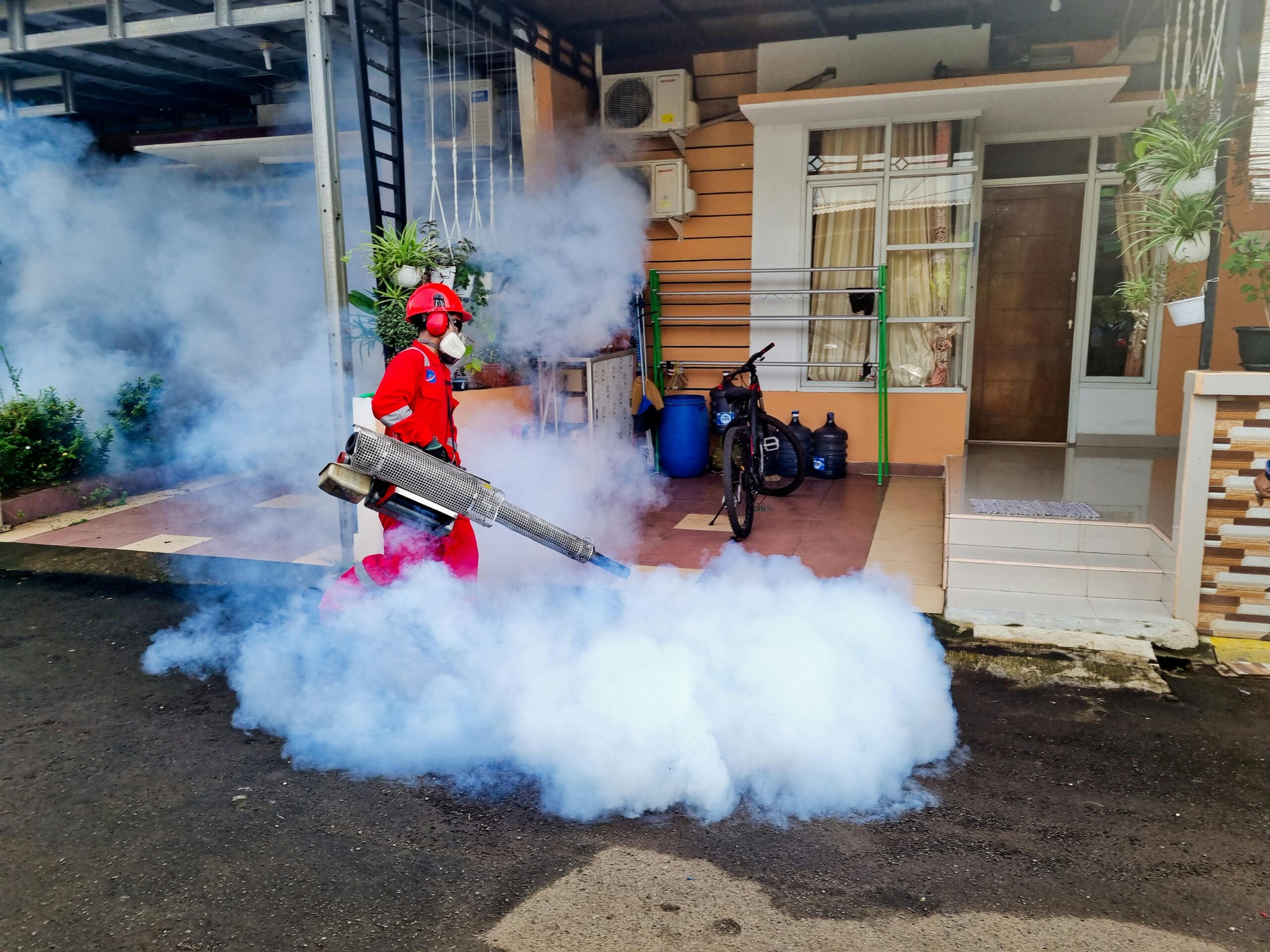
- Mosquito misting – Monthly misting creates a protective zone that reduces mosquito activity around decks, patios, and pools, making outdoor evenings more enjoyable.
2024 Price Ranges (Industry Averages)
| Service | Price Range (per visit or project) |
|---|---|
| General pest package | $120 – $250 |
| Termite inspection & treatment | $500 – $2,500 |
| Mosquito barrier (monthly) | $90 – $150 |
These figures give you a realistic baseline, but actual costs can vary based on property size, infestation severity, and regional market conditions.
Anthem Pest’s Flat‑Fee Pricing and Guarantee
Anthem Pest distinguishes itself with transparent, flat‑fee pricing—no hidden surcharges, no surprise add‑ons. For a standard general pest package, you’ll pay a single fee within the $120‑$250 range, and the service includes a thorough inspection, treatment, and a 30‑day guarantee. If pests return within that window, a follow‑up visit is free of charge.
Termite solutions follow a similar model: a fixed inspection fee and a clear treatment quote that covers the entire home, not just the visible damage. This approach lets homeowners budget confidently and eliminates the common “up‑charge” anxiety that many DIY or low‑ball services create.
Ready to protect your home? Call Anthem Pest today at 877-371-8196 for a free, no‑obligation quote and experience truly transparent pricing.
DIY Tips vs. When to Call a Professional
When DIY Makes Sense
Many homeowners can handle the occasional nuisance without breaking the bank or calling in a technician. If you’re dealing with a short ant trail that disappears after a few days of cleaning, a single roach sighting in the kitchen, or a modest indoor fly population that hovers around lights, a targeted do‑it‑yourself approach is often enough. These scenarios share three key traits:
- Limited scope: The pest activity is confined to a small area or a single entry point.
- Low risk: No structural damage or health hazards are evident.
- Quick response: You can see immediate results with over‑the‑counter products or simple sanitation steps.
For example, a vinegar‑water spray can disrupt an ant trail, while a bait station placed in a dark corner may eliminate a few roaches. Regular vacuuming, sealing cracks, and removing standing water often keep flies at bay without professional intervention.
Red‑Flag Situations That Require a Pro
Some infestations are too complex, dangerous, or persistent for a homeowner’s toolbox. When any of the following red flags appear, it’s time to pick up the phone and call Anthem Pest Control:
- Extensive termite damage: Visible wood hollowing, buckling floors, or mud tubes indicate a colony that can compromise a home’s structural integrity.
- Large rodent infestations: Multiple droppings, gnawed wiring, or active burrows suggest a population that can spread disease and cause fire hazards.
- Recurring mosquito swarms: Persistent buzzes around decks or patios, especially during peak season, often point to hidden breeding sites that need professional treatment.
- Repeated treatment failures: If you’ve tried DIY sprays or traps multiple times and the pests keep returning, the problem may be deeper than surface-level.
- Health‑related concerns: Bed bugs, cockroach allergens, or pest‑borne diseases warrant a thorough, certified approach.
Professional technicians bring licensed chemicals, specialized equipment, and a systematic inspection that ensures the problem is eradicated at its source—not just masked temporarily.
Quick Decision Flowchart
Use this simple textual flowchart to decide whether to roll up your sleeves or schedule a service call:
- Identify the pest and the extent of activity.
- Is the problem isolated to one small area (e.g., a single ant trail or a few flies)?
- Yes → Try a DIY solution and monitor for 48 hours.
- No → Proceed to step 3.
- Are there signs of structural damage, health risks, or repeated sightings despite previous DIY attempts?
- Yes → Contact Anthem Pest Control for a professional assessment.
- No → Continue with DIY methods, but set a deadline (e.g., one week) to reassess.
- If after the deadline the pest persists or spreads, schedule a professional visit.
Following this flowchart helps you avoid costly mistakes while ensuring that serious infestations get the expert attention they deserve. Remember, a small investment in professional service can save thousands in repair costs and protect your family’s health.
Selecting a Reliable Local Pest‑Control Provider
When you’re dealing with an unwanted guest—whether it’s ants marching across the kitchen counter or a hidden termite colony—choosing the right pest‑control partner can make all the difference. Not every company offers the same level of protection, professionalism, or peace of mind. Below are the five non‑negotiable criteria you should verify before signing a service agreement.
Key Vetting Criteria
- Licensing & Insurance: A reputable provider must hold a valid state pest‑control license and carry general liability insurance. This protects you if a technician accidentally damages property or if a treatment causes an unexpected reaction.
- EPA‑Registered Products: Look for companies that use EPA‑approved chemicals and follow Integrated Pest Management (IPM) principles. EPA registration ensures the product has been evaluated for safety and efficacy.
- Transparent Pricing: Trustworthy firms provide clear, itemized quotes—no hidden fees or surprise surcharges after the job is done. A written estimate should outline inspection costs, treatment plans, and any follow‑up visits.
- Customer Reviews & Testimonials: Real‑world feedback reveals how a company handles service calls, punctuality, and follow‑up care. Check independent review sites and the provider’s own testimonial page for consistent praise.
- 24/7 Emergency Support: Pests don’t keep office hours, and neither should your pest‑control partner. An emergency line ensures you can get rapid assistance when a sudden infestation strikes.
Spotlight: Anthem Pest Control
Anthem Pest Control checks every box on the checklist—and then some. Operating nationwide, Anthem brings local expertise to major metros such as Dallas, Chicago, Phoenix, and many more. Their technicians are fully licensed, carry comprehensive insurance, and are trained to apply EPA‑registered treatments that target pests while safeguarding families and pets.
What truly sets Anthem apart is its 24/7 emergency line. Whether a wasp nest appears overnight or a rodent invasion escalates on a weekend, a dedicated team is just a phone call away at 877‑371‑8196. This round‑the‑clock availability means you won’t be left waiting for a scheduled appointment when time is of the essence.
Anthem’s pricing model is built on transparency. Prospective customers receive a detailed, written estimate that breaks down inspection fees, treatment options, and any necessary follow‑up visits. No surprise charges appear on the final bill, allowing homeowners to budget confidently.
To see how Anthem’s approach translates into satisfied customers, explore their testimonial collection. Real stories from homeowners across the service map illustrate consistent results, courteous technicians, and rapid problem resolution.

The service‑area map above underscores Anthem’s reach—from the humid suburbs of Dallas to the desert neighborhoods of Phoenix, and the bustling streets of Chicago. No matter where you call from, you’ll find a local technician who knows the regional pest pressures and the most effective treatment protocols.
In short, the ideal pest‑control provider combines legal compliance, safe products, clear pricing, solid reviews, and emergency readiness. Anthem Pest Control embodies each of these attributes, giving homeowners a reliable, nationwide partner that feels local.
Frequently Asked Questions About Home Pest Management
How often should I have my home inspected?
We recommend a bi‑annual inspection—once in the spring and once in the fall. This schedule catches seasonal invaders early, lets us spot hidden activity before it becomes an infestation, and aligns with the life cycles of most common pests.
Are the chemicals safe for pets?
Our technicians use EPA‑approved, low‑toxicity products that are safe for dogs, cats, and other household pets when applied correctly. We follow strict label directions, apply the minimum effective amount, and give you clear re‑entry instructions so your furry friends stay healthy.
What is the warranty on termite work?
Anthem Pest Control stands behind our termite treatments with a standard five‑year guarantee. If termites are detected within the warranty period, we’ll retreat the affected area at no extra charge, provided routine inspections are maintained.
Do I need to vacate my home during treatment?
Most of our residential services, including interior sprays and bait placements, can be performed while you’re home. For fogging or barrier treatments that use higher‑volume applications, we’ll advise a short vacancy—typically 2–4 hours—so the chemicals can settle safely.
What should I do to prepare for a pest control visit?
Clear clutter where pests hide (under sinks, in closets, and around appliances). Secure food in sealed containers, and if you have small children, keep them in a separate room during the service. These steps help the technician work efficiently and improve treatment effectiveness.
How quickly will I see results?
Visible reduction in activity often occurs within 24–48 hours for most insects. For bed bugs or termites, full eradication may take several weeks, as we target multiple life stages and monitor progress with follow‑up visits.
Can I use over‑the‑counter products instead of professional services?
DIY sprays can provide temporary relief, but they rarely address the root cause and may lead to resistance. Professional treatments are calibrated to the specific species, location, and severity, ensuring long‑term control and protecting your family’s health.
Where can I learn more about pest‑related illnesses?
For medically vetted information, refer to the CDC FAQ on pest‑related illnesses. This resource outlines health risks, symptoms, and prevention tips backed by public‑health experts.
Take the Next Step – Protect Your Home with Anthem Pest Control
By now you’ve seen how a single unchecked pest can turn a comfortable home into a constant source of stress. Early detection, timely seasonal actions, and the right professional expertise are the three pillars that keep infestations at bay and protect your property’s value. When you combine these pillars, you create a proactive shield that stops problems before they become costly repairs.
- Early detection: Spotting the first signs—tiny droppings, faint gnaw marks, or a sudden increase in insect activity—lets you act before a small issue spirals into a full‑blown invasion.
- Seasonal actions: Each season brings its own set of pests. Spring invites ants and termites, summer brings mosquitoes and rodents, while fall sees an uptick in cockroaches seeking shelter. Tailoring your prevention plan to these cycles maximizes effectiveness.
- Professional expertise: Trained technicians know the biology, behavior, and best treatment methods for every common household pest. They also have access to data‑driven tools that predict emerging threats in your neighborhood.
Ready to put those pillars into action? Schedule a free inspection today and let a certified Anthem Pest Control specialist assess your home’s unique risk profile. The inspection is completely no‑obligation, and it gives you a clear roadmap for safeguarding every room—from the attic to the crawl space.
When you partner with Anthem Pest Control, you gain a trusted ally that combines data‑driven strategies with transparent, flat‑fee pricing—so you can enjoy a pest‑free home without surprise costs. Our technicians use safe, EPA‑approved products and proven treatment protocols, ensuring both effectiveness and peace of mind for families, pets, and the environment.
Give us a call at 877‑371‑8196 to lock in your complimentary inspection. Our friendly team will work around your schedule, answer any questions you have, and explain exactly what each step of the process entails.
Visit Anthem Pest Control to claim your free quote today and take the first confident step toward a healthier, pest‑free home.