Understanding Fleas and Their Impact on Georgia Homeowners

What Fleas Are
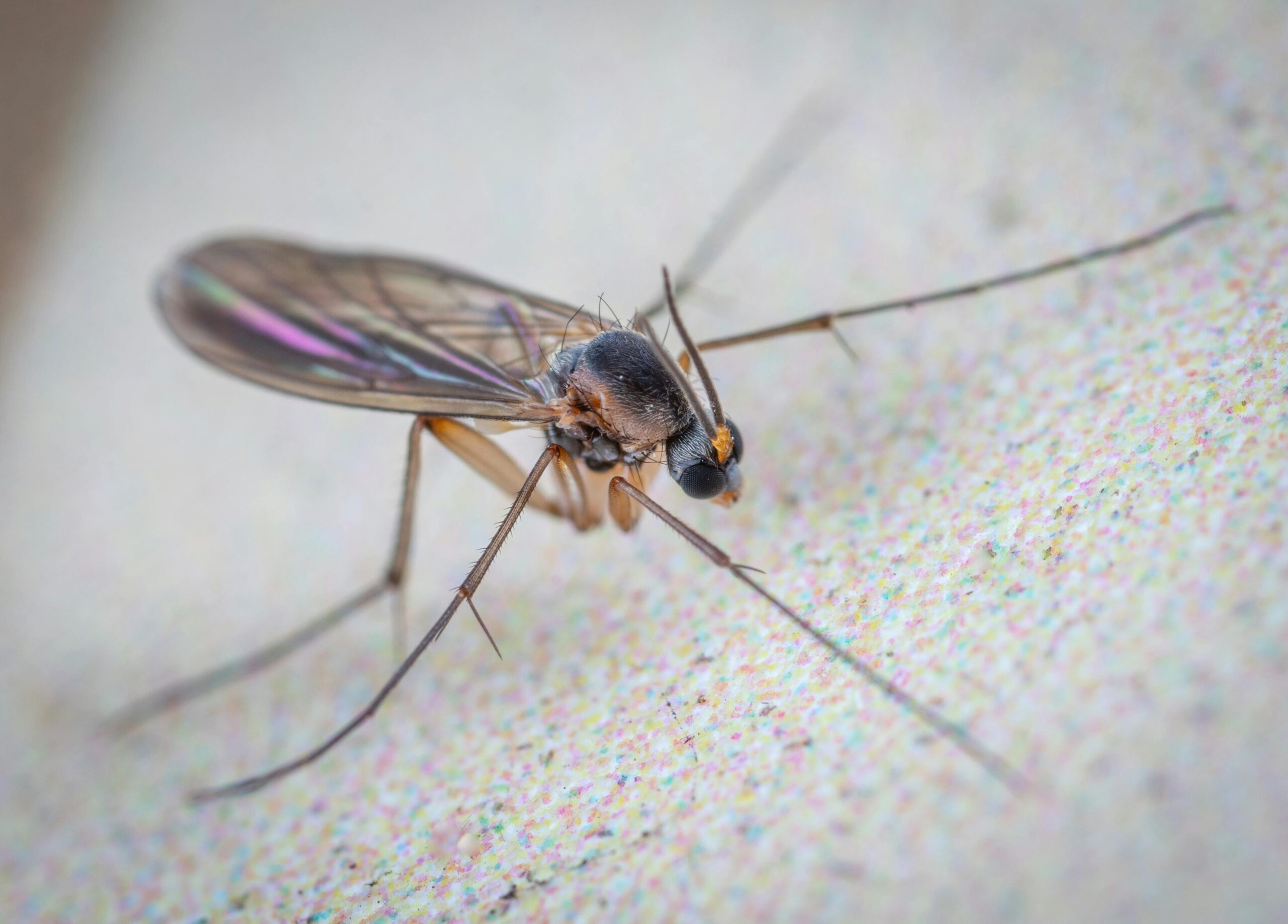
Fleas are tiny, wingless insects that survive by feeding on the blood of warm-blooded animals, which is why a professional flea inspection Decatur homeowners schedule can be critical for early detection. In the Southeast, the most common culprit is the cat flea (Ctenocephalides felis), which will bite dogs, cats, wildlife, and even humans. An adult flea measures about 1–3 mm—roughly the size of a grain of rice—yet its ability to jump up to 150 times its own length makes it a surprisingly mobile nuisance.
Georgia’s Climate: A Flea‑Friendly Recipe
Georgia’s warm, humid summers create the perfect breeding ground for fleas. Temperatures consistently stay above 70 °F (21 °C) from late spring through early fall, while humidity levels often hover around 70 %. These conditions accelerate the flea life cycle, allowing eggs to hatch in as little as five days and turning larvae into adult fleas within three weeks. In contrast, a cold, dry winter would slow the cycle dramatically, but Georgia’s mild winters rarely provide that reprieve.
The Real Cost of an Infestation
Beyond the itchy bites, fleas can exact a steep economic and emotional toll on homeowners. Pet owners may face veterinary bills for allergic dermatitis, secondary skin infections, or even anemia in severe cases. Human family members can experience uncomfortable, itchy welts that sometimes lead to secondary skin infections if scratched excessively. Additionally, flea‑infested carpets, upholstery, and bedding may require professional cleaning or replacement, adding hundreds of dollars to the repair bill.
Numbers That Matter in Decatur
Local pest‑service records show a noticeable spike in flea complaints each year between May and September. In 2023, the Decatur‑area office of Anthem Pest Control logged:
- ≈ 1,200 residential calls for flea sightings
- ≈ 35 % of those calls also involved pet‑related skin issues
- Average resolution cost: $185 – $325, depending on treatment depth
These figures illustrate that fleas are not just a “summer nuisance” but a recurring threat that can affect any household, especially those with pets.
Health Risks You Should Know
While flea bites themselves are the most immediate concern, fleas can also act as vectors for disease. The CDC outlines several flea‑borne illnesses, including murine typhus and plague, though the latter is rare in the United States. For a reliable, science‑backed overview, visit the CDC’s flea‑borne disease page. Understanding these risks reinforces why a prompt, professional inspection is essential.
Why Early Detection Matters
Fleas develop through four stages: egg, larva, pupa, and adult. By the time you notice adult fleas jumping on your pet or in your home, the infestation has already progressed through the earlier, hidden stages. Early detection—often during routine pet grooming or a quick visual sweep of bedding—allows a targeted treatment that can stop the life cycle before it spreads to neighboring units or the yard.
Setting the Stage for Treatment
Now that you understand what fleas are, why Georgia’s climate favors them, and the true costs they impose, you’re better equipped to recognize the early warning signs. The next sections will walk you through what a thorough flea inspection looks like, the tools professionals use, and how Anthem Pest Control tailors a safe, effective plan for Decatur homeowners.
Recognizing Flea Infestations: Signs and Health Risks
Visual clues you can’t miss
Fleas leave a trail of tell‑tale evidence that’s easy to spot once you know what to look for. The most common sign is flea dirt—tiny, black specks that look like pepper and appear on pet bedding, carpet seams, or even on your own floors. When you dampen the specks with a bit of water, they turn reddish, revealing digested blood. Adult fleas are another giveaway; they’re about the size of a grain of sand and move in a rapid, hopping motion on your pet’s coat or across smooth surfaces. Finally, bite clusters—small, red, itchy bumps often grouped in a line—typically appear on ankles, calves, or wrists, indicating a feeding frenzy.
What your pet’s behavior is telling you
Pets are excellent early warning systems. If your dog or cat is scratching, biting, or licking a specific area more than usual, it’s often a response to flea irritation. Look for excessive scratching that lasts for minutes at a time, especially after a walk or a nap. Over time, chronic scratching can lead to hair loss and visible skin irritation, such as redness, scabs, or a greasy sheen. These signs usually start on the neck, tail base, and lower back—areas where fleas love to hide.
Health risks for people
Fleas are more than a nuisance; they pose genuine health threats. Many individuals develop allergic reactions to flea saliva, resulting in itchy, inflamed welts known as flea bite dermatitis. While most bites are harmless, the CDC warns that fleas can transmit serious diseases, including murine typhus and, in rare cases, the plague. For detailed information, see the CDC’s flea fact sheet. Even a few bites can trigger secondary skin infections if scratched open, so prompt attention is essential.
Vulnerable groups need extra attention
Children, seniors, and anyone with a weakened immune system are especially susceptible to flea‑related complications. Young children often crawl on the floor and may not yet recognize the urge to scratch, increasing the chance of prolonged exposure. Elderly individuals may have thinner skin, making bite reactions more severe. Immunocompromised patients can experience heightened allergic responses or secondary infections that progress quickly. In these cases, what might be a minor irritation for a healthy adult can become a serious medical concern.
DIY versus calling a professional
Homeowners can tackle a light, early‑stage infestation with thorough vacuuming, regular washing of pet bedding, and the judicious use of over‑the‑counter flea sprays or collars. However, if you notice any of the following, it’s time to call a professional: more than a few adult fleas on your pet, flea dirt spreading across multiple rooms, persistent bite clusters on family members, or any signs of disease transmission. A licensed technician from Anthem Pest Control can perform a comprehensive inspection, identify hidden breeding sites, and apply targeted, low‑toxicity treatments that protect both your family and your pets while delivering lasting results.
How Flea Inspections Are Conducted in Decatur, GA
Pre‑inspection preparation tips for homeowners
Before the technician steps through your front door, a few simple actions can speed up the process and give the inspector a clearer picture of the infestation during a flea inspection Decatur homeowners schedule. Start by clearing away excess clutter—stacks of newspapers, magazines, or toys can hide adult fleas and their larvae. Next, secure pets in a separate room or crate; this protects them from any handling equipment and lets the inspector work safely around bedding and pet-frequented zones. Finally, vacuum high-traffic areas and dispose of the bag or canister immediately to reduce the number of live fleas you’ll see during the assessment.
Technician arrival: equipment overview
When our Anthem Pest Control professional arrives, you’ll notice a compact, well‑organized kit designed for both thoroughness and pet safety. A high‑intensity flashlight helps illuminate dark corners and baseboard cracks where fleas love to hide. Magnifying lenses allow the inspector to spot tiny flea eggs and larvae that are otherwise invisible to the naked eye. Pet‑friendly traps—usually small, adhesive pads or light‑attracted devices—are placed in areas where pets rest, ensuring no harm comes to your animals while still capturing any wandering fleas.
Indoor assessment
The indoor portion begins with a systematic sweep of the most vulnerable locations. Carpets and rugs are inspected first; the technician runs a flea comb over a sample section, looking for adult fleas, eggs, or dark specks that indicate feces. Bedding, especially pet beds, is lifted and examined for signs of activity. Cracks in baseboards, under floorboards, and along window sills receive special attention, as these are prime harborage spots for flea larvae. Throughout the walk‑through, the inspector may pause to tap a carpet or shake a pillow, using the flashlight to spot any sudden movement that could be a live flea.
Outdoor assessment
Fleas thrive in shaded, humid environments, so the exterior inspection focuses on those exact conditions. The technician walks the yard perimeter, checking the edges of flower beds, under decks, and around any outdoor pet shelters. Areas where pet waste accumulates are examined closely, because flea eggs often fall into the soil and hatch there. Potential wildlife hosts—such as squirrel nests or bird feeders—are noted, as they can serve as a reservoir for adult fleas that later migrate indoors. Any standing water or excessive mulch is flagged, since moisture encourages the development of flea larvae.
Detection tools in action
Beyond visual checks, we employ several proven detection tools. Sticky pads, placed in high‑traffic indoor zones and near outdoor entry points, capture adult fleas that jump onto the adhesive surface. Flea combs are run through a sample of pet fur, allowing the inspector to pull out adult fleas and eggs for immediate identification. In some cases, a quick pet examination is performed—using a soft brush to sweep the animal’s coat—so we can confirm whether the pet is currently carrying fleas. All tools are chosen for their effectiveness and their safety for both people and pets.
Reporting format: documenting and communicating findings
At the end of the inspection, you’ll receive a concise, easy‑to‑read report that outlines exactly what was found and where. The document is divided into indoor and outdoor sections, each listing inspected locations, observed evidence (e.g., “adult fleas detected in bedroom carpet” or “larval clusters in shaded mulch”), and the detection method used. Photographs or close‑up images of any specimens are included for visual confirmation. The report also provides a tailored recommendation plan—whether it’s a one‑time treatment, a follow‑up schedule, or preventative measures such as regular vacuuming and yard maintenance. Finally, our technician walks you through the findings, answering any questions and explaining the next steps so you feel confident about protecting your home.
Pricing Overview: What Homeowners Can Expect for Flea Services
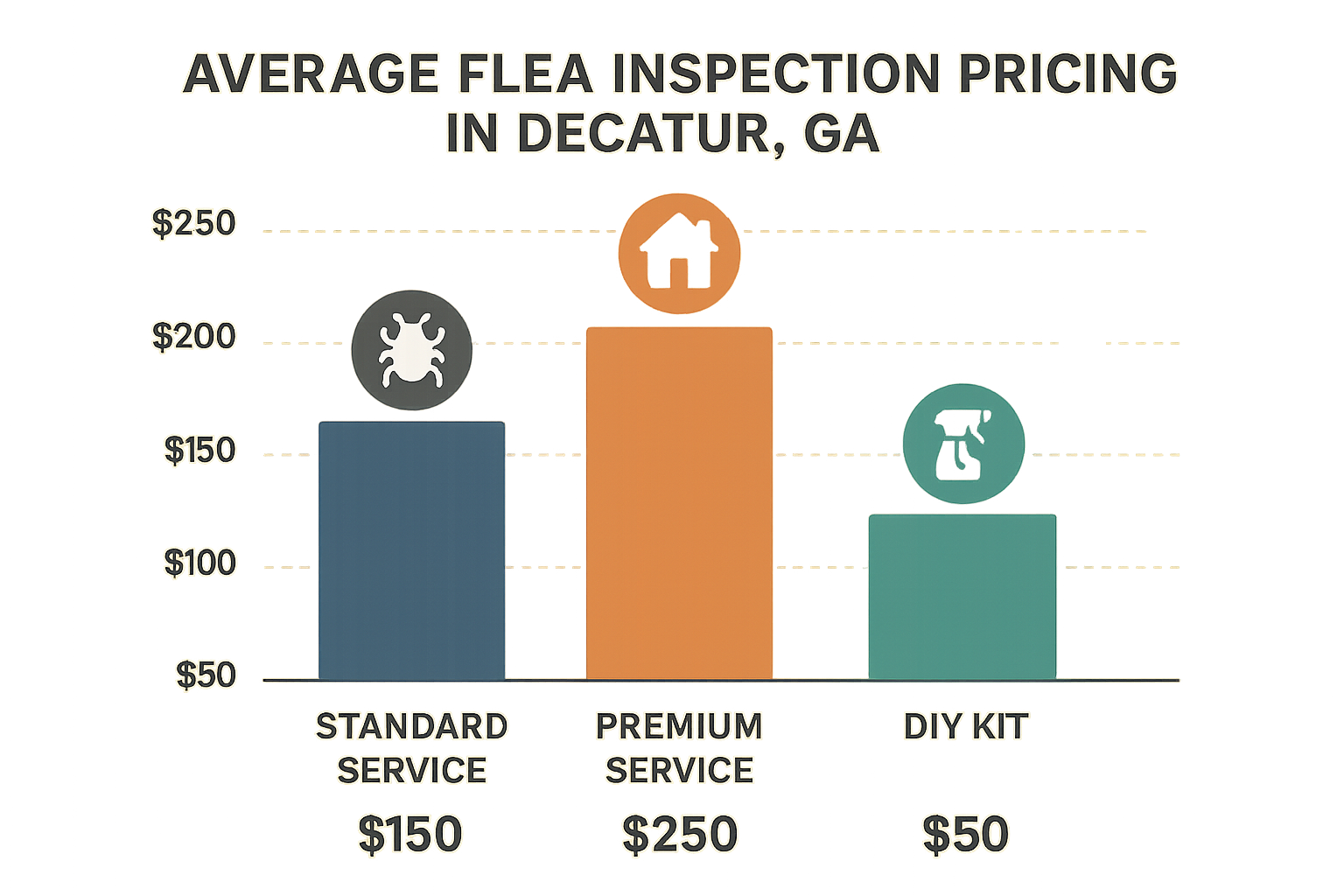
When it comes to flea control, the biggest question most Decatur homeowners ask is, “How much will it cost?” The answer isn’t one-size-fits-all, but pricing is often determined by what’s uncovered during a flea inspection Decatur homeowners schedule. The market generally falls into three recognizable pricing models: standard service, premium service, and DIY kits. Understanding what each tier includes helps you compare apples to apples and decide where your budget aligns with long-term effectiveness.
1. Standard Service – The “Essential” Package
- What’s covered: A thorough home inspection, a single‑application insecticide treatment (typically a spray or fogger), one follow‑up visit within 30 days, and a limited‑time warranty (usually 30‑45 days) that covers re‑infestation.
- Typical price in Decatur: $120 – $180 per treatment.
- Best for: Small to medium homes with a recent, isolated flea outbreak.
2. Premium Service – The “All‑In‑One” Solution
- What’s covered: Comprehensive inspection, a multi‑stage treatment plan (pre‑emptive adulticide followed by a growth regulator), up to three follow‑up visits over a 90‑day period, and an extended warranty (often 90 days) that includes free retreatment if fleas return.
- Typical price in Decatur: $200 – $260 per treatment cycle.
- Best for: Larger properties, multi‑family homes, or anyone who wants a hands‑off approach with guaranteed results.
3. DIY Kits – The “Do‑It‑Yourself” Option
- What’s covered: A starter kit containing a spray or powder, a step‑by‑step guide, and optional online support. No professional inspection or follow‑up visits are included.
- Typical price in Decatur: $40 – $80 for a single‑use package.
- Best for: Budget‑tight homeowners who are comfortable handling the application themselves and have a small, contained infestation.
Value Considerations: Upfront Cost vs. Long‑Term Effectiveness
It’s tempting to choose the cheapest option, but flea populations rebound quickly if the treatment doesn’t target both adult fleas and their developing stages. A standard service may solve a one‑time outbreak, yet you could end up spending $120 – $180 now and another $150 in a few weeks when the fleas return. Premium services carry a higher upfront price, but the multi‑stage approach and extended warranty often eliminate the need for repeat visits, saving you money—and stress—over the season.
DIY kits are the lowest‑cost entry point, but they require strict adherence to safety guidelines and may miss hidden infestations in wall voids or pet bedding. If you’re not comfortable navigating those nuances, the hidden cost can be a prolonged battle that ultimately costs more in time and additional products.
How Anthem Pest Control Structures Its Pricing
At Anthem Pest Control, we keep pricing transparent by breaking every service into clear components:
- Inspection fee: $0 – $25 (often waived when you schedule a treatment).
- Standard treatment: $130 – $175, includes one follow‑up.
- Premium treatment: $210 – $255, includes up to three follow‑ups and a 90‑day warranty.
- DIY kit: $55 – $70, with a downloadable guide and optional virtual consultation for $15.
All prices are posted on our website, and we provide a detailed estimate before any work begins. This “a‑la‑carte” approach lets you see exactly what you’re paying for—no hidden fees, no surprise charges.
Ready for a Personalized Quote?
Every home is unique, and flea pressure can vary based on pets, landscaping, and neighboring properties. The simplest way to get an accurate number is to request a free, no‑obligation quote from Anthem Pest Control. Our local technicians will assess your situation, explain the tier that best matches your needs, and give you a written price breakdown you can compare with other options.
Give us a call at 877‑371‑8196 or visit anthempest.com to schedule your inspection today. Transparent pricing means you know exactly what you’re paying for—and you can rest easy knowing your home is protected from fleas.
Seasonal Trends: When Fleas Are Most Active in Georgia
Georgia’s climate is a roller‑coaster for pests. Warm, wet springs give way to scorching summers, while autumn stays mild enough for insects to linger. Understanding this rhythm lets you schedule flea inspections when they’ll have the biggest impact—saving you time, stress, and money.
Georgia’s Seasonal Climate at a Glance
From March through May, temperatures climb into the 70‑80°F range and humidity spikes, creating the perfect breeding ground for flea eggs and larvae. Summer (June‑August) pushes the mercury above 90°F, but the consistent moisture still supports flea development. Come September, the heat eases, yet nights remain warm enough for adult fleas to stay active until the first frost.
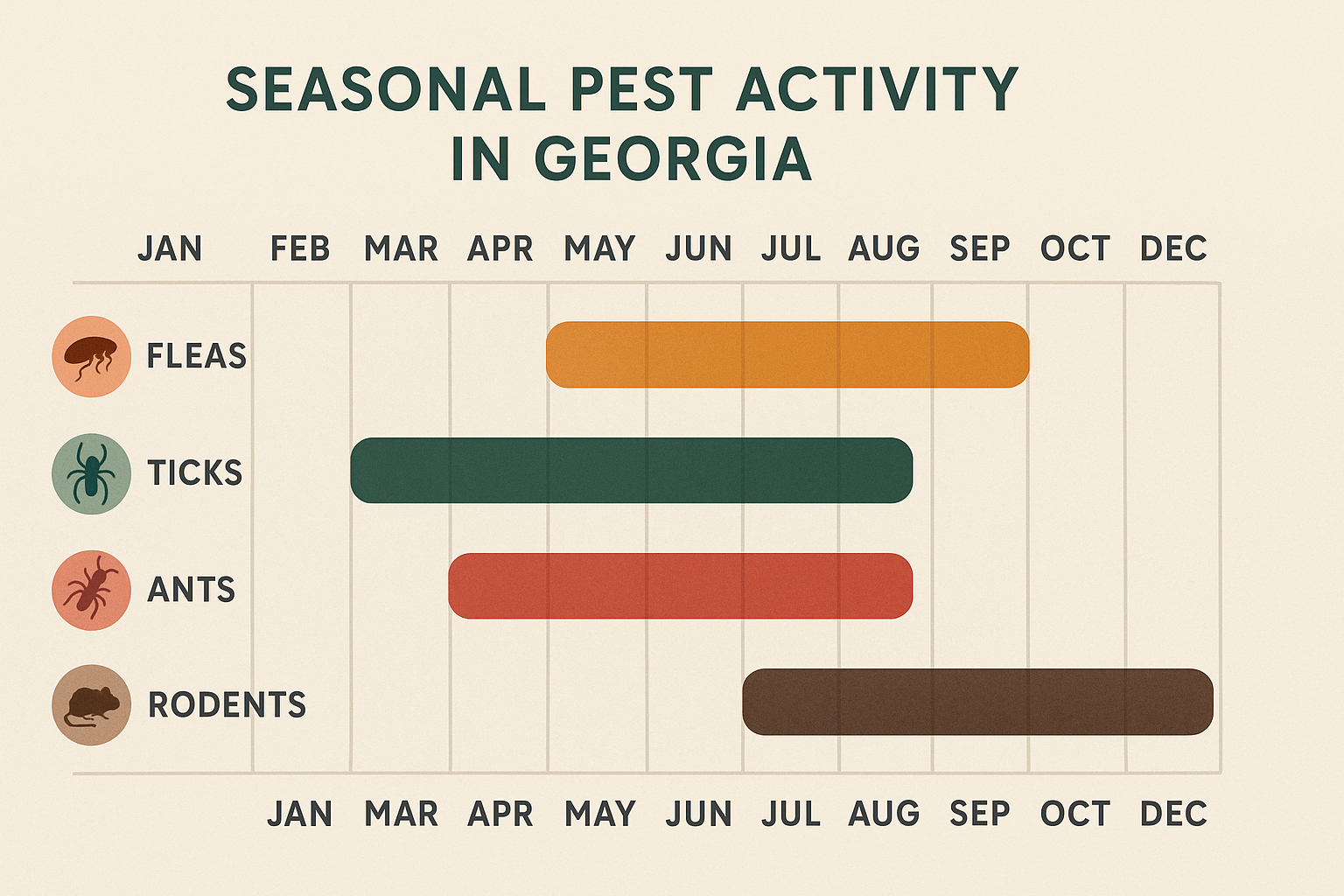
Seasonal Pest Activity Chart
| Month | Fleas | Ticks | Ants | Rodents |
|---|---|---|---|---|
| Jan | Low | Low | Low | Medium |
| Feb | Low | Low | Low | Medium |
| Mar | Medium | Medium | Medium | Medium |
| Apr | High | Medium | Medium | Medium |
| May | High | High | High | Medium |
| Jun | High | High | High | Low |
| Jul | High | High | High | Low |
| Aug | Medium | Medium | Medium | Low |
| Sep | Medium | Medium | Medium | Low |
| Oct | Low | Low | Low | Medium |
| Nov | Low | Low | Low | Medium |
| Dec | Low | Low | Low | Medium |
Why Fleas Surge from Late Spring to Early Fall
Flea life cycles are temperature‑dependent. When the mercury consistently stays above 65°F, eggs hatch in 2‑5 days, larvae develop in warm, humid litter, and pupae emerge as adult fleas within a week. Pet owners also tend to let dogs and cats spend more time outdoors during these months, inadvertently transporting eggs and adult fleas into the home.
Timing Your Inspections for Maximum Effectiveness
- Early Spring (late March‑early April): Schedule a pre‑emptive inspection. Technicians can treat indoor and outdoor zones before flea populations explode.
- Mid‑Summer (July): Conduct a follow‑up check, especially if pets have been on day trips or if you notice increased scratching.
- Fall (late September‑early October): Perform a final treatment to mop up any lingering adults before cooler weather halts breeding.
Seasonal Pricing & Promotions
Anthem Pest Control aligns its special offers with these peaks. Early‑spring bundles often include a complimentary pet‑friendly spray, while mid‑summer deals may feature discounted follow‑up visits. By planning inspections around the chart’s high‑activity months, you not only protect your family but also take advantage of the most cost‑effective pricing.
Effective Treatment and Prevention Strategies for Fleas
Fleas can turn a comfortable home into a constant source of irritation for both people and pets. The most reliable way to eliminate an existing infestation and keep it from returning is to combine professional interventions with smart DIY habits and ongoing environmental management. Below you’ll find a step‑by‑step roadmap that Anthem Pest Control uses for Decatur homeowners, from the moment the first adult flea is spotted to the long‑term maintenance plan that keeps your yard and interior flea‑free.
Professional Treatment Options
When a flea problem spreads beyond a few isolated spots, a licensed technician brings tools that are both fast‑acting and residual. The most common solutions include:
- Insect Growth Regulators (IGRs) – chemicals such as methoprene or pyriproxyfen that stop flea eggs and larvae from maturing, breaking the life cycle for months.
- Adulticide sprays – fast‑acting aerosols that knock down adult fleas on carpets, baseboards, and pet bedding within minutes.
- Foggers (total‑release aerosols) – ideal for larger homes where spray reach is limited; they disperse a fine mist that settles on hidden cracks and crevices.
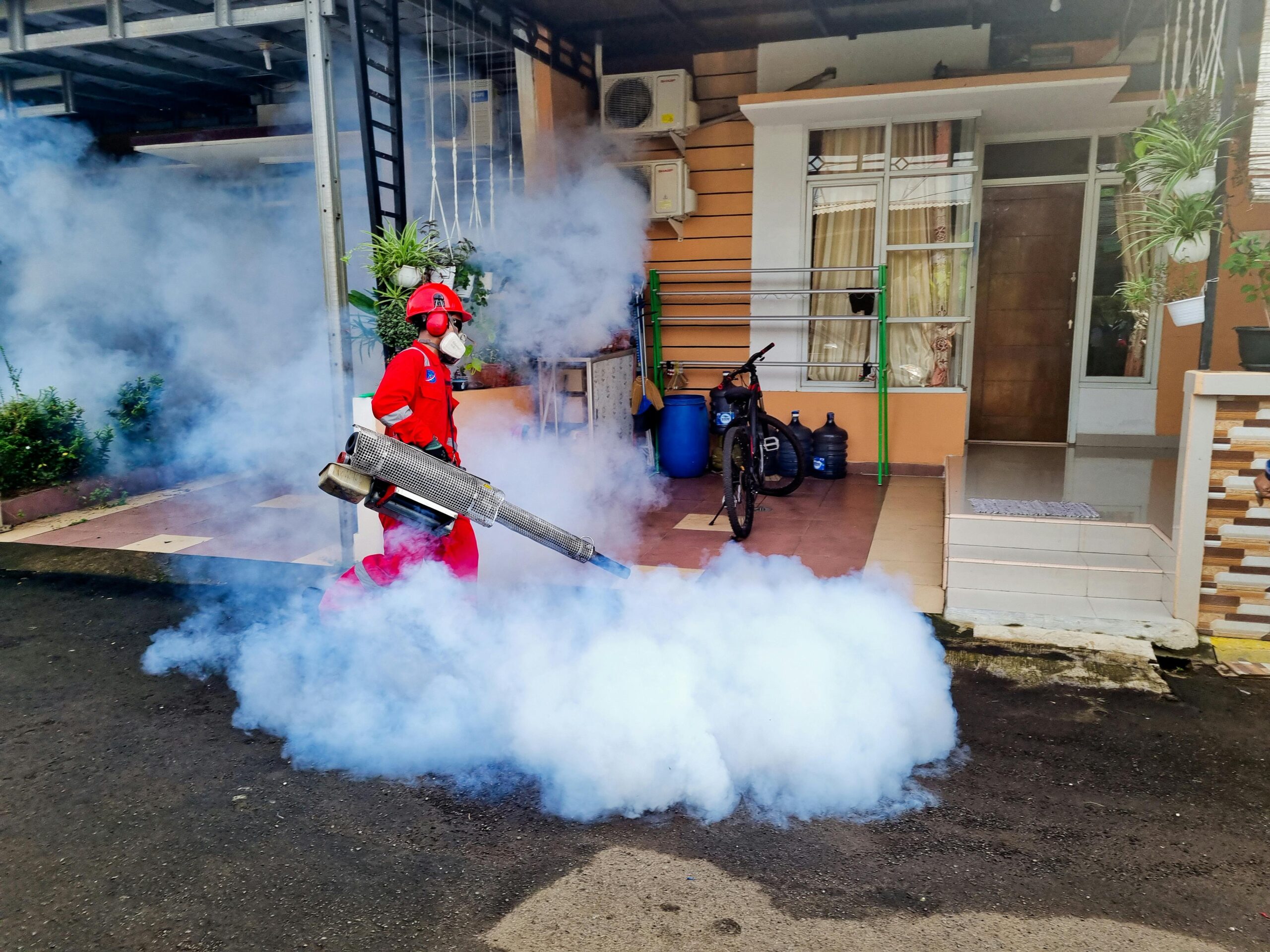
- Targeted smoke fumigation – a low‑temperature smoke that penetrates hard‑to‑reach voids, delivering IGRs and adulticides directly to nests under furniture, inside wall voids, and beneath floorboards.
How Smoke Fumigation Works
Smoke fumigation uses a specially formulated, low‑smoke insecticide that is heated just enough to become a vapor without posing a fire hazard. The technician inserts a flexible hose into the most concealed areas of the home, allowing the smoke to travel through wall cavities, under baseboards, and into attic spaces where flea larvae often hide. Because the smoke can seep into gaps that sprays cannot, it delivers a uniform dose of both adulticide and IGR, killing present adults and preventing any new hatchlings from emerging. The result is a deep, residual barrier that remains effective for up to 12 weeks.

DIY Supplements to Boost Professional Work
Even after a professional visit, homeowners play a critical role in sealing the victory. Simple, consistent actions dramatically increase the odds of total eradication:
- Vacuum daily – focus on rugs, upholstered furniture, and pet sleeping areas. Empty the canister outside immediately to prevent re‑infestation.
- Wash bedding at ≥130°F (54°C) – hot water kills all life stages of fleas hidden in sheets, blankets, and pet covers.
- Groom pets weekly – use a veterinarian‑approved flea shampoo or a monthly topical treatment to remove adult fleas and deter eggs from falling off.
- Apply a residual flea spray – a homeowner‑safe product can be used on doorways and pet pathways between professional treatments.
Environmental Prevention Around the Home
Fleas thrive in outdoor environments that provide shade, moisture, and hosts. Managing the perimeter reduces the chance of new fleas crawling indoors:
- Trim grass and shrubs to a maximum of 3 inches, eliminating humid micro‑habitats.
- Remove leaf litter, wood piles, and other debris where wild rodents or stray cats might nest.
- Install low‑profile fencing or motion‑activated lights to deter wildlife from entering the yard.
- Consider a perimeter treatment with a pet‑safe IGR product during peak flea season (late spring through early fall).
Ongoing Monitoring and Seasonal Re‑treatments
Fleas are opportunistic; a single missed egg can reignite an outbreak. Regular checks keep you ahead of the curve:
- Place sticky flea traps in high‑traffic zones (kitchen corners, pet sleeping spots) and replace them every two weeks.
- Schedule a professional inspection at the start of each season—particularly after heavy rains or when pets spend more time outdoors.
- Plan a follow‑up treatment 4–6 weeks after the initial service to target any newly emerged adults that escaped the first round.
Integrated Pest Management (IPM) for Sustainable Control
Anthem Pest Control follows an IPM philosophy that blends chemical, mechanical, and cultural tactics. By prioritizing prevention, using the least toxic options first, and reserving stronger chemicals for confirmed hotspots, IPM protects your family, pets, and the local ecosystem while delivering lasting flea control. When every step—from professional fumigation to daily vacuuming—is coordinated, the flea life cycle is interrupted at every stage, ensuring a truly flea‑free home year after year.
Take Action: Protect Your Home with Anthem Pest Control
Fleas may seem tiny, but in Georgia’s warm climate they can quickly turn a cozy home into a relentless itch‑fest for both people and pets. Early detection stops the life cycle before it spreads to carpets, bedding, and the yard, saving you time, money, and the frustration of a full‑blown infestation. By catching the problem early, you protect your family’s health, preserve the comfort of your living spaces, and avoid the costly, extensive treatments that come after a severe outbreak.
Why Choose Anthem Pest Control?
Anthem’s team of certified technicians brings more than just a toolbox—they bring a proven track record of flea control across the Southeast. Our experts are trained in the latest Integrated Pest Management (IPM) techniques, meaning they assess the source, target the adult fleas, and eliminate the hidden eggs and larvae that hide in cracks, pet bedding, and upholstery. Transparent pricing lets you see exactly what you’re paying for, with no hidden fees or surprise add‑ons.
Pet‑Friendly, Safe Solutions
We know your pets are part of the family, so every treatment we apply is vetted for safety around dogs, cats, birds, and even fish tanks. Our low‑toxicity, EPA‑approved products work quickly without leaving lingering residues that could harm curious paws or noses. In addition, we provide homeowners with simple, actionable steps—like regular vacuuming and pet grooming—to keep the environment hostile to fleas long after our visit.
Our Commitment to Your Satisfaction
Customer satisfaction isn’t just a buzzword at Anthem; it’s a promise. We follow up after each service to confirm the results, adjust treatment plans if needed, and answer any lingering questions you might have. If you’re not completely comfortable with the outcome, we’ll revisit the site at no extra cost until the problem is fully resolved.
Ready for a Flea‑Free Home?
Take the first step toward lasting relief with a free, no-obligation quote. Our friendly staff is ready to discuss your specific situation, answer any questions, and schedule a flea inspection Decatur homeowners can rely on at a convenient time that fits your calendar.
- Call us today at 877‑371‑8196 for immediate assistance.
- Visit Anthem Pest Control to request your quote online.
- Enjoy peace of mind knowing Georgia’s flea threats are being handled by local experts who care about your home and your pets.