Understanding Flea Infestations in Decatur, GA
Fleas may seem like a minor nuisance, but in Decatur they quickly become a household headache—often prompting homeowners to search for a flea exterminator near me Decatur when the problem escalates. The city’s suburban layout, combined with a warm, humid climate, creates an environment where these tiny parasites thrive year-round. Homeowners who recognize the signs early can stop a small problem from turning into a full-blown infestation.
The cat flea (Ctenocephalides felis) dominates the local flea population. Although named for cats, it readily jumps to dogs, humans, and even wildlife. Its life cycle—egg, larva, pupa, adult—can be completed in as little as two weeks when temperatures stay between 75°F and 85°F, which is common in Decatur’s summer months.
Decatur’s climate is a perfect storm for fleas. Summers are long, warm, and humid, providing the moisture fleas need to develop from egg to adult. Even during milder fall weeks, nighttime temperatures rarely dip below the 60°F threshold that would slow their growth, allowing multiple generations to overlap.
Local housing stock adds another layer of suitability. Many homes feature spacious yards with dense, shaded vegetation—ideal hiding spots for flea larvae and pupae. Wood‑frame construction, carpeted interiors, and pet‑friendly spaces create additional refuges where adult fleas can feed and lay eggs unnoticed.
According to recent data from the Georgia Department of Public Health, which compiles reports from the CDC and EPA, flea‑related complaints in the Decatur metro area have risen by 18 % over the past three years. In 2023, over 2,300 service calls listed fleas as the primary concern, making them the third most reported indoor pest after ants and cockroaches.
For pets, the impact is immediate and uncomfortable. Flea bites cause intense itching, leading to hair loss, skin infections, and in severe cases, flea‑induced anemia—especially in kittens, puppies, or older animals with weakened immune systems.
Humans are not immune either. While most people experience only a mild, itchy welt, some develop allergic reactions that result in larger, inflamed patches. In rare instances, fleas can transmit diseases such as murine typhus or cat‑scratch fever, underscoring the importance of prompt control.
Beyond health concerns, fleas can damage property. Their larvae feed on organic debris, turning carpets, rugs, and upholstered furniture into breeding grounds. Over time, heavy infestations may require professional deep‑cleaning or even replacement of affected fabrics, adding unexpected expenses to a homeowner’s budget.
Did you know? The first sign of a flea problem is often a small, red, bite‑sized welt that appears in clusters around the ankles or lower legs. These bites are typically surrounded by a tiny red halo and become increasingly itchy after 24–48 hours.
Flea Life Cycle and Health Risks
Understanding how a flea moves from a tiny egg to a blood‑sucking adult is the first step in stopping an infestation before it overwhelms your home. Each stage not only multiplies the pest population but also creates new opportunities for the bugs to bite, spread disease, and trigger allergic reactions in both pets and people.
Egg
Female fleas lay their eggs on the host’s fur, but the eggs are so light they often fall off onto carpets, bedding, or cracks in the floor. In Decatur’s typical indoor climate (68‑75 °F), an egg hatches in 2–5 days. Outdoor temperatures that hover around 70 °F can accelerate hatching to as little as 24 hours, while cooler evenings may extend the period to five days.
Larva
Once hatched, the flea larva is a small, whitish grub that feeds on organic debris—adult flea feces, shed skin, and even the eggs themselves. Under indoor conditions, larvae develop in 5–20 days, depending on humidity and food availability. Outdoor larvae benefit from higher humidity, often completing this stage in 5–10 days, but extreme heat can desiccate them, slowing development.
Pupa
After the larval stage, the flea spins a silken cocoon and enters the pupal phase. This is the most protective stage; a pupa can remain dormant for weeks or even months if conditions are unfavorable. In Decatur’s mild winters, indoor pupae typically emerge within 7–14 days**,** while outdoor pupae may stay sealed until a warm spring triggers emergence.
Adult
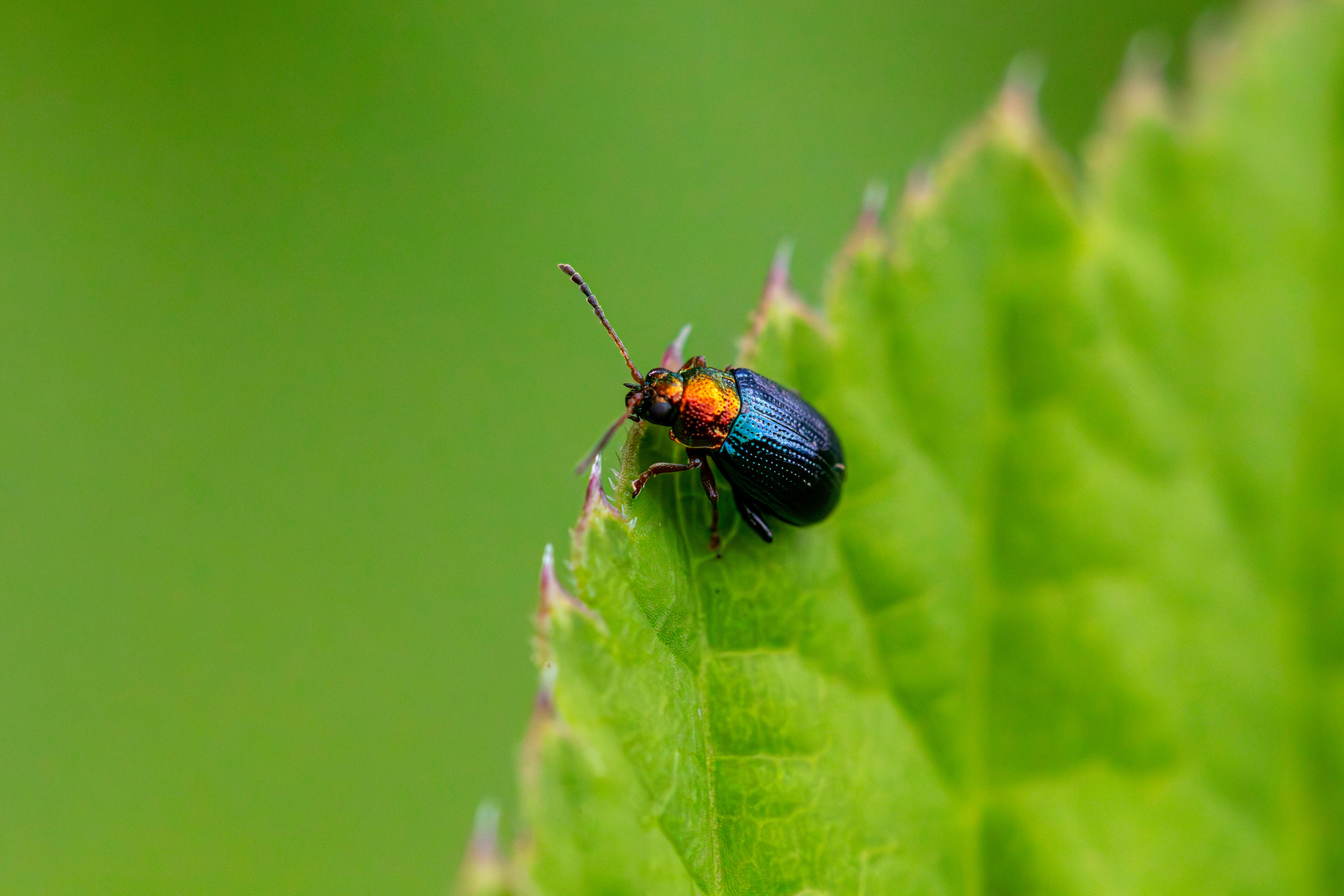
The fully formed adult flea is a flattened, jumping powerhouse about 1–3 mm long. It seeks a warm‑blooded host within minutes of emerging. An adult flea feeds every 4–6 hours, taking a tiny blood meal that can cause itching and irritation. A single female can lay up to 50 eggs per day, meaning that a modest infestation can double in size within a week if left unchecked.
Timeline of Development in Decatur
| Stage | Indoor (°F) | Outdoor (°F) |
|---|---|---|
| Egg | 2–5 days | 1–5 days |
| Larva | 5–20 days | 5–10 days |
| Pupa | 7–14 days (can pause longer) | 7–14 days (often longer in cool weather) |
| Adult | Live 2–3 months with regular meals | Live 2–3 months, may die sooner in extreme heat |
Why Flea Populations Grow Exponentially
Because each adult female can produce up to 50 eggs daily, a single pair can generate several hundred offspring within a month. Those eggs hatch into larvae that consume the very feces left by adults, creating a self‑sustaining food loop. The protective pupal cocoon shields the next generation from cleaning attempts, allowing hidden reservoirs to burst forth when temperatures rise.
Health Risks for Pets and People
- Allergic dermatitis: Flea saliva triggers itching, redness, and hair loss in sensitive animals and humans.
- Flea‑borne tapeworm (Dipylidium caninum): Dogs and cats ingest infected fleas during grooming, leading to intestinal tapeworm infections.
- Bartonella (cat‑scratch disease): Fleas can transmit Bartonella henselae to cats, which then spread the bacteria to humans via scratches. CDC reference
Safe Treatment Practices
When you decide to treat a flea problem, follow the EPA’s guidelines for pesticide use around pets and children. Choose products labeled for indoor use, apply them only in areas where pets frequent, and ventilate rooms after application. Professional services, like those offered by Anthem Pest Control, can integrate low‑toxicity treatments with integrated pest management (IPM) strategies to keep your family safe while eliminating fleas.
Spotting Flea Activity and Early Warning Signs
Fleas are tiny, but the trouble they cause can be massive—itchy pets, irritated skin, and a rapid infestation if you don’t catch them early. Knowing the subtle clues before the problem explodes can save you both money and sleepless nights.
Common indoor signs
- Flea dirt: Look for tiny black specks on pet bedding, carpets, or floorboards. When you moisten a speck with a drop of water, it turns pink—classic flea feces.
- Excessive scratching: Your dog or cat may scratch, bite, or groom obsessively, especially around the neck, tail base, and belly.
- Moving insects: Spotting small, jumping insects on sheets or cushions is a dead‑giveaway. Fleas can leap up to 7 inches, so they often appear on the very surface where pets rest.
Outdoor indicators
- Dark, flea‑sized insects hopping among grass or low foliage.
- Signs of wildlife—rabbits, squirrels, or raccoons—using your yard as a corridor. These animals frequently carry fleas that can jump onto your pets.
- Petting your dog or cat after a walk and noticing a few tiny insects on their fur is a strong hint that the yard is a source.
Using a flea comb effectively
A flea comb is a simple, inexpensive tool that can confirm an infestation. Follow these steps:
- Choose a fine‑toothed comb (the tighter the teeth, the better).
- Part your pet’s fur and run the comb slowly from the head to the tail, especially around the neck and base of the tail.
- Wipe the comb on a white paper towel after each pass. Flea dirt will appear as tiny black specks; a few live fleas may also be caught.
- If you see more than a handful of fleas or a steady stream of flea dirt, it’s time to act quickly.
Simple home inspection checklist
Run through each area of your home and yard with a flashlight and a keen eye. Mark any findings on a quick checklist to gauge severity.
- Bedrooms – especially pet sleeping spots and mattress seams.
- Living room – under couches, rugs, and pet blankets.
- Under furniture – lift sofas and chairs; check cracks in the floor.
- Pet feeding area – look for flea dirt on bowls and surrounding floor.
- Yard perimeter – inspect the edges of lawns, mulch beds, and shaded corners.
- Outdoor shelters – check any rabbit burrows, squirrel nests, or bird boxes for dark insects.
DIY vs. professional intervention
Not every sighting requires a full‑scale exterminator visit. Use the following guide to decide:
| Severity | Signs Observed | Recommended Action |
|---|---|---|
| Low | 1–2 fleas on comb, occasional flea dirt | Wash bedding, vacuum thoroughly, apply a spot‑on pet treatment. |
| Moderate | Multiple fleas on comb, flea dirt in several rooms | Combine DIY sprays with regular vacuuming; consider a short‑term indoor fogger. |
| High | Fleas visible without comb, heavy flea dirt, pets constantly scratching | Call a professional pest service—treatment must be comprehensive and timed. |
When the infestation reaches the “high” tier, or if you have young children, elderly residents, or pets with health sensitivities, a professional approach is the safest route. Anthem Pest Control can design a targeted plan that eliminates fleas while protecting your family and pets.
For a deeper dive into industry‑standard practices, consult the NPMA best‑practice guide for flea management. Following these guidelines helps you stay ahead of the pests and keeps your home comfortable year‑round.
Treatment Options – DIY Methods vs Professional Services
Overview of DIY tools
When fleas first appear, many homeowners reach for the nearest over-the-counter solution before eventually searching for a flea exterminator near me Decatur if the problem persists. Common DIY options include flea shampoo for pets, spot-on treatments that drip onto the animal’s back, indoor foggers that release a cloud of insecticide, and complete “DIY kits” that bundle sprays, powders, and traps. These products are inexpensive and promise quick relief, which is appealing for a budget-conscious homeowner.
The upside is clear: you can purchase a bottle at the local hardware store, apply it on your own schedule, and avoid the upfront cost of a professional visit. However, each product comes with its own set of trade‑offs. Shampoos only kill adult fleas on the animal’s coat, spot‑ons may not reach hidden larvae, foggers can leave residues on furniture, and kits often lack the potency needed for a severe infestation.
Limitations of DIY
DIY methods rarely achieve the complete coverage that a trained technician can provide. Fleas spend most of their life cycle hidden in carpets, cracks, and pet bedding, so a spray that misses a single nook can allow the population to rebound. Moreover, repeated use of the same chemical can breed resistance, rendering the product ineffective over time.
Misapplication poses another risk. A fogger used in a home with children or curious pets can cause skin irritation, respiratory distress, or accidental ingestion. Even “pet‑safe” spot‑ons can be toxic if applied too heavily or on a pet with a compromised immune system. The bottom line: DIY solutions work best for minor, early‑stage problems, but they often leave hidden eggs and pupae untouched.
Professional services offered by Anthem Pest Control
Anthem Pest Control takes a holistic approach that starts with a full‑home inspection. A licensed technician identifies not only the visible adult fleas but also the breeding hotspots—under the porch, in pet‑friendly zones, and around outdoor landscaping. Based on the findings, the team applies targeted indoor and outdoor treatments using EPA‑approved, pet‑safe products that penetrate deep into cracks and crevices.
Our service package includes a follow‑up visit to assess residual activity and, if needed, a second treatment to mop up any surviving insects. All work is backed by a warranty that guarantees a flea‑free home for up to 90 days, giving homeowners peace of mind that a DIY spray simply cannot match.
Benefits of hiring a licensed technician
A certified technician brings expertise that goes beyond “spray and pray.” They can correctly identify flea species, differentiate them from other biting insects, and select the exact dosage needed for your home’s square footage. Proper dosage prevents over‑application, protecting pets, children, and the environment.
Because Anthem’s technicians are fully insured and continuously trained, you receive a service that complies with local regulations and industry best practices. The warranty and documented treatment plan also protect you from future re‑infestations, saving time and money in the long run.
Real‑world case study snippet
Jane M., a homeowner in Decatur, discovered a severe flea outbreak after adopting two new cats. She tried several over‑the‑counter sprays with little success. After scheduling a single visit with Anthem Pest Control, the technician performed a thorough inspection, treated both indoor carpeted areas and the shaded yard, and set up a follow‑up check two weeks later. Within ten days, Jane reported a 90 % reduction in flea sightings and a noticeable improvement in her pets’ comfort.
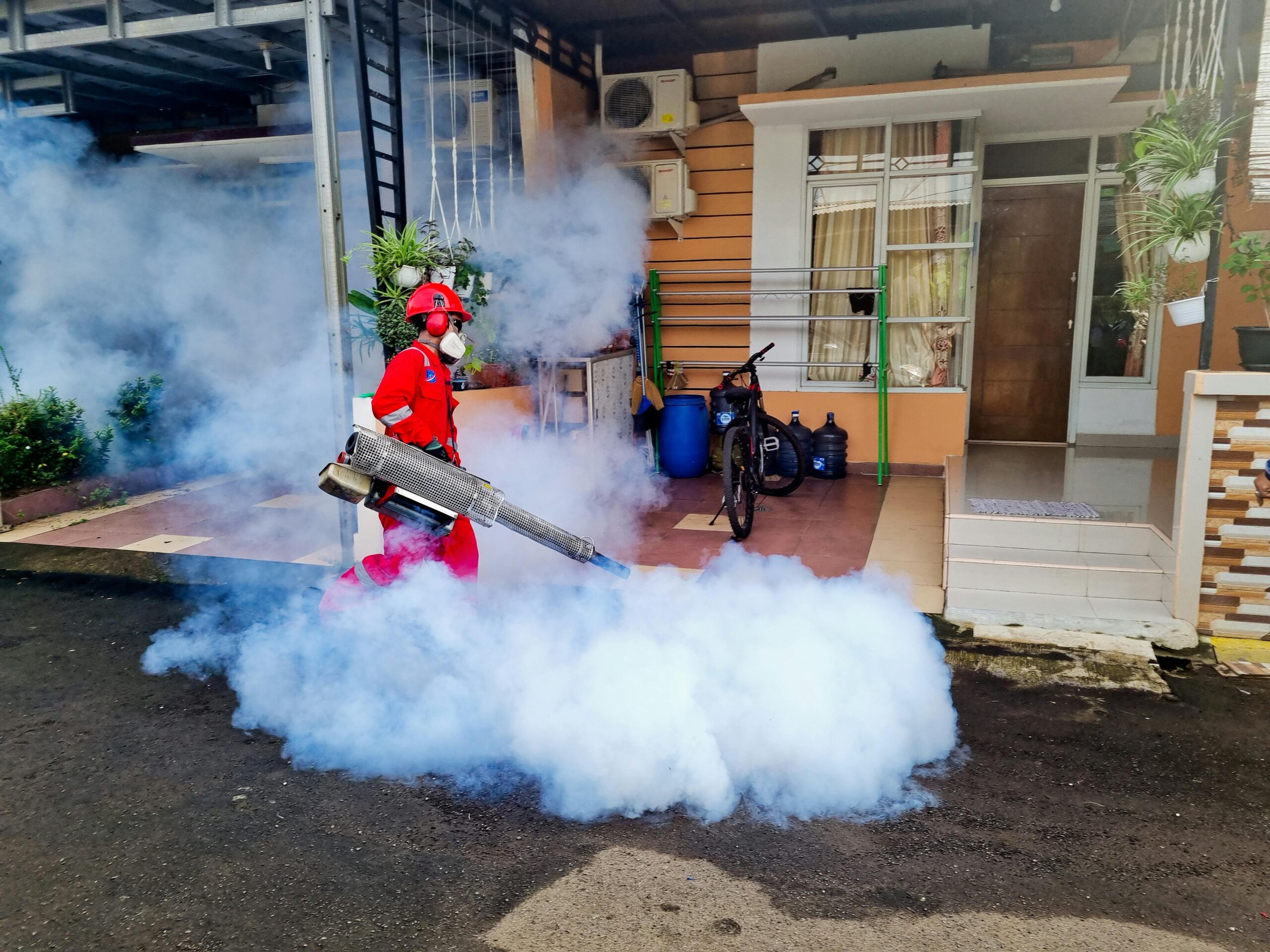
Jane’s experience illustrates how professional intervention can turn a seemingly endless battle into a quick, measurable win. The technician’s careful yard inspection—captured in the image below—ensured that outdoor breeding sites were eliminated before they could re‑populate the home.

Pricing Comparison and Seasonal Timing for Flea Control in Decatur
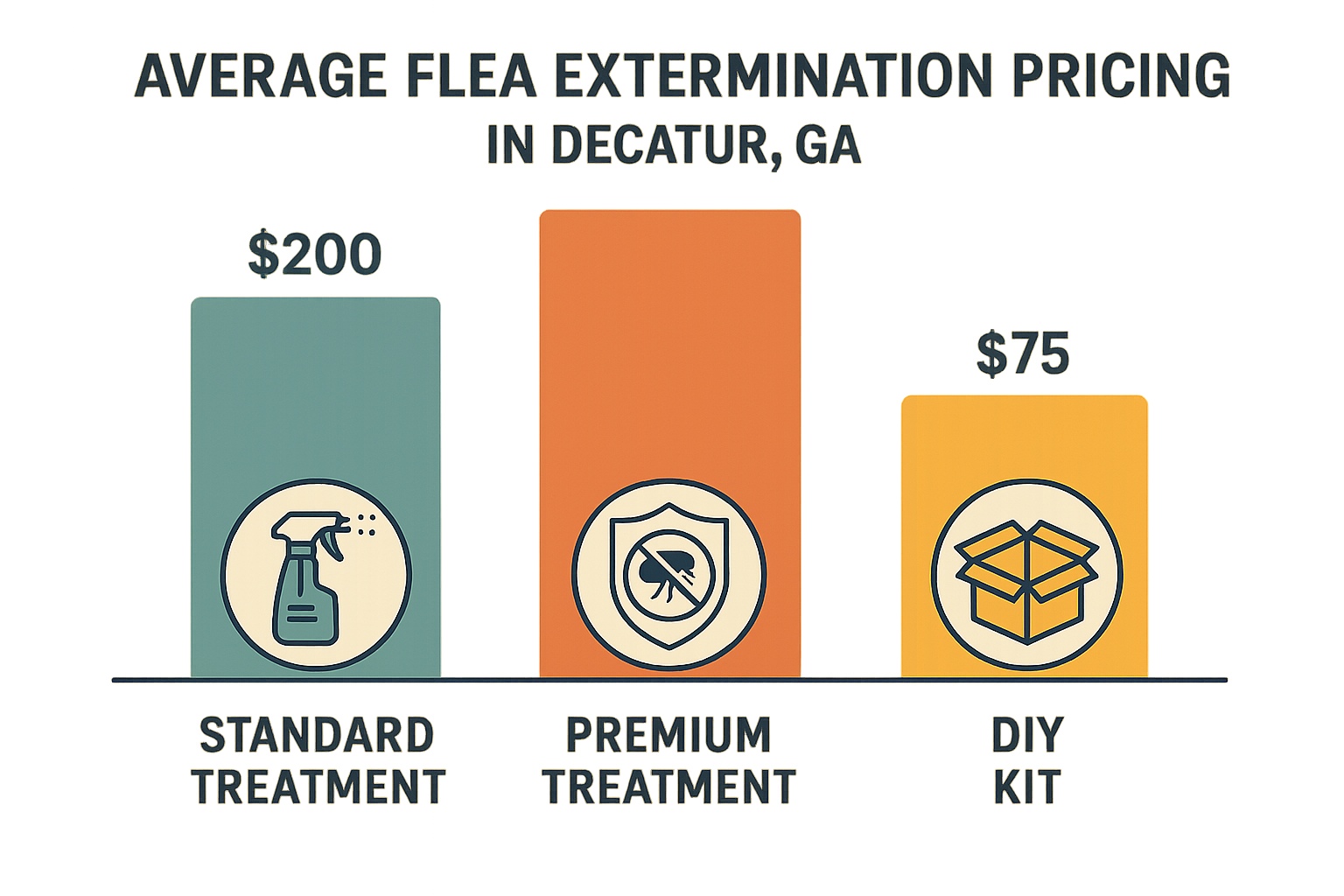
Understanding the cost of flea control helps you plan ahead and avoid surprise expenses. At Anthem Pest Control we believe in transparent pricing, so you can see exactly what you’re paying for—whether you choose a standard professional service, a premium all‑in‑one package, or a do‑it‑yourself kit. Below is a snapshot of the average price range you’ll encounter from reputable providers in Decatur, GA.
| Treatment Level | What’s Included | Typical Price Range |
|---|---|---|
| Standard Professional Treatment | One‑time indoor spray, 30‑day guarantee | $120 – $180 |
| Premium Treatment (Yard Barrier & Pet‑Safe Follow‑up) | Indoor spray, outdoor perimeter barrier, second pet‑safe visit after 2 weeks | $250 – $340 |
| DIY Flea Kit | Spray canisters, fogger, pet‑safe shampoo, instructional guide | $45 – $95 |
Seasonal Pest Activity in Decatur
Fleas are most active during the warm months when outdoor pets spend time in the yard and humidity supports rapid egg development. The peak window runs from June through August. You’ll also notice moderate activity in the shoulder periods of April‑May and September‑October. The seasonal chart (referenced in our internal guide) illustrates this bell‑shaped curve, reminding homeowners that timing is as crucial as the treatment itself.
Why Early Intervention Saves Money
Addressing a flea problem at the first sign—usually in late spring—prevents the population from exploding. Early treatment means fewer applications, less product, and lower labor costs. By the time the peak months arrive, a small infestation can have multiplied several times over, forcing homeowners to opt for premium or multi‑visit plans. Acting early not only improves eradication success rates but also keeps the bill well within the standard treatment range.
Smart Budgeting Tips for Flea Control
- Bundle services: Combine flea treatment with other seasonal services such as mosquito control or rodent exclusion. Many companies, including Anthem Pest, offer package discounts that can shave 10‑15% off the total.
- Off‑season discounts: Schedule your initial treatment in early spring (April) or late fall (November) when demand drops. Providers often run promotional pricing that can bring a premium package down to the cost of a standard service.
- Free inspection offers: Take advantage of no‑cost home inspections. A professional assessment pinpoints hidden indoor sources—like carpeted areas or pet bedding—so you only treat what’s necessary.
- Pre‑pay plans: Some pest companies allow you to lock in today’s rates for a year‑long protection plan. This guards against price hikes and guarantees timely follow‑ups.
- DIY prep work: Before a professional visit, vacuum thoroughly, wash pet bedding, and trim yard grass. Reducing the initial flea load can shorten the technician’s time on site, translating into lower labor fees.
If you notice flea activity outside the peak months, it may indicate a hidden indoor source—contact a pro promptly.
By comparing costs, aligning treatment with the flea life cycle, and leveraging budgeting strategies, you can protect your home and pets without breaking the bank. When you’re ready to move forward, Anthem Pest Control’s local experts are just a phone call away at 877‑371‑8196 or via our website.
Protect Your Home with Anthem Pest Control – Get a Free Quote
Quick Recap: Why Early Action Matters
Fleas move fast. Spotting the first signs—tiny black specks in pet bedding, itchy bites on skin, or a sudden increase in scratching—gives you a narrow window to stop an infestation before it spreads. Understanding the flea life cycle—egg, larva, pupa, adult—helps you see why a single treatment rarely solves the problem. The eggs hatch within days, and the pupae can lie dormant for weeks, ready to emerge when conditions improve. That’s why a comprehensive, timely approach that targets every stage is essential.
Anthem’s Edge in Decatur
- Local expertise: Our technicians live and work in Decatur, so they know the homes, pets, and seasonal quirks that influence flea activity.
- Pet‑safe, EPA‑registered products: We use treatments that protect your family and four‑legged companions while eliminating fleas at every life stage.
- Transparent pricing: No hidden fees—just a clear, upfront quote that lets you budget with confidence.
- Satisfaction guarantee: If fleas return within the warranty period, we’ll come back, re‑treat, and make it right at no extra cost.
- Free, no‑obligation inspection: Our certified specialists assess your home, identify hotspots, and recommend a tailored plan before any work begins.
Take the Next Step, No Pressure
Ready to reclaim a bite‑free home? Our certified technicians are just a phone call away, and there’s no obligation to commit until you see the plan we’ve crafted for you. Give us a call at 877‑371‑8196 to schedule your complimentary inspection. We’ll walk you through what to expect, answer any questions about pet safety, and outline a timeline that fits your schedule.
When you’re ready, simply click the link below to learn more about our services, read customer stories, and request your free quote online. We’re here to make flea control simple, effective, and affordable—so you can focus on enjoying time with your family, not fighting pests.
Visit Anthem Pest Control for your free quote and connect with a flea exterminator near me Decatur homeowners trust for fast, pet-safe solutions.