Why Flea Control Matters for Brookhaven Homeowners
Flea biology and the Georgia climate
Fleas (Ctenocephalides felis) thrive in warm, humid environments—exactly what Georgia offers from late spring through early fall. An adult flea lives only a few weeks, but its eggs, larvae, and pupae can linger for months, especially in protected indoor spaces. The state’s mild winters mean that a single missed treatment can let the cycle restart when temperatures climb again.
Spotting an infestation early
Homeowners often notice the problem before the pests themselves. Look for tiny, black specks—flea “fossils” or droppings—on pet bedding, carpets, or furniture. A fine, sand‑like residue in your pet’s sleeping area is actually flea feces, rich in digested blood. Frequent pet scratching, hair loss, or visible bite clusters on humans, especially around ankles and calves, are also red flags.
Health risks for people and pets
Beyond the itch, fleas pose genuine health concerns. Some individuals develop allergic reactions to flea saliva, resulting in intense itching, rash, or even secondary skin infections. Pets are vulnerable to tapeworms (Dipylidium caninum) that hitch a ride when they ingest an infected flea during grooming. In rare cases, flea‑borne bacterial diseases can affect both animals and humans, underscoring the need for prompt action.
Why Brookhaven is a flea hotspot
Brookhaven’s humid summers create the perfect breeding ground for flea development. The neighborhood’s mature trees and landscaped yards attract wildlife—raccoons, opossums, and birds—that often serve as temporary hosts, bringing adult fleas closer to homes. Additionally, many residents keep pets outdoors during the day, giving fleas ample opportunity to jump from yard to house.
Connecting the dots: why pricing matters
Understanding the biology, signs, and health stakes sets the stage for a cost‑effective control plan. Treating a small, early‑stage infestation is far cheaper than battling a full‑blown outbreak that has spread to multiple rooms, pets, and even neighboring properties. By recognizing the local factors that fuel flea growth, Brookhaven homeowners can make informed decisions about treatment frequency, product choices, and professional services—ensuring they invest in the right solution at the right time.
Flea‑Control Pricing Tiers Explained
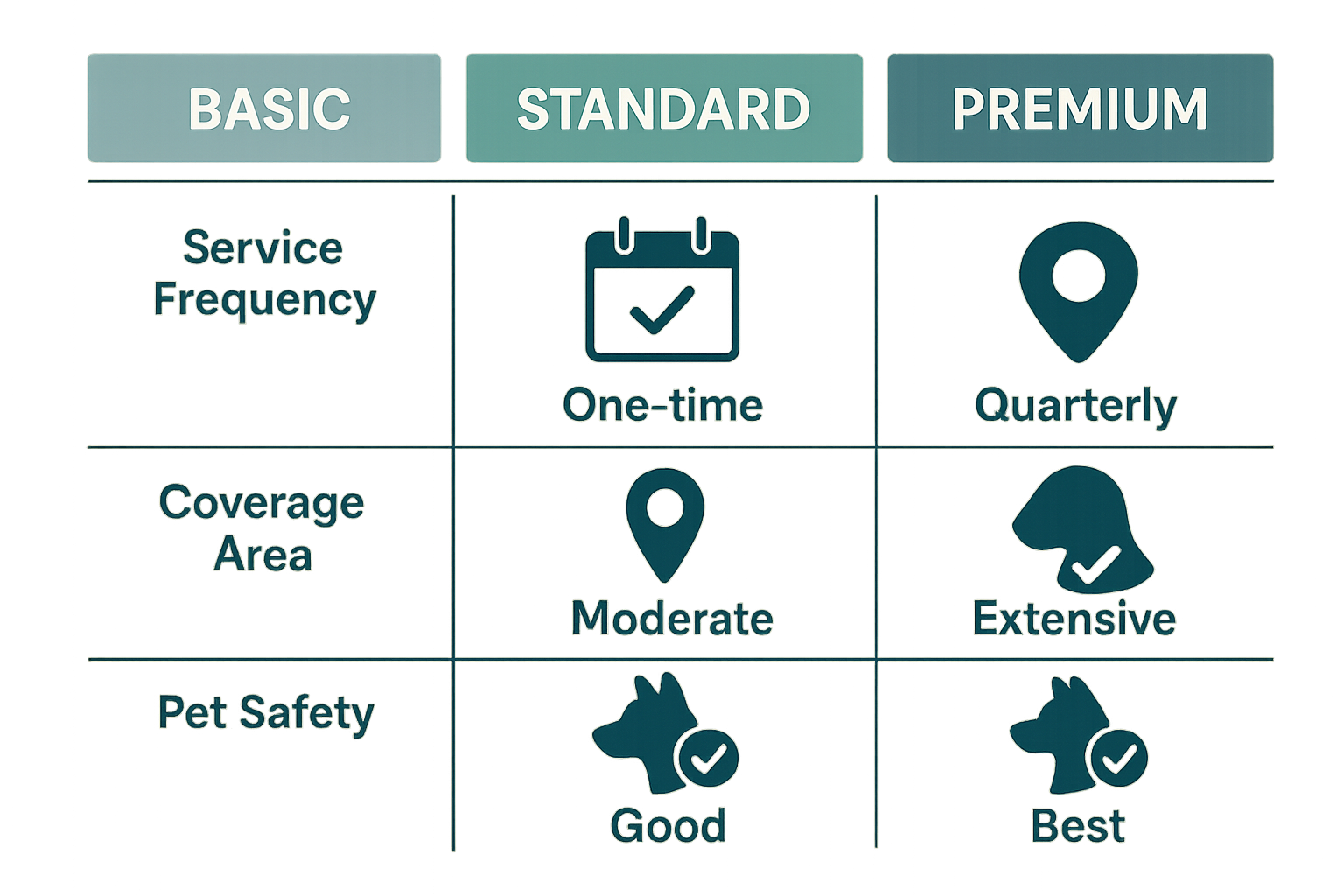
When it comes to keeping fleas at bay, most Brookhaven homeowners encounter three distinct service packages: Basic, Standard, and Premium. Understanding what each tier delivers—and how it aligns with your budget and lifestyle—makes the decision far less stressful. Below we break down the core components, typical price brackets, and the trade‑offs you’ll face with each option.
What’s Included in Each Tier
| Tier | Service Frequency | Coverage Area | Pet‑Safety Measures |
|---|---|---|---|
| Basic | One‑time treatment + 1 follow‑up (30 days) | Up to 1,500 sq ft (single‑family) | Low‑toxicity sprays; pet‑free zone during application |
| Standard | Quarterly treatments (4 × year) | Up to 2,500 sq ft; includes garage & porch | Integrated Pest Management (IPM) blend; pets can stay with brief evacuation |
| Premium | Monthly treatments + year‑round monitoring | Full home & yard (no square‑foot limit) | Veterinarian‑approved, pet‑friendly formulas; continuous protection even after pets return |
Typical Price Ranges in Brookhaven
According to the latest market data from Anthem Pest Control’s pricing guide, Brookhaven homeowners can expect the following averages:
- Basic: $120 – $180 per treatment cycle.
- Standard: $300 – $420 annually (covers four quarterly visits).
- Premium: $650 – $850 per year, reflecting monthly service and unlimited coverage.
These figures are ballpark numbers; exact quotes depend on square footage, pet count, and the severity of the infestation.
Pros and Cons of Each Tier
- Basic
- Pros: Lowest upfront cost; suitable for mild, occasional flea sightings.
- Cons: Limited protection; may require additional follow‑ups if the infestation resurfaces.
- Standard
- Pros: Balanced approach—regular quarterly visits keep fleas in check without breaking the bank.
- Cons: Still a gap of up to three months between treatments, which can be risky for high‑traffic homes with multiple pets.
- Premium
- Pros: Year‑round shield, no surprise re‑infestations, and the most pet‑friendly chemicals on the market.
- Cons: Highest price point; may feel excessive for homes that rarely see fleas.
How to Choose the Right Tier for Your Household
Start by evaluating three simple factors:
- Household size & square footage: Larger homes or those with attached garages often benefit from the Standard or Premium plans, which cover broader areas.
- Pet count and sensitivity: If you have cats, dogs, or even small mammals, the Premium tier’s veterinarian‑approved formulas minimize health risks while still delivering strong flea knock‑down.
- Infestation severity: A single stray flea sighting may be handled with a Basic package, but recurring bites or a known outbreak usually justifies the Standard or Premium options.
In practice, many Brookhaven families start with a Standard plan to gauge effectiveness and then upgrade to Premium if they notice lingering activity. Conversely, renters or homeowners on a tight budget often opt for Basic, supplementing it with occasional over‑the‑counter treatments between professional visits.
By matching your home’s unique needs to the right pricing tier, you’ll protect your family, your pets, and your peace of mind without paying for services you don’t actually need.
Seasonal Flea Activity in Georgia and Optimal Treatment Windows
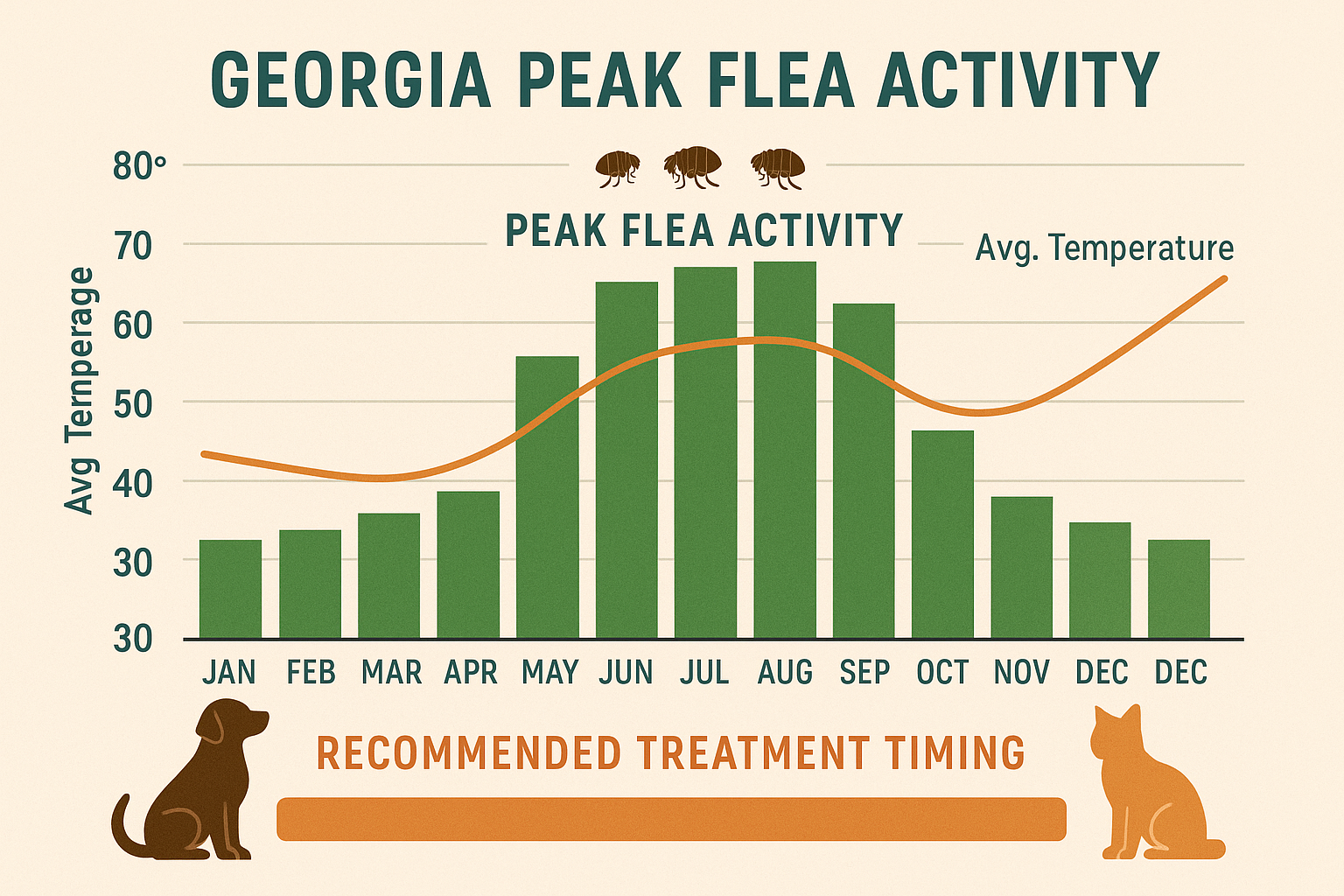
Our recent bar‑chart analysis of flea counts across Georgia shows a clear seasonal pattern. The data spikes from late May through August, with the highest activity recorded in July. As temperatures climb above 70°F (21°C) and humidity stays above 60%, flea populations surge, then taper off as cooler, drier air returns in October.
Why Warm, Humid Months Fuel Flea Reproduction
Fleas thrive in warm, moist environments because those conditions accelerate their life cycle. An adult female can lay up to 50 eggs per day, and each egg hatches in 2‑5 days when the temperature stays between 75°F‑85°F (24°C‑29°C). The larvae need humidity to avoid desiccation, while pupae remain dormant until a host’s warmth triggers emergence. In Georgia’s May‑September window, the combination of heat and humidity creates a near‑perfect breeding ground, leading to exponential population growth.
Recommended Treatment Timing by Season
- Early Spring (mid‑April to early May): Apply a pre‑emptive indoor/outdoor spray before flea numbers rise. This creates a barrier that kills adult fleas that might be hitching a ride on early‑season wildlife.
- Mid‑Summer (late June to early August): Conduct a follow‑up treatment targeting larvae and pupae that survived the first round. Spot‑on products on pets combined with a second environmental fogging keep the cycle broken.
- Late Summer (late August to early September): Perform a final “cleanup” spray as temperatures begin to dip. This helps eradicate any late‑season breeding before the winter lull.
Timing Treatments Around Pets and Outdoor Activities
Coordinate indoor sprays with your pet’s grooming schedule. If you bathe your dog every two weeks, apply a topical flea preventer right after the bath—this ensures the product stays on the coat longer. For families that spend weekends outdoors, schedule outdoor fogging for weekday evenings when children and pets are indoors, minimizing exposure while still protecting the yard.
Quick Reference Graphic Description
For readers who can’t view the chart, picture a rising bar from May, peaking sharply in July, then gradually descending through September. The temperature line runs parallel, climbing steeply in May, plateauing in July‑August, and falling after October. This visual cue reinforces that the hottest, most humid months are the prime time for flea activity and the optimal window for aggressive treatment.
Preventive Actions Homeowners Can Take Today
Keeping fleas at bay starts with everyday habits that cost little but pay off big. By integrating a few simple routines into your home life, you create an environment where fleas struggle to survive—long before a professional treatment becomes necessary.
1. Groom Your Pets Daily
Regular brushing removes stray hairs, dirt, and any hitchhiking flea eggs. Pair this with a weekly bath using a vet‑recommended flea shampoo. The shampoo not only kills any existing fleas but also leaves a residual barrier that deters new ones. For best results, focus on the neck, tail base, and under the belly—common hiding spots for these pests.
2. Vacuum Like a Pro
Vacuum high‑traffic zones—living room rugs, under furniture, and pet bedding—at least once a day during a flea outbreak. The powerful suction lifts flea eggs, larvae, and pupae from carpets and cracks. Immediately after vacuuming, seal and discard the vacuum bag or clean the canister to prevent re‑infestation. Follow up by washing pet bedding, blankets, and any removable cushions in water that’s at least 130°F (54°C) to kill any remaining stages.
3. Tame Your Yard
A well‑maintained yard is a natural flea deterrent. Keep grass trimmed to no more than three inches, remove leaf litter, and prune dense shrubs that could shelter wildlife—raccoons, squirrels, and opossums are common flea carriers. By eliminating these hidden habitats, you cut off a major source of adult fleas that might otherwise hop onto your pets.
4. Add a Pet‑Safe Barrier
Spot‑on treatments and flea‑preventive collars provide an extra layer of protection. Choose products labeled as safe for dogs or cats and follow the manufacturer’s dosage guidelines. When used correctly, these tools create a chemical shield on your pet’s skin that repels fleas for weeks, complementing your cleaning and grooming efforts.

Implementing these steps today can dramatically lower flea risk and give you peace of mind while you wait for professional treatment. Consistency is key—make grooming, vacuuming, yard upkeep, and preventive products part of your routine, and you’ll keep your home flea‑free longer.
Professional Flea Treatment Process and What to Expect
When you call Anthem Pest Control, you’re not just scheduling a spray‑and‑go service. Our certified technicians follow a meticulous, four‑step process designed to eliminate fleas at the source while keeping your family and pets safe.
1. Initial Inspection
Our technician arrives with a clipboard and a flashlight, first walking through the home to locate infestation hotspots—typically along baseboards, under furniture, and in pet sleeping areas. We also ask about your pets’ health, recent grooming products, and any allergies. This information helps us tailor the treatment plan, ensuring we target the right areas without exposing vulnerable animals to unnecessary chemicals.
2. Application Methods & Equipment
Anthem uses a combination of proven methods:
- Targeted spray: A low‑odor, EPA‑registered insecticide applied directly to carpets, upholstery, and cracks where adult fleas hide.
- Fogger (thermal mist): For larger homes or severe infestations, a fogger disperses a fine mist that penetrates deep into wall voids and under floorboards.
- Perimeter treatment: A protective barrier around the exterior foundation prevents new fleas from entering.
All equipment is calibrated to the exact square footage of your home, and technicians wear full protective gear—gloves, goggles, and respirators—to safeguard themselves and your household.
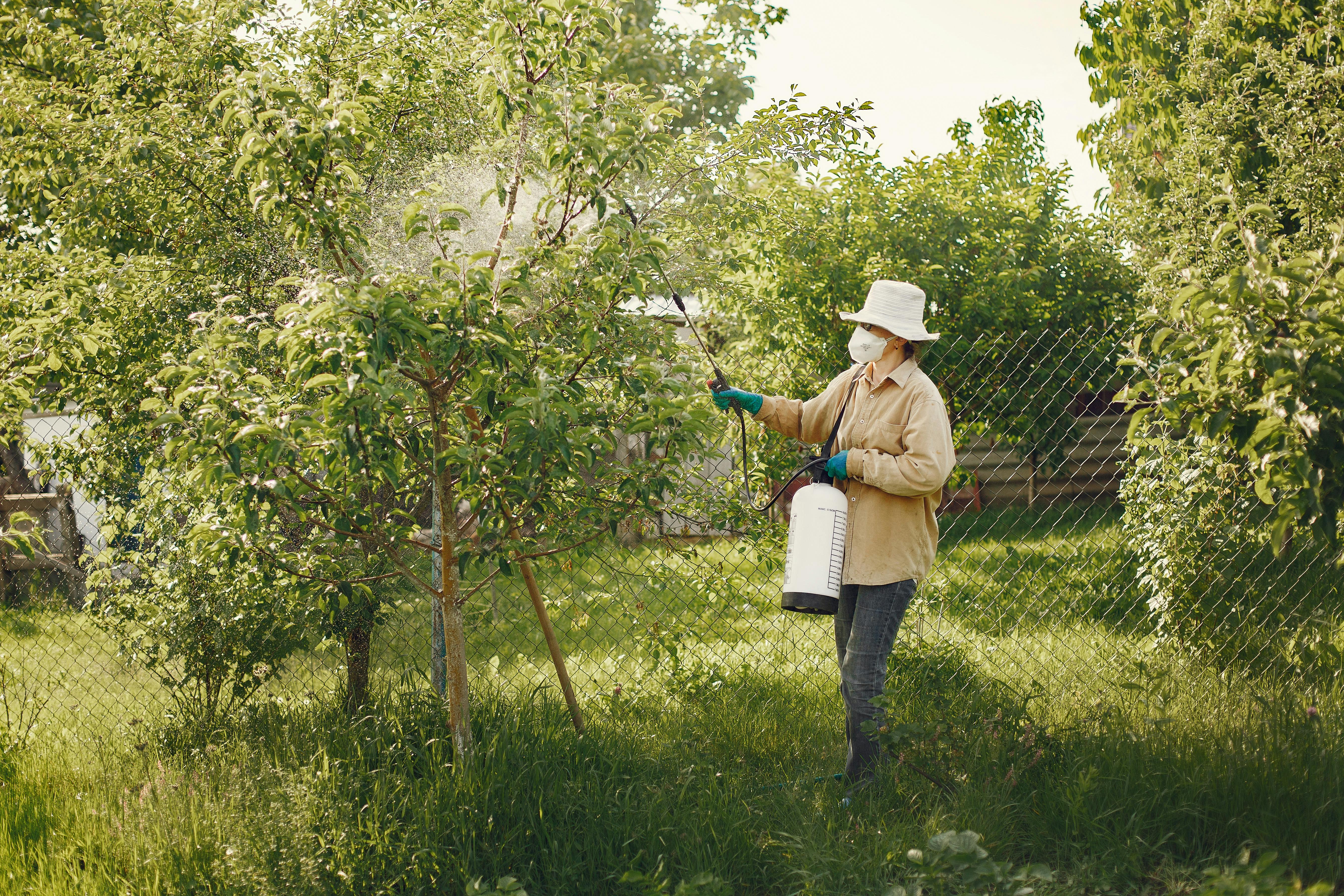
3. Safety Protocols for Pets & Children
During treatment, we advise keeping pets and children out of treated rooms for at least 30 minutes. Our products are fast‑acting but low in toxicity; once the area dries, it’s safe for normal use. We also provide a quick‑reference safety sheet that lists:
- Ventilation tips (open windows for 15‑20 minutes after application)
- When to re‑introduce pets (usually after the product has dried)
- Signs of irritation to watch for and a 24‑hour contact line for any concerns
4. Follow‑Up Schedule
Anthem offers three pricing tiers, each with its own follow‑up plan:
| Tier | Number of Visits | Interval Between Visits | What’s Included |
|---|---|---|---|
| Basic | 2 | 14 days | Initial treatment + one re‑inspection |
| Standard | 3 | 7‑14 days | Initial treatment, mid‑cycle boost, final check |
| Premium | 4 | 7 days | All Standard services plus a preventative perimeter spray |
Each visit includes a brief walkthrough to verify that flea activity has ceased and to address any lingering concerns.
Transparent Pricing & Satisfaction Guarantee
Before any work begins, we provide a clear, itemized estimate—no hidden fees, no surprise add‑ons. If fleas reappear within the guarantee period, we’ll return at no extra charge to re‑treat the affected zones. Our goal is simple: restore peace of mind for Brookhaven homeowners, one flea‑free home at a time.
Take Control of Fleas with Anthem Pest Control
Fleas may be tiny, but the damage they cause—itchy bites, allergic reactions, and even secondary infections—can quickly turn a comfortable home into a constant source of irritation. That’s why timely flea control isn’t a luxury; it’s a necessity, especially in Brookhaven where warm, humid weather gives these pests a perfect breeding ground. Choosing the right service tier—whether a one‑time eradication or an ongoing preventive program—ensures you eliminate the current infestation and stop future generations from taking hold.
Quick preventive steps you can start today
- Vacuum daily. Reach under furniture and along baseboards, then discard the bag or empty the canister outside.
- Wash pet bedding. Hot water (at least 130°F) kills any hidden eggs or larvae.
- Trim lawn and shrubbery. Keeping grass under 3 inches reduces the outdoor habitat fleas love.
- Inspect pets regularly. Use a veterinarian‑approved flea collar or topical treatment as soon as you notice any scratching.
Implementing these actions now reduces the flea population by up to 70 % before a professional visit, giving our treatment a stronger foothold.
These simple habits buy you time, but they’re not a substitute for professional treatment. A certified technician brings EPA‑approved products, calibrated equipment, and the expertise to target every life stage of the flea—egg, larva, pupa, and adult—inside and outside your home.
Why Anthem Pest Control is the smart choice
Our team combines safety, effectiveness, and affordability in a single service package. We use low‑toxicity formulations that protect your family and pets while delivering rapid knock‑down of the infestation. Pricing is transparent—no hidden fees, no surprise add‑ons—so you know exactly what you’re paying for before any work begins.
If you’re ready for a flea‑free home, let our certified technicians handle it. Call us today at 877‑371‑8196 for a free, no‑obligation quote. We’ll assess your situation, recommend the optimal tier of treatment, and schedule a visit that fits your calendar.
Take the first step toward lasting relief—Visit Anthem Pest Control and discover how easy it is to reclaim your home from fleas.