Understanding Silverfish and Their Risks
Silverfish (Lepisma saccharina) are small, wingless insects recognizable by their silvery, fish‑like scales and tapered bodies about half to three‑quarters of an inch long. They can live two to three years, shedding their exoskeleton several times. Nocturnal by nature, they prefer dark, humid spots where they feed on starches, sugars, and protein residues left from everyday activities.
In a typical Druid Hills home, silverfish gravitate toward the places that stay damp and provide a steady food supply. Common hotspots include:
- Bathrooms – around showers, tubs, and under sinks where condensation stays.
- Kitchens – pantry shelves, cabinet corners, and behind appliances where crumbs accumulate.
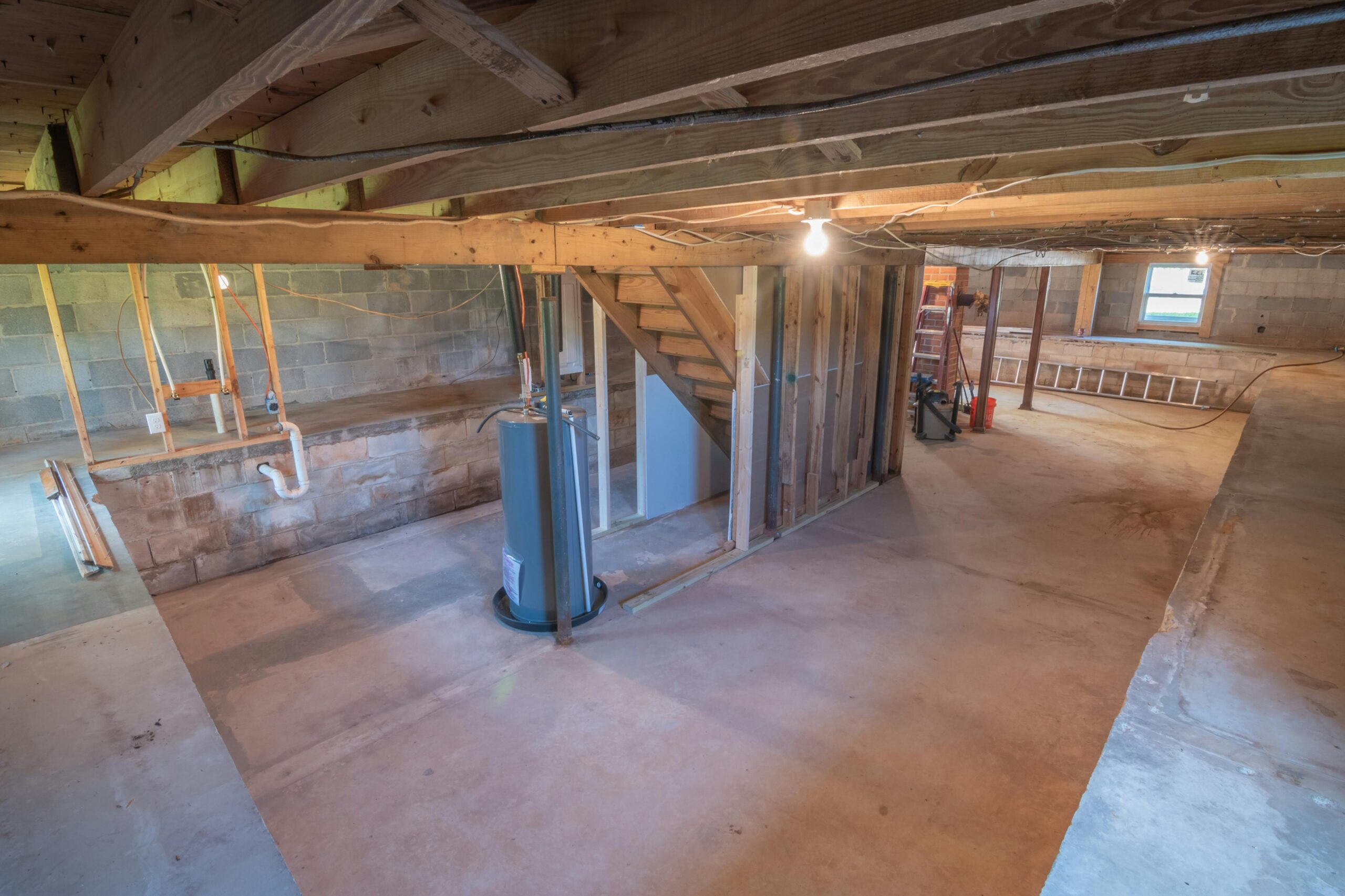
- Basements and crawl spaces – concrete walls and joists that retain moisture.
- Closets and laundry rooms – folded fabrics, wool garments, and stored paper provide shelter and food.
- Attics – poorly ventilated insulation can become a hidden humid refuge.
These areas share two key factors: moisture and a source of organic debris. Without either, silverfish struggle to survive.
Silverfish are more than a harmless curiosity; they can damage a homeowner’s belongings. Their mandibles chew through paper, book bindings, wallpaper, and cardboard, leaving irregular holes that compromise important documents. Natural fibers such as cotton, linen, and especially wool are vulnerable, so stored clothing or blankets can develop holes over time. In the kitchen, they nibble at grains, cereals, flour, and dried fruit, contaminating food with shed skins and feces. For sensitive individuals, proteins in their droppings can trigger allergic reactions, from mild skin irritation to respiratory discomfort.
The primary driver that lures silverfish into your home is moisture. Leaky pipes, condensation on bathroom mirrors, or high humidity in basements create the damp environment these insects need to thrive. At the same time, any source of starch or protein—think cereal boxes, pet food, glue, or even the glue in wallpaper—acts as a buffet. When moisture and food are present together, silverfish populations can explode overnight, turning a minor sighting into a full‑blown infestation.
Because Druid Hills’ humid climate and historic homes provide ideal conditions, it’s wise to lean on local expertise. Anthem Pest Control’s silverfish guide, based on years of service in the area, outlines specific inspection points and treatment options that are proven to work in Georgia’s unique environment. Homeowners who follow these evidence‑based recommendations can reduce the risk of damage and avoid costly emergency calls.
Spotting Silverfish Early – Warning Signs for Homeowners
Silverfish are tiny, nocturnal insects that love the dark, damp corners of a home. Because they move so quickly, many homeowners never see the critters themselves. Instead, you’ll notice the clues they leave behind. Catching those clues early can stop a minor nuisance from turning into costly damage.
Visual clues you can’t miss
When you do catch a glimpse, silverfish are unmistakable: they’re about half an inch long, have a silvery‑gray, fish‑like body, and dart away the moment light hits them. Their wings are reduced to small scales, so they can’t fly—just a rapid, jerky scuttle across floors, baseboards, or pantry shelves.
Physical evidence left behind
Even if you never see the insects, they’re constantly shedding their tiny, fish‑scale skins. Look for these translucent casts in corners, under appliances, or inside cardboard boxes. You’ll also find:
- Fine, pepper‑like fecal specks—often mistaken for dust.
- Yellowish, water‑stained spots on paper, books, or fabric, caused by their waste.
- Silvery, papery debris near entry points.
Damage clues that signal a growing infestation
Silverfish feed on carbohydrates and protein found in paper, glue, and natural fibers. Over time, they chew irregular, ragged holes in:
- Pages of books, magazines, or notebooks.
- Wallpaper edges and decorative molding.
- Stored clothing, especially silk, wool, or cotton garments.
If you notice new holes or frayed edges in these items, it’s a clear sign the population is expanding.
Where silverfish love to hide
These pests thrive in environments that stay cool and moist. The most common hotspots in a typical Druid Hills home include:
- Under kitchen and bathroom sinks.
- Behind refrigerators, dishwashers, and washing machines.
- Inside stored boxes, especially those with old paperwork or fabrics.
- Along baseboards, especially where wallpaper meets the floor.
- In attic insulation or crawl‑space corners.
DIY inspection checklist for each room
- Kitchen: Pull out appliances, check the underside of the sink cabinet, and examine pantry boxes for skins or fecal specks.
- Bathrooms: Inspect behind the toilet, under the vanity, and around shower curtains for moisture‑laden corners.
- Bedrooms: Open closets, flip mattresses, and look inside stored clothing bins for tiny shed skins.
- Living areas: Scan baseboards, behind bookshelves, and inside any decorative boxes or photo albums.
- Garage/Attic: Shine a flashlight into dark corners, focusing on insulation and stored seasonal items.
By running through this quick checklist once a month, you’ll spot the early warning signs before silverfish can cause noticeable damage. If you find multiple indicators, it’s time to call Anthem Pest Control for a professional assessment and fast, safe treatment.
Inspecting and Reducing Moisture to Prevent Silverfish
Silverfish thrive in damp environments where humidity hovers above 50 %. When the air is dry, their eggs won’t hatch and the insects become sluggish, making a low‑humidity home one of the toughest places for them to settle. That’s why controlling moisture is the first line of defense in any emergency silverfish plan.

Essential Tools for a Moisture Audit
- Hygrometer – measures relative humidity in each room.
- Dehumidifier – pulls excess moisture from the air, especially in basements and crawl spaces.
- Ventilation fans – improve airflow in bathrooms, laundry rooms, and closets.
- Sealants & caulk – close gaps around pipes, windows, and foundation cracks.
Step‑by‑Step Inspection
- Measure humidity. Place the hygrometer in the basement, crawl space, and any closet that stores cardboard or fabrics. Anything above 50 % needs attention.
- Visual check for water sources. Look for leaks under sinks, around washing machines, and near exterior walls. Use a flashlight to spot hidden drips.
- Test drainage. Pour a gallon of water near the foundation and watch how quickly it disappears. Slow absorption indicates poor drainage.
- Inspect storage areas. Open each cardboard box and feel the sides. If the cardboard feels damp or you see dark spots, that’s a red flag.
- Document findings. Write down humidity levels, leak locations, and any signs of mold. This record helps you prioritize repairs.
Fixing the Sources of Moisture
Once you know where the water is coming from, tackle the problems in this order:
- Repair leaks. Tighten fittings, replace cracked hoses, and apply waterproof sealant around pipe penetrations.
- Improve exterior drainage. Clean gutters, extend downspouts at least three feet from the foundation, and consider grading the soil away from the house.
- Use moisture‑absorbing products. Place silica‑gel packets or calcium chloride containers on shelves where cardboard is stored. Replace them regularly.
- Run dehumidifiers. Set units to maintain 40–45 % humidity in basements and crawl spaces, especially during rainy seasons.
- Boost ventilation. Install or upgrade exhaust fans in bathrooms and laundry rooms, and keep closet doors slightly ajar to promote air circulation.
Proper Storage Practices
Even a perfectly dry home can become a silverfish haven if you store items the wrong way. Follow these simple habits:
- Keep seasonal clothing, books, and linens in airtight plastic containers rather than cardboard.
- Elevate any remaining cardboard boxes on plastic shelving so the floor stays dry.
- Rotate stored items every six months; discard anything that shows signs of moisture or mold.
By systematically inspecting for moisture, sealing leaks, and storing belongings correctly, you create an environment where silverfish simply can’t survive. If you spot persistent humidity spikes or suspect a hidden water source, give Anthem Pest Control a call at 877‑371‑8196. Our local experts can assess the problem, install professional‑grade dehumidification, and ensure your home stays dry—and silverfish‑free.
Treatment Options and Professional Services

DIY Options You Can Try Right Now
Many homeowners start with over‑the‑counter solutions because they’re inexpensive and easy to apply. The most common DIY tools for silverfish include:
- Boric acid: Sprinkle a thin layer in cracks, behind baseboards, and under appliances. It interferes with the insect’s digestive system when they walk through it.
- Diatomaceous earth (food‑grade): This fine powder abrades the exoskeleton of silverfish, causing dehydration. Apply it in dry areas where moisture attracts these pests.
- Essential‑oil sprays: A blend of peppermint, tea tree, or lavender oil diluted with water can repel silverfish temporarily. Spray along baseboards, closets, and pantry shelves.
- Sticky traps: Commercially available traps with a non‑toxic adhesive capture wandering insects, giving you a visual cue of activity levels.
Why DIY May Not Be Enough
While DIY methods can reduce surface activity, they rarely eradicate a hidden infestation. Silverfish thrive in dark, moist voids—behind drywall, inside wall cavities, or beneath flooring—places that powders and sprays can’t reach. Moreover, without a systematic inspection, you may miss the source of moisture that fuels their population, leading to a cycle of recurring sightings and ongoing frustration.
Professional Treatments That Work
When the infestation spreads beyond a few corners, a licensed technician brings tools and expertise that DIY products lack:
- Spot‑treatment with residual insecticides: Targeted applications in cracks, voids, and baseboards create a long‑lasting barrier that kills silverfish on contact and prevents new entrants.
- Whole‑home fogging or misting: For severe cases, technicians use low‑volume foggers to disperse a fine mist of approved insecticide throughout the entire house, reaching hidden crevices that manual sprays miss.
- Integrated Pest Management (IPM): This holistic approach blends chemical treatments with non‑chemical tactics—such as moisture control, de‑cluttering, and structural repairs—to break the life cycle and keep silverfish from returning.
What Happens During a Technician Visit
A professional visit begins with a thorough inspection. The technician, dressed in protective gear, will:
- Identify moisture hotspots and structural entry points.
- Discuss the severity of the infestation and recommend a customized treatment plan.
- Apply the chosen products—whether spot‑treatments, fogging, or IPM measures—while respecting your home’s furnishings and family safety.
- Provide you with a clear, written summary of the work performed and any follow‑up steps.
Transparent Pricing and Ongoing Monitoring
At Anthem Pest Control, we believe you should never wonder about the cost of a service. Our quotes break down labor, materials, and any optional add‑ons, so you know exactly what you’re paying for. After treatment, we schedule a post‑service check to verify that silverfish activity has ceased and to fine‑tune any preventative measures—like humidity reduction or sealing gaps—that keep your home pest‑free year after year.
Pricing Comparison for Emergency Silverfish Control
When a silverfish infestation spikes, you need a solution that’s fast and reliable. That’s why Anthem offers both emergency‑only visits and scheduled, ongoing programs. Emergency service gets you treated today, while scheduled plans spread the work over weeks to keep moisture and food sources under control. Understanding the cost differences helps you choose the right level of protection without surprise fees.
Basic Package – One‑Time Relief
The Basic tier is designed for homeowners who need immediate action and a single follow‑up at most. It includes one thorough interior treatment, a post‑visit inspection, and a limited 30‑day warranty on the treated areas. Because it’s a single‑visit solution, the price stays modest, typically ranging from $149 to $199 depending on square footage and severity.
Standard Package – Balanced Care
Stepping up to the Standard tier adds a second visit within two weeks, allowing technicians to assess treatment effectiveness and address any missed spots. A moisture assessment is also part of the service, identifying hidden damp zones that silverfish love. Homeowners receive a 60‑day guarantee and a detailed report on preventive steps. Pricing for this middle option usually falls between $219 and $279.
Premium Package – Full Integrated Pest Management (IPM)
The Premium tier is Anthem’s most comprehensive offering. It bundles the initial emergency treatment, quarterly follow‑ups, a full moisture‑control audit, and ongoing monitoring with electronic traps. A written IPM plan outlines long‑term actions, and the package comes with a 90‑day guarantee plus a “no‑re‑infestation” pledge. Because it covers everything from detection to prevention, the cost ranges from $329 to $399, reflecting the added value and peace of mind.
Anthem believes homeowners deserve a clear breakdown before any work begins. All service fees are presented up‑front, and there are no hidden labor charges or surprise chemical mark‑ups. The price ranges shown reflect typical home sizes in Druid Hills, but a quick on‑site assessment can fine‑tune the estimate. Each tier also includes a written service agreement that spells out exactly what you’ll receive, how many applications are scheduled, and the length of any warranty. This openness lets you compare the options side‑by‑side and pick the plan that aligns with both your pest pressure and your wallet.
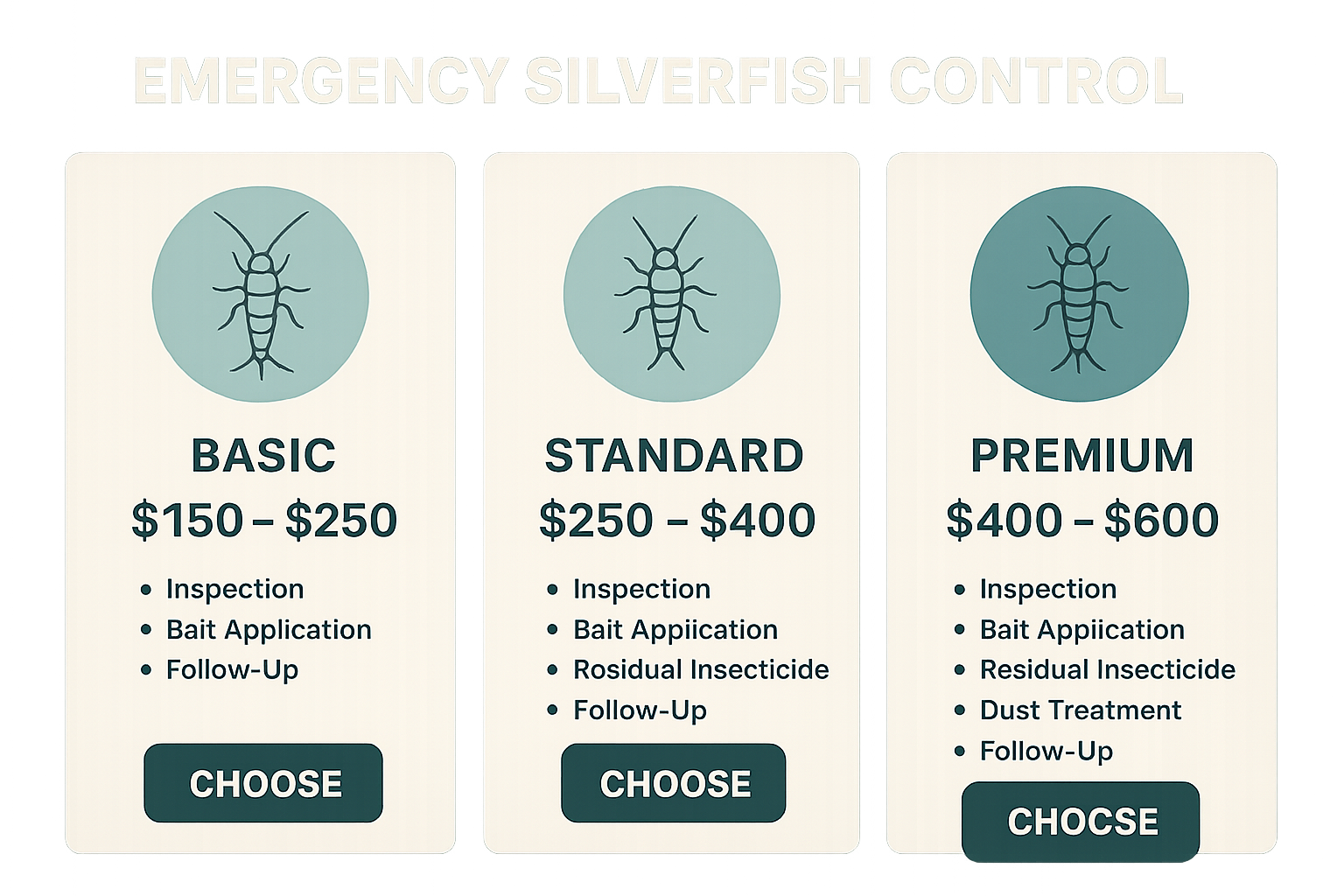
| Package | Key Inclusions | Price Range |
|---|---|---|
| Basic | Single interior treatment, 30‑day warranty, one follow‑up visit | $149 – $199 |
| Standard | Two treatments, moisture assessment, 60‑day guarantee, detailed report | $219 – $279 |
| Premium | Quarterly treatments, full IPM plan, ongoing monitoring, 90‑day guarantee | $329 – $399 |
Anthem’s pricing is transparent—no hidden fees, no surprise add‑ons. Choose the tier that matches your urgency and budget, then click the button below to request a quick, no‑obligation quote.
Seasonal Activity and Best Treatment Timing
Silverfish thrive when warmth and moisture combine, so the climate in Druid Hills dictates their yearly rhythm. As temperatures climb above 68°F (20°C) and indoor humidity stays above 60 %, the insects become active, mate, and spread. When indoor relative humidity consistently exceeds 70 %, silverfish can reproduce every few weeks, turning a minor nuisance into a full‑blown infestation. Conversely, cold, dry winter months force them into hiding, slowing reproduction dramatically.
Reading the seasonal activity chart
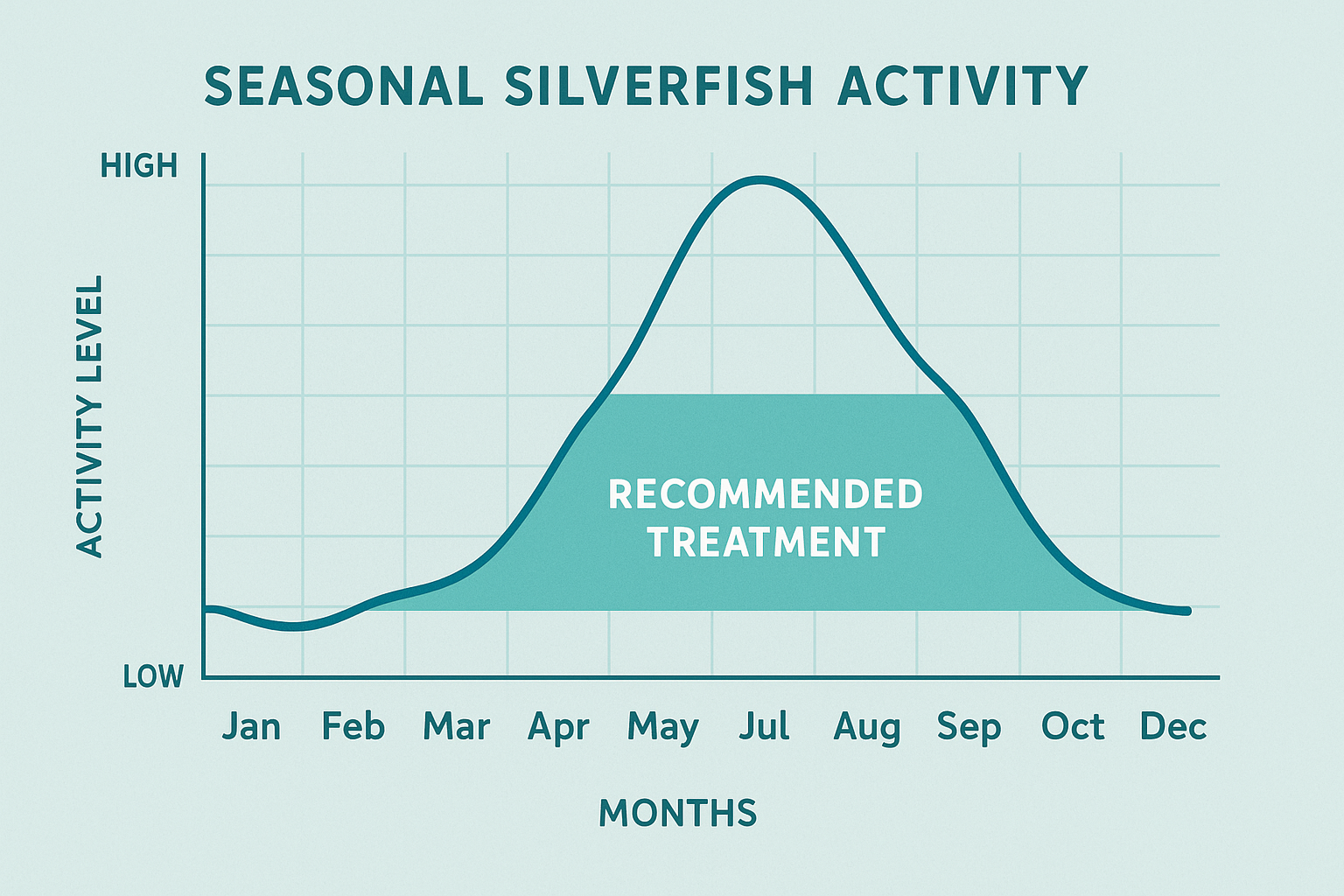
The chart illustrates a classic bell curve: activity is lowest in January‑February, begins to rise in March as humidity climbs, peaks from June through August, then tapers off in September‑October. The summer peak is especially problematic because homes retain heat, creating micro‑environments where silverfish hide behind baseboards, in wall voids, and under appliances. By late November the population drops back to winter lows. Homeowners can use this visual cue to plan interventions before the bugs reach their most prolific stage.
Optimal treatment windows
- Early spring (mid‑March to early April): A pre‑emptive treatment targets emerging colonies before they expand, reducing the need for later applications.
- Mid‑summer (late July to early August): A follow‑up spray or bait addresses any survivors that survived the spring round and curbs the summer peak.
- Fall moisture control (September‑October): Focus on dehumidifying basements, crawl spaces, and bathrooms to deny silverfish the damp environments they love as the weather cools.
Seasonal home‑maintenance tips
Keeping humidity in check is the simplest way to starve silverfish. In spring, open attic vents and run exhaust fans in kitchens and baths. During the hot, humid months, run a dehumidifier in basements and store food in sealed containers. In the fall, inspect and repair any leaks around windows, pipes, and foundation walls. Additionally, clean out vacuum cleaner bags and replace furnace filters regularly to remove eggs and shed skins that accumulate over the year.
How Anthem aligns its service schedule
Anthem Pest Control tailors every visit to Druid Hills’ climate patterns. Our technicians perform an early‑spring inspection, apply low‑toxicity, residual treatments, and set up monitoring stations. A mid‑summer check‑in ensures any new activity is caught, and we finish the season with a moisture‑reduction plan that includes dehumidifier placement advice and sealing of entry points. By syncing our services with the natural silverfish cycle, we maximize efficacy while keeping your home safe and comfortable. We also provide a follow‑up guarantee: if activity resurfaces within 30 days, we’ll revisit at no extra charge.
Choose Anthem Pest Control for Effective Silverfish Management
Before you call anyone, you’ve already learned the basics: silverfish can be spotted by their fish‑like shape and silvery scales, they thrive in moist environments, and they’re attracted to starches, paper, and fabric. You know that reducing humidity, sealing cracks, and applying targeted treatments are the most reliable ways to keep them at bay. You also understand that pricing varies by the extent of the infestation, the type of treatment you choose, and the season—spring and early fall are the optimal windows for a thorough intervention.
Why Anthem Stands Out
Anthem Pest Control brings a local edge to every job in Druid Hills. Our technicians are trained right here in Georgia, so they recognize the specific building styles and climate conditions that influence silverfish activity. We rely exclusively on EPA‑approved products that are both effective against silverfish and safe for children, pets, and the surrounding environment.
- Locally trained experts: Our teams know the neighborhood, the homes, and the hidden moisture sources that invite silverfish.
- Transparent pricing: You’ll receive a clear, itemized quote before any work begins—no hidden fees, no surprise add‑ons.
- Satisfaction guarantee: If silverfish return within the warranty period, we’ll re‑treat at no extra cost.
- Safe, EPA‑approved solutions: Proven chemicals and integrated‑pest‑management tactics that protect your family and home.
Free Home Inspection & Personalized Quote
We invite you to schedule a complimentary home inspection. During the visit, a certified technician will assess moisture levels, locate entry points, and recommend a treatment plan tailored to your property’s layout and your budget. After the inspection, you’ll receive a personalized, no‑obligation quote that outlines exactly what will be done, how long it will take, and the total cost.
Because silverfish can cause damage to books, clothing, and even structural wood over time, acting quickly protects both your belongings and your peace of mind. Our goal isn’t just to eliminate the current problem; it’s to set up long‑term barriers so you won’t have to worry about another surprise crawl‑space visitor.
Contact Us Today
For immediate assistance, call us at 877‑371‑8196. Our friendly staff will arrange your free inspection at a time that fits your schedule.
Take the first step toward a silverfish‑free home—protect your family, your possessions, and the comfort of your Druid Hills residence. Visit Anthem Pest Control to learn more about our services and to request your free quote.