Why Crickets Become a Summer Nuisance in Dunwoody

When the July sun starts to linger and the humidity climbs, Dunwoody’s lawns come alive with a familiar soundtrack: the high‑pitched chirp of crickets. These nocturnal insects thrive in warm, moist environments, and the longer daylight hours give them ample time to feed, mate, and—most noticeably—produce that relentless chorus that can turn a peaceful patio dinner into a noisy ordeal.
Beyond the audible annoyance, crickets can cause subtle but real damage to your outdoor spaces. Adult crickets chew on tender grass blades, while their nymphs often feed on the roots of ornamental plants and vegetable seedlings. Over time, you may notice thin, brown patches in the lawn or wilted foliage in garden beds—signs that a cricket population has taken up residence and is feeding unchecked.
According to the University of Georgia Extension (2023), 18% of Metro Atlanta homeowners reported cricket sightings in July.
This statistic highlights how common cricket activity becomes during the hottest months, especially in neighborhoods like Dunwoody where well‑maintained lawns and shaded gardens create the perfect habitat. Homeowners who ignore the early signs often find themselves dealing with larger swarms, louder nights, and more extensive lawn damage as the season progresses.
That’s where Anthem Pest steps in. As a locally‑focused pest‑control provider, we understand the unique climate patterns of Dunwoody and the behavior of its summer pests. Our team uses data‑driven treatment plans that target cricket hotspots while preserving the health of your lawn and garden. Whether you need a one‑time extermination or a seasonal prevention program, Anthem Pest is ready to silence the chirp and protect your outdoor living spaces.
Spotting the Culprit – Cricket Species Common to Georgia
Physical traits you can spot right away
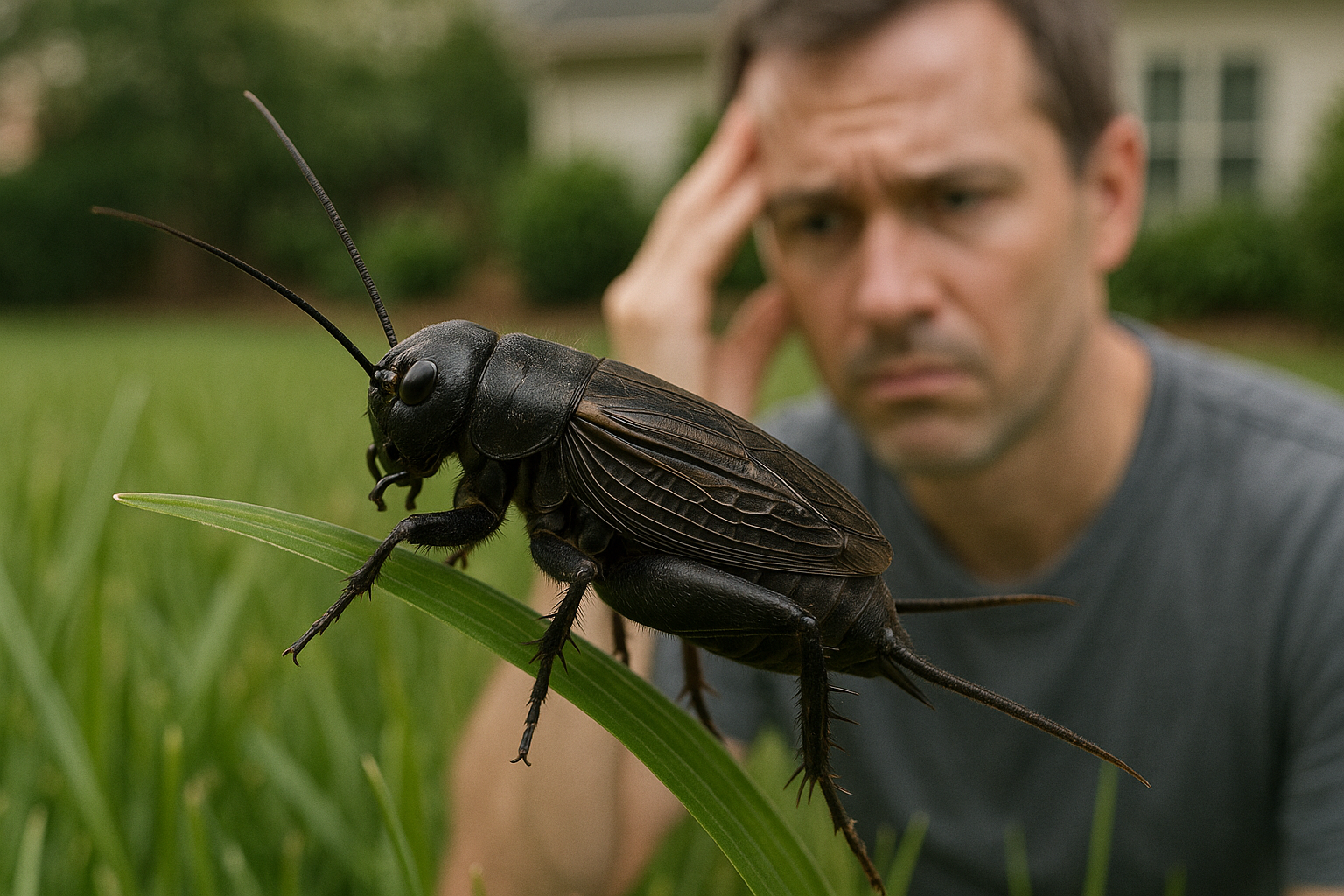
Most crickets you’ll encounter in Dunwoody measure between a half‑inch and one inch long. Their most recognizable feature is a pair of long, thread‑like antennae that often extend well beyond the body. Male crickets produce the familiar nightly chirp by rubbing their forewings together—a sound that’s actually a mating call.
Two species dominate Georgia yards:
- Field cricket (Gryllus spp.): stout body, dark brown to black coloration, and a pronounced “song” that rises in pitch as the night progresses.
- Mole cricket (Gryllotalpidae family): pale, almost translucent abdomen, powerful fore‑legs adapted for digging, and a much softer, rustling chirp that’s often heard from underground burrows.
While both have long antennae, mole crickets can be distinguished by their spade‑shaped front legs—think of a tiny garden shovel. Field crickets, on the other hand, have more typical jumping legs and a broader, rounded thorax.
Lifecycle timeline – from egg to summer chorus
Cricket development is tightly linked to soil temperature. Once the ground consistently stays above 65 °F, females lay eggs in moist soil or leaf litter. Those eggs hatch into nymphs within a week, and the nymphs undergo several molts over the next three to five weeks.
During this nymph stage, they look like miniature adults but lack fully developed wings. By mid‑summer, the nymphs mature into winged adults ready to mate and produce the nightly chorus that signals a full‑blown infestation.
Because the entire cycle—from egg to adult—spans roughly six to eight weeks, you’ll notice a sharp increase in cricket activity after a warm, rainy spell. The next generation will appear the following spring, repeating the pattern.
Real‑world example: a Peachtree Corners homeowner
Jane Miller, a homeowner in nearby Peachtree Corners, called us after a sudden summer rain. “I was sitting on my porch when the whole yard filled with a rhythmic chirp,” she recalled. “At first I thought it was just a few crickets, but the sound kept growing louder each night.”
When we inspected, we found dozens of field crickets hiding under mulch and a few mole crickets tunneling near her garden beds. The rain had raised soil temperatures above the 65 °F threshold, prompting the nymphs to emerge en masse.
Jane’s experience illustrates how quickly a seemingly dormant population can become audible—and visible—once conditions are right.
Verification note
These species and their seasonal patterns are confirmed by the Georgia Department of Agriculture’s 2024 pest report, which lists field crickets and mole crickets as the two most prevalent cricket species across the state, especially in suburban neighborhoods like Dunwoody.
Local Climate, Neighborhoods, and the Limits of DIY
Climate and Habitat
Dunwoody’s humid subtropical climate means warm summers, mild winters, and plenty of rainfall. Those conditions, combined with the city’s dense canopy of oak and pine trees, create the perfect nursery for field crickets. Neighborhoods such as Brookhaven and Lenox Park feature lush landscaping, shaded sidewalks, and abundant leaf litter—exactly the kind of micro‑habitats where crickets hide during the day and emerge at night to chirp.
Risks of DIY Sprays
Many homeowners reach for the aerosol can in the garage, thinking a quick spray will solve the problem. However, the EPA reports that “indoor pesticide exposure risk rises 12% in homes with frequent DIY sprays” (2022). Over‑application not only reduces effectiveness—crickets quickly develop resistance—but also leaves residues on furniture, carpets, and food surfaces.
Health Concerns
Cricket exoskeletons shed tiny fragments that become airborne allergens. For children with asthma or adults prone to respiratory irritation, even a light dusting can trigger coughing, wheezing, or skin rashes. Moreover, the chemicals in many over‑the‑counter sprays can exacerbate these reactions, turning a simple nuisance into a health hazard.
Why Choose Anthem Pest?
Anthem Pest brings a local advantage that DIY cannot match. Our technicians hold the proper Fulton County licensing and boast a 25‑year service record in the area. That longevity means we understand how Dunwoody’s specific climate patterns influence cricket activity, allowing us to time treatments for maximum impact. We use EPA‑registered products applied with calibrated equipment, ensuring the right dosage reaches the hidden cracks and crevices where crickets hide—without over‑exposing your family.
In short, while a DIY spray might offer a momentary sense of control, the combination of Dunwoody’s favorable cricket habitat, the documented rise in indoor pesticide risk, and the health sensitivities of many residents makes professional extermination the safest, most effective choice. Trust Anthem Pest to protect your home with science‑backed methods, local expertise, and a commitment to your family’s well‑being.
What to Look for When Hiring a Dunwoody Cricket Specialist
When crickets start chirping inside your walls, you need a pro who can silence them fast and safely. Below is a quick‑reference checklist that will keep you from hiring just anyone.
- State‑licensed technician – Verify the company holds a valid Georgia pest‑control license; it guarantees they meet state training standards.
- EPA‑registered products – Only products approved by the Environmental Protection Agency should be used, ensuring effectiveness while protecting your family and pets.
- Guaranteed follow‑up – A reputable service will include at least one complimentary revisit to confirm the crickets are gone.
- Transparent pricing – Look for a clear, written estimate that breaks down labor, chemicals, and any optional services; avoid hidden fees.
- Local reviews – Check Google, Angi, or Nextdoor for recent homeowner feedback. Consistently high ratings in Dunwoody signal reliability.
Once you have a shortlist, compare the key factors that matter most to a Dunwoody homeowner: how quickly they respond, what treatment methods they employ, and the price you’ll pay.
| Provider | Typical Response Time | Treatment Methods | Price Range (per visit) |
|---|---|---|---|
| Anthem Pest | Same‑day or next‑day | Low‑dose EPA‑registered spray + perimeter barrier | $120 – $250 |
| Terminix | Within 48 hours | Integrated pest management (IPM) with bait stations and fogging | $150 – $280 |
| Local Independent Provider | 24‑hour scheduling | Targeted spot‑treatment + homeowner education | $110 – $230 |
In practice, most Dunwoody homeowners report paying between $120 and $250 for the initial cricket treatment, with a follow‑up visit ranging from $75 to $150. The exact cost depends on the size of your home, the severity of the infestation, and whether you opt for a preventative barrier.
If you’re leaning toward a company that blends local expertise with a nationwide reputation, Anthem Pest’s cricket control service offers the transparent pricing and same‑day response highlighted in the table above. Their technicians are fully state‑licensed and use only EPA‑registered products, so you get the peace of mind that comes with a guaranteed follow‑up.
Finally, remember that the cheapest quote isn’t always the best choice. A provider that skips the follow‑up or uses unregistered chemicals may save you a few dollars now but could leave you dealing with another chirping invasion later. Use the checklist, compare the table, and choose the specialist who ticks every box for your Dunwoody home.
Effective Cricket Control Methods – From Baits to Integrated Pest Management
Chemical Sprays
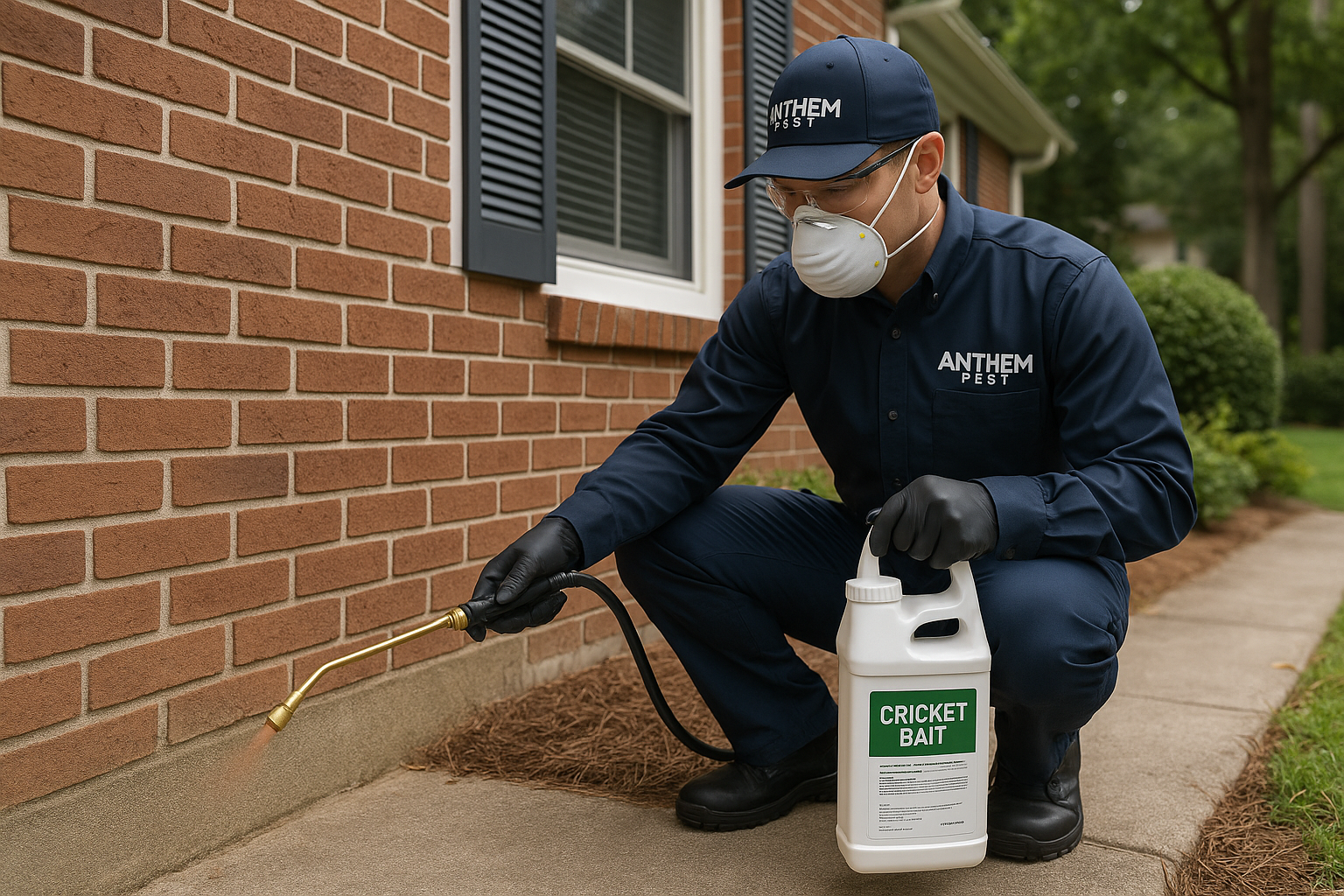
When crickets infiltrate a home, the quickest way to knock them down is with an EPA‑approved residual spray. Products such as bifenthrin and permethrin are formulated to cling to porous surfaces—foundation walls, mulch beds, and interior baseboards—for weeks after application. The active ingredient continues to affect any cricket that walks across the treated area, disrupting its nervous system and preventing further feeding.
Safety is paramount. Always ensure that:
- Children and pets are kept out of the treatment zone for at least two hours.
- Ventilation is adequate if interior spaces are sprayed.
- Protective gloves and eye protection are worn by the applicator.
- Labels are read carefully for re‑entry intervals and any restrictions on food preparation surfaces.
Professional applicators, like Anthem Pest Control, follow these protocols and can target cracks, gaps, and the underside of deck boards where crickets love to hide.
Bait Stations
Bait stations offer a low‑impact alternative that works from the perimeter inward. A typical station contains a slow‑acting insecticide mixed with an attractant that mimics the plant material crickets feed on. Once a cricket consumes the bait, the toxin spreads through its body and, in some formulations, to other crickets it contacts.
Effective placement is key:
- Space stations 10–15 feet apart along foundation walls, near doorways, and around garden edges.
- Position them just above ground level, protected from rain but accessible to wandering crickets.
- Replace or remove stations after two weeks, or sooner if the bait appears dry or contaminated.
Disposal follows local regulations—most residential bait stations can be sealed in a plastic bag and placed in regular trash, but always verify with your municipality.
Biological Controls
For homeowners who prefer a non‑chemical route, entomopathogenic nematodes (EPNs) are a proven biological weapon against soil‑dwelling crickets. These microscopic worms seek out and infect insects, releasing bacteria that kill the host within 48 hours.
In Georgia, suppliers such as Beneficial Nematodes, Inc. stock strains like Steinernema carpocapsae, which thrive in the warm, moist soils typical of the Dunwoody area. Application is straightforward: mix the nematodes with water, then irrigate the treated zone using a garden hose or a low‑pressure sprayer. The nematodes migrate into the soil profile where crickets lay their eggs, breaking the life cycle before the next generation emerges.
Because EPNs are living organisms, they are safe for humans, pets, and beneficial insects when applied according to label directions. The main limitation is that they lose efficacy if the soil dries out, so consistent moisture management is essential.
Integrated Pest Management (IPM)
IPM blends cultural, mechanical, and chemical tactics into a cohesive strategy that keeps cricket populations below damaging levels while minimizing pesticide use.
- Habitat modification: Trim grass and vegetation away from the house foundation to eliminate nighttime harborage. Remove debris, leaf litter, and standing water that attract crickets for moisture.
- Moisture control: Repair leaky irrigation lines, ensure proper drainage, and use dehumidifiers in basements or crawl spaces.
- Physical barriers: Seal cracks around doors, windows, and utility penetrations with caulk or expanding foam.
- Targeted treatments: Apply residual sprays only where inspections show activity, and supplement with bait stations or nematodes as needed.
This layered approach not only reduces the immediate cricket load but also prevents future infestations, delivering long‑term peace of mind for Dunwoody homeowners.
Sample Cost Breakdown
| Service | Average Cost | Notes |
|---|---|---|
| Initial inspection | $75 | Includes identification and treatment plan |
| Full‑home residual spray | $150 | EPA‑approved chemicals applied to interior & exterior |
| Follow‑up visit (1‑month) | $80 | Re‑treatment of hot spots & verification |
Pricing data are drawn from the NPMA 2023 cost survey. Exact quotes may vary based on home size, severity of infestation, and any additional services such as nematode applications or extensive habitat modification.
Choosing the right mix of treatments depends on your comfort level with chemicals, budget, and how quickly you need relief. Anthem Pest Control can walk you through each option, ensuring you get a safe, effective, and affordable solution that fits the unique conditions of your Dunwoody home.
When to Act and How to Keep Crickets Out Year‑Round
Crickets follow a predictable seasonal rhythm in the Atlanta metro area, and timing your intervention can make the difference between a quiet summer and a chorus that rattles your windows. The two most effective windows for treatment are early May—right before the first hatchlings emerge from the soil—and late August, when the summer peak has passed and the remaining adults are looking for shelter. Acting during these periods lets you target the insects when they’re most vulnerable, reducing the need for repeated applications later in the season.
Why Early May Works
In early May, cricket eggs are still buried and the nymphs have not yet broken through the surface. A pre‑emergence spray or a professional perimeter treatment creates a barrier that stops the majority of the new generation from establishing a foothold. Because the insects haven’t yet dispersed into your yard, you’ll also notice fewer signs of activity—no chirping, no damage to tender plants, and no surprise “cricket invasions” at night.
Why Late August Is a Smart Follow‑Up
By late August, the bulk of the summer population has already reproduced and begun to seek cooler, drier places to overwinter. A post‑peak treatment targets the adults that are trying to crawl into cracks, foundations, and garden beds. This second window helps eliminate the “carry‑over” crowd that could otherwise re‑populate your lawn when the next spring arrives.
Year‑Round Prevention Checklist
- Maintain a short lawn. Keep grass trimmed to 3 inches or less. Studies show homes that trim grass weekly see a 40% reduction in cricket activity [Georgia Extension, 2022].
- Fix drainage problems. Standing water creates humid micro‑environments that attract crickets. Ensure gutters flow freely and grade soil away from the foundation.
- Seal foundation cracks. Use caulk or expanding foam to close gaps around windows, doors, and utility penetrations where crickets can slip inside.
- Swap white bulbs for yellow. Yellow‑bulb outdoor lighting is less attractive to crickets and other nocturnal insects, reducing the night‑time draw to your porch and patio.
Combining timely professional treatments with these simple maintenance steps gives you a proactive, year‑round defense. At Anthem Pest Control, we tailor each plan to the specific conditions of your Dunwoody home, ensuring you stay cricket‑free without unnecessary chemicals or surprise visits from noisy guests.
Frequently Asked Questions about Cricket Extermination
Do crickets carry diseases?
According to the Centers for Disease Control and Prevention, crickets are not known to transmit serious diseases to humans. The primary concern with these noisy insects is the allergens they produce, which can aggravate asthma or trigger allergic reactions in sensitive individuals. While the risk of infection is minimal, the presence of large cricket populations can increase indoor allergen levels, especially during warm months. For more details, see the CDC’s information on insect‑related allergens.
Will treatment affect pets?
Pet safety is a top priority for professional exterminators. Anthem Pest Control uses only EPA‑registered products that are labeled as pet‑safe when applied according to the manufacturer’s directions. These formulations are designed to break down quickly and pose little risk to dogs, cats, or other household animals. To further protect your pets, we recommend keeping them indoors or in a confined area until the treatment has dried—typically 30 minutes to an hour. Detailed guidelines can be found in the EPA pesticide safety guide.
How long does a treatment last?
Most cricket control programs provide residual protection for 4–6 weeks, depending on the product used, weather conditions, and the severity of the infestation. Outdoor applications may wear off faster after heavy rain, while indoor treatments tend to remain effective longer. Homeowners should monitor cricket activity and schedule a follow‑up service if numbers rebound before the end of the residual period. Regular inspections help ensure the treatment’s effectiveness and keep your home cricket‑free throughout the season.
Contact Anthem Pest for Professional Cricket Extermination in Dunwoody
When crickets start chirping inside your walls, a quick call to Anthem Pest can end the nuisance. Dial 877‑371‑8196 today for a free inspection and enjoy same‑day service right here in Dunwoody.
- 30‑day guarantee – if the crickets return, we’ll treat again at no extra cost.
- Flexible payment plans that fit any household budget.
- Locally licensed technicians who know Dunwoody’s unique pest patterns.
At Anthem Pest, we prioritize your safety and peace of mind. Our solutions are EPA‑approved, pet‑friendly, and designed to eradicate crickets without harsh chemicals. Transparent pricing means you’ll never face surprise fees, and our team works at a pace that respects your schedule—no high‑pressure sales tactics, just honest, effective service.
Ready to silence the chirping? Visit Anthem Pest Control to learn more or schedule your free inspection now.