Spring Homeowner’s Pest Wake‑Up Call

Imagine you’re deep into spring cleaning, wiping down countertops, when you spot a thin line of tiny black dots marching toward the sink. A quick glance reveals a bustling ant trail, a silent alarm that the season’s first invaders have already set up shop in your kitchen.
Why catching pests early saves you money
According to the EPA’s Integrated Pest Management (IPM) guide, homeowners who identify and address infestations within the first two weeks can cut treatment expenses by up to 30 %. Early action means fewer chemicals, less labor, and a smaller infestation to eradicate—directly translating to lower invoices.
Health stakes you can’t ignore
Beyond the wallet, untreated pest problems pose real health threats. Ants can carry bacteria from garbage to food surfaces, while other common invaders—like cockroaches and rodents—are linked to asthma triggers, allergic reactions, and disease vectors such as Salmonella and Hantavirus. A small trail today can become a health hazard tomorrow.
What this guide will do for you
This article is your roadmap to proactive pest management. We’ll walk you through actionable steps for spotting early warning signs, explain transparent pricing models, and share local‑expert tips tailored for U.S. homeowners. Whether you’re dealing with ants, termites, or the next seasonal nuisance, Anthem Pest Control’s expertise will help you stay ahead of the problem without breaking the bank.
Know Your Enemy – The Most Common U.S. Home Pests
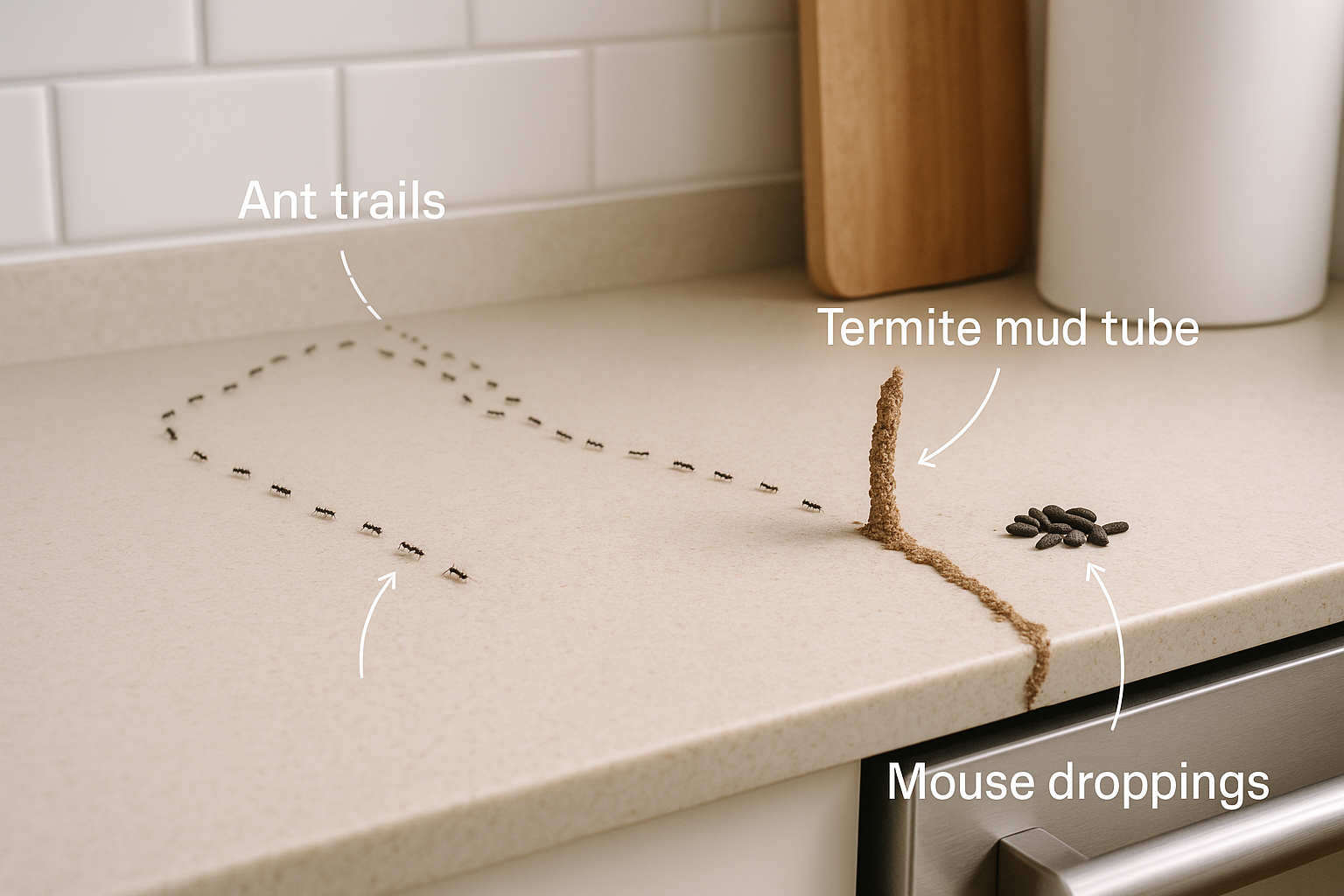
Every homeowner eventually meets an unwelcome guest. Knowing which pests are most likely to invade, how widespread they are, and what clues they leave behind can save you time, money, and stress. Below is a quick‑reference guide to the six culprits that top the national pest‑complaint list.
Ants
Prevalence: Ants rank #1 in the EPA’s 2024 pest‑management survey, reported in over 70 % of residential calls.
Quick ID cue: A steady, glossy trail of tiny workers marching between the entry point and a food source.
Why they matter: While most species are merely a nuisance, carpenter ants can hollow out wooden structures, compromising structural integrity.
Termites
Prevalence: Roughly 1 in 5 U.S. homes shows termite activity, according to the EPA’s 2024 data.
Quick ID cue: Mud‑like tubes on foundation walls or in crawl‑space corners, often less than a quarter‑inch wide.
Why they matter: Termites silently consume wood, leading to costly repairs and, in severe cases, unsafe buildings.
Rodents (Mice & Rats)
Prevalence: Rodent sightings spike in the colder months, affecting an estimated 30 % of households annually.
Quick ID cue: Small, dark droppings (mouse) or larger, rice‑shaped droppings (rat) near food packages, cabinets, or attics.
Why they matter: They gnaw electrical wiring, spread diseases such as Hantavirus, and contaminate food with urine and feces.
Cockroaches
Prevalence: About 25 % of U.S. homes report cockroach activity each year, with German and American species most common.
Quick ID cue: Oothecae (egg casings) hidden in cracks, behind appliances, or in cardboard boxes.
Why they matter: Cockroaches trigger asthma and allergies, and they carry pathogens that can cause food‑borne illness.
Mosquitoes
Prevalence: Mosquito complaints rise in warm, humid regions, impacting roughly 15 % of households during summer.
Quick ID cue: Stagnant water sources—birdbaths, clogged gutters, or rain barrels—serve as breeding grounds.
Why they matter: Beyond itchy bites, mosquitoes transmit West Nile virus, Zika, and other serious diseases.
Bed Bugs
Prevalence: The National Pest Management Association reports a 30 % increase in bed‑bug reports over the past decade, now affecting nearly 1 in 4 homes.
Quick ID cue: Tiny, rust‑colored fecal spots on mattresses, headboards, or nearby furniture.
Why they matter: Their bites cause itching, insomnia, and secondary skin infections; infestations are notoriously difficult and expensive to eradicate.
Recognizing these signatures early lets you call a trusted professional—like Anthem Pest Control—before the problem escalates. Our technicians use targeted, safe treatments to protect your home and peace of mind.
When Pests Strike – Seasonal Patterns Across U.S. Neighborhoods
Spring: Ants and Termites Wake Up
When soil temperatures rise above 55°F, ant foraging lanes expand and subterranean termites begin swarming. CDC seasonal data shows a sharp increase in ant sightings and termite reports from March to May. Early inspection of foundation cracks and mulch beds can catch these invaders before they cause structural damage.
Summer: Mosquitoes and Flies Take Over
Warm, stagnant water turns neighborhoods into mosquito nurseries, while flies thrive around outdoor gatherings and trash. CDC monitoring recorded a 42 % jump in West Nile virus cases between July and September 2024 [CDC source]. Eliminating standing water, installing screens, and scheduling a professional mosquito barrier now are the most effective defenses.
Fall: Rodents Seek Shelter
As leaves fall and temperatures dip, rats and mice look for indoor warmth. They can slip through gaps as small as a quarter‑inch, often unnoticed until droppings appear in attics or basements. Fall is the prime time to seal entry points and set bait stations, because rodents are most motivated to find food before winter.
Winter: Cockroaches Move Indoors
Cold weather drives indoor‑adapted species like the German cockroach to become more visible in kitchens and bathrooms. Their rapid breeding means a single sighting can quickly turn into an infestation. Treating cracks, cleaning crumbs, and applying residual insecticide during winter can stop the problem before spring’s surge.
Mini‑Case Studies
- Suburban Dallas, TX – Ant activity spikes in early April, followed by a termite swarm in late May. Mosquito numbers peak in July, matching the city’s rainy season.
- Riverside, CA – Mild winters keep termites active year‑round; summer brings fruit flies near irrigation canals. Rodent sightings rise sharply in October as night temperatures fall.
- Queens, NY – Spring sees carpenter ant colonies invading new construction, summer triggers a West Nile virus alert, and November brings an influx of house mice seeking basement shelter.
DIY Inspection Checklist – Spotting Early Signs
Regularly checking your home for pest activity lets you catch problems before they turn into costly damage. A quick DIY inspection doesn’t require a specialist—just a few minutes, a flashlight, and a keen eye. Follow this systematic walk‑through to spot early signs of termites, rodents, and other invaders, and know exactly when it’s time to call Anthem Pest Control.
Step‑by‑step walkthrough
- Foundation – Walk around the exterior base of your house. Look for mud tubes, cracked concrete, or sawdust piles near the footing. Inside, shine a flashlight along the lowest walls of basements or crawl‑space walls for any hollowed wood or tiny holes.
- Attic – Crawl into the attic and examine joists and insulation. Termite damage appears as smooth, sand‑like pellets or hollowed wood. Rodents leave gnaw marks on beams and may create nests from shredded paper or insulation.
- Crawl spaces – If you have access, pull back any insulation and scan the joists. Moisture‑rich areas attract both termites and rodents, so note any damp spots, water stains, or visible droppings.
- Kitchen – Check under sinks, behind appliances, and in pantry corners. Look for gnaw marks on cabinetry, small holes in food packaging, and any dead insects near crumbs or spills.
- Bathrooms – Inspect caulking, tile grout, and the undersides of vanity cabinets. Musty odors, tiny mud tubes near pipes, or clusters of droppings signal that pests have found a moisture source.
Building a Pest‑Proof Home
Structural fixes
Most indoor invaders start their journey through tiny gaps in the building envelope. Sealing those cracks is the first line of defense. Use a high‑quality silicone or polyurethane caulk around windows, baseboards, and where pipes enter walls. Install door sweeps on all exterior doors; a simple brush or rubber seal blocks ants, cockroaches, and rodents from slipping underneath. Finally, repair any leaky pipes or dripping faucets—moisture attracts termites, carpenter ants, and even mosquitoes. A dry home is a less inviting home.
Landscape tips
What you do outside directly influences what shows up inside. Keep grass trimmed to a maximum of 3 inches and prune shrubs away from the house foundation. This eliminates bridge pathways for pests. Eliminate standing water by clearing gutters, fixing drainage issues, and emptying bird baths weekly; mosquitoes and flies love stagnant pools. Store firewood at least two feet off the ground and at least 20 feet from the home, covering it with a tarp to prevent termites and beetles from nesting nearby.
Chemical prevention
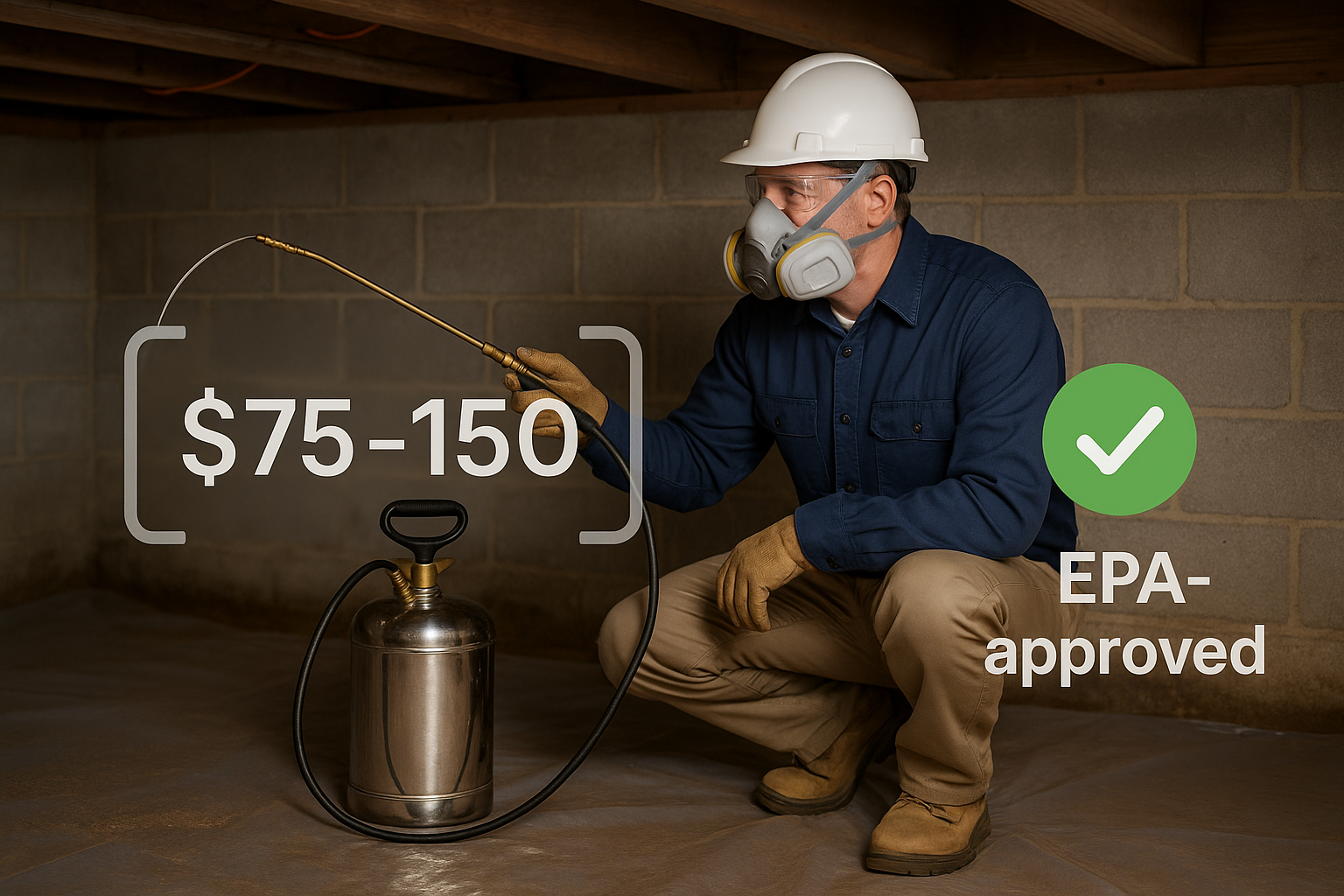
When physical barriers aren’t enough, EPA‑approved perimeter treatments create a protective moat around your property. According to the 2025 NPMA cost guide, a single application typically runs between $75‑$150, depending on square footage and pest pressure. Anthem Pest offers child‑friendly formulations that meet the same efficacy standards while minimizing health concerns for families and pets. These products are applied by licensed technicians who ensure even coverage along foundations, doorways, and entry points.
Maintenance schedule
Prevention isn’t a one‑time event—it’s a habit. Schedule quarterly inspections to catch early signs of infestation before they become costly problems. During each visit, a technician will re‑seal any new cracks, assess landscape drainage, and top‑off chemical barriers as needed. By sticking to a seasonal calendar—spring, summer, fall, and winter—you keep pests at bay year‑round and protect your home’s structural integrity.
Choosing the Right Treatment and Understanding Costs
Treatment Types: What’s Available?
When a pest problem surfaces, the first step is matching the invader with the most effective control method. Homeowners typically encounter four main treatment modalities:
- Baiting: Small, attractive food stations laced with a slow‑acting insecticide. Ants, cockroaches, and some rodents carry the poison back to the colony.
- Barrier Sprays: A perimeter application that creates an invisible shield around a home. This is the go‑to for termites, mosquitoes, and crawling insects.
- Fumigation: Enclosing a structure with a gas that penetrates hidden spaces. It’s the most aggressive option for severe termite infestations or bed‑bug outbreaks.
- Heat Treatment: Raising interior temperatures to 120‑135 °F for several hours, effectively killing heat‑sensitive pests without chemicals.
Typical Price Brackets (Verified)
Understanding the market range helps you gauge whether a quote is fair. Based on EPA data and local contractor estimates, the following brackets are common across the United States:
| Treatment | Price Range (USD) | Typical Application Frequency |
|---|---|---|
| Ant baiting | $80 – $120 | One‑time set‑up, re‑check after 30 days |
| Termite barrier (soil or perimeter) | $1,200 – $2,500 | Annual inspection, re‑treatment every 2‑3 years |
| Mosquito fogging (per visit) | $100 – $200 | Seasonal, typically 4‑6 applications per summer |
Anthem Pest’s Pricing Model: Transparency First
Anthem Pest distinguishes itself with a flat‑rate quoting system. What you see is what you pay—no hidden surcharges for travel, equipment, or “extra” services. Each quote includes:
- All necessary materials (EPA‑registered products, bait stations, or heat‑treatment equipment)
- Licensed technician labor
- Post‑treatment monitoring and a 30‑day guarantee that covers any re‑infestation of the same pest
For example, a standard ant‑baiting package is quoted at $99 flat, regardless of square footage, while a full termite barrier is presented as a single $1,799 fee. This eliminates surprise invoices and lets homeowners budget confidently.
Why EPA‑Registered Products and Expert Technicians Matter
EPA registration ensures the chemicals have passed rigorous safety and efficacy testing. Using these products reduces health risks for children, pets, and the environment while delivering proven results. Coupled with Anthem’s certified technicians, the benefits multiply:
- Precise Application: Professionals know the exact dosage and placement to maximize effectiveness.
- Safety Protocols: Technicians follow strict guidelines for ventilation, protective gear, and post‑treatment cleanup.
- Tailored Solutions: Experience allows them to identify hidden entry points and recommend complementary preventive measures.
Why Local Expertise Matters
When you’re choosing a pest‑control partner, a solid vetting checklist protects both your home and your wallet. Keep these five criteria front‑and‑center during your search:
- Proper licensing: Verify that the company holds a valid state pest‑control license. This confirms they meet local regulations and have undergone required training.
- EPA registration: Products used should be registered with the U.S. Environmental Protection Agency, ensuring they’re tested for safety and effectiveness.
- Liability insurance: A reputable provider carries coverage that protects you if an accidental property damage or injury occurs during treatment.
- Verified customer reviews: Look for authentic feedback on independent platforms. Consistent five‑star ratings signal reliable service and transparent business practices.
- Rapid response time: Pests don’t wait, and neither should you. Companies that can schedule an inspection within 24‑48 hours demonstrate commitment to swift problem resolution.
Anthem Pest’s Local Strengths
Anthem Pest blends national reach with neighborhood know‑how. Our extensive service network spans all 50 states, yet each region is supported by a dedicated local office. That means you benefit from a 24‑hour hotline staffed by technicians who understand the specific pests and seasonal patterns in your area. Whether it’s a summer surge of mosquitoes in the South or a winter rodent incursion in the Midwest, our locally based teams deploy targeted, compliant solutions fast.
“The technician arrived the same day, knew exactly which ant species we were dealing with, and explained every step. I felt confident that a local expert was handling the job.”
— Satisfied homeowner, verified testimonial
Frequently Asked Questions
Do I need a permit for termite treatment?
Most states require a permit when structural termite work involves soil treatment or large‑area termiticides. Local building codes typically reference the EPA’s termite‑control guidelines, which outline when a permit is mandatory. Your municipality’s permitting office can confirm the exact requirements, and Anthem Pest will handle all paperwork so you stay compliant.
How often should I schedule mosquito control?
We recommend a seasonal program: one treatment in early spring, a follow‑up in midsummer, and a final application in early fall. This schedule targets peak breeding periods and reduces the risk of mosquito‑borne illnesses. For disease‑specific data, see the CDC’s mosquito information page. Anthem Pest tailors the timing to your local climate for maximum protection.
Are the chemicals safe for pets?
All products we use are EPA‑registered and have been evaluated for household safety. Many of our formulations meet the EPA’s pet‑friendly standards, and we offer specifically labeled pet‑safe options for indoor and perimeter treatments. Anthem Pest will discuss any concerns on site and can adjust the application method to keep your furry family members comfortable.
Protect Your Home with Anthem Pest Today
By now you’ve learned that catching pests early, staying aware of seasonal spikes, and taking simple preventive steps can keep infestations at bay. Pair those habits with transparent pricing and a trusted local provider, and you’ve built a solid defense against termites, rodents, ants, and more.
- Early identification: Spot signs before they spread.
- Seasonal awareness: Treat at the right time for each pest.
- Preventive measures: Seal entry points, reduce attractants.
- Transparent pricing: No hidden fees, clear estimates.
- Local expertise: Choose a provider who knows your area.
Ready for a hassle‑free, no‑obligation check? Call Anthem Pest today at 877‑371‑8196 for a free home inspection and a personalized quote.
Our technicians deliver reliable, safe, and affordable solutions—nothing pushy, just professional service you can trust. Whether you need a one‑time treatment or an ongoing plan, we tailor the approach to fit your budget and your schedule.
Visit Anthem Pest Control to learn more.