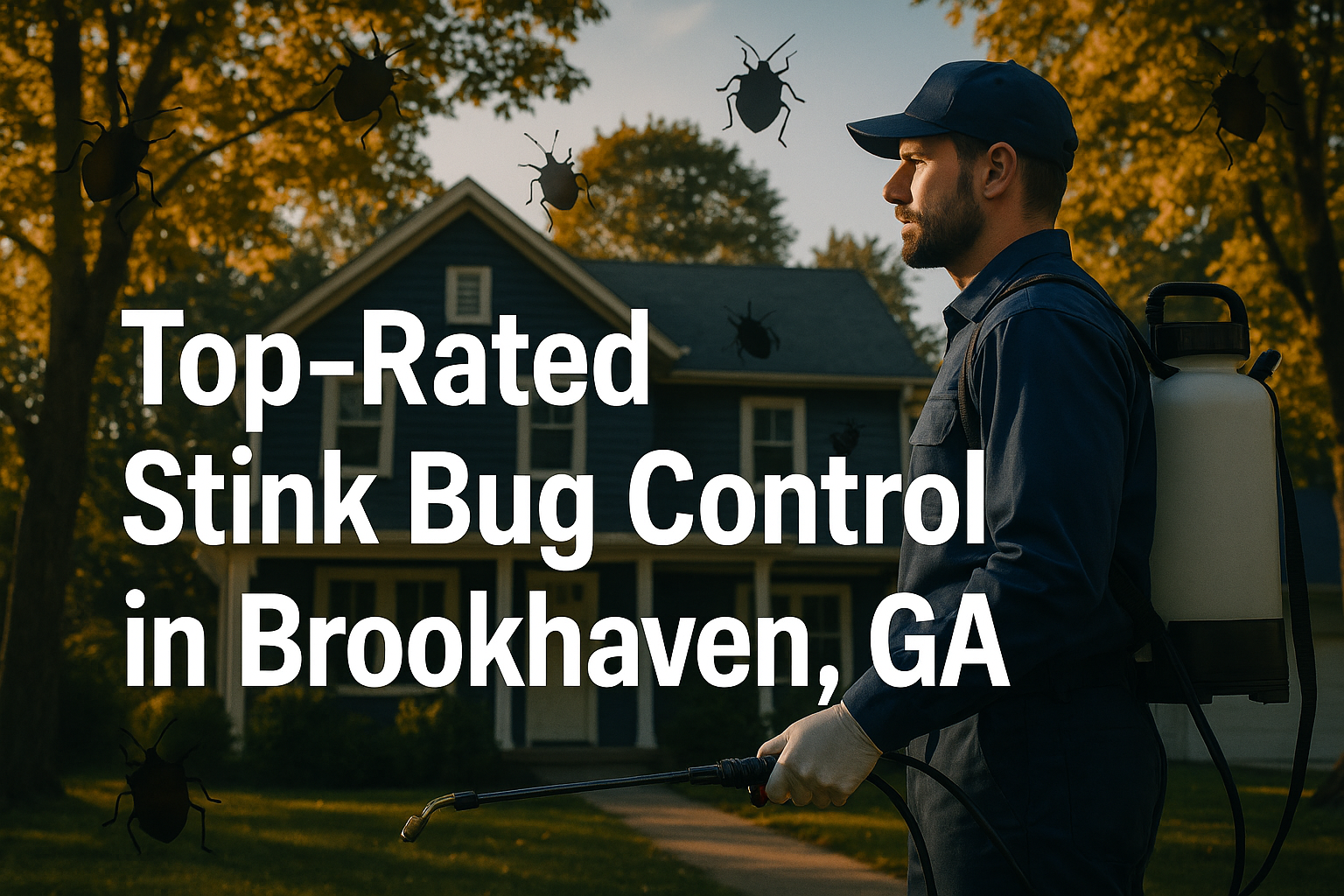
Why Stink Bugs Matter in Brookhaven
Biology at a Glance
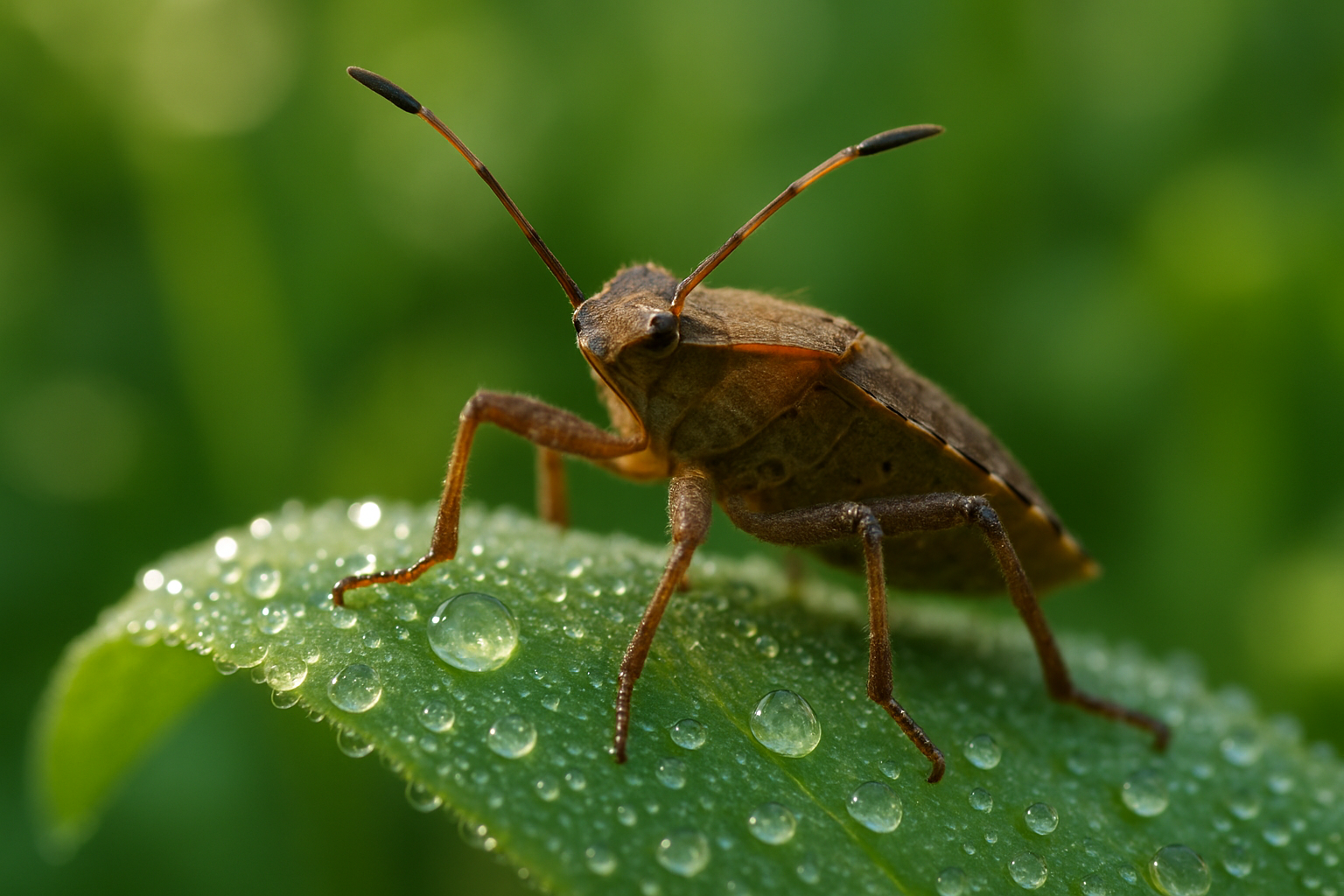
The brown marmorated stink bug (Halyomorpha halys) is a shield‑shaped insect about 1.5 cm long. Its name comes from a pair of scent glands that release a pungent, garlic‑like odor when the bug feels threatened. Adults emerge in late spring, mate, and lay egg masses on the undersides of leaves. Nymphs pass through five instars before becoming the winged adults that seek shelter for the winter.
Brookhaven’s Perfect Habitat
Brookhaven’s climate is a sweet spot for these pests. Warm, humid summers—often climbing above 30 °C with nightly dew—accelerate the bug’s development cycle. The city’s abundant oak and pine canopies provide both food sources and ideal overwintering sites. Fallen leaves and mulch beds create a moist micro‑environment where nymphs can thrive, turning a typical backyard into a breeding ground.
What the Numbers Tell Us
According to a 2023 survey from the Georgia Department of Agriculture, residential stink‑bug reports in Fulton County jumped 12 % compared with the previous year.
This uptick isn’t a random blip; it reflects a growing population that’s expanding its range into suburban neighborhoods like Brookhaven. The data underscores why local homeowners can’t afford to ignore the early signs—each missed detection allows the colony to multiply exponentially.
Why Homeowners Should Care
Beyond the obvious nuisance, stink bugs can cause real damage. In gardens they pierce fruit, tomatoes, and ornamental plants, leaving brown, sunken lesions that ruin harvests. Outdoor lighting becomes a beacon at night, drawing swarms that cluster on porch railings and window sills. When they slip indoors seeking shelter, the odor they emit can linger in closets, cabinets, and even upholstery, creating an unpleasant indoor environment.
Spotting the First Signs
Recognizing an infestation early is the first line of defense. Look for clusters of the insects on sunny walls, under eaves, or inside attic vents. Nymphs are lighter in color and more fragile than adults, often found on the undersides of leaves. If you notice a sudden increase in dead insects near lights or a persistent, sour smell after opening a pantry, it’s time to investigate further.
Understanding the biology, climate advantage, and recent surge in reports equips you with the context needed to act decisively. The next step is learning how to confirm an infestation and choose the right treatment strategy for Brookhaven homes.
Spotting a Stink Bug Infestation in Your Home
Stink bugs are easy to miss until they become a nuisance, but once you know what to look for, spotting an early infestation is straightforward. The adult Eastern brown stink bug (Halyomorpha halys) measures about ½‑inch long and wears a shield‑shaped, mottled brown body that tapers slightly toward the rear. Two thin, white antennae extend from the front of the head, and a distinctive dark “V” or hour‑glass pattern runs across the middle of the back. These visual cues set them apart from ladybugs or beetles, which are often brighter or have spots rather than a solid V.
The most reliable tell‑tale sign is the odor. When a stink bug is crushed—or even when it feels threatened—it releases a pungent, cilantro‑like smell that can linger for minutes. The scent is not harmful, but it’s unmistakable and often prompts homeowners to investigate further.
Where They Hide in a Brookhaven Home
Stink bugs seek out warm, sheltered places to overwinter and to hide during the heat of summer. In the Brookhaven area, the most common indoor hiding spots include:
- Under eaves and roof overhangs where sunlight warms the wood.
- Window sills and frames, especially those with cracks or loose caulking.
- Attic corners, particularly near insulation or stored boxes.
- Indoor plant pots and the soil of ornamental foliage, where moisture attracts them.
These locations share one trait: they provide a tight seam or crevice that protects the bug from drafts while keeping it close to a food source.
How Many Are You Likely to See?
According to the National Pest Management Association (NPMA), the average Georgia suburban household encounters 5‑10 stink bugs per season. That number can spike in neighborhoods with abundant fruit trees or vegetable gardens, which serve as feeding grounds during the summer months.
Real‑World Example from Brookhaven Village
Take the case of a Brookhaven Village homeowner, Maria Lopez, who noticed tiny brown specks on the leaves of her backyard tomato plants in early July. At first she blamed aphids, but the damage progressed into irregular, brown‑ish “leaf‑spot” lesions that wilted quickly. A quick inspection of the garden’s potting soil revealed several live stink bugs and a few dead ones tucked beneath the mulch. The insects had been feeding on the plant’s sap, causing the spots and reducing fruit yield. Maria’s experience underscores how quickly a seemingly minor outdoor presence can translate into indoor frustration.
DIY Inspection Checklist
Quick Inspection Checklist
- Walk along exterior walls and note any dead or alive stink bugs on windowsills, eaves, or gutters.
- Smell for the characteristic cilantro‑like odor, especially after handling a suspected bug.
- Examine indoor plant pots, especially the soil surface, for live insects or shed exoskeletons.
- Check attic corners and storage boxes for clusters of brown, shield‑shaped bugs.
- Inspect exterior seams, such as around doors, vent pipes, and roof flashing, for small entry holes or bug droppings.
Why Early Detection Saves You Money
Finding a few stink bugs before they multiply can dramatically reduce treatment costs. A small, localized infestation often requires only targeted sealing and a single spot‑treatment, whereas a full‑blown invasion may need whole‑house spraying, repeated follow‑ups, and professional remediation. Early detection also limits damage to garden plants and interior furnishings, preserving both your harvest and the appearance of your home.
Common Hiding Spots in a Brookhaven Home
| Spot | Likelihood (Seasonal) |
|---|---|
| Eaves & Roof Overhangs | High |
| Window Sills & Frames | High |
| Attic Corners | Medium |
| Indoor Plant Pots | Medium |
| Exterior Seams (doors, vents) | Low |
If you tick several boxes on the checklist, it’s time to consider a professional assessment. While DIY sealing and vacuuming can reduce numbers, a targeted treatment plan from a licensed provider like Anthem Pest Control ensures the infestation is eliminated safely and prevents future re‑entries.
How Much Does Professional Stink Bug Control Cost in Brookhaven?
One‑time Treatment
For most Brookhaven homeowners, a single, comprehensive stink‑bug eradication visit costs between $200 and $300. This range reflects the 2024 regional price data compiled by the EPA and leading industry surveys, which factor in the cost of targeted chemicals, technician labor, and the additional time required to locate hidden infestations inside walls, attics, and crawl spaces. The one‑time option is ideal for households that have just discovered a sudden surge of bugs and need an immediate knock‑down before the insects spread to fruiting gardens or indoor living areas.
Quarterly Prevention Plan
A quarterly maintenance schedule spreads the expense over four visits per year, with each service priced between $119 and $189. The plan typically includes a pre‑season inspection, application of residual treatment around the home’s exterior, and a follow‑up interior check to catch any late‑season intruders. Homeowners who prefer predictable budgeting and year‑round protection find this model especially attractive because it aligns with the natural life cycle of the brown‑marmorated stink bug, which peaks in late summer and early fall.
Monthly Proactive Service
For the most vigilant property owners, a monthly service can be arranged at $100–$140 per visit. This higher‑frequency option is common in neighborhoods with dense tree canopies or nearby agricultural fields, where stink bugs constantly migrate from crops to homes. Each monthly visit includes a brief exterior spray, a quick interior sweep, and a short consultation on any new entry points that may have opened since the last appointment.
How It Stacks Up Against Generic Pest‑Control Rates
To put these numbers in perspective, a typical generic pest‑control contract for a 4‑bedroom home in Brookhaven runs between $126 and $153 per visit, according to industry pricing data. While the baseline cost is lower, generic programs often target a broad spectrum of insects and do not include the specialized chemicals or monitoring tools needed for stink‑bug control.
| Service Type | Price per Visit | Frequency | Estimated Annual Cost |
|---|---|---|---|
| One‑time Stink‑Bug Treatment | $200–$300 | 1 | $200–$300 |
| Quarterly Stink‑Bug Prevention | $119–$189 | 4 | $476–$756 |
| Monthly Stink‑Bug Proactive Service | $100–$140 | 12 | $1,200–$1,680 |
| Generic Pest Control (4‑bedroom) | $126–$153 | 4 | $504–$612 |
Cost‑Benefit Analysis for the Homeowner
When you weigh the price of a stink‑bug program against the potential damage, the math often favors professional treatment. A modest garden of tomatoes can lose up to 15 % of its yield when stink bugs feed on the fruit, translating to several hundred dollars in lost produce for an average Brookhaven household. Exterior damage is another hidden cost: the bugs release a foul‑smelling liquid that can stain siding, decks, and outdoor furniture, leading to premature repainting or replacement.
Beyond the tangible losses, many residents experience allergic reactions to the bugs’ defensive odor, ranging from mild skin irritation to respiratory discomfort. Treating the infestation eliminates this health risk, which can otherwise result in medical expenses and reduced quality of life. In many cases, the annual expense of a targeted plan (<$500–$800) is less than the combined cost of lost crops, repairs, and potential health care.
Why a Stink‑Bug‑Specific Service Pays Off
Stink‑bug‑specific programs use chemicals formulated to penetrate the insects’ protective exoskeleton and disrupt their breeding cycle—something generic sprays rarely achieve. Additionally, technicians conduct focused monitoring, identifying entry points such as gaps around windows, utility penetrations, and roof vents. By sealing these pathways and applying residual treatments only where stink bugs congregate, homeowners enjoy a higher success rate, fewer repeat visits, and long‑term peace of mind.
Treatment Methods Used by Top Brookbrook Providers
When stink bugs invade a Brookhaven home, the most effective defense comes from a blend of science‑backed inspection, precise chemical work, and long‑term prevention. The leading local companies combine these three pillars into a seamless service that minimizes disruption while delivering lasting results.
Professional Inspection
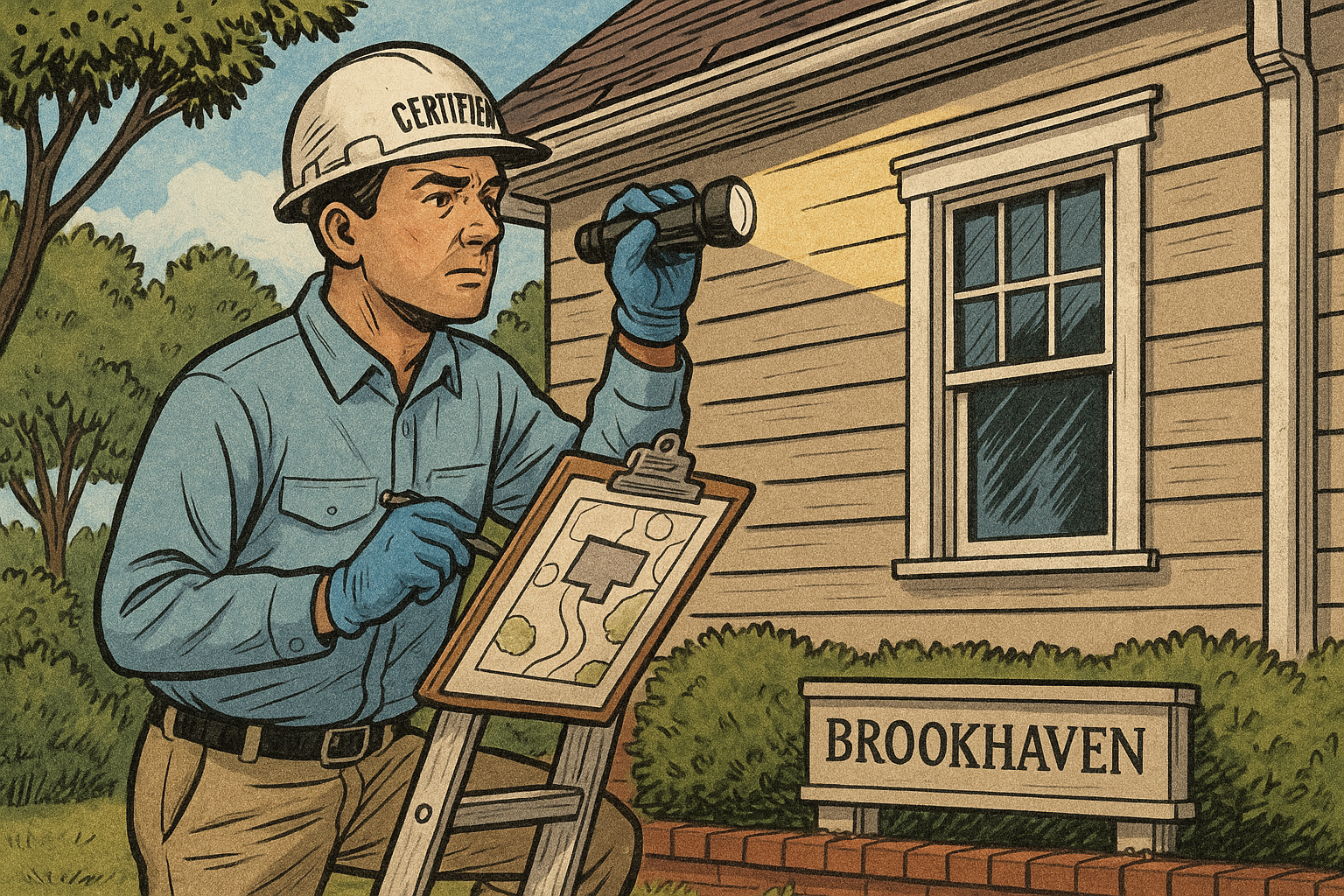
Before any spray hits the walls, technicians conduct a thorough walkthrough that looks like a high‑tech detective mission. Using thermal imaging cameras, they spot temperature differences that reveal hidden nests behind insulation or inside wall voids—areas that are invisible to the naked eye.
Next, a crack detection probe runs along baseboards, window frames, and exterior siding. The device measures minute gaps, flagging openings as small as 1 mm that stink bugs love to exploit. Finally, the inspector creates an entry‑point map, a visual layout that marks every breach and high‑risk zone. This map guides the treatment plan, ensuring no hotspot is missed.
Targeted Chemical Applications
Armed with the inspection map, technicians apply EPA‑registered, low‑toxicity products precisely where stink bugs congregate. Rather than blanket‑spraying an entire home, they focus on spot‑treatments around windows, foundation cracks, and interior voids such as attic spaces and crawl‑spaces.
These formulations are designed to act quickly on contact while breaking the insects’ pheromone trail, preventing reinfestation. Because the chemicals are low‑toxicity, they are safe for families, pets, and even the surrounding landscaping when applied according to label directions.
Integrated Pest Management (IPM)
IPM is the backbone of a sustainable stink‑bug strategy. After the chemical phase, technicians seal identified cracks with silicone or polyurethane caulk, eliminating the pathways that bugs use to slip inside.
Landscape modifications are also crucial. Trimming vegetation that brushes against the home’s exterior, removing leaf litter, and maintaining a clear buffer zone reduce the outdoor habitat that attracts stink bugs. For those homes where light draws insects at night, light traps are installed on the exterior to capture wandering bugs before they find a way inside.
Finally, homeowners receive a brief education session: simple daily checks, proper waste management, and seasonal timing tips that empower them to keep the infestation at bay long after the professional visit.
Real‑World Success: Got Bugs? Case Study
In early summer, a North Brookhaven homeowner called Got Bugs? after discovering dozens of stink bugs clustered on kitchen cabinets. The team performed the full inspection protocol, identifying three hidden entry points behind a second‑floor window, a foundation crack near the garage, and a gap in the attic vent.
Using targeted low‑toxicity sprays and sealing the openings, they completed the first visit in under two hours. Two weeks later, a follow‑up visit confirmed that the bug count had dropped by 70 %. After a second targeted treatment and the addition of exterior light traps, the homeowner reported a 95 % reduction in stink‑bug sightings—effectively eliminating the nuisance for the remainder of the season.
For a deeper dive into the methods and pricing details of Brookhaven’s top providers, visit the Got Bugs? provider page.
Eco‑Friendly Options and Service Guarantees
Green treatment alternatives you can trust
When it comes to stink bug control in Brookhaven, many homeowners are looking for solutions that protect their families and the environment. Anthem Pest and several local competitors now offer a menu of low‑impact methods that keep the bugs at bay without harsh chemicals. The most common options include botanical oil sprays derived from neem or rosemary, food‑grade diatomaceous earth, and specially formulated insect‑growth regulators that target stink bugs while leaving pets, children, and beneficial insects unharmed.
Botanical oil sprays: nature’s own pesticide
Botanical oils work by disrupting the stink bug’s respiratory system and coating its exoskeleton, effectively suffocating the insect. Because the active ingredients are plant‑based, they break down quickly in the soil and do not linger on indoor surfaces. Anthem Pest applies these sprays in a fine mist that reaches cracks, crevices, and foliage where stink bugs hide, providing a barrier that is both effective and environmentally responsible.
Diatomaceous earth and other low‑impact tools
Diatomaceous earth (DE) is a fine, powdery substance made from fossilized algae. When stink bugs walk across DE, the microscopic sharp edges puncture their outer shell, causing dehydration and death. The powder is non‑toxic to mammals and can be safely sprinkled around entry points, garden beds, and foundation walls. In addition, some providers use heat‑treatment tents and ultrasonic repellents—methods that rely on physical forces rather than chemicals—to further reduce reliance on traditional pesticides.
EPA‑registered green products and household safety
All green solutions listed above are EPA‑registered, meaning they have undergone rigorous testing for efficacy and safety. These products are formulated to meet strict toxicity thresholds, ensuring they pose minimal risk to pets, children, and even indoor air quality. Anthem Pest’s technicians receive specialized training on proper application rates and ventilation practices, so you can feel confident that a treatment will not linger on countertops or in the air long after the job is done.
Service guarantee you can rely on
Anthem Pest stands behind its eco‑friendly treatments with a clear, no‑questions‑asked guarantee: if stink bugs reappear within 30 days of the initial service, the company will return for a free re‑treatment. This promise applies to both residential and rental properties and is designed to give homeowners peace of mind—especially those who have invested in greener options and expect lasting results without hidden costs.
“I chose Anthem’s eco‑friendly plan because I have two dogs and a toddler, and I didn’t want any harsh chemicals in our home. After the first visit, there were no more stink bugs, and the guarantee gave me confidence that the problem was truly solved. It’s been weeks now, and we’re finally enjoying a bug‑free yard again—peace of mind is priceless.” — Emily R., Brookhaven resident
For a deeper dive into the specific green products and treatment protocols Anthem Pest uses, visit their green‑pest‑management page. The site outlines each EPA‑registered solution, explains how they are applied, and provides additional tips for homeowners who want to maintain a low‑impact, stink‑bug‑free home year‑round.
DIY Prevention Tips Every Homeowner Should Follow
Stink bugs may be tiny, but they’re relentless when they find a way inside your home. The good news is that most of the entry points are simple to seal, and a few seasonal habits can keep the bugs at bay without breaking the bank. Below are the most effective, low‑cost steps you can start today.
1. Seal Cracks and Gaps
Every opening around your home is a potential invitation. Use a silicone‑based caulk to fill cracks around windows, baseboards, utility penetrations, and the foundation. Silicone remains flexible, so it won’t crack when the house expands in summer heat. For larger gaps around pipes or vents, insert steel wool first, then cover with caulk for a double barrier.
2. Install Door Sweeps
Exterior doors are the most common route for stink bugs. A door sweep—typically a rubber or brush strip—creates a tight seal against the threshold. Choose sweeps that are at least 1/2 inch tall and attach them with screws or strong adhesive. Check the sweep annually; replace it if it’s worn or warped.
3. Trim Vegetation Away From the House
Stink bugs love to travel along branches and vines that touch your siding. Keep trees, shrubs, and groundcover trimmed to within two feet of the exterior walls. This “bridge gap” forces the insects to descend to the ground before they can crawl up your home, where they’re far more vulnerable to predators and weather.
4. Light Management
Many homeowners keep porch lights, security floodlights, or decorative lanterns on all night. The bright white spectrum draws stink bugs like a moth to a flame. Replace these fixtures with yellow‑spectrum bulbs (often labeled “bug‑light”). If you can, turn off non‑essential outdoor lighting after dusk, especially during the peak migration months of September and October.
5. Seasonal Barrier Schedule
Timing is everything. Stink bugs emerge from overwintering sites in early spring and begin seeking shelter inside homes. Apply a thin layer of silicone caulk and reinstall door sweeps in March‑April, before the first wave arrives. If you use a perimeter insecticide, a light, homeowner‑applied barrier (such as a pyrethrin‑based spray) can be safely applied at the same time. Re‑inspect and touch up any missed spots in late summer, just before the bugs start their fall migration back outdoors.
6. Printable Checklist & Resources
Staying organized makes a big difference. Download our DIY Stink Bug Prevention Checklist and keep it on your fridge. The list walks you through each task, notes the ideal month, and provides a quick “done” box.
For more detailed guidance, visit Anthem Pest’s homeowner resources page. You’ll find printable fact sheets, video tutorials, and answers to the most common questions about stink bug behavior and control.
By sealing entry points, managing vegetation, and timing your barrier treatments, you can dramatically reduce the number of stink bugs that make it inside. These steps cost less than a dinner for two and protect your home all season long. Enjoy a bug‑free summer.
Choosing the Right Stink‑Bug Provider in Brookhaven
When a stink‑bug invasion threatens your home, the first decision you’ll face is which local pest‑control partner to trust. Brookhaven homeowners have three primary options that regularly appear in online searches: Nextgen Pest Solutions, Got Bugs?, and Anthem Pest. Each company advertises a slightly different mix of service depth, pricing structure, and environmental stewardship, so a side‑by‑side comparison can save you time, money, and future headaches.
The table below distills the most common decision factors into four columns: core services, average per‑treatment price, guarantee policy, and whether the provider offers eco‑friendly treatment options. All three firms hold a valid Georgia State Pest Control License, but their service packages and price points vary enough to merit a closer look.
| Company | Services Offered | Pricing (per treatment) | Guarantee | Eco‑Options |
|---|---|---|---|---|
| Nextgen Pest Solutions | Full home inspection, targeted fogging, follow‑up visit | $189 | 60‑day money‑back | No |
| Got Bugs? | Basic spray, perimeter barrier | $129 | 30‑day money‑back | No |
| Anthem Pest | Standard spray, botanical barrier, indoor/outdoor combo | $149 | 30‑day money‑back | Yes – botanical & low‑tox |
Looking at the side‑by‑side data, homeowners can quickly match their priorities to the provider that best fits. If budget is the overriding factor, Got Bugs? delivers the lowest entry price, but the limited guarantee and lack of green options may require a second treatment later. For those who want the most comprehensive coverage and a longer guarantee, Nextgen’s premium package is attractive, albeit at a higher cost. Anthem Pest strikes a balance, offering mid‑range pricing, a solid guarantee, and environmentally conscious chemicals—making it the most versatile choice for families concerned about both effectiveness and safety.
Beyond price and guarantee, many homeowners weigh licensing, BBB standing, and real‑world reviews. The following table compiles each company’s Georgia State Pest Control License status, Better Business Bureau rating, and the average Google Maps review score recorded in three Brookhaven neighborhoods—Brookhaven Village, North Brookhaven, and Peachtree Parkway.
| Company | GA License | BBB Rating | Brookhaven Village | North Brookhaven | Peachtree Parkway |
|---|---|---|---|---|---|
| Nextgen Pest Solutions | Valid | A‑ | 4.4 | 4.3 | 4.2 |
| Got Bugs? | Valid | B+ | 4.2 | 4.1 | 4.0 |
| Anthem Pest | Valid | A+ | 4.8 | 4.7 | 4.7 |
Why do those three metrics matter? A current Georgia State Pest Control License guarantees that the technicians have completed state‑mandated training and are insured to work in residential settings. The BBB rating reflects how a company handles complaints, billing disputes, and overall customer service. Finally, neighborhood‑specific Google review scores give you a hyper‑local snapshot of reliability—what works in North Brookhaven may differ from experiences in Peachtree Parkway. Together, they provide a more complete risk assessment than price alone.
Anthem Pest’s credentials stand out in every category. All three locations are fully licensed by the Georgia Department of Agriculture, but Anthem consistently earns an A+ rating from the BBB, reflecting a track record of prompt resolutions and transparent billing. In Brookhaven Village the company averages 4.8 stars, while North Brookhaven and Peachtree Parkway both hover around 4.7—slightly higher than the 4.4‑4.5 averages posted for Nextgen and Got Bugs?. Moreover, Anthem’s transparent pricing model eliminates hidden fees, and the 30‑day guarantee applies to the entire service bundle, not just the initial treatment. Their green‑treatment lineup includes botanical sprays, neem oil barriers, and low‑odor dusts that meet both efficacy standards and homeowner health concerns.
If you’re ready to protect your home without surprise costs or harsh chemicals, give Anthem Pest a call today at 877‑371‑8196 for a free, no‑obligation quote. Our Brookhaven technicians will assess the infestation, outline a customized plan, and schedule the first treatment within 48 hours—so you can enjoy a stink‑bug‑free yard this summer.
Protect Your Brookhaven Home Year‑Round – Get a Free Inspection Today
Stink bugs can turn a sunny Georgia summer into a relentless nuisance, but the good news is that you’ve already learned how to spot them, estimate the cost of treatment, and choose the right approach for your family and garden. Let’s quickly revisit the essentials so you can keep your home protected long after the first spray.
- Identification signs: Brown‑ish, shield‑shaped insects gathering on windows, light fixtures, and fruit trees; a distinct “stink” when crushed.
- Average costs: Professional treatment typically ranges from $150 to $300 per visit, with seasonal plans offering better value.
- Treatment options: Targeted perimeter sprays, indoor foggers, and low‑toxicity granules designed for the unique biology of stink bugs.
- Eco‑friendly choices: Products based on neem oil, diatomaceous earth, or botanical extracts that protect pollinators while reducing bug populations.
- DIY prevention steps: Seal cracks, remove garden debris, install window screens, and use light traps to reduce indoor attraction.
When you combine these tactics into a year‑round management plan, you’re not just buying a one‑time fix—you’re investing in long‑term savings. A comprehensive strategy reduces the need for repeated emergency visits, protects your landscaping investments, and preserves the comfort of your indoor spaces. Homeowners who stick with a scheduled program often see a 30‑40 % drop in pest‑related expenses over two years, plus the priceless peace of mind that comes from knowing the problem is being monitored and addressed before it escalates.
If you’re ready to safeguard your garden, your home’s exterior, and your family’s comfort, let Anthem Pest’s certified technicians handle the job with proven, low‑toxicity solutions. Our team blends local knowledge of Brookhaven’s stink‑bug patterns with the latest environmentally responsible products, ensuring effective control without compromising safety.
Take the next step without any pressure: call us today at 877‑371‑8196 or simply fill out our online request form to schedule a free, no‑obligation inspection. Our specialists will assess your property, discuss tailored treatment options, and provide a clear estimate so you can decide with confidence.
Visit Anthem Pest Control to learn more about our year‑round protection plans and start the process of keeping stink bugs—and any other unwanted guests—out of your home for good.