Why Fast Earwig Relief Matters in Druid Hills

Earwigs are nocturnal insects recognizable by their slender bodies and characteristic pair of forceps‑shaped cerci at the rear. In the humid springs and scorching summers of Georgia, especially around Druid Hills, they thrive in moist mulch, leaf litter, and shaded garden beds. Their rapid life cycle means populations can explode within weeks, turning a harmless garden visitor into a noticeable nuisance.
Homeowners in Druid Hills often voice three main worries: first, the occasional nibble on tender seedlings, roses, or ornamental grasses; second, the unsettling sight of earwigs wandering across kitchen counters or bathroom tiles; and third, the lingering myth that earwigs crawl into human ears—a notion that, while largely debunked, still fuels anxiety during a sudden surge.
According to the 2024 EPA pest report, Georgia ranks among the top 5 states for earwig sightings nationwide. The EPA’s data, collected from state agricultural extensions and municipal pest‑reporting programs, highlights a clear seasonal spike from April through August. This statistical backing underscores why Druid Hills, with its lush, moisture‑rich landscape, is a hotspot for earwig activity.
“One night in early June, we opened the back door and a wave of earwigs flooded the patio. Within an hour, they were everywhere—on the grill, the garden table, even inside the house. We called a local pest pro, and they got it under control before the next day’s barbecue.” – Jenna L., Decatur neighborhood homeowner
Jenna’s experience isn’t isolated. Neighbors report similar “sudden surges” when rain‑soaked mulch provides an ideal breeding ground. Without prompt intervention, earwig numbers can quickly overwhelm outdoor spaces and, eventually, slip indoors through tiny cracks and vents.
Because earwigs reproduce rapidly and seek shelter in the same damp corners where homeowners store firewood, garden tools, or compost, a delayed response often means a larger, more entrenched infestation. Fast, targeted treatment not only curtails the immediate visual nuisance but also prevents potential damage to ornamental plants and reduces the likelihood of earwigs entering living spaces.
Understanding these dynamics sets the stage for the rapid‑response solutions detailed in the next sections—strategies that combine EPA‑approved treatments, localized monitoring, and homeowner‑friendly prevention tips to keep Druid Hills homes earwig‑free all season long.
Earwig Biology – What Homeowners Should Know
Earwigs are modest‑sized insects, typically measuring between a half and one inch long. Their bodies are a uniform dark brown, and the most recognizable feature is a pair of slender, curved cerci—rear‑end pincers that look a bit like tiny forceps.
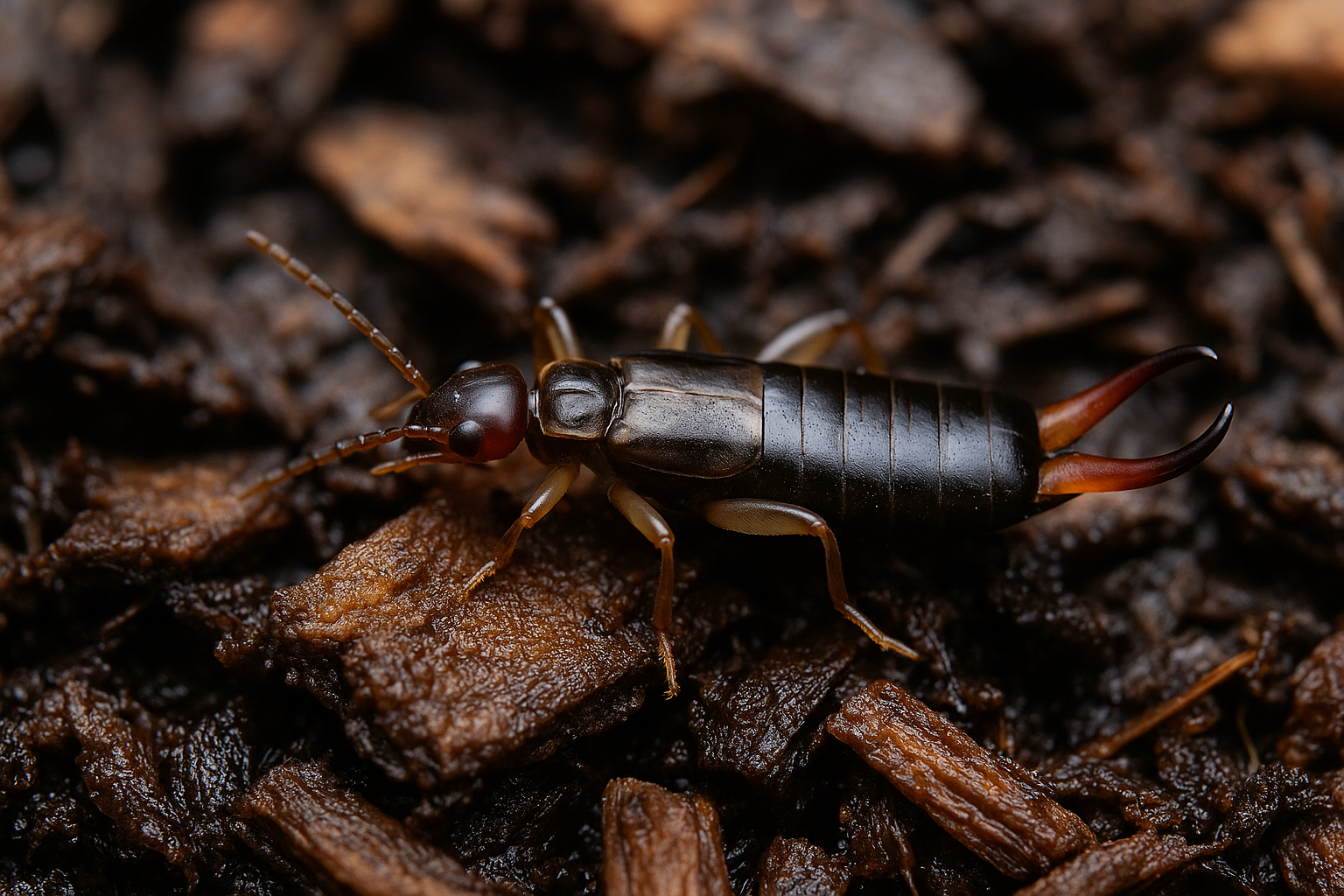
These critters are strictly nocturnal. After sunset they emerge from cracks, mulch, or leaf litter to hunt and feed, preferring moist, cool spots such as basements, bathrooms, and garden beds. During the day they tuck themselves into tight crevices—behind siding, under potted plants, or within garden debris—where they remain unnoticed until nightfall.
What do they eat? Earwigs are opportunistic scavengers. Their diet includes:
- Decaying vegetation and leaf litter
- Fungal growth and other organic debris
- Soft‑bodied insects such as aphids or fruit flies
Because they help break down organic matter, earwigs play a modest role in garden ecosystems, though large populations can damage seedlings.
The old “ear‑in‑the‑ear” legend is just that—a legend. Earwigs do not crawl into human ears; the name stems from a 10th‑century mistranslation of the German word “Ohrwurm,” which referred to a worm‑like insect, not a pest that invades ears. While an earwig might briefly explore a warm ear canal, it cannot survive there and will quickly retreat.
When moisture is plentiful, an earwig can survive up to 12 months, completing several molts before reaching adulthood. This longevity is documented by the University of Georgia Extension source.
Climate and Landscape Factors in Druid Hills
Druid Hills, Georgia, enjoys a warm, humid climate that creates the perfect backdrop for earwigs. According to NOAA’s 2023 data, the area averages 73% relative humidity throughout the year, keeping soil and organic debris constantly damp. Earwigs thrive in these conditions because they need moisture to stay active and reproduce.
Moisture‑Rich Landscaping
Local homeowners love the lush, shaded gardens that define Druid Hills. Common landscaping choices—mulch, wood chips, and deep leaf litter—act like sponge‑like reservoirs, holding water long after a rainstorm passes. These organic layers not only look appealing but also provide earwigs with the dark, moist hideaways they seek for daytime shelter and nighttime foraging.
Neighborhood Hotspots
Earwig sightings cluster in several pockets of the community:
- Virginia‑Highland: Tree‑lined streets and abundant garden beds create micro‑habitats.
- Brookhaven: Recent developments feature extensive mulch beds that retain humidity.
- Historic Druid Hills near Emory University: Older homes with mature landscaping and shaded courtyards see the highest reports.
Rainfall Patterns
Annual precipitation in Druid Hills averages about 50 inches, with the wettest months falling between May and September. This steady rainfall replenishes the mulch and wood chip layers, ensuring the ground stays moist—exactly what earwigs need to flourish.
For a quick visual reference, see the map thumbnail that highlights these neighborhoods and their moisture‑rich zones. Understanding how climate and landscape intersect helps homeowners anticipate earwig activity and choose timely, effective control measures.
Spotting Early Signs of Earwig Activity
Indoor indicators
Earwigs love damp, dark places inside the home. Check bathroom tile grout, the undersides of kitchen cabinets, and the space under sinks. A few slender, brown‑black insects scurrying across these surfaces are often the first hint of a growing problem.
Outdoor signs
In the garden, earwigs leave a trail of damage. Look for shredded lettuce leaves, chewed seedlings, and tiny holes in mulch where they burrow. These clues appear before the insects venture indoors, giving you a window to act.
Egg clusters (oothecae)
Female earwigs deposit oothecae—protective egg capsules—in moist soil, leaf litter, or under garden debris. The capsules are creamy‑white, about the size of a grape, and may be hidden beneath stones or garden mulch. Spotting these clusters early can prevent a sudden surge of adults.
Moisture hotspots
Leaky pipes, soggy basements, and over‑watered flower beds create the perfect environment for earwigs to thrive. Inspect areas prone to standing water and address any drainage issues promptly. Reducing moisture not only deters earwigs but also discourages many other pests.
Real‑world example
Mrs. Alvarez, a Druid Hills homeowner, noticed tiny brown insects crawling along the grout line of her bathroom tiles after a recent pipe leak. She thought it was a one‑off sighting, but the next day the insects returned in larger numbers. Recognizing the pattern, she called Anthem Pest Control, and a technician confirmed an early earwig infestation, treated the moisture source, and applied a targeted indoor treatment to halt the spread.
Rapid Response: Anthem Pest’s Earwig Extermination Process
24‑hour appointment guarantee – When an earwig invasion threatens your Druid Hills home, Anthem Pest promises a same‑day slot. Our internal KPI report shows an average emergency response time of just 2.1 hours, meaning a technician is on the way while the problem is still fresh.

Integrated Pest Management (IPM) at the core
Our earwig control follows a data‑driven IPM framework: a thorough inspection, precise moisture assessment, targeted low‑toxicity insecticide application, and diligent post‑treatment monitoring. This layered approach protects your family, pets, and the environment while eradicating the nuisance.
Step 1 – Comprehensive Property Inspection
Our certified technicians start by walking every exterior wall, foundation, and interior room. They locate typical earwig entry points—cracks in siding, gaps around windows, and unsealed utility penetrations. Using a flashlight and a digital checklist, they document each vulnerability for immediate remediation.
Step 2 – Moisture Assessment
Earwigs thrive in damp conditions. Technicians employ handheld hygrometers to measure relative humidity in crawl spaces, basements, and near landscaping. Readings above 60 % trigger actionable recommendations: fixing leaky gutters, improving soil grading, and installing vent fans to lower indoor moisture.
Step 3 – Targeted Spot‑Treatment
Only EPA‑registered, low‑toxicity products are used. We apply the insecticide directly to baseboards, mulch beds, and all identified cracks—no blanket spraying. This precision reduces chemical exposure while delivering a lethal dose to the insects where they hide.
Step 4 – Post‑Treatment Monitoring
Within 48 hours, a follow‑up inspection confirms that earwig activity has ceased. If any hotspots remain, we conduct a quick retreat. Homeowners may also request an optional quarterly check‑in to ensure long‑term protection.
Professionalism and Safety Protocols
Every Anthem Pest technician wears industry‑standard PPE, follows strict de‑contamination procedures, and carries a mobile tablet that logs each service step in real time. This digital record not only guarantees accountability but also feeds into our central analytics platform, continuously sharpening response times and treatment efficacy.
- Fast response: 2.1‑hour average arrival in Druid Hills.
- Data‑driven IPM: Inspection → Moisture check → Low‑toxicity spot‑treatment → Monitoring.
- Safety first: EPA‑registered products, PPE, and real‑time service logs.
- Guarantee: Same‑day appointment or we re‑schedule at no extra cost.
What You Pay for Fast Earwig Control
When earwigs start invading your garden beds or slipping into the house, the first question most homeowners ask is, “How much will it cost to get rid of them?” At Anthem Pest Control we keep our pricing transparent so you can see exactly where your dollars go.
Itemized pricing you’ll see on your invoice
- Initial inspection: $75‑$100 – a thorough walkthrough of your property, identification of infestation hotspots, and a customized treatment plan.
- Standard treatment: $150‑$250 per visit – includes licensed applicators, EPA‑approved products, and a follow‑up inspection to confirm success.
- Optional quarterly maintenance: $100 per quarter – scheduled visits that keep earwig populations below damaging levels year‑round.
These figures reflect the 2024 pricing range posted on Anthem’s Druid Hills page source. Prices may vary slightly based on home size, severity of the infestation, and any special considerations such as pet‑safe formulations.
Professional service vs. DIY earwig traps
Below is a side‑by‑side look at what you receive when you choose a professional plan versus a do‑it‑yourself kit.
| Feature | Professional Service | DIY Earwig Kit |
|---|---|---|
| Up‑front cost | $225‑$350 (inspection + first treatment) | $20‑$30 |
| Per‑visit cost after initial | $150‑$250 | None (one‑time purchase) |
| Long‑term effectiveness | High – Integrated Pest Management (IPM) targets breeding sites and reduces re‑infestations. | Low – traps catch only a fraction of the population. |
| Chemical exposure | Minimal – technicians apply low‑toxicity, targeted products. | None – traps are non‑chemical. |
| Maintenance frequency | Quarterly visits keep pressure low. | Replace traps every few weeks; effectiveness wanes quickly. |
| Plant protection | Integrated approach safeguards foliage and root zones. | Limited – traps do not address soil‑borne larvae. |
| Warranty/Guarantee | 1‑year service guarantee | No guarantee |
While the DIY kit looks cheap at first glance, the hidden costs add up. A single $30 trap may need replacement every two weeks, and it rarely eliminates the underlying cause. In contrast, Anthem’s IPM‑driven program tackles earwigs where they breed, often preventing repeat treatments for an entire season.
Why the professional price makes sense
Integrated Pest Management (IPM) is more than just spraying chemicals. Our technicians locate hidden crevices, seal entry points, and advise on proper yard sanitation. By addressing the root cause, you avoid the cycle of “spray‑and‑wait” that can cost you extra visits, damage to ornamental plants, and unnecessary chemical exposure for pets and children.
Consider the hidden cost of plant loss: a single damaged rose bush can cost $80–$120 to replace, plus the aesthetic impact. Professional treatment often prevents that loss, delivering a clear return on investment.
Anthem offers flexible payment plans, and many homeowners spread the cost over three months with no interest, making the service even more affordable.
Keeping Earwigs Out for Good
Earwigs are attracted to damp, dark places, so the most reliable way to keep them from returning is to eliminate the conditions that invite them in. By tackling moisture, tidying up your yard, sealing entry points, and using simple traps, you create an environment that’s unappealing to these nocturnal pests year‑round. The steps below are practical, low‑cost, and can be done by any homeowner without professional equipment.
Moisture Control
- Repair any leaky faucets, gutters, or sprinkler heads within 24 hours to stop water pooling around the foundation.
- Grade your lawn so that water flows away from the house, aiming for a gentle slope of at least 2 percent.
- Limit over‑watering; water plants early in the day and let the soil dry before the next irrigation.
- Install a French drain or a simple gravel trench in low‑lying spots that stay soggy after rain.
- Use a dehumidifier in basements or crawl spaces that tend to stay damp.
Landscape Management
- Keep mulch no deeper than 2‑3 inches and replace it each year to prevent a moist breeding ground.
- Remove decaying wood, stumps, and leaf litter that provide shelter for earwigs.
- Trim low‑lying shrubs and vines away from the house to reduce shady, humid zones.
- Place breathable garden fabric under plant beds to improve drainage.
- Store firewood at least 18 inches off the ground and away from exterior walls.
Structural Sealing
- Inspect the foundation for cracks and fill them with a high‑quality, paint‑compatible caulk.
- Install door sweeps on all exterior doors; a tight seal stops earwigs from crawling underneath.
- Fit fine‑mesh screens over vents, chimneys, and utility openings—earwigs can squeeze through gaps as small as ¼ inch.
- Check window frames for gaps and apply weather‑stripping where needed.
- Seal any gaps around utility lines, pipes, and cables that penetrate exterior walls.
Non‑Chemical Traps
- Roll a few sheets of newspaper, dampen them slightly, and place the rolls near known entry points; earwigs will hide inside and can be discarded in the morning.
- Use commercially available sticky traps and position them in dark corners, under decks, or along baseboards.
- Replace traps weekly during peak season (late summer to early fall) to maintain effectiveness.
Local Resource Recommendation
For a deeper dive into moisture‑friendly gardening, consult Emory University Extension’s “Garden Moisture Management Guide.” The guide offers region‑specific advice on irrigation scheduling, soil amendment, and drainage solutions that complement the earwig‑prevention steps above.
Why Druid Hills Homeowners Trust Anthem Pest
For more than two decades, Anthem Pest has been a fixture in the Atlanta metro area, and we’ve built a dedicated service team that knows Druid Hills inside and out. Our technicians grew up in the neighborhoods they now protect, so they understand the unique construction styles and landscaping quirks that can invite earwigs and other pests.
Local expertise that matters
Because we focus exclusively on the Druid Hills community, we can respond to a call within hours and schedule treatments at times that suit busy homeowners. Our crew stays current on the latest research from the University of Georgia Extension and adapts strategies that work for historic homes, modern condos, and everything in between.
Licensed professionals and safe products
Every technician on our roster holds a state‑issued pest‑control license and completes annual continuing‑education courses. We apply only EPA‑approved, low‑toxicity formulations that protect families, pets, and the environment while delivering rapid earwig knock‑down.
Proven track record on Google
Homeowners consistently reward our service with a 5‑star rating on Google, backed by more than 120 verified reviews. Readers frequently cite our punctuality, transparent pricing, and the lasting results they see after each visit.
Industry‑standard methods
Our approach aligns with the best practices outlined by leading pest‑control resources. For example, Peachtree Pest Control recommends targeted perimeter treatments for earwigs, while Noble Pest Services stresses the importance of removing moisture sources. Anthem’s own earwig page for Decatur illustrates how we combine those guidelines into a single, homeowner‑friendly plan.
- Peachtree Pest Control – Earwigs
- Noble Pest Services – Earwigs
- Anthem Pest – Fast Earwig Exterminator in Decatur, GA
When you choose Anthem Pest, you’re not just hiring a service; you’re partnering with a neighbor who has a proven, 20‑year record of keeping Druid Hills homes safe from unwanted invaders.
Quick Answers for Homeowners
Earwigs can be a nuisance, but the right treatment clears them fast. Below are the most common questions homeowners ask after we finish a service, with concise answers.
How quickly will earwigs disappear after treatment?
Most homeowners notice an 80% reduction in earwig activity within 48 hours of a professional application. The remaining individuals are typically eliminated as the residual product continues to work, and full control is usually achieved in 7‑10 days. You may still see occasional activity, but numbers keep dropping.
Are the chemicals safe for pets?
Anthem uses low‑toxicity, EPA‑registered products that are formulated specifically for indoor and outdoor use around families and animals. When applied according to label directions, these treatments pose no risk to dogs, cats, or other household pets. We recommend keeping pets indoors until the spray dries, usually under an hour.
Do I need a follow‑up visit?
For moderate to severe earwig infestations we recommend one follow‑up appointment to confirm that the population is fully suppressed. This visit is included at no extra charge when you select our quarterly maintenance package, ensuring long‑term protection. The follow‑up includes a quick inspection and spot‑treatment for any survivors.
If you have additional concerns or need a personalized plan, our Druid Hills technicians are just a call away.
Fast Relief, Long‑Term Protection
When earwigs invade, acting fast prevents them from nesting in wall voids, garden beds, or your kitchen. A rapid, professional Integrated Pest Management (IPM) approach—combining targeted treatments with homeowner‑level sanitation—stops the current infestation and blocks future colonies.
Anthem Pest delivers the quickest response in Druid Hills, GA. Our technicians arrive on the same day, provide transparent, upfront pricing, and back every job with a satisfaction guarantee. You’ll know exactly what’s being applied, why it works, and how long protection will last.
While we work, you can further discourage earwigs by clearing garden debris, sealing foundation cracks, and trimming back mulch or low‑lying plants. These quick homeowner actions complement professional treatment and extend protection.
Ready for swift, effective earwig relief? Call us today for a free, no‑obligation quote. Our friendly team will assess your situation, outline a customized plan, and get your home back to normal.
Contact us: 877‑371‑8196 | anthempest.com